
Falstaff Winery - Listed
A small-scale Rheinhessen winery in Nierstein-Schwabsburg, Weingut Paul Frank belongs to the quieter end of the German wine route: cellar-led, local in character, and shaped by still white and red wines rather than spectacle. Its appeal is the combination of family-winery atmosphere, a rare cellar feature known as a Kuhkapelle, and a setting that keeps the focus on Nierstein’s wine-growing culture.

Pearl is the En Primeur Club membership app, where members save venues, book tables and use the concierge.

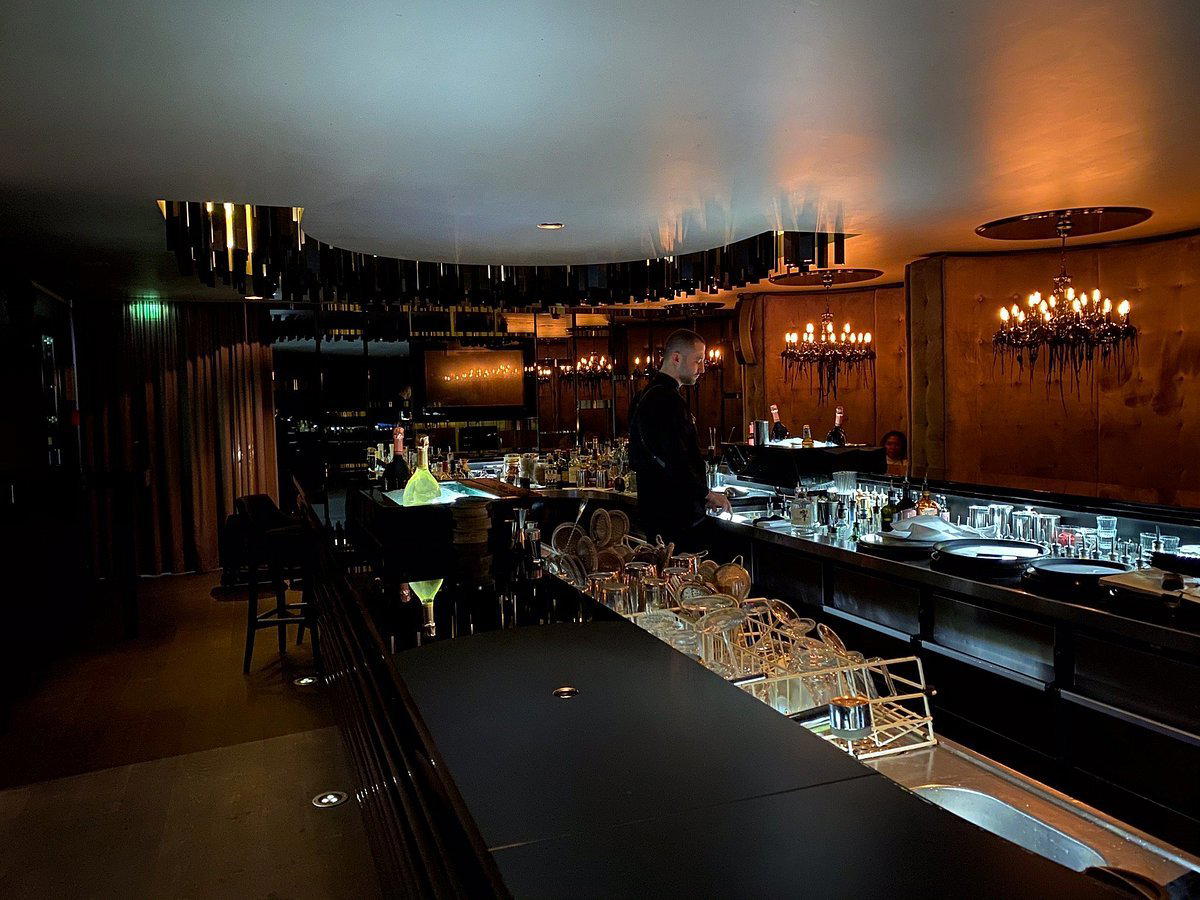
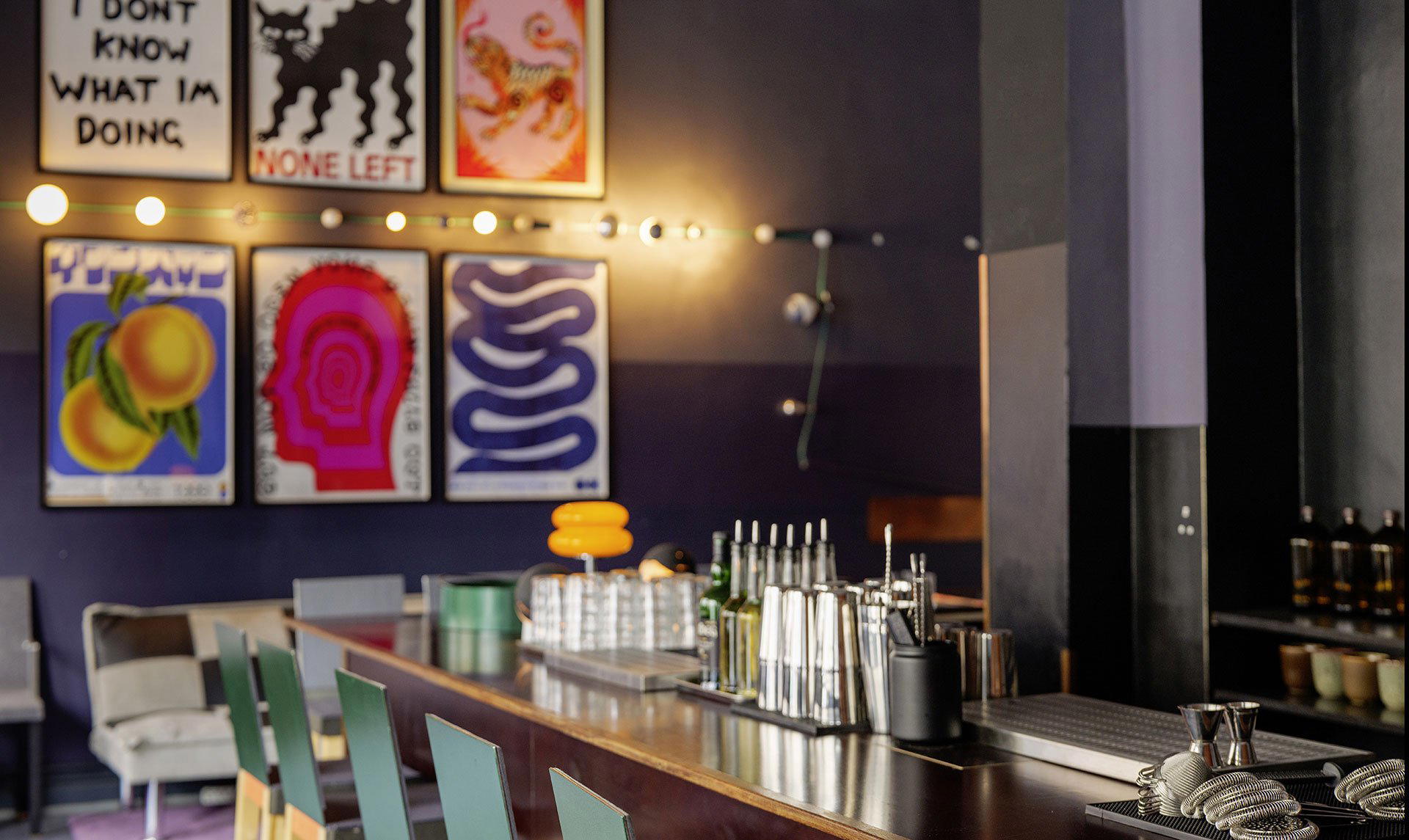
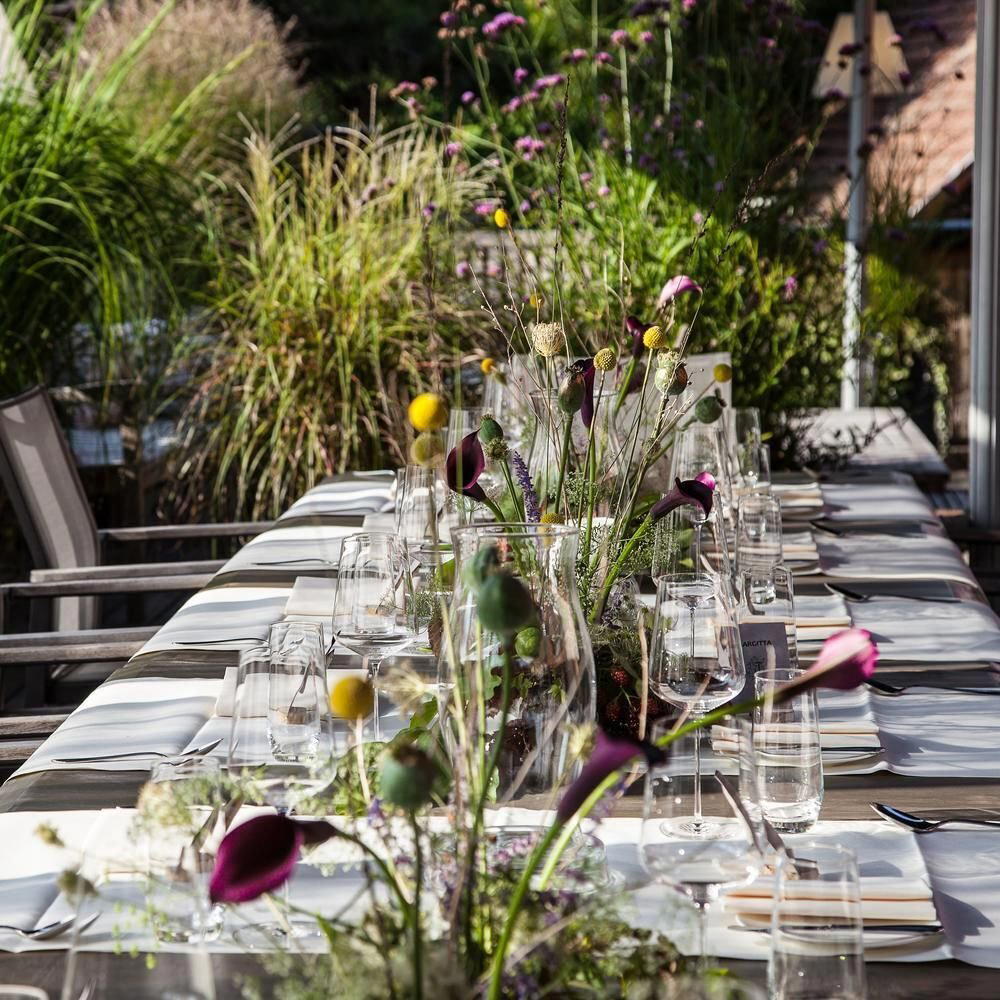
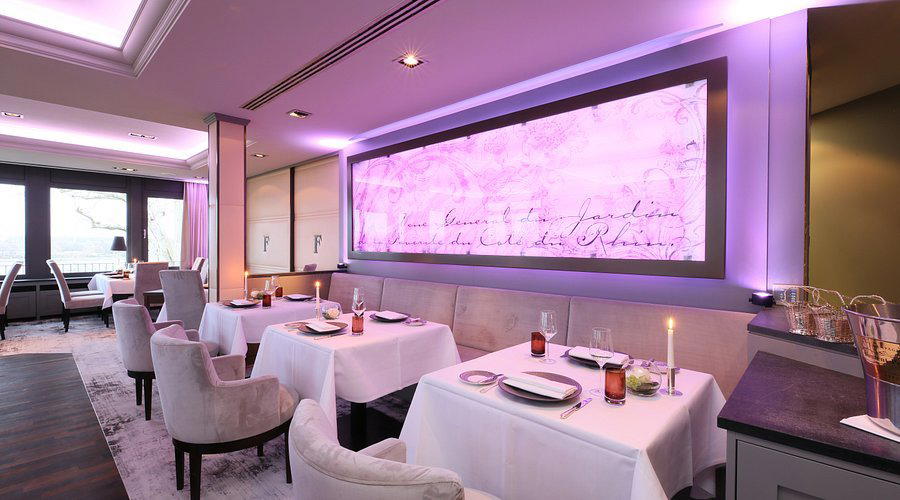
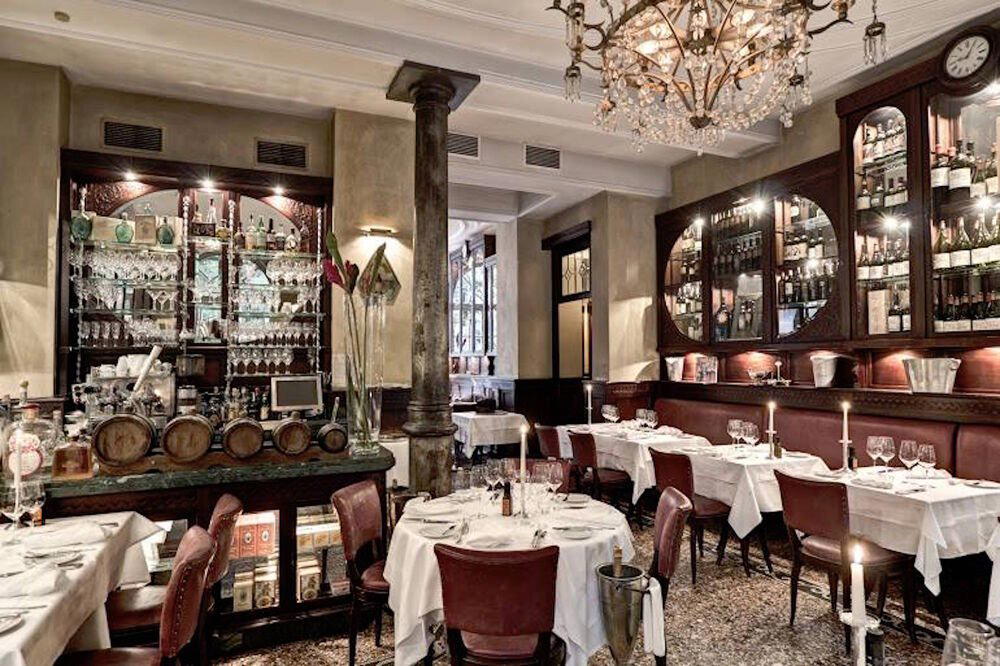
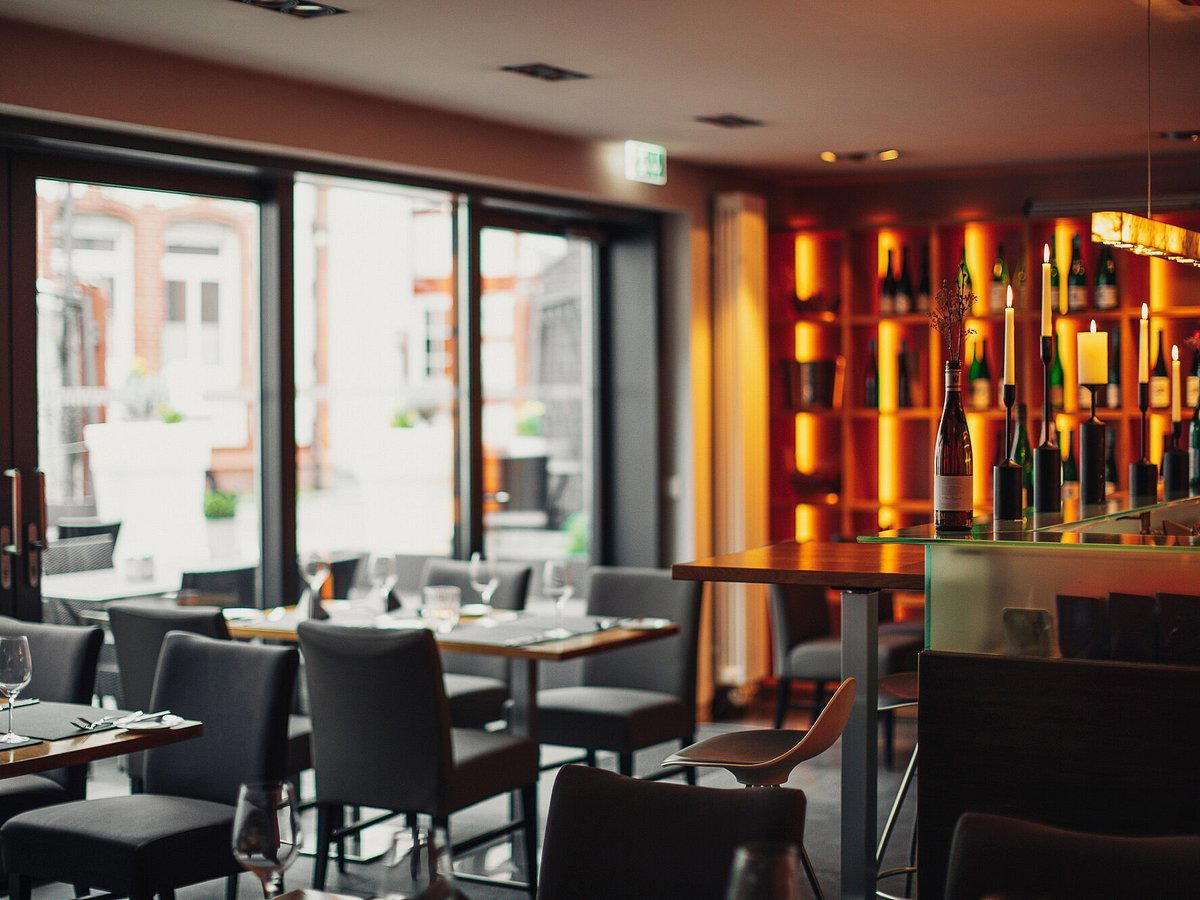
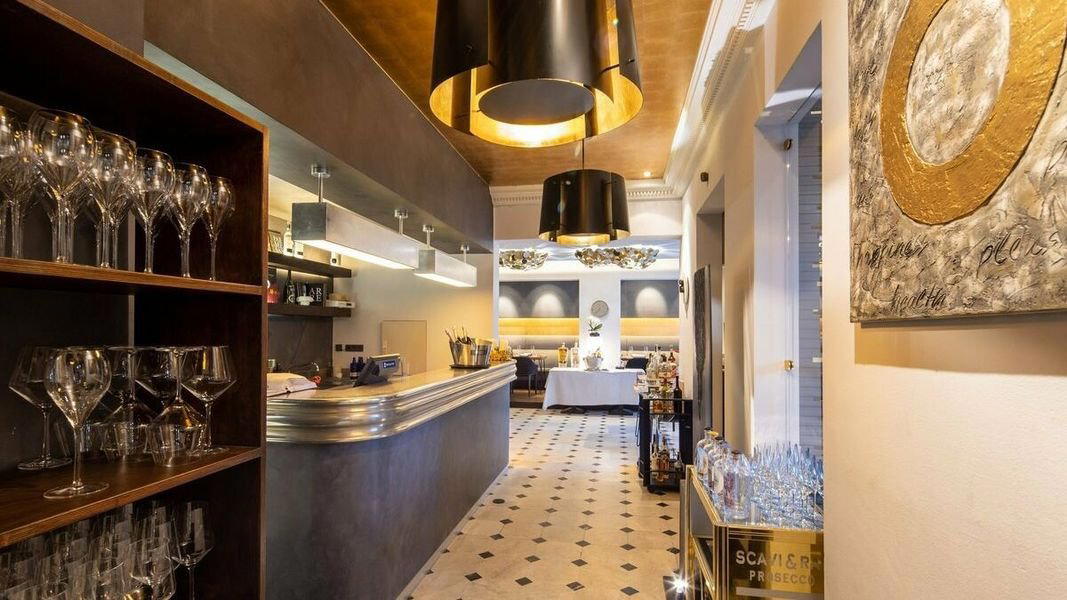
Approach Nierstein as a wine traveller and the useful question is not which estate has the loudest reputation, but which rooms still feel tied to a local wine-town scale. Weingut Paul Frank sits in that quieter register: traditional, family-run, regional in character, and more rustic than showy. The picture is not of a restaurant-style programme or a large hospitality complex, but of a winery whose appeal rests on atmosphere, local identity, and a distinctive cellar setting.
That restraint is important. The strongest grounded facts about Weingut Paul Frank are not a long list of awards, a chef-led menu, a fixed tasting format, or a detailed service schedule. They are simpler and more useful for planning: the venue is in Nierstein, it is priced at $$, and guest coverage highlights a quiet, classic, rustic atmosphere with the feel of a. The estate is also noted for a rare wine-cellar feature and a small art exhibition on site. Those are the details that make the visit stand out without needing to overstate what is known.
A cellar-led Nierstein impression
Premium wine hospitality can sometimes turn the visit into a design product, with polished rooms, scripted formats, and a highly managed sense of arrival. The profile for Weingut Paul Frank points in a different direction. It reads as a traditional family-run winery with a local, regional character, where the cellar setting matters more than spectacle. For travellers who prefer understated places, that can be exactly the attraction.
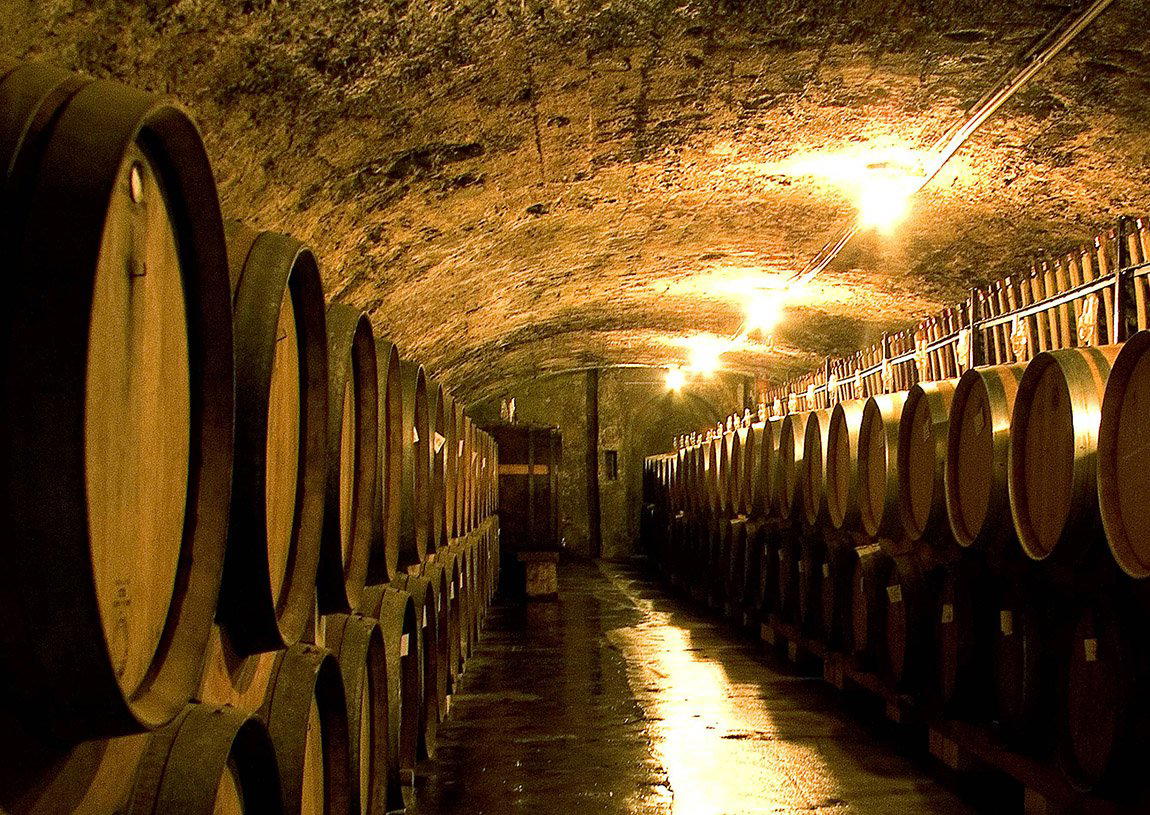
The most distinctive physical note is the rare wine-cellar feature mentioned in guest coverage. The page should not turn that into an invented museum narrative or a guaranteed tour component, but it is fair to say that the cellar detail gives the venue a stronger sense of place than a generic stop might have. The small art exhibition on site adds another modest layer of character. Together, these points suggest a winery visit with texture: quiet, classic, rustic, and rooted in Nierstein rather than built around a glossy destination-winery performance.
There is no confirmed basis here for naming a chef, claiming a specific menu, describing lunch or dinner service, promising food pairings, listing seating capacity, stating opening hours, or asserting take-out, delivery, dietary accommodations, or a formal tasting structure. Treat Weingut Paul Frank primarily as a winery entry with a family-run atmosphere and distinctive on-site features, then confirm practical arrangements directly before planning around a visit.
Quiet character over inflated claims
The most useful way to understand Weingut Paul Frank is through tone. The descriptors point to a quiet, classic, rustic, hidden-gem character. That is a different kind of premium value from a venue promoted through awards, elaborate service choreography, or destination architecture. It is the value of a place that retain a local identity and a traditional family-winery feel.
For EP Club readers, that makes the venue especially relevant when the goal is to understand Nierstein through its smaller, more personal wine settings. The page should not imply that Weingut Paul Frank is the only option in town, or that it represents every winery in the area. But it can be framed as a grounded stop for travellers who appreciate regional atmosphere, a quieter register, and an environment where the cellar and the family-run character are part of the draw.
The $$ price marker also helps set expectations. It suggests a moderate positioning, but it does not verify exact bottle prices, tasting fees, or package costs. Readers should avoid treating the symbol as a full pricing guide. It is best used as a broad planning cue: Weingut Paul Frank is not presented here as a luxury splurge or a budget bargain, but as a moderately priced winery entry whose main appeal is atmosphere and place.
Who should put it on the route
The strongest case for Weingut Paul Frank is for travellers who care about the relationship between winery, town, and cellar more than staged hospitality. It suits people looking for a quieter Nierstein address with traditional, family-run character and a rustic local feel. The rare wine-cellar feature and small art exhibition are the points that give the venue extra interest beyond the general idea of visiting a winery.
It is less useful to approach the venue with assumptions that are not supported by the record. Do not build a plan around a confirmed meal service, a specific wine list, a guided format, outdoor seating, children’s programming, dog-friendly access, or named awards unless those details are checked separately. The safer editorial read is narrower and more honest: Weingut Paul Frank is a Nierstein winery with a quiet family-run atmosphere, a regional character, a rare cellar feature, and a small art exhibition on site.
Use it as one possible stop in a wider Nierstein wine day, alongside other dining or lodging plans in the town as needed. The editorial verdict is measured but positive. Weingut Paul Frank is not presented here as a grand hospitality production. It is a grounded, local winery entry for travellers who value classic atmosphere, rustic charm, and the kind of quiet detail that can make a small venue memorable.
Recognition history
Dated appearances from independent guides and award organizations, with the underlying list record or original source where available.
Falstaff Winery - Listed
Falstaff
Continue exploring
More in Nierstein
Wineries in Nierstein
All wineries in Nierstein →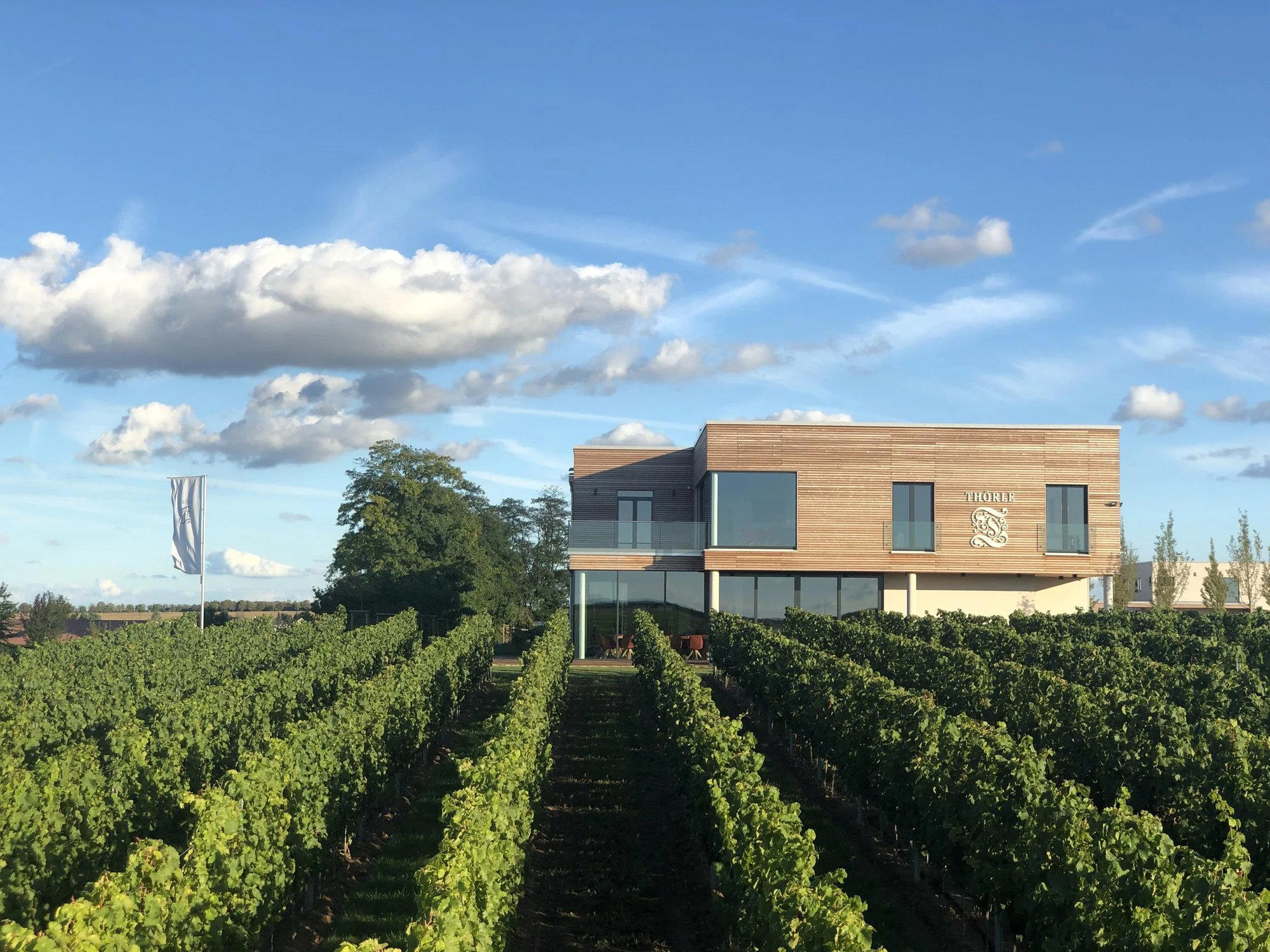
Bars in Nierstein
Browse all →
Details
- Quiet
- Classic
- Rustic
- Wine Education
- Solo Exploration
- Group Outing
- Historic Building
- Design Destination
- Vineyard
- Still White
- Still Red
- Cellar Tasting
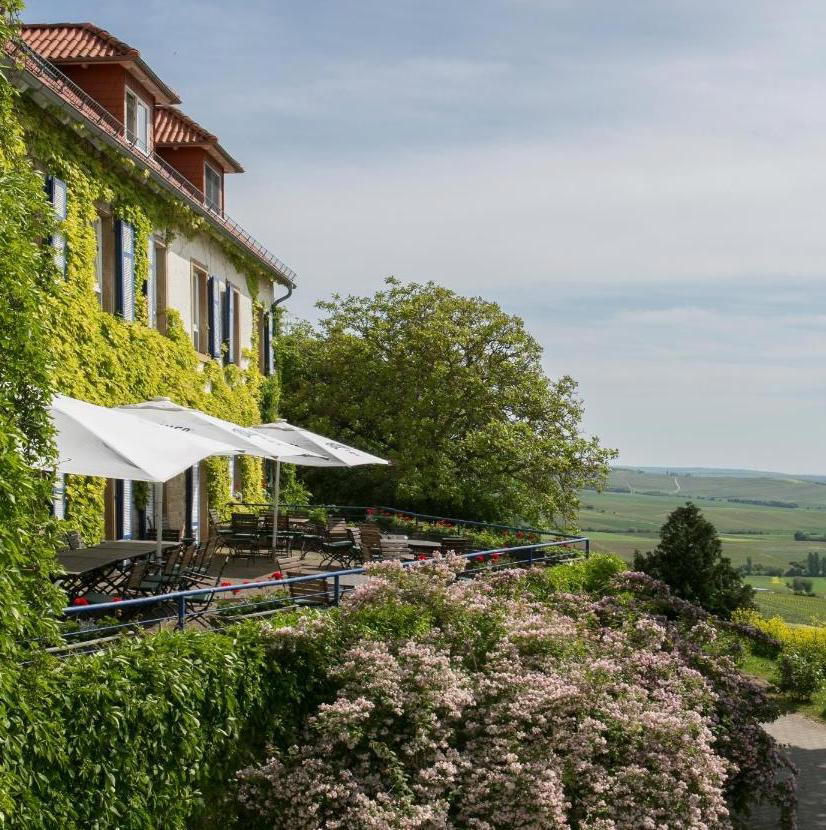
Traditional, family-run winery atmosphere with a local, regional character; guest coverage also highlights a rare wine-cellar feature and a small art exhibition on site.