
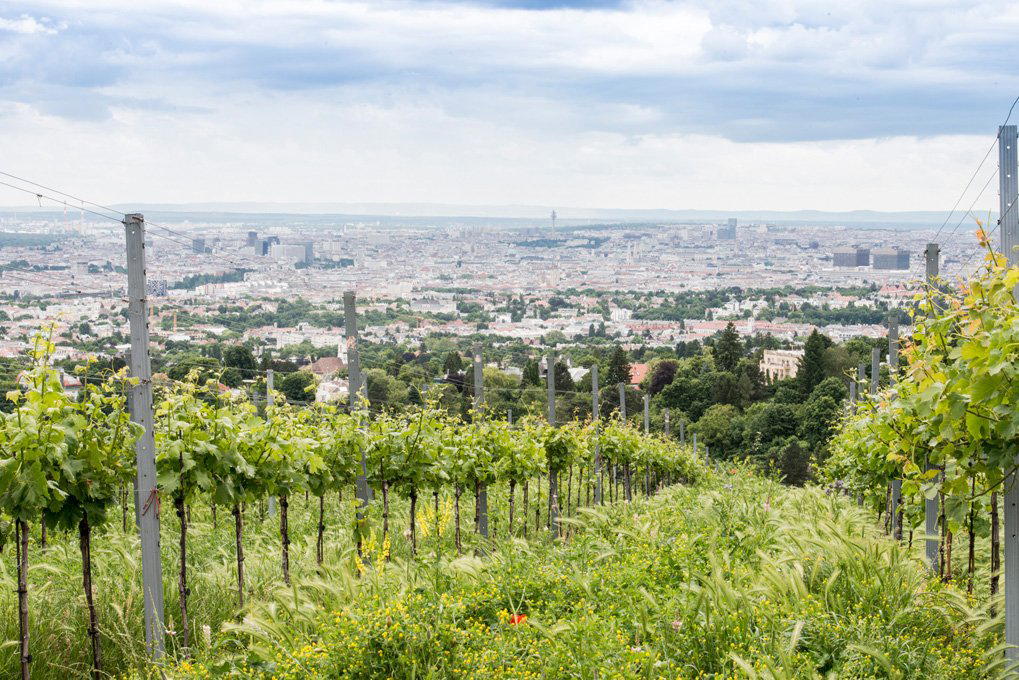
Weingut Muth is a Vienna wine estate in Döbling, where the city’s Heuriger culture meets vineyard terrain shaped by old vines and calcareous hills. The draw is not spectacle but locality: estate wines, a traditional garden setting, and a format that places Vienna’s urban wine identity in direct view.

Pearl is the En Primeur Club membership app — saves, bookings, and concierge access live there. Same editors, same standards.

Weingut Muth is a venue in Vienna with a listed price level of $$ and a casual dress code. Those two details are useful, but they are also intentionally modest: they say something about the general planning frame, not the full character of the place. Beyond those basics, specific details about the venue’s exact setting, service style, menu, wine program, history, hours, reservations, payments, outdoor space, or neighborhood should not be assumed without a current source.
For planning purposes, the safest way to frame Weingut Muth is as a Vienna stop where expectations should remain flexible until confirmed directly with the venue. The profile supports a direct, casual visit rather than a formal dress expectation or a luxury-price assumption. That makes it easier to keep the venue on a shortlist, while still leaving room to verify the practical details that actually determine whether it fits a given day, group, or meal plan.
Vienna context, without overclaiming the venue details
Vienna has a wide range of dining and drinking options, and Weingut Muth belongs on that map as a named venue in the city. The important editorial caution is that being in Vienna does not, by itself, confirm what kind of experience the venue provides. Claims about a particular neighborhood, historic founding date, vineyard setting, garden, cellar, buffet, chef, winemaker, menu format, or beverage focus are not included in the available information and should be checked before being treated as fact.
That limited data still gives travelers two useful anchors: the venue is in Vienna, and the price level is listed as $$. Those points help place it broadly in an itinerary without overstating what the experience will be like. A $$ listing generally helps distinguish it from the highest-price planning tier, while still saying nothing definitive about the final bill, ordering format, or what is included. The casual dress code also suggests that guests do not need to plan around formal attire, which can matter when building a day around walking, sightseeing, or moving between different parts of the city.
In a city with many possible stops, that kind of restrained information is still valuable. It lets a traveler keep the winery in consideration without attaching unsupported expectations to it. The key is to avoid filling in the gaps with assumptions simply because the name or location suggests a certain style. Until current details, the venue should be understood through the facts available here and no further.
What can be said confidently before you go
The confirmed practical profile is simple: the winery is in Vienna, the price level is $$, and the dress code is casual. Those omissions are not negative judgments; they are simply boundaries around what can be stated responsibly from the available information.
That is especially important if the visit depends on a particular service time, group size, menu need, or seating preference. A venue can be perfectly suitable in general and still be the wrong fit for a specific plan if hours, availability, or policies do not match the moment. Confirming ahead helps turn a broad possibility into a more dependable stop.
This is also one practical way to interpret the casual and $$ signals. They are helpful starting points, but they do not replace current information from the venue itself. If the plan involves a special occasion, a tight schedule, or guests with specific requirements, the limited profile should be treated as a prompt to check, not as a complete planning brief.
How to place it inside a Vienna itinerary
The winery can be considered as one Vienna option within a broader city itinerary. With only the facts available, it is best treated as a casual, mid-priced venue rather than as a destination defined by any specific format, award, historic claim, or specialty.
If you are comparing it with other dining in Vienna, keep the comparison practical: price level, dress code, and convenience. More detailed comparisons should wait until current venue information is confirmed. For example, it would be reasonable to weigh whether a casual $$ venue fits the mood of the day, but it would not be responsible to compare menus, wine selections, outdoor settings, or service formats without reliable, current information.
The smart read on the winery is therefore cautious and practical. It is a Vienna venue with $$ pricing and casual dress. Anything more specific should be confirmed before it shapes your plans. Used that way, the listing remains helpful without becoming misleading: it gives enough to place the venue in the city, while keeping the final decision grounded in information that is current and verified.
Recognition history
Dated appearances from independent guides and award organizations, with the underlying list record or original source where available.
Falstaff Winery - Listed
Falstaff
At a Glance
- Rustic
- Classic
- Cozy
- Scenic
- Group Outing
- Special Occasion
- Family
- Solo Exploration
- Garden
- Historic Building
- Estate Grounds
- Garden
- Street Scene
- Vienna
- Red
- White
- Still Red
- Still White
- Wine Tasting
- Food And Wine Pairing
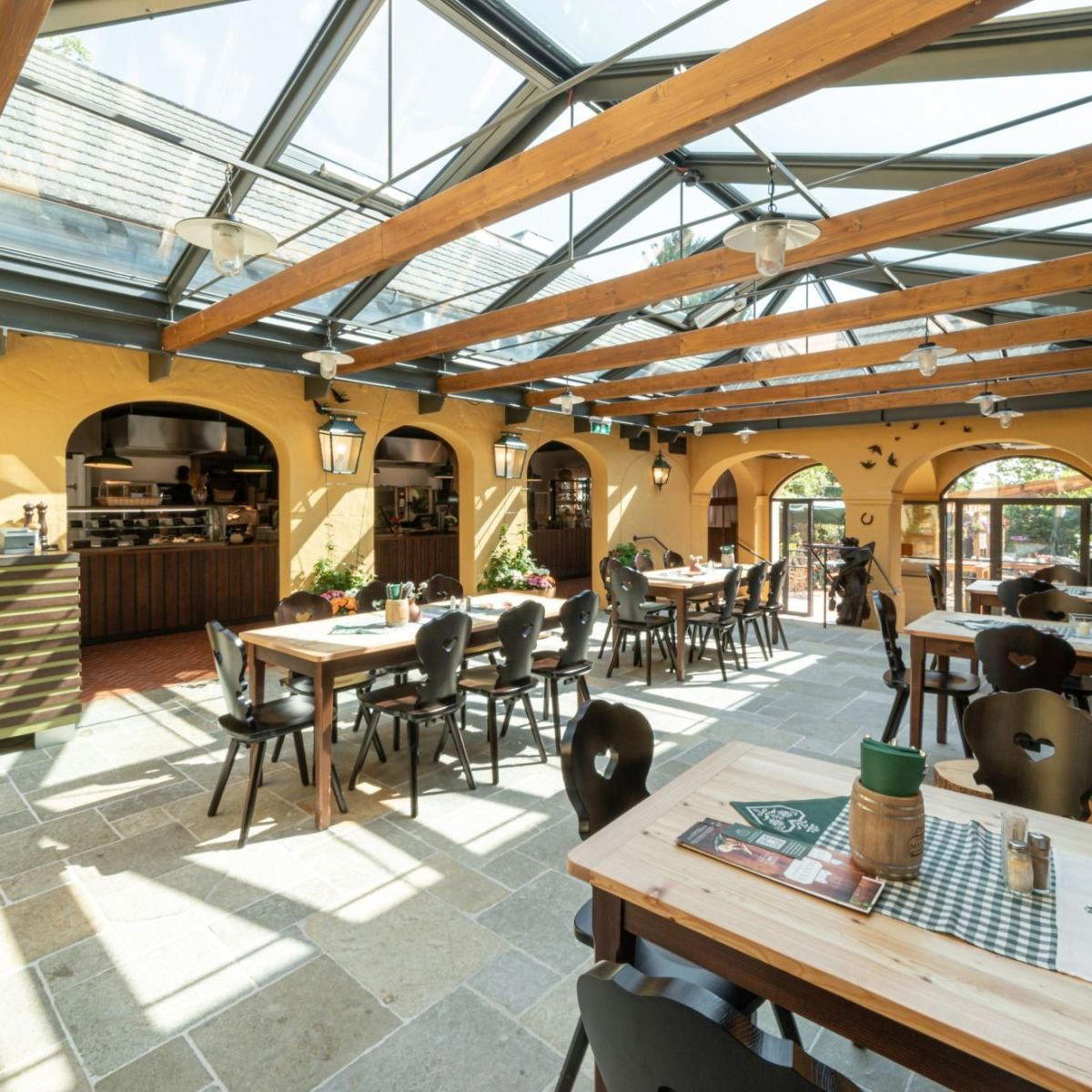
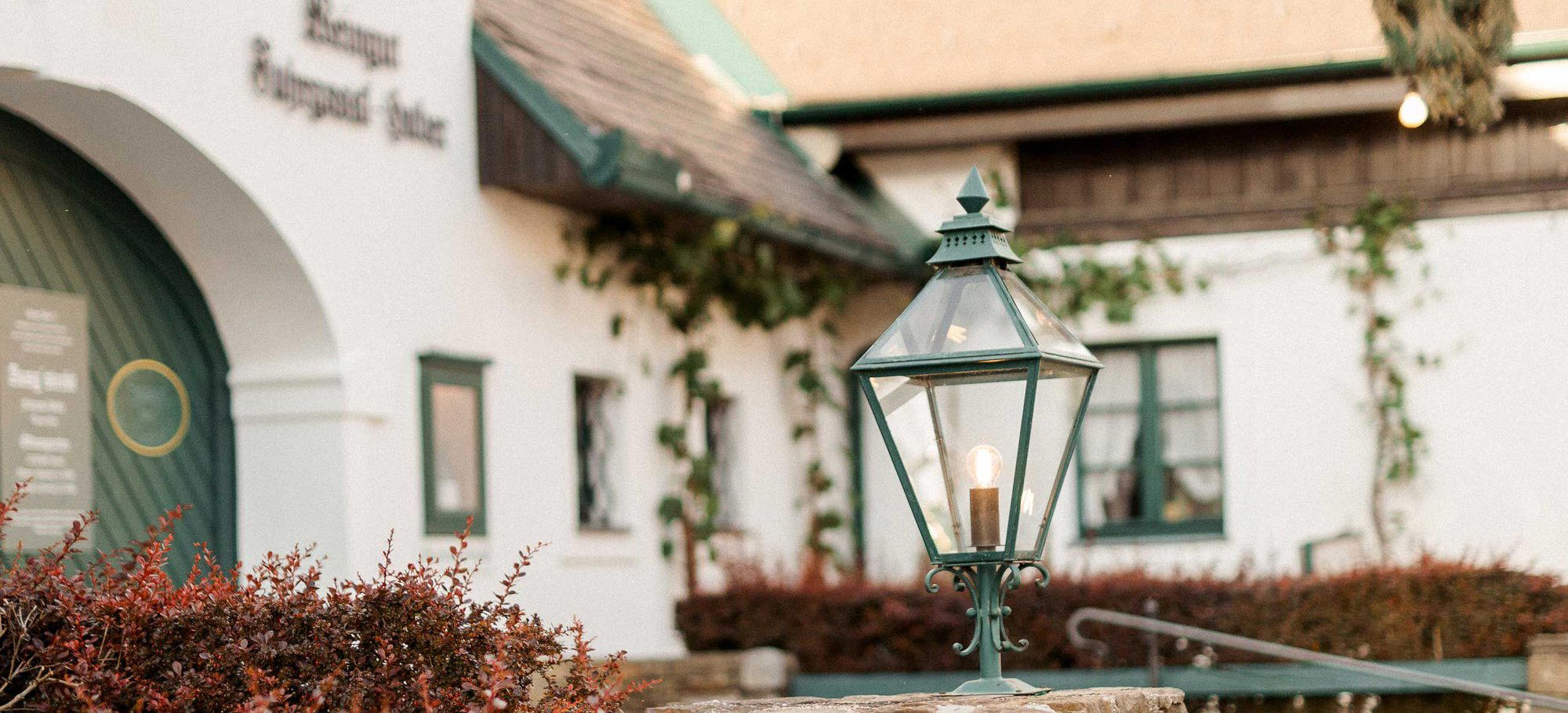
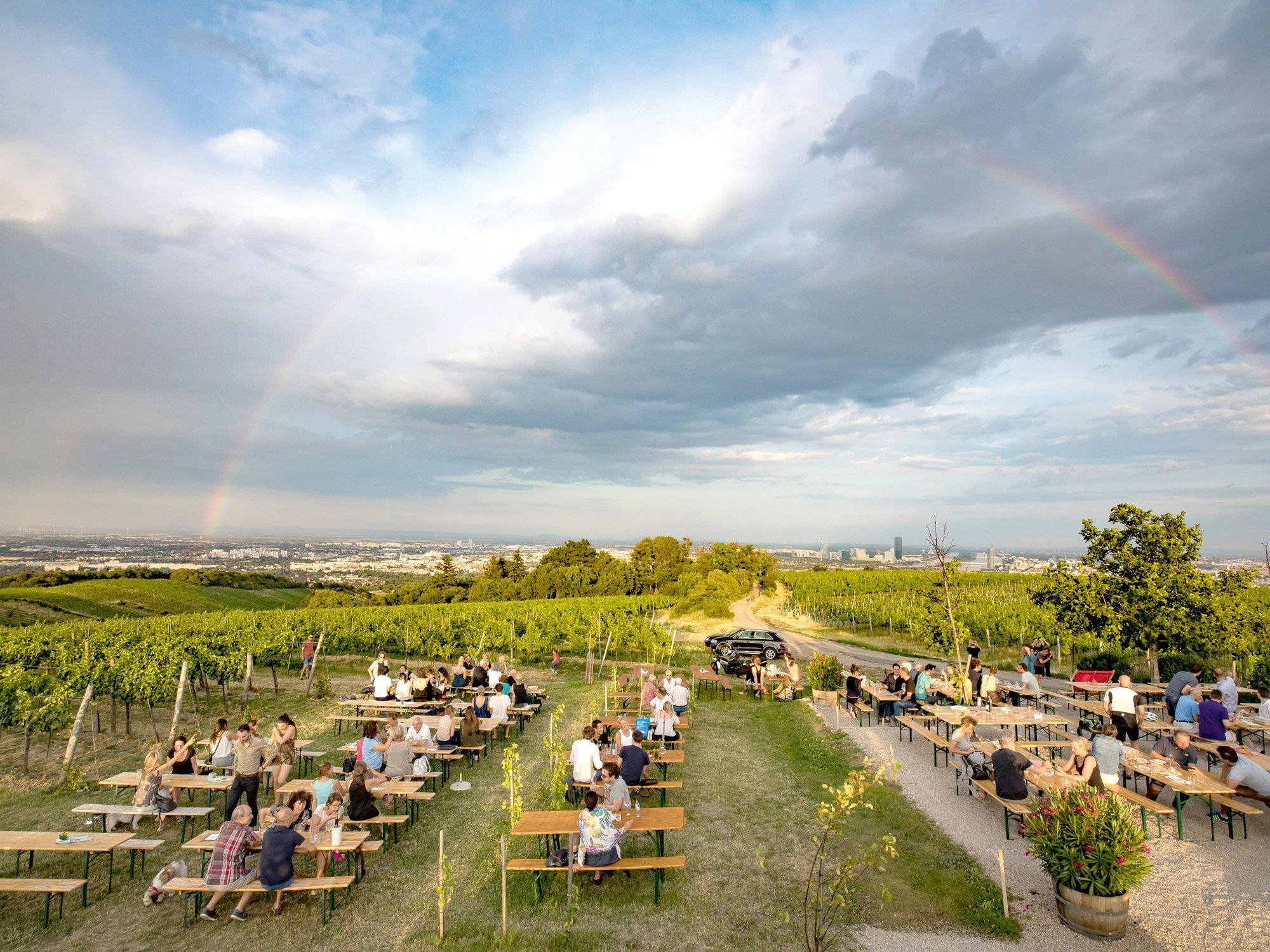
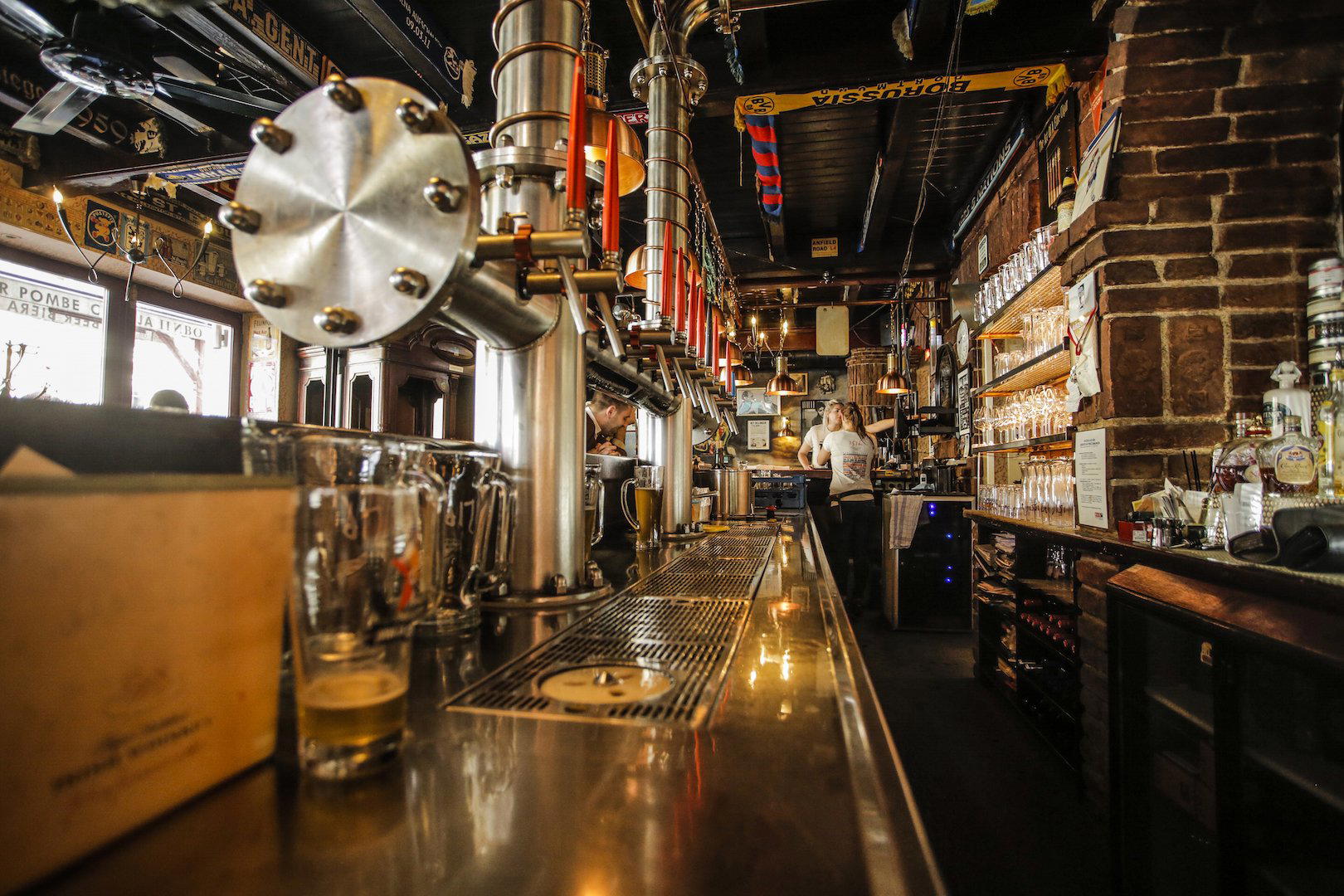
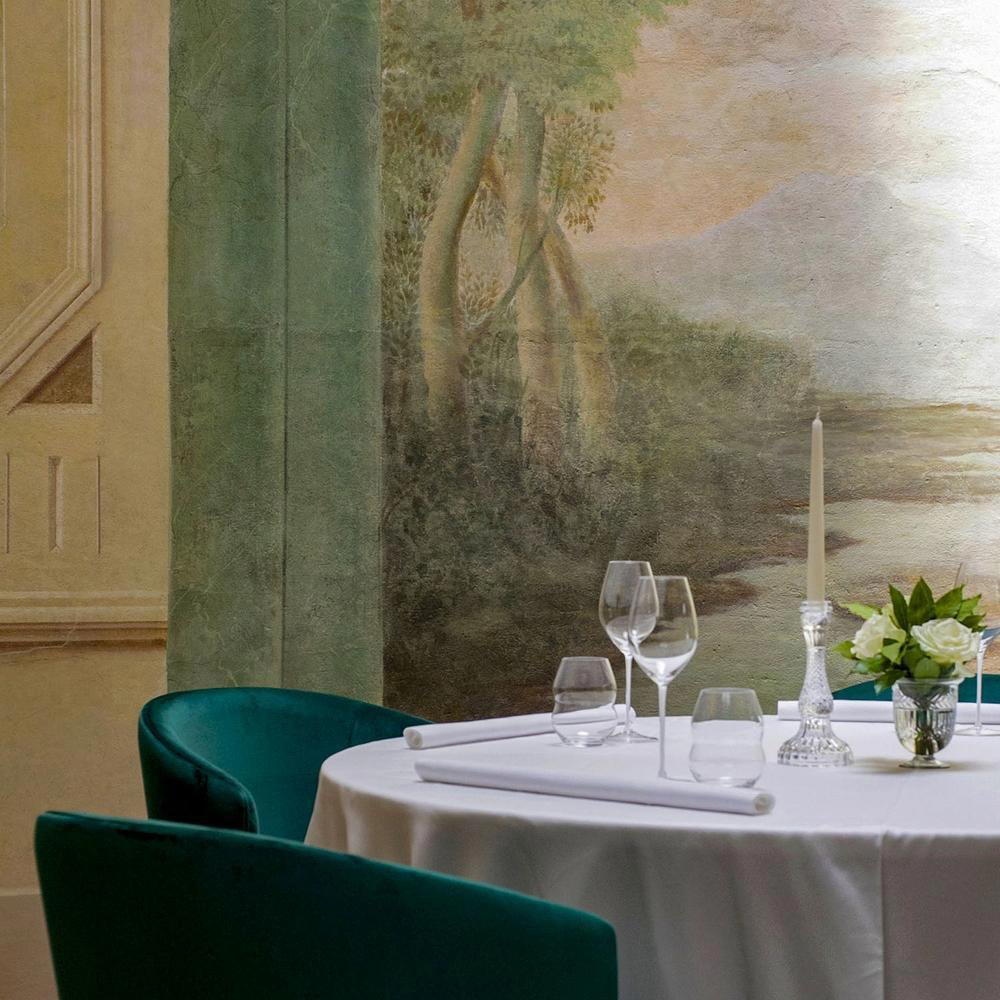
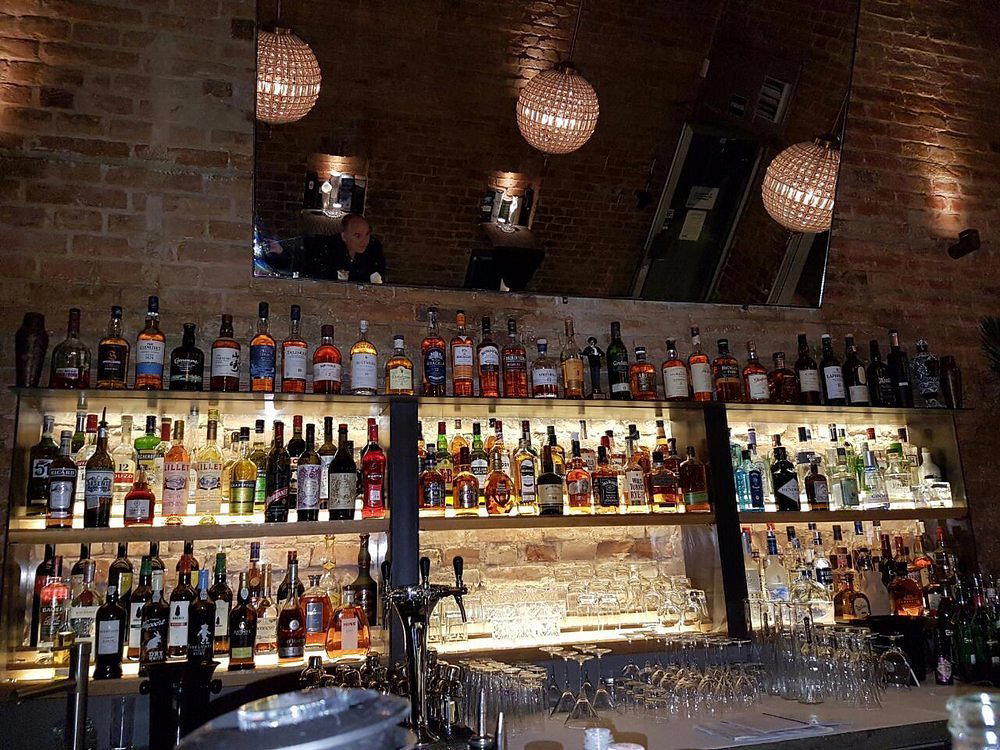
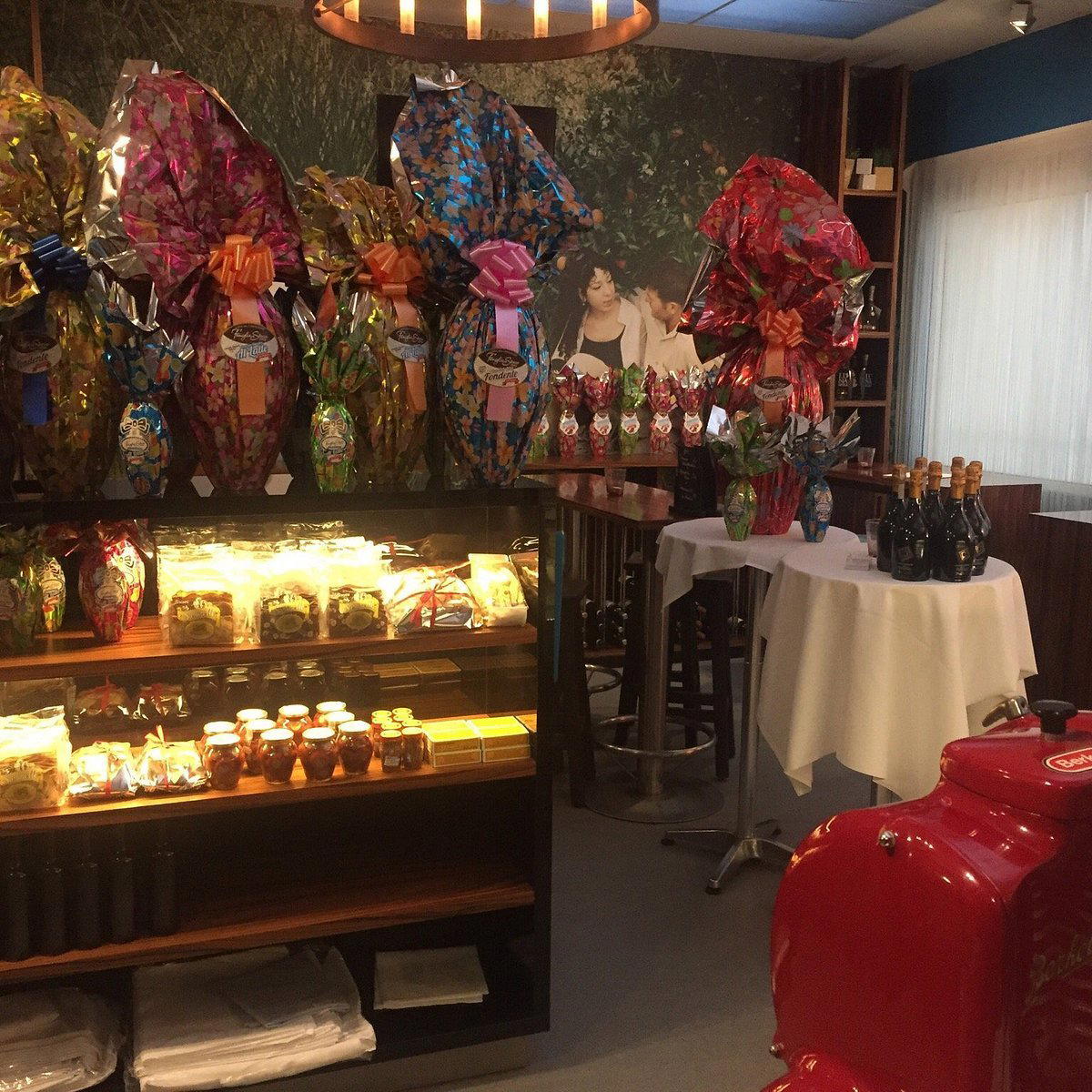
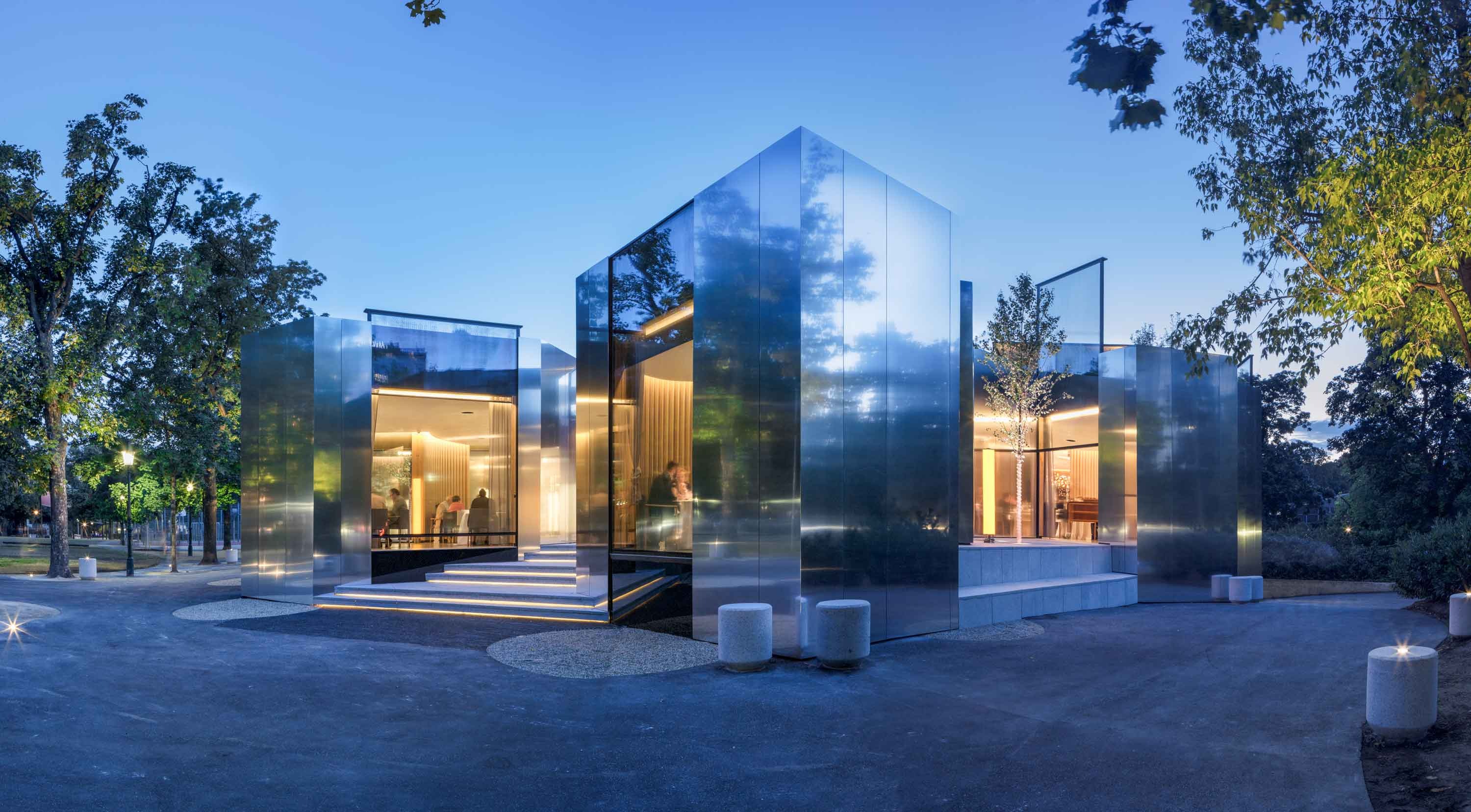
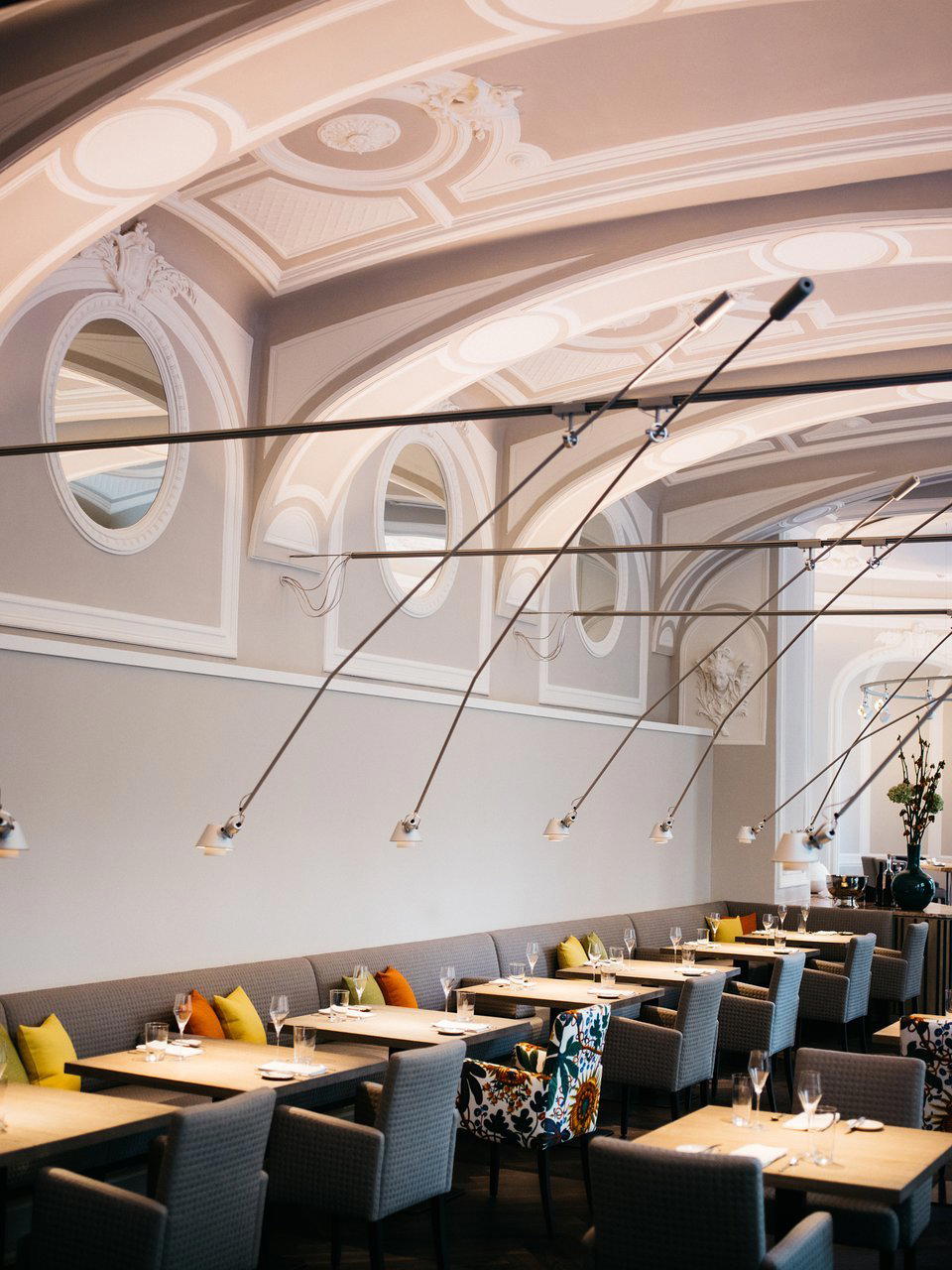
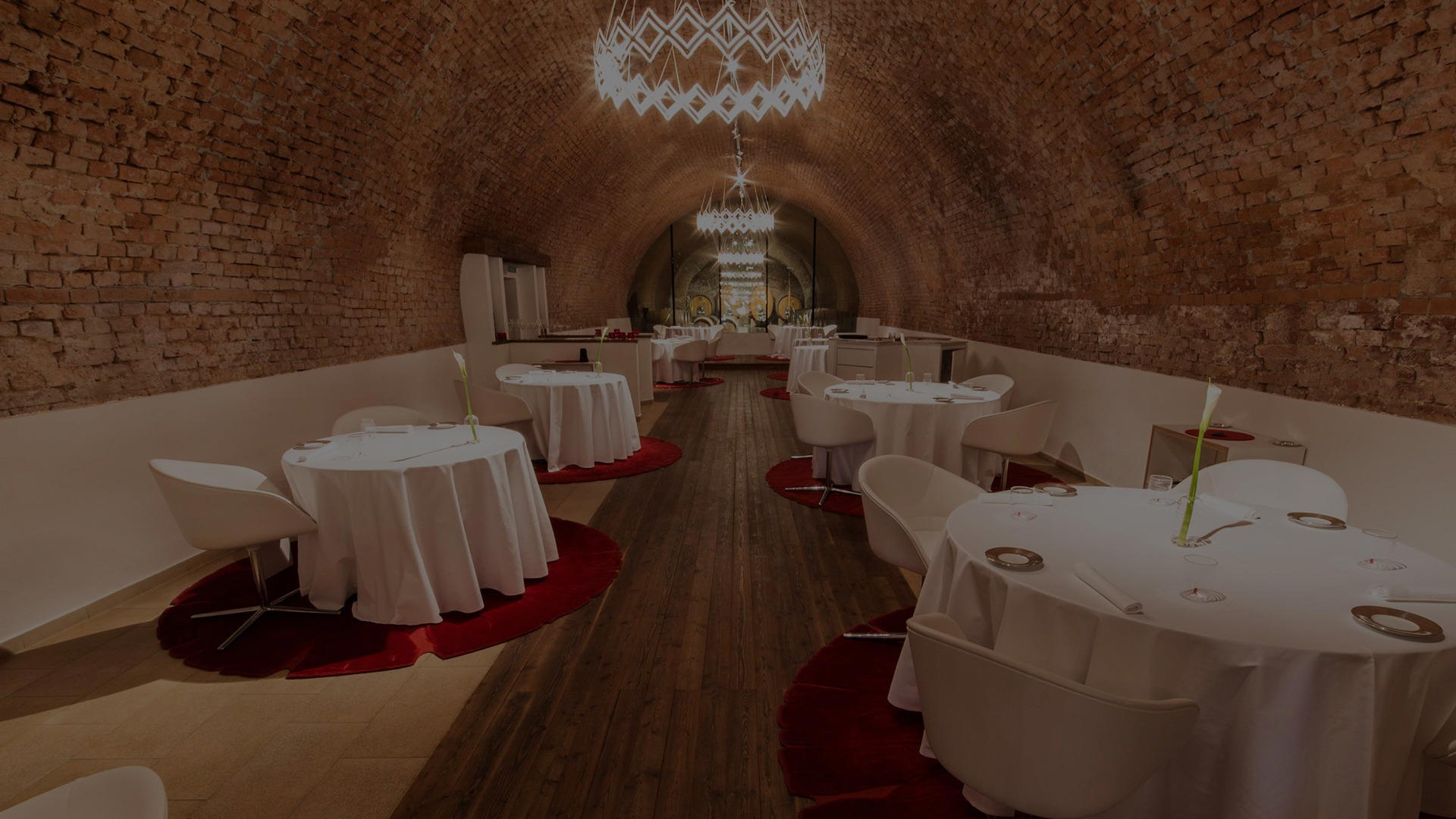
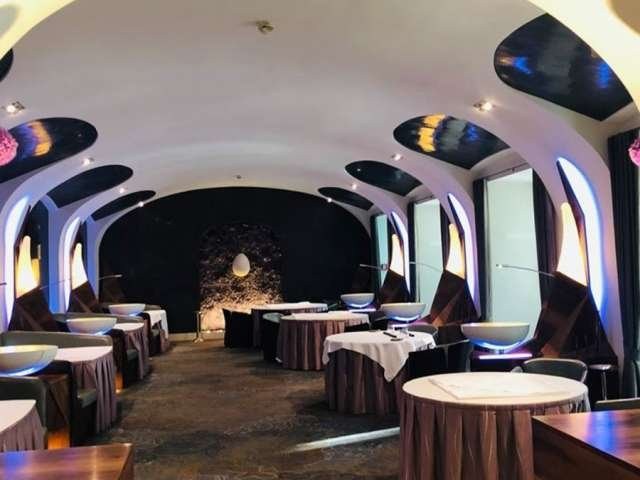
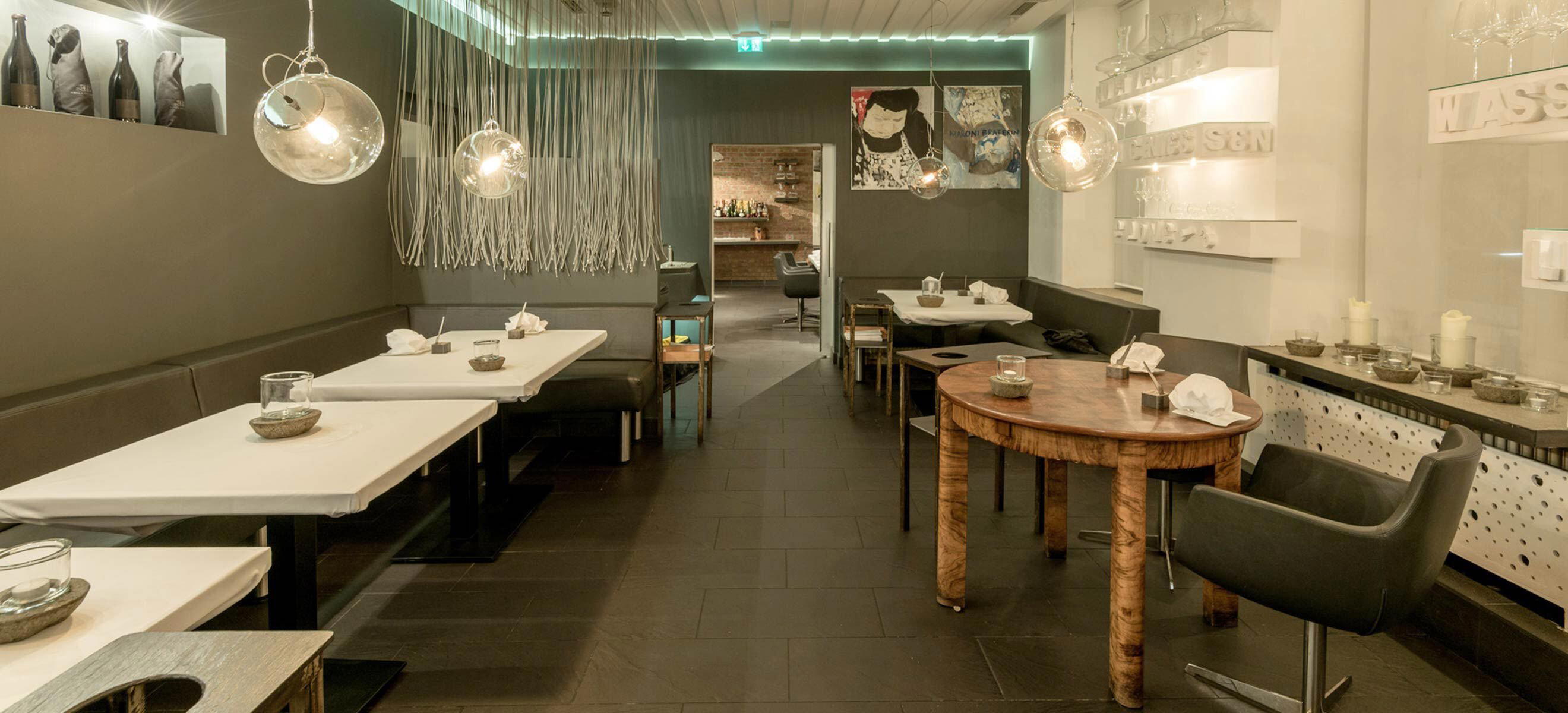
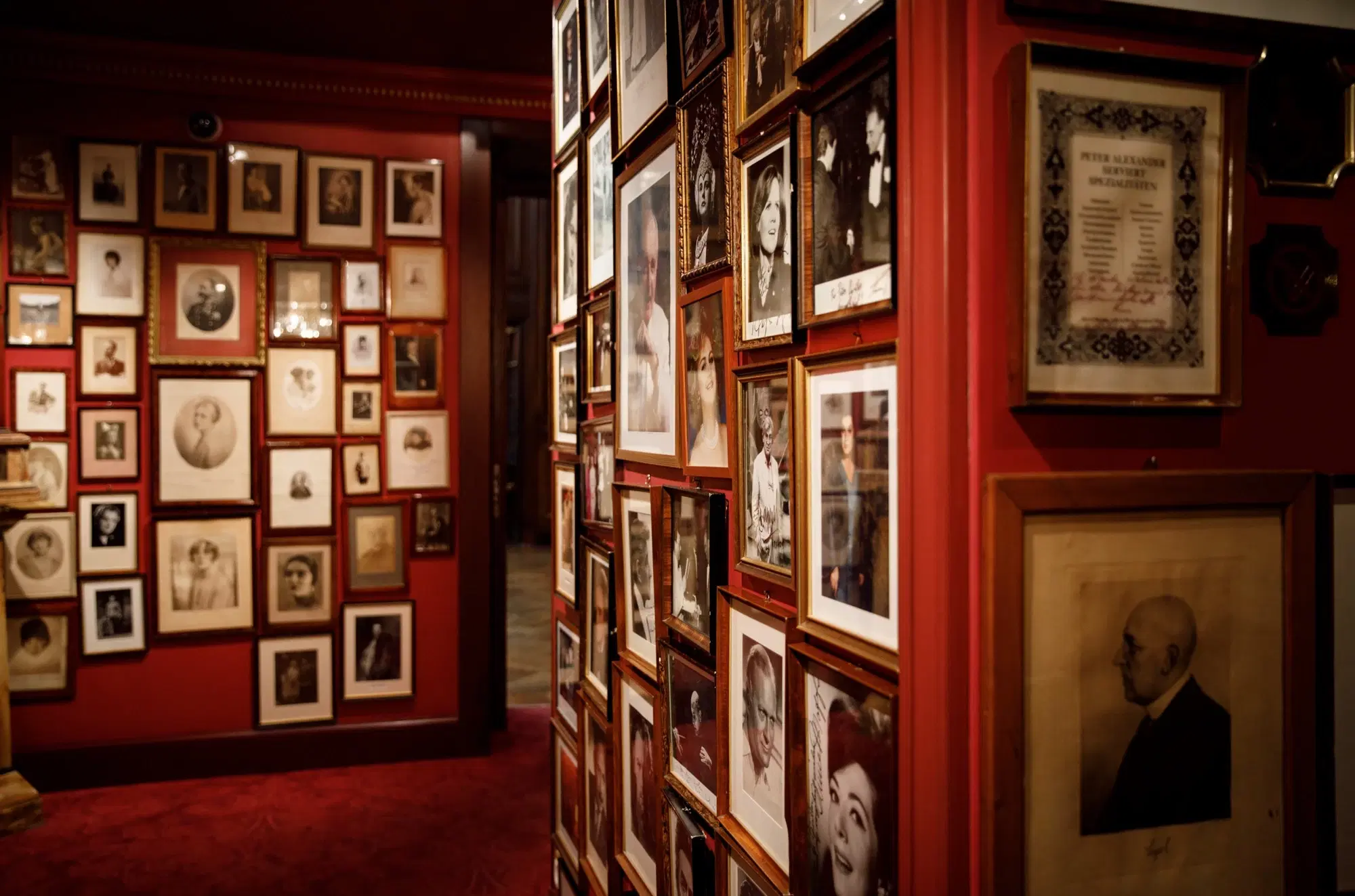
Traditional Viennese Heuriger atmosphere with a beautiful guest garden, old Biedermeier-style surroundings, and a classic wine tavern feel; the estate is described as a local legend and a low-profile address off the beaten path.