Weingut Knapp

Falstaff Winery - 1 Stars
Baden-Baden’s wine identity is often read through spa culture and Black Forest scenery, but Weingut Knapp gives it a more grounded frame: urban viticulture tied to mineral-rich hillside parcels and former monastic vineyard land. The appeal is terroir rather than trophy culture, with Riesling, Pinot Blanc, Sauvignon Blanc, Pinot Noir, Traminer, and Grüner Veltliner carrying the estate’s local argument.

Pearl is the En Primeur Club membership app, where members save venues, book tables and use the concierge.

Approaching wine in Baden-Baden means reading the city against its slopes. Spa façades and forested ridgelines may dominate the postcard view, but the quieter story is agricultural: vines worked across sun-exposed parcels, mineral soils, and historic land that links the city to Baden’s longer wine culture. Weingut Knapp belongs to that story because it is not a countryside detour dressed up for tourists. It is an urban winery rooted inside Baden-Baden’s historic limits, with vineyard identity spread across the city rather than concentrated in a single showpiece block.
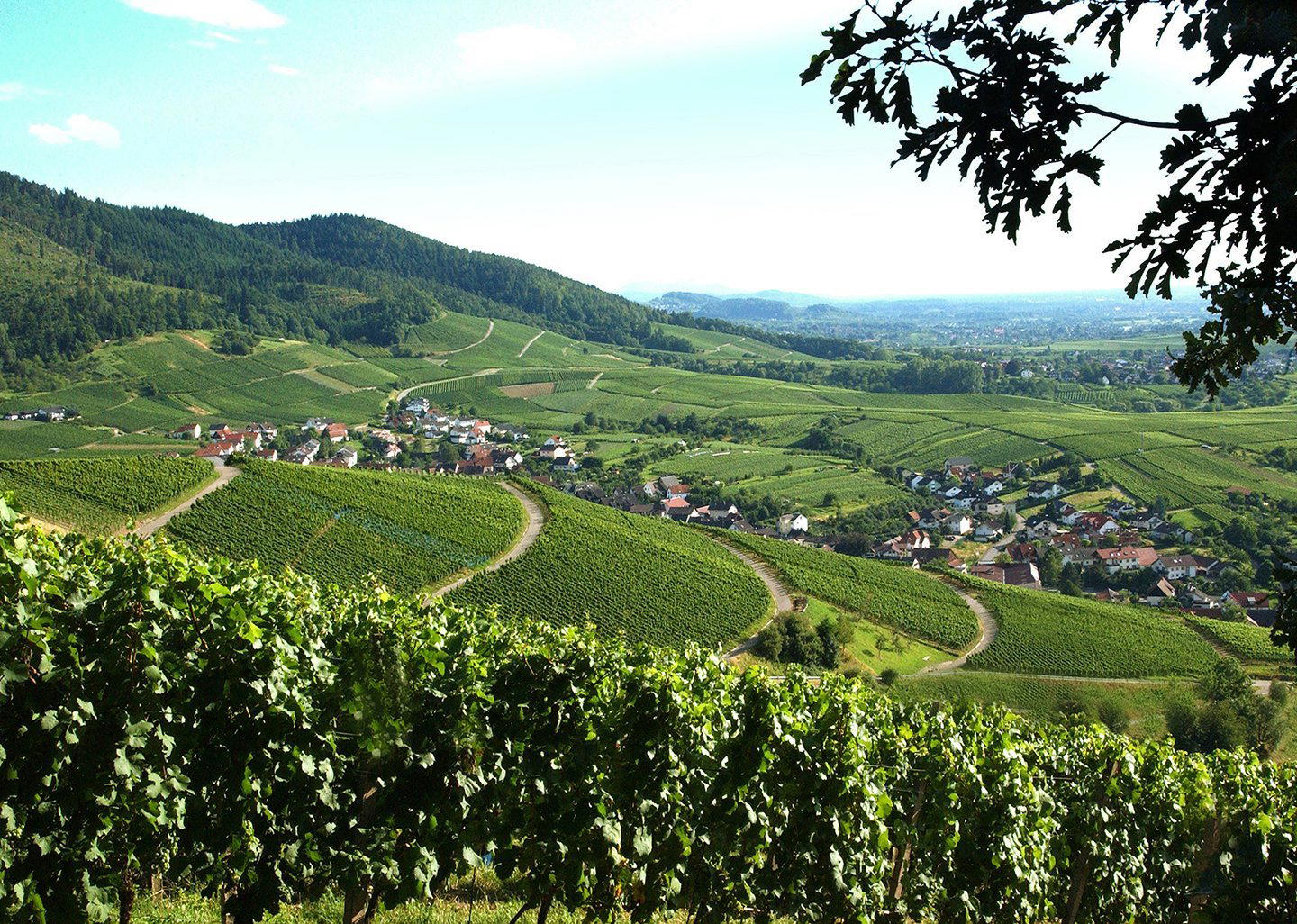
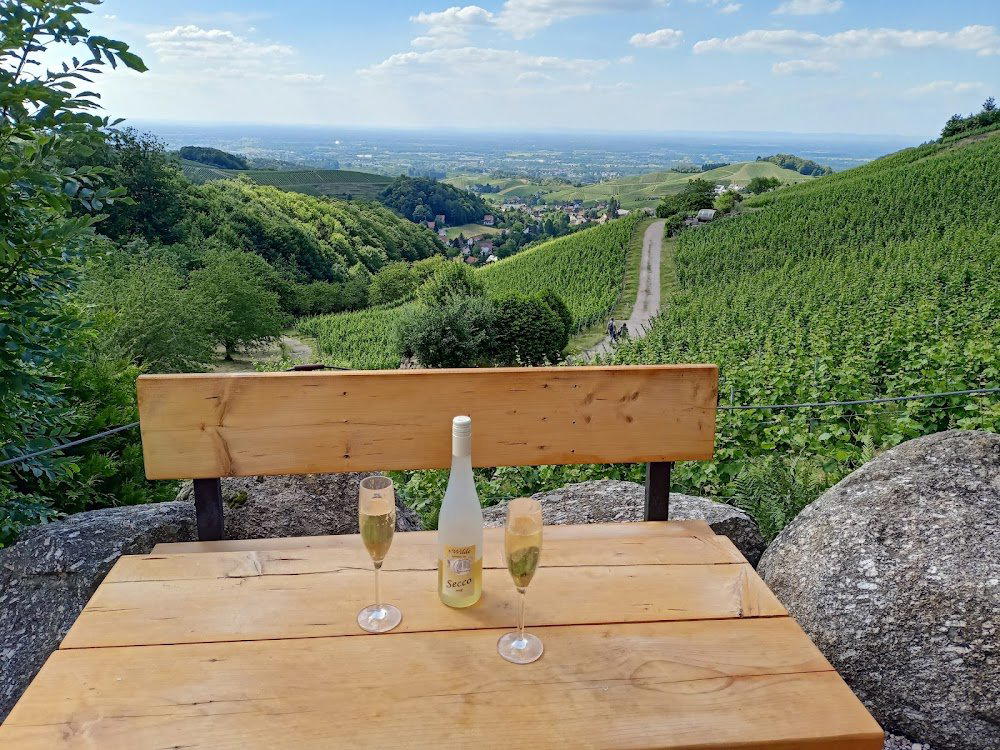
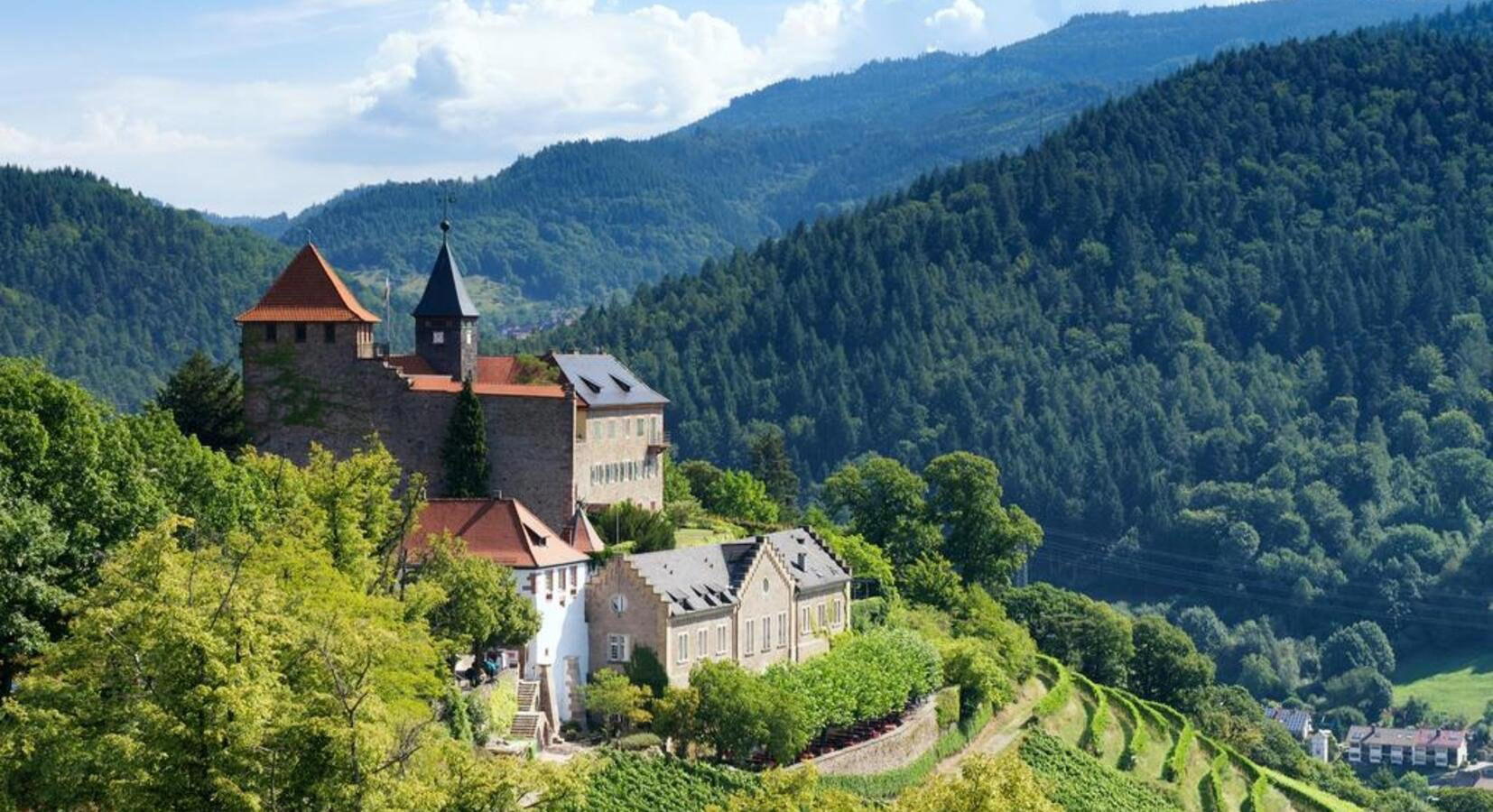
That matters for how the wines should be understood. Baden often gets reduced to broad regional shorthand, yet the more interesting estates here tend to make sense through site, exposure, and inherited vineyard use. Knapp’s parcels run from the Hubertus hunting lodge in the west through Mauerberg in Neuweier and toward Eckberg Chapel, Silberbuckel, and Schafberg. The geography creates a city-wide viticultural map, tying the estate to former Lichtenthal Abbey vineyard land and to the Black Forest foothills that shape ripening conditions.
Mineral slopes, abbey land, and a Baden-Baden reading of terroir
The estate’s strongest argument is place. The vineyards are described through mineral-rich soils, high Black Forest altitudes, and the mild climate of the foothills, a combination that points toward clarity, freshness, and aromatic definition rather than weight for its own sake. That is especially relevant for a portfolio built around Riesling, Pinot Blanc, Sauvignon Blanc, Traminer, Grüner Veltliner, and Pinot Noir. The mix is not an international checklist; it reflects a Baden-Baden range where classic German whites, aromatic varieties, and a cool-climate red sit within the same local frame.
Grüner Veltliner is the most telling inclusion. In many German contexts it would read as an outlier, but here it is presented as characteristic of Baden-Baden, which gives the range a sharper local accent. Riesling and Pinot Blanc carry the expected regional logic, Sauvignon Blanc and Traminer add aromatic breadth, and Pinot Noir gives the cellar a red-wine anchor suited to cooler hillside conditions. No single cuvée needs to carry the estate’s identity; the point is the spread of varieties across historic, sun-exposed sites.
Founded in 2005 and associated with Heinz J. Knapp, the winery’s modern history is recent compared with the older vineyard ground beneath it. That tension is useful: Baden-Baden’s wine past does not depend solely on centuries-old family mythology. It can also be expressed through contemporary stewardship of inherited sites. In summer 2026, a new ownership group from Baden-Baden took over, with Matthias Vickermann, Stephan Jager, Max Nastold, and Marc Schuhmacher named in that transition. The presence of an experienced cellar master and an oenologist with regional estate background signals continuity rather than reinvention, which is the right priority for a property whose credibility rests on land more than personality.
A small-scale visit built around vineyard context, not spectacle
The experience is better read as a compact winery encounter than as a high-production hospitality format. The setting is quiet, rustic, and vineyard-led, with guided and cellar tastings forming the core visit style. The tour window runs around 60 to 90 minutes, and the language listed for tours is German. That makes the format more suited to travellers who want a grounded local wine stop than to guests expecting an elaborate tasting-room production with food pairings and extended multilingual programming.
The practical rhythm reinforces that scale. Visits are by appointment, the capacity tier is small, and the atmosphere suits solo exploration, group outings, or a low-key special occasion. The estate is listed as group-friendly, but not child-focused, and food pairing is not part of the stated offer. Casual dress fits the setting. Payments can be made by cash, credit card, debit card, or contactless methods, and shipping is available, which is useful for visitors treating the tasting as a buying appointment rather than a scenic pause alone.
Winery’s production philosophy is marked as sustainable, and that language aligns with the broader stewardship story around former abbey vineyards and continuity of land use. The more compelling point, however, is not certification language; it is the preservation of Baden-Baden viticulture inside a city better known internationally for baths, hotels, and cultural leisure. Knapp gives wine a visible place within that urban identity. It is an argument for Baden-Baden as a wine city, not just a resort city with vineyards nearby.
For travellers building a broader Baden-Baden itinerary, this is the wine stop to place alongside the city’s restaurant, hotel, bar, and experience circuits rather than outside them. Use Our full Baden-Baden wineries guide to see the wider local wine map, then cross-reference Our full Baden-Baden restaurants guide, Our full Baden-Baden hotels guide, Our full Baden-Baden bars guide, and Our full Baden-Baden experiences guide for the rest of the stay. Baden-Baden’s winery scene can also be read through nearby local names including Bio Weingut Maier, Liquidum Historicum, Philipp Reiß Wein, Weingut Alex Schwank, and Weingut Doppelgarage Varnhalt. For a wider German-speaking wine lens, compare the editorial range represented by & Handwein in Mannheim, 2 Naturkinder in Kitzingen, 3 Winner in Bechtheim, »der Steiner« Hans Steiner in Podersdorf am See, and ®walzer in Gneixendorf Bei Krems.
Why the estate belongs on a serious Baden wine itinerary
The reason to prioritize Weingut Knapp is not an awards shelf or a luxury script. It is the uncommon alignment of city location, historic vineyard land, and a varietal range that speaks directly to Baden-Baden’s slopes. The only-winery-within-the-historic-city-limits claim gives it a concrete positional advantage, while the former Lichtenthal Abbey parcels add depth that many urban tasting stops cannot match. For visitors who care about terroir, the attraction is precise: this is where Baden-Baden’s mineral hillside vineyards, Black Forest foothill climate, and local grape identity become the subject of the visit.
Recognition history
Dated appearances from independent guides and award organizations, with the underlying list record or original source where available.
Falstaff Winery - 1 Stars
Falstaff
Continue exploring
More in Baden-Baden
Wineries in Baden-Baden
All wineries in Baden-Baden →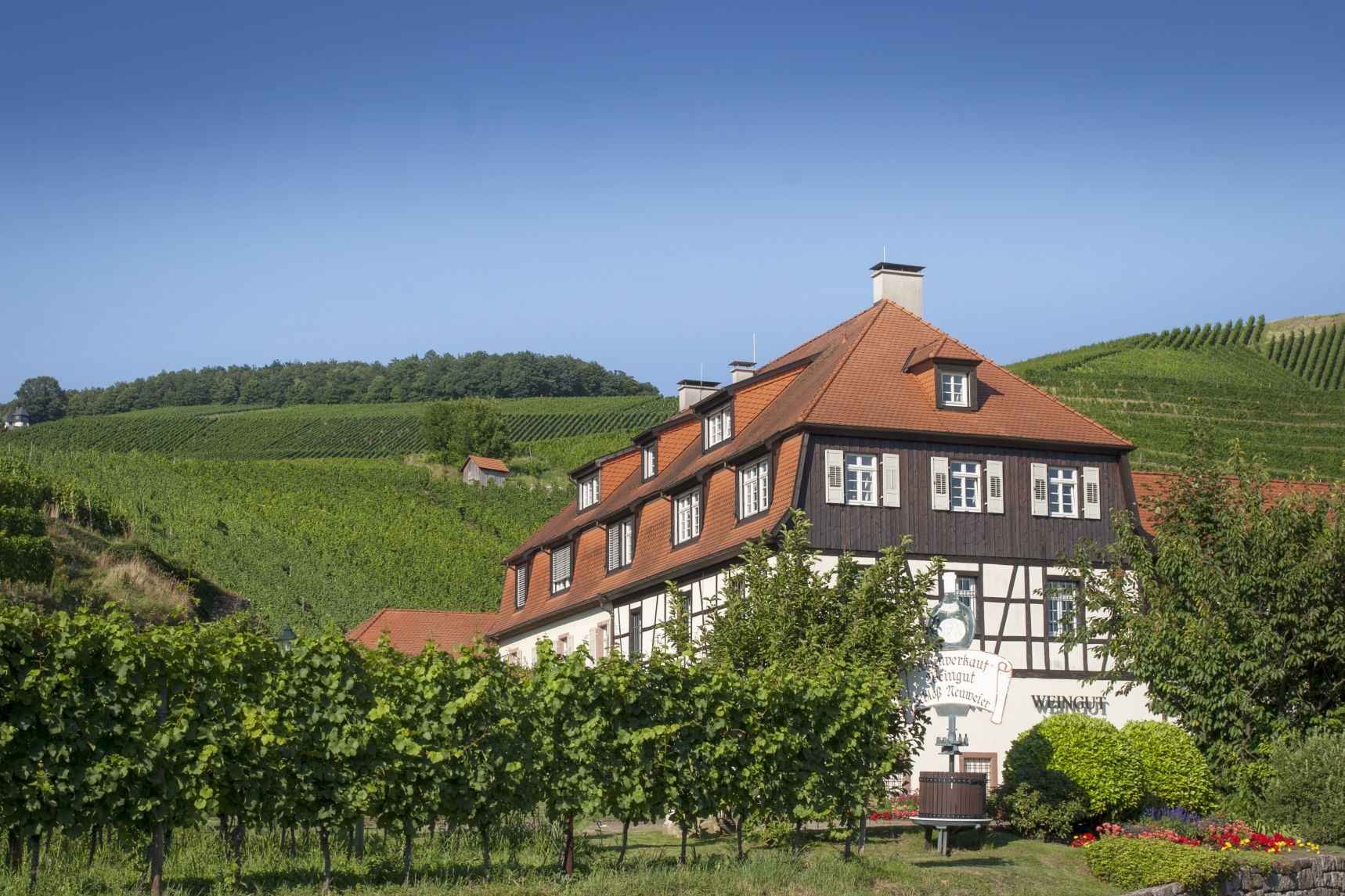
Bars in Baden-Baden
All bars in Baden-Baden →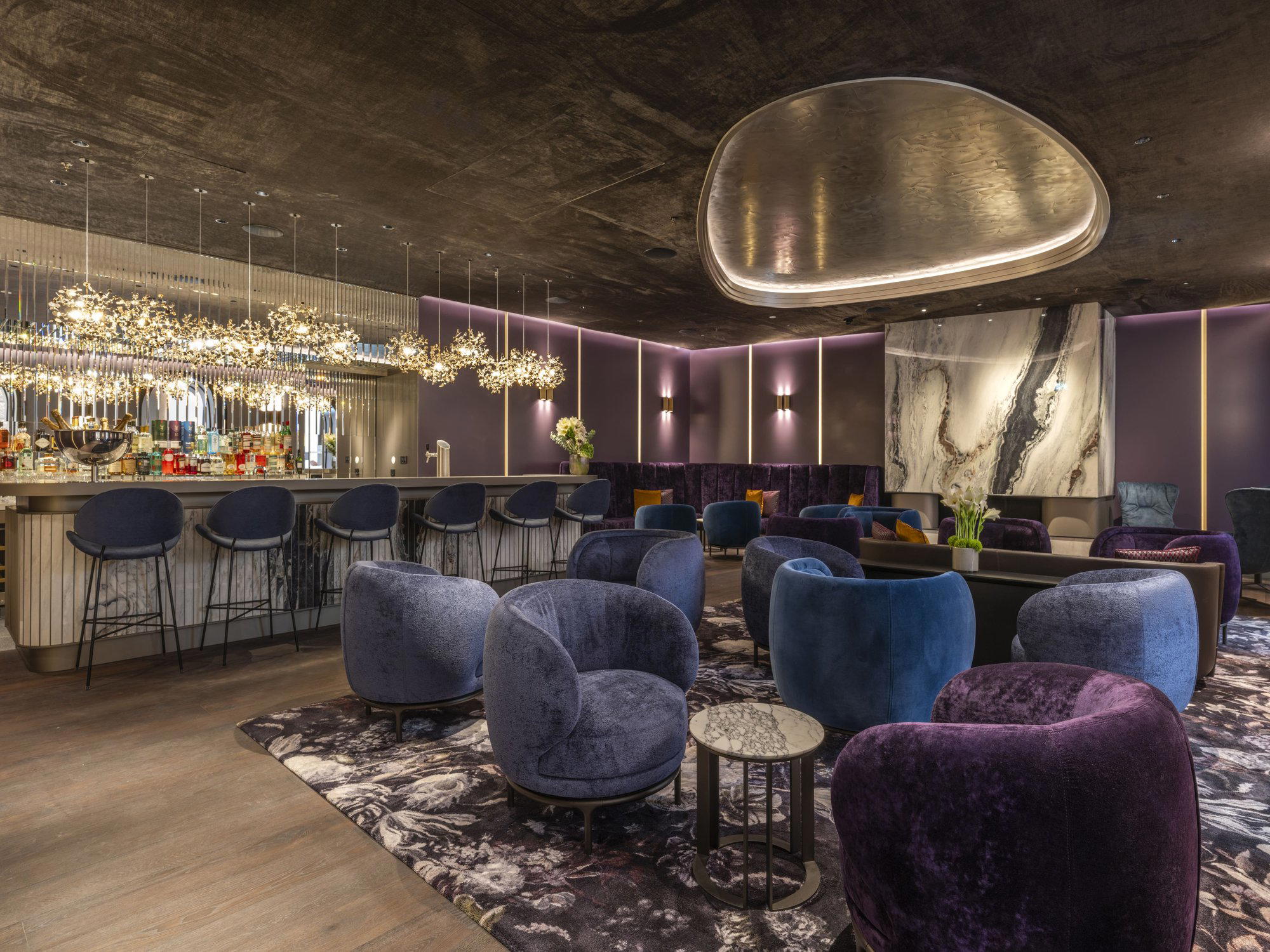
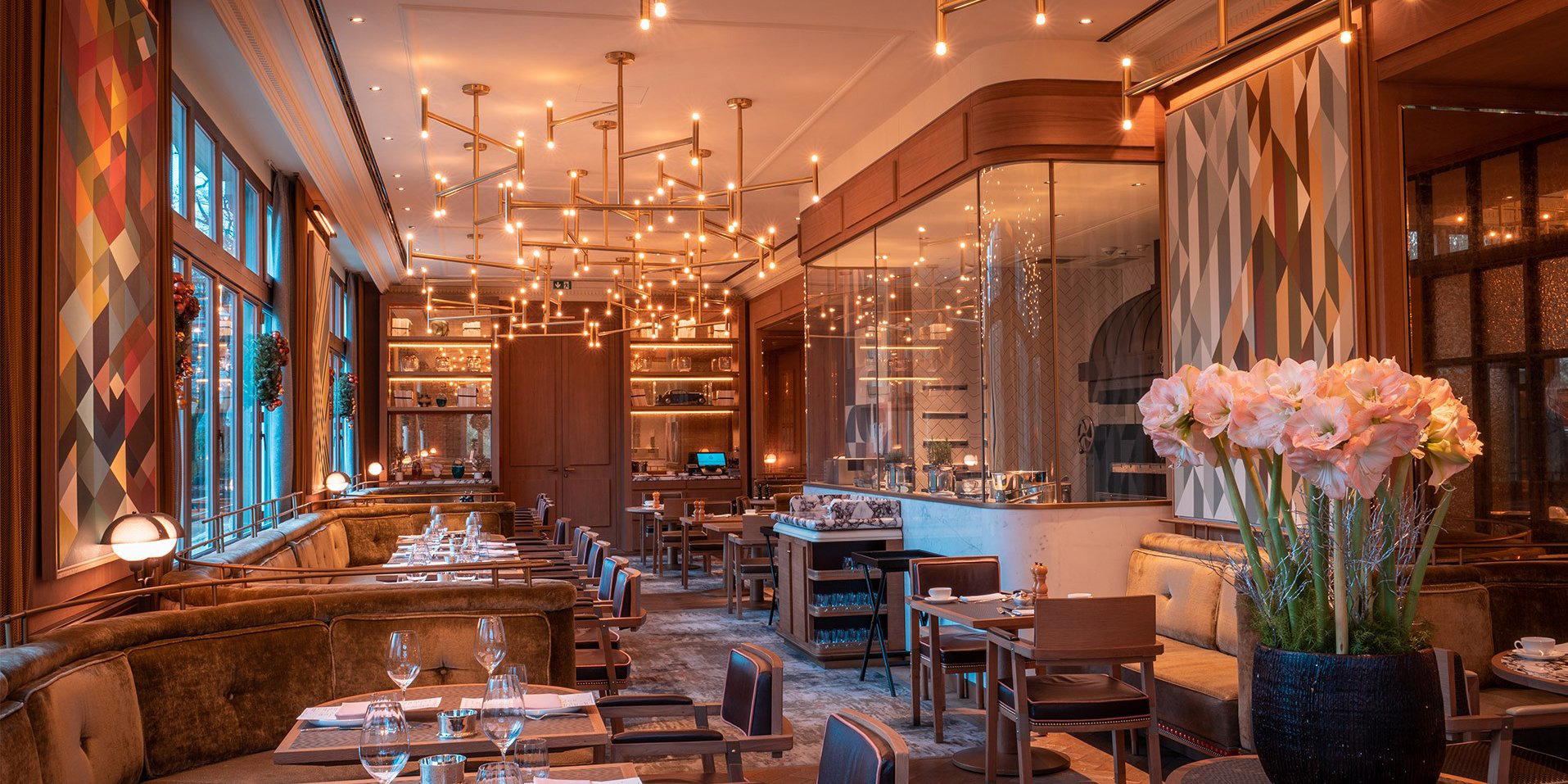
Restaurants in Baden-Baden
All restaurants in Baden-Baden →
Details
- Scenic
- Classic
- Quiet
- Rustic
- Solo Exploration
- Group Outing
- Special Occasion
- Vineyard Tour
- Historic Building
- Sustainable
- Vineyard
- Riesling
- Pinot Blanc
- Sauvignon Blanc
- Pinot Noir
- Traminer
- Grüner Veltliner
- Still White
- Still Red
- Sparkling
- Guided Tasting
- Cellar Tasting
- German
Historic urban winery with a strong sense of place, rooted in Baden-Baden’s wine-growing history and mineral-rich hillside vineyards.