
Weingut Josef Rosch is a small, family-run Mosel estate in Leiwen with a Riesling-only focus and a cellar style built around slate soils, steep slopes, and restrained intervention. Established in 1825 and now associated with Werner Rosch, it belongs to the quieter side of Mosel wine travel: cellar-led, vineyard-first, and more compelling for Riesling study than for polished hospitality theatre.
Pearl is the En Primeur Club membership app — saves, bookings, and concierge access live there. Same editors, same standards.
- Address
- Leiwen, Moselle, Rhineland-Palatinate, Deutschland
 Saves & bookings on Pearl
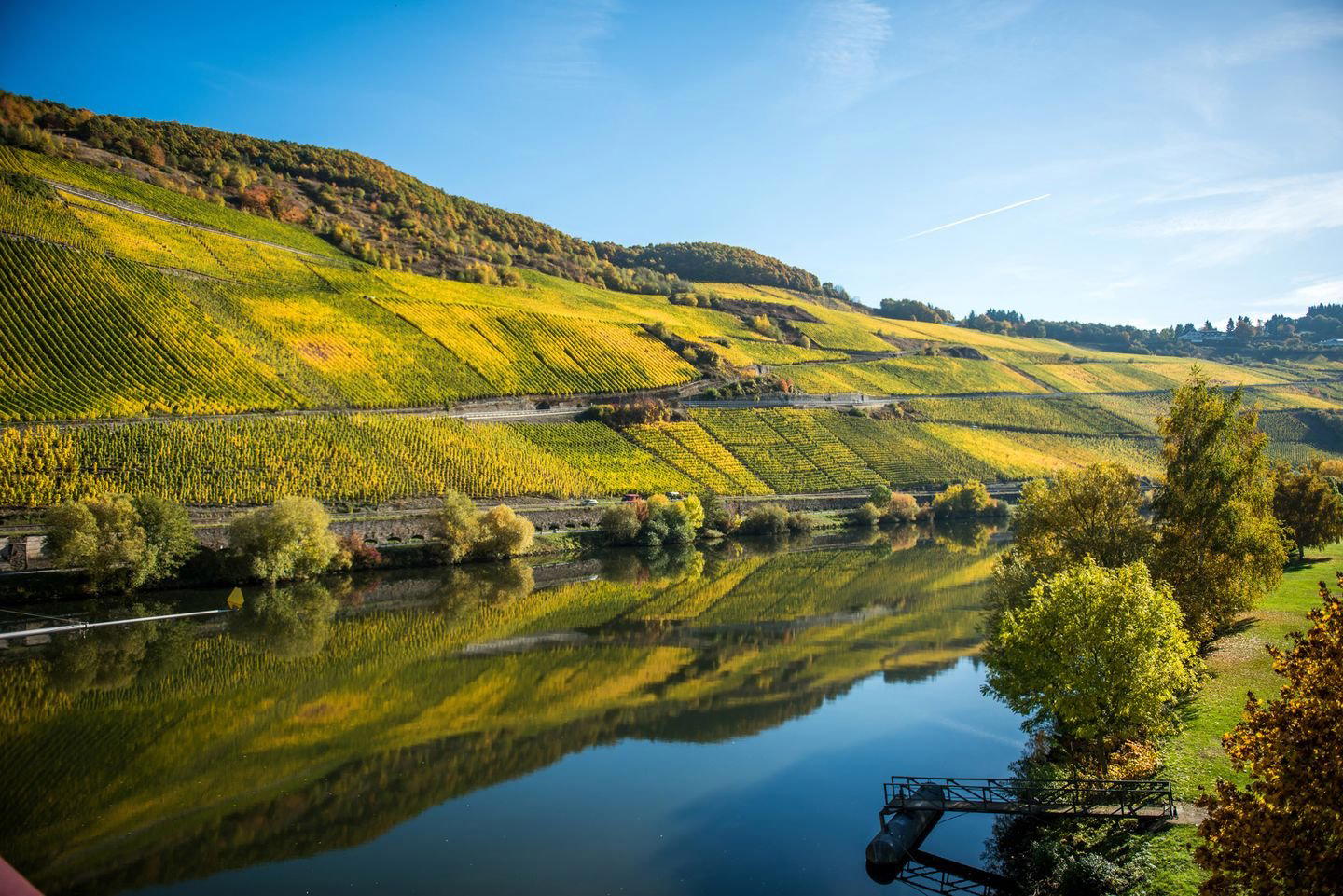
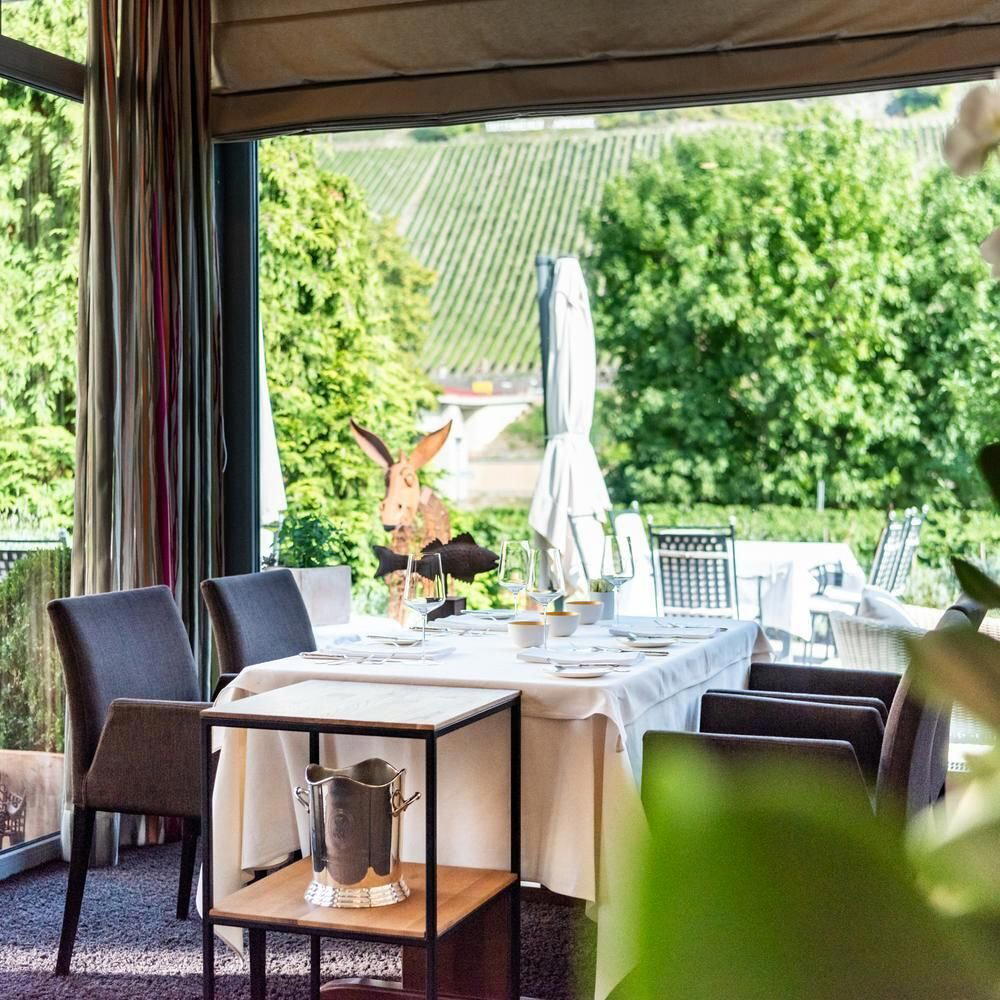
Leiwen’s wine country is best understood through its landscape: slate soils, steep slopes, and a quiet Mosel rhythm that puts the vineyard before spectacle. That is the useful way to read Weingut Josef Rosch: not as a polished showpiece, but as a cellar-focused winery shaped by its setting and by the restrained elegance often associated with this part of the Mosel.
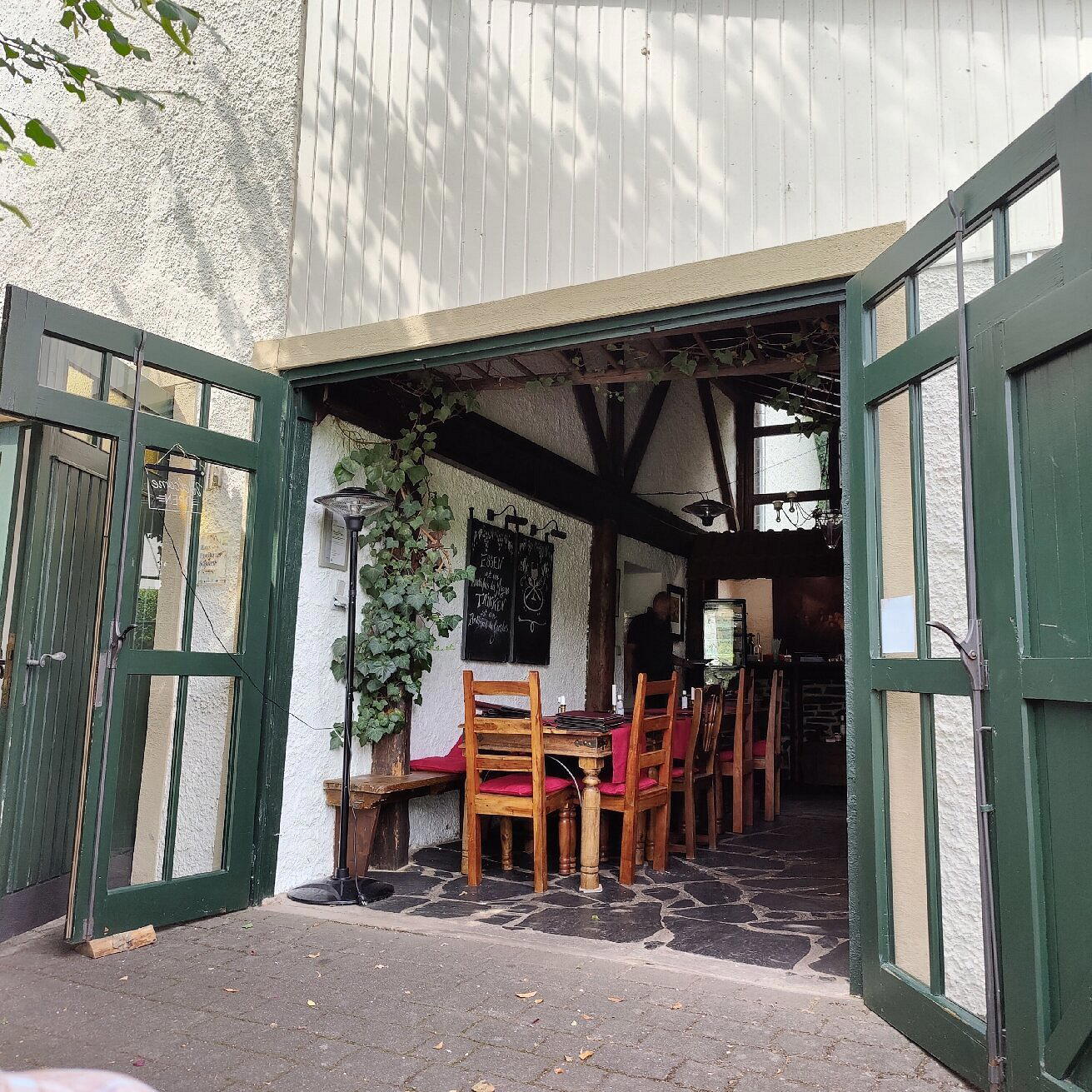
The picture is intentionally modest. Weingut Josef Rosch is a Leiwen winery with a relaxed, rustic, classic atmosphere rather than a formal destination mood. Its appeal rests on place, texture, and a low-intervention sensibility, not on a long list of confirmed public claims about menus, tasting formats, ownership history, production scale, or awards.
Slate, slope, and a cellar-focused point of view
The core facts are simple and strong enough without embellishment. Weingut Josef Rosch belongs to a Mosel setting defined by slate soils and steep slopes. The tone is quiet and scenic, with a hidden-gem quality that suits travelers looking for a more grounded winery experience in Leiwen.
What can be said with confidence is stylistic rather than technical: the estate is associated with elegance, delicacy, and a natural, low-intervention approach. Those words matter because they set expectations. This is not a venue to frame around luxury hospitality, elaborate food service, or a confirmed formal tasting program. It is better approached as a classic Mosel winery where the cellar and surrounding slopes provide the context.
Readers planning a visit should confirm practical details directly with the winery before relying on any schedule, availability, or service format.
For travelers building a broader Leiwen itinerary, the winery can be considered alongside other dining and wine-focused stops in the area in a general sense, while keeping the focus on this venue’s strengths: a relaxed Mosel atmosphere, scenic surroundings, and a cellar-led identity rooted in slate and slope.
The portfolio should be approached through style, not unconfirmed bottle claims
A responsible guide should not invent a portfolio. The available information for the winery does not confirm specific wines, vintages, residual sugar figures, alcohol levels, vineyard names, tasting flights, retail prices by bottle, or collector categories.
What the information does support is a more general reading of style. The estate is associated with delicacy and elegance in a Mosel winery setting. That gives visitors a useful expectation: think in terms of restraint, landscape, and cellar character rather than a broad hospitality concept.
That price marker should be read as a general planning cue, not as a confirmed bottle price, tasting fee, or menu cost. No specific lunch, dinner, take-out, delivery, or food-service offering.
No clearly confirmed awards or formal ratings are included in the facts. Rather than leaning on accolades, the reason to pay attention to the winery is the grounded one: it represents a quiet, classic, scenic Mosel winery atmosphere in Leiwen, with an emphasis on elegance and a low-intervention sensibility.
Who should make time for this cellar-led style
The winery is well suited to travelers who are drawn to the Mosel as a landscape and cellar culture, not just as a checklist of famous labels. If slate soils, steep slopes, rustic calm, and a restrained winery atmosphere are part of what you want from Leiwen, the venue fits that mood.
It is not useful to frame the winery around unsupported claims about a specific tasting format, private hospitality, seat count, founding date, named winemaker, or detailed wine list. None of those details are confirmed in the record provided. The more accurate expectation is simpler: a relaxed, classic Mosel winery atmosphere with a scenic and hidden-gem feel.
Visitors should also distinguish between ambience and logistics. The facts describe the feel and price category, but they do not confirm opening hours, reservation requirements, parking, accessibility, allergy accommodations, food availability, or group capacity. Before visiting, check directly with the winery for current practical information.
The takeaway is direct: the winery is a Leiwen winery to consider for a quiet, cellar-focused Mosel experience shaped by slate soils and steep slopes. Its appeal is not built on awards, elaborate service claims, or invented technical details, but on atmosphere, place, and a restrained, natural style.
Recognition history
Dated appearances from independent guides and award organizations, with the underlying list record or original source where available.
Falstaff Winery - Listed
Falstaff
At a Glance
- Quiet
- Classic
- Rustic
- Scenic
- Solo Exploration
- Wine Education
- Special Occasion
- Estate Grounds
- Historic Building
- Private Tasting
- Sustainable
- Vineyard
- Mosel
- Riesling
- Still White
- Sparkling
- Dessert
- Private Tasting
Relaxed, cellar-focused Mosel winery atmosphere shaped by slate soils and steep slopes, with an emphasis on elegance, delicacy, and a natural, low-intervention style.