Weingut Josef Milz

A historic Mosel estate in Trittenheim with family winegrowing traced to 1520, Weingut Josef Milz is strongest when read through land rather than spectacle. Its case rests on Riesling, steep slate slopes, mature vines, VDP founding-member status, and a quiet tasting culture anchored by a vinotheque and old manor-cellar heritage.
Pearl is the En Primeur Club membership app — saves, bookings, and concierge access live there. Same editors, same standards.
- Address
- Trittenheim, Moselle, Rhineland-Palatinate, Deutschland
 Saves & bookings on Pearl
In Trittenheim, Weingut Josef Milz is best described through its setting rather than through claims about menus, rankings, production details, or visitor programs. The picture is a historic, classic winery atmosphere centered on an old manor house and preserved cellars, with a vinotheque serving as the visitor-facing tasting point. That makes the estate a quiet, rustic stop for readers who want a more traditional sense of place in Trittenheim, especially when the goal is to understand the feel of a winery environment rather than to chase a heavily documented hospitality format.
The appeal here is not built on spectacle or on a long list of confirmed services. The mood is classic and understated: more old-estate character than high-design destination. In EP Club terms, that restraint is part of the point. This is a venue page to read for atmosphere, orientation, and fit, not as a promise of a detailed program.
Historic atmosphere and preserved cellars
The defining feature of Weingut Josef Milz is its historic winery setting. An old manor house anchors the atmosphere, while preserved cellars add the kind of material context that many travelers hope to find in a traditional wine village. Those elements give the visit its character without needing to overstate what is known, because the setting itself carries much of the venue’s identity.
For EP Club readers, that distinction matters. Some venue pages can lean on confirmed chef names, bottle lists, tasting formats, awards, or detailed opening information. This one should be read more narrowly. The confirmed value lies in the physical and atmospheric identity of the place: a classic winery in Trittenheim, rustic in tone, quiet in mood, and grounded in older estate architecture. It is not necessary to turn that into a broader claim. Particularly useful reading is a modest one: this is a place whose appeal begins with its historic shell and traditional winery feel.
The vinotheque is also important because it is the visitor-facing tasting point. Rather than inventing a full hospitality program, one accurate way to frame the experience is simple: Weingut Josef Milz presents itself through a traditional estate environment and a vinotheque connected to that historic setting. That makes the vinotheque part of the same atmosphere, not a separate concept layered on top of it.
A classic, quiet Trittenheim winery
The winery fits readers who are looking for a calm winery atmosphere in Trittenheim. The descriptors point to a classic, quiet, rustic, hidden-gem character. That makes it more appropriate for travelers who value restraint and old-cellar ambience than for those seeking a highly programmed hospitality experience, a design-led destination, or a venue whose appeal depends on a long list of public-facing details.
Readers should treat this as a venue to research directly before planning around a specific service or time-sensitive visit. The page can help identify the character of the place, but it should not be used as a substitute for confirming practical arrangements. That caution is especially relevant where the known information is atmospheric rather than operational.
The price level is listed as $$, which places the winery in a moderate bracket within the guide’s shorthand. As always with this kind of shorthand, it is best understood as a broad positioning cue rather than a detailed promise about any particular purchase or experience.
How to place it in a Trittenheim itinerary
Within Trittenheim, the winery is most compelling as a traditional winery stop with a historic estate feel. It can sit naturally alongside other unnamed dining or lodging plans in the village, especially for travelers who want the atmosphere of an old manor house, preserved cellars, and a vinotheque rather than a venue defined by contemporary design or nightlife energy. Its role in an itinerary is therefore best kept simple: a quiet, place-led winery reference point in the village.
The guide should not present the winery as award-led, chef-led, restaurant-led, or built around a specific drinks program beyond what is confirmed. It is a winery venue in Trittenheim with a classic historic atmosphere. That is enough to make it useful for the right reader, but the page should stay honest about the limits of confirmed information. The strength of the listing is its clarity about tone, not a false sense of completeness.
The editorial verdict is intentionally narrow: choose the winery for its quiet, rustic winery setting in Trittenheim, its old manor-house character, preserved cellars, and vinotheque. Do not choose it on the basis of claims about specific tastings, varietals, founding dates, vineyard details, awards, or services unless those details are confirmed directly before visiting. For readers who are comfortable with that narrower frame, the venue’s value is precisely its traditional atmosphere and the sense of continuity suggested by its historic estate setting.
Recognition history
Dated appearances from independent guides and award organizations, with the underlying list record or original source where available.
Falstaff Winery - 3 Stars
Falstaff
Continue exploring
More in Trittenheim
Wineries in Trittenheim
Browse all →Restaurants in Trittenheim
Browse all →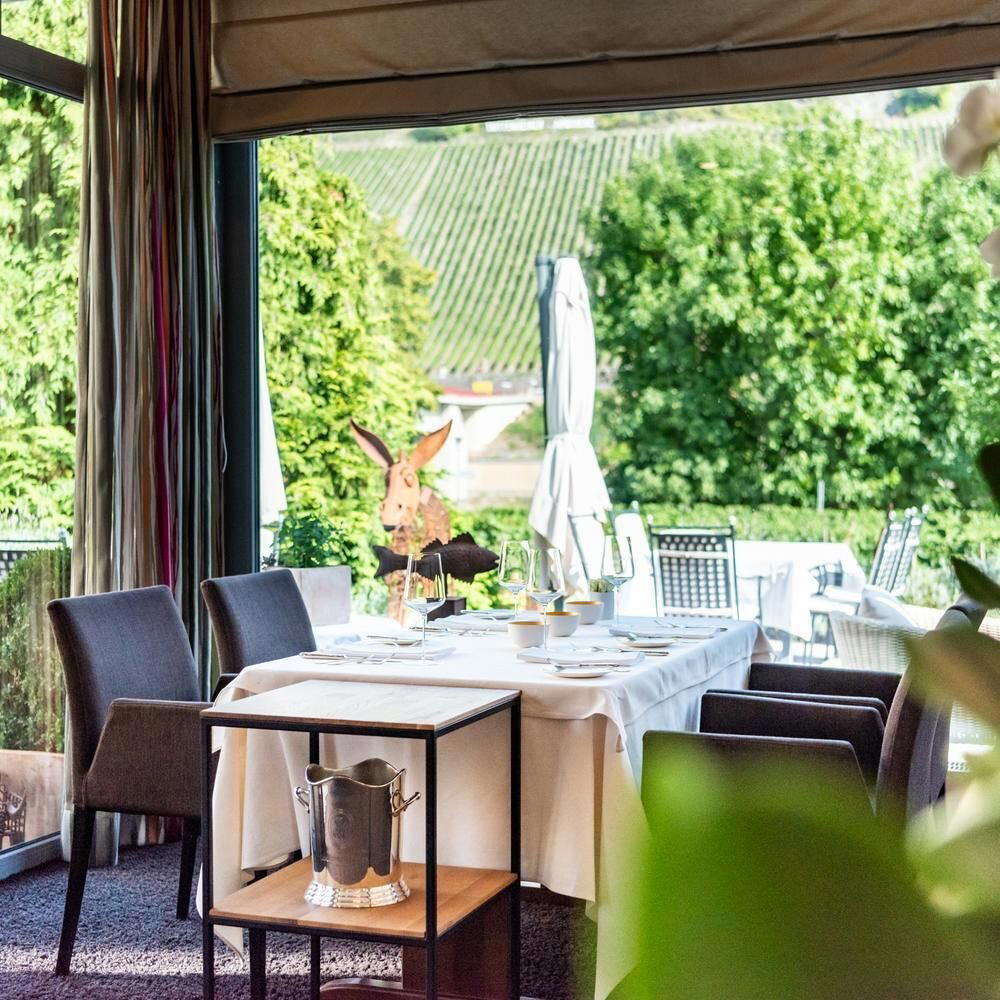
At a Glance
- Classic
- Quiet
- Rustic
- Wine Education
- Special Occasion
- Corporate Event
- Historic Building
- Private Tasting
- Vineyard
- Street Scene
- Mosel
- Riesling
- Weissburgunder
- Still White
- Sparkling
- Guided Tasting
- Appointment Tasting
Historic, classic winery atmosphere centered on an old manor house and preserved cellars, with a vinotheque serving as the visitor-facing tasting point.