Weingut Ansgar Clüsserath

A small family-run Mosel estate in Trittenheim, Weingut Ansgar Clüsserath is built around steep slate, old Riesling vines, and traditional Füder cellar work. The interest here is terroir rather than spectacle: a quiet, intimate tasting-room experience tied to Trittenheimer Apotheke, low-intervention production, and a lineage reaching back to 1670.
Pearl is the En Primeur Club membership app — saves, bookings, and concierge access live there. Same editors, same standards.
- Address
- Trittenheim, Moselle, Rhineland-Palatinate, Deutschland
 Saves & bookings on Pearl
Weingut Ansgar Clüsserath is a Trittenheim venue best understood through its atmosphere rather than through unsupported claims about menus, awards, opening hours, or named vineyard holdings. The confirmed picture is narrow but useful: a classic, quiet, scenic, rustic, and intimate setting, with a traditional, low-intervention cellar atmosphere and a strong sense of slate terroir.
Those details may matter to a wine-focused visit, but they are not part of the confirmed data supplied. What can be stated confidently is the style of experience: quiet, traditional, and cellar-led, with the character of slate terroir central to how the venue is presented.
Slate, slope, and Riesling set the agenda
The strongest language around Weingut Ansgar Clüsserath points to terroir rather than to a long list of products. “Slate” is the important word in the confirmed description: it frames the venue as a place where geology and atmosphere shape the visit.
For guests, that makes Weingut Ansgar Clüsserath a better fit for attentive tasting than for a high-energy social stop. The descriptors, classic, quiet, scenic, rustic, intimate, suggest a slower, more focused mood. The appeal is not spectacle. It is the feeling of being in a traditional cellar environment where the setting is part of the experience and where precision matters more than performance.
Price is listed as $$, which gives only a broad planning signal. It should not be read as a confirmed tasting fee, bottle price, menu cost, or package rate. Travelers should treat the price marker as general guidance and confirm practical details directly before making plans.
Old Füder, natural fermentation, and a restrained cellar language
What remains is still meaningful. A low-intervention cellar atmosphere signals a restrained style of visit: less polished showroom, more quiet cellar sensibility. The wording does not prove a particular winemaking method, certification, or farming regime, so it should be read as an experiential description rather than a technical guarantee. In practical terms, visitors can expect the venue’s identity to feel rooted in cellar, place, and slate rather than in elaborate hospitality staging.
This distinction matters for accuracy. Wine pages often drift into confident-sounding claims about old vines, named bottlings, awards, or family history. None of those specifics are confirmed in the available information. The dependable description is simpler: the winery in Trittenheim offers a quiet, precise tasting-room experience with a traditional, low-intervention cellar mood and a clear sense of slate terroir.
A quiet tasting-room proposition in a serious Riesling village
As a planning choice, the winery is best framed as an intimate Trittenheim stop for people who value atmosphere and focus. The confirmed mood is quiet and rustic, with scenic context and a classic cellar feel. Those details should be checked directly with the venue.
For a broader day in Trittenheim, compare this listing with other dining and drinking options in the village only in general terms. The useful contrast is between a precise, cellar-led tasting-room atmosphere and whatever other local venues provide. No other named venue is needed to explain the appeal here; the identity of the winery stands on its own.
Strong reason to keep this venue on a shortlist is the clarity of the confirmed experience. It is a $$ Trittenheim address with a traditional, low-intervention cellar atmosphere, a strong slate-terroir character, and a quiet, intimate tasting-room mood. Readers looking for a flashy service format, a documented award trail, or a fully specified technical wine profile will need more confirmed information. Readers looking for a classic, scenic, and restrained cellar setting in Trittenheim have enough context to understand why the winery belongs in the guide.
Recognition history
Dated appearances from independent guides and award organizations, with the underlying list record or original source where available.
Falstaff Winery - 4 Stars
Falstaff
Continue exploring
More in Trittenheim
Wineries in Trittenheim
Browse all →Restaurants in Trittenheim
Browse all →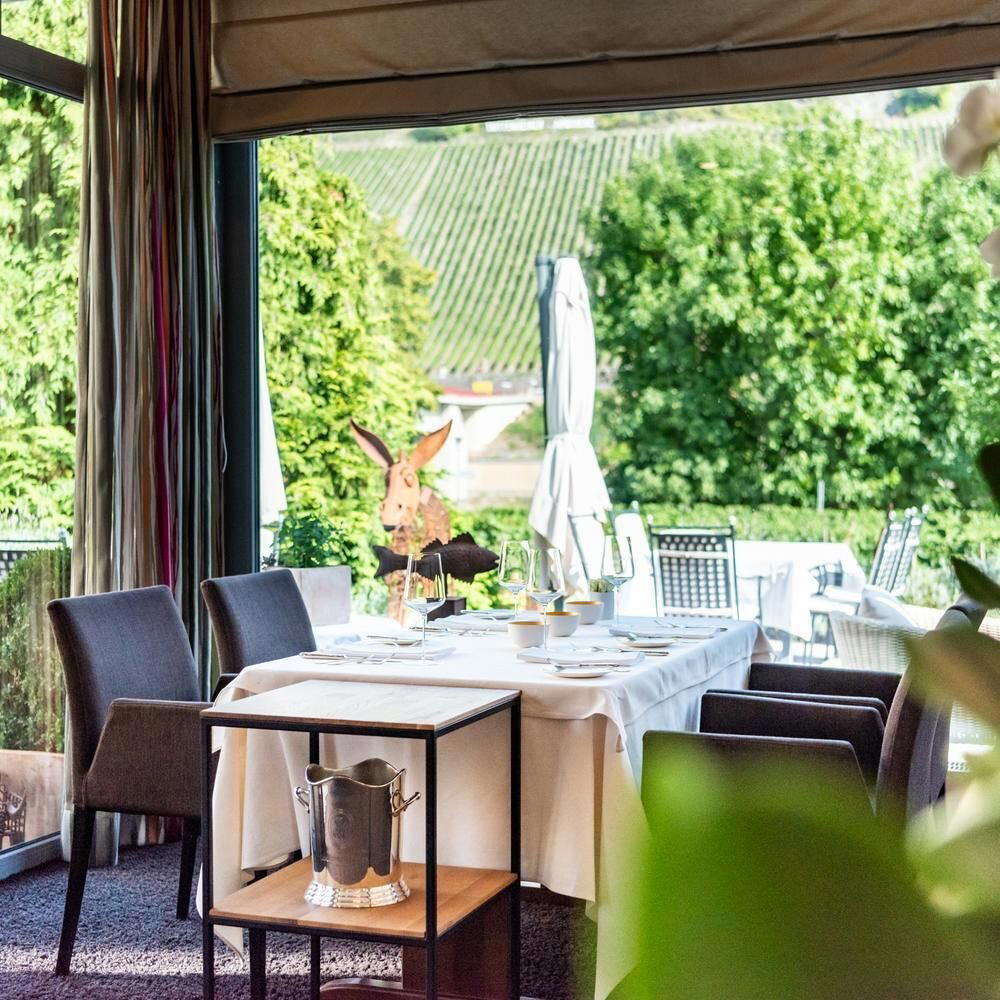
At a Glance
- Classic
- Quiet
- Scenic
- Rustic
- Intimate
- Solo Exploration
- Wine Education
- Special Occasion
- Vineyard Tour
- Private Tasting
- Historic Building
- Sustainable
- Vineyard
- Mosel
- Riesling
- Weissburgunder
- Still White
- Dessert
- Wine Tasting
- Cellar Tasting
Traditional, low-intervention cellar atmosphere with a strong sense of slate terroir and a quiet, precise tasting-room experience.