Weingut Bollig²

A young Mosel estate in Trittenheim, Weingut Bollig² works from a 16-hectare base in the Bernkastel appellation, with Riesling at the center and Burgundian varieties widening the frame. Its strongest identity comes through named sites such as Trittenheimer Apotheke, Trittenheimer Altärchen and Dhron Hofberg, where slate, village specificity and dry premium bottlings drive the conversation.
Pearl is the En Primeur Club membership app — saves, bookings, and concierge access live there. Same editors, same standards.
- Address
- Trittenheim, Rhineland-Palatinate, Deutschland
 Saves & bookings on Pearl
Approaching wine in Trittenheim means reading the Mosel before reading a label: river bends, compact villages, steep vineyard slopes and slate as the quiet grammar behind the region’s wines. Weingut Bollig² is best understood within that landscape. The picture is concise but useful: this is a family-run Mosel winery in Trittenheim, positioned around both tradition and innovation, with a focus on terroir-driven, fruity wines from steep slate sites.
Because the confirmed public detail is limited, one honest way to frame the estate is not through invented bottle lists, scores, vineyard rankings or a long biography. Its appeal rests on a classic Mosel premise: a quiet producer setting, rustic atmosphere, and wine shaped by place. For travelers, that makes Weingut Bollig² less a checklist stop and more a small, appointment-based visit where the vineyard context and the family-run character are central to the experience.
Slate, place and a terroir-focused Mosel range
The identity of Weingut Bollig² is rooted in steep slate sites and fruity, terroir-driven wines. That is enough to place it clearly in the Mosel conversation without overstating specifics that are not confirmed here. Rather than naming individual bottlings, grape varieties, vintages, scores or prices per bottle, the grounded description is simpler: this is a winery that presents its wines through the relationship between slope, slate and origin.
That focus matters because the Mosel is often discussed through broad shorthand. Visitors may arrive expecting sweetness, river views or postcard villages, but the more meaningful distinction is between wines presented generically and wines presented as expressions of place. The winery belongs in the latter frame. Its stated positioning around terroir, steep slate sites and fruit-driven wines gives guests a clear lens for tasting, even when detailed technical information is not part of the record.
The atmosphere also supports that interpretation. The setting is described as quiet, rustic, classic and somewhat hidden-gem in character. Those are not claims of luxury, scale or elaborate hospitality; they point instead to a more modest Mosel experience, where the sense of place is part of the draw. For a visitor who wants a polished entertainment venue, that may not be the right expectation. For someone who values a calm, family-run winery visit in Trittenheim, it is a useful fit.
A family-run estate with a tradition-and-innovation identity
The winery is as family-run, and that detail should remain central. In small wine regions, family operation often shapes the tone of a visit as much as the wines themselves: the experience tends to feel personal, local and closely tied to the work of the estate. The confirmed positioning also pairs tradition with innovation, which suggests an estate presenting itself as rooted in Mosel heritage while still looking forward.
It is important not to stretch that into unsupported specifics.
What can be said confidently is that the estate’s identity is built around place rather than spectacle. The combination of family ownership, steep slate-site focus, fruity wines and quiet appointment-based access creates a clear, grounded profile. It is the kind of Mosel address that suits guests who want to understand a winery through its setting and philosophy rather than through a restaurant-style service model or a heavily programmed visitor experience.
How to place it within a Trittenheim wine day
A visit to the winery works well as part of a Trittenheim itinerary built around wine, village atmosphere and the Mosel landscape. Since visits are appointment-based, planning ahead is essential.
The price category is listed as $$, which places it in a moderate bracket for planning purposes. That should not be converted into a specific tasting fee, bottle price or minimum spend, because none of those figures is here. The safer takeaway is that winery is not being presented as a luxury-only destination; it reads as an accessible, family-run Mosel winery with a focused sense of place.
Within Trittenheim, pair the visit with other unnamed local dining or lodging plans as needed, keeping the winery itself as the anchor for a quiet wine-focused stop. The strongest reason to go is not a claimed award, exact score, famous dish or elaborate hospitality format. It is the combination of Mosel setting, steep slate-site identity, fruit-driven wines, and a family-run approach that balances tradition with innovation.
Recognition history
Dated appearances from independent guides and award organizations, with the underlying list record or original source where available.
Falstaff Winery - 2 Stars
Falstaff
Continue exploring
More in Trittenheim
Wineries in Trittenheim
Browse all →Restaurants in Trittenheim
Browse all →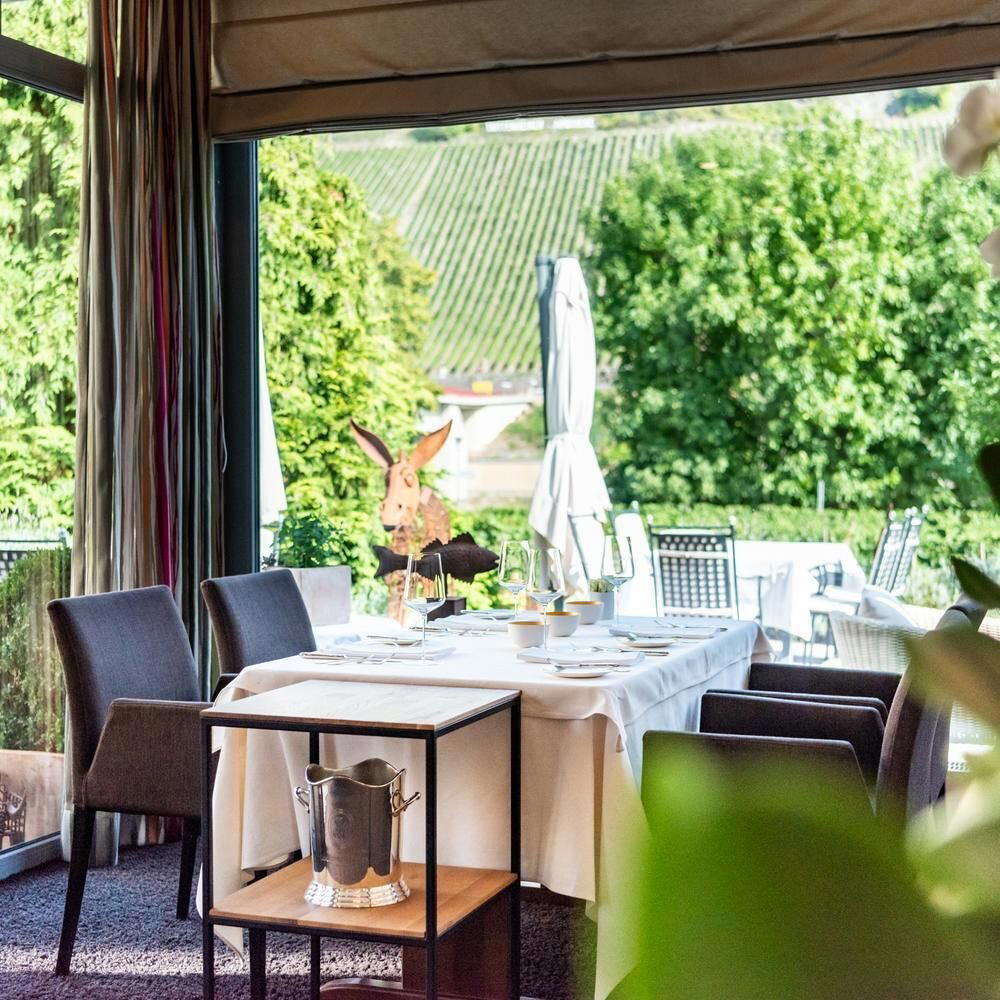
At a Glance
- Quiet
- Rustic
- Classic
- Wine Education
- Solo Exploration
- Group Outing
- Private Tasting
- Vineyard Tour
- Estate Grounds
- Sustainable
- Vineyard
- Bernkastel
- Riesling
- Weißburgunder
- Spätburgunder
- Grauburgunder
- Müller Thurgau
- Still White
- Still Red
- Tasting Room
- Private Tasting
Family-run Mosel winery with a tradition-and-innovation positioning, focused on terroir-driven, fruity wines from steep slate sites; the setting is quiet and appointment-based for visits.