Franz-Josef Eifel

Franz-Josef Eifel is a small Mosel estate in Trittenheim, where steep vineyard work, Riesling, and a personal tasting-room format define the visit. The appeal is terroir rather than spectacle: old vines, micro-terraces, hand harvesting, and a cellar approach that moves from dry through off-dry, fruity, and dessert styles depending on the vintage.
Pearl is the En Primeur Club membership app — saves, bookings, and concierge access live there. Same editors, same standards.
- Address
- Trittenheim, Moselle, Rhineland-Palatinate, Deutschland
 Saves & bookings on Pearl
Franz-Josef Eifel is a family-run Mosel estate in Trittenheim, set among steep vineyard slopes and surrounding wildlife. The picture is intimate rather than showy: a welcoming tasting room, a cozy guesthouse, and a relaxed atmosphere shaped by attentive hospitality. In that sense, the appeal is not built around a grand, high-gloss presentation, but around the quieter pleasures of place, welcome, and time spent close to the vineyards.
What can be said with confidence is that Franz-Josef Eifel is presented as a picturesque Mosel estate where the setting and hospitality are central to the visit. The available description points to a venue whose identity comes from its family-run character, its position in Trittenheim, and the way a tasting room and guesthouse make the estate feel approachable for visitors.
Steep-slope estate setting in Trittenheim
The estate’s clearest identity comes from its place. Trittenheim is part of the Mosel landscape, and Franz-Josef Eifel is described as sitting among steep vineyard slopes with surrounding wildlife. That gives the venue a rural, close-to-the-land character rather than the feel of a large, formal destination property. The steep slopes are not just background scenery in this description; they help define the mood of the estate, giving the visit a sense of being embedded in the surrounding vineyard landscape.
For travelers, that setting matters because it frames expectations before any practical details come into play. A Mosel estate among vineyard slopes suggests a visit that is shaped by landscape and quiet atmosphere as much as by the hospitality itself. The mention of surrounding wildlife reinforces that impression, pointing toward a natural, countryside context rather than an urban or highly polished hospitality setting.
The atmosphere is described as intimate and relaxed, with detailed, attentive hospitality. For visitors, that means the draw is less about spectacle and more about a personal estate experience in Trittenheim. The family-run description also supports that reading: the venue is best understood as a smaller-scale, people-focused stop where the tone is likely to feel direct and unhurried, rather than distant or overly formal.
Price level is $$, placing the winery in a moderate range. That positioning fits the broader picture of an accessible estate experience: not framed here as a luxury splurge, and not presented as a bare-bones stop, but as a moderate option where the value lies in the combination of setting, welcome, and the possibility of lingering in a calm Mosel environment.
A welcoming tasting room and cozy guesthouse
The winery is described as having a welcoming tasting room and a cozy guesthouse. Those two elements shape the experience: the tasting room gives the estate a direct hospitality focus, while the guesthouse supports a slower stay in Trittenheim. Together, they make the property feel less like a quick address on a route and more like a place where the visitor can settle into the estate’s atmosphere.
The tasting room is central because it gives the family-run estate a clear point of contact with guests. Rather than presenting the venue only as a scenic property, the description emphasizes a space designed for welcome and direct interaction. The word “welcoming” is important here: it suggests that the tasting-room experience is meant to feel approachable and personal, consistent with the relaxed hospitality described elsewhere.
The guesthouse adds another layer to that same idea. Described as cozy, it supports a more restful version of the visit, especially for travelers who want to stay in Trittenheim rather than simply pass through. No additional amenities or services are specified, so the safest interpretation is direct: the guesthouse contributes warmth and comfort, reinforcing the estate’s intimate, unshowy character.
Travelers should confirm practical arrangements with the estate before arrival. That is especially sensible for a small, family-run property, where particularly reliable details will come directly from the venue. Questions about visiting, tasting, staying, or timing should be checked in advance rather than assumed from the general description.
For planning purposes, the safest expectation is a small, family-run Mosel estate atmosphere: relaxed, personal, and closely tied to its vineyard setting. Visitors who respond to gentle hospitality, a scenic rural context, and a sense of being close to the land are one natural fit for what is described here.
How it fits into a Trittenheim itinerary
The winery works well for travelers who want a calm estate stop in Trittenheim, with vineyard surroundings, a tasting-room setting, and the option of a guesthouse stay. The information supports a picture of intimate hospitality rather than a highly formal or large-scale venue. It is therefore best placed into an itinerary as a slower, atmospheric stop, not as something defined by spectacle, novelty, or a long list of publicized extras.
That makes the estate a good match for a Trittenheim visit built around setting and pace. The steep vineyard surroundings, wildlife, and family-run character all point in the same direction: a venue whose strengths are quiet and cumulative. The experience is presented as one where the surroundings, the welcome, and the chance to spend time at the estate are the main reasons to go.
If comparing options, keep the focus on the winery and other dining or hospitality choices in Trittenheim generically. Specific claims about other venues, awards, rankings, or detailed wine programs are not included here unless they are independently verified. The available information is enough to position the winery as a picturesque, moderate, family-run Mosel estate, but not enough to make precise comparative claims beyond that.
The main reason to consider the winery is direct: it is a family-run Mosel estate in Trittenheim with a welcoming tasting room, cozy guesthouse, steep vineyard surroundings, and a relaxed, attentive style of hospitality. For travelers drawn to that combination, its appeal is clear and coherent: a personal Mosel estate experience grounded in place, calm, and welcome.
Recognition history
Dated appearances from independent guides and award organizations, with the underlying list record or original source where available.
Falstaff Winery - Listed
Falstaff
Continue exploring
More in Trittenheim
Wineries in Trittenheim
Browse all →Restaurants in Trittenheim
Browse all →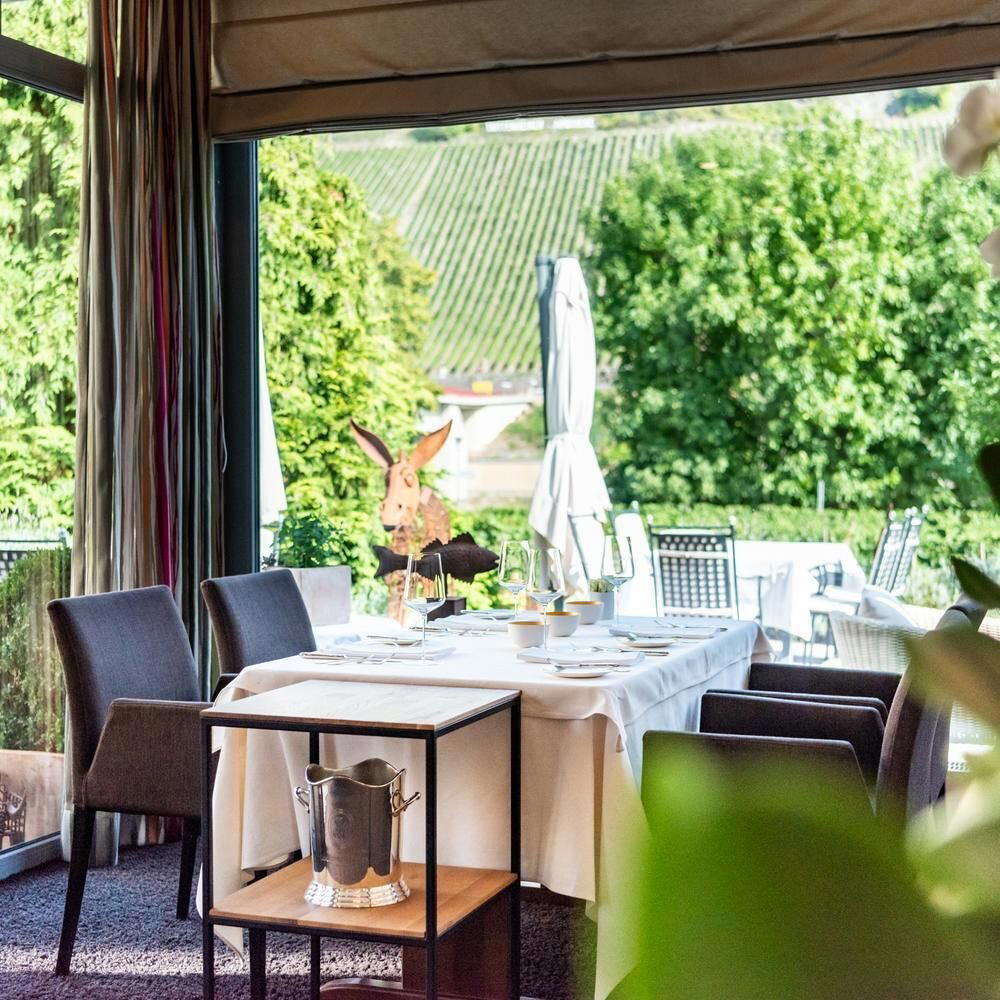
At a Glance
- Scenic
- Cozy
- Classic
- Intimate
- Rustic
- Romantic Getaway
- Group Outing
- Solo Exploration
- Wine Education
- Special Occasion
- Vineyard Tour
- Estate Grounds
- Waterfront
- Panoramic View
- Private Tasting
- Organic
- Sustainable
- Dry Farmed
- Vineyard
- Waterfront
- Mosel
- Riesling
- Still White
- Sparkling
- Dessert
- Standard Tasting
- Private Guided Tasting
- Estate Flight
Picturesque family-run Mosel estate set among steep vineyard slopes and surrounding wildlife, with a welcoming tasting room and cozy guesthouse offering an intimate, relaxed atmosphere focused on detailed, attentive hospitality and in-depth Riesling tastings.