Weingut Jakob Tennstedt

Falstaff Winery - Listed
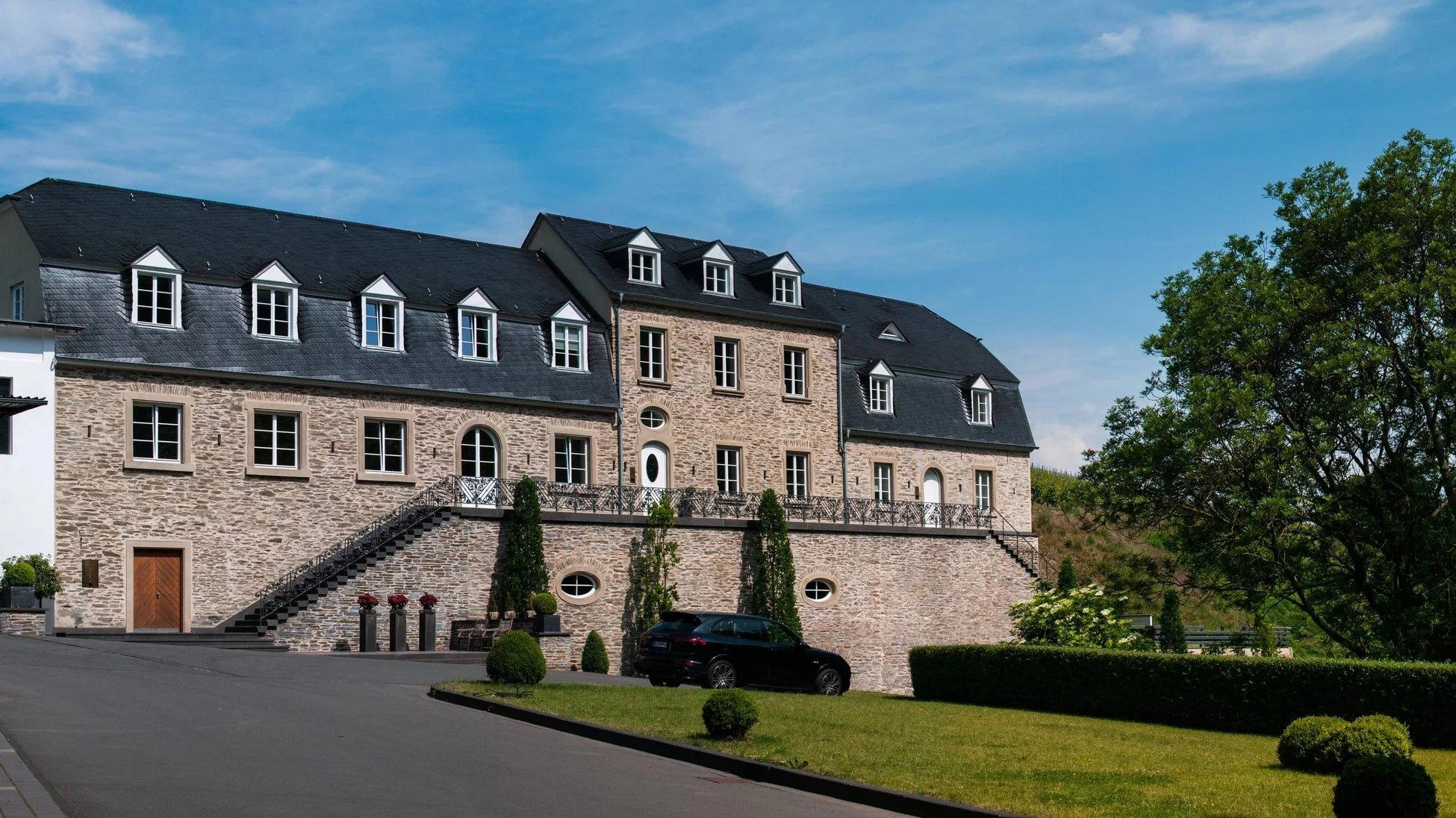
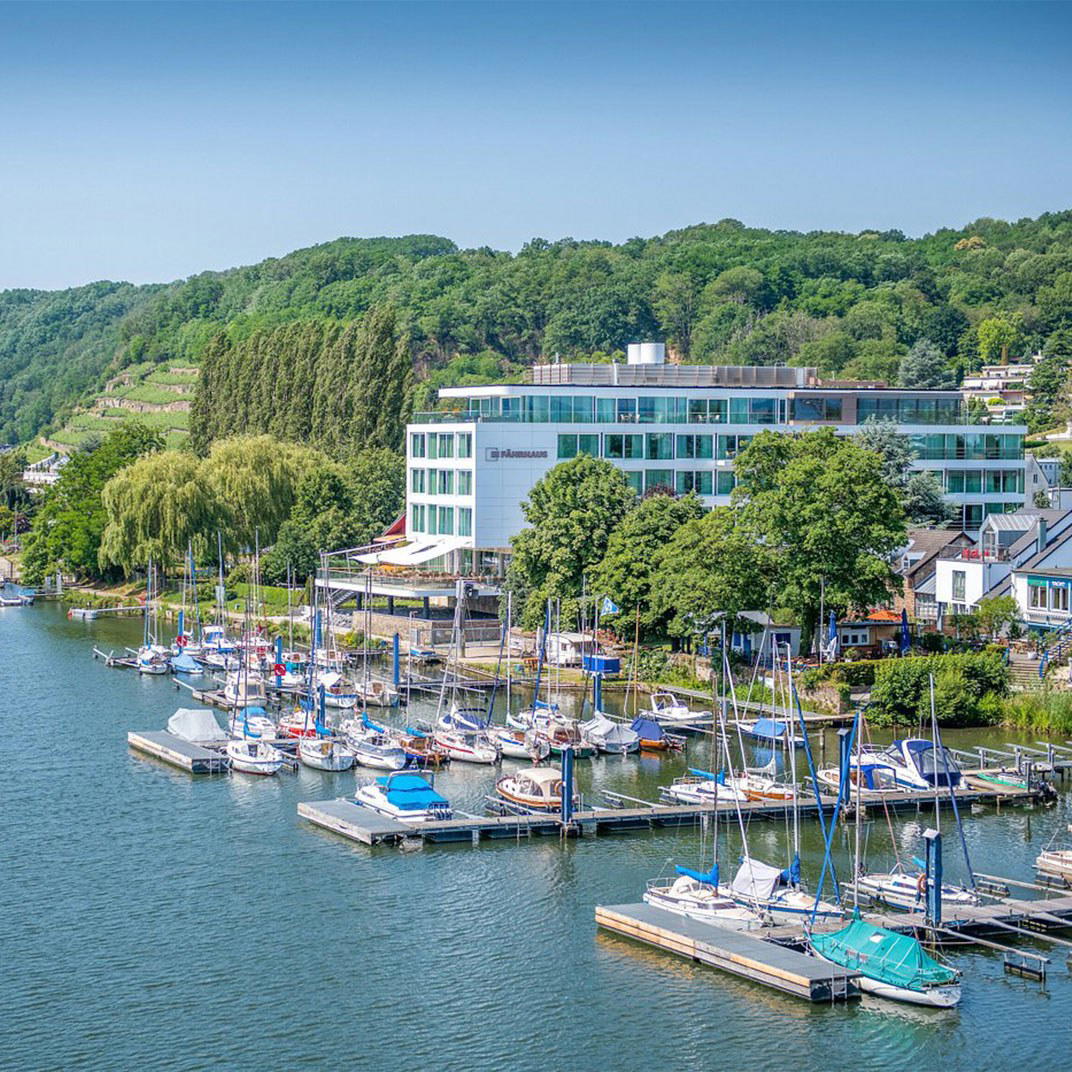
Weingut Jakob Tennstedt is a small Mosel winery in Traben-Trarbach, shaped around Riesling, reclaimed steep vineyards in the Kautenbachtal, and a quiet cellar-led style. The draw is terroir rather than ceremony: biodynamic farming, long élevage in traditional Mosel foudre, and a private-tasting format aimed at drinkers who want the region in a more contemplative register.

Pearl is the En Primeur Club membership app, where members save venues, book tables and use the concierge.

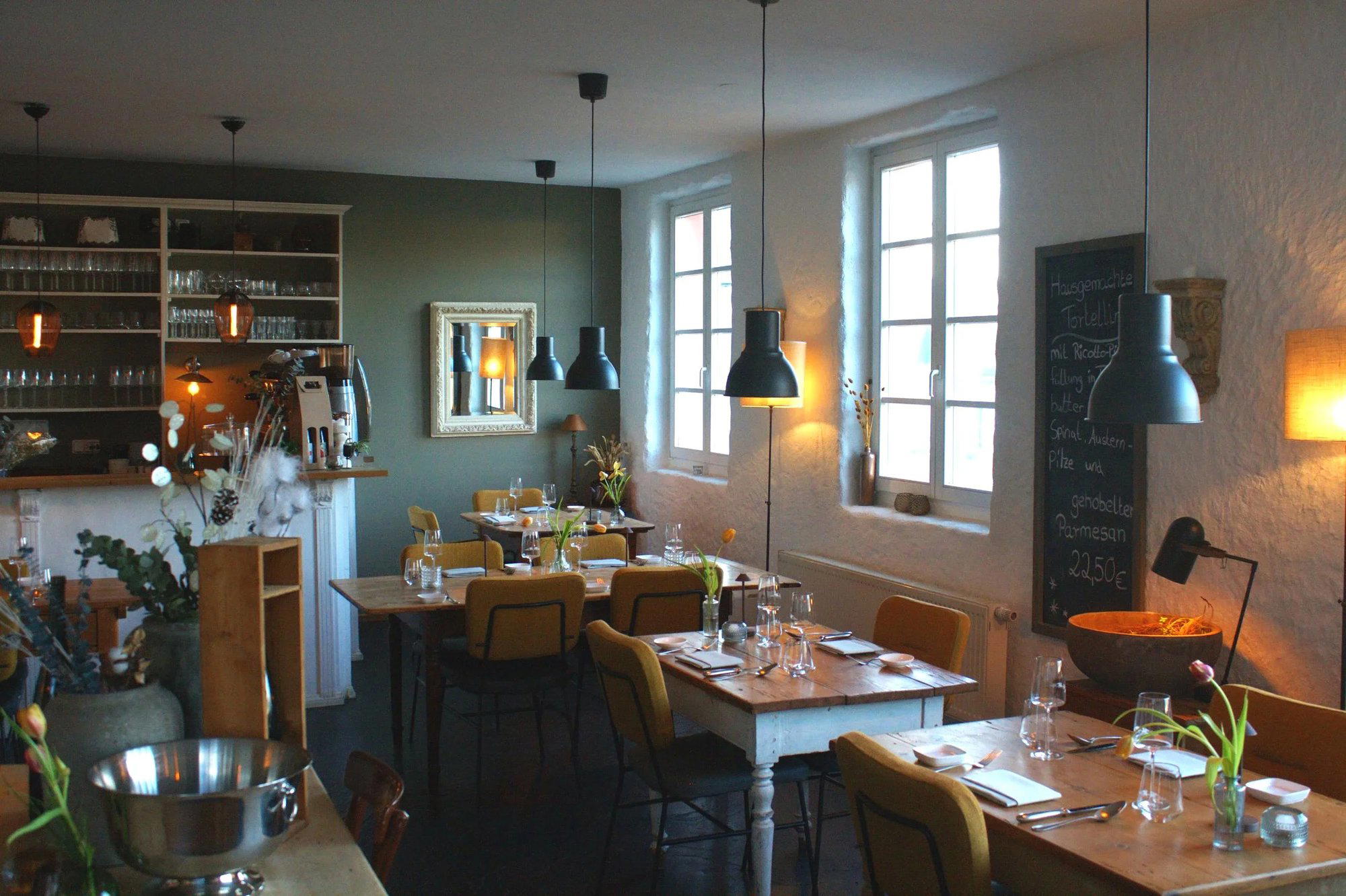
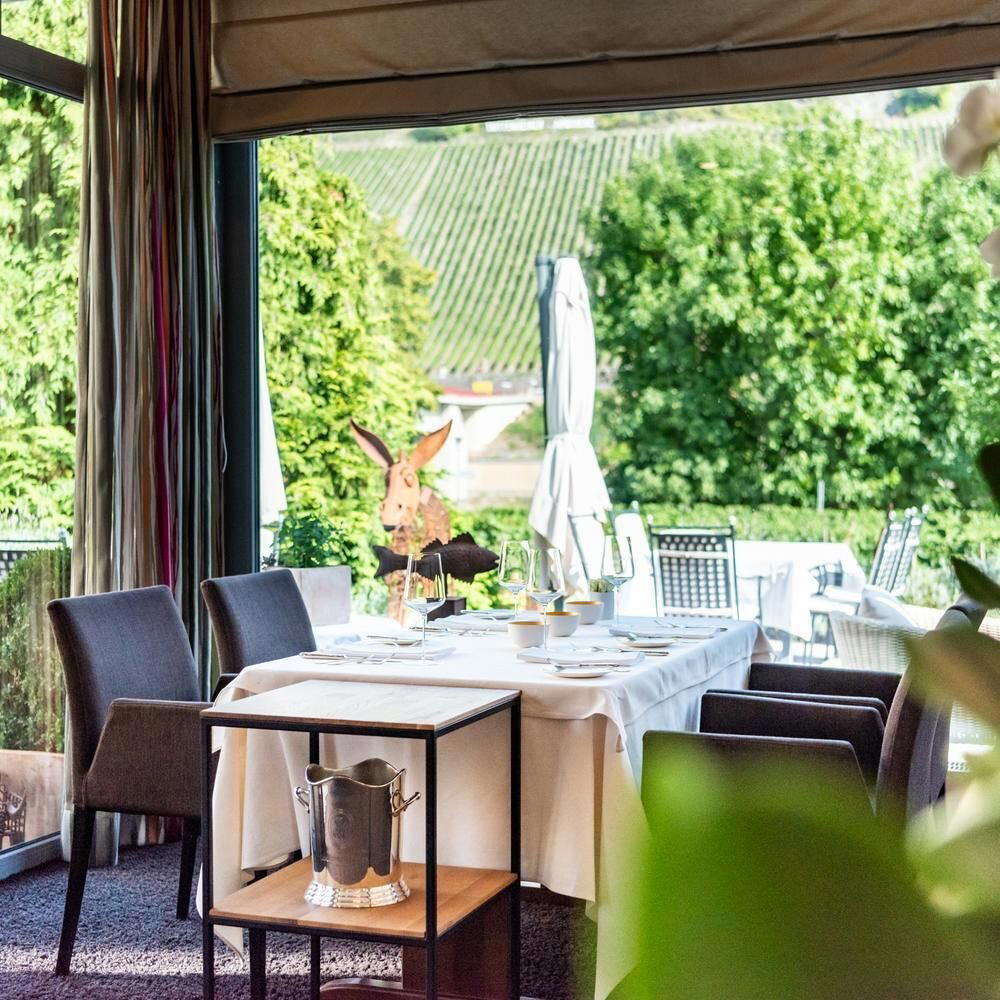
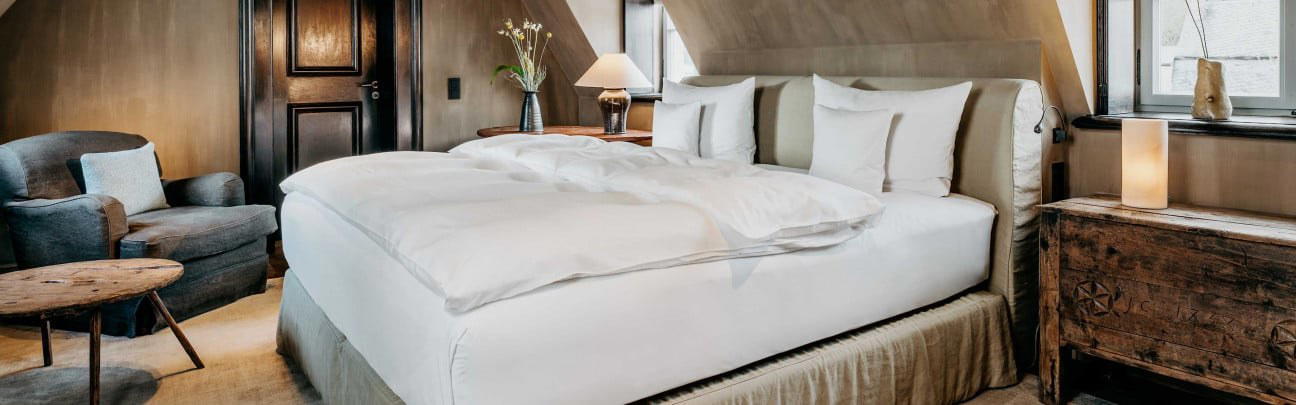
Weingut Jakob Tennstedt is a quiet, cellar-driven venue in Traben-Trarbach. The profile is intentionally spare: the setting is described with a rustic, intimate mood, and the emphasis is on minimalist natural-wine craftsmanship rather than a hospitality-heavy setup.
The safest way to read Weingut Jakob Tennstedt is as a low-key Traben-Trarbach wine stop where the appeal is quieter and more contemplative than polished or showy. It is the kind of place to consider when the mood of the visit matters as much as the practical checklist, and when a restrained, cellar-led experience sounds more compelling than a highly staged one.
Steep Mosel Riesling without the hospitality theater
For many visitors, Traben-Trarbach is tied to wine culture and the wider Mosel landscape. Weingut Jakob Tennstedt fits that context in mood rather than in a list of technical details. What is confirmed is the character of the experience: quiet, hidden-gem, rustic, intimate, and cellar-driven. That points to a venue where the setting is likely to matter as much as any formal service structure, and where the visitor should arrive prepared for understatement rather than spectacle.
The important editorial distinction is restraint. Rather than present unsupported specifics as facts, it is more accurate to describe the venue through the confirmed tone: minimalist, contemplative, and not built around heavy hospitality staging. That restraint is part of the identity. It keeps the focus on the cellar feeling, the natural-wine sensibility, and the quieter rhythm implied by the description.
That makes Weingut Jakob Tennstedt well suited to travelers who prefer understated wine experiences. If you are drawn to quiet, rustic places with a more inward cellar feel, the profile is more aligned with that expectation. The distinction is useful because it prevents the wrong kind of anticipation: this is not best read as a full-service destination built around spectacle, but as a more reserved address whose character is carried by mood and craft.
Why the quiet cellar setting changes the conversation
The most useful way to frame Weingut Jakob Tennstedt is not through awards or technical production language, but through atmosphere. “Cellar-driven” suggests a place where the experience is grounded in the producer’s immediate wine environment rather than in a conventional tasting-room narrative. “Contemplative” suggests a slower kind of visit, one that rewards attention rather than quick comparison. In that sense, the venue is easier to understand through pace, texture, and feeling than through a conventional checklist.
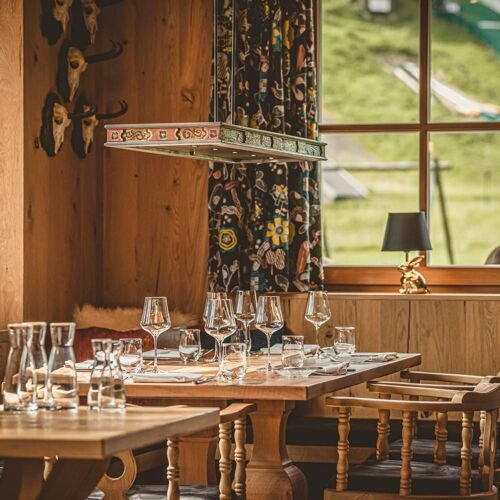
The venue is also described as intimate and rustic. Those words should not be stretched into claims about size, seating, architecture, or service format; none of those specifics are confirmed. They do, however, help set expectations. This is not presented as a glossy destination venue. It is better understood as a quieter Traben-Trarbach address for people interested in a less performative wine experience, especially those who find value in settings that feel tucked-away, pared back, and personal rather than expansive or highly packaged.
Price is listed as $$. Visitors should therefore treat the price marker as a broad indicator only, not as a promise of any particular cost or offering. It can help with general trip planning, but it should not be used as a substitute for checking directly when details matter.
How to place it within a Traben-Trarbach wine itinerary
In a Traben-Trarbach itinerary, Weingut Jakob Tennstedt works well as the contemplative stop: quiet, cellar-led, and relatively understated. Confirm current details directly before building a day around it, especially because the profile does not rest on a heavily documented hospitality program. That kind of advance check is the practical counterpart to the venue’s low-key character.
Readers comparing local options should think in terms of pace and mood. Other dining or wine-related stops in Traben-Trarbach may offer a more public-facing hospitality experience, while Weingut Jakob Tennstedt’s identity is more reserved. That contrast is useful: it helps position the venue for travelers who value quiet craftsmanship and a more intimate setting. It also helps avoid treating every wine stop as interchangeable, since the confirmed draw here is the subdued, cellar-centered atmosphere.
The best expectation is simple. Come to Weingut Jakob Tennstedt for a subdued Traben-Trarbach wine experience with a rustic, hidden-gem feel and a minimalist natural-wine sensibility. The confirmed appeal is not a checklist of features; it is the mood of a quiet cellar-driven venue, and the pleasure lies in approaching it on those restrained terms.
Recognition history
Dated appearances from independent guides and award organizations, with the underlying list record or original source where available.
Falstaff Winery - Listed
Falstaff
Continue exploring
More in Traben-Trarbach
Wineries in Traben-Trarbach
All wineries in Traben-Trarbach →
Bars in Traben-Trarbach
All bars in Traben-Trarbach →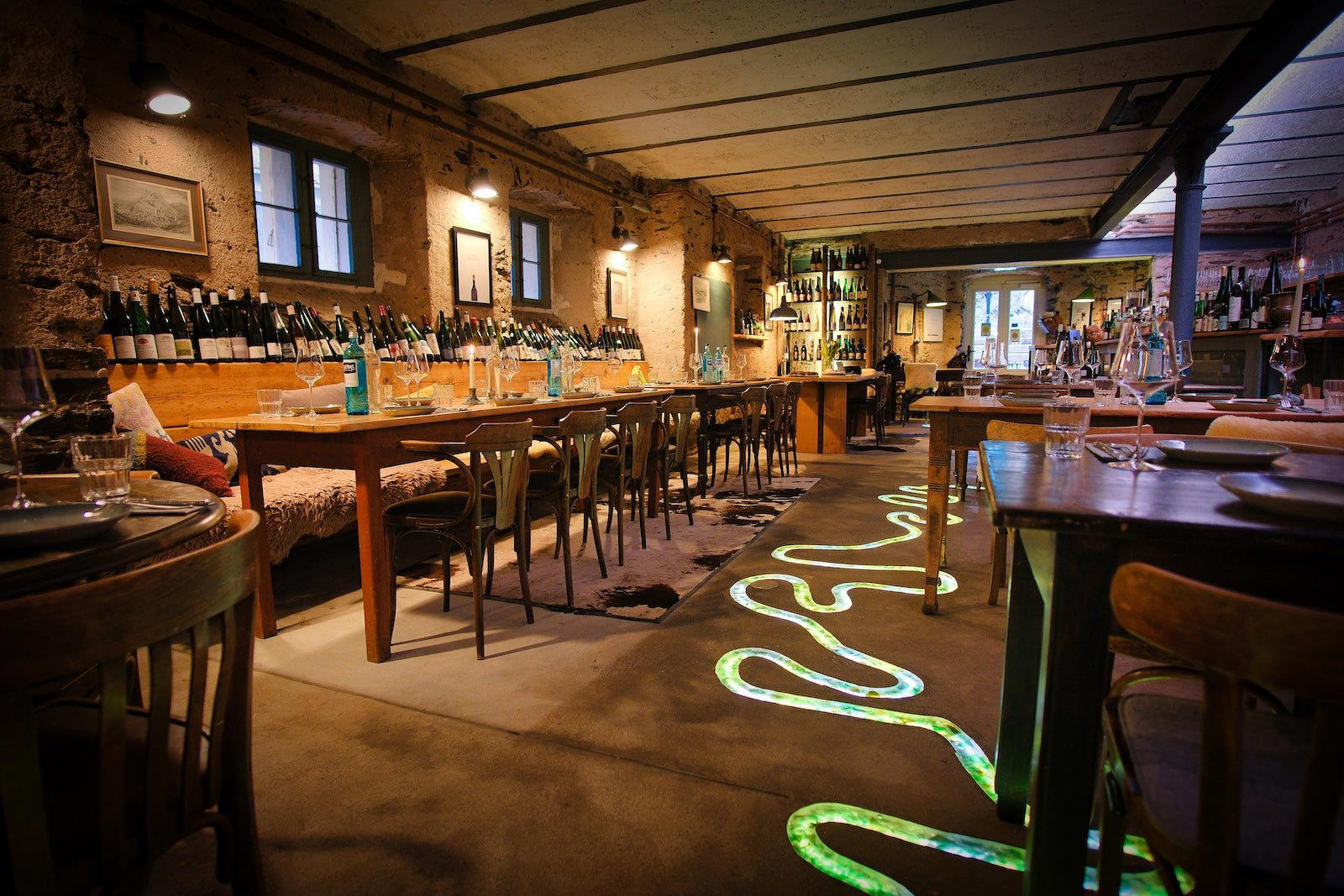
Details
- Quiet
- Rustic
- Intimate
- Solo Exploration
- Special Occasion
- Wine Education
- Private Tasting
- Vineyard
- Riesling
- Still White
- Private Tasting
Quiet, cellar-driven, and contemplative, with a focus on minimalist natural-wine craftsmanship rather than a hospitality-heavy setup.