Weingut Heribert Boch

A small family-run Mosel winery and guesthouse in Trittenheim, Weingut Heribert Boch belongs to the village-scale side of German wine travel: quiet, vineyard-facing, and shaped by steep slopes rather than spectacle. The estate dates to 1989, works with Riesling alongside Pinot Noir, Pinot Blanc, Pinot Gris and Chardonnay, and draws its strongest signal from holdings in Trittenheimer Apotheke and Trittenheimer Altärchen.
Pearl is the En Primeur Club membership app — saves, bookings, and concierge access live there. Same editors, same standards.
- Address
- Trittenheim, Moselle, Rhineland-Palatinate, Deutschland
 Saves & bookings on Pearl
Approaching wine in Trittenheim means reading the Mosel before the label: a wine village set among vineyards, steep Moselle slopes and a slower rural pace. Weingut Heribert Boch fits that register as a family-run Mosel winery in the middle of Trittenheim. The appeal is not built on a long list of extras, but on place: a quiet, classic and rustic setting where the surrounding landscape is central to the visit.
For EP Club readers, the important framing is simple. This is a $$ winery address in Trittenheim, and the case for it rests on setting and atmosphere rather than on unconfirmed claims about menus, awards, tasting formats, named vineyard holdings or specific wine styles. Travelers should treat it as a scenic village winery stop and confirm any operational details directly before planning around them.
Steep-slope Mosel character, read through Trittenheim sites
Mosel wine travel is often about landscape as much as what is in the glass. In Trittenheim, the visual context is immediate: vineyards around the village, steep slopes above the Moselle and a compact settlement where wine is part of the local identity. Weingut Heribert Boch belongs in that atmosphere as a family-run winery embedded in the village rather than as a destination defined by spectacle.
Because the information is deliberately narrow, it is best not to overstate the estate’s program. There is no confirmed basis here for claiming a particular grape range, tasting structure, cellar tour, production method, founding year, winemaker profile or award history. What can be said with confidence is that the winery sits in a scenic Mosel setting and presents the quieter side of Trittenheim wine travel: rustic, classic and closely tied to the surrounding slopes.
That restraint is useful for planning. Some venues are best understood through extensive published menus, ratings or design-led hospitality. Weingut Heribert Boch is better understood as a place-led listing. Its strongest attributes are its family-run character, its village location and the vineyard landscape around it. Readers looking for a polished restaurant-style experience should not assume one; readers seeking a calm Mosel winery atmosphere may find the description more relevant.
A winery setting built for slow Mosel travel
The mood at Weingut Heribert Boch is quiet, scenic, rustic and classic. Those words matter in the Mosel, where the leading experiences often come from spending time in the village rather than racing between stops. Trittenheim’s setting encourages a slower rhythm: arrive with time to look at the slopes, keep expectations grounded, and let the village context do much of the work.
One reliable approach is to treat the winery as a winery in Trittenheim and check current arrangements directly if a visit depends on a particular service. That is especially important for travelers building a day around tastings, dining reservations or transport through the Mosel valley.
$$ price marker gives a broad planning cue without implying a specific tasting fee, bottle price or menu cost. It suggests a moderate category, but not a guaranteed format. For practical purposes, budget with flexibility and avoid planning around packages or fixed experiences.
How to place it within a Trittenheim wine day
For a Trittenheim itinerary, the winery works well as part of a calm village-focused day. Its strengths are the essentials: a family-run Mosel winery, a central Trittenheim setting, vineyards nearby and steep Moselle slopes shaping the backdrop. That makes it a natural stop for travelers who want the village itself to set the tone.
The wider Trittenheim circuit can be planned generically around other local wineries, dining rooms, hotels, bars and experiences, but details should be checked venue by venue. Do not assume that every winery in the village offers the same hours, tasting style, food, transport access or reservation policy. In a compact Mosel village, small operational differences can shape the whole day.
Readers comparing wine travel beyond Trittenheim should keep the comparison broad. The winery is not being presented here as a ranked or award-led benchmark. It is a scenic, quiet, family-run Mosel winery in a classic village setting. That makes it most useful for travelers who value atmosphere, landscape and local context over a highly specified hospitality program.
The verdict is direct: the winery is a place-led Trittenheim winery listing with a rustic, classic and quiet character. Its appeal is the family-run Mosel setting in the middle of the wine village, surrounded by vineyards and steep Moselle slopes. Plan around that grounded identity, and confirm any finer details directly before visiting.
Recognition history
Dated appearances from independent guides and award organizations, with the underlying list record or original source where available.
Falstaff Winery - Listed
Falstaff
Continue exploring
More in Trittenheim
Wineries in Trittenheim
Browse all →Restaurants in Trittenheim
Browse all →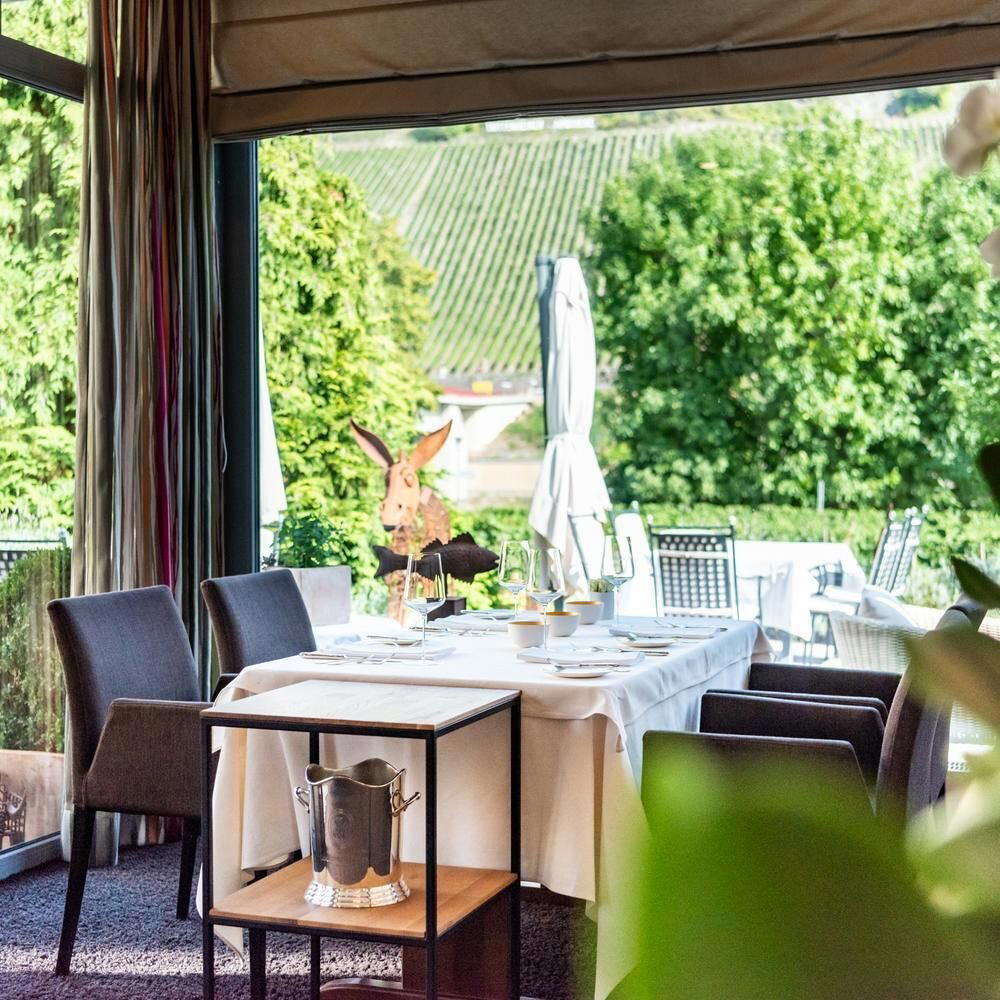
At a Glance
- Scenic
- Rustic
- Classic
- Quiet
- Wine Education
- Solo Exploration
- Special Occasion
- Historic Building
- Estate Grounds
- Vineyard Tour
- Vineyard
- Mountain
- Mosel
- Riesling
- Pinot Noir
- Pinot Blanc
- Pinot Gris
- Chardonnay
- Still White
- Still Red
- Wine Tasting
Family-run Mosel winery set in the middle of the wine village of Trittenheim, surrounded by vineyards and steep Moselle slopes.