
Weingut Hannes Reeh operates from Andau in the flat, wind-scoured eastern reaches of Burgenland, where the Pannonian plain shapes wines with a directness that few Austrian regions match. The estate holds a Pearl 2 Star Prestige rating for 2025, placing it firmly in the upper tier of the region's producers. For visitors exploring Andau's tight-knit winery circuit, Reeh is a considered stop.
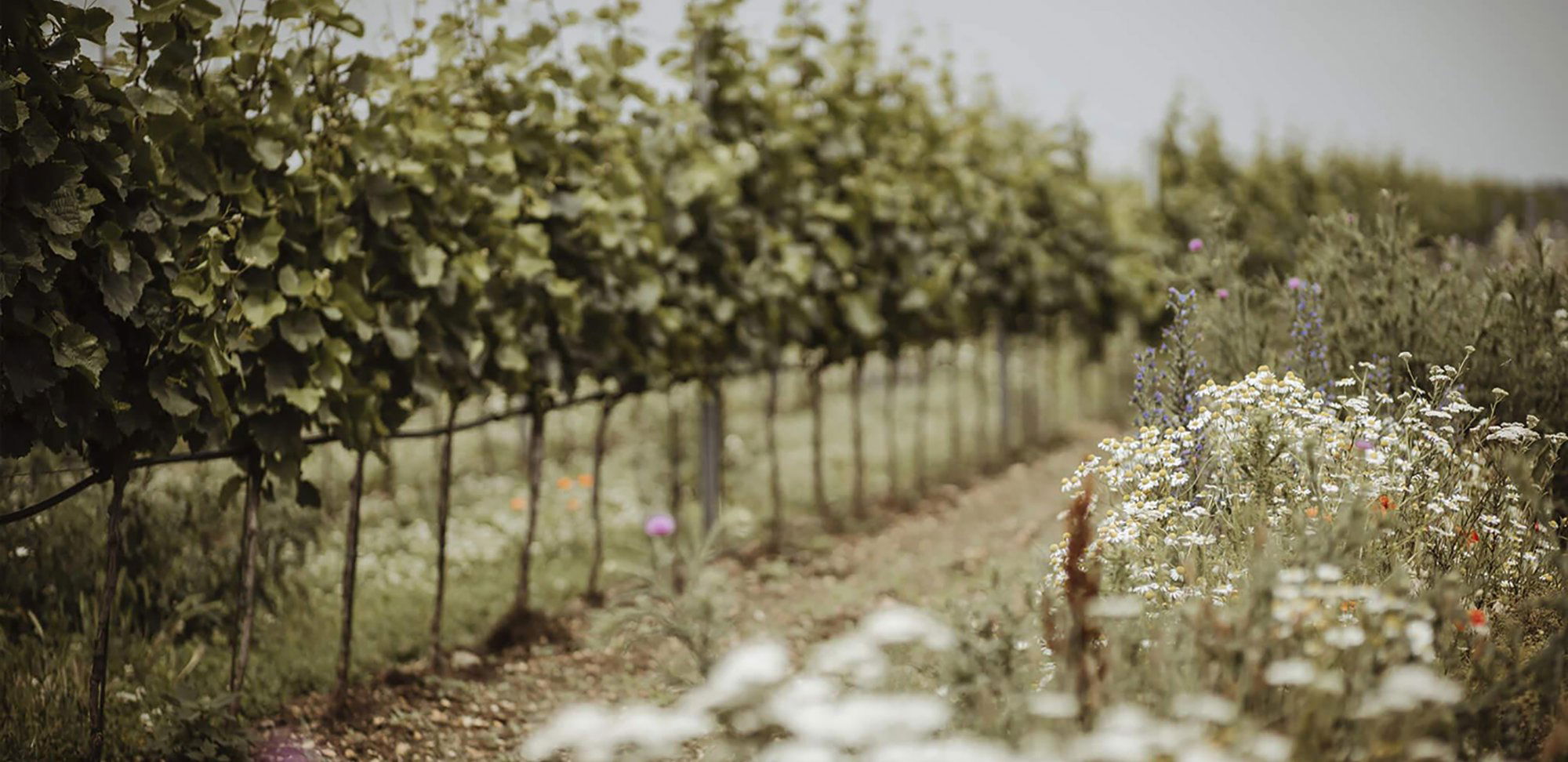
Pannonian Terroir at the Edge of the Plain
The village of Andau sits at the far eastern margin of Burgenland, where Austria effectively runs out of topography. The land here is flat, open, and governed by a continental climate that swings hard between seasons: summers are long and dry, winters sharp. The Neusiedlersee lake to the northwest moderates the extremes slightly, drawing morning mist across the vineyards in autumn and sustaining the botrytis conditions that made this corner of Austria famous for sweet wines. But the eastern flats around Andau are about something different from the lake's famous fog. They are about heat accumulation, sand and loam soils, and the kind of intensity that comes from vines working hard in low-rainfall conditions.
Weingut Hannes Reeh is rooted in this specific geography, at Augasse 11 in Andau. The estate's Pearl 2 Star Prestige recognition for 2025 positions it at the leading of a compact but competitive local producer group that includes Weingut Scheiblhofer Distillery, Weingut Johann Schwarz, and Zantho (Weingut Zantho). That peer group is not large, which means each producer in Andau carries a disproportionate share of the region's collective reputation. Reeh's 2025 award signals that it is doing so at a high level.
What the Land Does to the Wine
The terroir argument for Andau is less about complexity of geology than about the consequences of climate. Pannonian heat produces ripe, structured reds from varieties like Zweigelt, Blaufränkisch, and occasionally Syrah, with tannin profiles that reflect the high sugar maturity achievable in these conditions. White wines here tend toward body and expressiveness rather than the lean, mineral register of cooler Austrian wine zones like the Wachau or Kamptal.
Andau's sandy and loamy soils drain quickly, which stresses the vines beneficially and concentrates flavour without irrigation. The wide diurnal temperature variation in late summer and early autumn preserves aromatic compounds that would otherwise burn off in flat-heat climates, giving the wines a lift that counterbalances their weight. This is the essential tension the region's better producers manage: enough warmth for depth, enough cool at night for structure. A Pearl 2 Star Prestige rating at this address suggests Reeh is resolving that tension effectively.
For a broader frame on how Austrian producers across different regions approach terroir-driven winemaking, it is worth comparing Andau's Pannonian character against the very different expressions at Schloss Gobelsburg in Langenlois or Weingut Emmerich Knoll in Dürnstein, both operating in the granite and gneiss soils of the Wachau and Kamptal, where the wines run cooler and more taut. Neither approach is subordinate to the other; they represent genuinely different expressions of Austrian viticulture, and Andau's case is that warmth and openness are not handicaps but specific qualities worth seeking.
Andau's Position in Burgenland's Producer Map
Burgenland as a whole has spent the past two decades building a serious international reputation, driven initially by Neusiedlersee Sekt and botrytis-affected sweet wines, and more recently by red wines from the Mittelburgenland and Eisenberg sub-regions. The lake's northern and eastern shores, where Andau falls, occupy a quieter position in that narrative. Much of the attention gravitates toward producers around Gols and Illmitz, where estates like Weingut Pittnauer and Weingut Kracher have established strong international followings.
Andau's producers work in a slightly different register: less famous, more interior-facing in their market orientation, and often making wines that reward the visitor willing to travel the extra distance on flat Burgenland roads. The village itself is quiet, agricultural, and lacks the wine-tourism infrastructure of Rust or Mörbisch. That is not a drawback for the visitor who prefers direct engagement with a producer over a curated tasting-room experience. Producers here tend to be accessible, and the conversation tends to be frank.
For those building a broader Burgenland itinerary, Weingut Heinrich Hartl in Oberwaltersdorf offers another point of comparison further west, while the reach of Austrian wine into international benchmark conversations can be felt through producers like Abadía Retuerta in Sardón de Duero, a useful reminder that estate-scale ambition takes very different geographic forms across Europe.
Planning a Visit to Andau
Andau is not on the main tourist circuit. Reaching the village requires a car; the nearest rail connections are at Andau-Halbturn or via Neusiedl am See, from which Andau is approximately a twenty-minute drive east. The roads are flat and direct. The leading period to visit the eastern Neusiedlersee wineries falls between late spring and early autumn, when the vineyards are active and tastings are easier to arrange directly with producers. Harvest season, typically running through September and into October, offers the most atmospheric context for understanding the scale of activity these small-team estates manage.
Reeh's address is Augasse 11, 7163 Andau. Contact details and booking arrangements are leading confirmed through current channels before travel, as small Burgenland estates vary in their visitor hours and appointment requirements. Visitors planning a full day in the area can explore the broader Andau winery circuit before consulting our full Andau wineries guide for current options. The village also has limited but functional accommodation and eating options, covered in our Andau hotels guide and restaurants guide. For evening options, our Andau bars guide covers what's available locally. Those interested in the wider range of activities in the region can find curated options in our Andau experiences guide.
Frequently Asked Questions
- What do visitors recommend trying at Weingut Hannes Reeh?
- Andau's terroir points toward structured reds and full-bodied whites as the natural strength of the zone, consistent with the Pannonian climate and sandy-loam soils. Reeh's Pearl 2 Star Prestige recognition for 2025 suggests the estate is performing at a level where its core range, whatever the specific lineup at time of visit, merits attention. Visitors to Burgenland's eastern lake shore generally find that producers at this award level offer wines that reflect the region's character clearly.
- Why do people go to Weingut Hannes Reeh?
- Andau draws visitors who want direct producer access in a part of Burgenland that sits outside the usual wine-tourism circuit. Reeh's 2025 Pearl 2 Star Prestige award gives it a specific credential within that local context, making it a logical anchor point for a day spent on the eastern Neusiedlersee shore. The combination of serious award recognition and a quiet, agricultural setting is part of the appeal.
- How hard is it to get in to Weingut Hannes Reeh?
- Small Burgenland estates at this tier typically operate on an appointment basis rather than walk-in hours. Visiting Andau without prior contact is a risk; reaching out before travel is advisable. Phone and website details should be confirmed through current channels, as they were not available at time of publication. The estate's address, Augasse 11, Andau, provides a fixed reference point for planning.
- What is Weingut Hannes Reeh a strong choice for?
- Reeh is a strong choice for visitors who want to understand the eastern Neusiedlersee terroir through a producer with verified award recognition. The Pearl 2 Star Prestige rating for 2025 places it at the upper level of Andau's compact producer group, which also includes Zantho and Weingut Scheiblhofer. It suits travellers building a Burgenland itinerary who want direct engagement with a small estate rather than a larger, more formatted tasting experience.
- How does Weingut Hannes Reeh fit into the wider context of Pannonian winemaking in Austria?
- Andau represents the most continental expression of Burgenland wine, distinct from the cooler, more complex terroirs of the Wachau or the heavily botrytis-influenced estates around Illmitz. Reeh's Pearl 2 Star Prestige award for 2025 confirms it is working at a serious level within that specific context. For visitors interested in the full range of Austrian wine styles, pairing a visit here with estates further afield, such as international comparisons like Aberlour, underscores how distinctly Austrian the Pannonian style is when placed beside other premium wine regions.
Price and Recognition
A small peer set for context; details vary by what’s recorded in our database.
| Venue | Classification | Awards | First Vintage | Notes |
|---|---|---|---|---|
| Weingut Hannes Reeh | 1 awards | This venue | ||
| Weingut Scheiblhofer Distillery | 1 awards | |||
| Weingut Johann Schwarz | 1 awards | |||
| Weingut Schwarz Distillery | 1 awards | |||
| Zantho (Weingut Zantho) | 1 awards |
Access the Cellar?
Our members enjoy exclusive access to private tastings and priority allocations from the world's most sought-after producers.
Access the Concierge