Weingut Greilinger

A family-run Weinviertel estate and Buschenschank in Schöngrabern, Weingut Greilinger is built around wine and Jause rather than full hot-kitchen dining. The draw is the regional frame: Grüner Veltliner-led Weinviertel DAC bottlings, rosé and frizzante styles, a Kellergasse setting, and quality signals including Austrian Wine Challenge gold medals and a recognized Heuriger designation.
Pearl is the En Primeur Club membership app — saves, bookings, and concierge access live there. Same editors, same standards.
- Address
- Schöngrabern, Weinviertel, Lower Austria, Österreich
- Directions
- Get directions
 Saves & bookings on Pearl
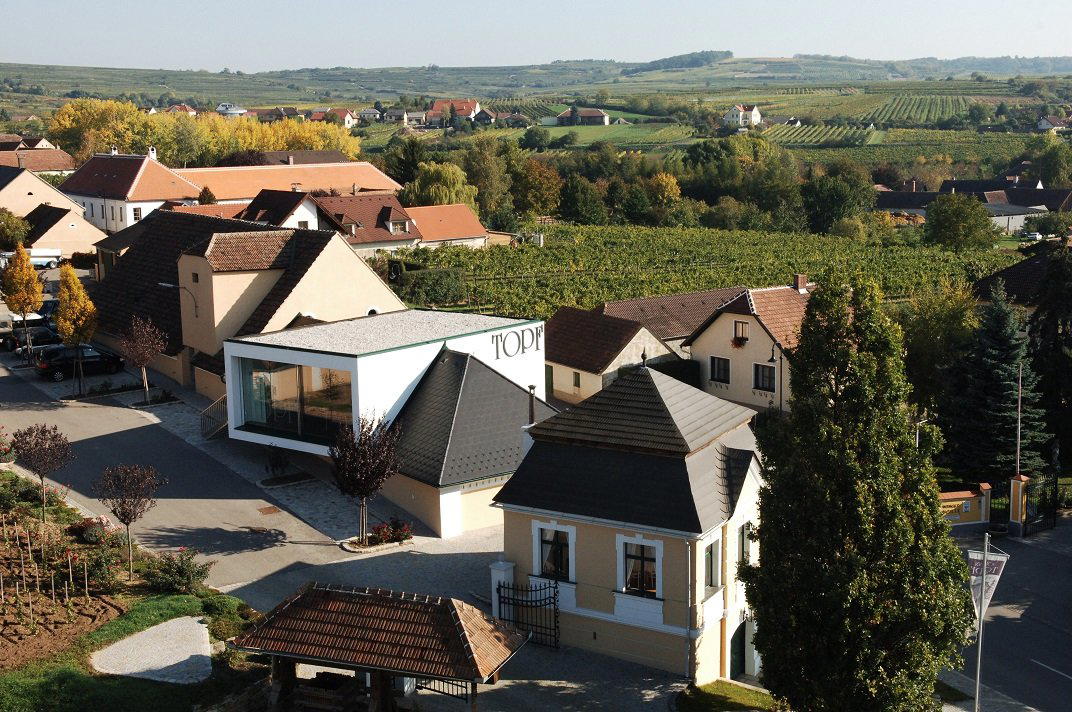
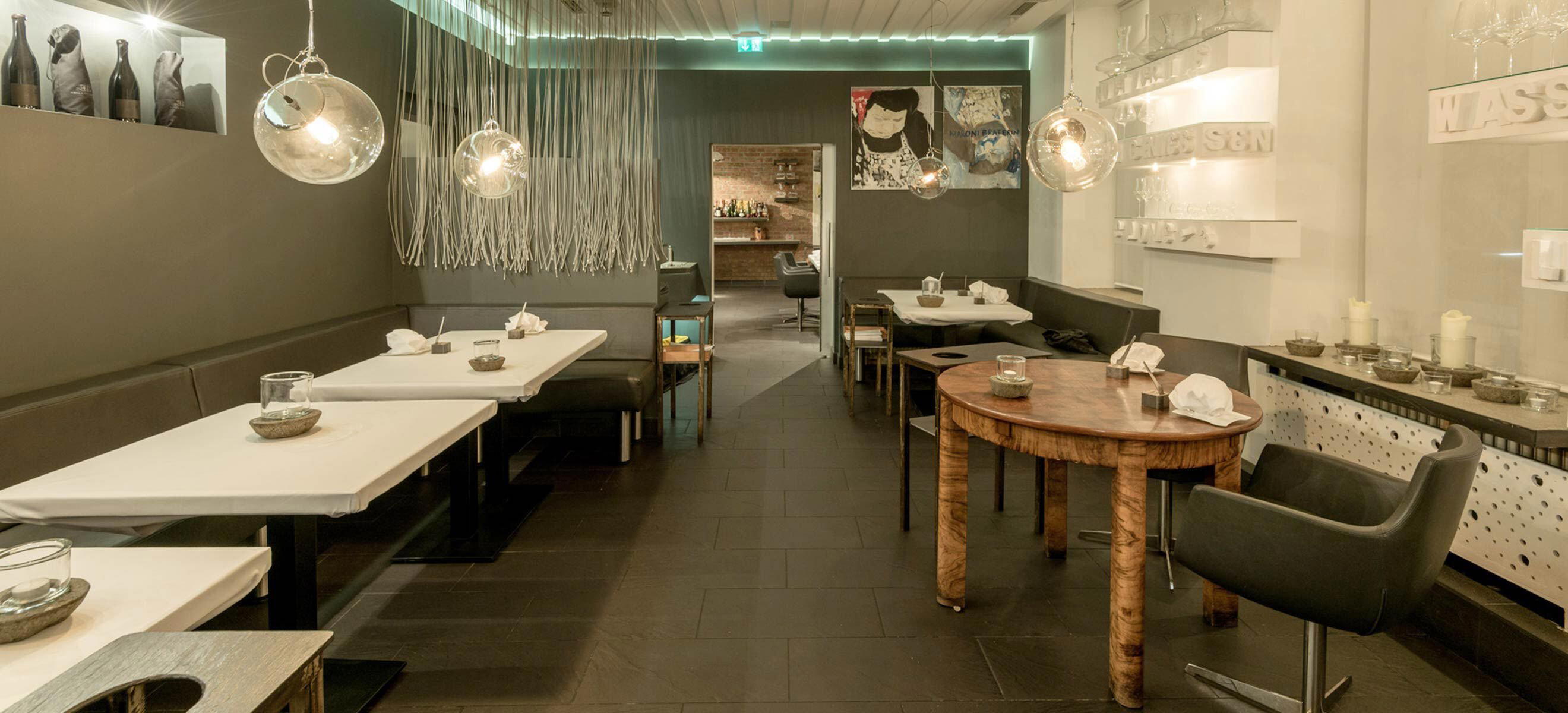
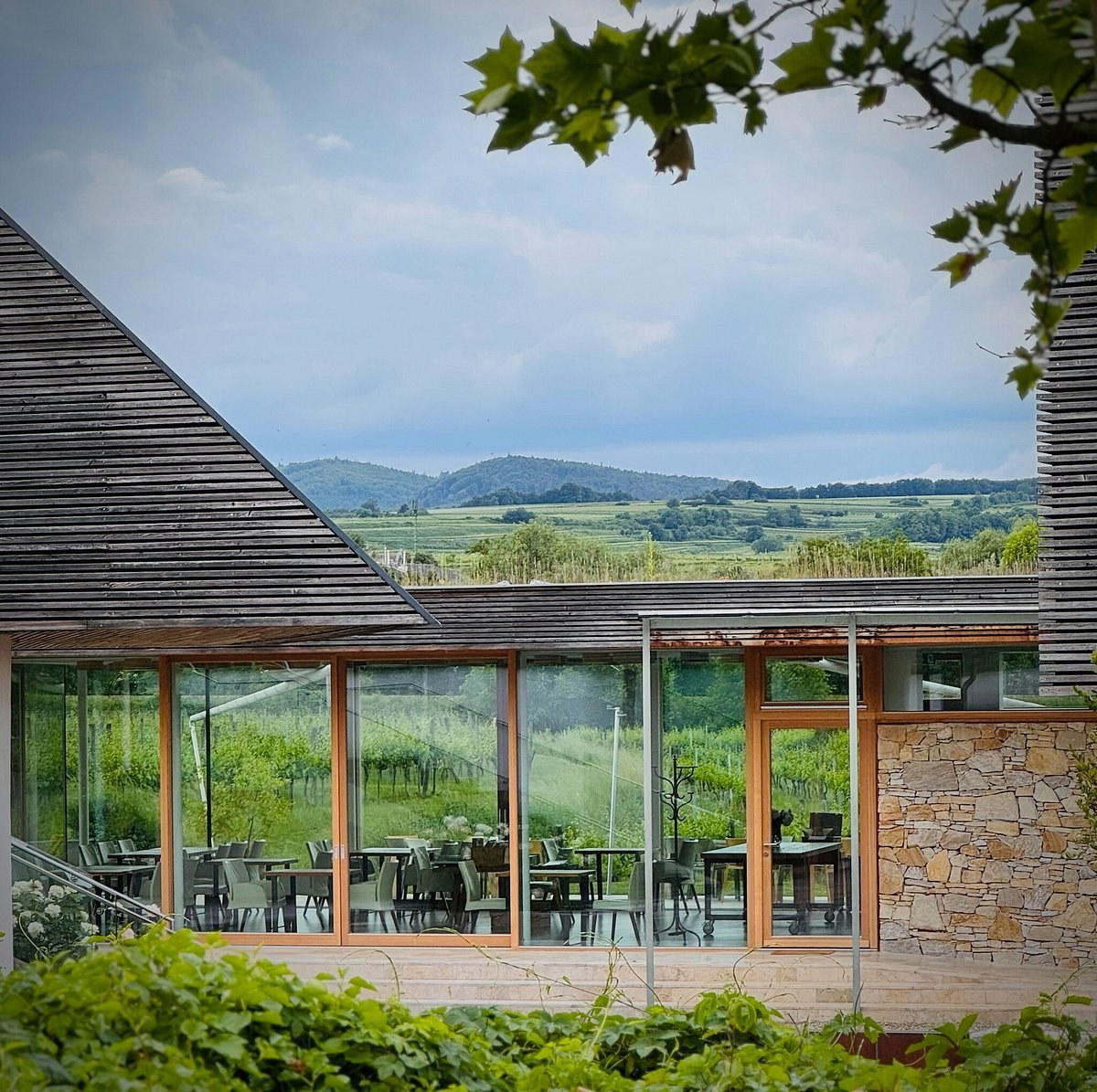
In Schöngrabern’s Kellergasse, the wine-tavern experience begins with architecture as much as appetite: cellar-lane rhythm, rustic interiors, a garden courtyard, and the social pace of a Lower Austrian Buschenschank. This is not the restaurant version of wine country, where the kitchen competes for attention. The point is Wein und Jause, wine with a snack-style regional table, and that distinction matters. In the Weinviertel, the Buschenschank tradition works because the producer remains close to the glass, the food supports rather than dominates, and the visit is tied to season, village, and cellar door.
Weingut Greilinger belongs to that producer-led category. The family winegrowing business has been led by Renate and Reinhard Greilinger since 2005, and the Buschenschank has operated since 2011. That timeline gives the estate a useful place in contemporary Weinviertel hospitality: old enough to have built local continuity, recent enough to reflect a more deliberate, quality-conscious form of rural wine tourism. Recognition adds weight to the positioning, including four gold medals at the Austrian Wine Challenge 2024, a 4 Sterne operation mention, product-level notes such as NÖ Gold for Weinviertel DAC Reserve 2023, and a quality-tier Heuriger designation.
Weinviertel character comes through the DAC spine
The strongest reading of the estate is through its varietal structure. The portfolio leans into the grammar of the Weinviertel: Grüner Veltliner in several registers, supported by Sauvignon Blanc, Müller-Thurgau, Weißburgunder, Gelber Muskateller, Sämling, Blauer Burgunder, rosé, and frizzante. That is a practical, regionally legible list rather than a collector’s trophy board. It tells visitors what this part of Lower Austria does well: aromatic whites, fresh-drinking styles, and Grüner Veltliner with enough range to move from youthful ease to reserve weight.
The DAC wines form the center of the argument. Junger Graberner 2025 signals village identity before appellation identity; Weinviertel DAC Klassik 2025 sits in the young, fruit-led Grüner Veltliner lane; Weinviertel DAC Alte Reben 2025 moves toward more concentration and peppery character; Weinviertel DAC Reserve 2023 is positioned as the fuller, creamier end of the scale. Read together, those bottlings give a compact lesson in how one regional grape can be stretched across occasion, age of vine, and texture without losing its local accent.
Rosé and sparkling wines broaden the picture without pulling it away from the Buschenschank format. Rosé bottlings from Cabernet Sauvignon, Merlot, and Blauer Burgunder carry specific recognition, with Rosé 2024 marked as an NÖ finalist and Salon 2025 third place nationally. Frizzante rosé and Sauvignon Blanc-linked frizzante point to the social side of the estate: wines built for garden tables, cyclists, groups, and warm-weather drinking rather than solemn tasting-room analysis. That balance is a useful marker in the Weinviertel, where pleasure and regional typicity often sit closer together than formal fine-wine language admits.
The Buschenschank keeps food in its proper place
The decision to operate as a Buschenschank rather than a gasthaus is not a small hospitality detail. It defines the hierarchy of the visit. A gasthaus asks the kitchen to lead; a Buschenschank keeps the estate’s wine in front and uses cold, regional Jause as context. That format is particularly effective in a cellar-lane village, where guests are not only buying a glass but entering a working wine culture that has always mixed agriculture, storage, sale, and sociability.
Regional sourcing, where possible, strengthens that structure. The food offer does not need elaborate technique to make sense beside Grüner Veltliner, rosé, and frizzante. It needs salt, fat, acidity, and ease, the kinds of elements that make young whites and peppery DAC wines feel native to the table. For travelers used to tasting rooms that separate wine from food, the Lower Austrian Buschenschank can feel more direct: the wine is not abstracted into flights and lectures; it is placed in the rhythm of an afternoon or evening with local provisions and conversation-level noise.
The setting adds another layer. The old gasthaus-style interior gives the colder-season side of the experience a familiar rural frame, while the summer garden places the wine back into the open-air social world of the Kellergasse. A self-service Radlerrast beside the Buschenschank, introduced in 2021 for cyclists, hikers, and walkers, extends that role beyond seated tavern use. It makes the estate part of the village’s slow-travel infrastructure as well as its wine economy, with cellar-door wine purchase built into the same local circuit.
How to read it in the wider Austria plan
For a traveler building time in and around Schöngrabern, the point is not to treat this stop like a formal restaurant reservation with a wine list attached. It is better understood as a compact expression of Weinviertel hospitality: seasonal, producer-run, casual in dress, serious enough in wine to carry competition recognition, and rooted in the cultural geography of the Kellergasse. The price level sits in an accessible middle bracket, but the stronger value is educational. A glass of Weinviertel DAC here explains the region more efficiently than a broad, imported list ever could.
The estate’s appeal is strongest for visitors who want the local form rather than a polished international template. Families, small groups, walkers, and cyclists fit naturally into the model, as do wine-minded travelers who care about how Grüner Veltliner behaves across young, old-vine, and reserve bottlings. The absence of a hot-dish gasthaus format should be read as focus, not limitation. In this tradition, wine is the subject, Jause is the support act, and the Kellergasse supplies the frame.
For wider planning, use Our full Schongrabern wineries guide alongside Our full Schongrabern restaurants guide, Our full Schongrabern hotels guide, Our full Schongrabern bars guide, and Our full Schongrabern experiences guide. Austria’s broader producer map can also be traced through »der Steiner« Hans Steiner in Podersdorf am See, ®walzer in Gneixendorf Bei Krems, 1516 Brewing Company Distillery in Vienna, A-Nobis Sektkellerei in Zurndorf, Abfindungsbrennerei Franz in Leithaprodersdorf, Achs-Wendelin Weine in Gols, Aeijst Distillery in Sankt Nikolai im Sausal, Alexander Koppitsch in Neusiedl am See, & Handwein in Mannheim, and 00 Wines in Carlton.
Recognition history
Dated appearances from independent guides and award organizations, with the underlying list record or original source where available.
Falstaff Winery - Listed
Falstaff
Continue exploring
More in Schongrabern
Wineries in Schongrabern
Browse all →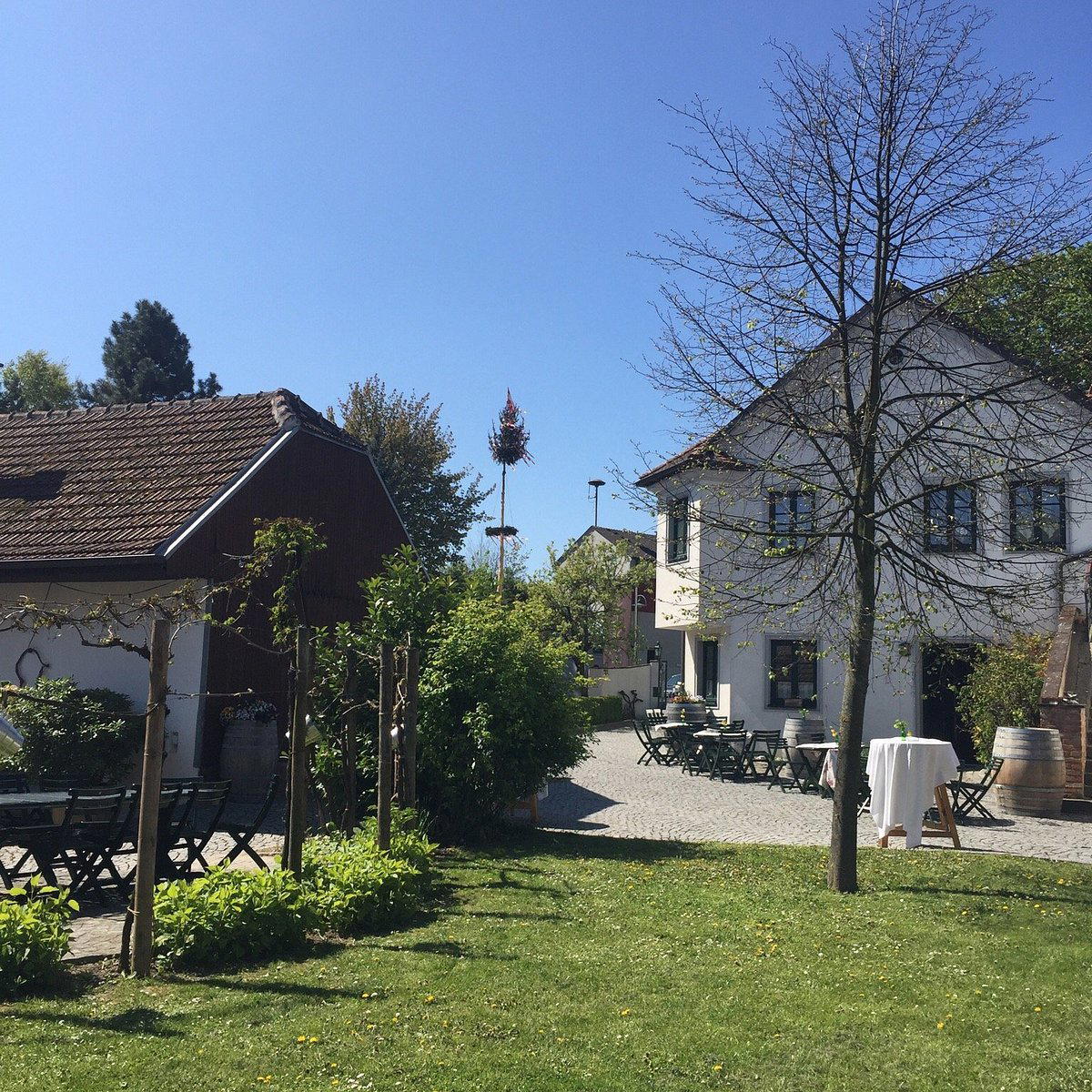
Bars in Schongrabern
Browse all →


Restaurants in Schongrabern
Browse all →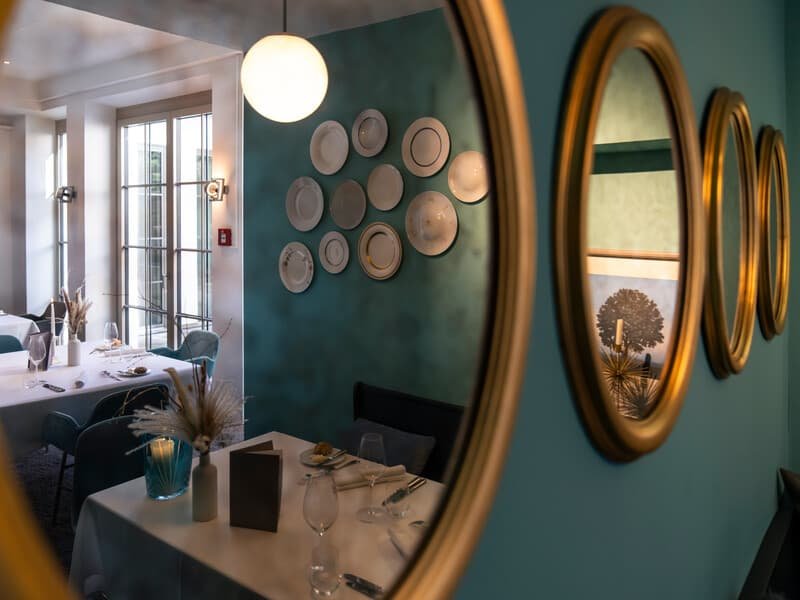

At a Glance
- Cozy
- Rustic
- Scenic
- Classic
- Family
- Group Outing
- Special Occasion
- Wine Education
- Garden
- Historic Building
- Terrace
- Sustainable
- Garden
- Street Scene
- Weinviertel DAC
- Grüner Veltliner
- Sauvignon Blanc
- Müller Thurgau
- Weißburgunder
- Blauburgunder
- Still White
- Still Rosé
- Sparkling
- Wine Tasting
- By The Glass
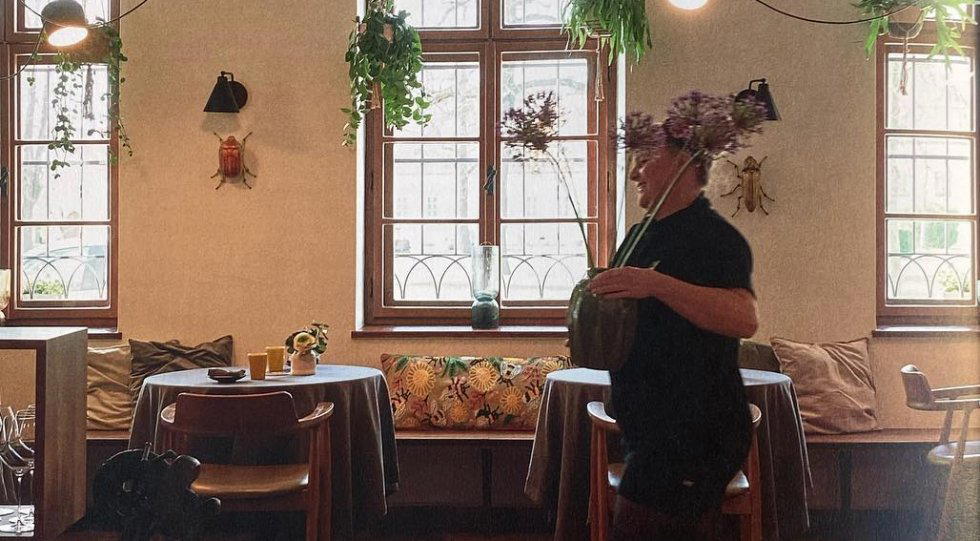
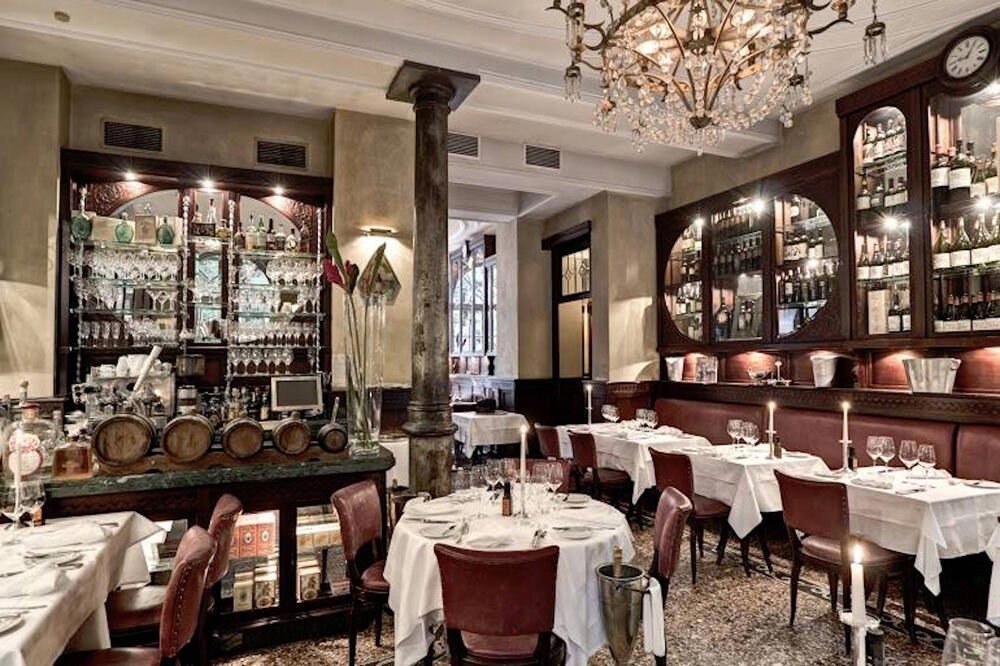
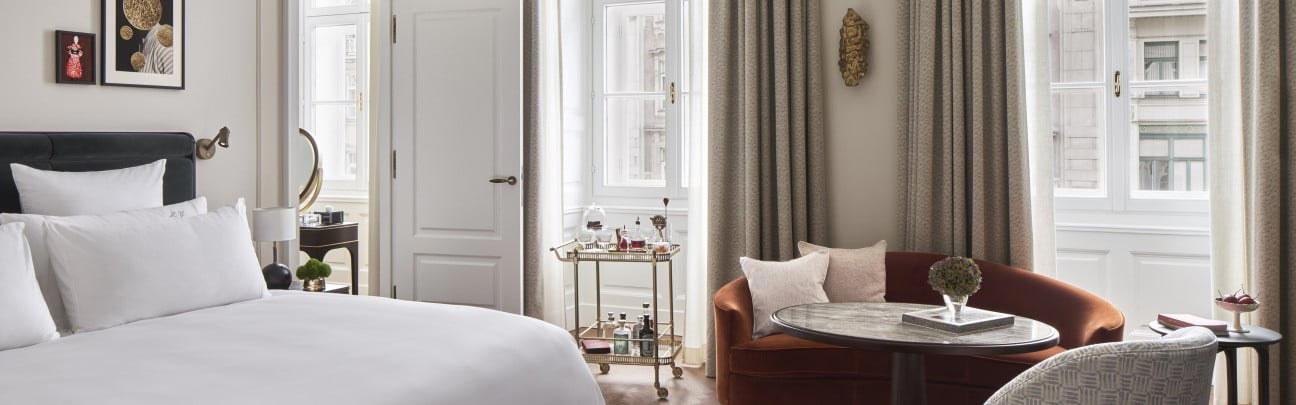
Cozy, rustic Buschenschank atmosphere with a comfortable interior and an idyllic, scenic summer garden in the Kellergasse.