
Weingut Carlo Schmitt is a small, family-run Mosel winery in Leiwen shaped by old vines, steep sites, and a natural cellar approach. Its strongest pull is terroir-led Riesling, with named parcels across the Middle Mosel and recognition from Eichelmann, Feinschmecker, Vinum Magazin, and a Riesling Champion category win for Laurentiuslay semi-dry.
Pearl is the En Primeur Club membership app — saves, bookings, and concierge access live there. Same editors, same standards.
- Address
- Leiwen, Rhineland-Palatinate, Deutschland
 Saves & bookings on Pearl
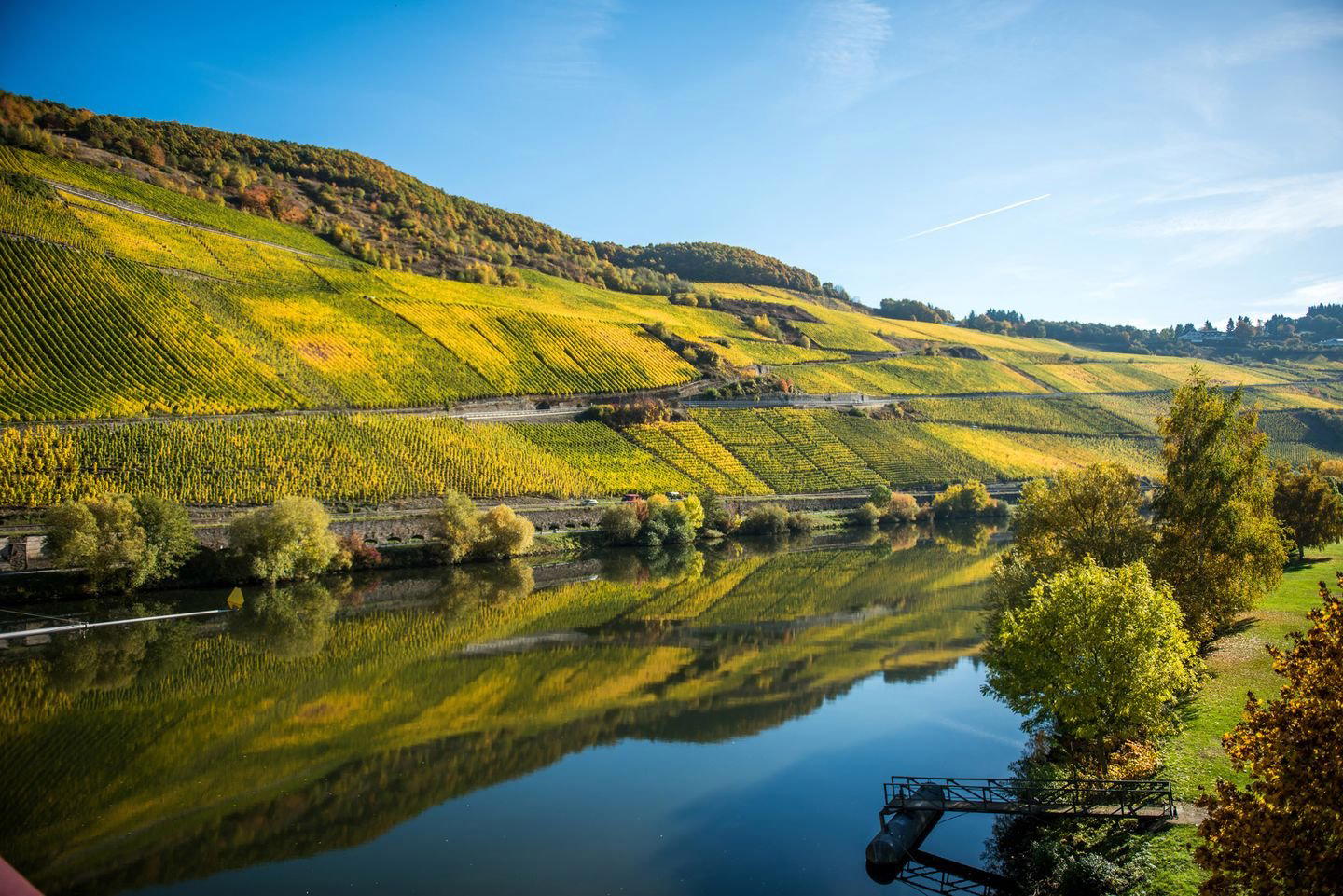
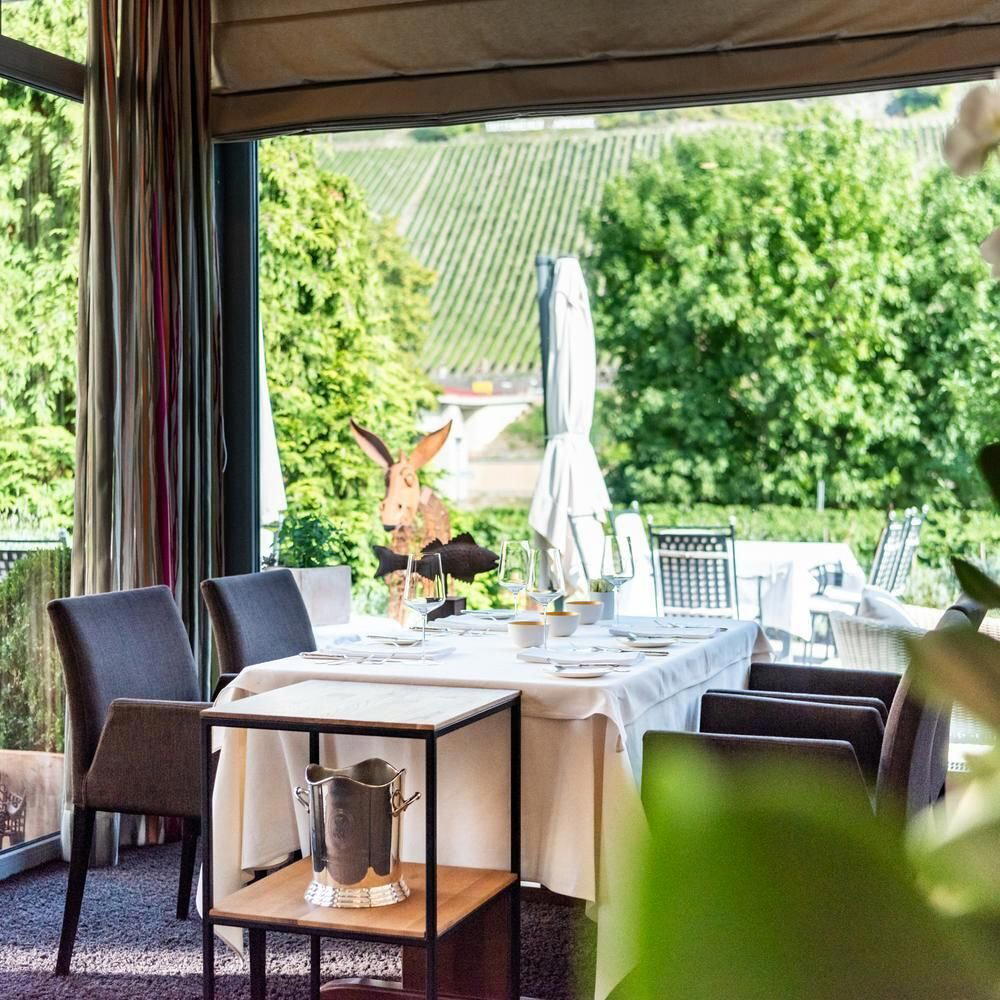
Weingut Carlo Schmitt is a family-run winery in Leiwen, presented here as a quiet, rustic, and classic Mosel address rather than a polished destination built around spectacle. The profile is deliberately focused: a Mosel winery atmosphere, steep-slope vineyards, old vines, and a natural, craftsmanship-driven approach to winemaking. Those are the reliable points to build around.
That narrower view still gives travelers a useful sense of the place. In the Mosel, slope and vine age are not decorative ideas; they shape the physical work of farming and the way a small winery presents itself. Weingut Carlo Schmitt is best understood as a hidden-gem-style Leiwen producer for visitors who value a calm, working-winery mood and a focus on craft over luxury staging. If you are planning a wine-led stop in Leiwen, it belongs on a shortlist for its identity rather than for any unconfirmed visitor package.
Old-vine Mosel winemaking read through slope and craft
The clearest editorial reason to note Weingut Carlo Schmitt is its focus on steep-slope vineyards and old vines. Those two elements say a great deal about the kind of winery experience to expect. Steep-slope Mosel viticulture is associated with labor-intensive vineyard work, a close relationship between grower and site, and a style of production where the landscape remains central to the story. Old vines add another layer of interest because they suggest continuity, patience, and a vineyard-first way of thinking.
The winery’s character is also natural and craftsmanship-driven. That does not need to be inflated into unsupported technical claims. It is enough to say that the estate is framed around careful, small-scale winegrowing rather than an industrial or entertainment-led model. For readers comparing options in Leiwen, this makes the winery feel most relevant as a quiet Mosel winery with an emphasis on place, vine age, and hands-on work.
Because the confirmed information is limited, the safest way to approach the winery is to treat it as a focused stop rather than a fully documented hospitality experience. The available facts support a picture of a rustic, classic, family-run Mosel setting. They do not support claims about specific tasting menus, food pairings, published awards, exact vineyard parcels, individual varieties, or special visitor amenities. Travelers should verify any operational details directly before making plans.
A family-run estate with a restrained Mosel profile
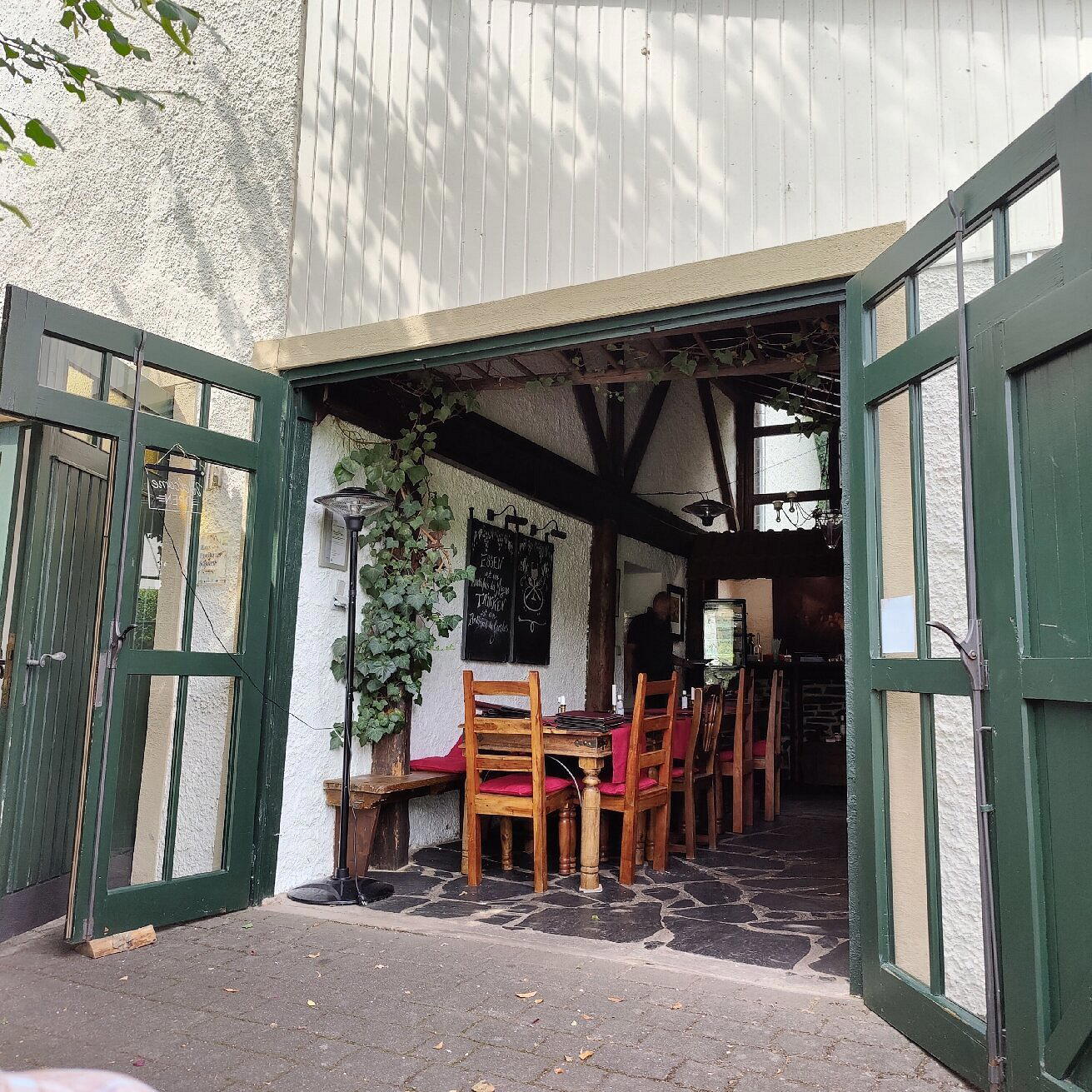
The winery’s family-run identity is central to its profile. That matters because the appeal is not framed around scale, grandeur, or a high-design tasting room. The guideable, grounded description is simpler: a Leiwen winery with a calm atmosphere, a connection to steep vineyards, and an emphasis on old vines and craft. For many Mosel travelers, that is precisely the appeal. The experience implied by the facts is intimate and agricultural rather than showy.
It is also important not to overstate what is known. The winery reads as the kind of place to consider when you want a quieter, more traditional Mosel winery atmosphere in Leiwen, especially if old vines and steep-slope work are the features that draw you to the region.
The price indicator is listed as $$, which places it in a moderate range for guide purposes. Beyond that, specific prices are not confirmed. Visitors should avoid relying on assumptions about tasting fees, bottle pricing, or package formats unless they have checked directly with the winery.
How to fit it into a Leiwen wine trip
For a Leiwen itinerary, the winery works well as a calm, wine-focused stop built around Mosel landscape and family-run character. The confirmed atmosphere is quiet, rustic, classic, and hidden-gem-like, so it will likely appeal most to travelers who prefer understated producers over heavily packaged wine tourism. It is not possible, from the information here, to promise appointment-only visits, guided tastings, food pairings, group arrangements, or any particular cellar-door format.
The practical advice is therefore direct: treat the winery as a promising Leiwen winery to research directly before arrival. Confirm opening times, availability, tasting options, payment details, and any accessibility needs with the winery itself. Within the limits of the record, the editorial call is clear: consider it for a family-run Mosel atmosphere, steep-slope vineyard focus, old-vine context, and a natural, craftsmanship-driven approach to winemaking.
Recognition history
Dated appearances from independent guides and award organizations, with the underlying list record or original source where available.
Falstaff Winery - Listed
Falstaff
At a Glance
- Quiet
- Rustic
- Classic
- Wine Education
- Special Occasion
- Group Outing
- Vineyard Tour
- Private Tasting
- Historic Building
- Vineyard
- Mosel
- Riesling
- Still White
- Guided Tasting
- Food Paired Tasting
Family-run Mosel winery atmosphere with a focus on steep-slope vineyards, old vines, and a natural, craftsmanship-driven approach to winemaking.