
A small Baden estate in Durbach, Weingut Alexander Laible works from 7.8 hectares with a portfolio led by Klingelberger Riesling and Pinot Blanc, alongside Chardonnay, Pinot Gris, Pinot Noir and Lemberger. Founded in 2007, it belongs to the modern Ortenau tier where site expression, gentle vinification and low-key tasting culture matter more than spectacle.
Pearl is the En Primeur Club membership app — saves, bookings, and concierge access live there. Same editors, same standards.
- Address
- Durbach, Baden, Baden-Wuerttemberg, Deutschland
 Saves & bookings on Pearl
Approaching Weingut Alexander Laible in Durbach means keeping the focus narrow and grounded. The picture is not one of a large hospitality machine or a checklist of visitor services, but of a winery atmosphere described as natural, hands-on, quiet, scenic, rustic and somewhat hidden-away. The estate’s stated emphasis is a close connection to nature, careful work and gentle vinification, with wines described in terms of minerality and delicacy.
That is enough to give the venue a clear editorial shape, even without relying on unsupported details about vineyard size, varieties, awards, founding dates, tasting formats or opening arrangements. The safest way to understand Weingut Alexander Laible is as a Durbach winery whose appeal rests on a calm, tactile sense of place and a restrained wine language rather than on spectacle. For travellers, that means expectations should be set around atmosphere and wine character, not around claims about menus, appointments, facilities or formal programming.
A Durbach winery centered on careful, gentle vinification
The important fact about Weingut Alexander Laible is its production philosophy: careful, gentle vinification. In practical visitor terms, that phrase points toward an estate identity built around restraint and attention rather than showmanship. It does not, by itself, verify a particular cellar method, grape list, bottle, tasting structure or vintage style. It does, however, support a broad reading of the winery as one where the manner of making wine is part of the experience.
The wines are described as mineral and delicate. Those words should be handled with discipline. They are not a promise that every bottle will taste the same, and they should not be stretched into a detailed tasting note without further information. What they do establish is a stylistic impression: the winery is presented as a producer associated with finesse, clarity and a lighter touch. That makes the estate especially relevant for visitors who prefer wine experiences built around subtlety rather than power.
Atmosphere matters just as much as the tasting language. The description is natural, hands-on and closely connected to nature. That suggests a working-winery sensibility rather than a highly polished luxury setting. It also frames the dress code and mood: natural and practical are more appropriate reference points than formal or glamorous. The venue is described as quiet, scenic and rustic, so the appeal is likely strongest for guests who appreciate low-key wine-country settings.
Durbach's wine character, read through a smaller and more intimate lens
The page should not claim a specific grape focus, production scale, address, award history, visitor format, ownership story or founding year unless those facts are confirmed. What can be said is simpler: in Durbach, this is a winery whose identity is tied to nature, gentle vinification and wines described as mineral and delicate.
That combination gives the venue a quieter kind of distinction. Some wine destinations are built around architecture, extensive services, food programs or a broad tourism offer. The winery is better presented as a focused stop for people who want a grounded winery atmosphere. The rustic and hidden-gem descriptors are useful because they set expectations: this is not a page to sell grandeur, but to signal a more intimate, hands-on setting.
The scenic quality of the venue also belongs in the frame, but it should not become a substitute for facts. “Scenic” can describe the mood without inventing a specific vineyard view, landmark, neighborhood or route. “Durbach” is the only location detail that should be used here. For planning purposes, that means the venue belongs in a Durbach wine itinerary, while all exact logistical questions should be checked directly with the winery before visiting.
How to place it within a Durbach wine itinerary
For a Durbach itinerary, the winery makes most sense when the goal is a calm winery experience rather than a highly programmed leisure stop. The price level is $$, placing it in a moderate bracket.
None of those details are part of the available information. If any of those factors matter to the visit, the practical next step is to consult the winery’s own current information before making plans.
Within Durbach, the editorial case for the winery is direct: choose it for a natural, hands-on winery atmosphere; for a quiet, scenic and rustic setting; and for wines characterized by mineral and delicate qualities. Other dining or wine options in Durbach can be considered separately, but they should not blur the identity of this estate. The clearest reason to keep the winery on a shortlist is its combination of careful vinification, connection to nature and understated sense of place.
In short, this is a Durbach winery best described with restraint. The confirmed strengths are atmosphere, price level, and a wine style framed by delicacy and minerality. That may be a thinner fact base than a full technical profile, but it is also a cleaner one: no unsupported awards, no invented service format, no grape list, and no unnecessary embellishment. For travellers who value a quiet and grounded winery stop, that honesty is part of the appeal.
Recognition history
Dated appearances from independent guides and award organizations, with the underlying list record or original source where available.
Falstaff Winery - 3 Stars
Falstaff
Continue exploring
More in Durbach
Wineries in Durbach
Browse all →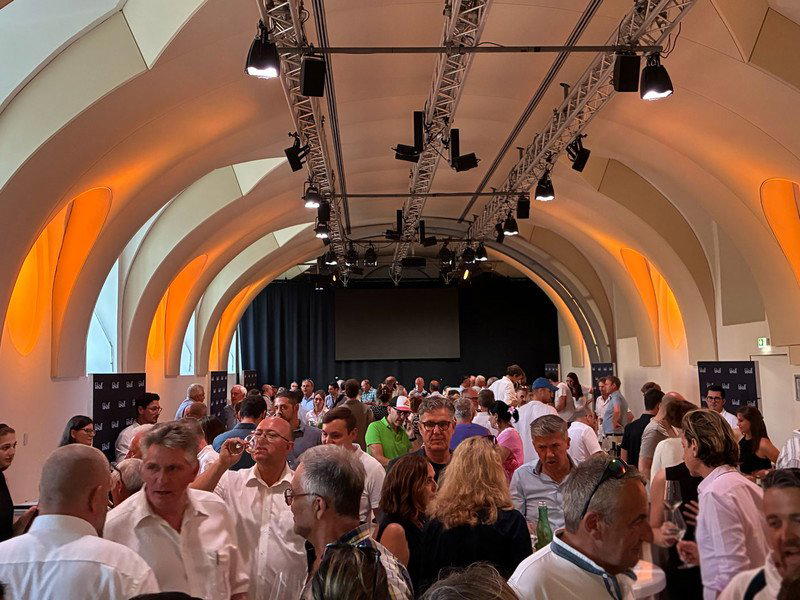
Restaurants in Durbach
Browse all →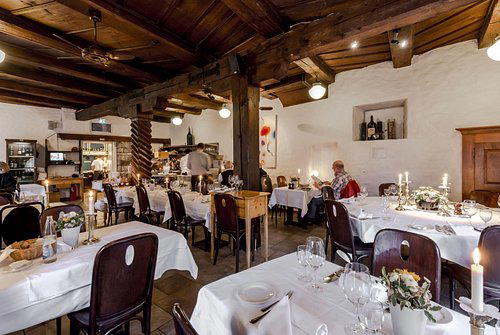
![[maki:'dan] im Ritter restaurant in Durbach](https://cdn.enprimeurclub.com/storage/v1/object/public/images/locations/recnbHlFTLD8yNFP0/hero1.jpg?width=3840&quality=75)
Hotels in Durbach
Browse all →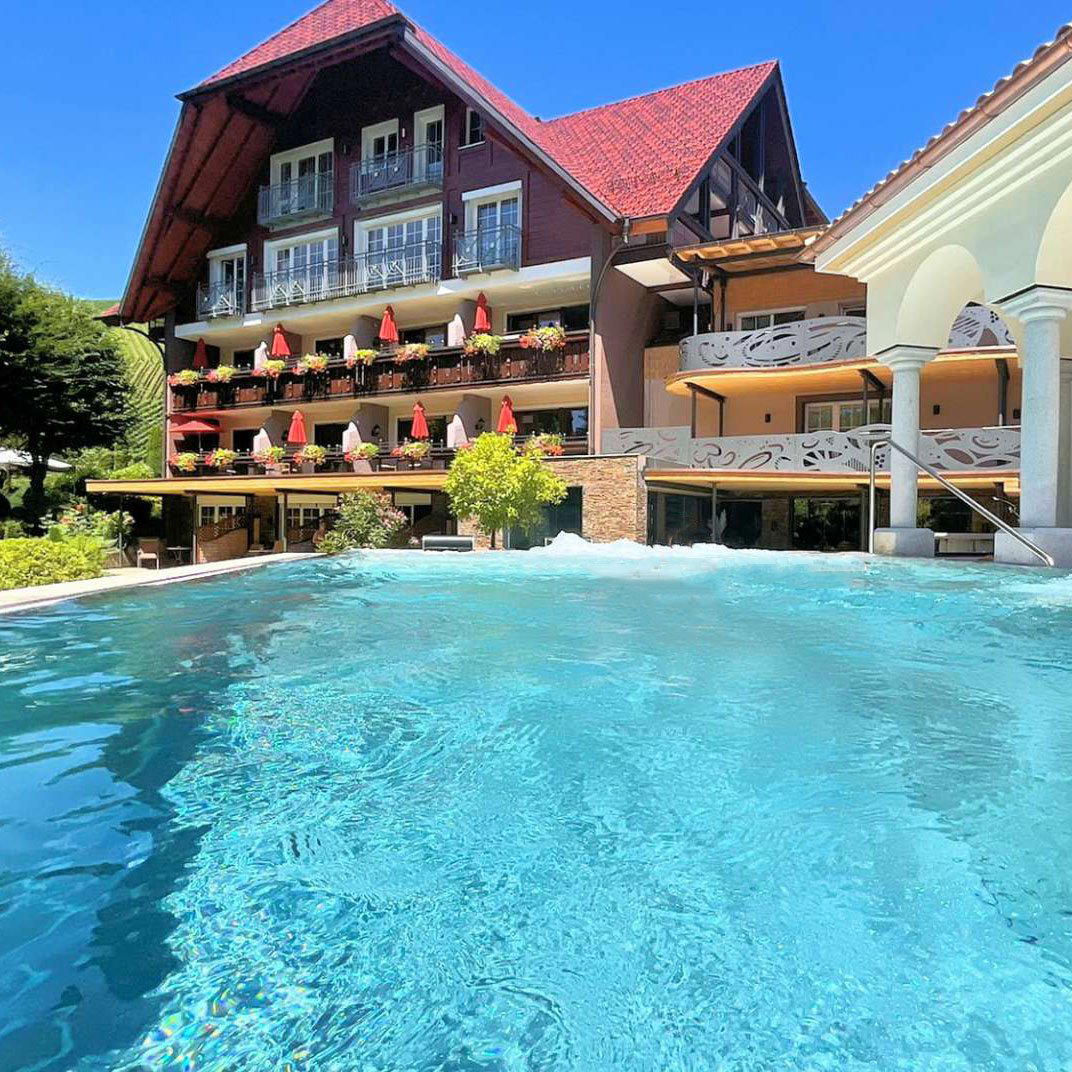
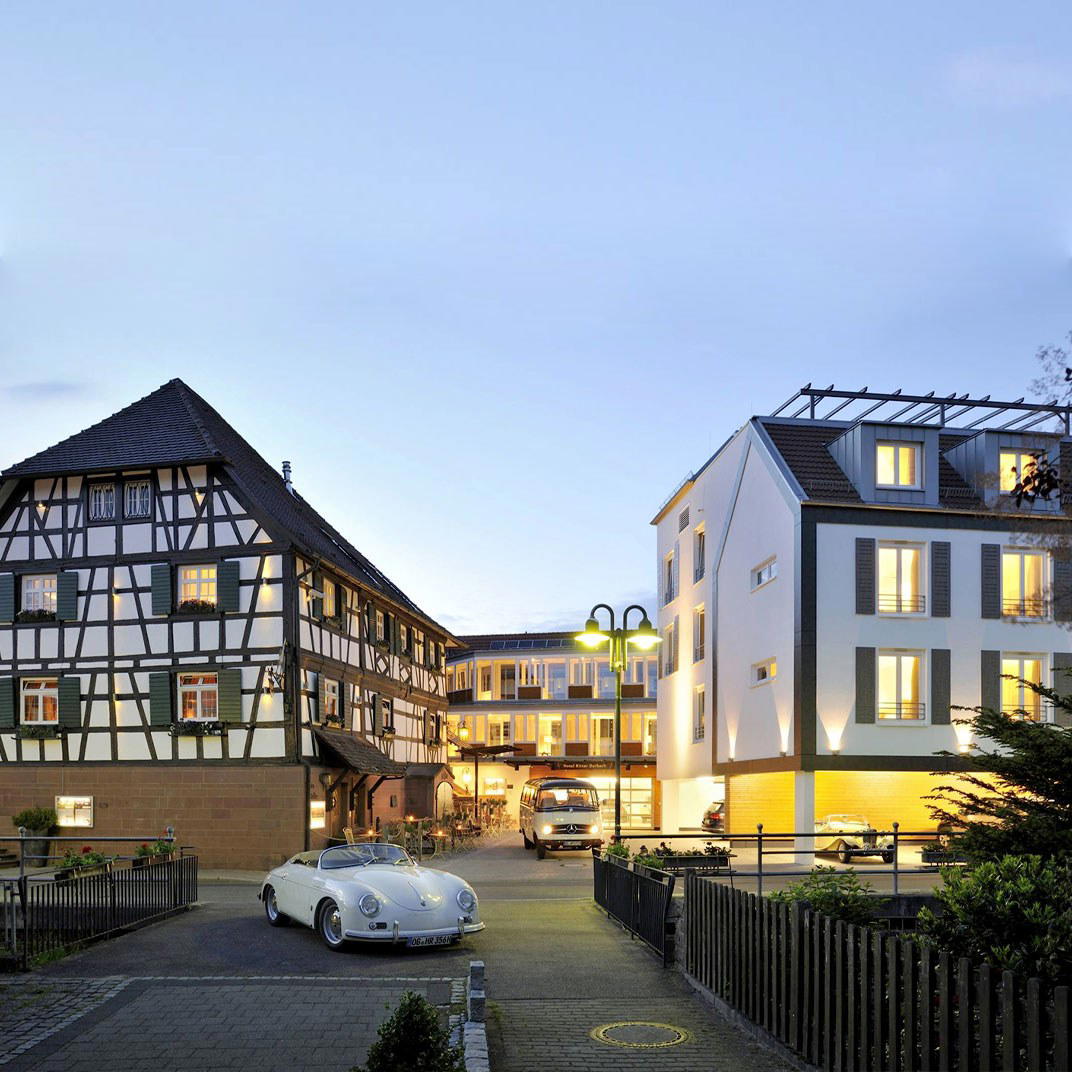
At a Glance
- Quiet
- Scenic
- Rustic
- Solo Exploration
- Special Occasion
- Wine Education
- Estate Grounds
- Historic Building
- Private Tasting
- Vineyard
- Baden
- Riesling
- Pinot Blanc
- Chardonnay
- Pinot Gris
- Pinot Noir
- Lemberger
- Still White
- Still Red
- Tasting Room
Natural, hands-on winery atmosphere centered on careful, gentle vinification and wines described as mineral and delicate; the estate emphasizes a close connection to nature.