Weingut Adam

Falstaff Winery - Listed
Weingut Adam is a family-run Rheinhessen estate in Partenheim, shaped around vine-to-bottle control, quiet rural hospitality, and a broad wine range rather than trophy-driven prestige. Its draw is the breadth: Riesling, Silvaner, Spätburgunder, Cabernet Sauvignon, Dornfelder, sparkling wine, dessert styles, and vegan wines made since the 2020 vintage.

Pearl is the En Primeur Club membership app, where members save venues, book tables and use the concierge.

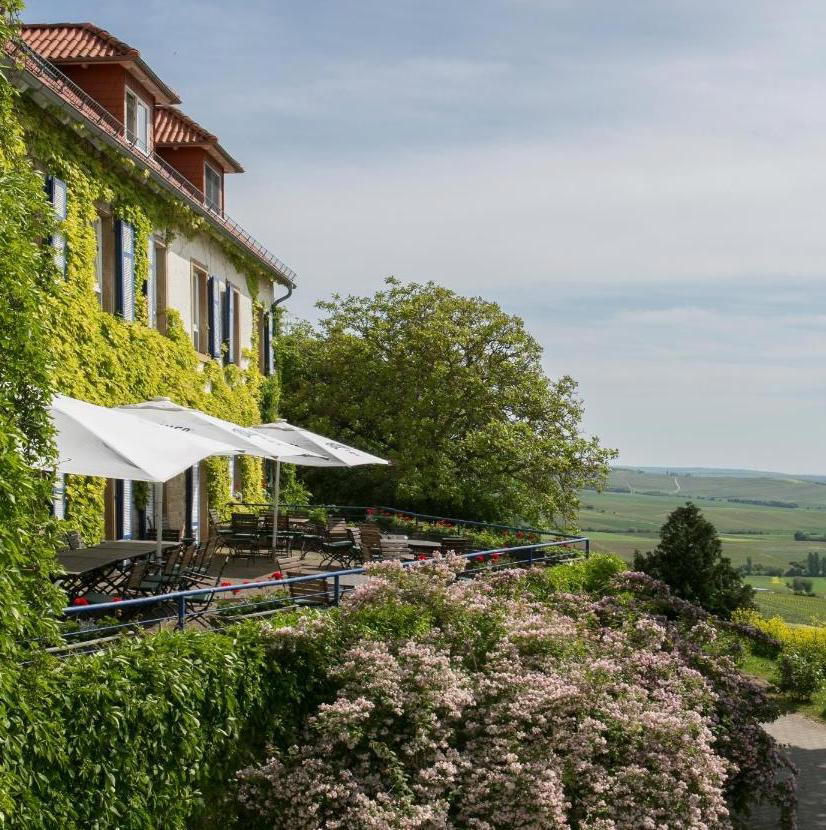
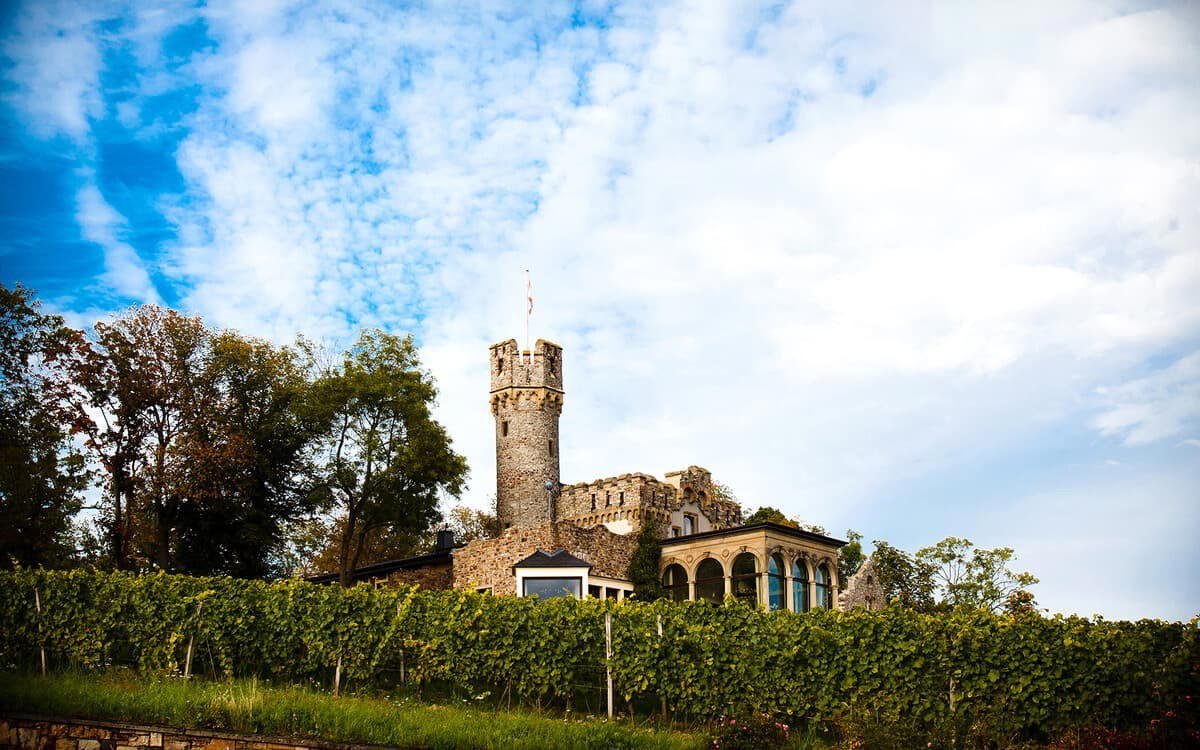
Partenheim gives Weingut Adam a quiet, practical setting rather than a showy one. The picture is of a family-run winery where the emphasis is on direct contact, personal explanation, and work that connects the vine to the bottle. That makes the estate easier to understand as a hands-on place of production than as a polished visitor attraction built around spectacle.
The useful way to approach Weingut Adam is therefore modest and focused. The known strengths are the family-winery character, the rustic and classic atmosphere, and the chance to engage with the people behind the wines through tastings. Specific claims about grape varieties, vineyard sites, bottle styles, awards, founding dates, named winemakers, tours, food service, or detailed visitor facilities are not part of the record here, so they should not be treated as promises. What can be said with confidence is simpler: this is a Partenheim winery built around personal winemaking and direct guest contact.
Rheinhessen breadth, anchored by Partenheim fruit
For readers planning around Partenheim, Weingut Adam is best understood through its setting and operating philosophy rather than through an list of cuvées or technical details. The estate presents itself as a place where work in the vines and work in the cellar belong to the same story. That from-vine-to-bottle framing is the core point, and it gives the visit its practical appeal.
Instead, expect a winery whose identity is tied to personalized winemaking and a direct relationship with guests. Anyone seeking a particular bottle type, vintage, or style should confirm that with the estate before planning a visit around it.
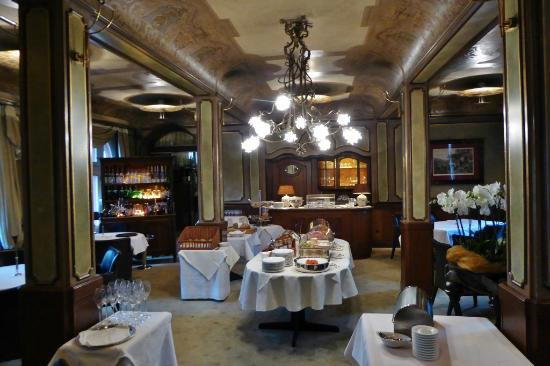
The rustic, quiet, classic character is also important. It suggests a setting where conversation and explanation matter more than formality. The appeal is not in a documented award history or a luxury format, but in the closeness between the estate, the people hosting, and the wines they present.
A family estate format built for tasting, learning, and buying
Weingut Adam’s hospitality identity rests on family operation and direct guest contact for tastings. That is a meaningful distinction: the experience should be framed as a personal estate encounter rather than an anonymous retail stop. The website emphasis on individualized winemaking supports that reading, as does the practical estate setting in Partenheim.
Visitors should keep expectations grounded. The page can recommend Weingut Adam for people interested in a quiet winery visit, but it should not turn that into a detailed itinerary unless those details are confirmed directly with the estate.
Beyond that general price marker, no specific tasting fee, bottle price, package, or menu price. Treat the $ listing as a broad signal rather than a quote.
How to place it in a Partenheim itinerary
Weingut Adam works well as a grounded wine stop in Partenheim for travelers who value a family-run setting and a direct, personal approach. The quiet atmosphere makes it a better match for unhurried conversation than for a high-energy outing. The rustic and classic character also means visitors should expect a practical estate feel, not a heavily staged destination.
Planning should be simple and cautious. This is especially important for anyone building a day around a tasting, traveling with a group, or hoping for a specific kind of visit.
For broader planning in town, consider Weingut Adam as one wine-focused anchor and treat other dining or lodging in Partenheim generically unless you have current details from those venues. The most reliable reason to include Weingut Adam is its family-run, hands-on identity: a practical Partenheim winery where personalized winemaking and direct guest contact are central to the experience.
Recognition history
Dated appearances from independent guides and award organizations, with the underlying list record or original source where available.
Falstaff Winery - Listed
Falstaff
Continue exploring
More in Partenheim
Wineries in Partenheim
All wineries in Partenheim →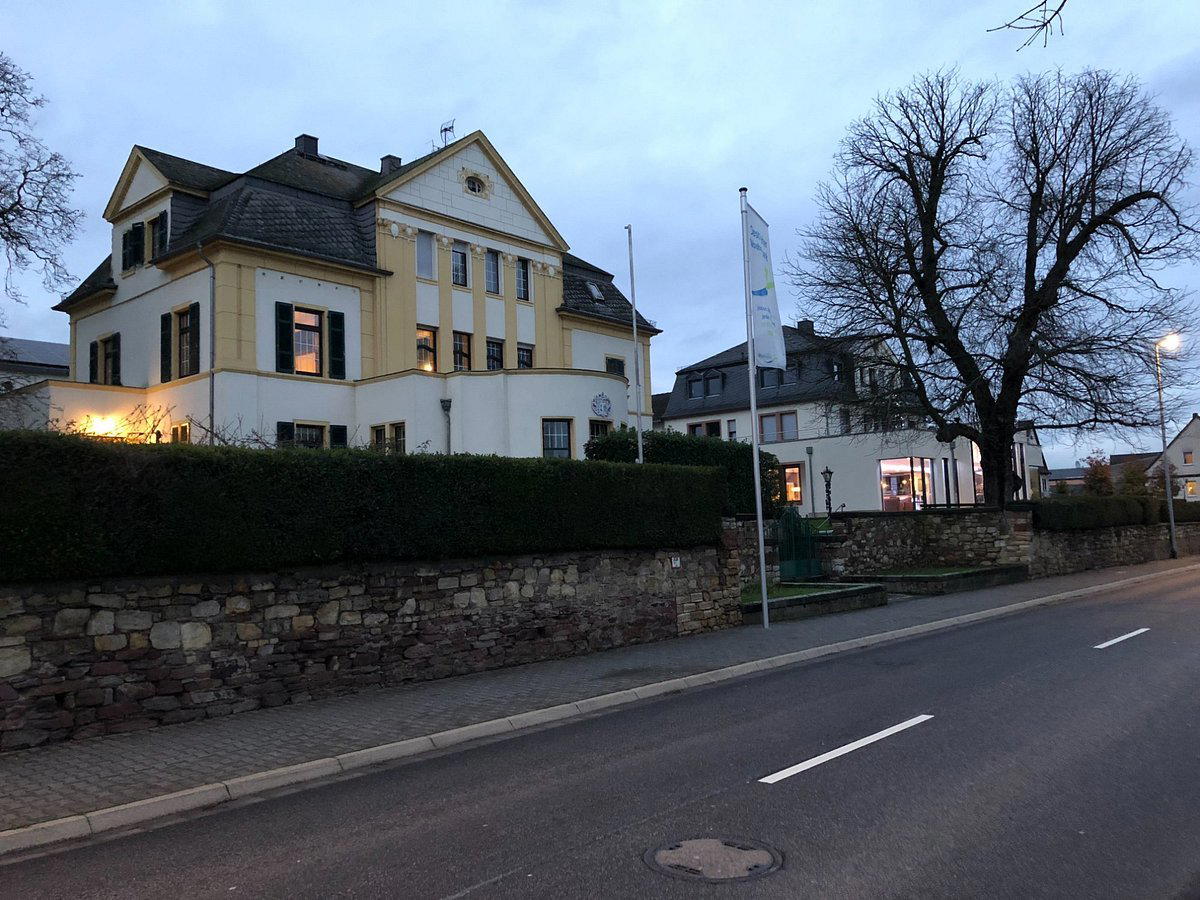
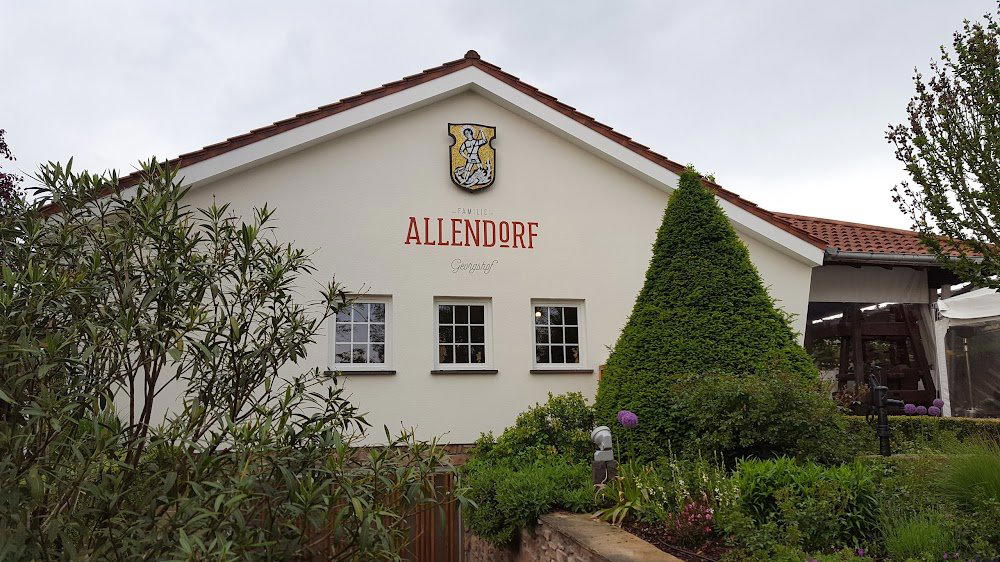
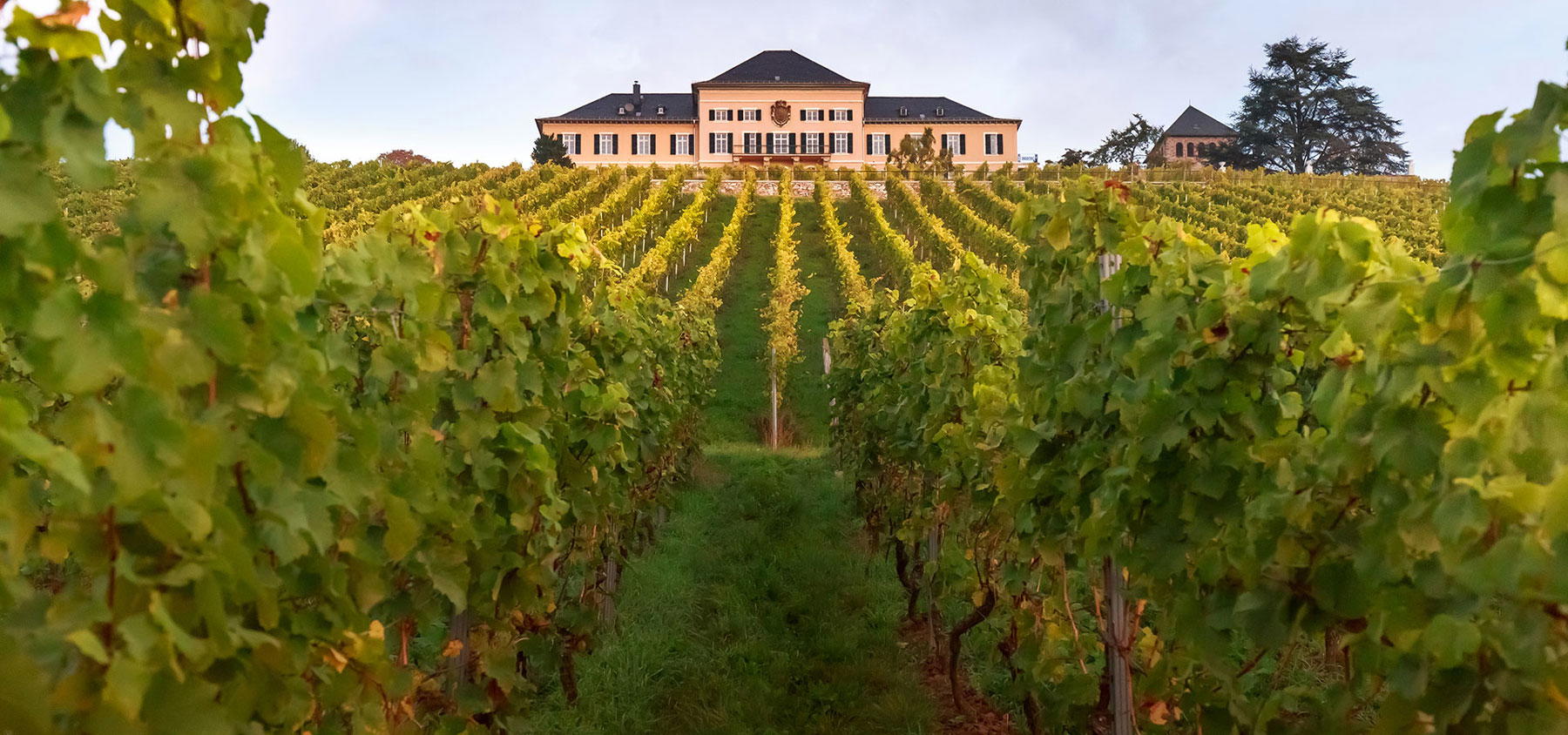
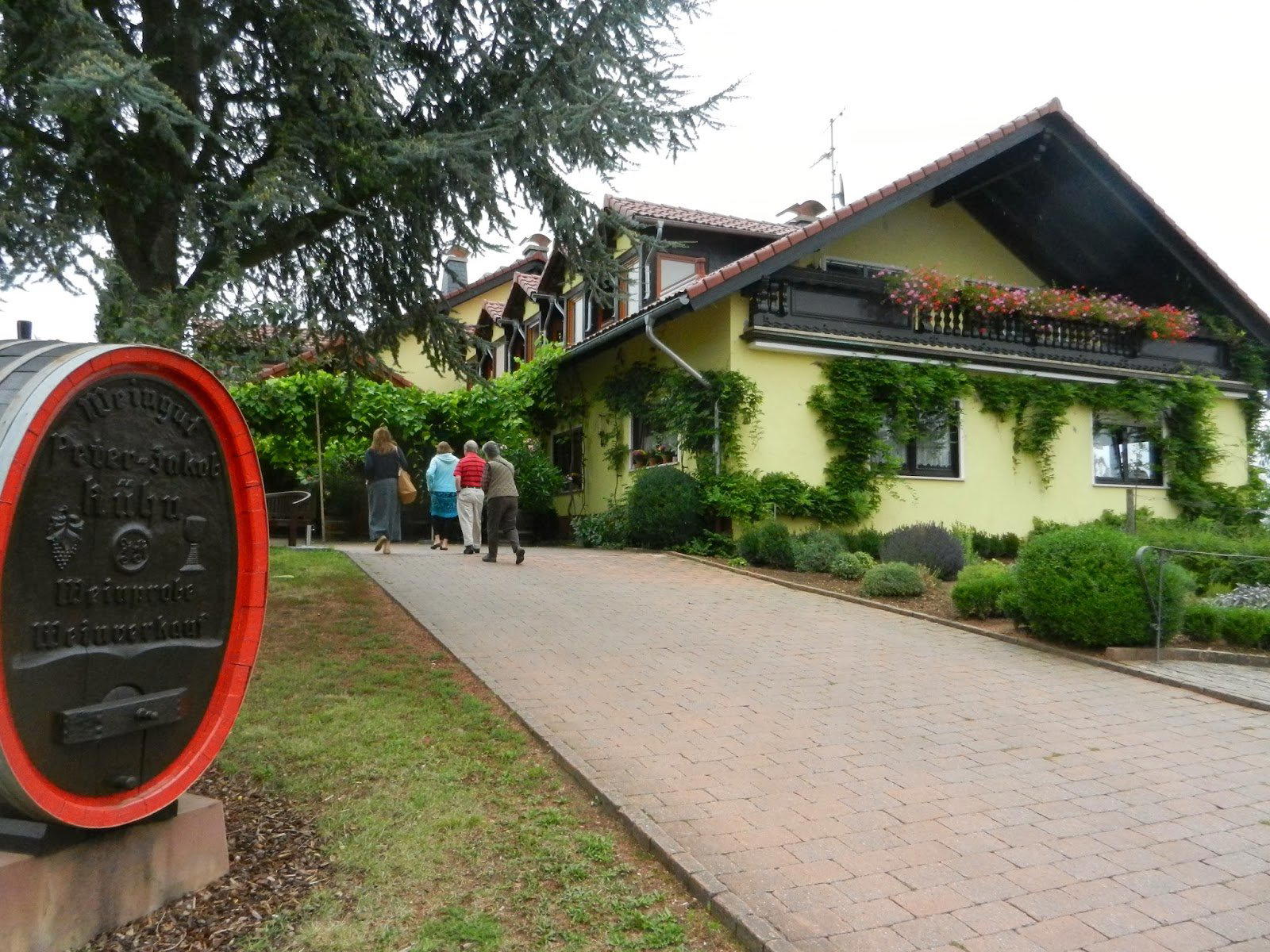
Bars in Partenheim
Browse all →
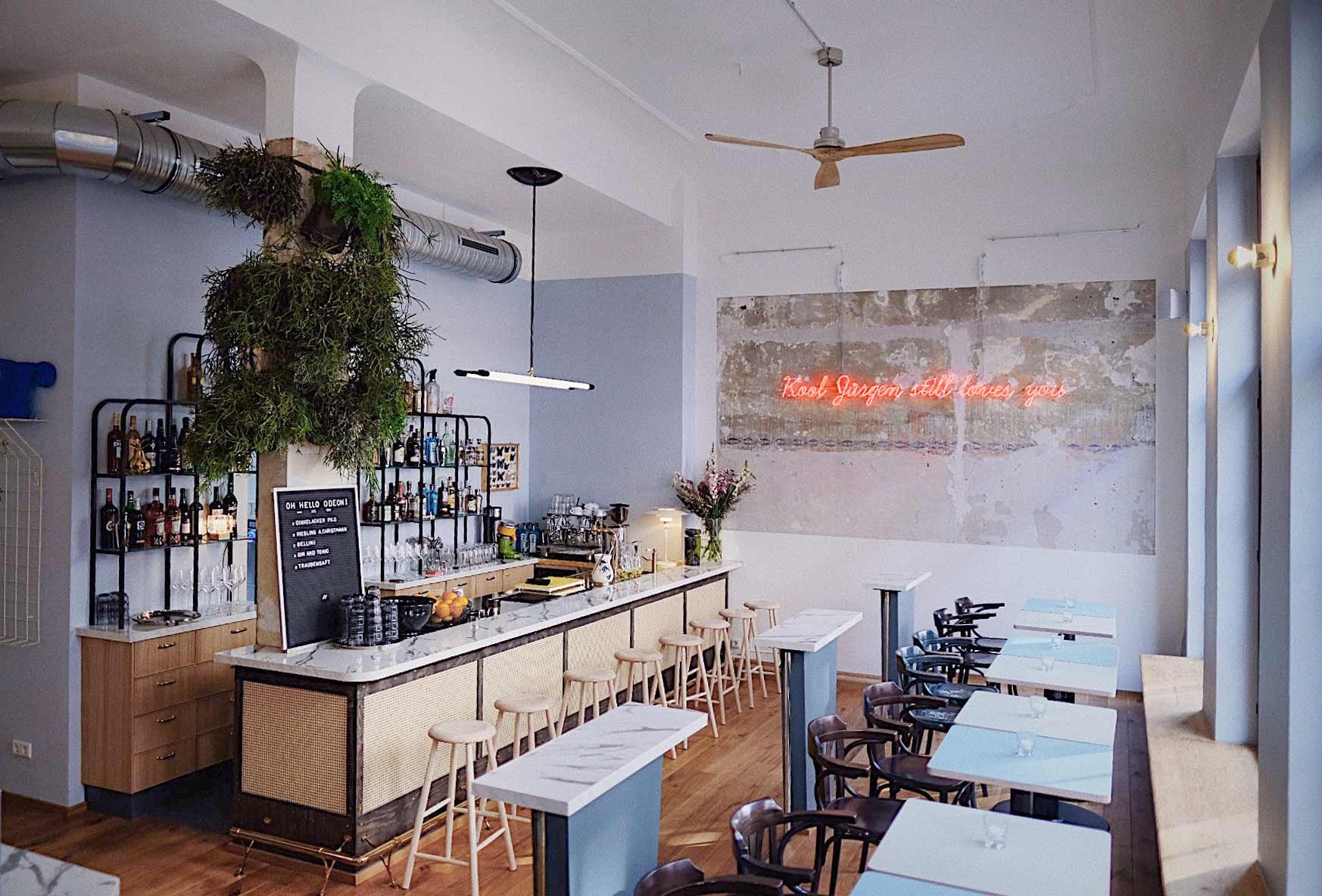
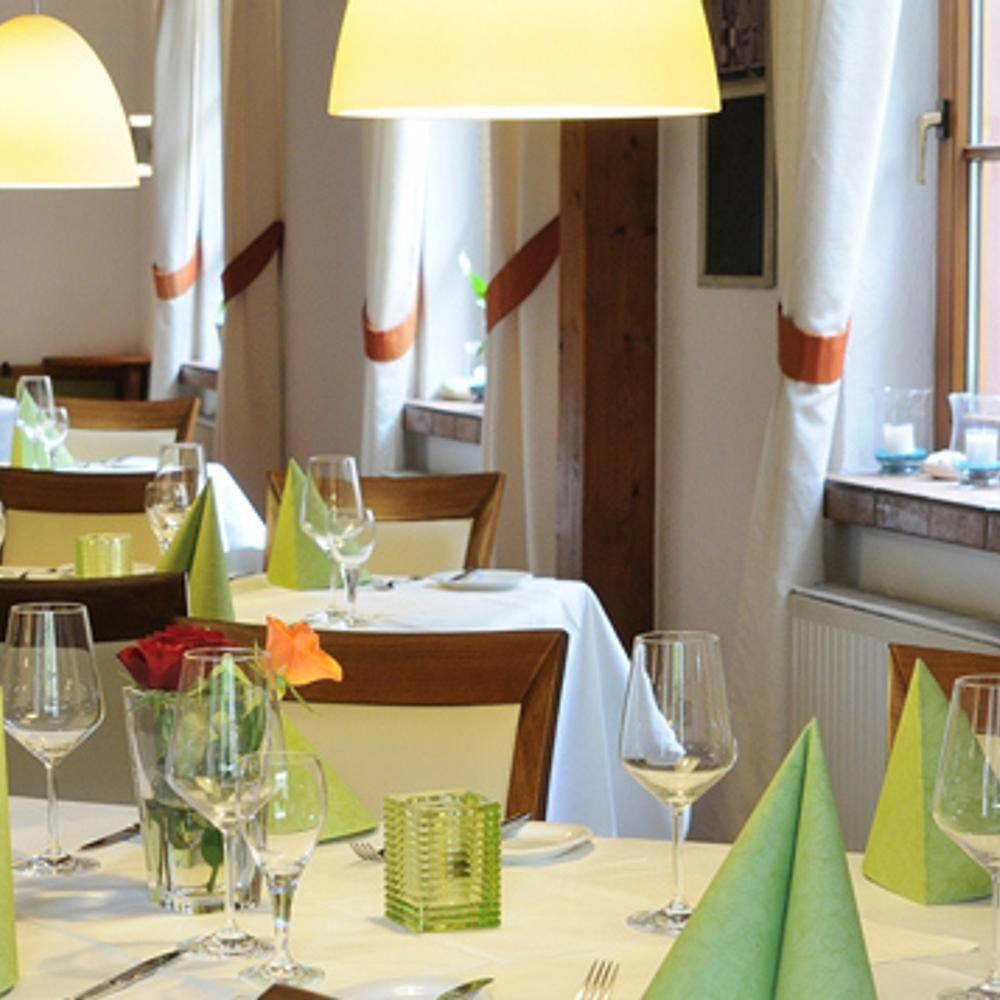
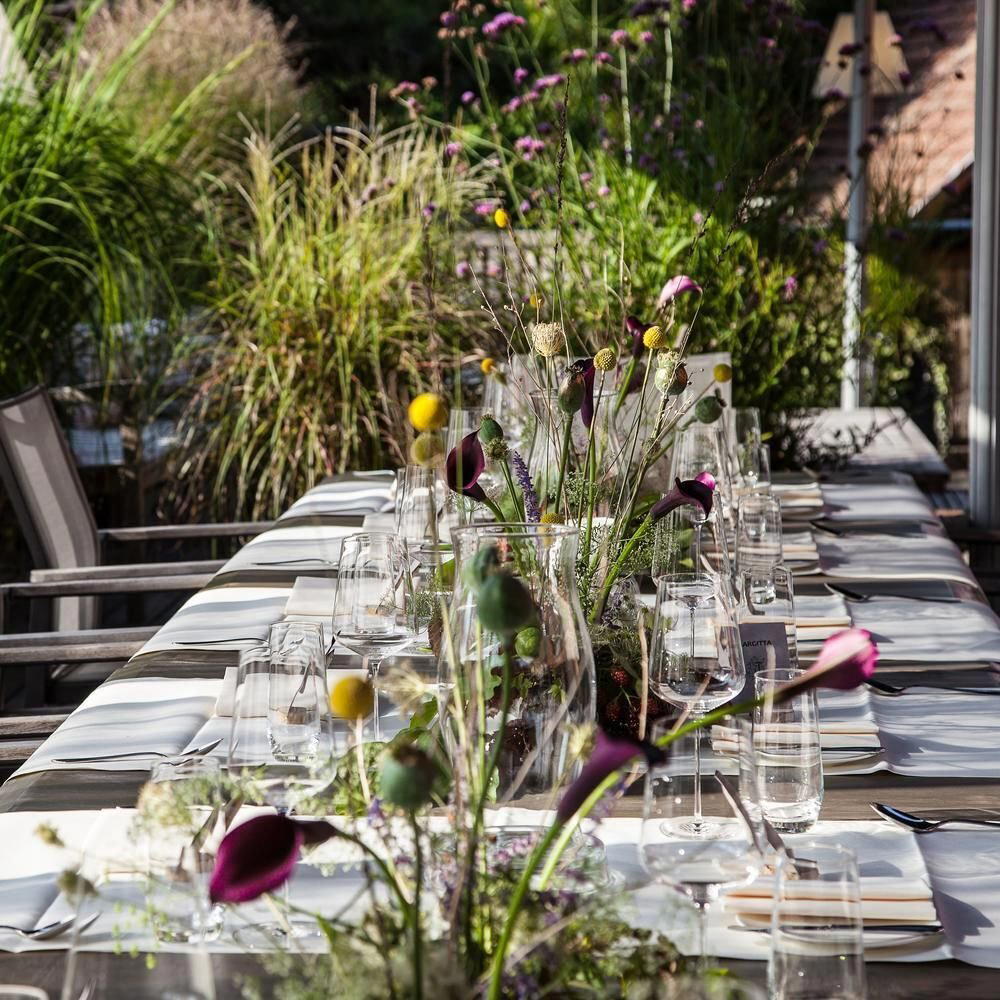
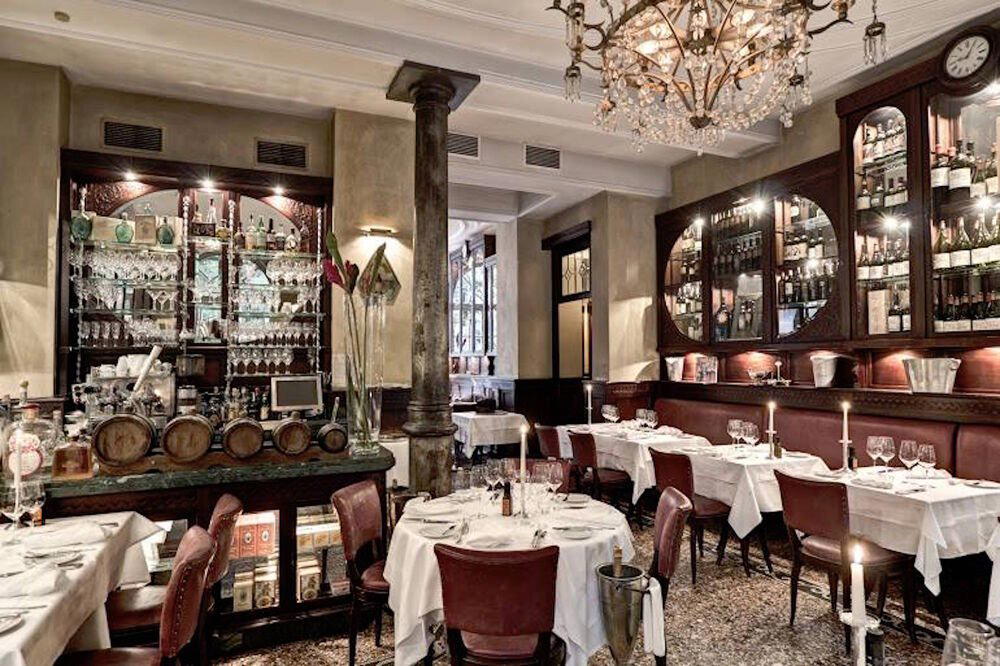
Details
- Rustic
- Quiet
- Classic
- Wine Education
- Group Outing
- Solo Exploration
- Private Tasting
- Vineyard Tour
- Estate Grounds
- Sustainable
- Riesling
- Silvaner
- Spätburgunder
- Cabernet Sauvignon
- Dornfelder
- Sauvignon Blanc
- Still White
- Still Red
- Still Rosé
- Sparkling
- Dessert
- Wine Tasting
- Virtual Tasting
Family-run winery with a hands-on, from-vine-to-bottle philosophy and a practical estate setting in Partenheim; the website emphasizes personalized winemaking and direct guest contact for tastings.