
Falstaff Winery - Listed
Weinbau Steiler Zucker is a Stuttgart vineyard project built around steep terraced sites, ecological farming and hands-on wine education rather than a conventional tasting-room model. Its strongest appeal is terroir: southeast-facing Neckar slopes, the Cannstatter Zuckerle reference point, and a community format that treats vineyard preservation as part of the wine experience.

Pearl is the En Primeur Club membership app, where members save venues, book tables and use the concierge.

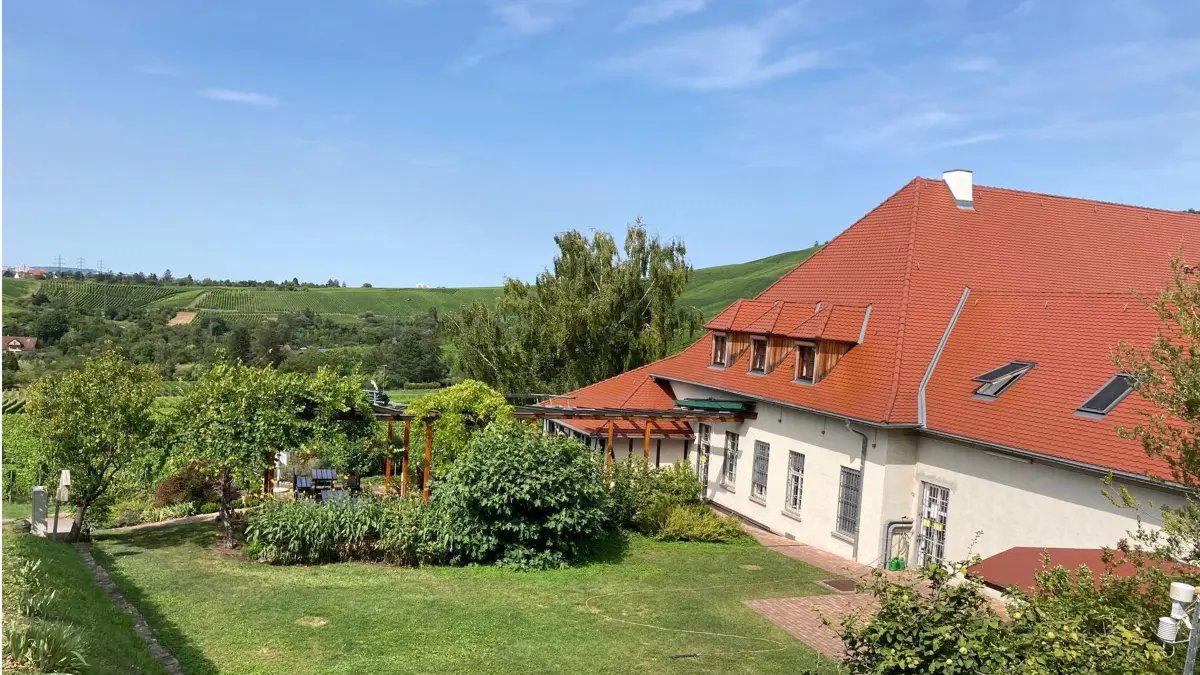
Weinbau Steiler Zucker in Stuttgart is best understood through its setting: a community-driven, hands-on vineyard environment shaped by a historic terraced landscape. The appeal is not a formal luxury script or a long list of service details. It is the combination of rustic atmosphere, scenic surroundings, shared wine enjoyment and learning, with the landscape doing much of the storytelling. The result is a venue profile that feels more rooted than polished, and more about place than performance.
Because the information is deliberately narrow, the most accurate way to describe it is as a hidden-gem vineyard setting in Stuttgart rather than as a conventional restaurant, bar or polished tasting room. That restraint is important: the charm can be described without stretching the public record beyond what is actually supported.
Historic terraces, shared wine enjoyment and a hands-on mood
The strongest grounded detail is the historic terraced landscape. That gives Weinbau Steiler Zucker its sense of place and helps explain why the venue reads as scenic and rustic rather than urban-slick. Terraced vineyards are visually distinct: they suggest close work with the land, a slower rhythm and an environment where the landscape itself is part of the experience. Even without adding technical vineyard detail, the terraces are enough to anchor the mood and explain why the setting stands out.
The venue’s character is also described as community-driven and hands-on. In practical editorial terms, that means the emphasis should stay on participation, learning and shared enjoyment, not on unsupported claims about a specific tasting format or program. It is fair to frame Weinbau Steiler Zucker as a place for people who want a more grounded connection to wine culture in Stuttgart, provided that the description remains general. The key is the feeling of involvement: wine is presented less as a distant product and more as something connected to landscape, people and shared attention.
Price indicator is $. Readers should treat the price marker as a broad guide rather than a menu, and should not read it as confirmation of any particular item, package or spending level.
A participatory wine format rather than a polished tasting room
Weinbau Steiler Zucker’s personality points toward a participatory, educational atmosphere. The language around the venue is hands-on, community-minded and focused on learning, which separates it from places where the draw is mainly décor, formality or a high-gloss hospitality routine. Its appeal is quieter and more situational: the value lies in being close to the vineyard context and in approaching wine with curiosity rather than ceremony.
That does not mean every operational detail is known. Those details should be checked directly with the venue if they matter to a visit. This is especially true for readers planning around timing, access, group size or a specific style of experience, because the confirmed profile here does not define those practical elements.
What can be said with confidence is that the mood is cozy, rustic and scenic. This makes Weinbau Steiler Zucker a strong fit for readers who value atmosphere and context over a checklist of formal amenities. The setting matters as much as the glass: the historical terraces, the shared-wine spirit and the learning-oriented character are the core reasons to pay attention. It is the kind of Stuttgart wine address where the surroundings help set expectations before any further detail is considered.
How to place it within a Stuttgart wine itinerary
Within Stuttgart, Weinbau Steiler Zucker works well as a landscape-led wine stop. It should be framed around the city, the terraced setting and the hands-on community feel, rather than around comparisons with named restaurants, bars, hotels or other wineries. Other dining and drinking options in Stuttgart can round out a trip, but they should be considered separately unless current details are confirmed. In that sense, this venue is best used as one part of a broader Stuttgart plan, not as a substitute for confirmed dining or bar information.
For planning, the honest recommendation is simple: use Weinbau Steiler Zucker as a Stuttgart option for rustic, scenic wine enjoyment with an educational, hands-on tone. Then verify the practical details directly before going. The available facts do not establish exact hours, location beyond Stuttgart, required booking steps or a fixed visitor format. Keeping those limits clear helps the recommendation stay useful without becoming over-specific.
The editorial read is therefore intentionally focused. Weinbau Steiler Zucker is not being presented here as an award-led destination, a chef-driven venue or a full-service dining room. It is a community-driven vineyard setting in Stuttgart, notable for its historic terraced landscape, hidden-gem feel, cozy atmosphere and emphasis on learning through shared wine enjoyment. That is enough to make it distinct, as long as the description stays anchored in atmosphere, setting and the participatory spirit already present in the confirmed information.
Recognition history
Dated appearances from independent guides and award organizations, with the underlying list record or original source where available.
Falstaff Winery - Listed
Falstaff
Continue exploring
More in Stuttgart
Wineries in Stuttgart
All wineries in Stuttgart →
Bars in Stuttgart
All bars in Stuttgart →
Restaurants in Stuttgart
All restaurants in Stuttgart →
Details
- Rustic
- Scenic
- Cozy
- Group Outing
- Wine Education
- Special Occasion
- Vineyard Tour
- Historic Building
- Sustainable
- Vineyard
- Waterfront
- Cabernet Blanc
- Pinot Noir
- Lemberger
- Riesling
- Still White
- Still Red
- Private Tasting
- Vineyard Tasting
A community-driven, hands-on vineyard setting with a historic terraced landscape and an emphasis on shared wine enjoyment and learning.