
Falstaff Winery - Listed
Weingut Harald Wetzel brings Stuttgart wine back to the city’s slopes rather than treating it as a countryside import. The estate’s small-scale, organic profile, appointment-only tastings, and focus on Trollinger and Cabernet Franc make it a quieter counterpoint to more polished wine-tourism formats in Württemberg.

Pearl is the En Primeur Club membership app, where members save venues, book tables and use the concierge.

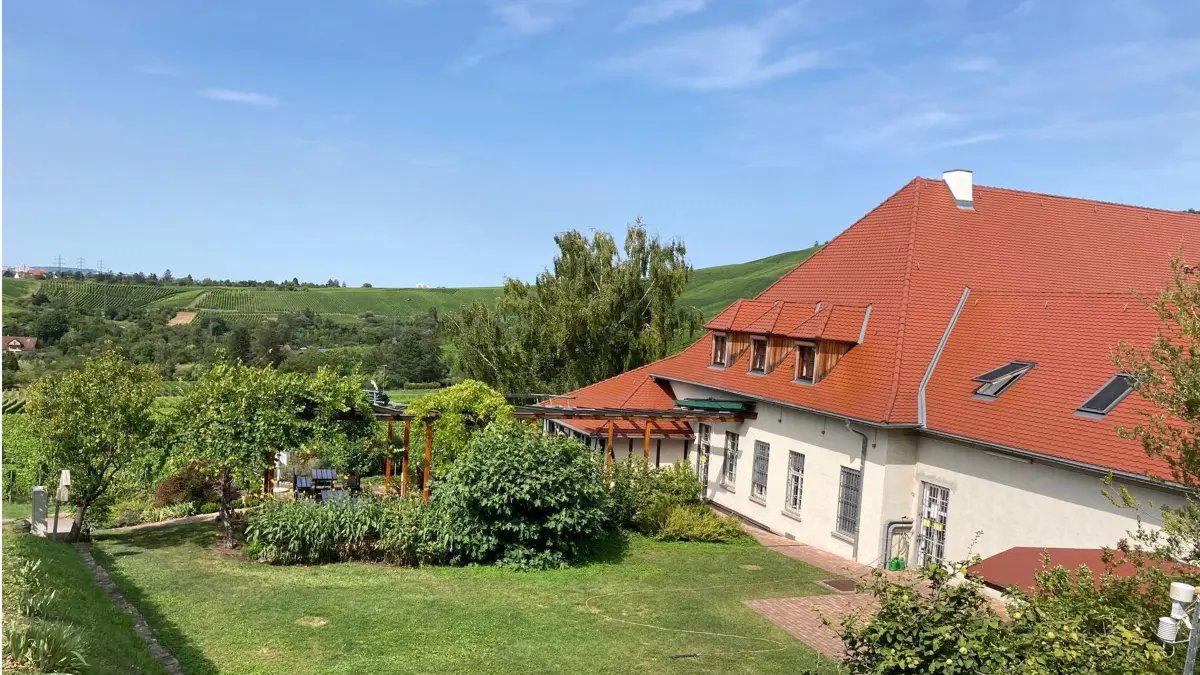
Stuttgart’s wine culture is easiest to understand from its hillsides: vines pressed into steep ground, dry-stone walls holding the slope in place, and the city never far from view. Weingut Harald Wetzel belongs to that urban-vineyard tradition in Stuttgart, where the setting matters as much as any formal hospitality language. The picture is concise: an organic, low-intervention wine estate with a traditional Stuttgart hillside setting on steep, dry-stone-walled slopes. It reads as rustic, quiet, and more of a than a large visitor complex.
The appeal here sits in the tension between city and vineyard. Stuttgart is a major German urban center, yet its wine identity remains unusually physical, with vines and hillside agriculture still part of the local character. In that context, Weingut Harald Wetzel offers a grounded way to think about wine as part of place: close to the city, tied to slope work, and shaped by a quieter estate identity rather than by luxury cues or a heavily packaged tasting format.
Steep Stuttgart slopes give the wines their frame
The strongest detail is the landscape itself. Steep, dry-stone-walled slopes are not just scenery; they define how the estate should be understood. Dry-stone walls imply a traditional hillside setting and a form of vineyard culture that depends on the care of difficult terrain. Even without relying on claims about particular grapes, labels, production volumes, or winemaking techniques, the setting gives the estate its editorial frame: this is a Stuttgart wine address rooted in hillside work.
Estate is also described as organic and low-intervention. Those terms should be read carefully and without adding unsupported specifics. They do not verify a particular certification detail, cellar method, grape variety, tasting menu, or bottle style on their own. What they do support is a general land-first reading: Weingut Harald Wetzel is best approached as a wine estate where farming philosophy and hillside context are central to the experience.
That restraint matters for an honest guide entry. Rather than presenting the venue through awards, scores, chef-like biography, or a detailed menu of wines, the more reliable description is simpler: a quiet Stuttgart estate with a rustic character and a traditional hillside setting. Its interest comes from place and atmosphere, not from a confirmed list of accolades or a documented hospitality program.
A quiet estate experience, not a polished wine-tour circuit
For visitors, the safest expectation is a modest, place-led wine estate rather than a broad hospitality destination. Those details should be checked directly with the venue before planning around them.
Treat Weingut Harald Wetzel as a Stuttgart wine stop whose core appeal is the hillside estate itself: organic, low-intervention, rustic, quiet, and closely tied to the city’s steep vineyard landscape.
This makes it especially useful for travelers who want a more grounded view of Stuttgart wine culture. It is not presented here as a trophy stop or a high-design tasting room. It is better understood as a hidden-gem estate where the traditional hillside setting does much of the work.
Why the land-first reading matters in Stuttgart
The useful way to read Weingut Harald Wetzel is through the land. Steep slopes, dry-stone walls, organic practice, and a quiet rustic mood create a specific kind of seriousness. It is quieter than awards culture and less dependent on theatrical hospitality. The estate’s appeal lies in the sense that wine in Stuttgart can still be connected to visible hillside labor and traditional vineyard architecture.
That makes the venue relevant for travelers who want a different lens on German wine. Without adding claims about grape varieties or production details, the facts still say enough: Weingut Harald Wetzel is an organic, low-intervention Stuttgart wine estate in a steep, dry-stone-walled hillside setting. For the right visitor, that is the point. It is a place to understand through terrain, atmosphere, and restraint rather than through a long checklist of amenities.
Recognition history
Dated appearances from independent guides and award organizations, with the underlying list record or original source where available.
Falstaff Winery - Listed
Falstaff
Continue exploring
More in Stuttgart
Wineries in Stuttgart
All wineries in Stuttgart →
Bars in Stuttgart
All bars in Stuttgart →
Restaurants in Stuttgart
All restaurants in Stuttgart →

Details
- Rustic
- Quiet
- Wine Education
- Solo Exploration
- Special Occasion
- Vineyard Tour
- Historic Building
- Organic
- Sustainable
- Vineyard
- Trollinger
- Cabernet Franc
- Still Red
- Tasting
Organic, low-intervention wine estate with a traditional Stuttgart hillside setting on steep, dry-stone-walled slopes.