
Falstaff Winery - Listed
Wingerath Wein is a small Stuttgart wine retail and tasting space built around regional bottles, sustainability-minded sourcing, and deli-style accompaniments. The appeal is educational rather than estate-grand: a compact urban format for tasting local styles, asking questions, and reading Stuttgart’s wine culture through the glass rather than through vineyard spectacle.

Pearl is the En Primeur Club membership app, where members save venues, book tables and use the concierge.

Stuttgart’s wine culture does not need a dramatic cellar door to make its point. In the city, the useful format can be smaller: shelves, regional bottles, a tasting glass, and enough quiet for origin and style to matter. Wingerath Wein belongs to that urban wine-shop tradition, where the experience is less about spectacle than about giving regional wines a clear, approachable setting.
That distinction matters in Stuttgart. Many visitors meet German wine through restaurant lists or broad categories rather than through the compact retail-and-tasting spaces that make local drinking culture feel immediate. Wingerath Wein is best understood as a small, quality-focused wine retail and tasting space with an emphasis on regional wines, sustainability, and deli accompaniments. Its appeal lies in that modest, practical brief.
Regional wine as an urban tasting language
The stronger reading here is shop-as-interpreter, not winery-as-monument. Wingerath Wein presents regional wine in Stuttgart through a focused retail and tasting format. That makes it useful for visitors who want local context without building an entire trip around a formal estate visit.
The venue’s regional emphasis is the key point. Rather than treating wine as a generic luxury category, Wingerath Wein foregrounds bottles connected to the surrounding wine culture. The experience is therefore rooted in locality: not as a decorative backdrop, but as the organising idea behind the space.
That approach changes the guest’s role. In a production-led winery, the estate narrative can dominate. In a curated urban space, the visitor can compare, ask questions, and build a clearer sense of what regional wine means in practice. Wingerath Wein’s combination of retail, tasting, and deli accompaniments keeps the conversation practical: how wine reads with food, how local preferences show up in the glass, and how sustainability fits into the venue’s stated values.
For a wider Stuttgart wine itinerary, it is safest to place Wingerath Wein within the city’s broader dining and drinking landscape rather than treat it as a grand destination on its own. Its value is specific: a compact, quality-minded stop for regional wine, with a cozy and rustic character.
A small-room format built for tasting, not spectacle
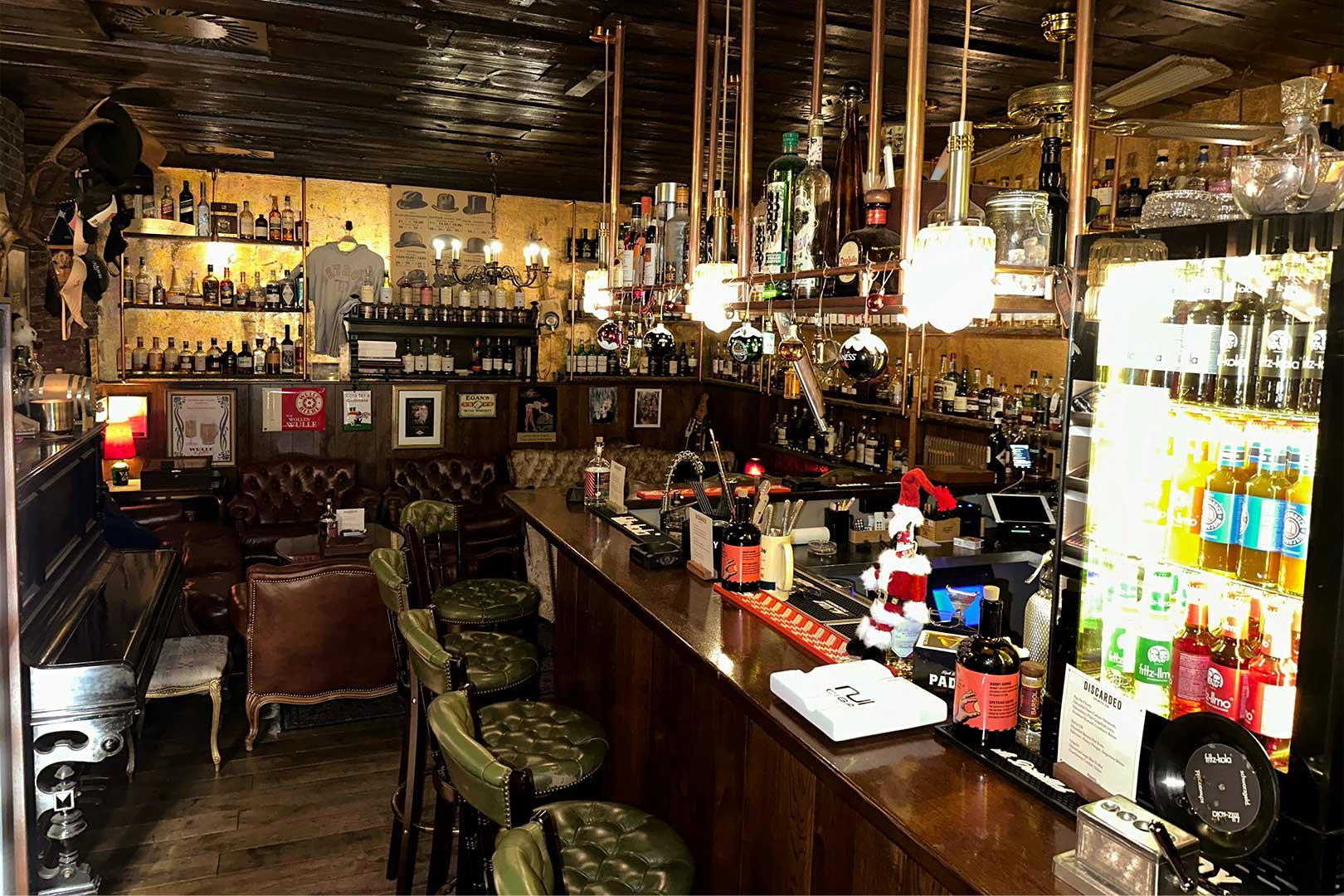
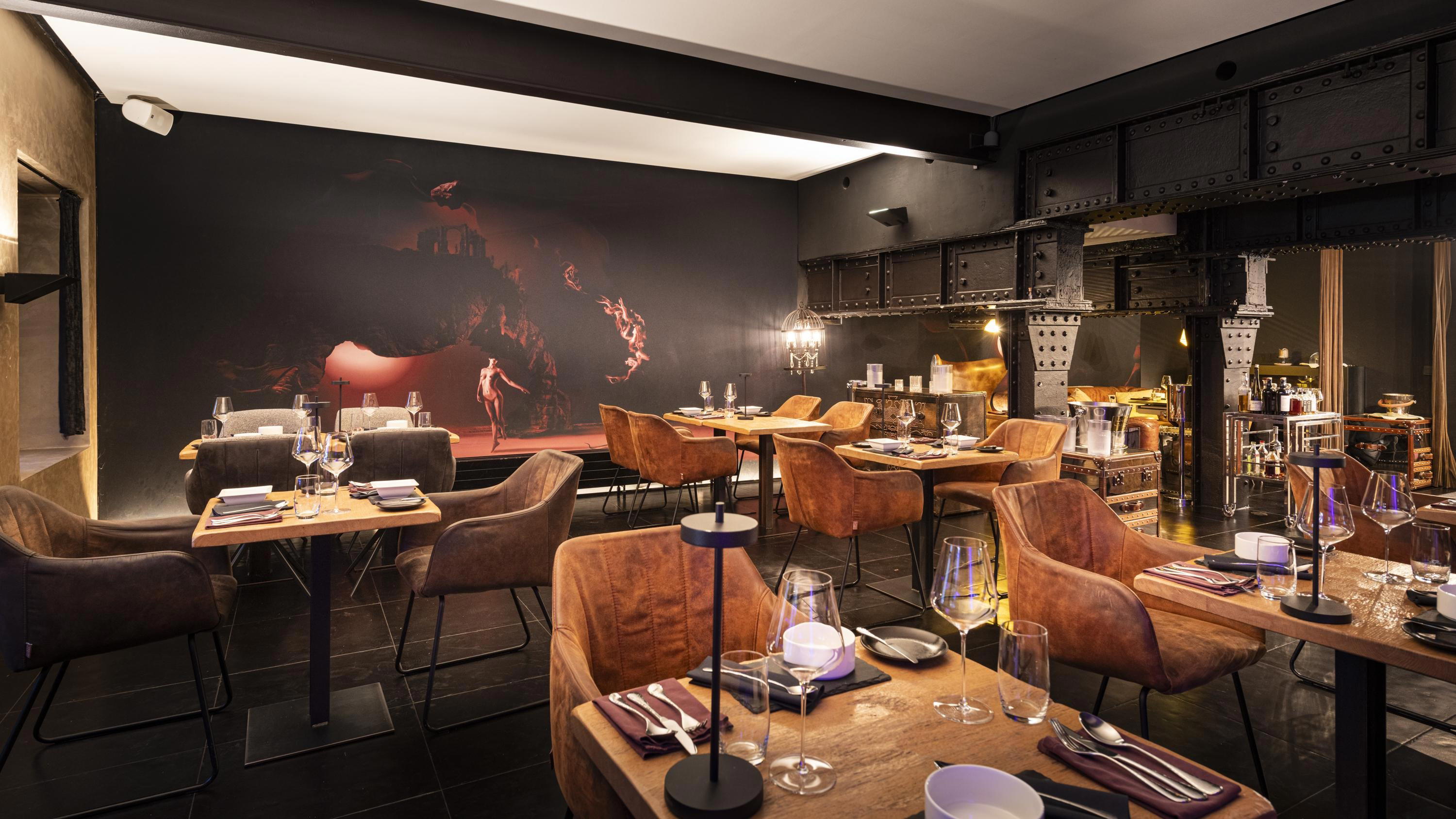
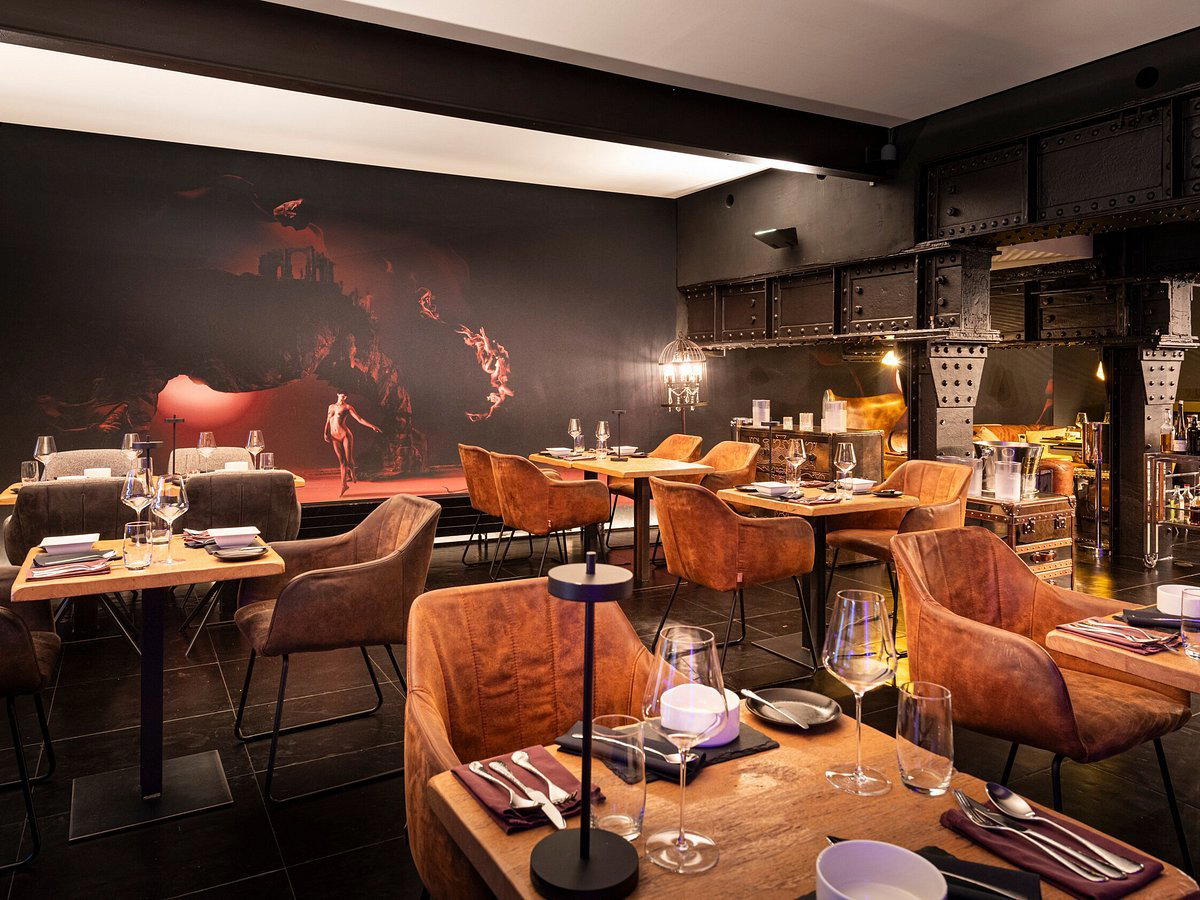
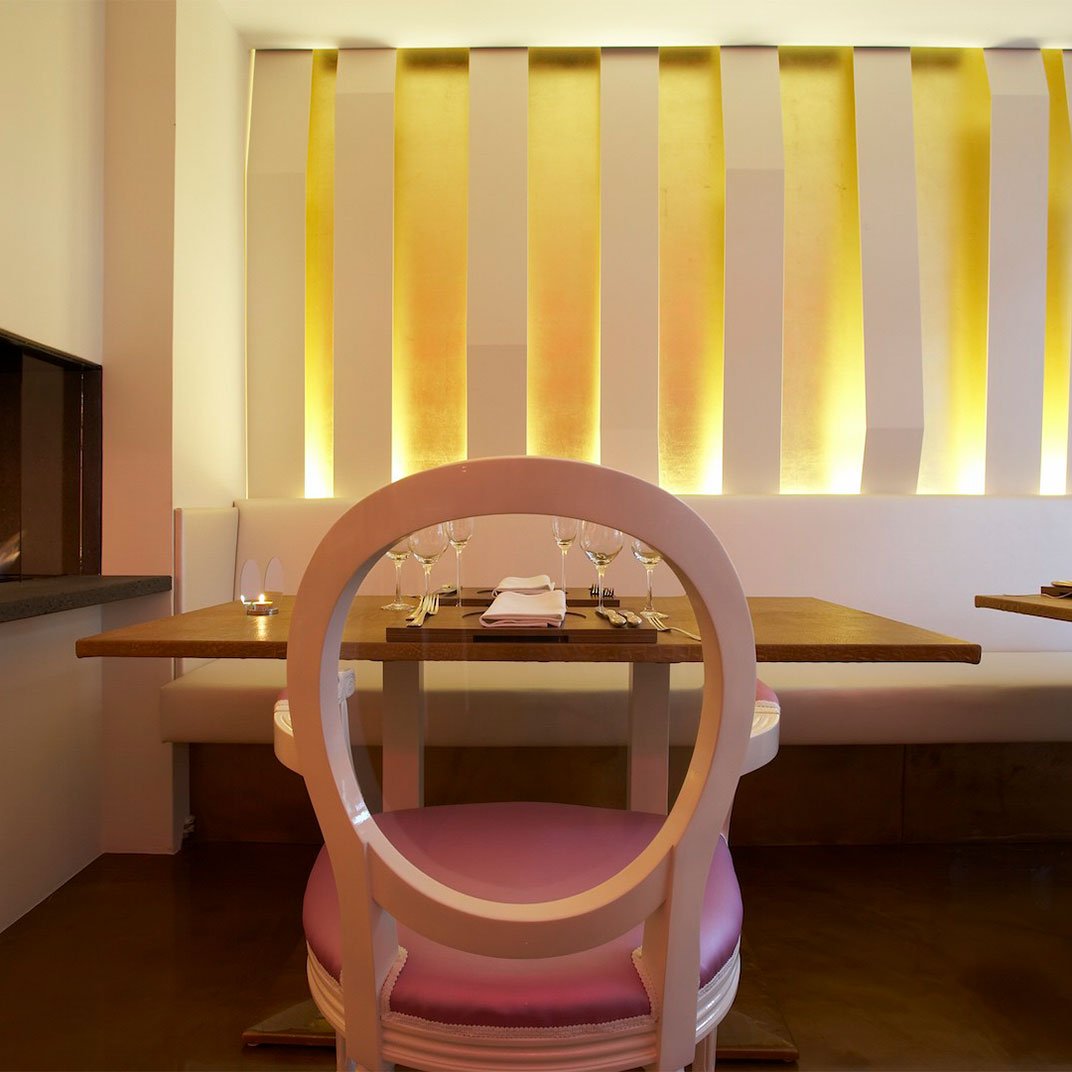
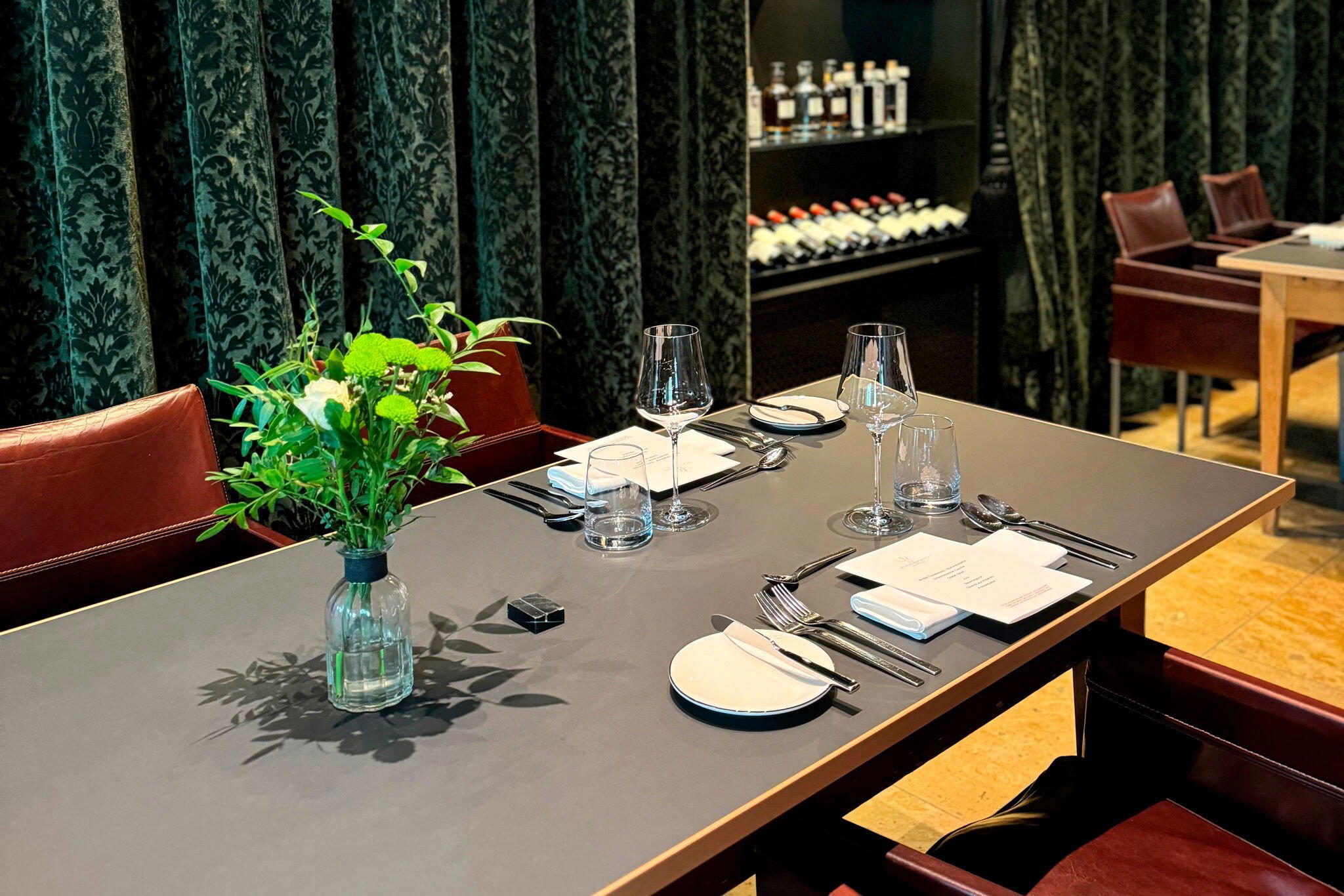
The room’s useful signal is scale. Wingerath Wein is described as small, cozy, rustic, and quality-focused. That matters because wine tasting often benefits from intimacy: fewer distractions, more room for conversation, and a clearer connection between bottle, context, and preference.
Food matters because it keeps the wine from becoming abstract. The description includes deli accompaniments, which places the venue closer to a contemporary wine retail-and-tasting space than to a conventional restaurant. Those accompaniments should not be overstated as a full dining program, but they do give tastings a more grounded frame. Wine is often easier to understand when it is tasted with something edible rather than treated only as a standalone sample.
The sustainability note should also be read carefully. The more defensible interpretation is that sustainability is part of the venue’s positioning and curation.
Wingerath Wein’s hidden-gem quality is part of its appeal. The phrase does not need to imply exclusivity or secrecy; it simply captures a smaller Stuttgart venue whose strengths are local focus, a relaxed room, and a clear wine identity. For travellers, that can be more useful than a heavily staged tasting experience.
How to place it in a Stuttgart itinerary
Wingerath Wein works well as a wine-education stop rather than a prestige performance. The price level is listed as $$, which places it in an approachable middle bracket. The strongest use case is simple: visit when you want a focused introduction to regional wines in Stuttgart, supported by a small-room setting and deli accompaniments.
It is also a corrective to how German wine is often flattened abroad. Export markets can reduce the country to a few familiar categories, while local retail spaces can make regional drinking culture feel more varied and everyday. Wingerath Wein’s strengths are not an elaborate tasting menu, a named chef, or a destination-restaurant format. They are more restrained: regional wine, tasting, sustainability-minded positioning, and a cozy retail environment.
For trip planning beyond this stop, EP Club’s Stuttgart coverage can be paired around the visit: Our full Stuttgart restaurants guide, Our full Stuttgart hotels guide, Our full Stuttgart bars guide, Our full Stuttgart wineries guide, and Our full Stuttgart experiences guide. Travellers can also treat Wingerath Wein as one point in a broader exploration of dining and drinking in Stuttgart, especially if they want a wine-focused stop that is smaller and more conversational than a formal meal.
The critical value of Wingerath Wein is restraint. It does not need grand-estate architecture or destination-tasting choreography. Its stronger role is narrower and more useful: a Stuttgart wine space where regional bottles, tastings, sustainability, and deli accompaniments make local wine easier to approach within the city.
Recognition history
Dated appearances from independent guides and award organizations, with the underlying list record or original source where available.
Falstaff Winery - Listed
Falstaff
Continue exploring
More in Stuttgart
Wineries in Stuttgart
All wineries in Stuttgart →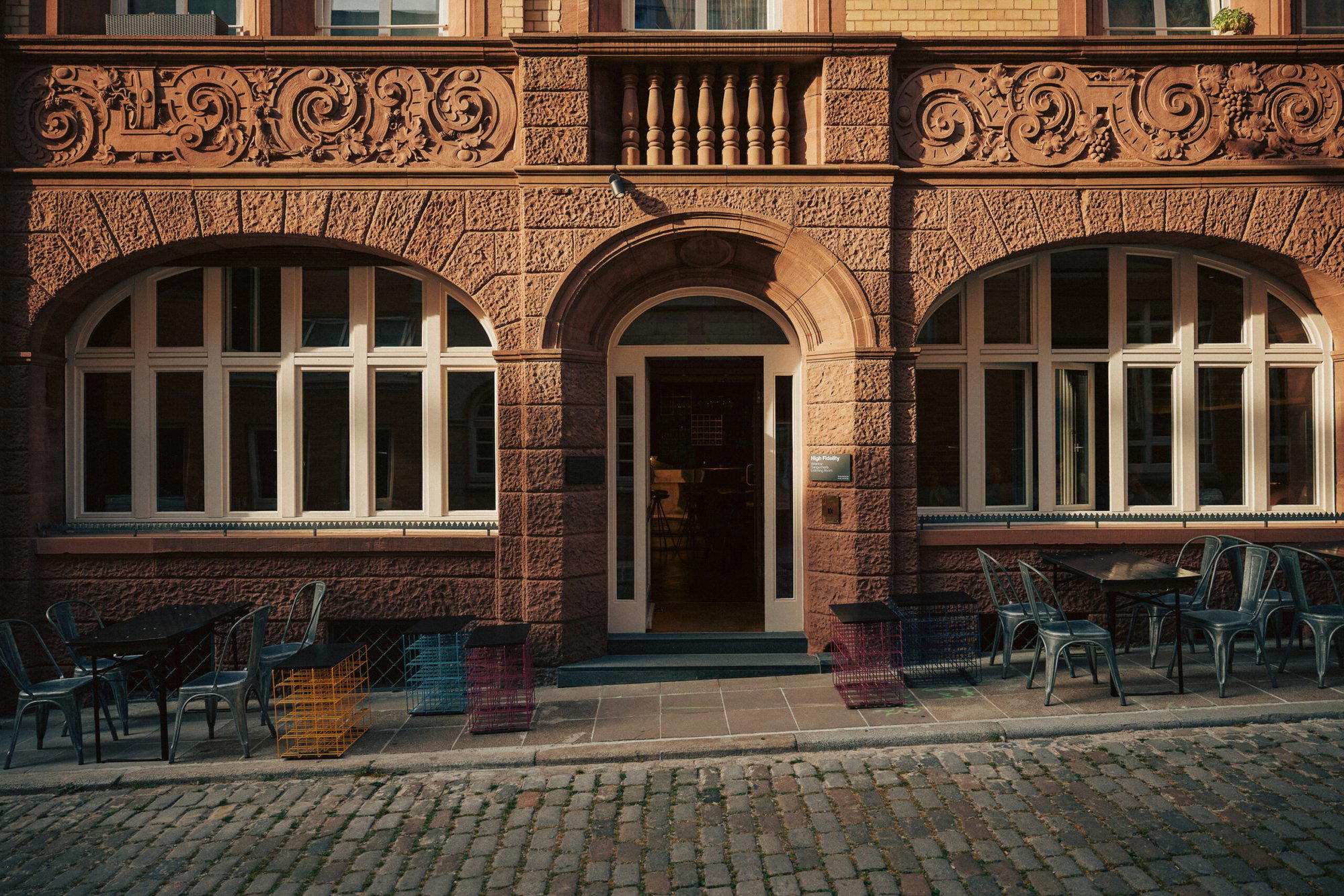
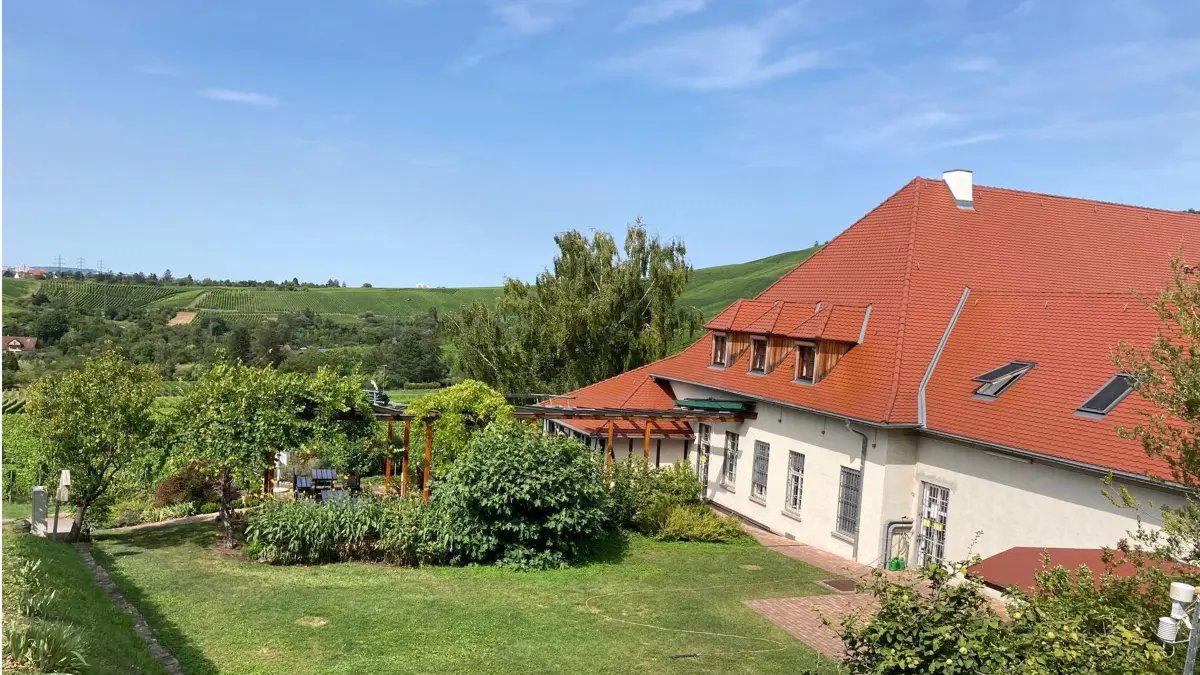
Bars in Stuttgart
All bars in Stuttgart →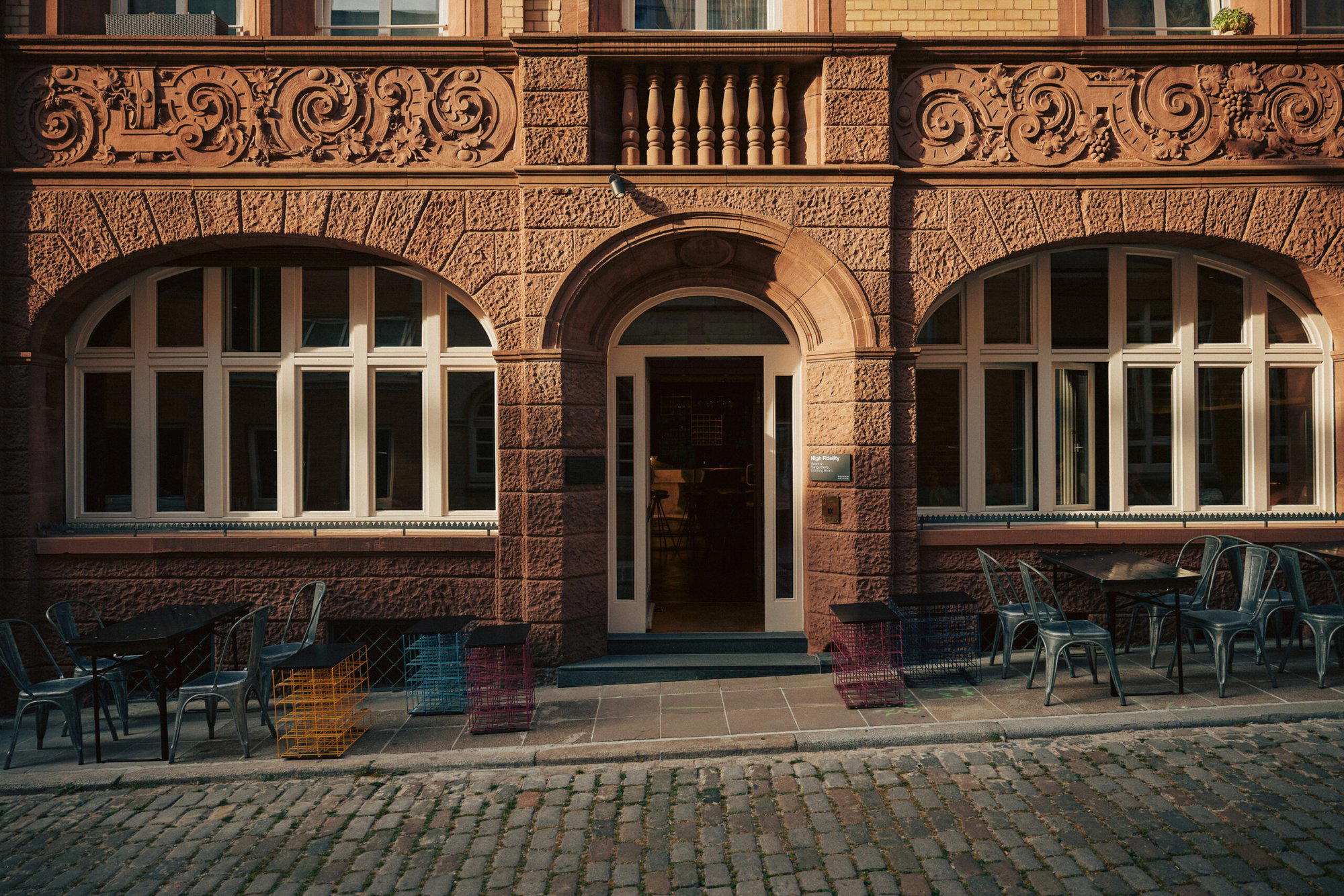
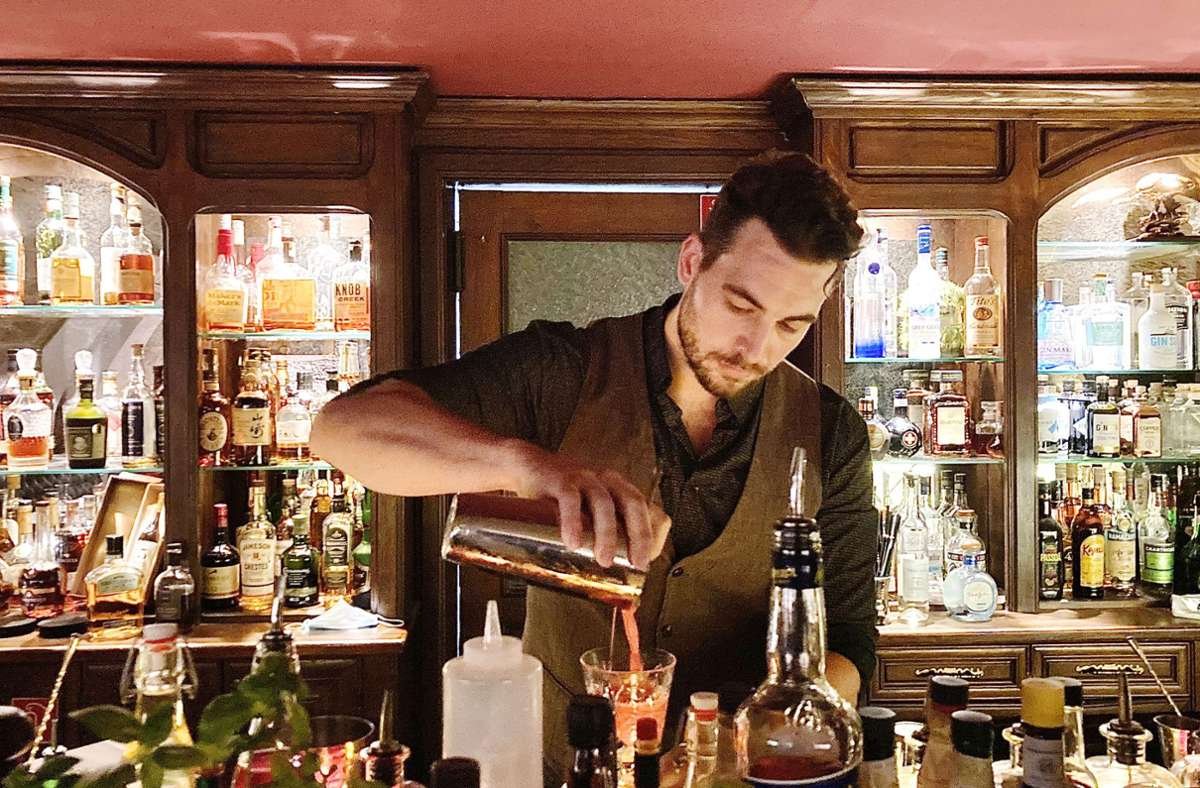
Restaurants in Stuttgart
All restaurants in Stuttgart →


Details
- Cozy
- Rustic
- Wine Education
- Group Outing
- Solo Exploration
- Private Tasting
- Sustainable
- Street Scene
- Still Red
- Still White
- Sparkling
- Wine Tasting
Small, quality-focused wine retail and tasting space with an emphasis on regional wines, sustainability, and deli accompaniments.