
Vignerons Catalans is a large Roussillon cooperative rather than a boutique estate, built around scale, growers, and appellation breadth. Its interest lies in how Perpignan’s Catalan wine country translates schist, marl, limestone, clay, and granite into a wide portfolio spanning dry wines and traditional fortified styles.
Pearl is the En Primeur Club membership app — saves, bookings, and concierge access live there. Same editors, same standards.
- Address
- Perpignan, Rivesaltes, Occitanie, Frankreich
- Directions
- Get directions
 Saves & bookings on Pearl
Approach Vignerons Catalans as a working cooperative wine operation in Perpignan, not as a manicured boutique tasting-room fantasy. The character here is production-led and plain-spoken: large, industrial, classic in its practical purpose, and oriented around scale, terroir diversity, and logistics. That tone matters because it sets expectations correctly. This is not a venue to frame around ceremony, scarcity, or a highly personalized hospitality narrative; it is better understood as a no-frills wine operation whose interest lies in how a cooperative organizes and represents a broad regional wine identity.
The useful way to read Vignerons Catalans is through that cooperative scale. The available information emphasizes the size and operational nature of the venue rather than a chef, a tasting-menu format, a boutique cellar, a seat count, or a luxury visitor experience. For travellers, that means the editorial hook should stay modest and precise: Vignerons Catalans is a large wine cooperative in Perpignan with an industrial, production-oriented atmosphere and a listed price level of $.
Roussillon terroir expressed at cooperative scale
The winery is best treated as a broad regional wine reference point rather than a single-estate romance. The description highlights terroir diversity, which is an important clue to the experience: the story is not about one intimate room or one narrow stylistic signature, but about a cooperative structure that can bring together different expressions under a larger operational umbrella. In that sense, the scale is not a side note; it is the main reason the venue is worth understanding.
Because the confirmed data does not specify individual grapes, appellations, cuvées, winemaking techniques, tasting formats, opening hours, reservation policies, or visitor services, those details should not be assumed. The safest reading is also one useful one: expect a large, classic, industrial wine operation where the emphasis is on production and logistics rather than on a curated boutique experience. Anyone planning a visit should verify current visitor arrangements directly before relying on a specific tasting, tour, or purchase format.
That distinction makes the venue useful in a Perpignan wine itinerary. Some wine stops are compelling because they are intimate, highly designed, or centered on a single personality. The winery is compelling for the opposite reason: it represents cooperative scale. It offers a way to think about how many growers, sites, and regional identities can be organized through a larger wine structure, even when the public-facing experience is deliberately practical rather than polished.
A catalogue that explains the region better than a cellar monologue
For a premium venue guide, the right language is disciplined. Its stronger, grounded appeal is simpler: it is a large cooperative wine operation in Perpignan, with a no-frills atmosphere and an emphasis on the breadth of Catalan wine production rather than on small-estate intimacy.
That breadth can be valuable for visitors who want context. A cooperative can show how a region thinks at scale: how wine is moved, organized, presented, and distributed beyond the romance of a single vineyard narrative. The experience is likely to appeal most to travellers who are curious about the infrastructure behind regional wine, not just the final bottle. It may be less suited to those whose priority is a quiet, highly personalized or luxury-coded tasting environment.
The price level is listed as $, so the guide should present the winery as an accessible stop rather than a high-ticket destination. Beyond that, no specific bottle prices, tasting fees, tour prices, or service charges are here. Keeping the description at that level avoids creating false precision while still giving readers the essential planning signal.
How to place it in a Perpignan wine day
For travellers building a wine-focused day around Perpignan, the winery works well as the broad, cooperative-scale reference point. It can help frame a conversation about Catalan wine production before or after other unnamed Perpignan dining or drinking stops. The key is to arrive with the right expectations: the atmosphere is large, industrial, classic, and production-oriented, not boutique, romantic, or especially visitor-centric.
The practical recommendation is to confirm current access directly before making plans, especially if the visit depends on a specific tasting format or group arrangement.
The editorial case is clear: the winery is not about scarcity, ceremony, or a single auteur signature. It is about the mechanics of regional wine expression at scale. In a wine culture often trained to worship smallness, that makes it a useful corrective. Its value in a Perpignan guide is not that it behaves like a boutique estate, but that it shows another side of wine culture: cooperative, logistical, large, and grounded in a production-first environment.
Recognition history
Dated appearances from independent guides and award organizations, with the underlying list record or original source where available.
Falstaff Winery - Listed
Falstaff
Continue exploring
More in Perpignan
Wineries in Perpignan
Browse all →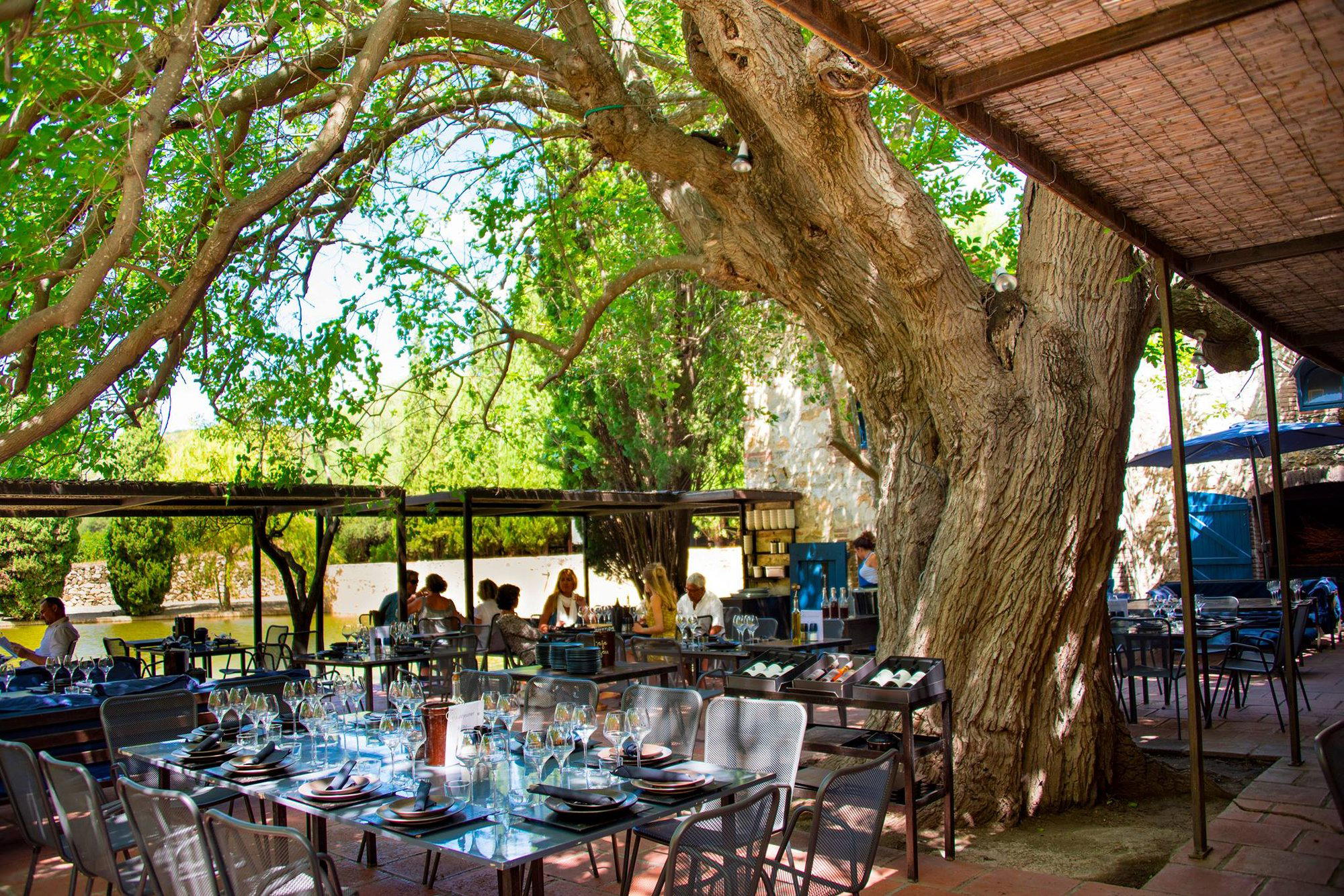
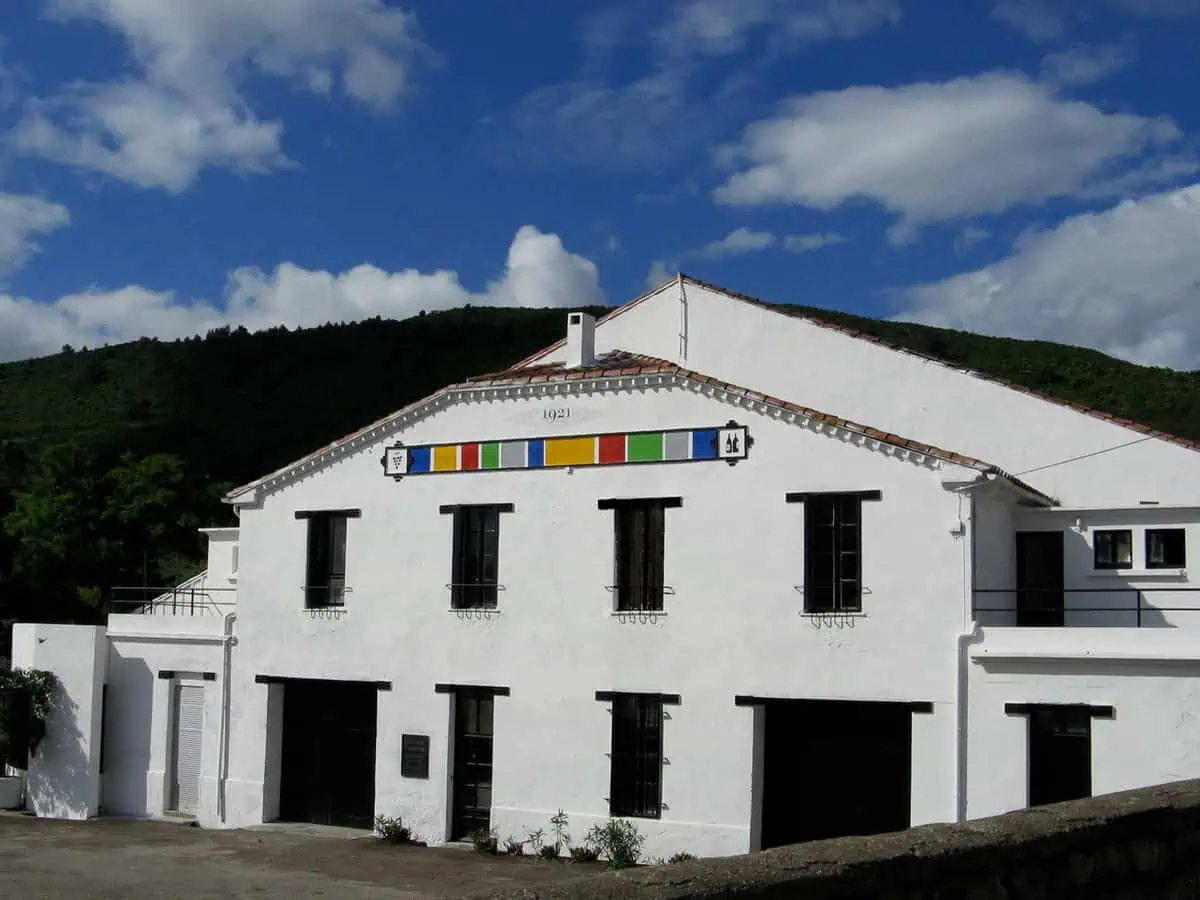
Bars in Perpignan
Browse all →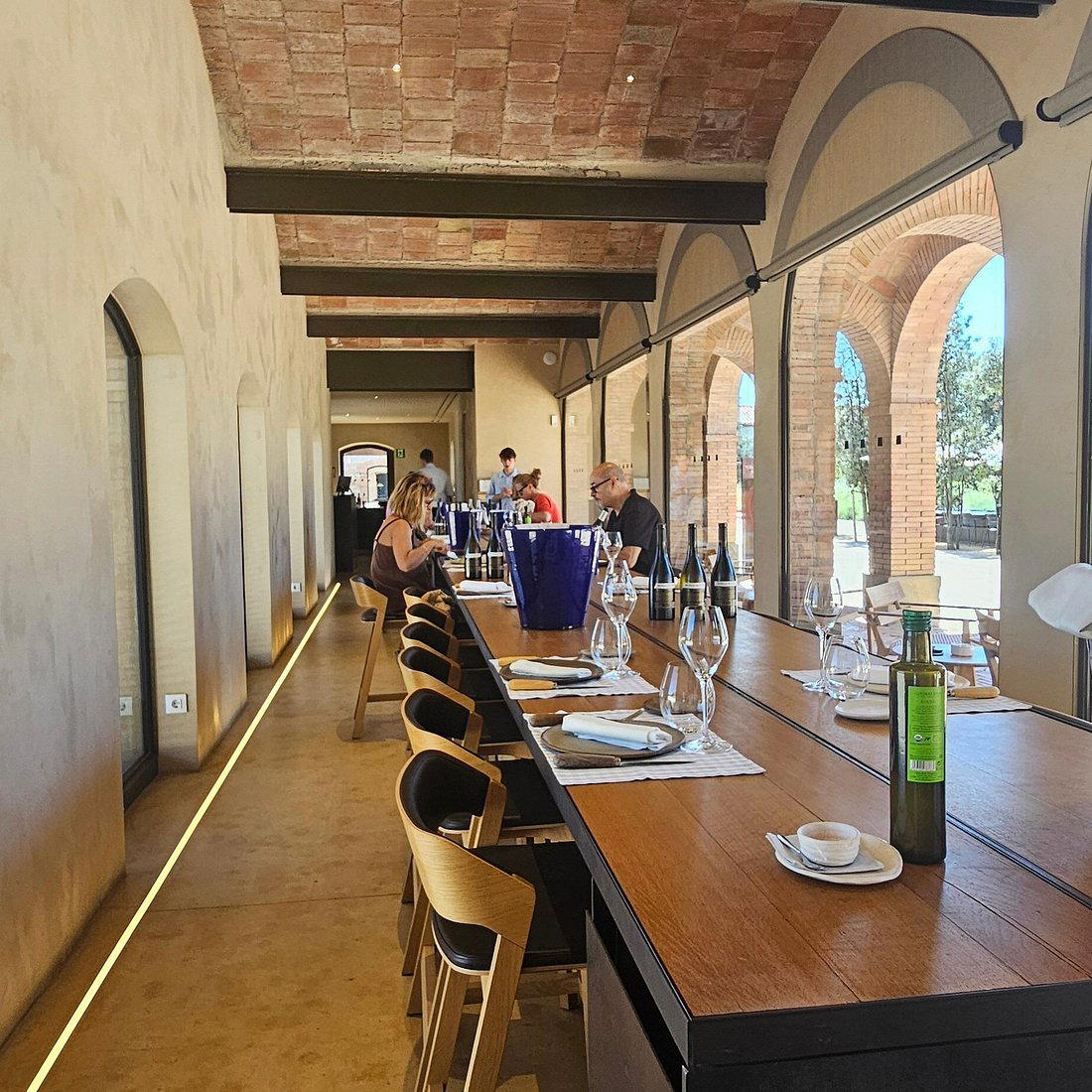
Restaurants in Perpignan
Browse all →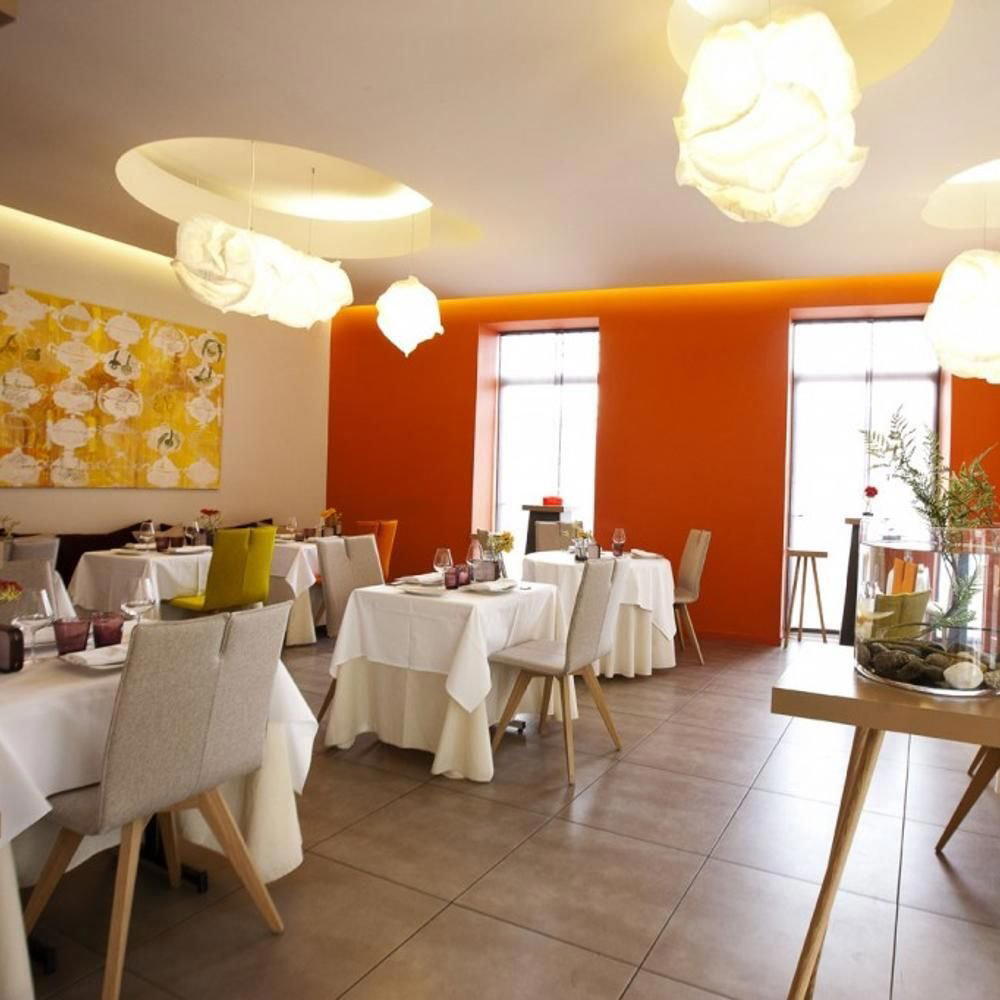
At a Glance
- Classic
- Industrial
- Group Outing
- Corporate Event
- Wine Education
- Sustainable
- Street Scene
- Côtes Du Roussillon
- Grenache
- Syrah
- Mourvèdre
- Carignan
- Macabeu
- Muscat À Petits Grains
- Still Red
- Still White
- Still Rosé
- Fortified
A large cooperative wine operation with a production-oriented, no-frills atmosphere; the sources emphasize scale, terroir diversity, and logistics rather than a visitor-centric boutique setting.