The Township Winery

Falstaff Winery - Listed
The Township Winery reframes Cape Town wine through township-linked vineyards, school-based agricultural projects, and small-batch cellar work. Its most interesting argument is territorial: coastal Western Cape fruit, Cape Flats soils, and community ownership are treated as part of the wine’s identity rather than as background charity.

Pearl is the En Primeur Club membership app, where members save venues, book tables and use the concierge.

The Township Winery offers a different way to think about wine in Cape Town. Rather than leaning on a conventional estate narrative, the venue is best understood through its mission-driven and community-centered identity. The picture is intentionally focused: a Cape Town winery with a handcrafted, minimalist production ethos and an educational tour focus.
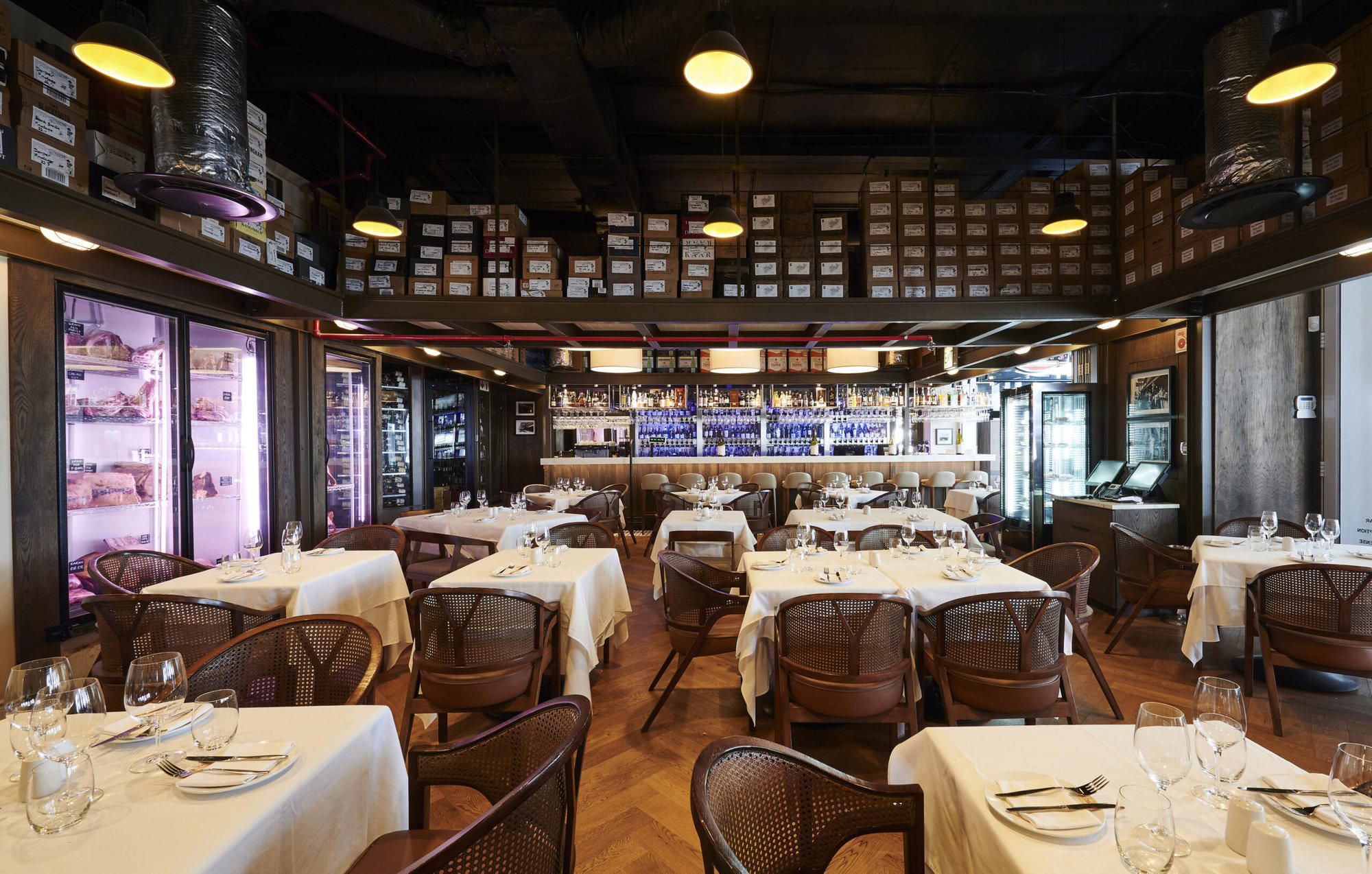
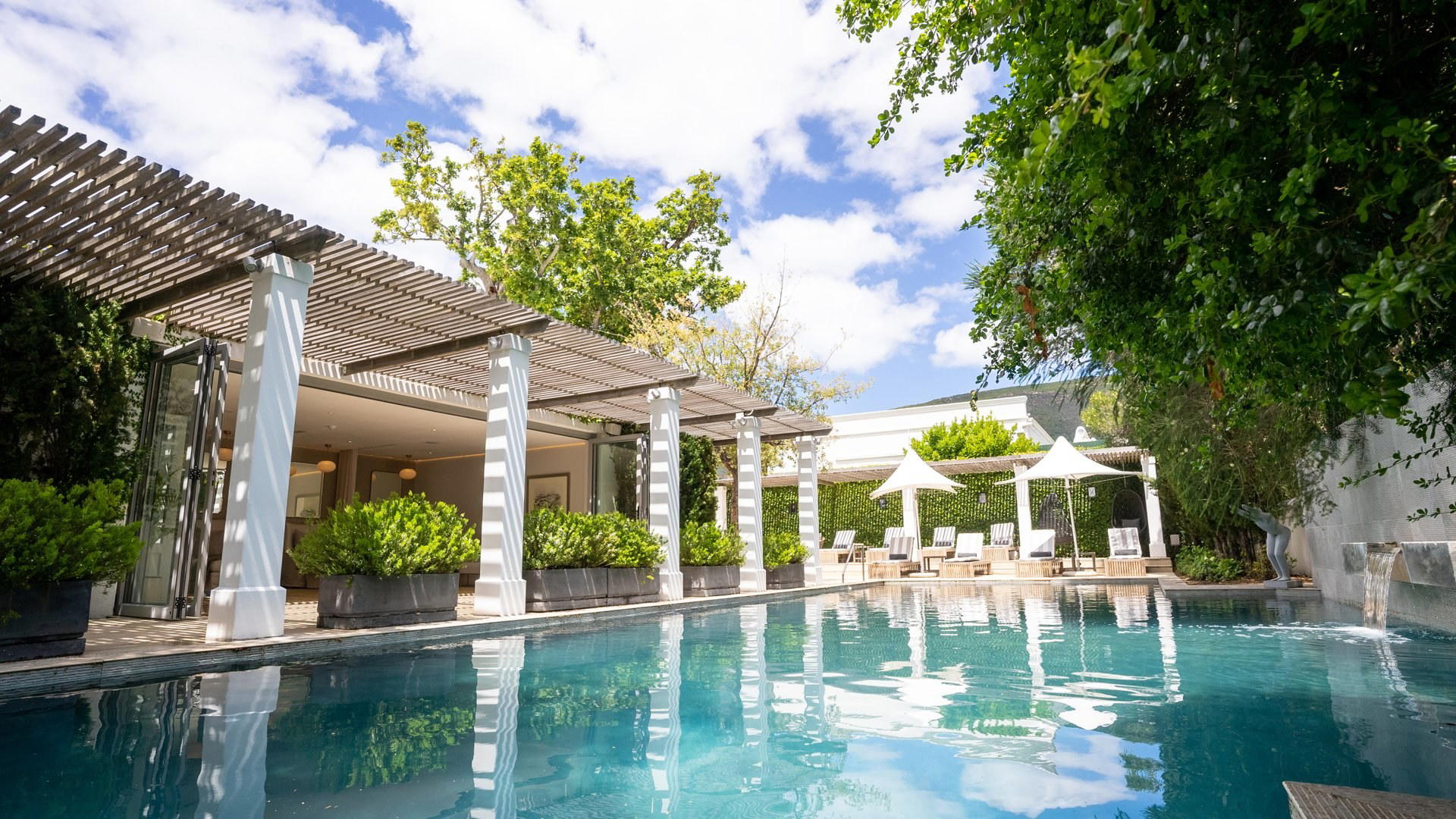
That makes it a useful stop for visitors who want a wine experience framed by purpose as much as polish. The Township Winery is described as a with a sophisticated but rustic character, an intimate feel, and a minimalist approach. Those qualities shape the expectation: this is not a page for exaggerated claims about awards, detailed menus, named bottles, exact routes, or ownership stories. The grounded reason to pay attention is simpler and stronger: it presents wine through craft, community, and education in Cape Town.
Coastal Cape fruit, township land, and a different terroir argument
What can be said is that The Township Winery positions itself as a Cape Town winery with a community-centered brief. Its appeal lies in widening the conversation around wine beyond the usual estate image and toward a more mission-led understanding of production and participation.
That distinction matters for readers planning a Cape Town wine itinerary. The Township Winery should not be approached as a standard luxury-estate stop with a long checklist of confirmed amenities. It is better framed as a small-feeling, educational wine experience where the setting and purpose are part of the draw. The descriptors,, sophisticated, rustic, minimalist, and intimate, point to a venue where restraint and context matter more than spectacle.
For travellers comparing different types of Cape Town dining and drinking experiences, The Township Winery stands on its own terms. It is not necessary to overstate the case with scores, awards, named producers, or detailed bottle lists. The confirmed identity already gives the venue a clear profile: handcrafted in ethos, community-centered in mission, and educational in orientation.
Small-batch cellar work gives the mission technical weight
That is a meaningful claim, but it should not be expanded into unsupported specifics about fermentation vessels, cellar techniques, maturation regimes, production volumes, vintage timelines, or individual wines. A careful reading keeps the focus where it belongs: The Township Winery presents wine as craft rather than as a mass-market product.
That handcrafted positioning helps explain why the venue can feel intimate and distinctive. Minimalism here should be read as part of the experience: a stripped-back, focused approach in which the story of the winery and the educational encounter carry weight. Visitors who prefer highly formal hospitality may find the appeal less about luxury cues and more about direct engagement with a mission-led Cape Town wine project.
Its credibility should instead be described through the confirmed elements: a community-centered winery, a handcrafted production outlook, and an educational focus.
That restraint is important. Wine writing can easily turn thin facts into a grand narrative, but The Township Winery is better served by accuracy. The venue’s profile is already compelling for readers who value purpose-led hospitality and a more intimate Cape Town wine experience.
Hospitality as education rather than estate theatre
The most useful hospitality detail is the educational tour focus. That suggests a visit shaped by learning and interpretation rather than by a generic tasting-room script. It also fits the venue’s broader descriptors: mission-driven, community-centered, sophisticated, rustic, minimalist, and intimate.
The safest planning approach is to treat The Township Winery as a Cape Town venue whose experience may require advance checking directly with the winery.
Price level is listed as $$, which places it in a moderate bracket for planning purposes.
Within a Cape Town itinerary, The Township Winery is well suited to travellers who want a wine experience with a strong sense of purpose. It may appeal especially to those interested in how wine can be connected to education, community, craft, and a more intimate style of hospitality. Other dining and drinking options in Cape Town can round out the day, but The Township Winery’s role is specific: a mission-led winery experience rather than a conventional restaurant, bar, or large estate stop.
The critical value of The Township Winery is that it broadens the definition of a Cape Town wine visit. Its confirmed identity combines community focus, handcrafted production values, minimalist style, and educational intent. That is enough to make it a distinctive choice without relying on claims.
Recognition history
Dated appearances from independent guides and award organizations, with the underlying list record or original source where available.
Falstaff Winery - Listed
Falstaff
Continue exploring
More in Cape Town
Wineries in Cape Town
All wineries in Cape Town →
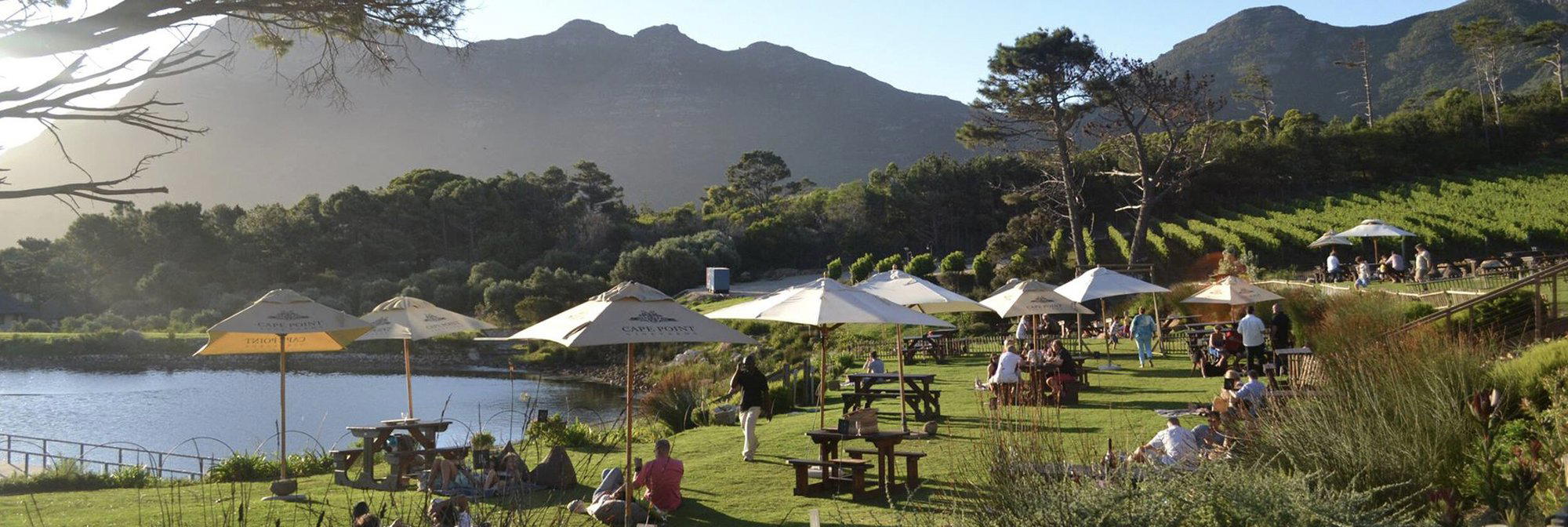
Bars in Cape Town
All bars in Cape Town →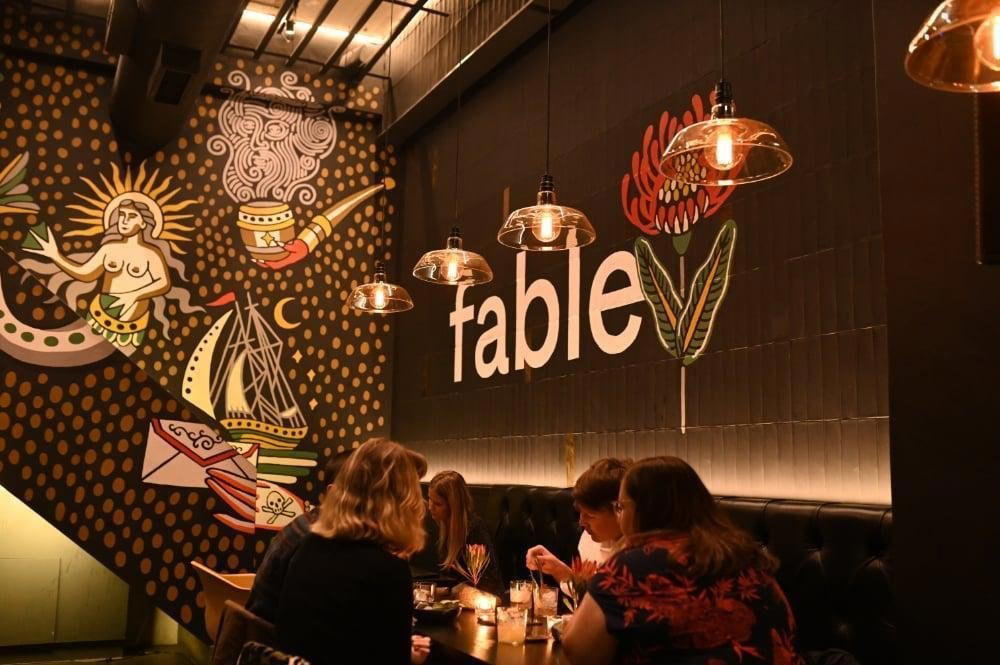
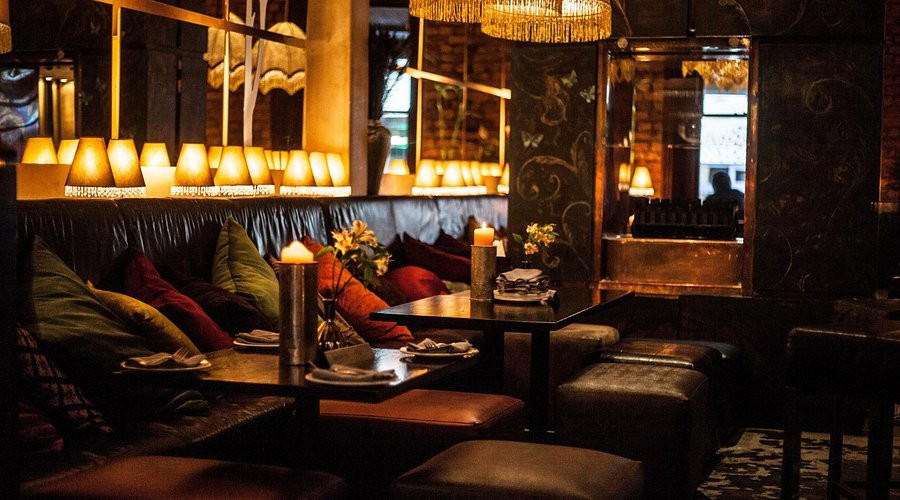
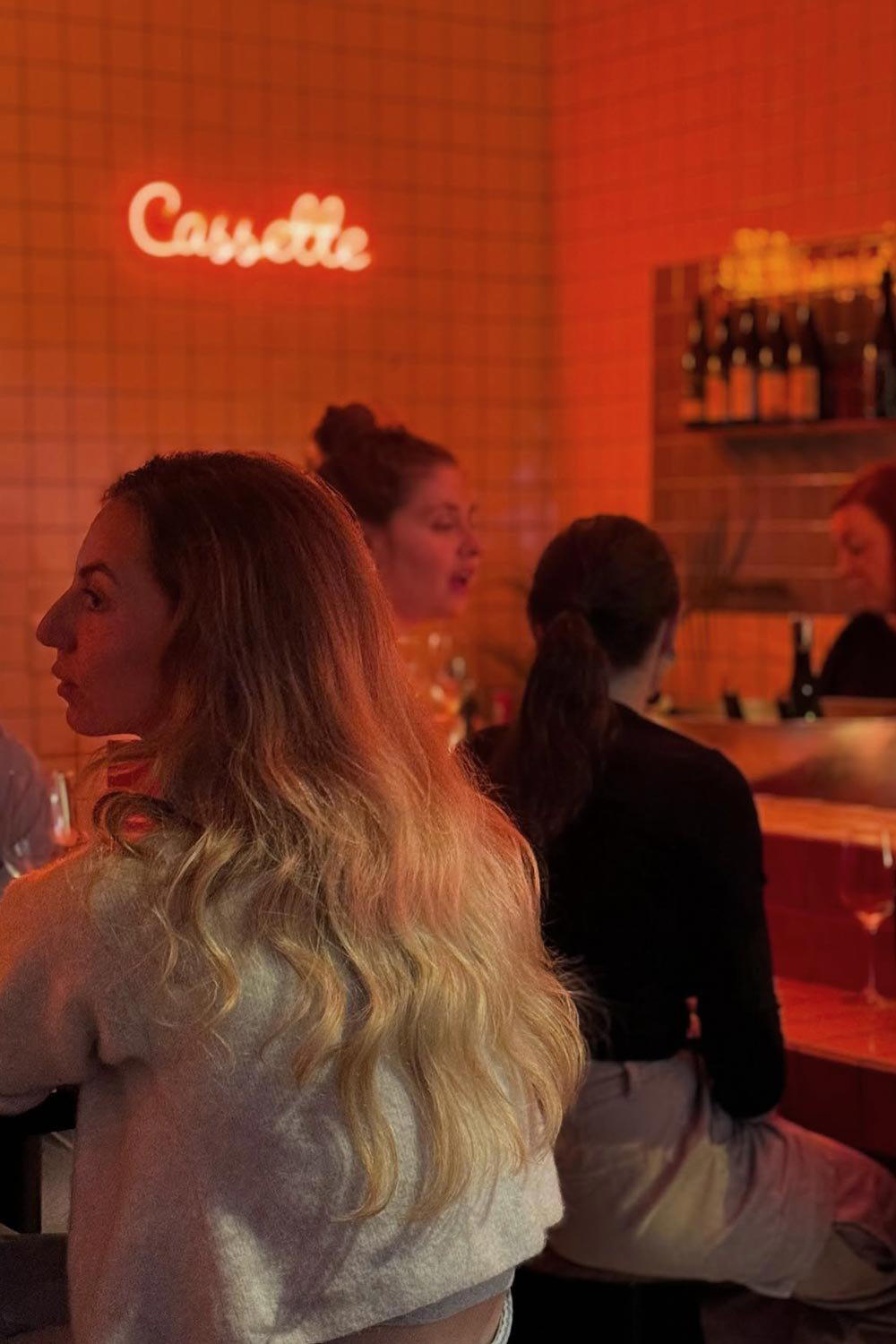
Restaurants in Cape Town
All restaurants in Cape Town →





Details
- Sophisticated
- Rustic
- Minimalist
- Intimate
- Wine Education
- Group Outing
- Corporate Event
- Special Occasion
- Vineyard Tour
- Private Tasting
- Sustainable
- Vineyard
- Chenin Blanc
- Syrah
- Sauvignon Blanc
- Cabernet Sauvignon
- Merlot
- Field Blend
- Still White
- Still Red
- Guided Tasting
- Educational Tasting
Mission-driven, community-centered winery with a handcrafted, minimalist production ethos and an educational tour focus.