Squawking Magpie

Falstaff Winery - Listed
Squawking Magpie is a small Hawke’s Bay wine producer shaped by Gimblett Gravels, where shingle soils and estate vineyard management define the house argument. The range is anchored by Cabernet Sauvignon, Merlot, Malbec, Syrah and Chardonnay, with cellar-door and retail tasting access by appointment in Hastings.

Pearl is the En Primeur Club membership app — saves, bookings, and concierge access live there. Same editors, same standards.
- Address
- Hastings, Hawkes Bay, Neuseeland
- Directions
- Get directions

Squawking Magpie in Hastings is best approached as a boutique, vineyard-centered wine label rather than as a venue defined by spectacle. The picture is narrow but useful: its identity is quality-driven and terroir-focused, rooted in Gimblett Gravels shingle soils and single-vineyard estate management. That gives the place a clear editorial frame without needing to invent service details, menus, opening patterns, grape lists or visitor facilities that are not confirmed.
The strongest grounded way to understand Squawking Magpie is through site. Gimblett Gravels is the essential reference point in the information, and the shingle-soil connection is not decorative background; it is central to how the label presents itself. For readers planning around Hastings, that means Squawking Magpie belongs on the radar as a quiet, sophisticated, vineyard-led name with a classic tone and hidden-gem character.
Gimblett Gravels gives the wines their argument
The confirmed identity of Squawking Magpie is tied to Gimblett Gravels shingle soils. That is the most important fact to keep in view, because it tells you the page should be read through terroir and vineyard management rather than through restaurant-style hospitality claims. What is is more restrained: a boutique wine label in Hastings with a quality-driven, terroir-focused identity.
That restraint is useful. Many venue pages overreach by turning a limited data profile into a complete visitor script. For Squawking Magpie, the honest story is that the available information points to a producer whose reputation should be understood through the land and the way the vineyard is managed. Single-vineyard estate management is part of the confirmed identity, and that phrase matters because it keeps the focus on source, continuity and site expression.
The price level is listed as $$, which gives a general sense of positioning without implying a specific bottle price, tasting fee or package. Beyond that, the guide should not pretend to know more than it does. The grounded takeaway is simple: Squawking Magpie is a Hastings wine name with a boutique, quiet and sophisticated profile, centered on Gimblett Gravels and a classic, terroir-led point of view.
A vineyard-centered experience built around site, not show
The page can still be useful by stating what is known clearly. Squawking Magpie is not being presented here as a restaurant, bar, hotel or broad entertainment venue. It is presented as a vineyard-centered wine label in Hastings.
Mood descriptors that are are also helpful:, sophisticated, classic and quiet. Those words suggest a venue identity that favors discretion over volume. They do not prove a specific room layout, service model or visitor policy, but they do support a more considered recommendation. Squawking Magpie is best framed for readers who are interested in wine identity, place and production philosophy, not for readers looking for confirmed dining services or a full hospitality itinerary.
Phrase “quality-driven” is also important. It is a broad claim, but it is part of the profile and should be kept at that level. The most accurate description is that Squawking Magpie presents itself through quality, terroir, Gimblett Gravels shingle soils and single-vineyard estate management.
How to place it in a Hastings wine day
For a Hastings itinerary, Squawking Magpie works as a focused wine reference rather than a catch-all stop. Plan around the confirmed identity: boutique scale, vineyard-centered thinking, Gimblett Gravels soil context and a quiet, sophisticated tone.
Readers mapping other Hastings dining, drinking, hotel or experience options should treat Squawking Magpie as one part of a broader city plan, not as a substitute for a confirmed restaurant or bar. The useful distinction is category: this is a wine label with a terroir-led identity, not a page with meal service, chef information, seating count or a published visitor format.
Within that limited but clear frame, Squawking Magpie has a strong reason to be included. It represents a classic Hastings wine interest: a boutique label shaped by Gimblett Gravels shingle soils and single-vineyard estate management. The guide’s recommendation is therefore intentionally precise rather than inflated. Come to the name for site, vineyard identity and a quieter premium feel; do not rely on assumptions about services that are not documented here.
Recognition history
Dated appearances from independent guides and award organizations, with the underlying list record or original source where available.
Falstaff Winery - Listed
Falstaff
Continue exploring
More in Hastings
Wineries in Hastings
Browse all →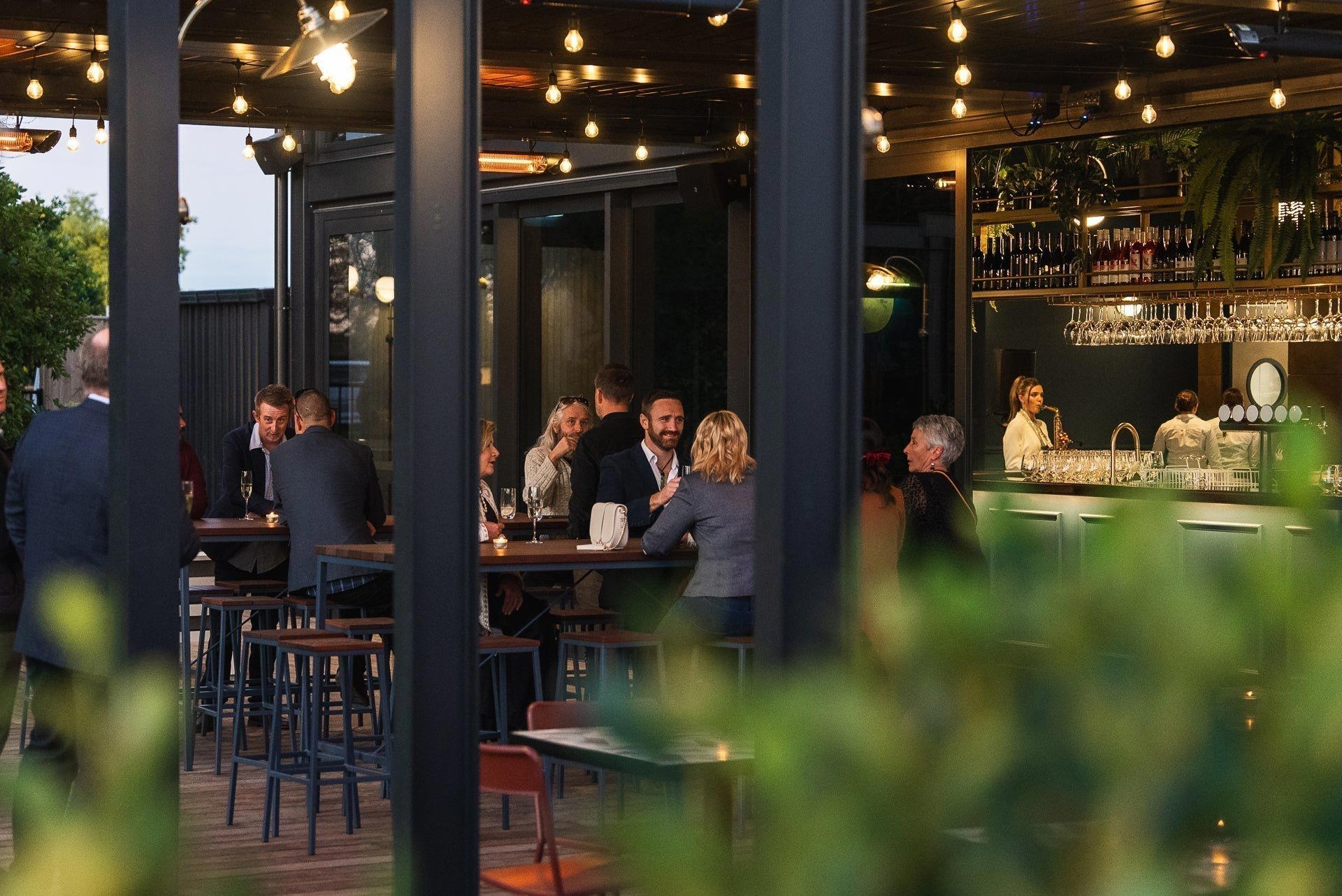
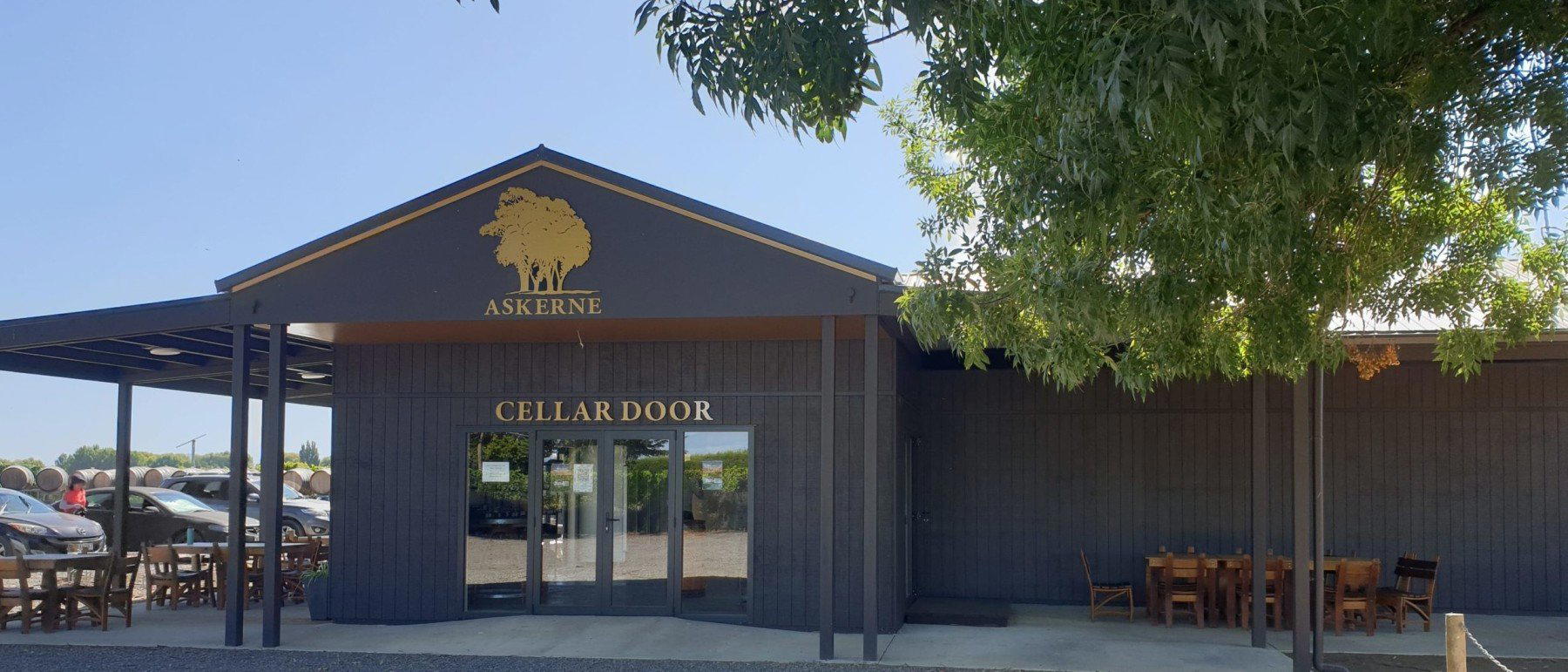
Bars in Hastings
Browse all →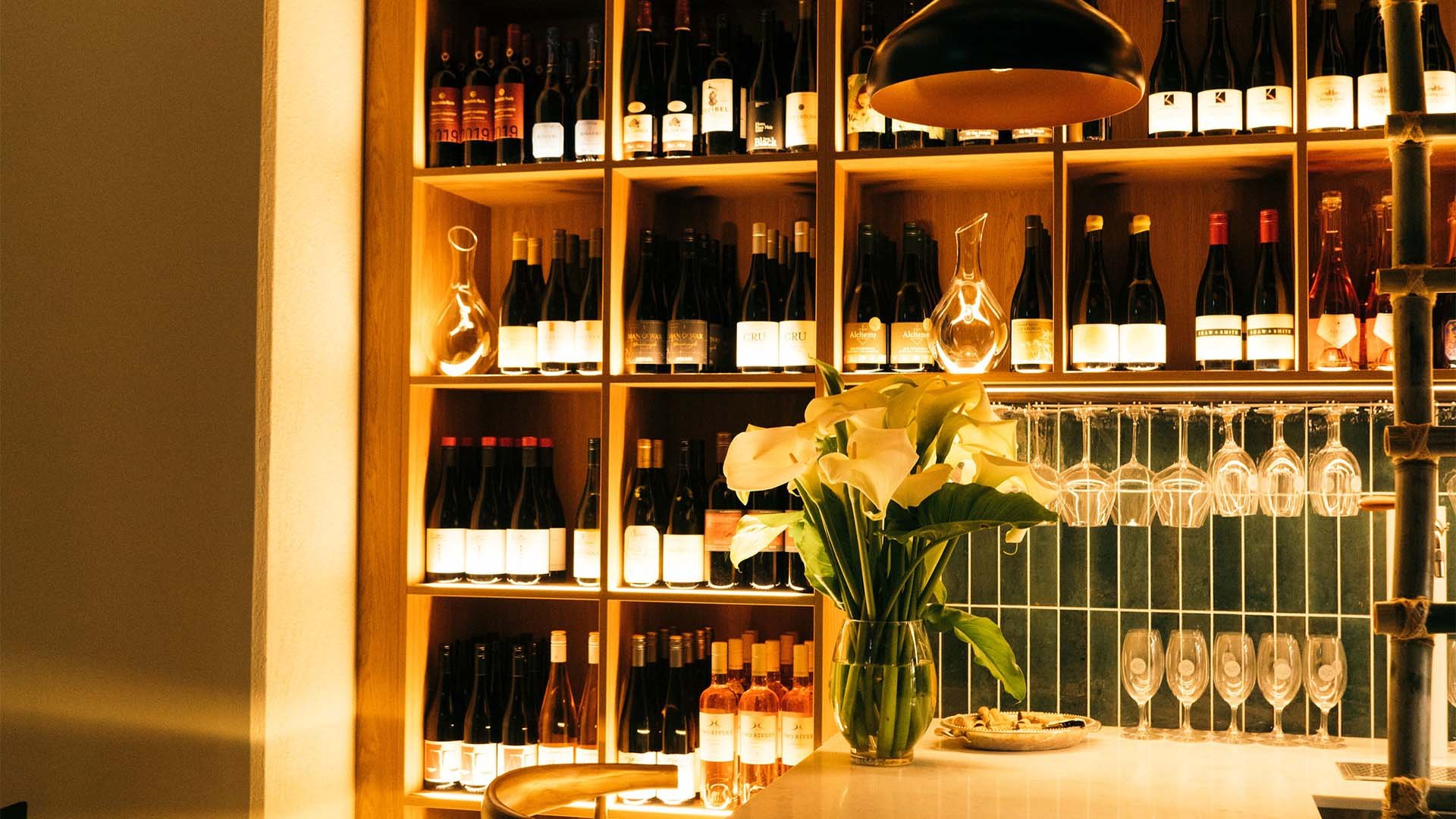
Restaurants in Hastings
Browse all →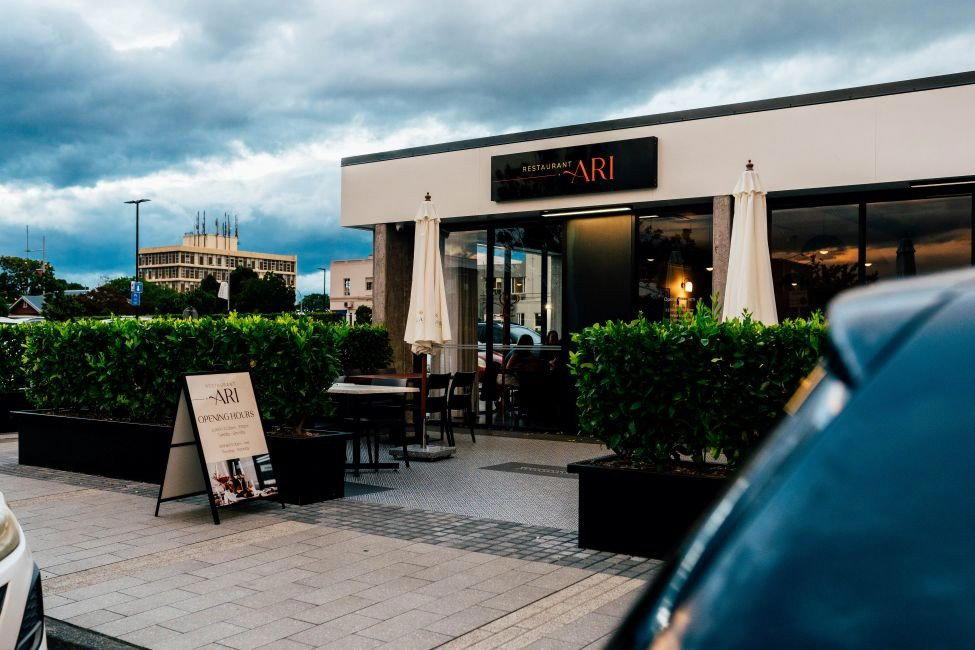
Details
- Sophisticated
- Classic
- Quiet
- Solo Exploration
- Special Occasion
- Wine Education
- Private Tasting
- Design Destination
- Sustainable
- Vineyard
- Cabernet Sauvignon
- Merlot
- Malbec
- Syrah
- Chardonnay
- Still Red
- Still White
- Cellar Door Tasting
- Retail Tasting
Boutique, vineyard-centered wine label with a quality-driven, terroir-focused identity rooted in Gimblett Gravels shingle soils and single-vineyard estate management.