Rebgut Sonegg

Rebgut Sonegg is a small, appointment-led winery in Balgach, set within the St. Gallen Rhine Valley’s rural wine country. The draw is not a high-tourism cellar-door machine but a quiet, owner-operated estate format, with Urs Graf associated with the winemaking and a focus on still red and still white wines.
Pearl is the En Primeur Club membership app — saves, bookings, and concierge access live there. Same editors, same standards.
- Address
- Balgach, St. Gallen Rhine Valley, Canton of Sankt Gallen, Schweiz
- Directions
- Get directions
 Saves & bookings on Pearl
The approach to wine in Balgach is quieter than in Switzerland’s more heavily promoted vineyard regions. Rebgut Sonegg is best framed as a small, traditional winery atmosphere in the St. Gallen Rhine Valley: rural, scenic, and understated, with an emphasis on careful, artisanal winegrowing rather than large-scale visitor infrastructure. Its editorial value lies in that measured character. Nothing about the available description suggests a destination built around performance or abundance; instead, the attraction is the sense of a modest wine address rooted in its landscape.
That restraint is the useful starting point for understanding the venue. The picture is of a classic, quiet Balgach wine setting that reads well for travellers who value place, scale, and a more rural rhythm. It is the kind of stop that should be approached with patience and direct confirmation, not with assumptions borrowed from larger wine destinations. Seen on its own terms, Rebgut Sonegg belongs to a slower itinerary, where the setting and the feeling of traditional winegrowing carry as much weight as any formal visitor offer.
St. Gallen Rhine Valley wine without the theatre
The St. Gallen Rhine Valley gives Rebgut Sonegg its primary frame. This is not a venue to describe through grand staging or elaborate hospitality claims. The grounded editorial case is simpler: a small, traditional winery atmosphere in Balgach, with a rustic and scenic character and a focus on careful winegrowing. That simplicity matters, because it keeps the venue from being oversold. The useful image is not a polished wine-tour complex, but a more local, quieter expression of the Rhine Valley’s wine landscape.
That makes expectations important. The winery should be approached as a quiet rural wine address rather than as a venue defined by extensive public amenities or a heavily documented visitor program. Its appeal is the classic setting and the sense of an artisanal producer in the St. Gallen Rhine Valley. For the right traveller, that can be enough: a place where the scale feels human, the surroundings matter, and the point is to understand wine through a specific rural context rather than through a scripted experience.
For EP Club readers, that lack of public detail is part of the practical framing: confirm arrangements directly before planning around it. This is especially important because a small estate format can be rewarding, but it is rarely wise to treat it like a guaranteed, walk-in attraction unless the venue has explicitly confirmed the details. The editorial recommendation is therefore careful rather than casual: place it on the shortlist, then verify the essentials before building a day around it.
A small estate format with a quiet rural character
The winery is best understood as a small-scale winery setting, not as a broad leisure venue. The character is rustic, quiet, scenic, and traditional, with the kind of rural atmosphere that suits visitors interested in winegrowing context rather than spectacle. Its appeal is likely strongest for those who appreciate the texture of a place: the sense of being in a working wine landscape, the modesty of the format, and the absence of unnecessary theatre.
Do not assume a restaurant-style setup, a formal tasting schedule, food pairings, tours, outdoor seating, or other hospitality features unless confirmed by the winery. This caution is not a negative judgment; it is a way of protecting the experience from the wrong expectations. A small winery can be highly worthwhile precisely because it is not trying to function like a full-service hospitality destination. The key is to know what has actually been arranged, and to treat anything beyond the core rather than the confirmed wine setting as something that must be checked in advance.
The price level is moderate, listed as $$. Beyond that, practical details such as hours, reservation requirements, language, duration, accessibility, payment, and group suitability should be checked directly before travel. Those details shape the success of a visit more than they might at a larger, more systematised venue. For a rural wine stop, timing and confirmation are part of the planning culture: they help the visit feel considered, and they reduce the risk of arriving with expectations the venue has not promised to meet.
How to place it within a Balgach wine itinerary
For EP Club readers, the reason to put the winery on a Balgach itinerary is its specificity. It represents a small, quiet, traditional winery atmosphere in the St. Gallen Rhine Valley, with a rural and scenic character that contrasts with more infrastructure-heavy travel stops. That specificity gives it a clear role: not as a catch-all day out, but as a focused wine address for travellers who want a calmer, more local-feeling point of contact with the area.
The nearby editorial map is thinner than in larger Swiss wine regions, which makes careful planning more valuable. Use other dining in Balgach generically to build the day around more than a single winery stop, and verify timings directly before committing to a route. This is where the winery works well in planning terms: as one carefully checked element in a broader day, rather than as an unconfirmed anchor expected to supply every part of the itinerary.
Readers building a wider wine route can use the winery as the reference point for this style of stop: rustic, quiet, classic, and focused on the atmosphere of careful winegrowing rather than on confirmed awards, elaborate amenities, or a large hospitality program. Its value is in the restraint of the proposition. If the visit is confirmed directly and approached with the right expectations, the appeal is clear: a modest Balgach wine setting where place, scale, and traditional character remain the main reasons to go.
Recognition history
Dated appearances from independent guides and award organizations, with the underlying list record or original source where available.
Falstaff Winery - Listed
Falstaff
Continue exploring
More in Balgach
Wineries in Balgach
Browse all →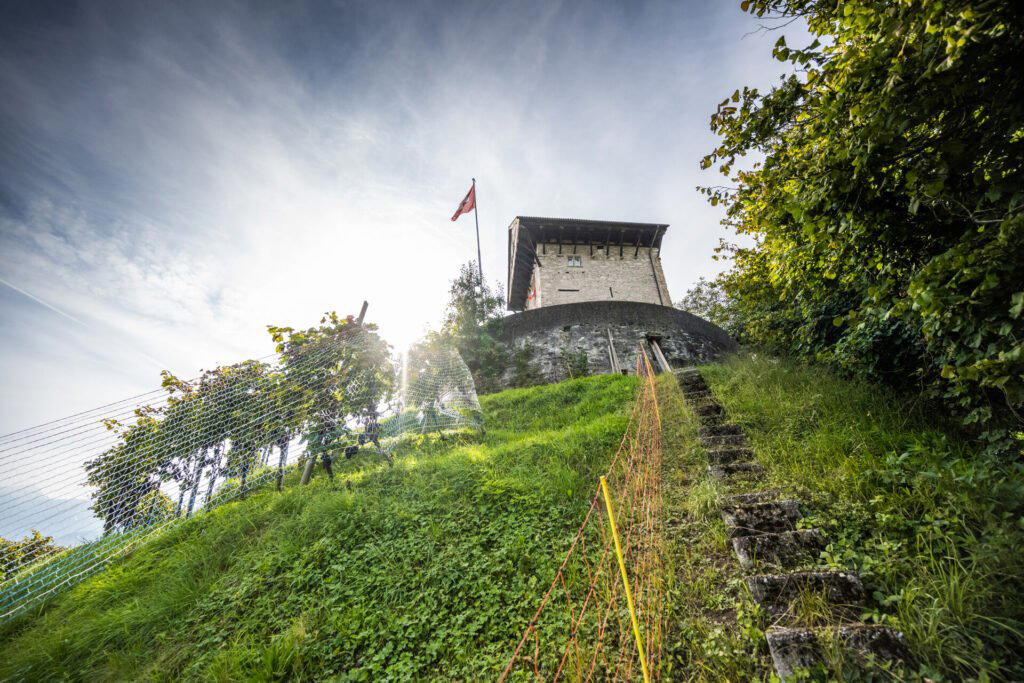
Bars in Balgach
Browse all →
Restaurants in Balgach
Browse all →
At a Glance
- Rustic
- Scenic
- Quiet
- Classic
- Solo Exploration
- Wine Education
- Estate Grounds
- Vineyard Tour
- Vineyard
- Mountain
- St. Gallen Rhine Valley
- Still Red
- Still White
- Estate Tasting
- Cellar Tasting
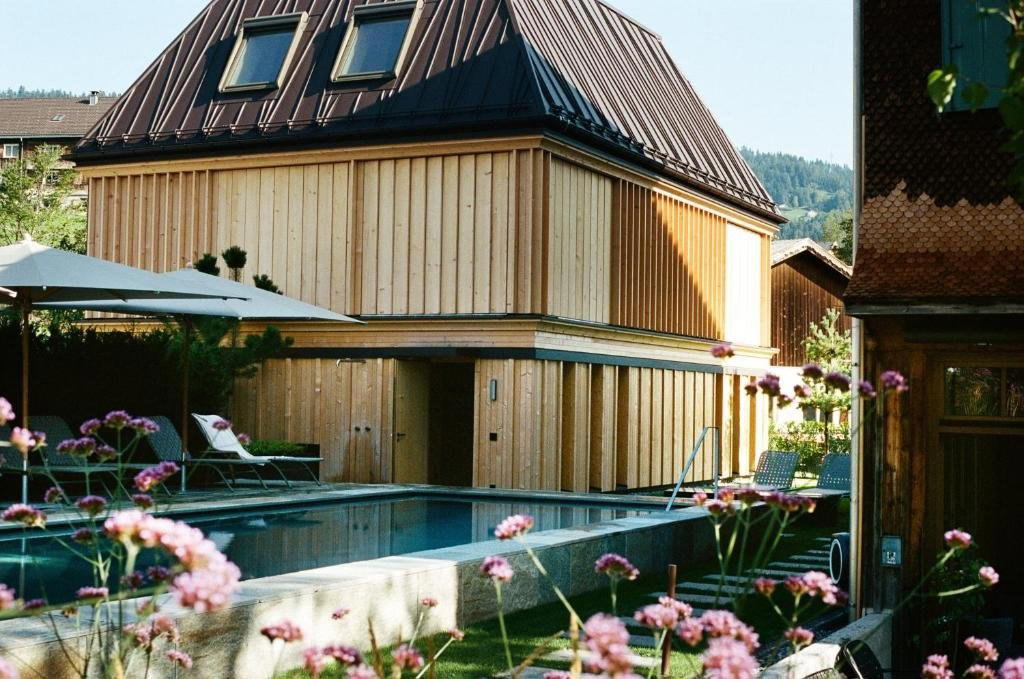
Small, traditional winery atmosphere in the St. Gallen Rhine Valley, likely quiet and rural with a focus on careful, artisanal winegrowing rather than tourism infrastructure.