
Falstaff Winery - Listed
Pinhal da Torre is a single-estate Tejo winery in Alpiarça, built around estate fruit, a 1947 working cellar and seven Algerian-design concrete vats. The appeal is not spectacle but terroir discipline: hand-harvested grapes, minimal-intervention cellar work, native yeasts and a family lineage that has shaped wine at Quinta de São João for eight generations.

Pearl is the En Primeur Club membership app — saves, bookings, and concierge access live there. Same editors, same standards.
- Address
- Alpiarca, Portugal
- Directions
- Get directions

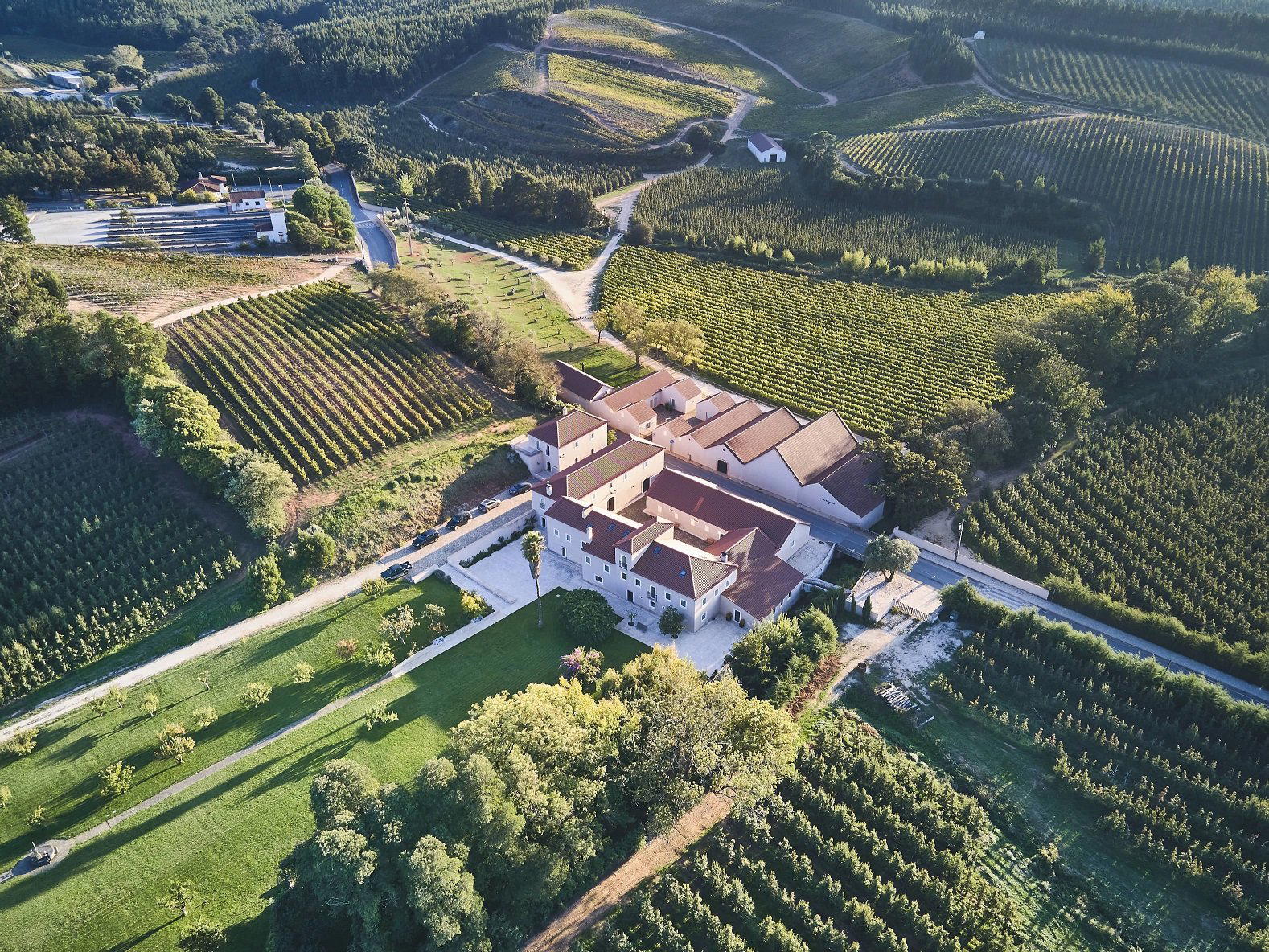
Approaching Pinhal da Torre means entering a working Tejo wine setting rather than a staged showroom. The appeal is direct: a historic single-estate winery in Alpiarca, a working 1940s cellar, Algerian cement vats, and guided visits that connect vineyard, cellar and glass. The point is not flashiness. It is the slower language of time, terroir and minimal-intervention craftsmanship.
That makes Pinhal da Torre a useful stop for travellers who want context rather than a generic tasting. The estate is best understood through its production setting: vines, cellar work, older infrastructure and a rustic sense of continuity. In a region where wine tourism can easily become a quick pour and a photograph, this is more compelling as a place to ask how the wine is made, what the cellar contributes, and why the property presents itself through patience rather than polish.
For planning, keep the location simple: Pinhal da Torre is in Alpiarca. The public pricing is $33 per person. Beyond that, visitors should treat the experience as a guided winery visit rather than assume restaurant service, a particular menu, a fixed tour length, a specific language offering, walk-in access or any other operational detail not confirmed here.
Tejo terroir seen through estate fruit and old concrete
The strongest signal is the single-estate identity. Pinhal da Torre is not presented here as a broad hospitality complex or a dining destination; it is a Tejo winery where the estate, vineyard setting and cellar are part of the same story. That matters because single-estate wine visits give travellers a more coherent way to read place. Instead of treating wine as a detached product, the visit can connect what is outside in the vineyard with what is inside the cellar.
The working 1940s cellar gives that story weight. Old cellars can be romanticized, but the detail here is practical: this is a functioning production space, not merely a decorative backdrop. The Algerian cement vats are central to the identity described for the venue. They frame the experience around vessel, time and craft, and they help explain why the winery’s appeal is more serious than showy.
It is important not to overstate what is known. What can be said is narrower and more useful: Pinhal da Torre is a historic Tejo estate where the cellar architecture and cement vats are part of the visitor experience, and where the guiding theme is restrained, terroir-focused craftsmanship.
That restraint is the hook. The estate’s positioning is not built around spectacle, celebrity or luxury theatre. It is built around the idea that wine should be understood through time, place and cellar practice. For a serious wine traveller, that can be more valuable than a longer list of amenities.
A tasting format built for education rather than performance
The visitor experience centres on guided vineyard and cellar tours. That is the safest and most useful way to frame a visit: go expecting to learn from the setting, not to rely on unconfirmed extras. The vineyard gives the agricultural context; the cellar gives the production context; the cement vats give a concrete technical point around which the conversation can develop.
This also helps set expectations. Pinhal da Torre should not be described as a restaurant, a lunch stop, a chef-led venue or a tasting-menu destination on the basis of the information. Nor should travellers assume take-out, delivery, special dietary services, outdoor seating or a full hospitality programme. The grounded case is simpler: a classic, rustic Tejo winery visit with historic infrastructure and guided interpretation.
The $33 per person price gives a practical planning anchor. It is enough to position the visit as a considered wine experience rather than an incidental stop, but it does not by itself confirm what is included beyond the guided winery context described here. Travellers should confirm current availability and visit details directly before arranging the day.
Because the strongest material is educational, Pinhal da Torre will suit visitors who like production stories: how a cellar shapes wine, why older infrastructure still matters, and how an estate presents its sense of place. It may be less suitable for anyone whose main priority is a long meal, nightlife, or a highly designed leisure setting.
How to place it within a Portugal wine itinerary
Pinhal da Torre works well as an Alpiarca stop for travellers exploring the Tejo through wine rather than through a checklist of famous names. Its role is not to compete on spectacle. Its role is to show a rooted estate with a working 1940s cellar, Algerian cement vats and a guiding emphasis on time, terroir and minimal-intervention craft.
For a broader day in Alpiarca, compare it only in general terms with other local dining or travel options, rather than assuming those places offer the same kind of wine context. Pinhal da Torre’s distinction is the winery itself: the estate setting, the cellar, the vats and the guided vineyard-and-cellar format.
The editorial case is therefore clear. Choose Pinhal da Torre if you want a classic, rustic Tejo winery experience where the physical place matters. It is a strong fit for travellers who prefer grounded production context over polished performance, and who want to understand Alpiarca through a working estate rather than through invented luxury signals.
Recognition history
Dated appearances from independent guides and award organizations, with the underlying list record or original source where available.
Falstaff Winery - Listed
Falstaff
Continue exploring
More in Alpiarca
Wineries in Alpiarca
Browse all →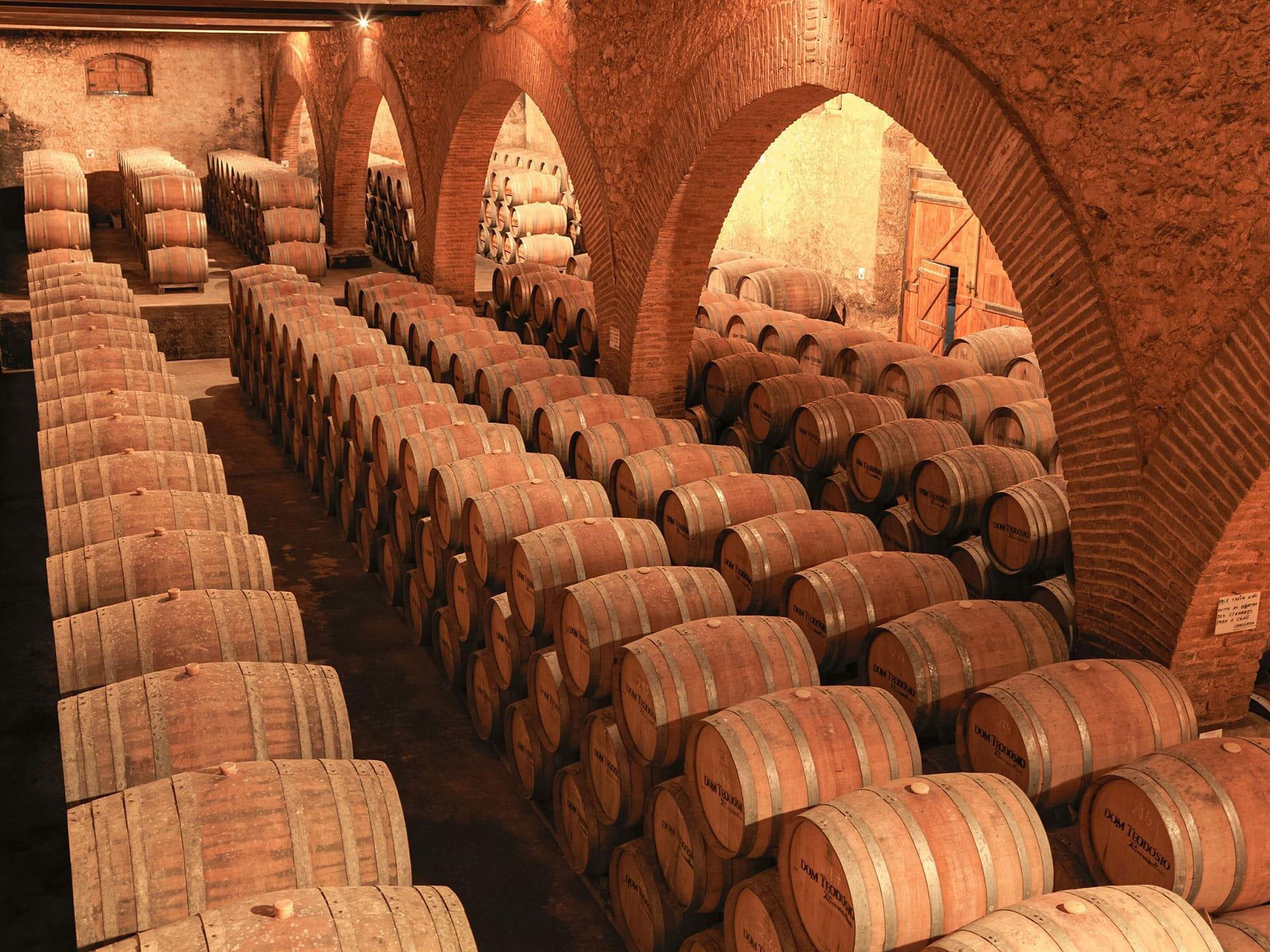
Restaurants in Alpiarca
Browse all →
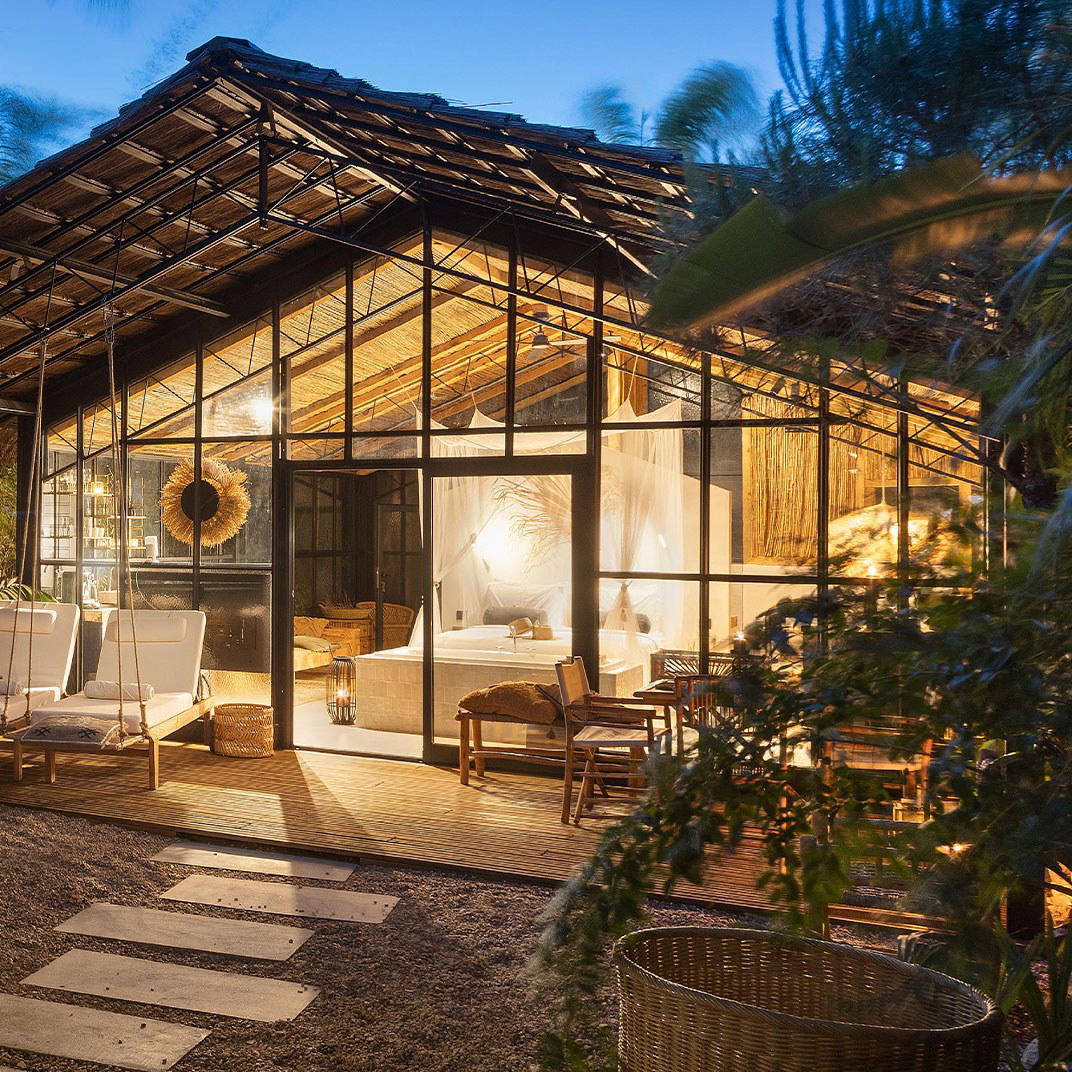
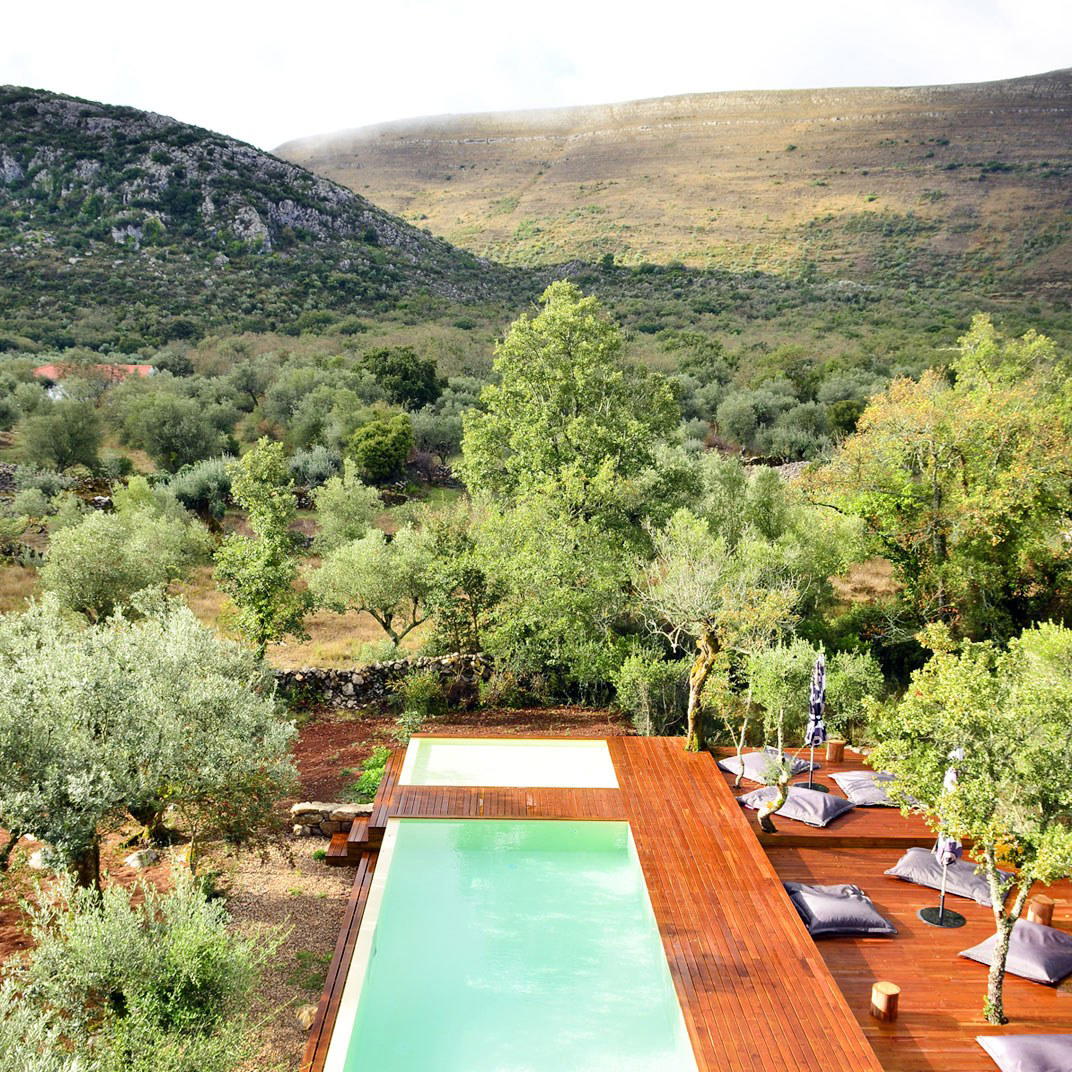
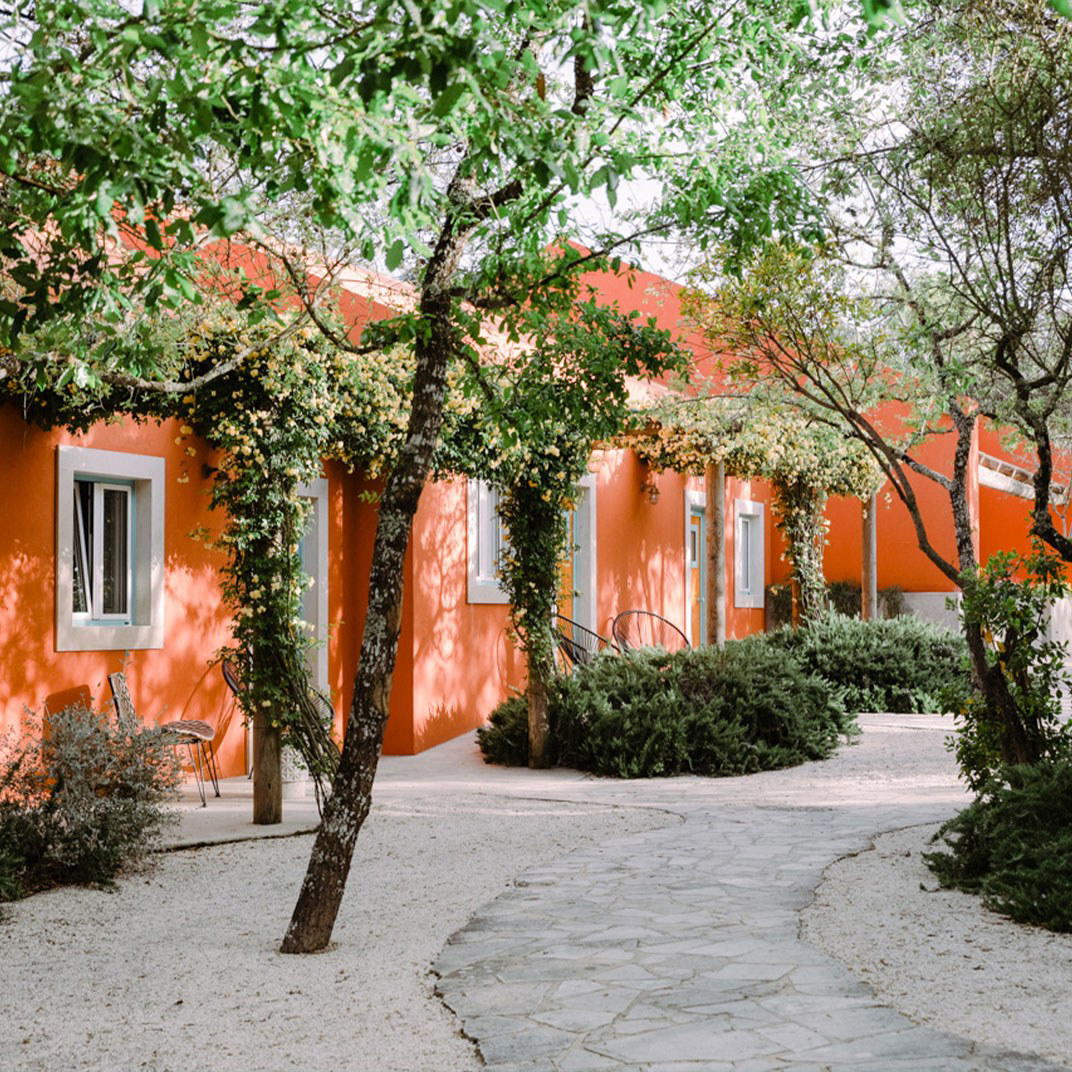
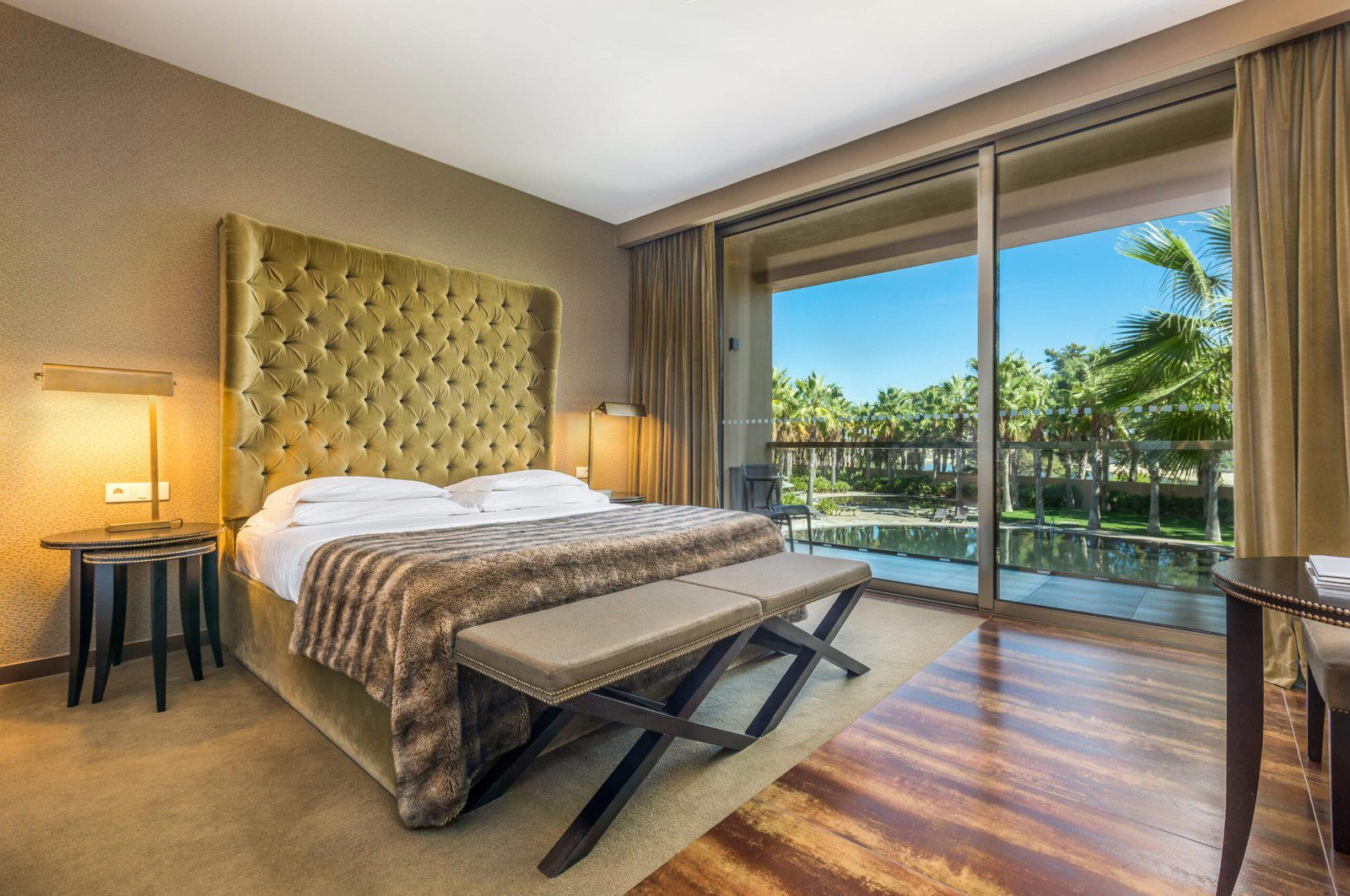
Details
- Classic
- Rustic
- Scenic
- Elegant
- Sophisticated
- Wine Education
- Group Outing
- Romantic Getaway
- Special Occasion
- Solo Exploration
- Vineyard Tour
- Estate Grounds
- Historic Building
- Private Tasting
- Sustainable
- Vineyard
- Touriga Nacional
- Touriga Franca
- Tinta Roriz
- Alicante Bouschet
- Syrah
- Arinto
- Alvarinho
- Fernão Pires
- Verdelho
- Viosinho
- Still Red
- Still White
- Still Rosé
- Guided Group Tasting
- Estate Tour With Tasting
- Private Tasting
- Portuguese
- English
Historic single-estate Tejo winery with a working 1940s cellar and Algerian cement vats, offering guided vineyard and cellar tours focused on time, terroir and minimal-intervention craftsmanship rather than flashiness.