
Michelin Plate
Our verdict
A family-run restaurant near Azambuja's railway station, Tasco da Ilda preserves four generations of Ribatejo culinary heritage under chef Madalena Dias. The dining room mixes colour and warmth, and the adjoining wine cellar highlights small-batch Portuguese producers. Regional recipes meet contemporary technique—occasionally via house-made pickles—anchoring the menu in Ribatejo tradition while pushing it forward.

Pearl is the En Primeur Club membership app — saves, bookings, and concierge access live there. Same editors, same standards.
- Address
- Rua Jaime da Mota, 34, Azambuja, Lisboa, 2050-333, PRT
- Phone
- +351 926 304 053
- Website
- tascodailda.pt
- Directions
- Get directions
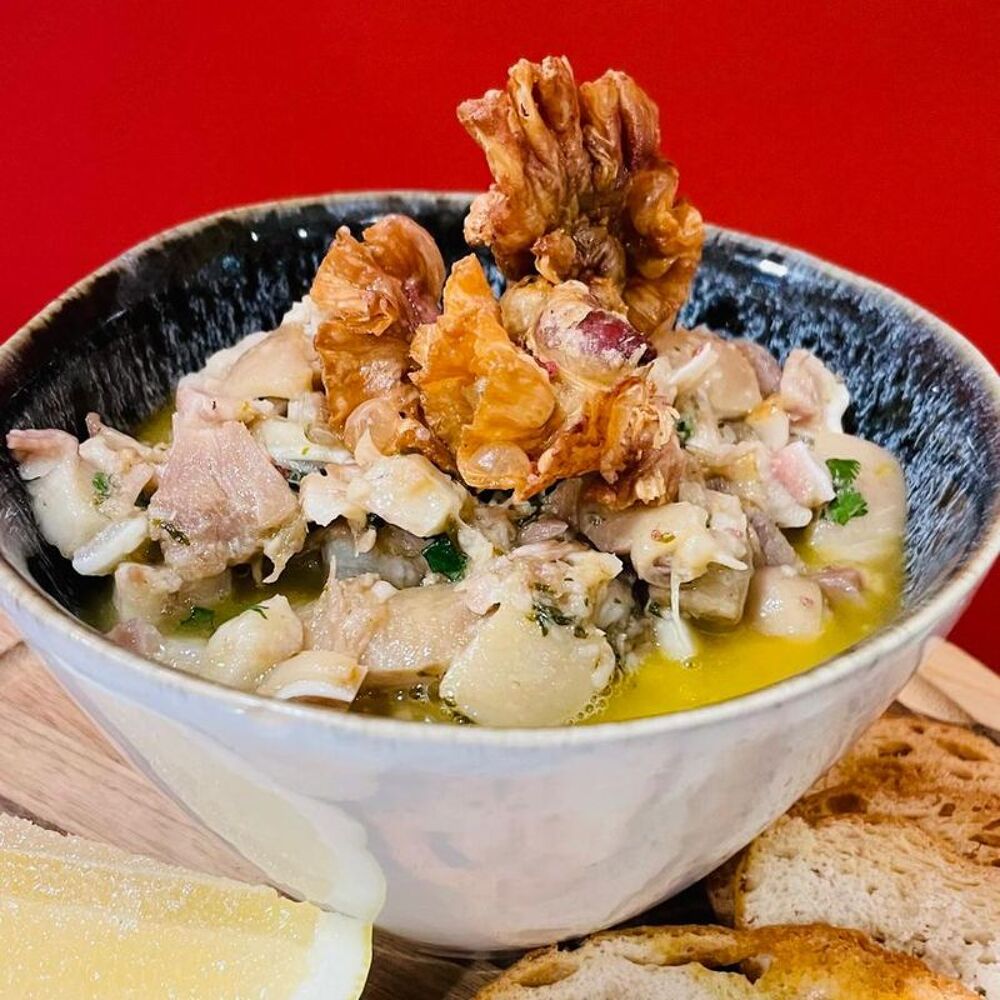
The menu
What to order
- Torricado do Manelito
- Tudo o que luz é ouro
- Os 3 porquinhos
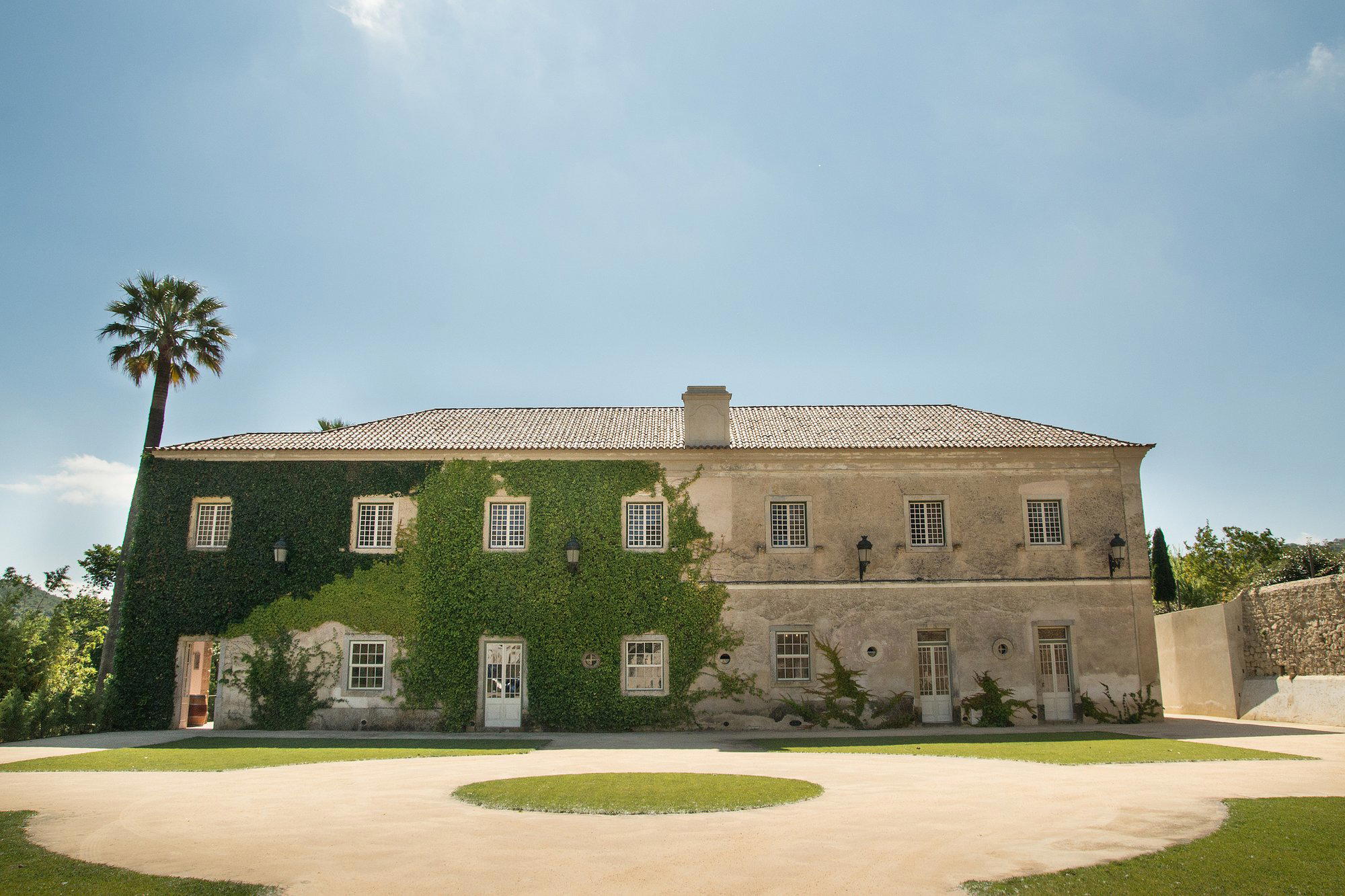
The facade sits a short walk from Azambuja's railway station, unassuming except for the brightly painted trim that signals a different intent from the town's quieter eateries. Inside, Tasco da Ilda leans into colour: terracotta walls, tiled accents, and a handful of communal tables that fill quickly during lunch service. The dining room operates as the public-facing half of a two-part project; the second half is an attached wine cellar that doubles as tasting space and retail counter for small-batch Portuguese labels. The combination reflects chef Madalena Dias's approach, rooted in family recipes passed down through her mother and great-grandmother, but executed with enough contemporary discipline to lift the menu beyond nostalgia. Ribatejo cuisine, defined by river fish, slow-braised meats, and bean-forward stews, provides the foundation; house-made pickles and selective modern technique provide the pivot.
Ribatejo Ingredients, Family Framework
Dias sources locally where seasonality allows, though the Ribatejo's agricultural backbone, wheat, tomato, olive oil, river eel, shapes the menu year-round. The region's proximity to the Tejo estuary means access to freshwater species that seldom appear on coastal Portuguese menus; eel, lamprey, and shad rotate through the kitchen depending on catch. Land-based proteins skew toward pork and lamb, often braised or roasted long enough to soften sinew and concentrate flavour. Beans, broad, white, kidney, anchor many dishes, cooked with smoked sausage or pork fat in the style passed down through Dias's maternal line. The pickles, a relatively recent addition, serve as sharpening agents: house-jarred vegetables cut the richness of stewed meats and offer a bridge between traditional Ribatejo comfort food and lighter, acid-forward plating now common in Portugal's urban dining rooms. The approach hasn't earned Michelin recognition, but regional critics and Azambuja regulars treat the kitchen as a reference point for how to update Ribatejo cooking without stripping its identity.
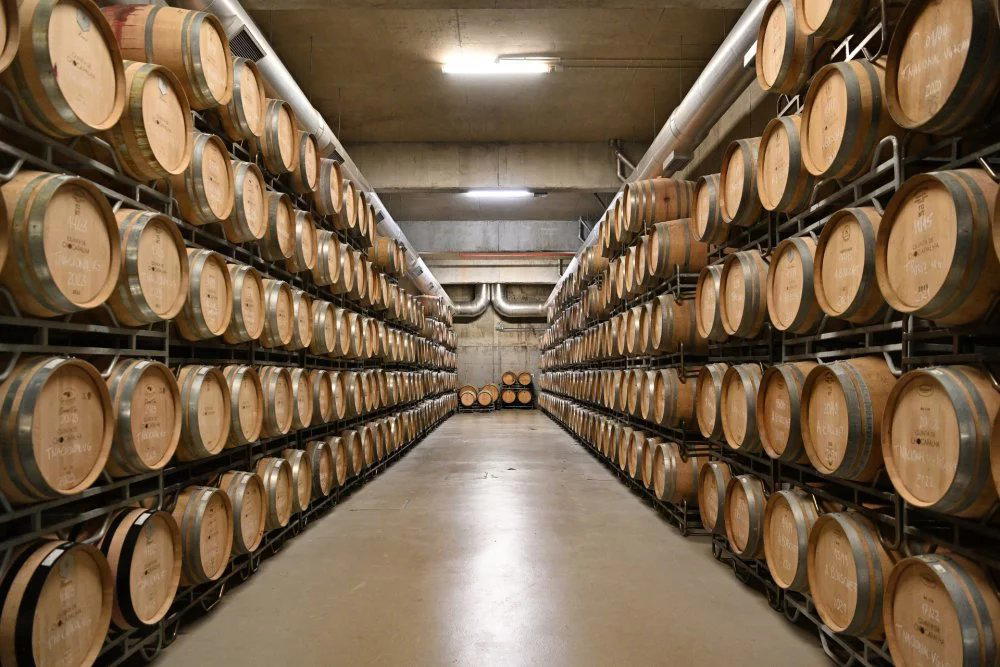
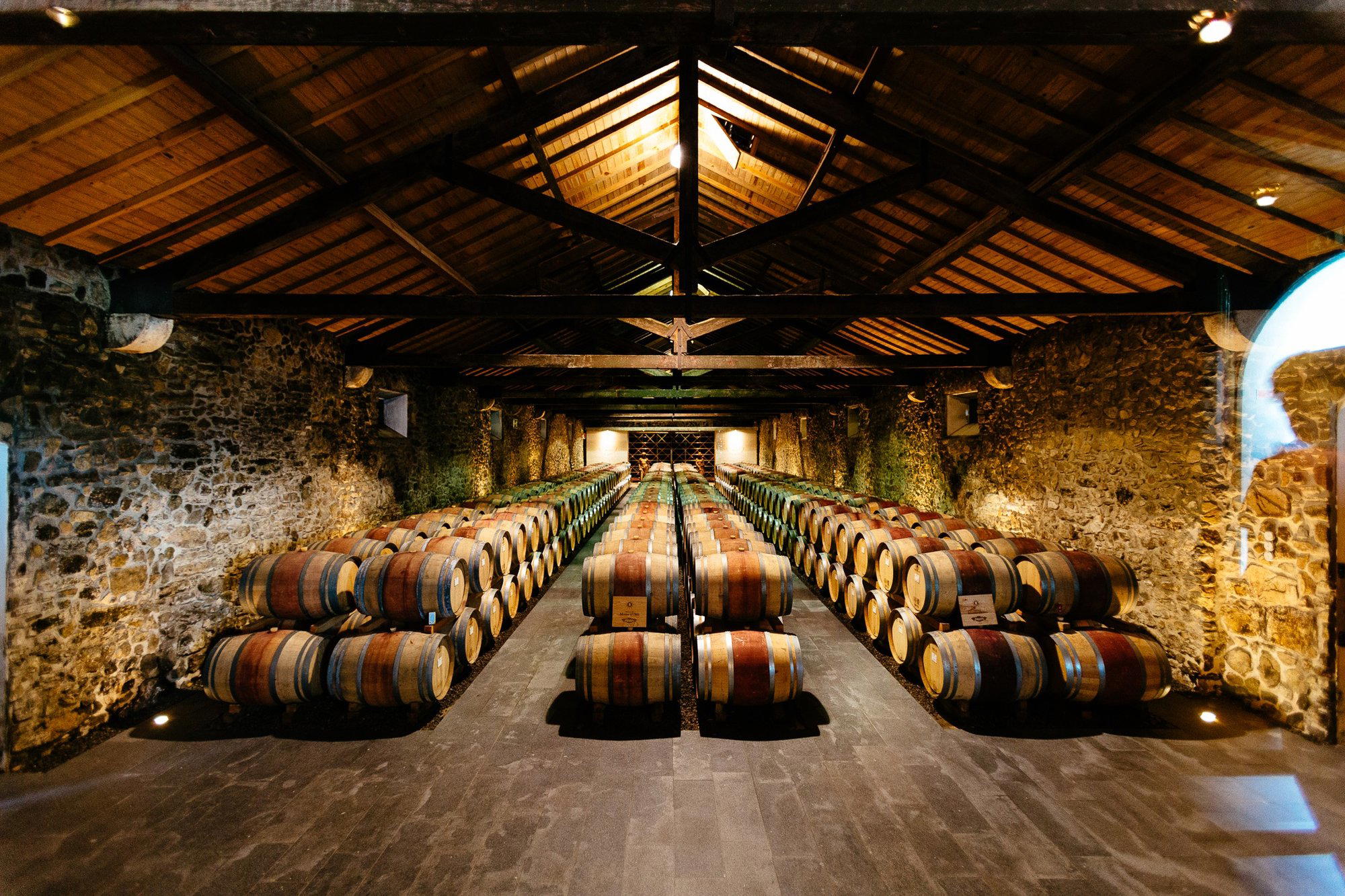
The wine cellar operates as much as editorial project as retail space. Dias curates a roster of small Portuguese producers, many from Alentejo, Dão, and the Lisbon Peninsula, whose output remains difficult to find outside their home regions. Tastings are informal: walk-ins welcome, bottles opened on request, pours paired with cheese or charcuterie from the kitchen. The cellar provides a practical reason to linger after lunch, particularly for anyone traveling the Lisbon-to-Santarém rail corridor who needs a stop between cities. The selection skews toward natural-leaning reds and unfiltered whites, though the list includes enough classic Douro and Alentejo labels to satisfy conservative palates. The cellar also supplies the dining-room list, which rotates frequently enough that regulars check the blackboard before ordering.
Planning and Context
Azambuja sits roughly 40 kilometres northeast of Lisbon, accessible via the Linha do Norte rail line that connects the capital to Porto. The journey from Santa Apolónia or Oriente stations takes 30 to 40 minutes; from the Azambuja platform, Tasco da Ilda is a five-minute walk. The town itself holds little tourism infrastructure, no luxury hotels, few guided experiences, but serves as a functional base for exploring the Ribatejo wine estates and the nearby wetlands of the Lezíria. Most diners arrive for lunch, when the dining room operates at near-capacity and the kitchen runs a daily-special format alongside the core menu. Evening service is quieter, though the wine cellar remains open for tastings until early evening. Walk-ins are accommodated when space allows, but the limited table count makes advance planning advisable during weekends and holidays. For broader context on where Tasco da Ilda fits within the region, see our full Azambuja restaurants guide.
The colourful interior and family-run format place Tasco da Ilda closer to neighbourhood-tavern culture than to Portugal's fine-dining tier, though the kitchen's technical confidence and cellar curation refine it above casual regional spots. Comparable projects, A Bolota in Terrugem or A Carvalheira in Ponte de Lima, share the same mandate: preserve regional recipes without fossilising them, and treat local producers as partners rather than suppliers. The absence of Michelin stars or inclusion on national top-50 lists does not undermine the kitchen's credibility among Portuguese food writers who prioritise ingredient provenance and cultural continuity over novelty. The venue's reputation rests on execution, generational knowledge, and the willingness to let Ribatejo cooking speak for itself.
Azambuja's dining scene remains underdeveloped compared to Lisbon or Porto, but the town's rail connectivity and agricultural surroundings attract visitors interested in less-touristed Portugal. Tasco da Ilda operates within that niche, offering a meal that reflects both place and lineage without performance or artifice. The wine cellar adds dimension, turning a lunch stop into a two-part visit that spans food, wine, and conversation with producers whose work rarely reaches international export channels. For anyone mapping Portugal beyond the coastal capitals, the combination of family-run kitchen and curated cellar makes the detour worthwhile. Additional options in the area can be explored via our full Azambuja hotels guide, our full Azambuja bars guide, our full Azambuja wineries guide, and our full Azambuja experiences guide. For contrast with Portugal's more internationally recognised dining rooms, see 100 Maneiras in Lisbon, 1638 Restaurant & Wine Bar in Porto, or A Cozinha do Paço in Évora.
Frequently asked questions
Is Tasco da Ilda child-friendly?
The restaurant's colorful, welcoming interior and family-recipe foundations suggest suitability for children. Chef Madalena Dias runs the space near Azambuja train station with a focus on preserving her mother's and great-grandmother's culinary legacy, rather than formal fine dining.
What kind of setting is Tasco da Ilda?
A small, colorful space near Azambuja's train station, run by chef Madalena Dias with warmth rather than formality. The adjoining cellar hosts tastings and promotes small Portuguese wine producers, adding a convivial dimension to the Ribatejo cooking on the menu.
What awards or recognition does Tasco da Ilda have?
Tasco da Ilda has received recognition including: Este pequeno restaurante, localizado nas proximidades da estação de comboio, é conduzido com dedicação pela chef Madalena Dias, uma mulher que, a base de muito trabalho, soube preservar e perpetuar o legado culinário herdado tanto da sua mã….
Where do I go for Tasco da Ilda?
Tasco da Ilda is located at Rua Jaime da Mota, 34, Azambuja, Lisboa, 2050-333, PRT, Azambuja.
How far ahead should I plan for Tasco da Ilda?
Tasco da Ilda operates as a neighborhood restaurant 40 kilometers northeast of Lisbon, accessible via the Linha do Norte rail line. Reservations are advisable for weekend lunch or dinner, though weekday walk-ins are typically accommodated given the restaurant's small footprint.
What has Tasco da Ilda built its reputation on?
Chef Madalena Dias's preservation of family recipes handed down from her mother and great-grandmother, adapted to honor Ribatejo ingredients like river eel, olive oil, and tomato. Her use of pickles within traditional preparations and the adjoining wine cellar for small-producer tastings distinguish the restaurant from standard regional taverns.
Quick Comparison
Comparable venues by cuisine and price in the same metro.
| Venue | Cuisine | Awards |
|---|---|---|
| Tasco da IldaThis venue — the venue you are viewing | Contemporary Portuguese & Mediterranean | Michelin Plate |
| Ó Balcão | Modern Cuisine | Not listed |
Recognition history
Dated appearances from independent guides and award organizations, with the underlying list record or original source where available.
Michelin Plate
Michelin
Continue exploring
More in Azambuja
Restaurants in Azambuja
Browse all →
Bars in Azambuja
Browse all →
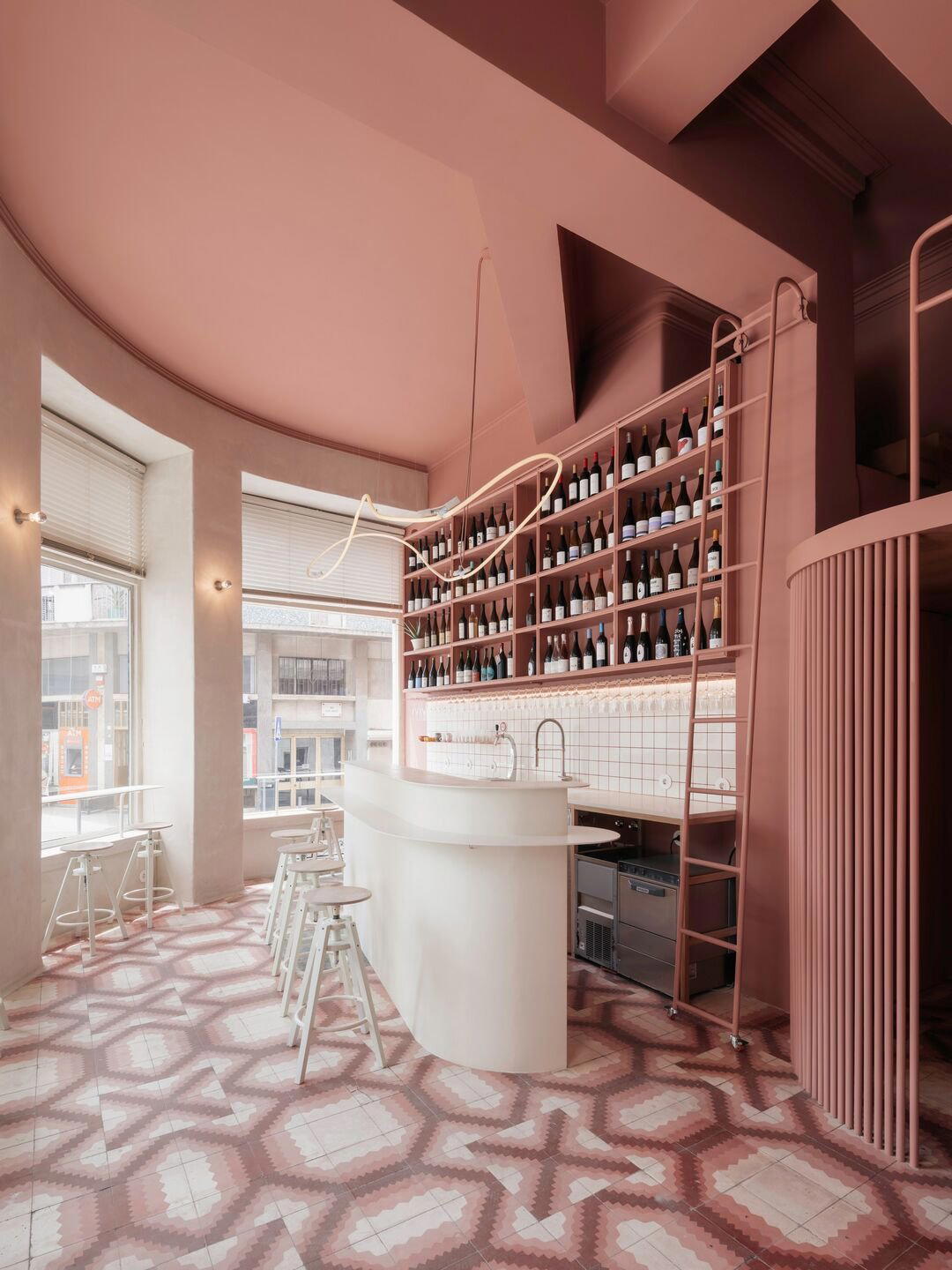
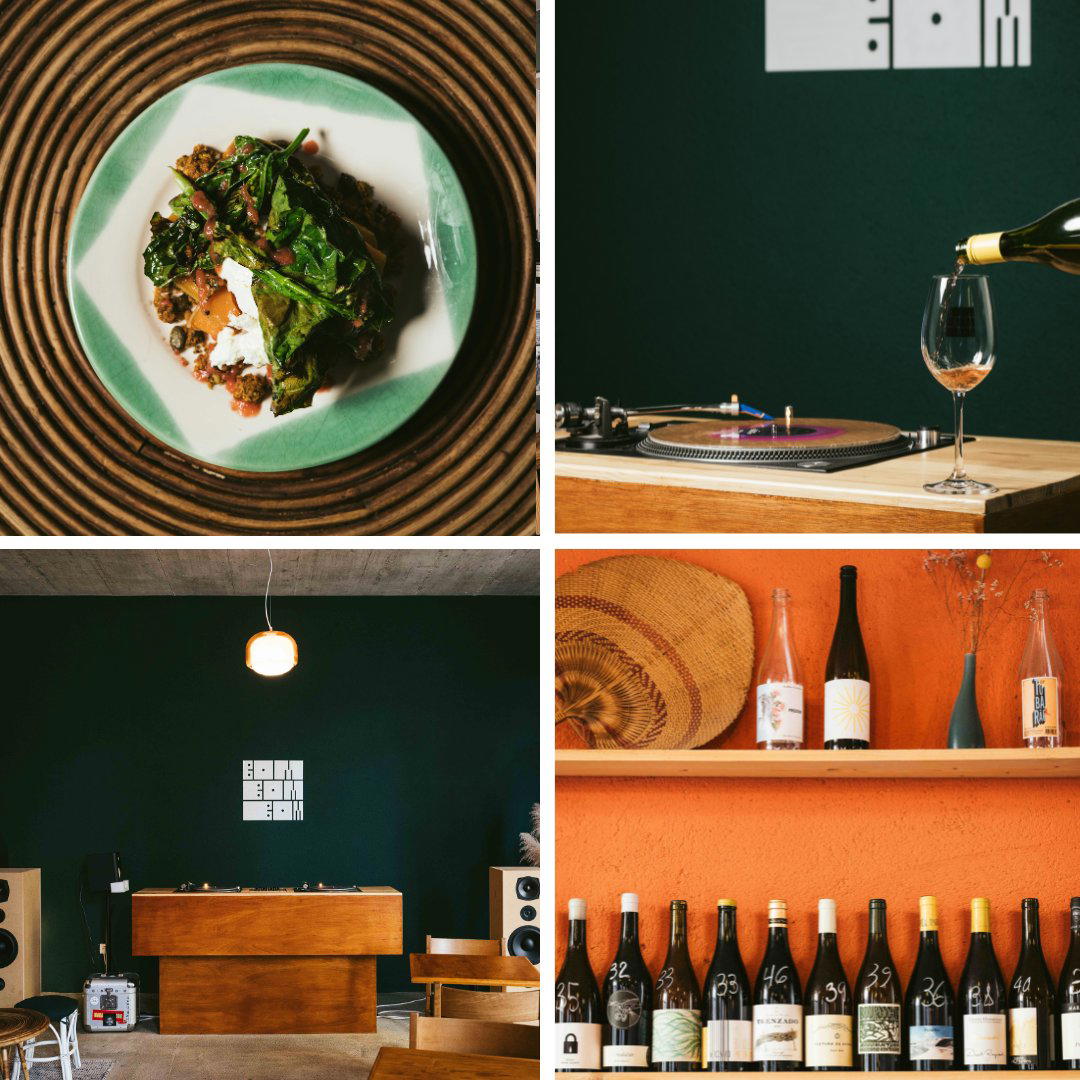
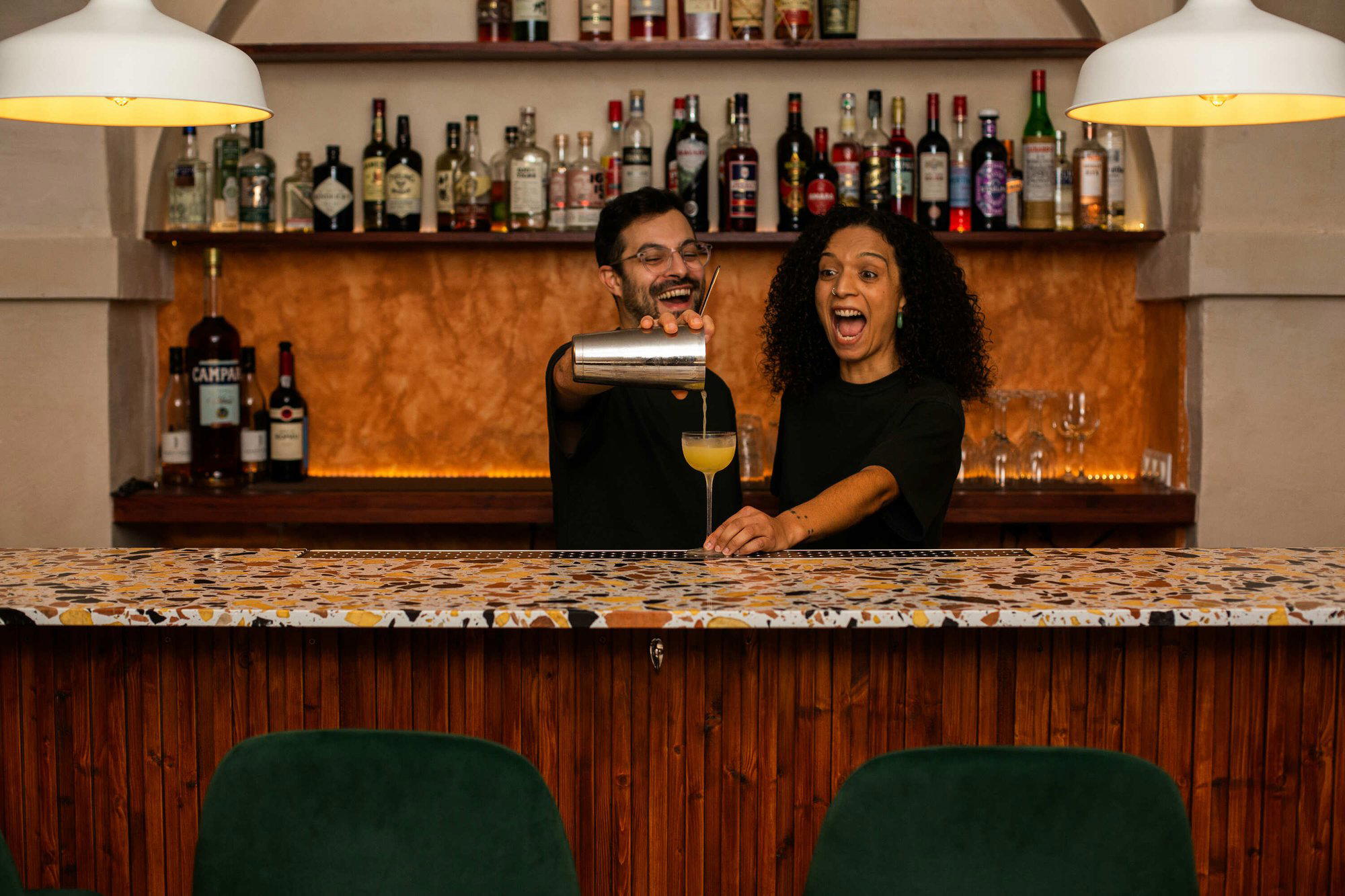
Hotels in Azambuja
Browse all →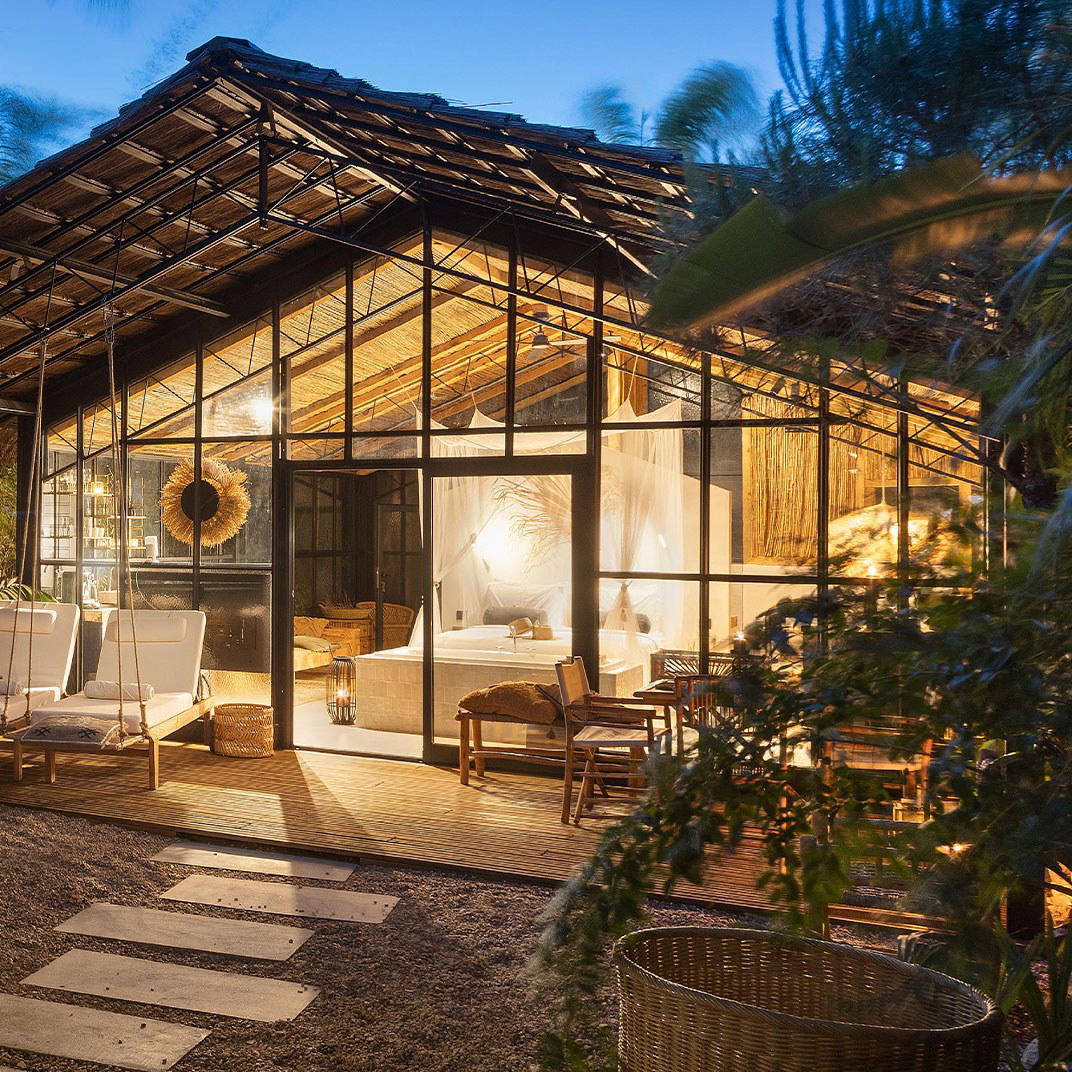

Details
- Cozy
- Rustic
- Lively
- Intimate
- Date Night
- Group Dining
- Family
- Casual Hangout
- Special Occasion
- Standalone
- Design Destination
- Extensive Wine List
- Beer Program
- Local Sourcing
- A La Carte
- Wine
- Beer
- Vegetarian Friendly
A warm, welcoming space styled like a traditional Portuguese tasco, with an intimate dining room, casual service, and an atmosphere many guests describe as lively, cozy, and authentic rather than formal or polished.