Parisio

Falstaff Winery - Listed
Parisio is a family-run Fratelli Parisio wine estate in Capriata d'Orba, rooted in Gavi DOCG and Cortese. Its profile is compact rather than prestige-driven: roughly 15–20 hectares of vineyard, still white wine focus, and a documented 2021 Gavi DOCG Costa Donno Parisio rated 77/100 by WineSurf.

Pearl is the En Primeur Club membership app, where members save venues, book tables and use the concierge.

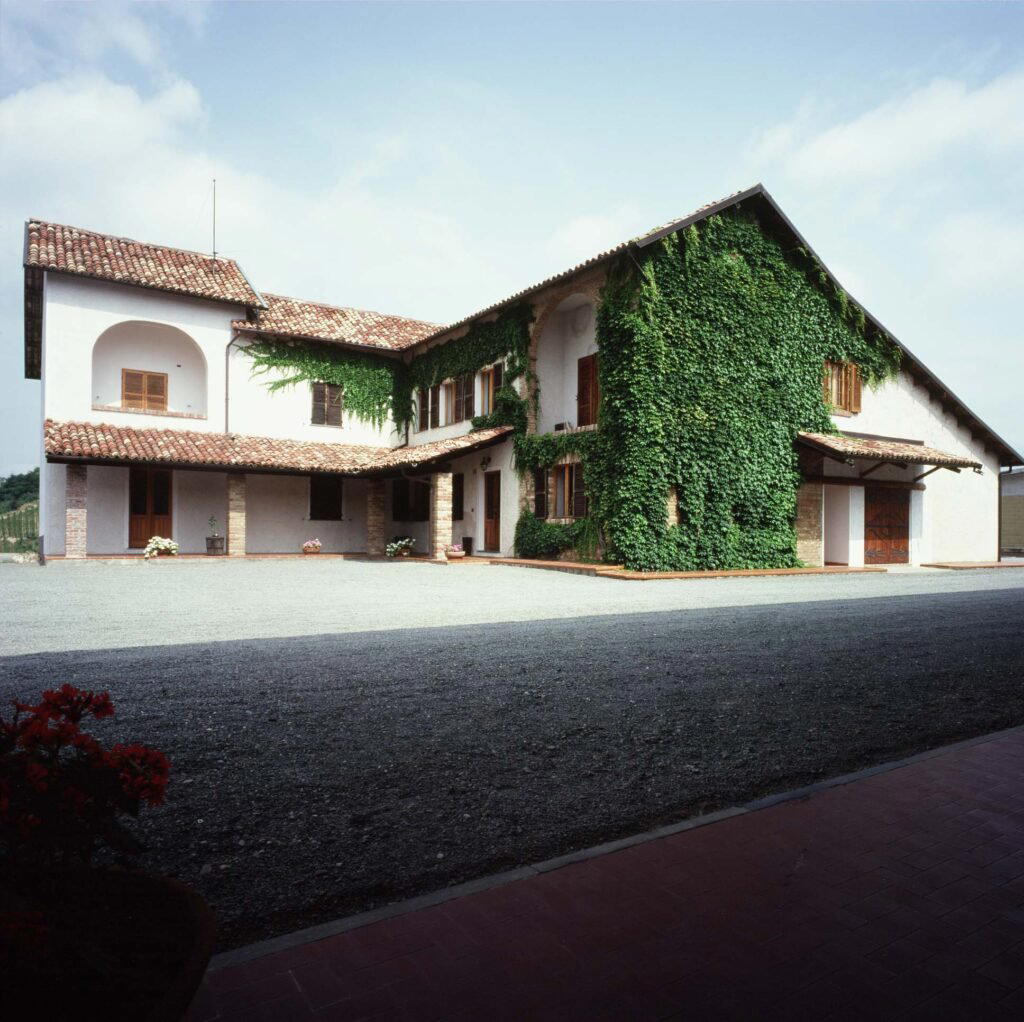
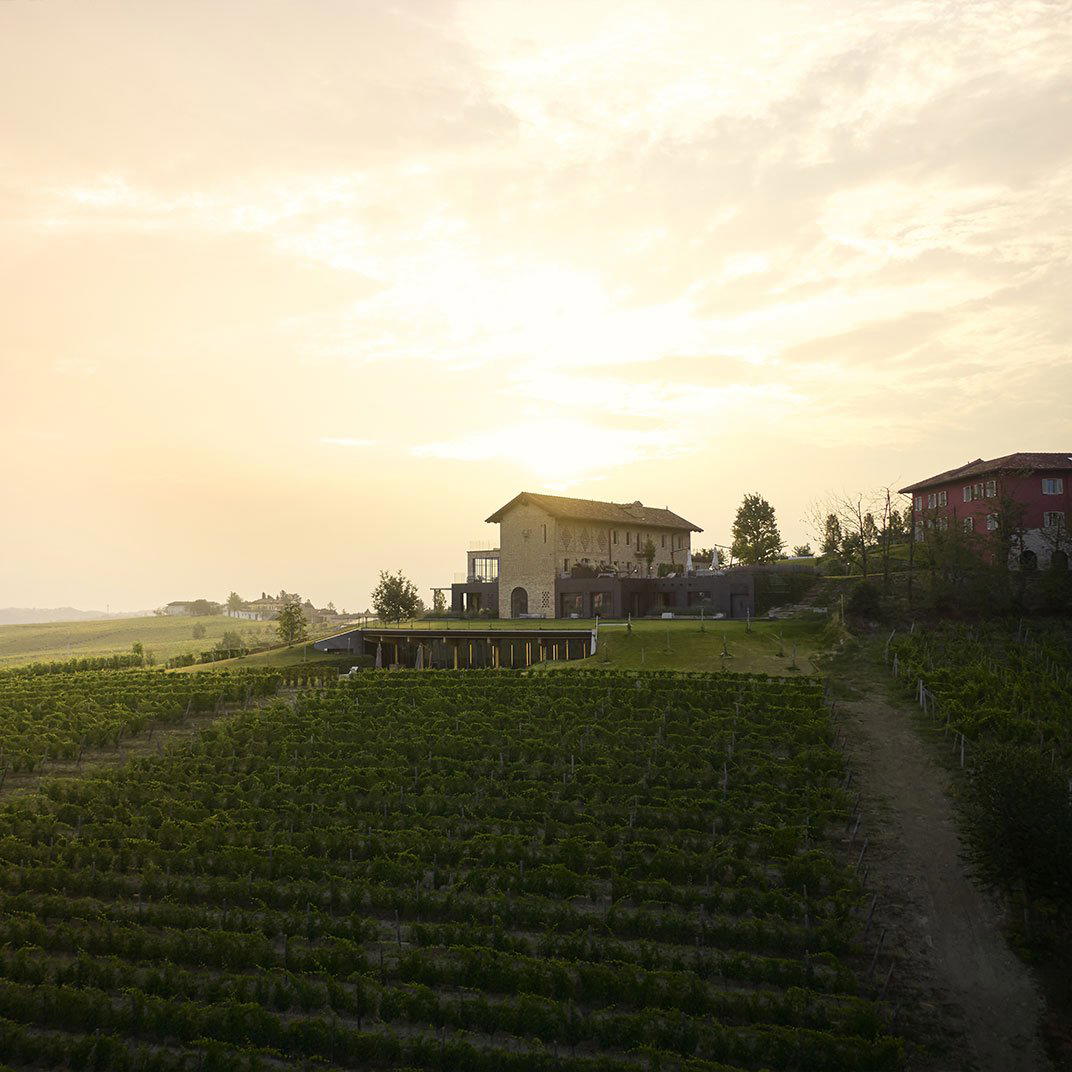
Approaching a Gavi estate in Capriata d'Orba means entering Piedmont by its quieter white-wine door. The larger regional conversation often tilts toward Nebbiolo and age-worthy reds, but this corner of the province works through Cortese, vineyard exposure, and the dry discipline of Gavi DOCG. Parisio belongs to that local grammar: family-run, vineyard-led, and focused on still white wine rather than a broad hospitality performance.
The useful way to read this producer is through scale and restraint. Fratelli Parisio is associated with roughly 15–20 hectares of vineyards, a meaningful footprint for a family property without pushing it into industrial anonymity. The estate’s documented wine identity centers on Gavi DOCG and a named Costa Donno or Costa Donnio bottling, with Cortese as the varietal anchor. In a region where appellation can matter more than cellar theater, that narrowness is not a weakness; it tells the reader where the work is meant to sit.
Gavi DOCG through a compact family estate
Gavi’s appeal depends on precision rather than volume of detail. Cortese can look plain in careless hands, but the denomination’s serious producers use acidity, texture, and site expression to make wines that speak softly but clearly. Parisio’s position inside that tradition is defined by a focused white-wine portfolio, an appellation-led identity, and the family language attached to Fratelli Parisio. The house phrase, “una passione di famiglia che si rinnova nel tempo,” frames continuity as the central story, but the more useful editorial signal is the estate’s concentration on local vineyard work.
The 2021 Gavi DOCG Costa Donno Parisio is the clearest public marker of the range, listed as a white Gavi DOCG with a WineSurf average score of 77/100. That is not a trophy metric, and it should not be read like one. It places the wine in the practical, guide-indexed layer of Italian producer culture: visible, assessable, and tied to a specific vintage, without the distortion of luxury signaling. For travelers mapping Piedmont beyond famous red-wine villages, that kind of modest recognition can be more informative than grand claims.
Terroir expression here is best understood by omission as much as by data. There is no need to invent cellar technique, oak regime, soil chemistry, or parcel mythology to explain the estate. The concrete facts already point in a useful direction: Gavi DOCG, Cortese, a family-run structure, vineyard emphasis, and a compact acreage base. That combination places the producer in the appellation’s grounded middle, where the question is not spectacle but whether the wine carries the clean, local line expected from this northeastern Piedmont zone.
What the portfolio says about Capriata d'Orba
Capriata d'Orba sits in the Gavi orbit, and the town’s wine identity is shaped less by grand tasting-room architecture than by agricultural continuity. A producer such as Parisio helps explain that context because its public face is not built around restaurants, resort amenities, or an expanded leisure compound. The estate’s vocabulary is simpler: vineyards, wines, family, and Gavi DOCG. That is often how the area communicates itself, through producers that make sense as part of a working appellation rather than as standalone travel spectacles.
The narrowness of the visible portfolio matters. A single named Gavi bottling can tell more about a property’s priorities than a crowded list built to satisfy every visitor category. Here, the documented focus stays with still white wine and Cortese, which keeps the reader’s attention on place rather than brand extension. The price positioning also reads as accessible within a premium-travel context, sitting at a moderate level rather than the allocation-driven end of Italian wine tourism.
That makes Parisio a useful reference point for travelers building a Piedmont itinerary around white wine rather than the usual red-wine hierarchy. It is not the estate to frame through celebrity chefs, collector scarcity, or trophy-room credentials. Its relevance is more specific: a family Gavi producer in Capriata d'Orba with a compact vineyard base, a documented appellation bottling, and a direct connection to Cortese. For a broader local map, place it alongside the city’s wine-focused coverage in Our full Capriata d'Orba wineries guide, while nearby planning can be rounded out through Our full Capriata d'Orba restaurants guide, Our full Capriata d'Orba hotels guide, Our full Capriata d'Orba bars guide, and Our full Capriata d'Orba experiences guide.
A quiet data point in Italy's wider producer map
Italy’s winery culture is too varied to reduce to famous appellations and high-scoring bottles. The more revealing pattern is the spread of small and mid-scale producers that define their area through local grapes, family continuity, and modest public recognition. Parisio fits that pattern in Piedmont. For readers comparing how regional identity changes across the country, the contrast is broader than any single: 3GP SRL in Treviso, 47 Anno Domini in Trebaseleghe, A Mano Wine in Noci, and a6mani in Fragagnano show how Italian wine identity shifts by grape, region, and production culture.
That national frame also helps keep expectations precise. A Gavi-focused family estate should be read differently from a Tuscan abbey-linked property, a Campanian coastal producer, or an Austrian winery with a different drinking context entirely. For that wider lens, compare regional pages such as Abbadia Ardenga in Torrenieri, Abbazia di Crapolla in Neapel, Abbazia Monte Oliveto in Asciano, »der Steiner« Hans Steiner in Podersdorf am See, and & Handwein in Mannheim. Within Capriata d'Orba itself, Sassaia gives another local anchor for understanding how the town appears in a wine itinerary.
The editorial verdict is intentionally measured. Parisio is compelling for readers interested in Gavi DOCG at estate scale, not for travelers chasing elaborate visitor infrastructure or trophy recognition. Its strongest signals are concrete: Fratelli Parisio family ownership, a 2006 open-year marker, Cortese, still white wine, a Gavi DOCG appellation focus, roughly 15–20 hectares of vineyard, and a WineSurf-scored 2021 Costa Donno Parisio. In a region often overshadowed by Piedmont’s red-wine fame, that is enough to make the estate a useful stop on the white-wine map of Capriata d'Orba.
Recognition history
Dated appearances from independent guides and award organizations, with the underlying list record or original source where available.
Falstaff Winery - Listed
Falstaff
Continue exploring
More in Capriata d'Orba
Wineries in Capriata d'Orba
All wineries in Capriata d'Orba →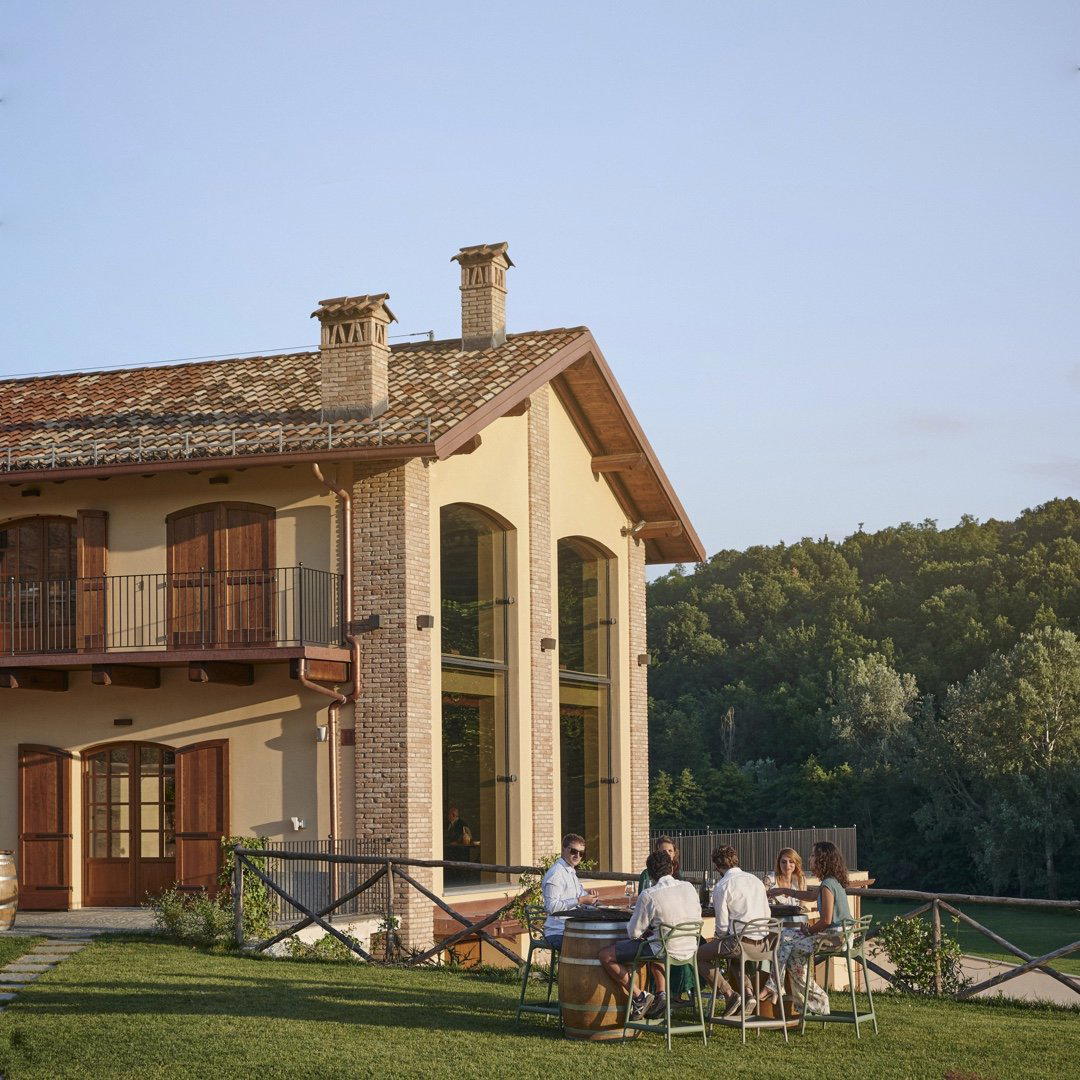
Bars in Capriata d'Orba
Browse all →
Details
- Vineyard
- Cortese
- Still White