
Olivier Bernstein is a Beaune micro-négociant built around small parcels, old vines, and a portfolio weighted toward Premier and Grand Cru Burgundy. The experience is collector-oriented rather than touristic: quiet cellars, tiny lots, Pinot Noir and Chardonnay, and a production model that puts vineyard control ahead of cellar showmanship.
Pearl is the En Primeur Club membership app — saves, bookings, and concierge access live there. Same editors, same standards.
- Address
- Beaune, Cote de Nuits, Bourgogne-Franche-Comté, Frankreich
 Saves & bookings on Pearl
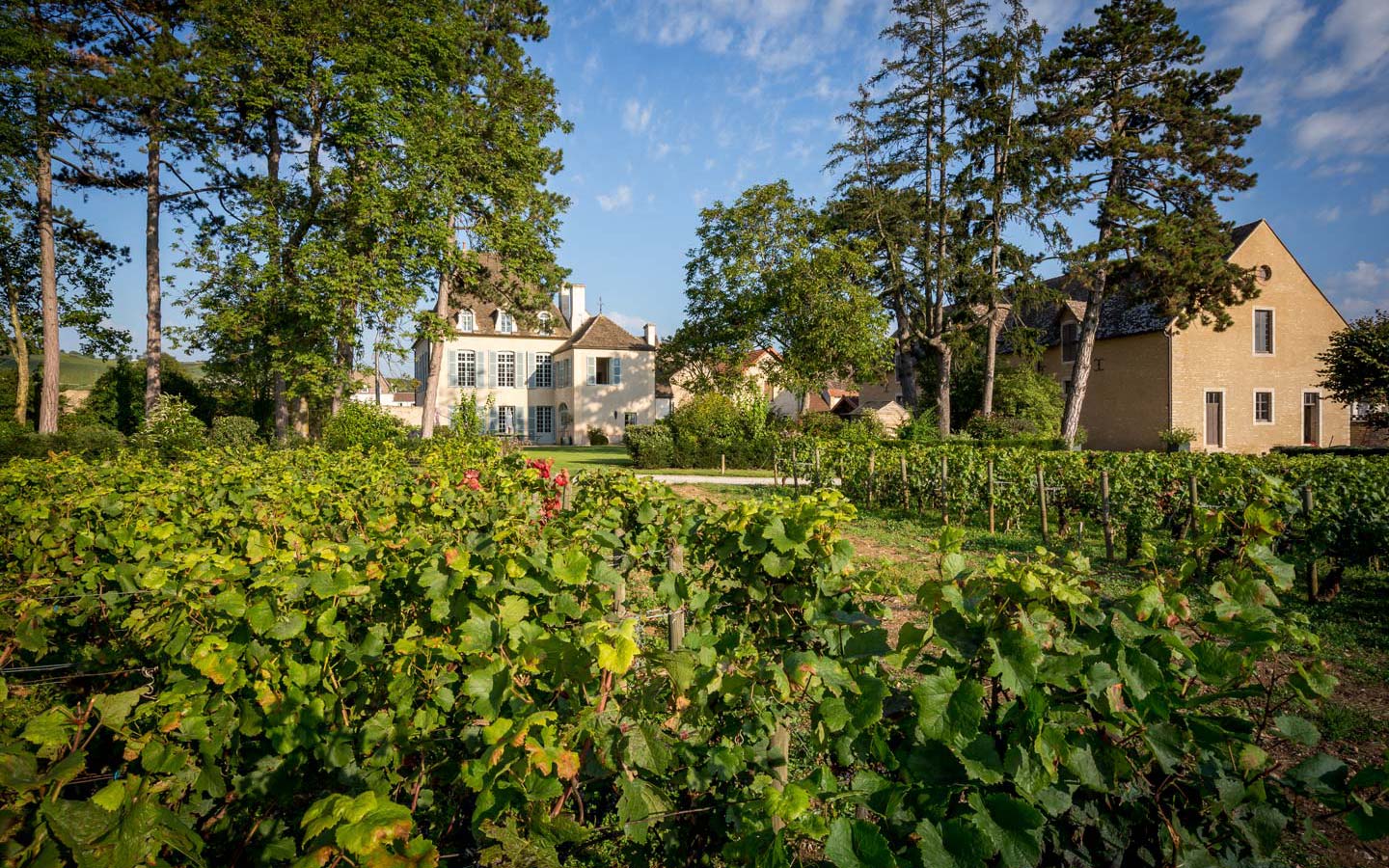
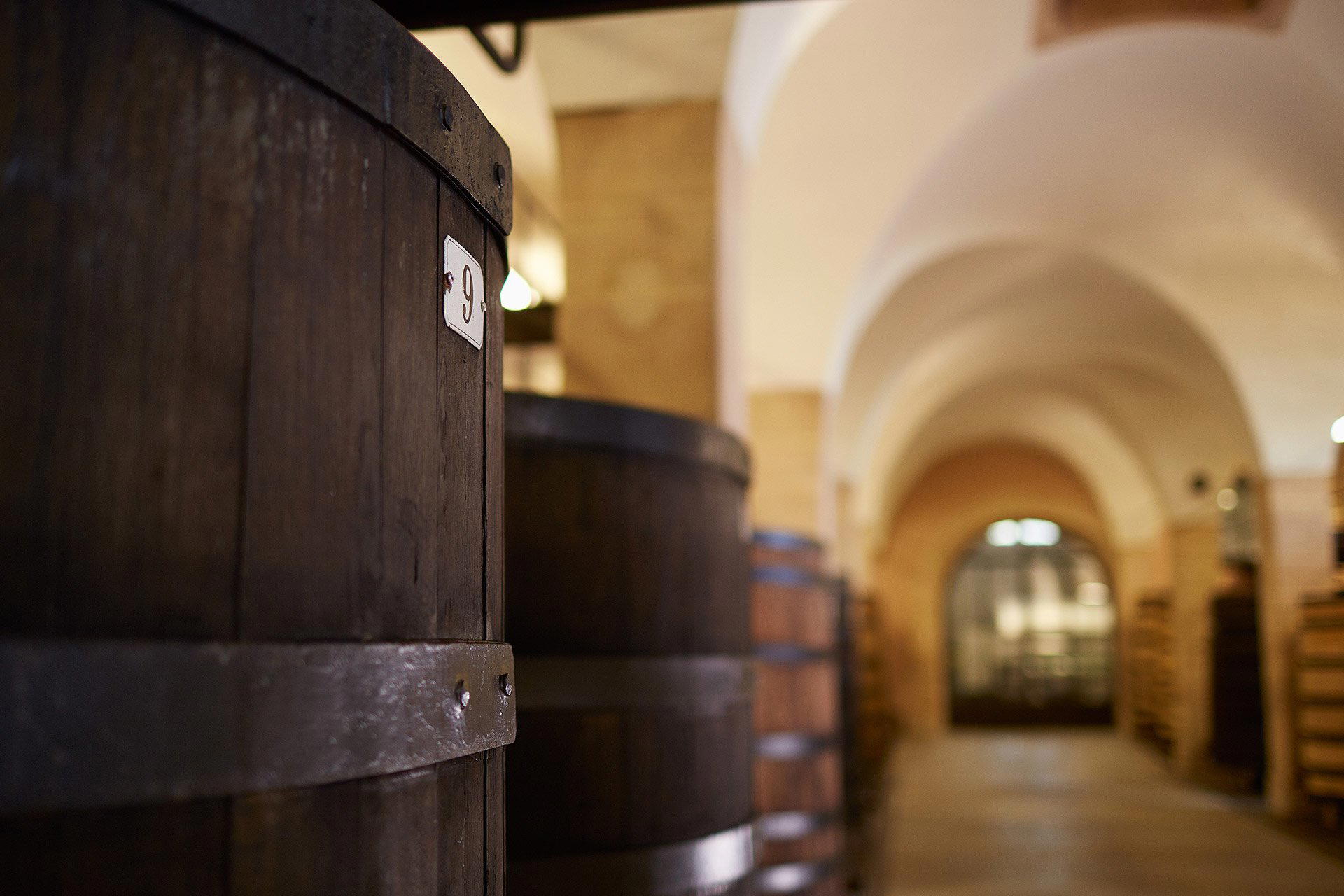
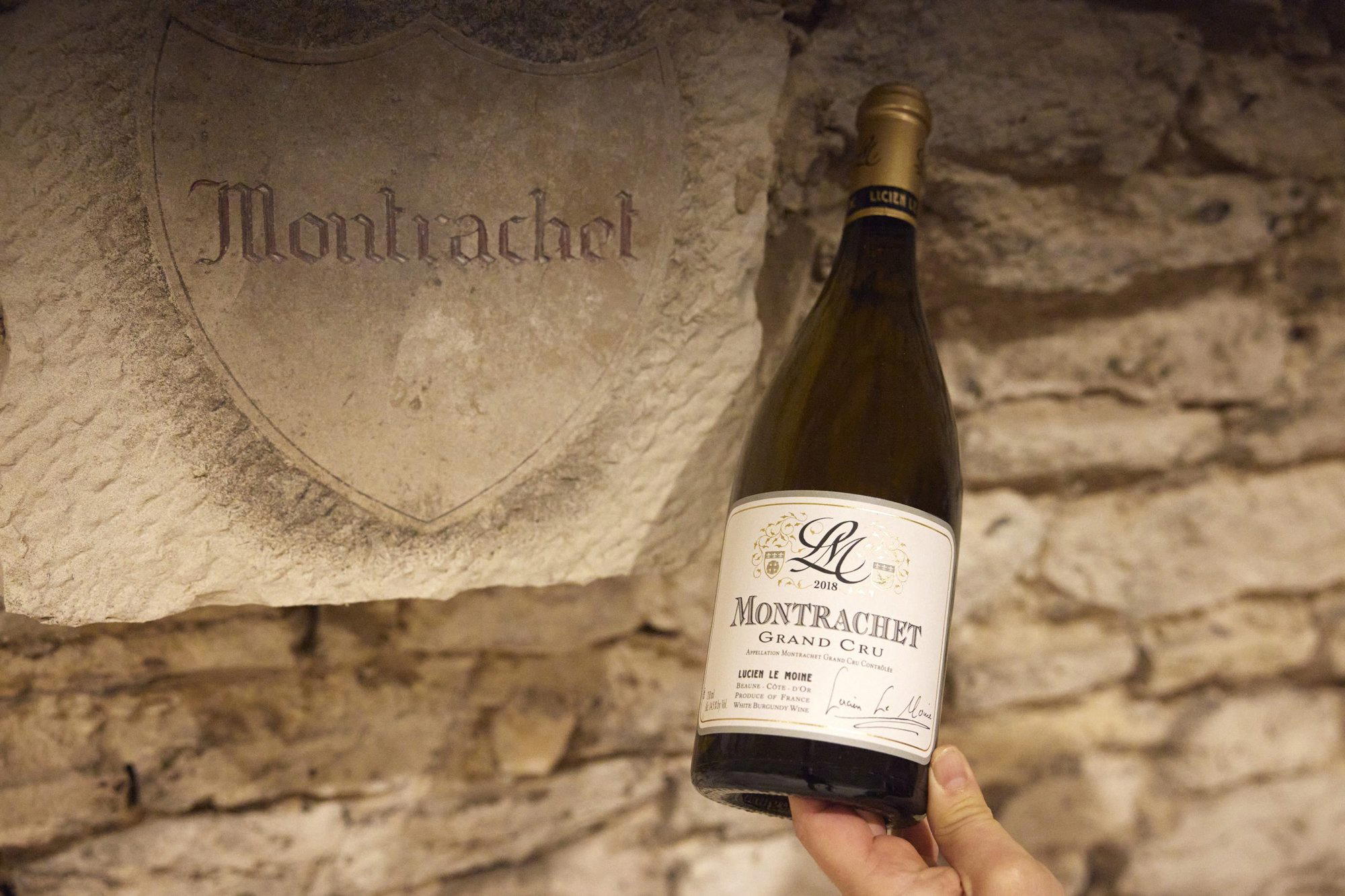
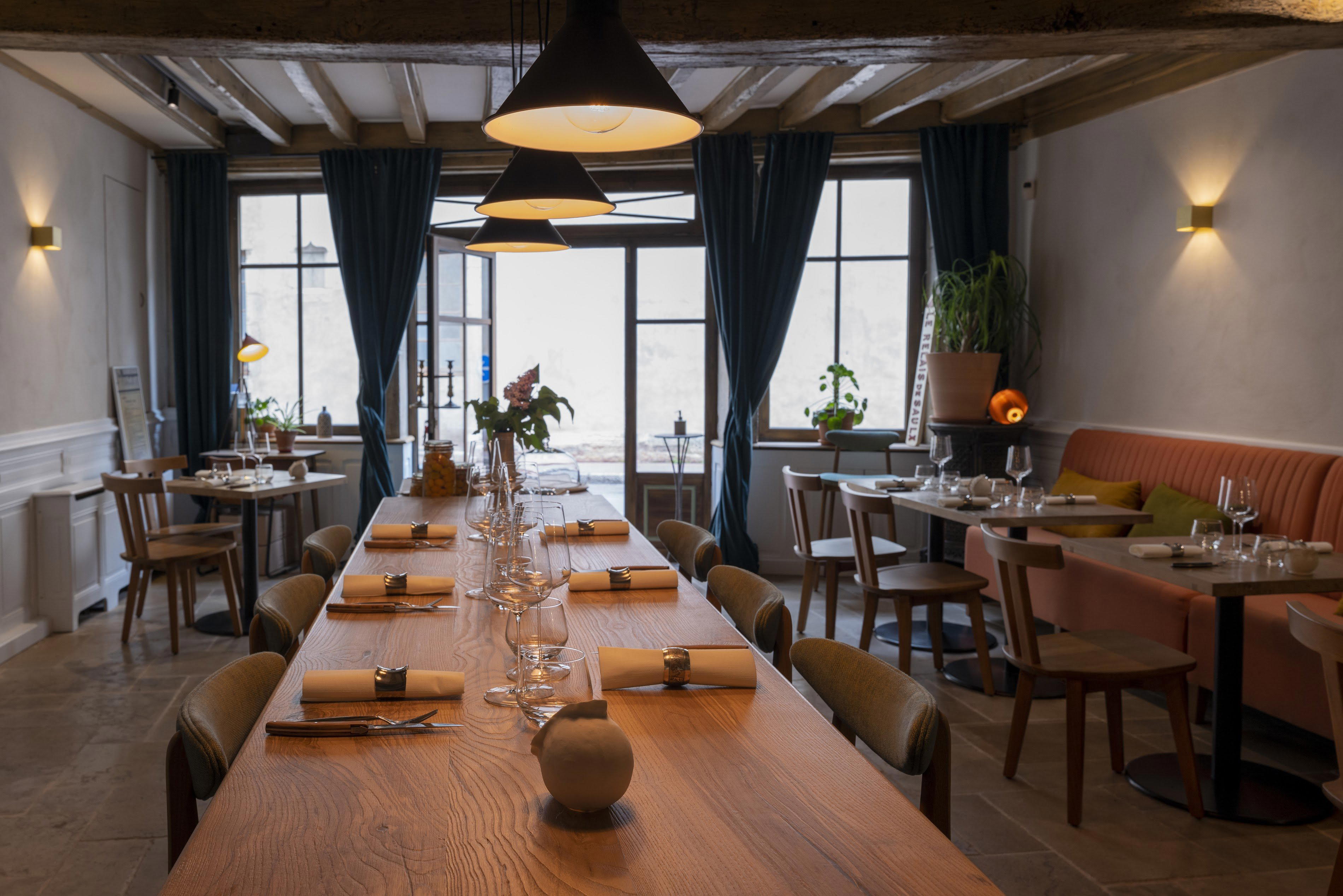
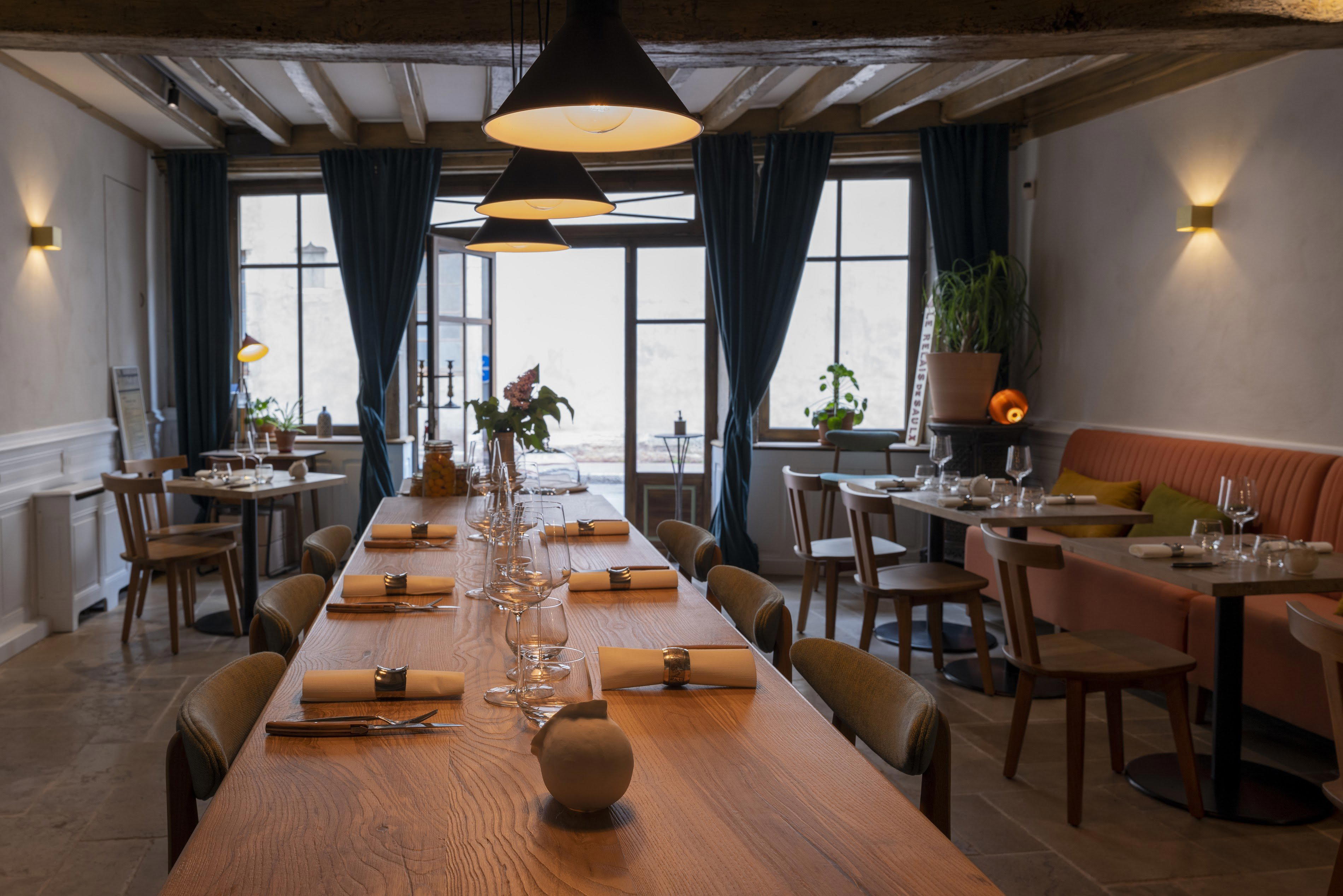
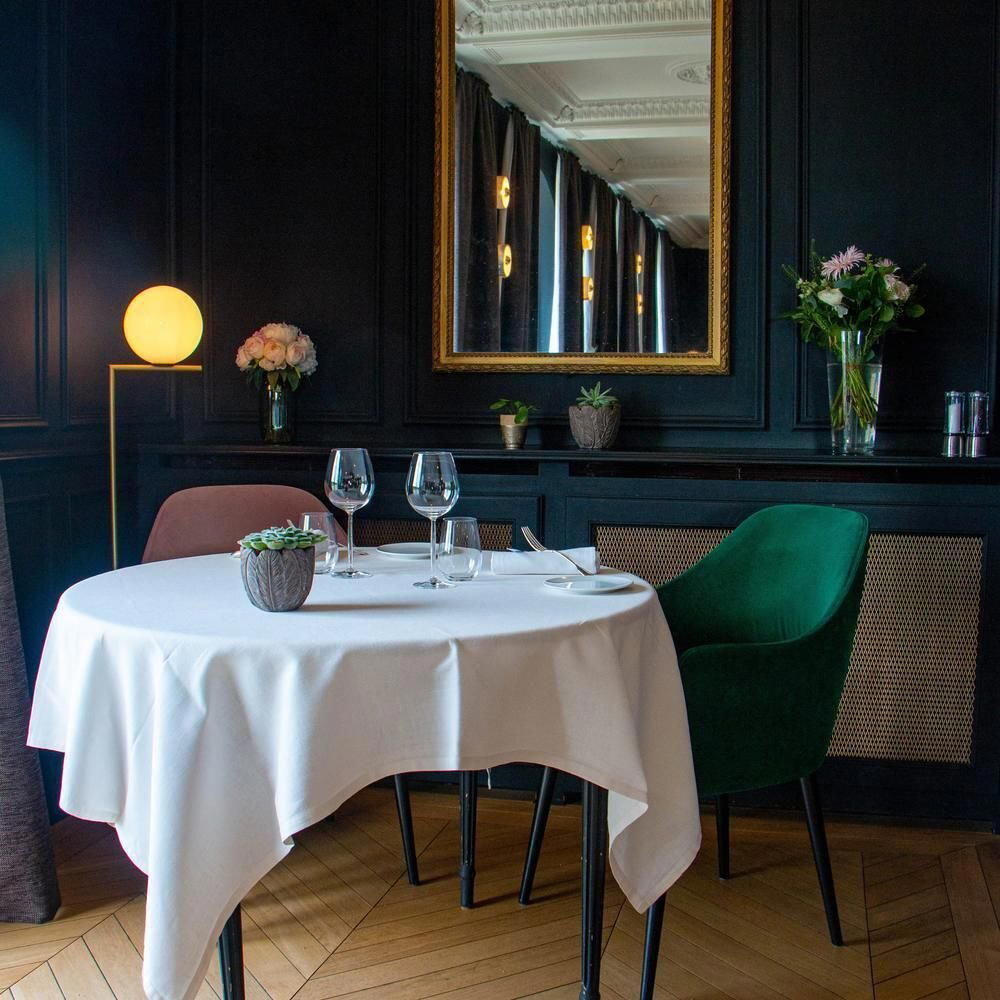
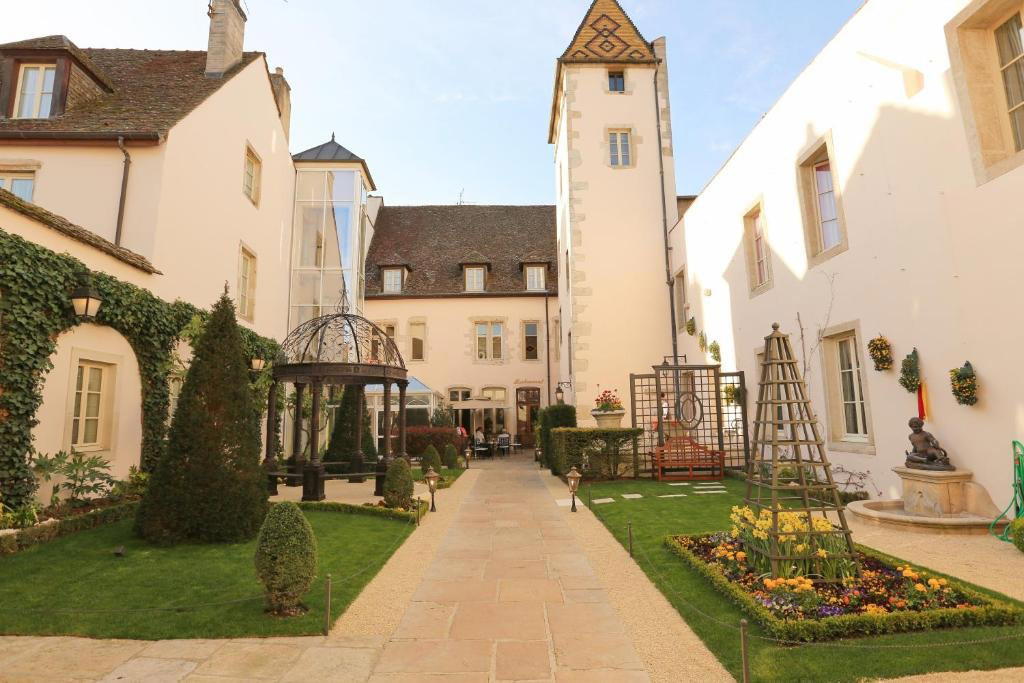
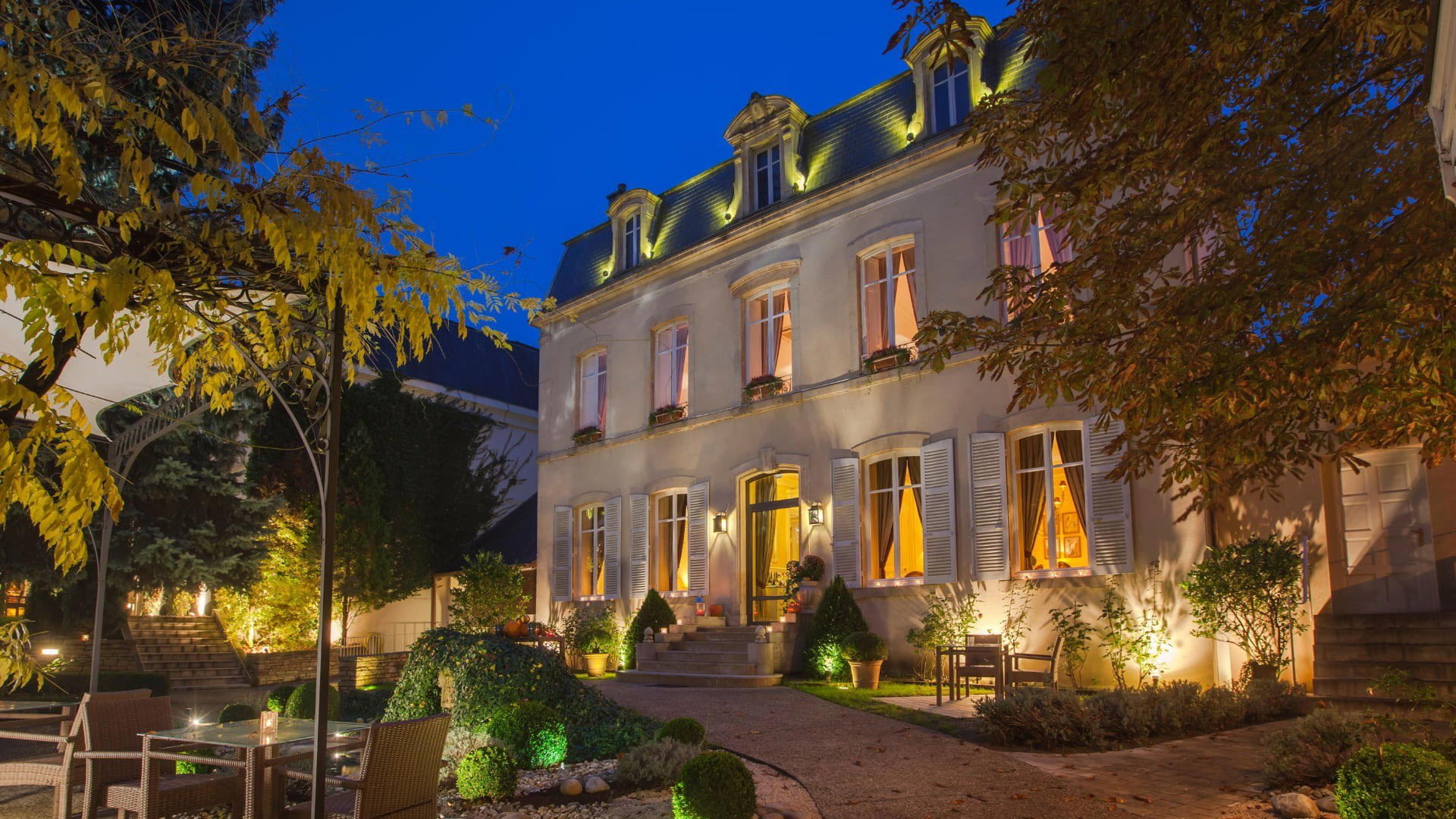
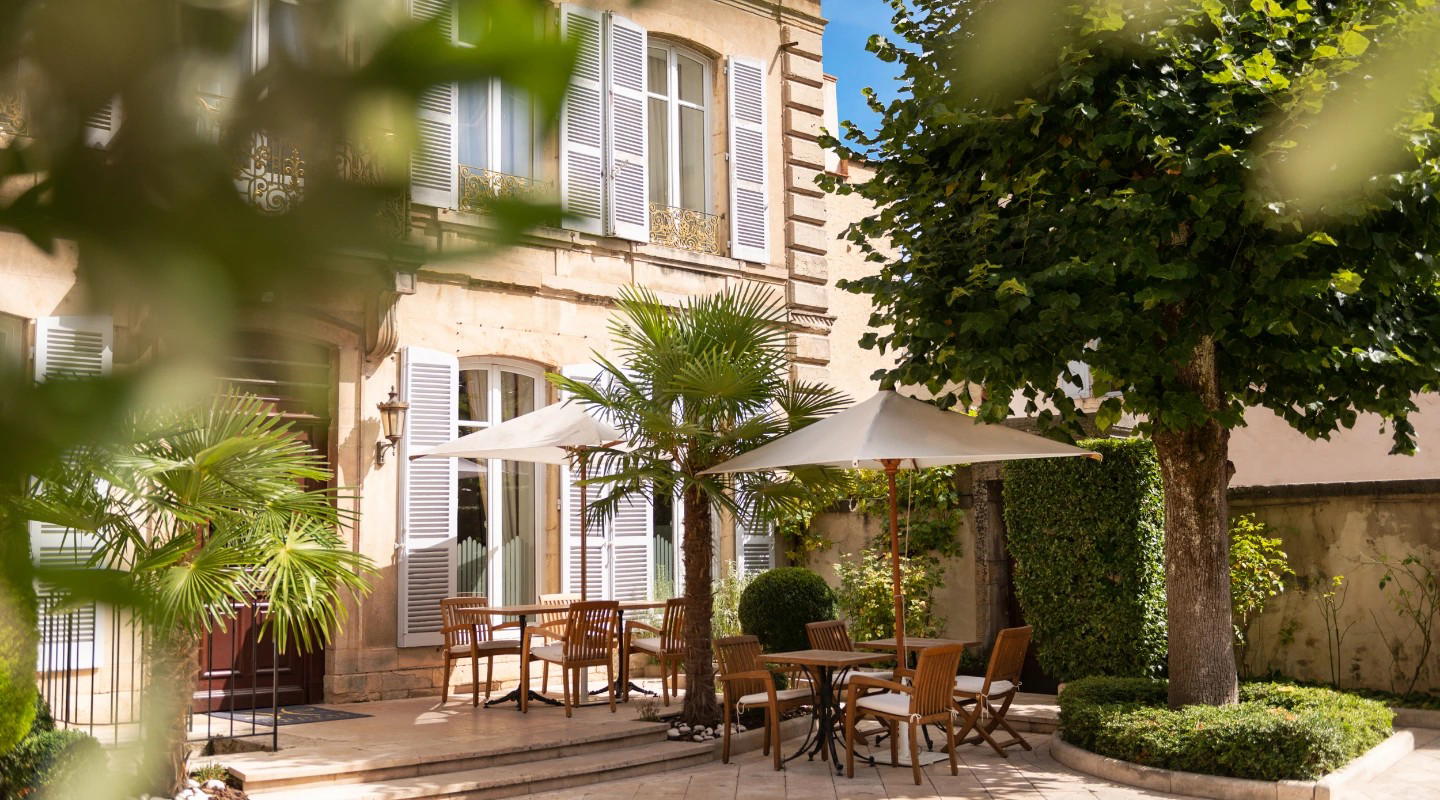
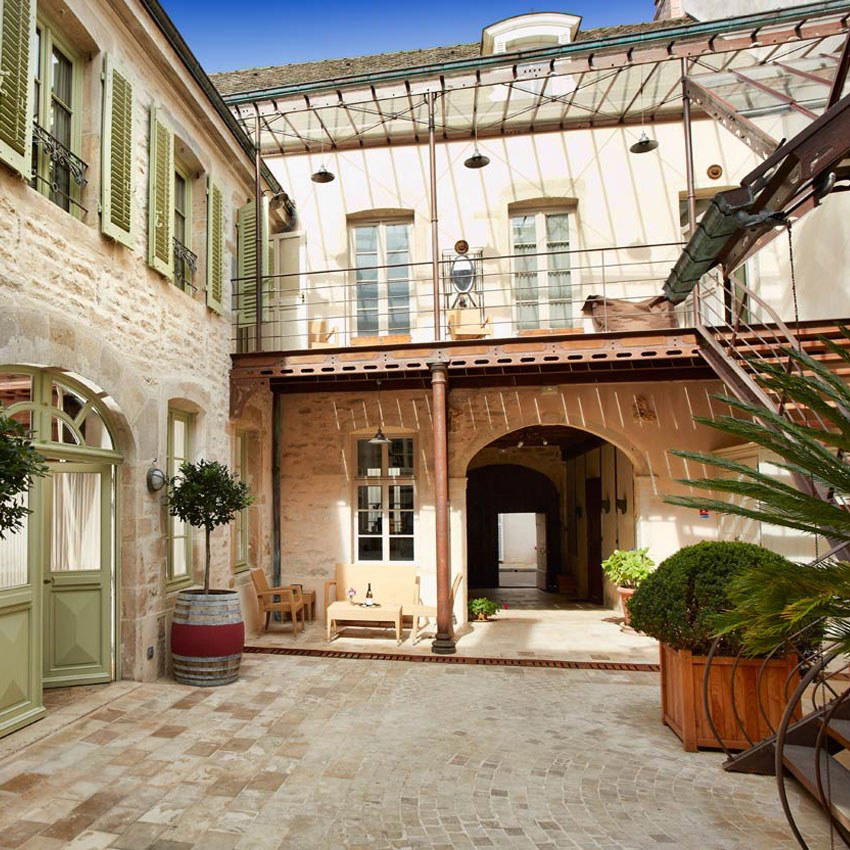
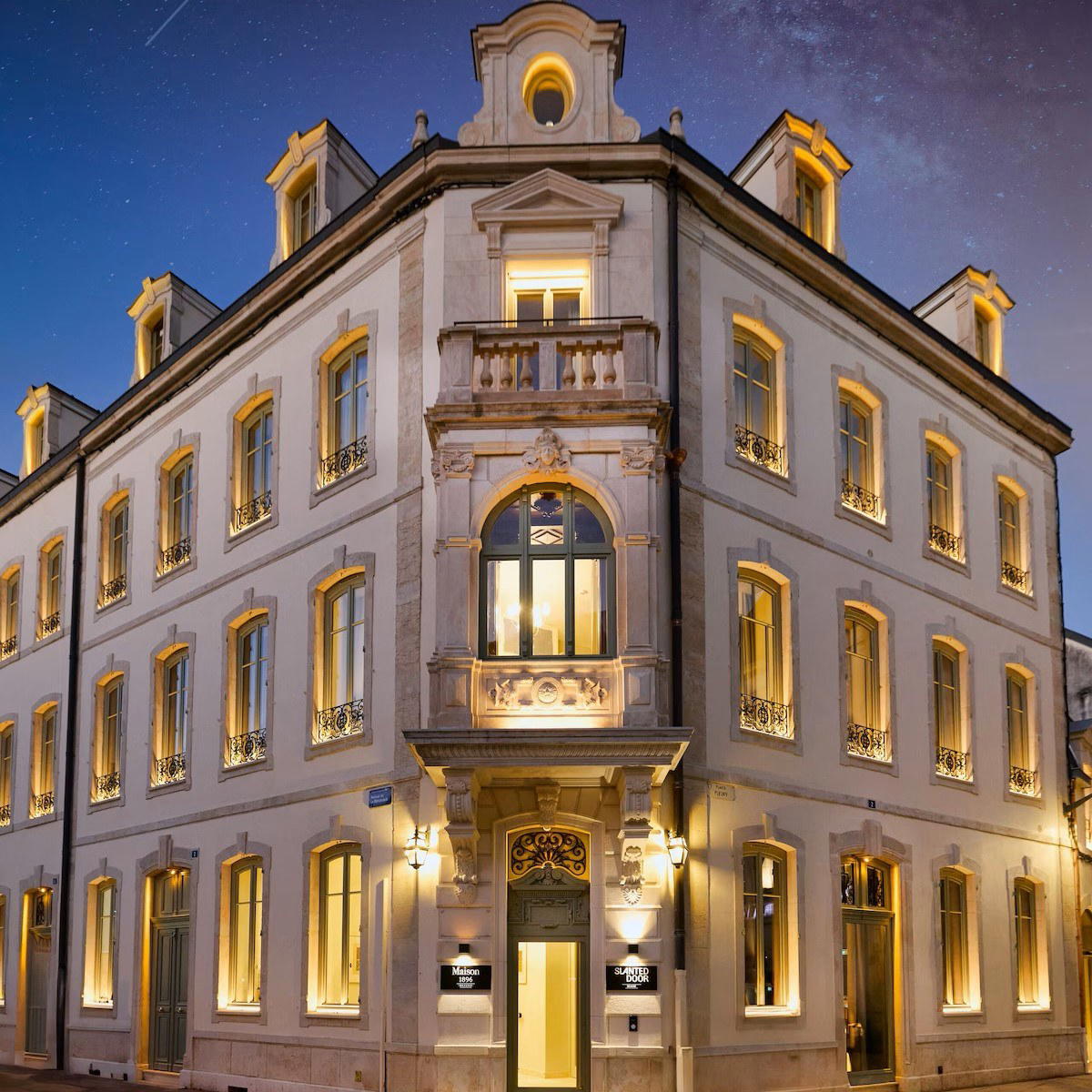
Approach Olivier Bernstein in Beaune expecting quiet rather than spectacle. The picture is of a discreet, converted vintner’s house within Beaune’s old town, built around a quiet, temperature-stable cellar and tiny lots of Grand and Premier Cru Burgundy. The atmosphere is classic and intimate, closer to a private atelier for serious Burgundy interest than to a broad, drop-in tourism setting. In other words, this is not a venue to frame around noise, scale, or a checklist of public-facing amenities. Its appeal is more restrained: the sense of an old-town Burgundy address where the cellar is not just a backdrop, but the organizing idea of the place.
Grand and Premier Cru Burgundy in an intimate setting
Olivier Bernstein is best understood through the limited facts: a Beaune setting, a cellar-led environment, and tiny lots of Grand and Premier Cru Burgundy. Rather than presenting it as a large public hospitality operation, plan around a more focused and private-feeling experience. The emphasis, as far as the confirmed description allows, is on Burgundy at the more serious end of the spectrum, where small quantities and carefully held wines matter more than breadth, volume, or a casual tasting-room rhythm.
The house’s appeal rests on that intimate Burgundy context. Grand and Premier Cru language carries a particular weight in Beaune, and here it sits alongside an equally important sense of scale: tiny lots, a discreet house, and a cellar that shapes the experience. That combination gives the venue a more contemplative tone. It suggests a place for visitors who already know why Burgundy’s distinctions matter, or who at least want to encounter them in a setting that feels measured rather than performative.
What can be said with confidence is narrower but still useful: Olivier Bernstein occupies the serious end of Beaune wine culture, with a classic, discreet atmosphere and a cellar-centered identity. Travelers looking for precise details on tastings, bottle availability, or cellar access should verify them directly with the venue. That caution is part of planning well here. The available information points clearly toward quality of context and a premium Burgundy mood, but it does not confirm the operational details that determine how a visit will actually unfold on a given day.
A Beaune cellar with a private-atelier feel
The Beaune setting matters. The winery is described as a converted vintner’s house within the old town, organized around a quiet, temperature-stable cellar. That gives the place a restrained, collector-oriented feel rather than a theatrical or high-volume wine-tourism mood. The old-town location also helps explain why the venue reads as intimate: it belongs to a denser, more historic Burgundy environment, where cellars and town houses can feel closely connected, and where discretion is part of the character rather than a lack of presence.
Publicly specific claims about export markets, allocation policy, parking, payment methods, critical scores, awards, or exact visit format are not confirmed here. It is better to keep the expectations clean: a serious Beaune address, a cellar-led identity, and wines described in terms of tiny Grand and Premier Cru lots. Anything beyond that should come from direct confirmation, not assumption.
The strongest grounded signal is the combination of place and atmosphere: Beaune, a discreet old-town house, a cellar suited to Burgundy, and tiny lots of Grand and Premier Cru wines. That is enough to position the winery as a serious stop for travelers focused on Burgundy rather than a casual tasting-room experience. Its personality is not built around broad accessibility or a large hospitality footprint; it is built around concentration, setting, and the quieter pleasures of a cellar-focused address.
How it fits into a Beaune wine itinerary
The winery is a strong fit for travelers who want a classic, intimate Burgundy setting in Beaune. The price level is $$$$, so it should be approached as a premium stop rather than a casual low-cost addition to the day. In itinerary terms, that means giving it the mental space of a focused wine experience, not treating it as filler between more general sightseeing. The better match is a traveler who values atmosphere, discretion, and Burgundy specificity, and who is comfortable confirming details in advance.
For broader planning around the city, use other Beaune dining and wine options generically to round out the itinerary, then confirm current details directly with the winery before making plans. The essential grounded takeaway is simple: this is a discreet Beaune wine venue with a cellar-led atmosphere and tiny lots of Grand and Premier Cru Burgundy. Keep expectations aligned with those facts and the venue works well: intimate rather than expansive, serious rather than casual, and rooted in the particular quiet confidence of Beaune wine culture.
Recognition history
Dated appearances from independent guides and award organizations, with the underlying list record or original source where available.
Falstaff Winery - Listed
Falstaff
At a Glance
- Classic
- Intimate
- Elegant
- Sophisticated
- Special Occasion
- Wine Education
- Romantic Getaway
- Solo Exploration
- Barrel Room
- Historic Building
- Private Tasting
- Design Destination
- Sustainable
- Organic
- Côte De Nuits (multiple Grand Cru & Premier Cru Aocs)
- Pinot Noir
- Chardonnay
- Still Red
- Still White
- Seated Tasting
- Collector Focused
A discreet, converted vintner’s house within Beaune’s old town, built around a quiet, temperature-stable cellar and tiny lots of Grand and Premier Cru Burgundy; the atmosphere is classic and intimate, more like a private atelier for serious collectors than a public-touring estate.