Masciarelli

Falstaff Winery - 5 Stars
Masciarelli is an Abruzzo winery shaped around regional breadth rather than a single-vineyard narrative, with estate holdings across all four provinces and a cellar visit built around production spaces, guided tasting, and Castello di Semivicoli. Founded in 1981, it suits travelers who want a grounded reading of Abruzzo through Montepulciano, Trebbiano, Cerasuolo, Pecorino, Cococciola, Merlot, and Cabernet Sauvignon.

Pearl is the En Primeur Club membership app — saves, bookings, and concierge access live there. Same editors, same standards.
- Address
- Contrada Gamberale, 2, 66010 San Martino sulla Marrucina CH, Italy
- Phone
- +39 0871 85241
- Hours
- Mon–Fri 10 AM–4:30 PMSat–Sun Closed
- Website
- masciarelli.it
- Directions
- Get directions
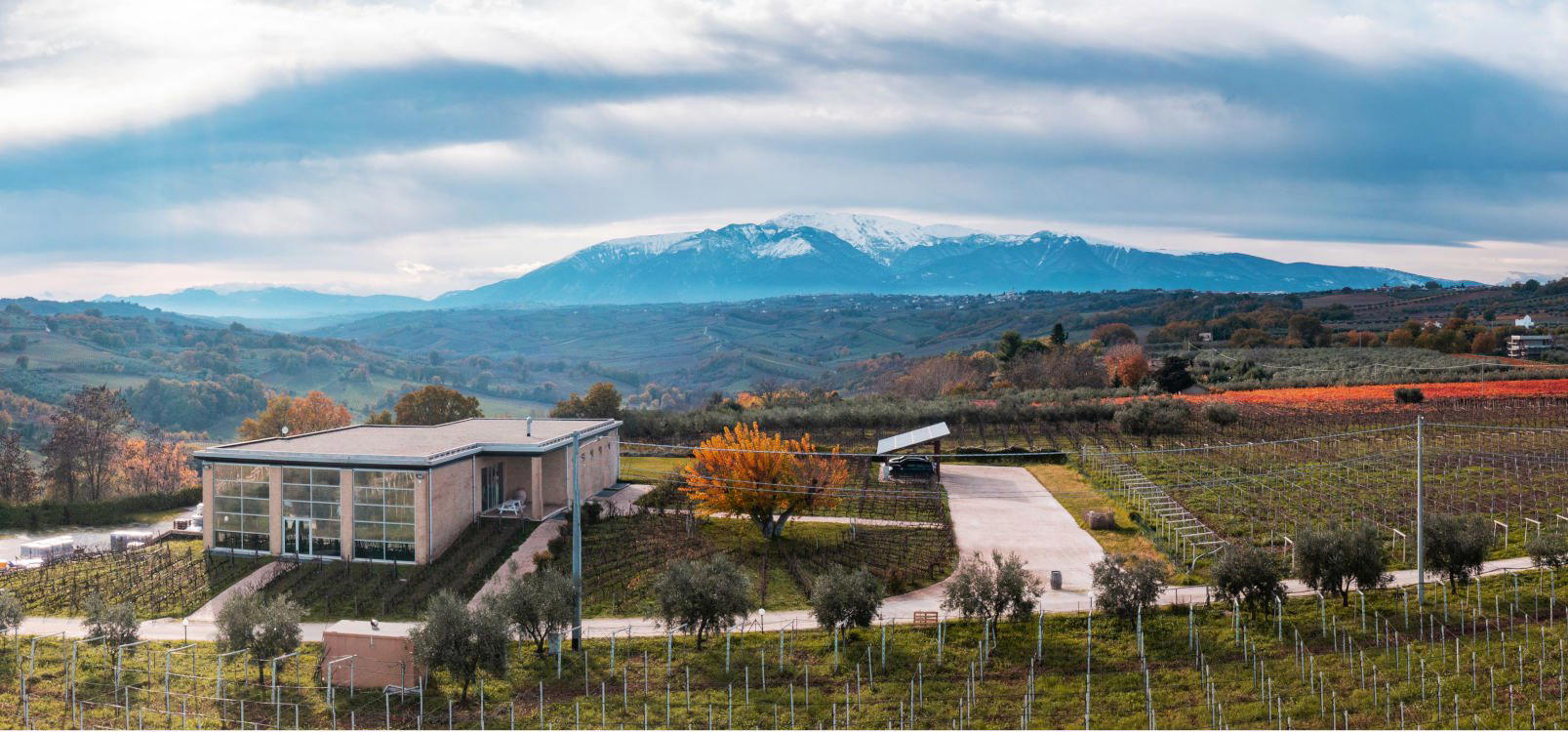
Approaching Abruzzo wine through San Martino Sulla Marrucina means leaving behind the showroom logic of many tasting rooms. The more interesting story here is agricultural scale, cellar architecture, and the way a region often reduced to Montepulciano d’Abruzzo is presented as a larger matrix of vineyards, olive groves, mountain views, and restored rural heritage. Masciarelli sits inside that frame: a production estate founded in 1981, with a visitor experience that treats the cellar and the land as the main text rather than background scenery.
Abruzzo’s premium wine identity has long depended on producers willing to argue for the region in practical terms: not only through polished bottlings, but through land ownership, aging infrastructure, and hospitality that helps visitors understand why the Adriatic-facing side of central Italy deserves more attention. This estate’s reach across all four provinces of Abruzzo matters because it shifts the conversation from a single hillside to a regional proposition. Montepulciano, Trebbiano, Cerasuolo, Pecorino, Cococciola, Merlot, and Cabernet Sauvignon appear here as part of a broad Abruzzese vocabulary, not a narrow varietal display.
Abruzzo read through parcels, barrels, and a historic wine resort
The strongest reason to pay attention is the land strategy. Masciarelli grew from five acres in Chieti to nearly 900 acres across more than 60 non-adjoining parcels, a structure that gives the estate a wide regional lens. In Abruzzo, where altitude, exposure, inland influence, and coastal proximity can shift the character of a wine, that dispersion is not a footnote. It is the operating model. The estate’s vineyards and olive groves across the region turn terroir into a portfolio question: how much of Abruzzo can one producer translate without flattening its differences?
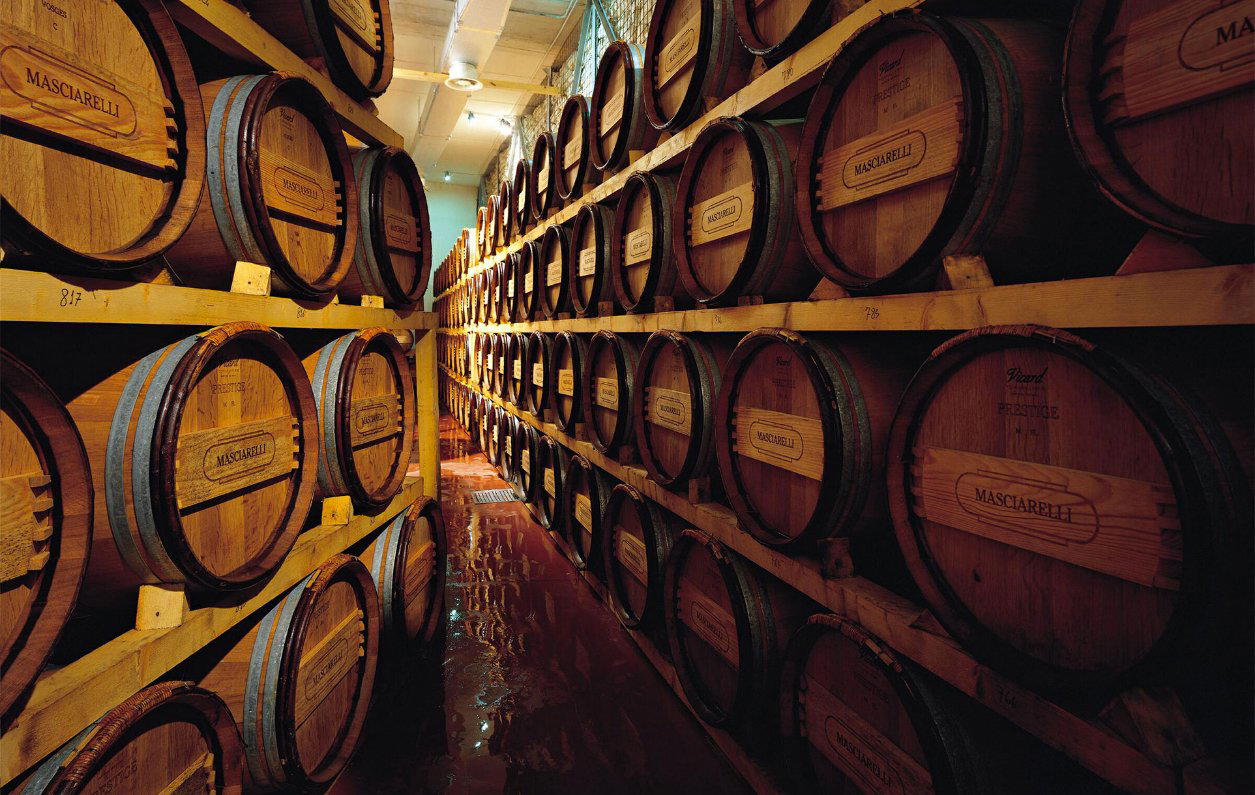
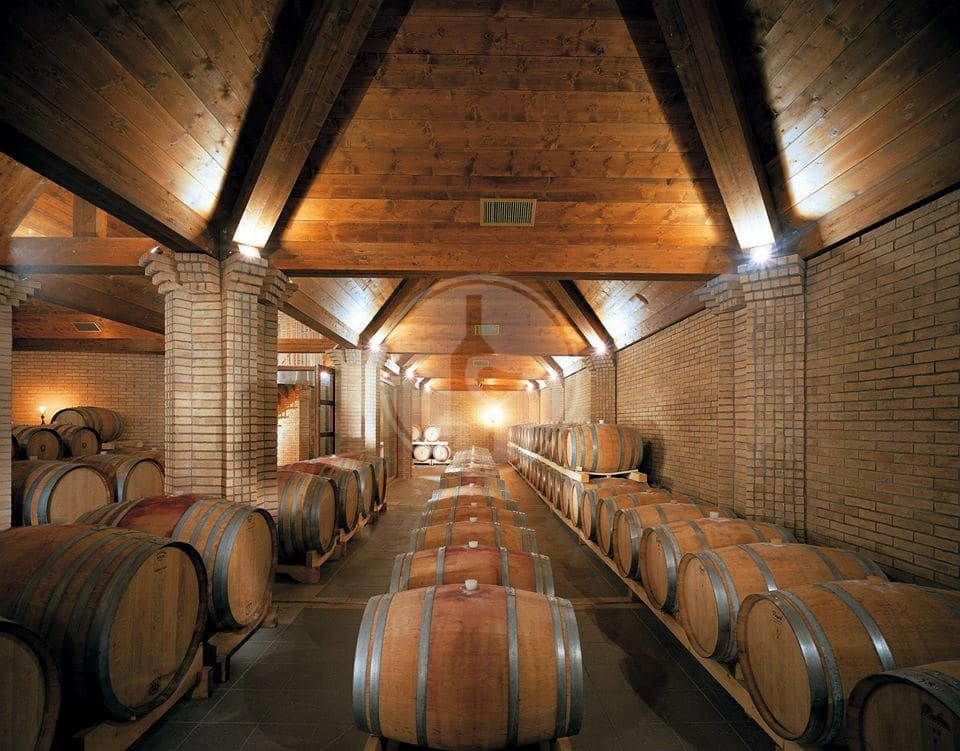
The cellar reinforces that scale. The visit moves through production rooms, including the Bottaia dal Cielo Stellato dedicated to Gianni Masciarelli, the Bottaia dei Rossi with more than 1,000 French oak barrels, and the Bottaia dei Bianchi. For travelers used to tasting counters where the vineyard story arrives only as a rehearsed script, production access changes the register. Oak, stainless steel, gravity movement, and separate aging spaces become part of the regional argument. The wines are not presented only as labels; they are tied to decisions about how Abruzzo fruit is handled, aged, and organized.
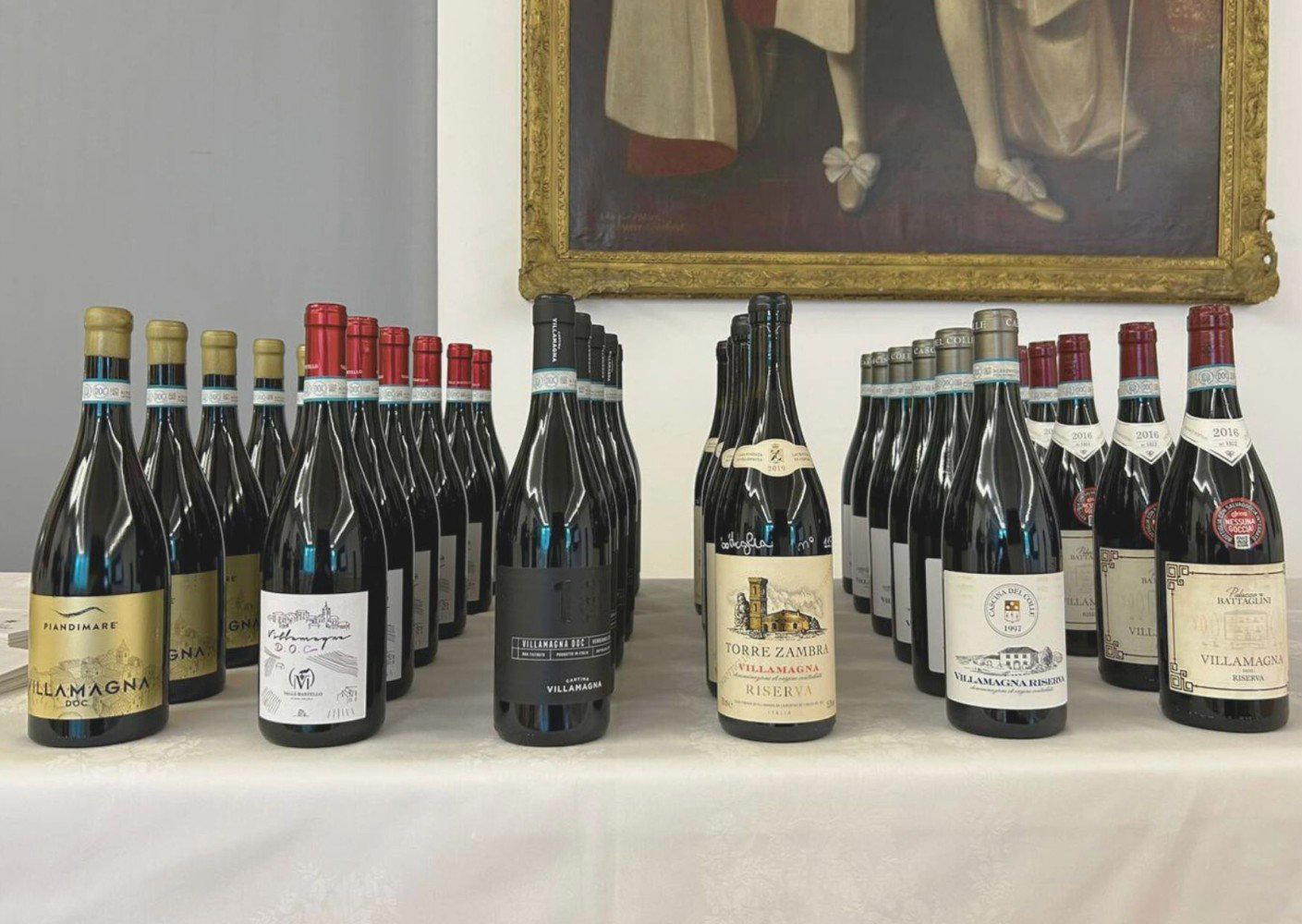
Portfolio is large by estate standards, with 22 labels across seven product lines. Villa Gemma is the name most clearly attached to the prestige axis, with Villa Gemma Montepulciano d’Abruzzo and Villa Gemma Riserva carrying documented tasting history on Tastingbook, including a 90 Tb score for the 2000 Villa Gemma Montepulciano d’Abruzzo and 87 Tb for the 2015 Villa Gemma Riserva. Those figures are not a substitute for a full critic dossier, but they are useful evidence of recognition around the estate’s flagship line and its role in the Abruzzo conversation.
The visit works because hospitality is tied to process, not spectacle
Wine tourism in Italy often splits between cellar seriousness and countryside leisure. Masciarelli’s advantage is that the two are linked. The appointment-led format gives the experience structure, while the route through the working winery keeps the emphasis on production. This is not a high-volume counter built around quick pours; it is better understood as an educational visit for people who want the mechanics behind the glass.
Castello di Semivicoli adds the second layer. The restored 17th-century baronial mansion functions as a wine-tourism anchor, extending the cellar visit into a broader Abruzzese hospitality setting. The point is not simply that an old building has been repurposed. In a region where wine, olive groves, family property, and rural architecture often overlap, the castle helps make the estate’s argument legible to visitors: terroir here includes built heritage and regional hosting customs as much as vineyard exposure.
Food pairing is part of the format, and wines by the glass are part of the hospitality offer, which makes the visit more flexible than a purely technical tour. The mood is quiet rather than high-energy, with a casual dress code and a format that suits wine education, special occasions, group outings, corporate visits, and solo exploration. The absence of a wine club or shipping program keeps the emphasis on the visit itself and the estate’s own sense of place.
How to place it within an Abruzzo itinerary
For travelers building a San Martino Sulla Marrucina itinerary, Masciarelli belongs in the wine slot rather than as a generic countryside stop. It is most useful when paired with time for the surrounding food and hospitality scene, since Abruzzo makes more sense when its wines are tasted alongside local cooking, inland villages, and agricultural landscapes. Start with Our full San Martino Sulla Marrucina wineries guide, then cross-check dining through Our full San Martino Sulla Marrucina restaurants guide, lodging through Our full San Martino Sulla Marrucina hotels guide, drinks through Our full San Martino Sulla Marrucina bars guide, and local programming through Our full San Martino Sulla Marrucina experiences guide.
Readers comparing Italian winery formats beyond Abruzzo can use broader references such as 3GP SRL in Treviso, 47 Anno Domini in Trebaseleghe, A Mano Wine in Noci, a6mani in Fragagnano, Abbadia Ardenga in Torrenieri, Abbazia di Crapolla in Neapel, Abbazia Monte Oliveto in Asciano, Abbazia Santa Anastasia in Castelbuono, »der Steiner« Hans Steiner in Podersdorf am See, and & Handwein in Mannheim. The comparison is less about ranking than format: estate scale, cellar access, and whether hospitality deepens the wine story or distracts from it.
The editorial case for Masciarelli is clear: it gives Abruzzo a large-format, terroir-led presentation without reducing the region to a single grape or a single view. The estate’s founded-in-1981 modernizing arc, its parcel spread, its barrel program, and its restored hospitality base make it a serious stop for travelers who prefer wine visits with structure and context. Come for the regional reading, not for tasting-room theatrics.
Recognition history
Dated appearances from independent guides and award organizations, with the underlying list record or original source where available.
Falstaff Winery - 5 Stars
Falstaff
Continue exploring
More in San Martino Sulla Marrucina
Wineries in San Martino Sulla Marrucina
Browse all →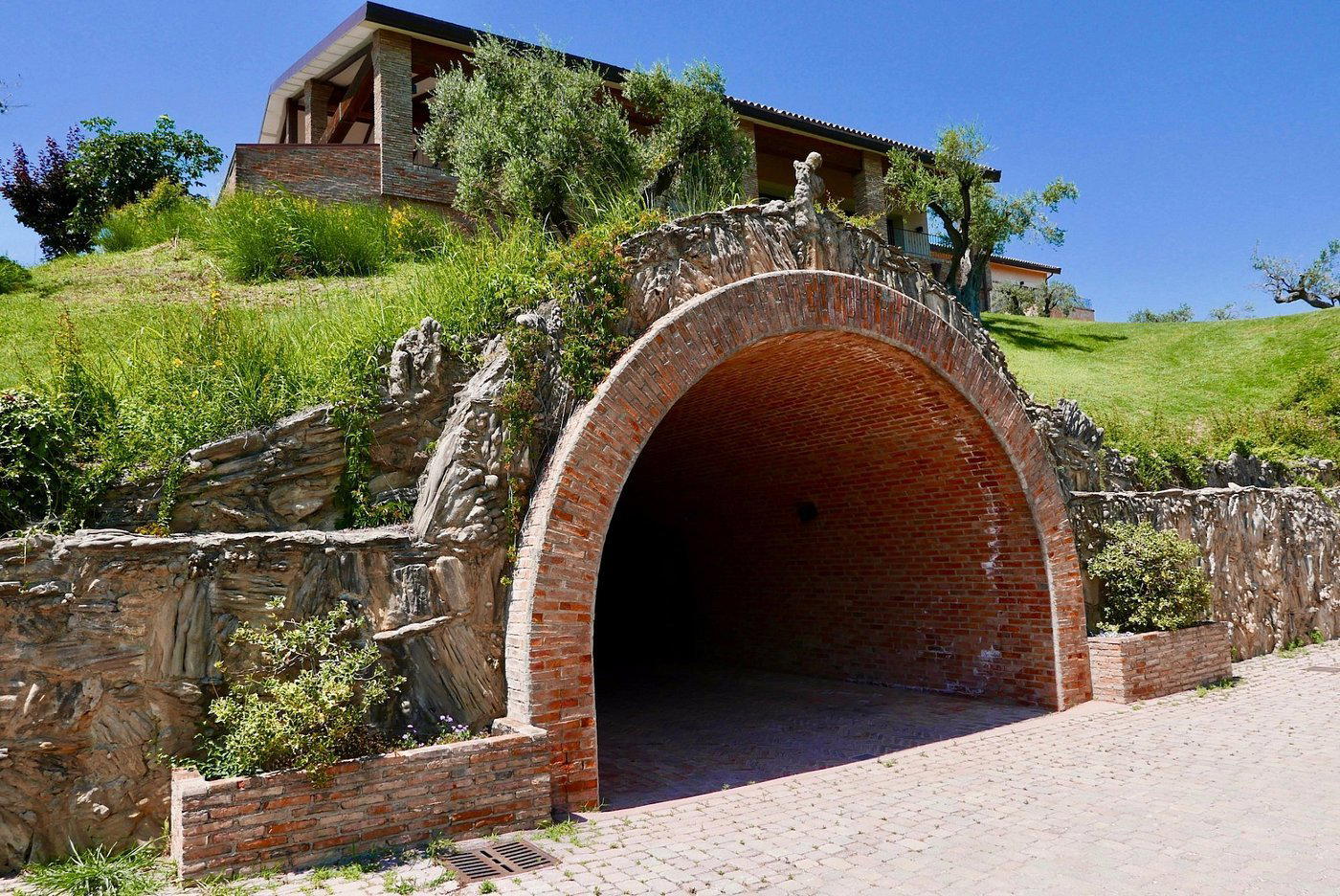

Restaurants in San Martino Sulla Marrucina
Browse all →
Hotels in San Martino Sulla Marrucina
Browse all →
Details
- Scenic
- Historic
- Rustic
- Sophisticated
- Classic
- Wine Education
- Special Occasion
- Group Outing
- Corporate Event
- Solo Exploration
- Historic Building
- Estate Grounds
- Vineyard Tour
- Cave Tasting
- Private Tasting
- Sustainable
- Vineyard
- Mountain
- Montepulciano
- Trebbiano
- Cerasuolo
- Pecorino
- Cococciola
- Merlot
- Cabernet Sauvignon
- Still Red
- Still White
- Still Rosé
- Guided Tasting
- Wine By The Glass
- Italian
Current opening hours
- Monday
- 10 AM–4:30 PM
- Tuesday
- 10 AM–4:30 PM
- Wednesday
- 10 AM–4:30 PM
- Thursday
- 10 AM–4:30 PM
- Friday
- 10 AM–4:30 PM
- Saturday
- Closed
- Sunday
- Closed
Hours can change for holidays and private events. Last verified .
A historic, terroir-driven winery with an educational, appointment-based visit experience centered on the cellar, vineyards, and the restored Castello di Semivicoli wine resort.