Le Colture

Le Colture is a family-run Valdobbiadene winery shaped by steep hillside viticulture, hand-harvested glera and Charmat-method sparkling wine. Its interest lies less in generic Prosecco ease than in site expression: Cartizze, Rive di Santo Stefano, Brut Fagher and other bottlings show how dosage, slope, soil and vine age change the register of Conegliano-Valdobbiadene DOCG.
Pearl is the En Primeur Club membership app — saves, bookings, and concierge access live there. Same editors, same standards.
- Address
- Valdobbiadene, Veneto, Italien
- Directions
- Get directions
 Saves & bookings on Pearl
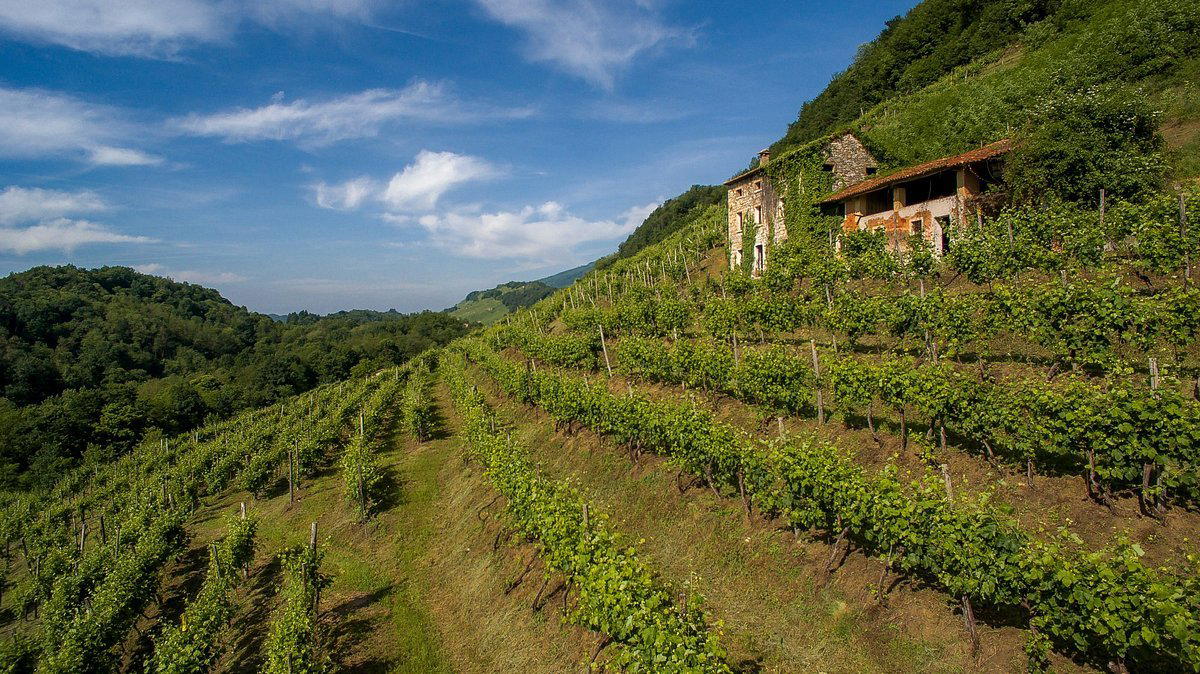
The approach to Valdobbiadene is a useful correction to the way Prosecco is often treated abroad. The serious wines here are not anonymous party bubbles; they come from steep, worked hillsides where glera is picked by hand and where small shifts in slope, soil and ripeness carry through to the glass. Le Colture belongs to that grower-producer reading of the region: family vineyards, estate-linked fruit, stainless-steel pressure fermentation and a portfolio arranged around terroir and style rather than a single house label.
The atmosphere is agricultural before it is performative. Santo Stefano di Valdobbiadene sits inside the Prosecco hills, and the estate’s identity is built around the same visual grammar that defines the DOCG: green slopes, terraced vineyards and cellar work calibrated for freshness. The format suits travelers who want to understand why Conegliano-Valdobbiadene DOCG commands a different conversation from mass-market Prosecco. The answer is partly geology, partly labor, and partly restraint in the cellar.
Glera, steep slopes and the DOCG argument
Valdobbiadene’s serious producers make a case for place through precision rather than weight. Le Colture’s sparkling wines are centered on glera grown almost entirely in family vineyards within Valdobbiadene DOCG, harvested by hand and made by the Charmat method in temperature-controlled stainless-steel pressure fermenters. That production choice matters: it protects primary fruit, acidity and aromatic lift instead of pushing the wine toward the oxidative or lees-heavy profile associated with other sparkling traditions.
The estate’s history gives the operation useful perspective. The family has roots reaching back centuries, while sparkling-wine production began in 1983. Cesare Ruggeri is associated with vineyard oversight and family continuity, with the next generation active in the business. Technical structure also matters here: the winery works at a scale of about 730,000 bottles annually, large enough for market reach but still framed around family vineyards and DOCG identity rather than industrial anonymity.
The strongest reading of the range comes through site. Cartizze, drawn from the small sub-zone around Valdobbiadene, is tied to steep bowl-shaped hills in Santo Stefano and Saccol, with sandstone and clay marl soils that encourage ripeness while retaining the crisp line expected of Prosecco Superiore. Rive di Santo Stefano Brut Gerardo moves the discussion toward old-vine hillside fruit, with vineyards described at 35 to 40 years old. These are not decorative label distinctions; they are the grammar of the region.
Portfolio also tracks the modern Prosecco debate around sweetness and dryness. Extra Dry Pianer occupies the classical regional register, while Brut Fagher pushes a drier, contemporary reading of Valdobbiadene DOCG. Fagher is listed at 11.5% ABV and 9 g/L residual sugar, with stainless-steel fermentation and a second fermentation in autoclave. That combination keeps the wine inside the freshness-led Prosecco tradition while giving it a firmer, food-facing profile.
A tasting built around contrast, not spectacle
More useful way to read a guided tasting here is as a study in differences: Cartizze against Rive, Extra Dry against Brut, glera purity against the broader rosé register. Brut Millesimato Rosé adds glera from family vineyards on Montello with Pinot Noir, widening the portfolio without abandoning the house’s sparkling focus. For travelers who usually file Prosecco under aperitivo, this range shows how dosage, sub-zone and vineyard age alter texture and aromatic shape.
Sustainability appears in practical vineyard terms rather than certification theatre. The estate is associated with lower-impact products and organic fertilization using compost or manure, alongside hand harvest and site-sensitive farming on steep terrain. In a region where mechanization is constrained by slope, stewardship is not an abstract claim; it is part of the labor model. The quietness of the setting and the guided format fit that slower reading of production.
There are no formal awards attached here, so the trust signal is structural: DOCG appellation, estate-linked farming, named family continuity, manual harvest, technical pressure-tank production and a documented annual output. In premium Prosecco, those signals are more useful than trophy language. They tell the reader where the wine sits: not a micro-cellar curiosity, not a supermarket label, but a disciplined Valdobbiadene producer using site segmentation to make sparkling wine feel specific.
How to place it in a Valdobbiadene itinerary
Le Colture works well for visitors whose interest is wine education, group tasting or a special-occasion cellar visit rather than a casual drop-in. The experience is appointment-led, with a casual dress code and a quiet winery setting. Food pairing is part of the listed hospitality profile, which suits the house’s emphasis on Brut Fagher and other table-friendly sparkling wines. Families with children or travelers seeking an outdoor-seating lunch format should choose the day’s structure carefully; this is a winery visit, not a countryside restaurant substitute.
For wider trip planning, keep the wine day connected to the region rather than treating the cellar as an isolated stop. EP Club’s full Valdobbiadene wineries guide is the natural starting point, while dining, lodging and after-hours planning sit in the Valdobbiadene restaurants guide, Valdobbiadene hotels guide, Valdobbiadene bars guide and Valdobbiadene experiences guide. Nearby winery research can also branch through Agostinetto Bruno, Amistani-Guarda, Ancillotto & Ardenghi, Bellussi and Bisol1542.
Travelers extending the cellar map beyond Valdobbiadene can compare regional wine formats through 3GP SRL in Treviso, 47 Anno Domini in Trebaseleghe, A Mano Wine in Noci, »der Steiner« Hans Steiner in Podersdorf am See and & Handwein in Mannheim. The point is not to rank them against one another, but to see how scale, appellation and hospitality format change the way a winery tells its story.
Recognition history
Dated appearances from independent guides and award organizations, with the underlying list record or original source where available.
Falstaff Winery - 4 Stars
Falstaff
Continue exploring
More in Valdobbiadene
Wineries in Valdobbiadene
Browse all →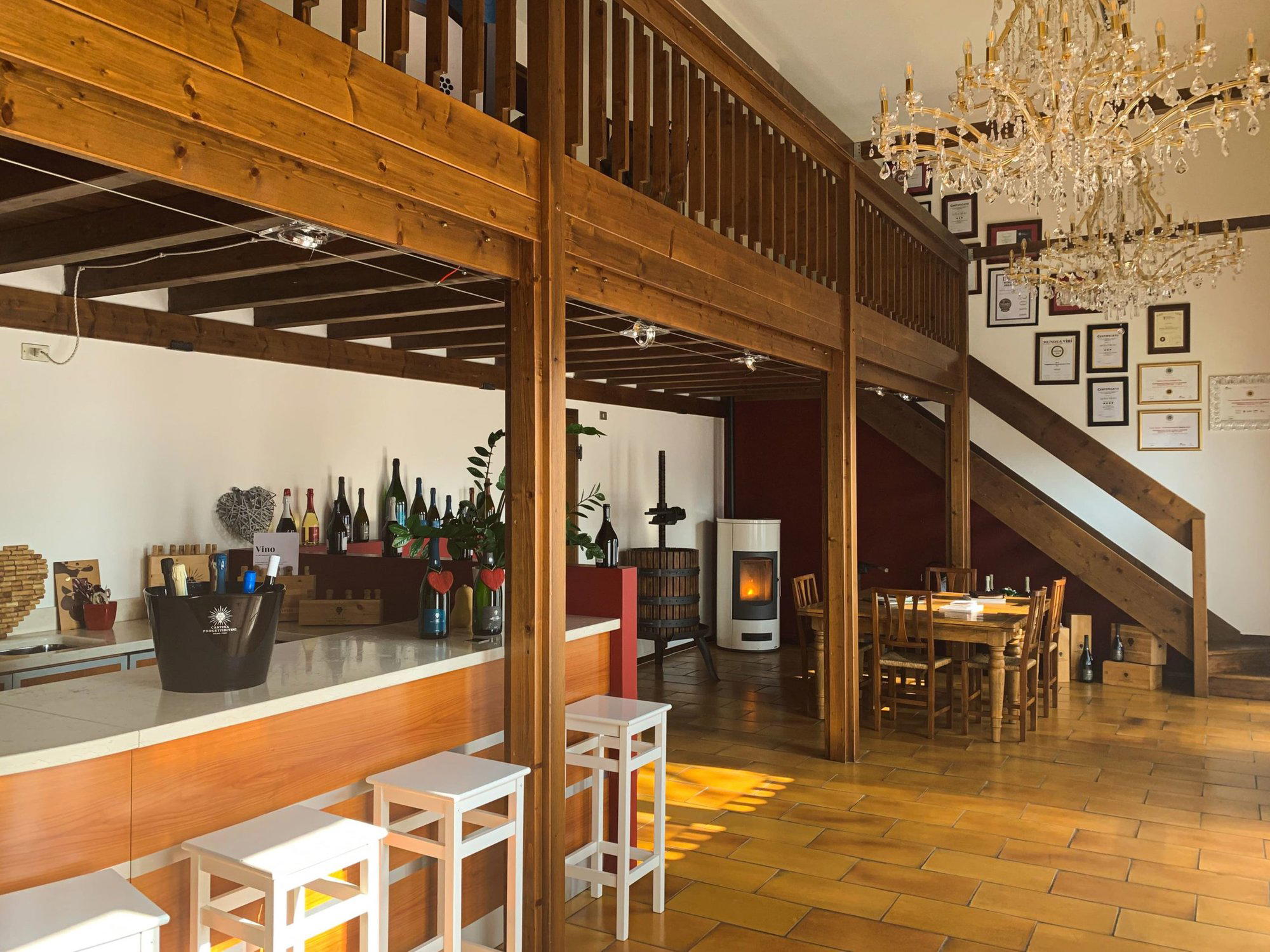
Bars in Valdobbiadene
Browse all →
Restaurants in Valdobbiadene
Browse all →
At a Glance
- Scenic
- Rustic
- Classic
- Sophisticated
- Wine Education
- Group Outing
- Special Occasion
- Vineyard Tour
- Estate Grounds
- Sustainable
- Vineyard
- Conegliano Valdobbiadene DOCG
- Glera
- Chardonnay
- Sparkling
- Guided Tasting
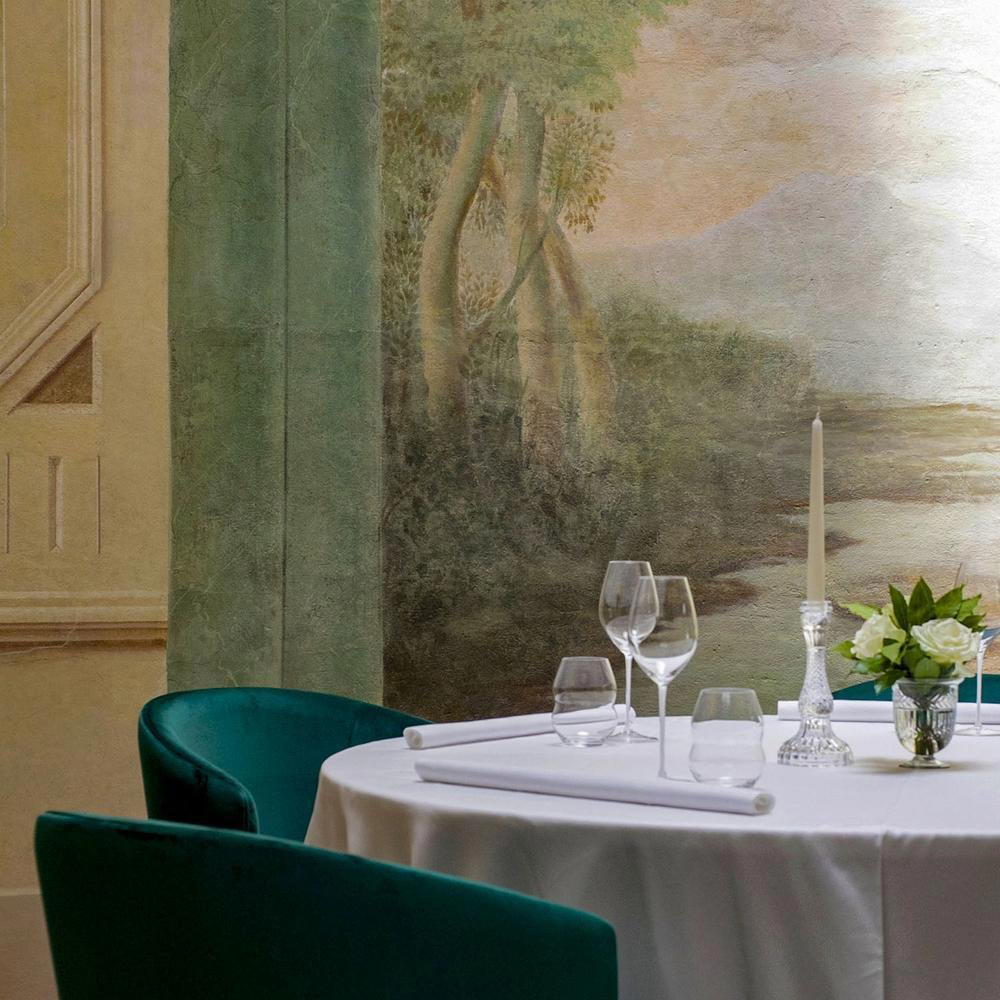
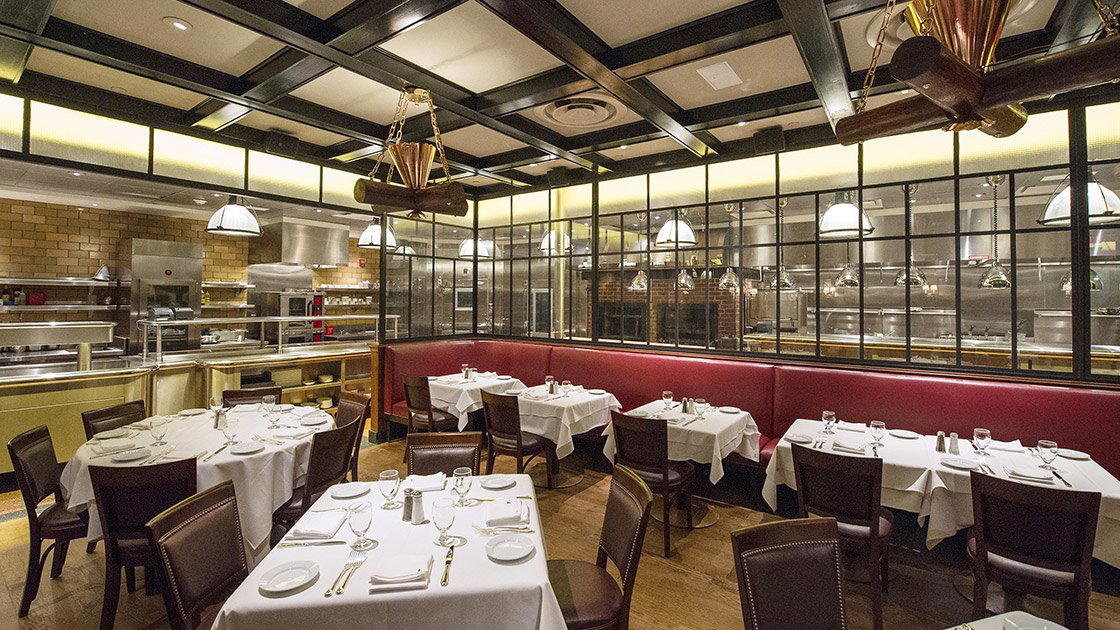
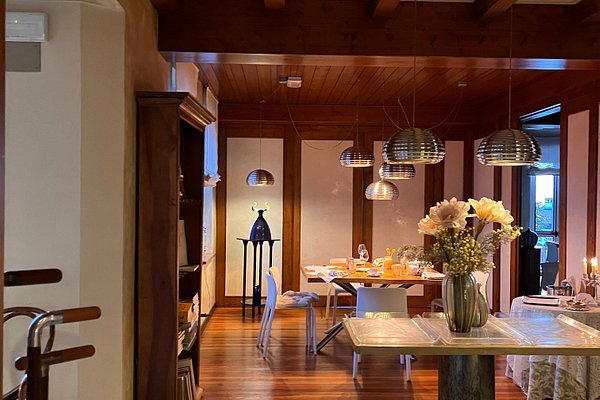
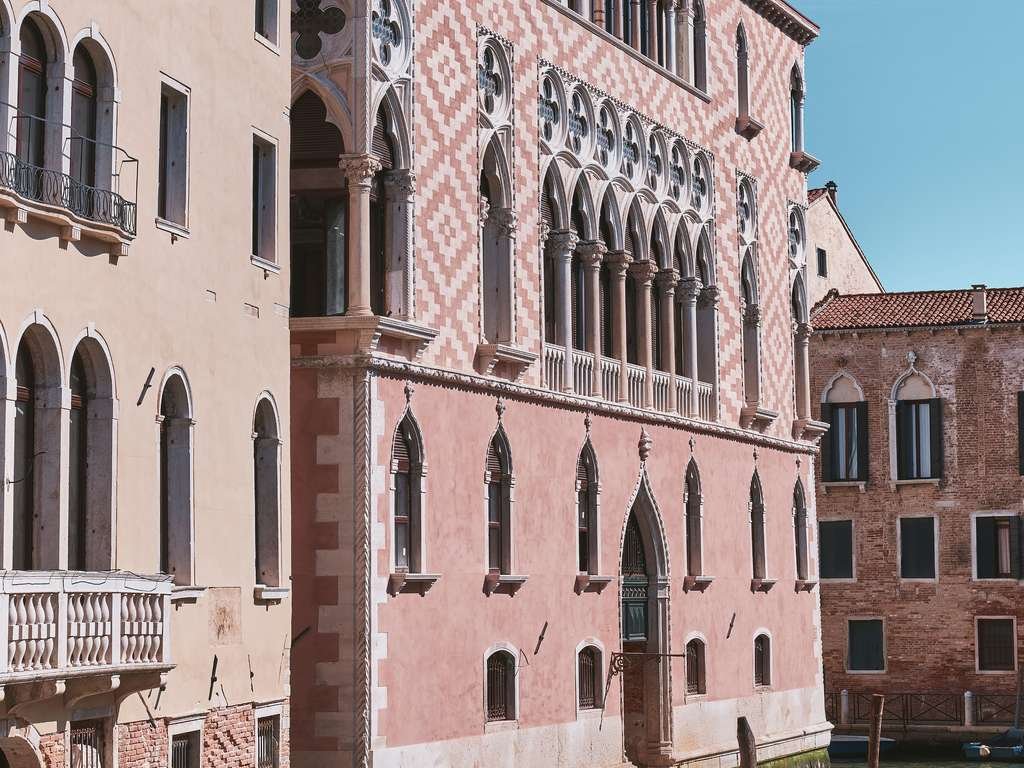
Family-run winery ambience in the Prosecco hills, with a traditional yet modern-production feel centered on handcrafted sparkling wine.