
Le Clos du Beau-Père is a small Pomerol estate shaped by old Merlot vines, gravel-sand soils with clay pockets, and a cellar style that favors polished Right Bank reds. Its most distinctive move is Le Blanc du Beau-Père, a tiny Bordeaux Blanc project that brought white-wine production back to Pomerol after more than a century.
Pearl is the En Primeur Club membership app — saves, bookings, and concierge access live there. Same editors, same standards.
- Address
- Pomerol, Nouvelle-Aquitaine, Frankreich
 Saves & bookings on Pearl
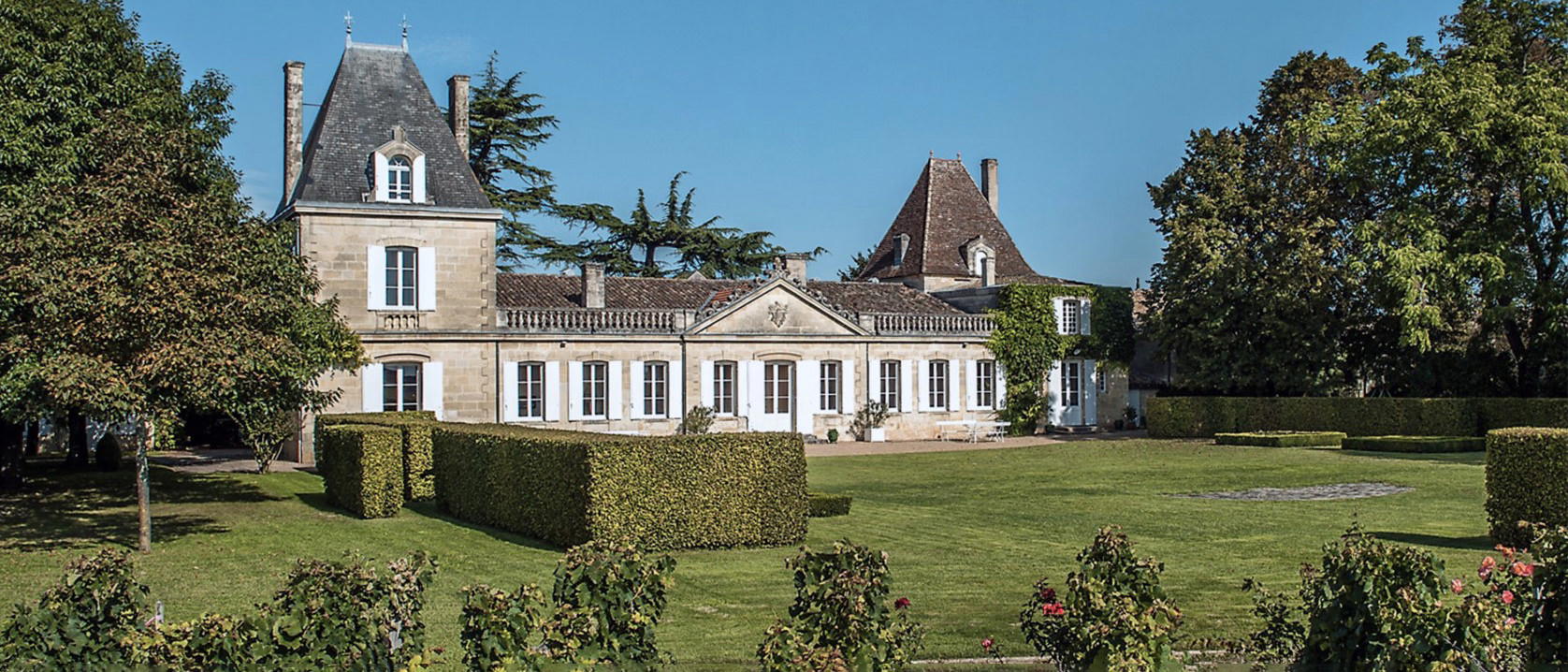
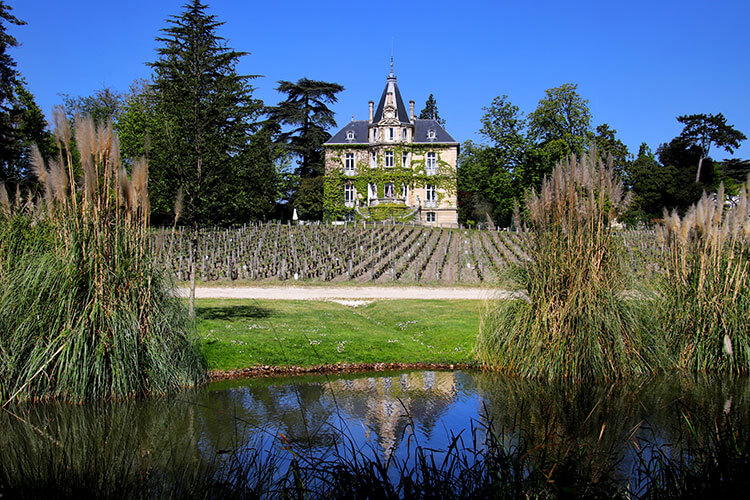
Approaching Pomerol through its low, vineyard-lined roads, the atmosphere is less about spectacle than about quiet agricultural focus. Le Clos du Beau-Père fits that register: a small Right Bank Bordeaux estate whose identity is centered on polished, velvety Pomerol reds. The picture is deliberately narrow, but it is enough to place the estate clearly within the classic Pomerol conversation: perfume, texture, dark fruit, and a restrained sense of elegance rather than showy presentation.
A reliable way to understand Le Clos du Beau-Père is through its red-wine profile. The estate is associated with perfumed aromatics of rose petal, espresso, dark cherry, and cocoa, a combination that points toward a refined, rounded style. Rather than building the page around production details, visitor claims, or estate measurements, the grounded emphasis is simpler: this is a small Pomerol address with an understated atmosphere and a traditional Right Bank frame.
Polished Pomerol reds in a classic Right Bank register
Le Clos du Beau-Père sits in the world of Pomerol reds, where texture and aromatic depth often matter as much as scale. The description points to wines with a velvety, polished character, supported by notes of rose petal, espresso, dark cherry, and cocoa. Those descriptors give the estate its clearest editorial shape: elegant, perfumed, and dark-fruited, with a classic Bordeaux sensibility.
What should not be overstated is just as important. Specific claims about vineyard size, grape percentages, cellar vessels, oak usage, production volume, bottle-aging windows, ownership history, or individual cuvées are not part of the record here. For a premium venue guide, that means the safest and most useful framing is stylistic rather than technical. The winery can be described as a small Right Bank estate focused on polished Pomerol reds, but more granular production detail should be confirmed directly before it is used for planning, collecting, or comparison.
The atmosphere is also best described with restraint. The profile suggests an elegant yet understated, classic setting rooted in traditional winemaking. That does not support claims about a specific visitor format, tasting-room setup, appointment policy, dining service, or hospitality program. Readers should treat the winery as a wine-focused Pomerol estate and verify practical arrangements directly before making plans.
A focused Pomerol identity
The appeal of the winery is not based on a long list of confirmed extras. The grounded appeal is the estate’s narrow, classic identity: Pomerol, Right Bank Bordeaux, polished red wines, and an understated atmosphere. That makes it relevant for travelers and collectors who are trying to understand the quieter side of the appellation, where small estates can be compelling without relying on overt grandeur.
Within that frame, the aromatic profile does a lot of work. Rose petal gives lift, dark cherry supplies fruit depth, espresso and cocoa suggest a darker, more polished register, and the overall impression is velvety rather than angular. These are the details that can be used confidently. Claims beyond that, such as rare white production, exact acreage, certification details, visitor infrastructure, or a named ownership story, should not be treated as established here.
For a Pomerol-focused trip, the winery is best placed as a serious wine stop in concept rather than as a confirmed hospitality destination. It belongs in an itinerary for people who want to understand Pomerol through classic red-wine character and understated estate culture.
How to place it within a Pomerol-focused trip
The winery is most useful to readers as a compact example of a traditional Right Bank Bordeaux estate. Its identity is not broad: small estate, Pomerol reds, polished and velvety texture, perfumed aromatics, and an elegant but understated atmosphere. That narrowness should be treated as a strength rather than padded with unsupported specifics.
When comparing it with other dining or wine-focused stops in Pomerol, keep the comparison general unless details are independently confirmed. The winery’s grounded distinction is its classic Pomerol profile: refined red wines marked by rose petal, espresso, dark cherry, and cocoa. It is not necessary to add claims about size, rarity, ownership, awards, or visitor rules to make the estate useful in a guide.
For planning, the main takeaway is simple: the winery is a small Pomerol estate for people drawn to elegant, traditional Right Bank reds. Expect the guide-level value to come from style and atmosphere rather than from confirmed amenities.
Recognition history
Dated appearances from independent guides and award organizations, with the underlying list record or original source where available.
Falstaff Winery - Listed
Falstaff
At a Glance
- Elegant
- Classic
- Quiet
- Intimate
- Romantic Getaway
- Special Occasion
- Wine Education
- Solo Exploration
- Vineyard
- Pomerol AOC
- Merlot
- Cabernet Franc
- Sauvignon Blanc
- Sauvignon Gris
- Still Red
- Still White
A small Right Bank Bordeaux estate focused on polished, velvety Pomerol reds with perfumed aromatics of rose petal, espresso, dark cherry and cocoa, offering an elegant yet understated, classic atmosphere rooted in traditional winemaking rather than tourism infrastructure.