La Travaglina

Falstaff Winery - Listed
La Travaglina is a family-run Oltrepò Pavese winery in Santa Giuletta, set in a late-1600s farmhouse and active since 1967. Its identity is tied to Pinot Nero, Bonarda, traditional-method sparkling wine and a guided visitor format that moves from vineyard rows to underground cellar before a set tasting.

Pearl is the En Primeur Club membership app — saves, bookings, and concierge access live there. Same editors, same standards.
- Address
- Santa Giuletta, Lombardia, Italien
- Directions
- Get directions
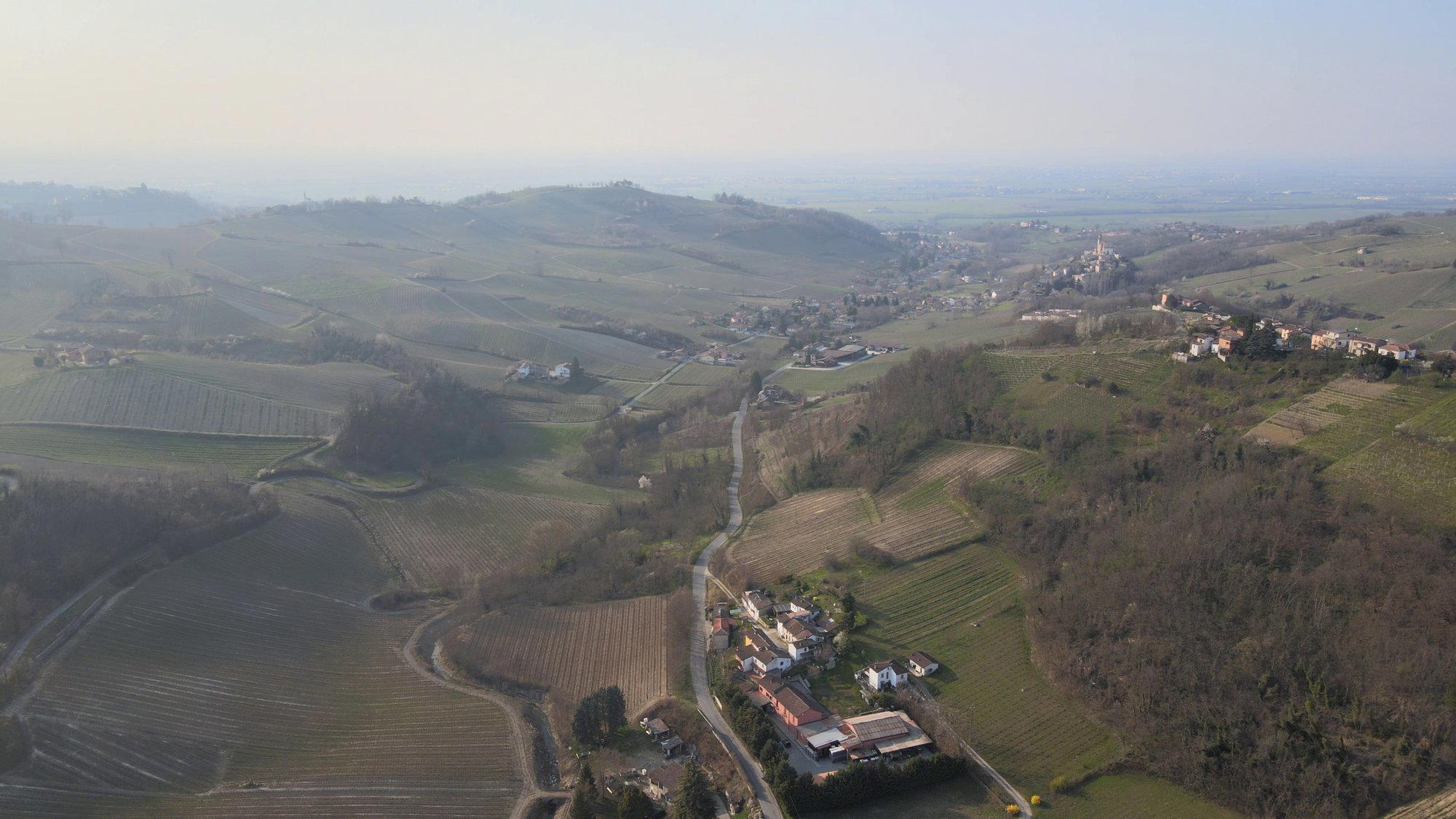
Approach in this part of Oltrepò Pavese is half the lesson: hills, vineyard rows, woods and the long agricultural quiet that explains why Pinot Nero has become such a serious local argument. La Travaglina belongs to the small-scale, family-hosted side of Italian wine tourism, where the visit is not built around spectacle but around land, cellar and a direct explanation of how a working estate turns a hillside into bottles.
Oltrepò Pavese often sits in the shadow of Italy’s louder wine regions, yet its technical importance is plain. The area has deep associations with Pinot Nero and traditional-method sparkling wine, while Bonarda, Barbera, Riesling, Cortese and Pinot Grigio give producers a broader northern-Italian vocabulary. That range matters here because the estate is not selling a single-variety postcard. It uses several local and regional grapes to show how this corner of Lombardy can move between bubbles, whites, rosé, reds and cellar-aged selections without losing its rural grammar.
Pinot Nero, Bonarda and the hillside logic of Oltrepò Pavese
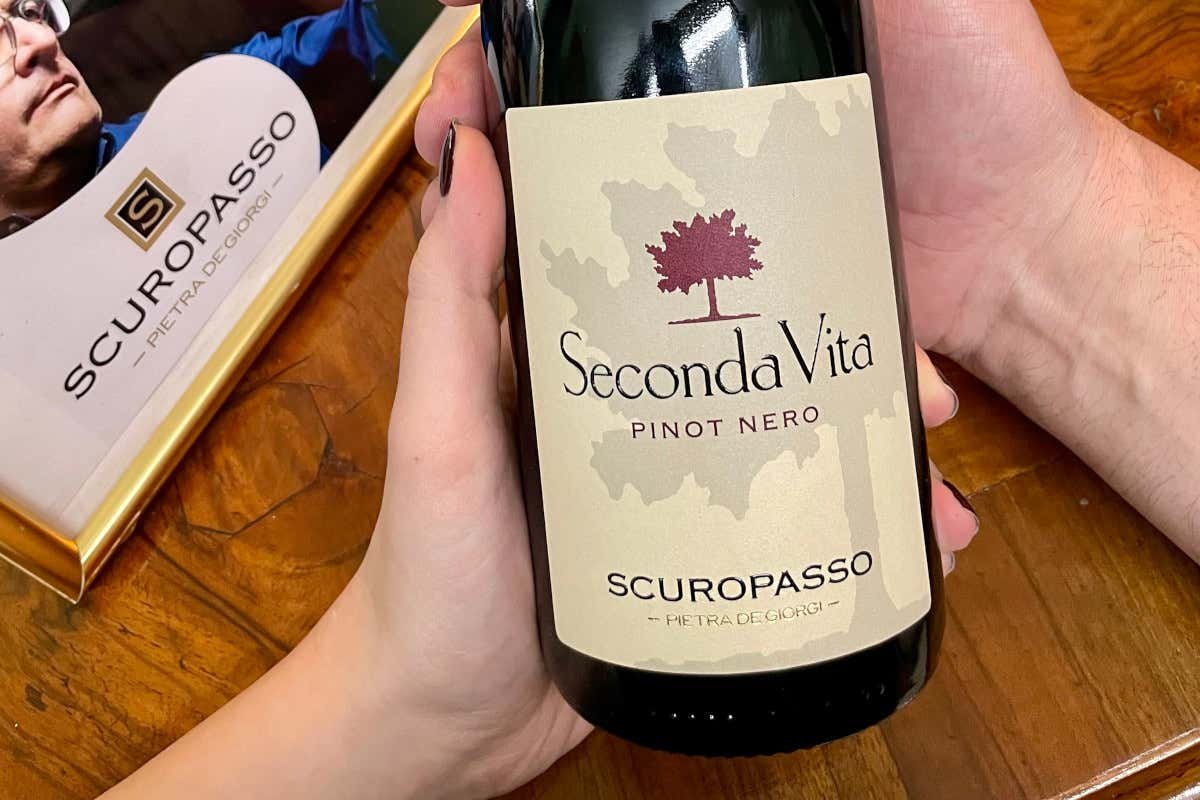
The estate’s strongest wine argument begins with Pinot Nero. In Oltrepò Pavese, the grape has two lives: still red and sparkling base, with acidity, structure and aromatic clarity shaped by hillside farming. La Travaglina works within that tradition through Oltrepò Pavese DOC and DOCG wines, including classic-method Pinot Nero and rosé bottlings, alongside a Martinotti-method expression. That mix is revealing. It places the winery inside a regional culture that treats sparkling wine as a serious local form rather than a secondary product.
Bonarda and Barbera pull the portfolio back toward the table. The estate is known for Bonarda and sparkling wines, a combination that says much about local drinking culture: festive bottles on one side, country reds on the other. Riserva-level reds, a sulphite-free Barbera and white wines from Riesling, Cortese and Pinot Grigio widen the range without turning the project into a generic northern-Italian catalogue. The better way to read the list is as a map of usable terroir: grapes chosen for acidity, drinkability, structure and the ability to hold a place-specific identity.
Production scale adds another useful signal. Around 250,000 bottles a year puts the winery beyond hobby scale but far from industrial anonymity. The estate has operated since 1967, in a farmhouse dating to the late 1600s, and that continuity gives the wines a grounded agricultural frame. Membership in the Italian Federation of Independent Winegrowers points to a farm-to-bottle model in which vineyard work, production and territorial responsibility are treated as one chain rather than separate departments.
A tasting format that makes the land legible
The visitor experience follows a clear sequence: vineyard, winery, underground cellar, tasting room. That order is useful because it prevents the tasting from becoming a row of labels without context. Weather permitting, guests start among the vines, then move through the production spaces and into the cellar where wines age in wood casks and classic-method bottles develop. By the time the set flight begins, the physical logic of the estate has already been established.
The guided tasting is compact and educational rather than performative. The format runs about two hours, usually for small groups, and is offered in Italian, English and French. Four wines are poured, beginning with a Classic Method Pinot Noir, with local products served alongside. This is the right scale for Oltrepò Pavese: enough structure for visitors who want to understand the region, enough informality for those who do not want a lecture disguised as hospitality.
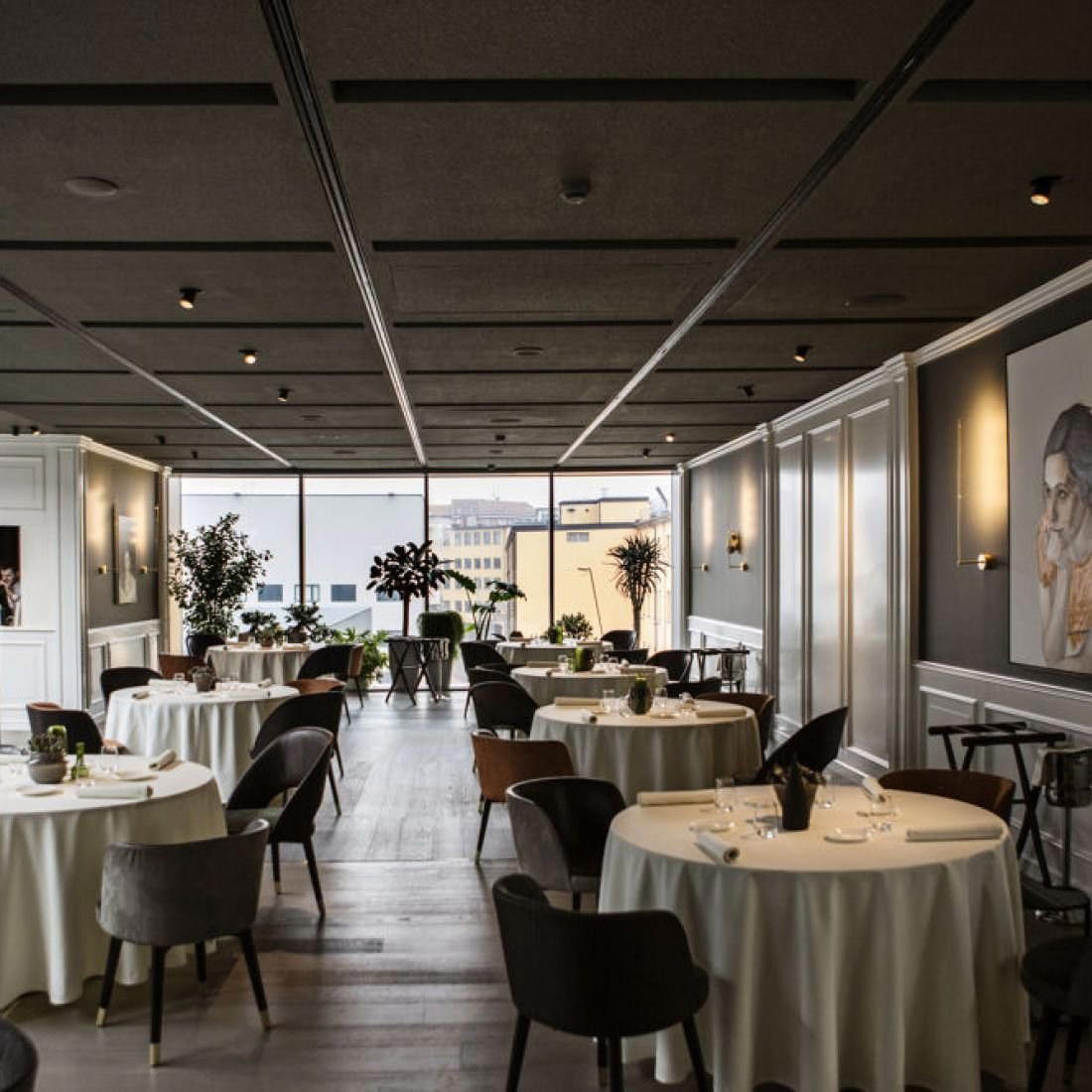
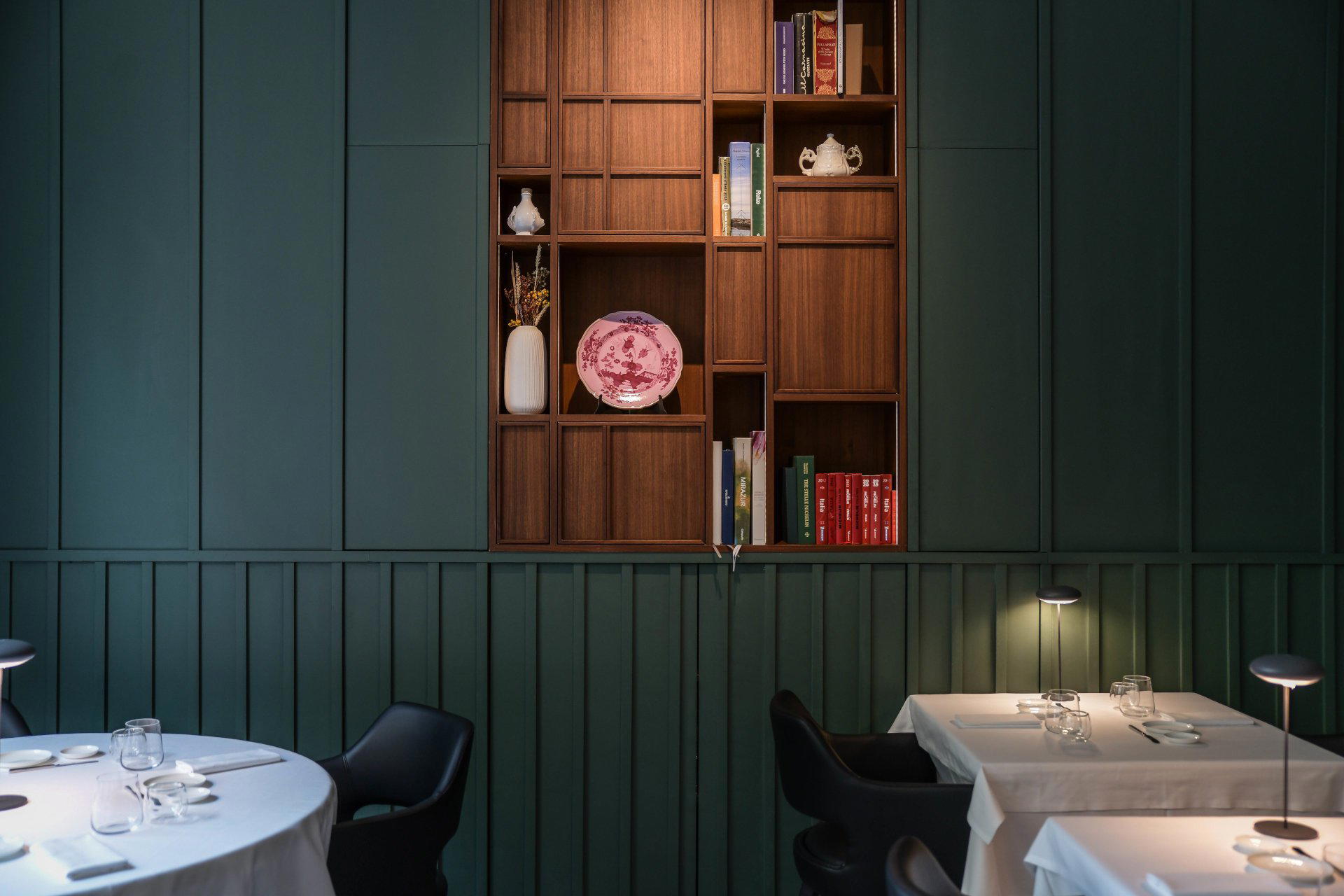
Owner-host model changes the tone. In many premium wine regions, cellar-door hospitality has split between polished tourism infrastructure and private, appointment-led visits. Here the appeal is the second category: direct explanation, a quiet room, vineyard views and the sense that the tasting is attached to the daily life of the property. That makes La Travaglina particularly suited to travellers who want wine education with regional context rather than a tasting designed primarily for photography.
Sustainability as farming practice, not decoration
Stewardship is one of the more concrete parts of the estate’s identity. Integrated agriculture with low environmental impact has been part of the farming approach since the early 1990s, and the estate began moving toward organic farming in June 2021. A photovoltaic system installed in 2010 supplies a significant share of energy needs, while rainwater recovery has been part of the resource-management plan for vineyard and winery use.
Those details matter because sustainability claims in wine can easily become decorative language. Here they connect to production decisions: biodiversity, lower environmental impact, energy generation and water management all sit close to the vineyard. In a hillside zone where exposure, drainage and seasonal rhythm shape grape quality, farming choices are not peripheral. They are part of the wine’s structure before fermentation begins.
The estate’s position at roughly 270 meters above sea level also helps explain the style argument. Hillside sites in this part of Lombardy can support air movement and freshness, useful for Pinot Nero, sparkling bases and white varieties that depend on acidity. The wines should be understood through that agricultural setting first, then through cellar technique. Wood casks, classic-method aging and riserva selections add depth, but the estate’s editorial value lies in how clearly it ties hospitality back to farming.
For travellers building a Santa Giuletta itinerary, this is a winery visit to anchor around a reserved tasting rather than an incidental drop-in. The broader local circuit can be planned through Our full Santa Giuletta wineries guide, with nearby editorial planning across Our full Santa Giuletta restaurants guide, Our full Santa Giuletta hotels guide, Our full Santa Giuletta bars guide and Our full Santa Giuletta experiences guide. For wider wine-country reading, EP Club also covers Cantine Lozza, Cordero San Giorgio, Isimbarda, 3GP SRL in Treviso, 47 Anno Domini in Trebaseleghe, A Mano Wine in Noci, a6mani in Fragagnano, Abbadia Ardenga in Torrenieri, »der Steiner« Hans Steiner in Podersdorf am See and & Handwein in Mannheim.
Recognition history
Dated appearances from independent guides and award organizations, with the underlying list record or original source where available.
Falstaff Winery - Listed
Falstaff
Continue exploring
More in Santa Giuletta
Wineries in Santa Giuletta
Browse all →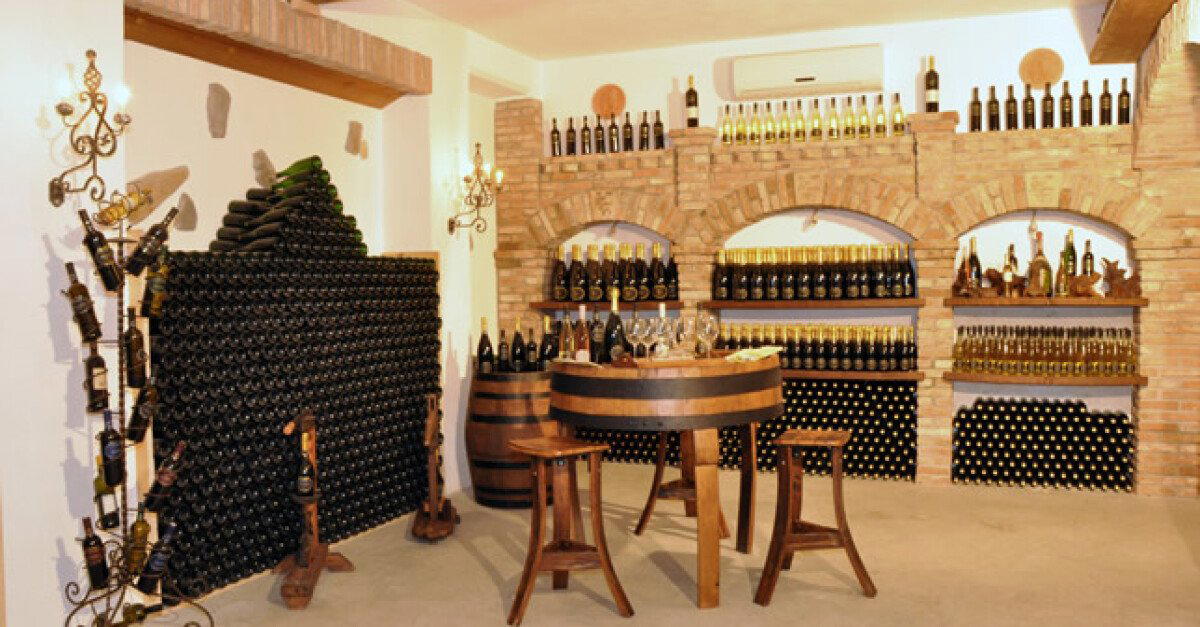

Bars in Santa Giuletta
Browse all →
Restaurants in Santa Giuletta
Browse all →
Details
- Scenic
- Rustic
- Cozy
- Romantic
- Intimate
- Romantic Getaway
- Group Outing
- Celebration
- Solo Exploration
- Wine Education
- Family
- Vineyard Tour
- Barrel Room
- Estate Grounds
- Panoramic View
- Historic Building
- Private Tasting
- Sustainable
- Organic
- Vineyard
- Garden
- Pinot Nero
- Riesling
- Croatina
- Cortese
- Pinot Grigio
- Barbera
- Still Red
- Still White
- Still Rosé
- Sparkling
- Guided Tasting
- Set Flight
- Vineyard & Cellar Tour
- English
- Italian
- French
Historic farmhouse winery in the hills of Oltrepò Pavese with a quiet, relaxed and family-like atmosphere, offering guided walks through vineyards, an underground cellar and a cozy tasting room where guests are personally hosted by the owner.