
Falstaff Winery - 1 Stars
La Marca is a large Prosecco cooperative in Oderzo, built around regional scale rather than the single-estate romance common in winery travel. Founded in 1968, it represents more than 5,000 growers and over 15,000 hectares, with a portfolio spanning Prosecco DOC, Conegliano Valdobbiadene Prosecco Superiore DOCG, rosé, and Cartizze-linked bottlings.

Pearl is the En Primeur Club membership app — saves, bookings, and concierge access live there. Same editors, same standards.
- Address
- Oderzo, Veneto, Italien
- Directions
- Get directions

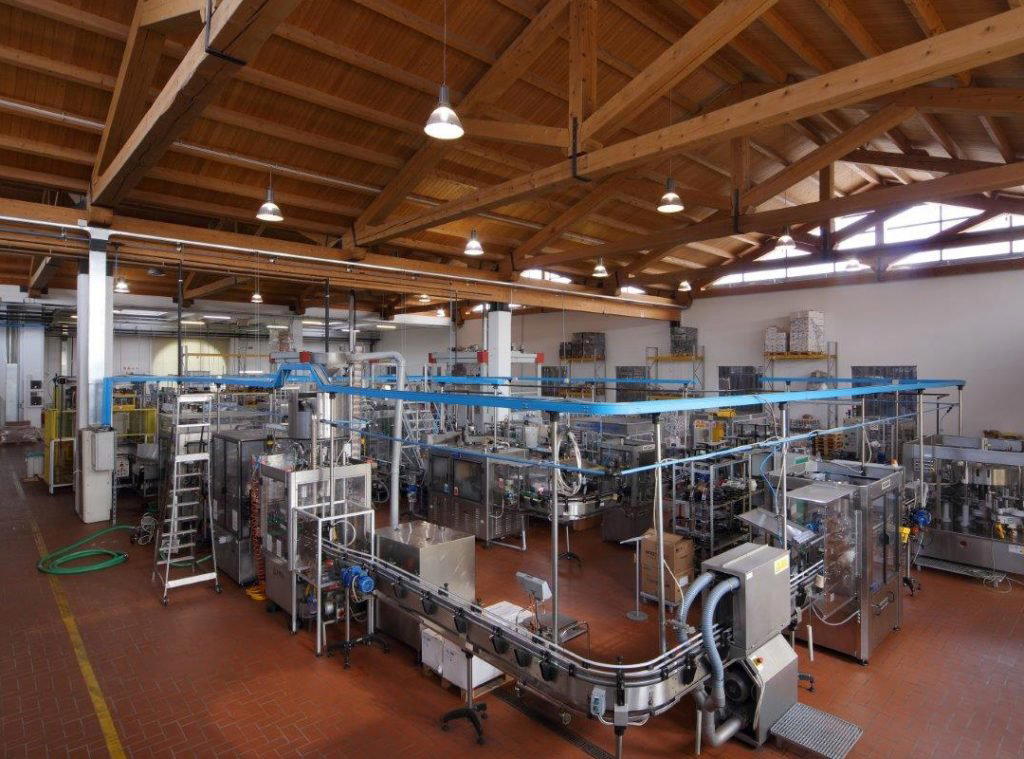
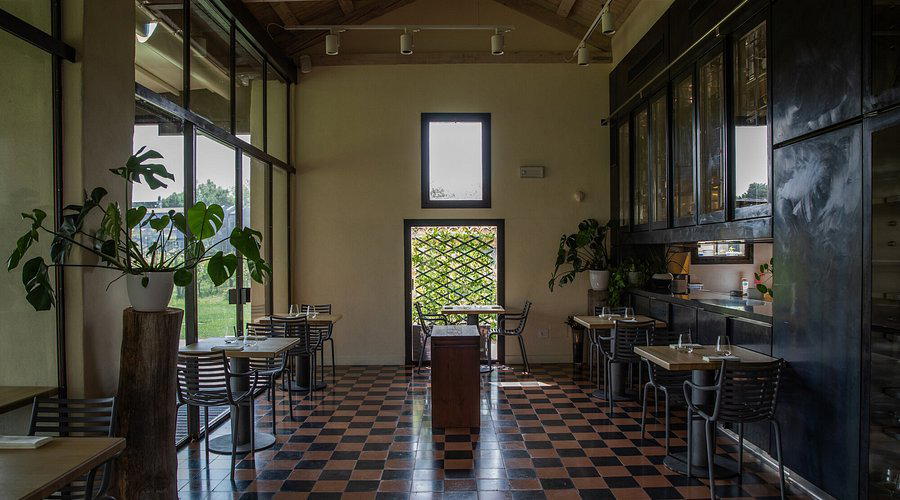
La Marca in Oderzo is best understood as a large cooperative winery focused on Prosecco rather than as a small rustic estate. The picture is deliberately simple: a production-oriented, professional setting, a strong connection to regional identity, and an emphasis on sustainability. For visitors, that means the appeal is less about a romanticized cellar-door narrative and more about seeing Prosecco presented through the lens of scale, organization, and modern Italian wine-making.
That distinction matters because not every wine stop is built around the same kind of intimacy. Some producers are experienced as family estates, some as restaurant-adjacent tasting rooms, and some as working production environments. La Marca belongs in the last category. The atmosphere is described as organized and professional, with a modern cooperative character. It is a place to approach with interest in Prosecco as a regional product and in the way a larger winery communicates identity, consistency, and sustainability.
Prosecco as a regional system, not a single-estate performance
The most useful way to frame La Marca is through its cooperative identity. A cooperative winery is not primarily about one small parcel or one isolated estate story. It represents wine-making through shared structure, production capacity, and a regional language that can be recognized beyond the immediate cellar. In La Marca’s case, that language is Prosecco, presented from Oderzo with a professional, production-led feel.
This makes the venue especially relevant for travellers who want to understand Prosecco beyond the glass. What can be said confidently is that La Marca is a large cooperative winery focused on Prosecco, with an atmosphere that reflects modern Italian wine-making rather than a rustic estate feel.
For a visitor, that can be valuable in its own right. La Marca offers a way to think about how a well-known sparkling-wine identity is carried by organization, regional emphasis, and production culture. It is not necessary to invent a small-cellar romance around the place. Its character is more industrial, more professional, and more clearly connected to the cooperative model.
What the land contributes when the producer is large
With a large cooperative winery, regional identity should be read differently than it would be at a tiny estate. The emphasis is not on a single intimate vineyard story. It is on a broader sense of place and on how a producer presents Prosecco as part of a regional wine culture. La Marca’s profile points to that wider regional identity, with sustainability treated as part of the venue’s positioning rather than as a decorative afterthought.
The safer and more accurate reading is that sustainability is a stated emphasis in the venue’s identity. For a cooperative-scale winery, that emphasis is meaningful because sustainability in a larger production context is not only a matter of atmosphere; it shapes how the winery wants to be understood.
The result is a different kind of wine stop from a rustic countryside tasting room. La Marca’s setting is described as professional and production-oriented. Visitors who value quiet craft narratives may need to adjust expectations, while those interested in how Prosecco is represented by a larger, modern Italian winery may find the format especially useful.
How to place La Marca in an Italy wine itinerary
La Marca works well in an itinerary when it is treated honestly: as a large cooperative Prosecco winery in Oderzo with a modern, production-focused atmosphere. It should not be sold as a chef-led dining room, a boutique tasting counter, or a confirmed tour program unless those details are separately before visiting. The confirmed strengths are its Prosecco focus, cooperative scale, professional tone, sustainability emphasis, and connection to regional identity.
That makes it a practical contrast to other dining or wine-related stops in Oderzo, especially for travellers who want their itinerary to show more than one side of local hospitality. A meal elsewhere in the city may provide the softer rhythm of a restaurant visit, while La Marca gives a clearer view of wine as production and regional presentation. The two experiences can complement each other without needing to be framed as competitors.
The editorial case for La Marca is not scarcity or intimacy. It is clarity. The venue represents Prosecco through a cooperative, professional, sustainability-minded lens. Its atmosphere is closer to modern production than rustic estate theater, which is precisely why it can be interesting. Visitors looking for a polished, large-scale expression of regional wine identity in Oderzo have a clear reason to keep it on the map.
Recognition history
Dated appearances from independent guides and award organizations, with the underlying list record or original source where available.
Falstaff Winery - 1 Stars
Falstaff
Continue exploring
More in Oderzo
Wineries in Oderzo
Browse all →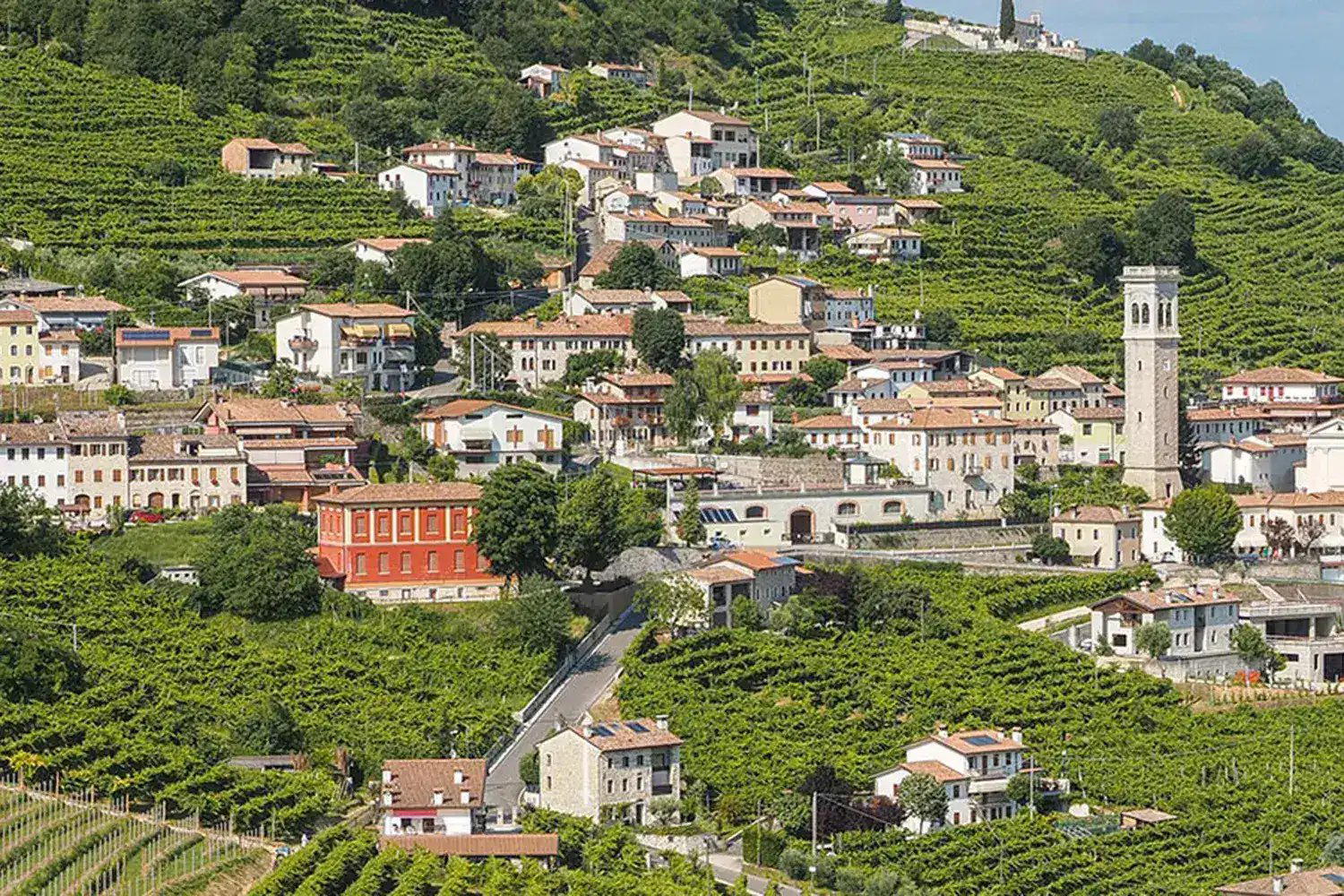
Bars in Oderzo
Browse all →
Restaurants in Oderzo
Browse all →
Details
- Modern
- Well Known
- Sophisticated
- Group Outing
- Corporate Event
- Wine Education
- Solo Exploration
- Sustainable
- Vineyard
- Glera
- Sparkling
- Still White
- Still Rosé
- French
- English
- Russian
- Spanish
- German
Large cooperative winery focused on Prosecco, with a professional, production-oriented atmosphere that reflects modern Italian wine-making and a strong emphasis on sustainability and regional identity rather than a rustic estate feel.