KRSMA Estates

World's 50 Best #46
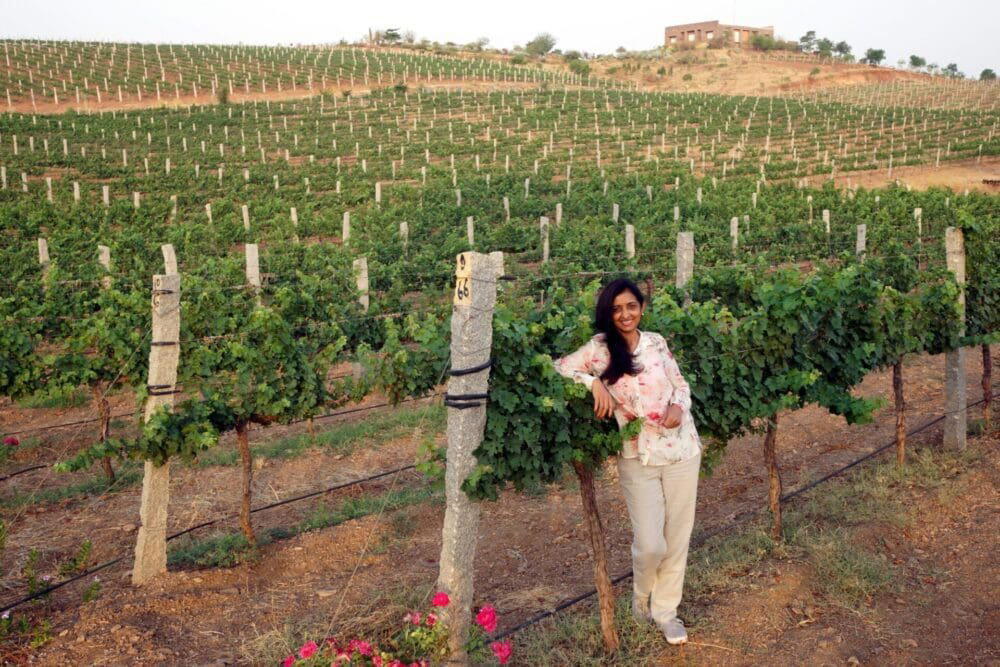
The estate sits within the Hampi Hills, where the interplay of granitic terrain and continental climate is steadily producing wines that speak to place rather than formula. It is one of the few Indian producers arguing, convincingly, for terroir as a serious variable.

Pearl is the En Primeur Club membership app, where members save venues, book tables and use the concierge.
Soils With No Precedent
When KRSMA was founded in 2008, the land it planted had never carried vines. That is not a romantic footnote, it is a significant technical fact. Virgin viticultural soil carries no accumulated disease pressure from previous plantings, no phylloxera history in the rootstock, and no entrenched chemical dependency from prior irrigation or fertilisation regimes. What it does require is patience: the first years on new ground are a process of reading what the soil will and will not give, building vine health from scratch, and discovering which varieties respond to the specific mineral and water-retention profile of a given parcel. Granite-derived soils tend toward sandy loam structures that drain quickly, forcing vine roots to seek moisture deep rather than wide. That root depth, in regions where the practice works, is associated with wines that carry mineral tension and textural definition rather than simple fruit volume. The comparison set here is instructive: properties like Accendo Cellars in St. Helena and Adelaida Vineyards in Paso Robles operate on entirely different geologies, but both make a version of the same argument, that the physical composition of the land shapes what ends up in the glass in ways that technique alone cannot replicate. KRSMA is making that argument in a context where the evidence base for Indian fine wine terroir is still being assembled.
For a property on genuinely novel ground, that signal carries weight beyond the award itself. The region sits at elevation sufficient to introduce a meaningful diurnal range, the spread between daytime highs and overnight lows that viticulturalists treat as one of the most reliable drivers of acidity retention and aromatic intensity. Where coastal or lower-altitude growing zones in India can struggle with alcohol overrun and tropical fruit heaviness, a site with strong diurnal swing gives winemakers more to work with structurally.
This positions the Hampi Hills in a different conversation from, say, the Nashik Valley, which has driven much of the narrative around Indian wine over the past two decades. Nashik's scale and accessibility made it the default reference point. The Hampi Hills model is smaller, more geologically specific, and less connected to the infrastructure that made Nashik commercially dominant. That remoteness is also part of what has kept the terroir argument credible, production here is not driven by volume targets, and the vineyard can be managed with a level of attention that larger operations structurally cannot sustain.
India's Emerging Fine Wine Context
To understand where KRSMA sits, it helps to map the broader arc of Indian wine. The industry's early reputation was built largely on commercial-scale production, and critical scepticism about Indian wine's fine-wine potential was, for a long time, reasonable. The last decade has changed that calculus in specific pockets. A small number of producers began approaching viticulture and winemaking with the rigour that terroir-driven wine requires, selecting sites on geological and climatic grounds, working with varieties suited to those conditions, and resisting the pressure to produce approachable volume wine at the expense of structural ambition.
KRSMA belongs to that cohort. The parallel with producers like Adelsheim Vineyard in Newberg or Albert Boxler in Niedermorschwihr, properties that spent years building a case for their regions before international recognition followed, is not direct, but the structural logic is similar. Recognition comes after the ground work, not before it. The 2025 Prestige award suggests the ground work at KRSMA has reached a stage where the case can be read in the bottle.
Distillery-led Indian producers like Amrut in Bengaluru and Paul John in Cuncolim have demonstrated that the subcontinent can produce spirits of international standing; the fine wine argument is structurally younger but following a comparable trajectory in terms of credibility building. Visitors intending to visit should build travel time into their itinerary generously; this is not a property that sits conveniently off a highway arterial. The estate's positioning in the Hampi Hills means it pairs naturally with a broader visit to the Hampi UNESCO heritage site, one of the most architecturally significant ruins complexes in South Asia, giving the trip a cultural dimension that extends well beyond wine.
For further context on the broader food and drink scene in the region, our full Hampi Hills restaurants guide covers the wider picture. Those planning a comparative tour of producers at this quality level might also consider All Saints Estate in Rutherglen, Alpha Omega Winery in Rutherford, or Aldo Conterno in Monforte d'Alba for a sense of how different terroir-driven producers handle the same fundamental question KRSMA is asking of its land.
What the Land Is Saying
The question KRSMA poses to the Indian wine conversation is ultimately geological and climatic: can a specific patch of Archean granite in the Hampi Hills produce wine that tastes of that place, consistently, year after year? Properties that have answered that question affirmatively in other regions, Alban Vineyards in Arroyo Grande, Alexander Valley Vineyards in Geyserville, Andrew Murray Vineyards in Los Olivos, did so through decades of accumulated vintage data and vine age. KRSMA, founded in 2008 on virgin soil, is still building that record. The soils have been speaking; the critical community is beginning to listen.
For those with serious interest in how wine cultures develop at their edges, where established producers in settled regions and historically rooted estates elsewhere provide the contrast by which new voices are measured, KRSMA offers something the more accessible wine destinations cannot: a producer still in the process of becoming, on ground that has not yet told its full story.
At-a-Glance Comparison
| Venue | Price | Awards |
|---|---|---|
| KRSMA EstatesThis venue (the venue you are viewing) | Not listed | World's 50 Best #46 |
| Paul John | $1–10 | Not listed |
Recognition history
Dated appearances from independent guides and award organizations, with the underlying list record or original source where available.
World's 50 Best Vineyards #46
World's 50 Best
Details
- Scenic
- Sophisticated
- Elegant
- Well Known
- Wine Education
- Special Occasion
- Group Outing
- Solo Exploration
- Vineyard Tour
- Estate Grounds
- Design Destination
- Private Tasting
- Sustainable
- Vineyard
- Mountain
- Cabernet Sauvignon
- Sauvignon Blanc
- Syrah
- Chardonnay
- Sangiovese
- Still Red
- Still White
- Private Tasting
- By Reservation
Luxurious, scenic vineyard setting with a historic backdrop near Hampi and the Vijayanagara Empire; the estate emphasizes craftsmanship, landscape, and a serene wine-country atmosphere.