The Signature Restaurant
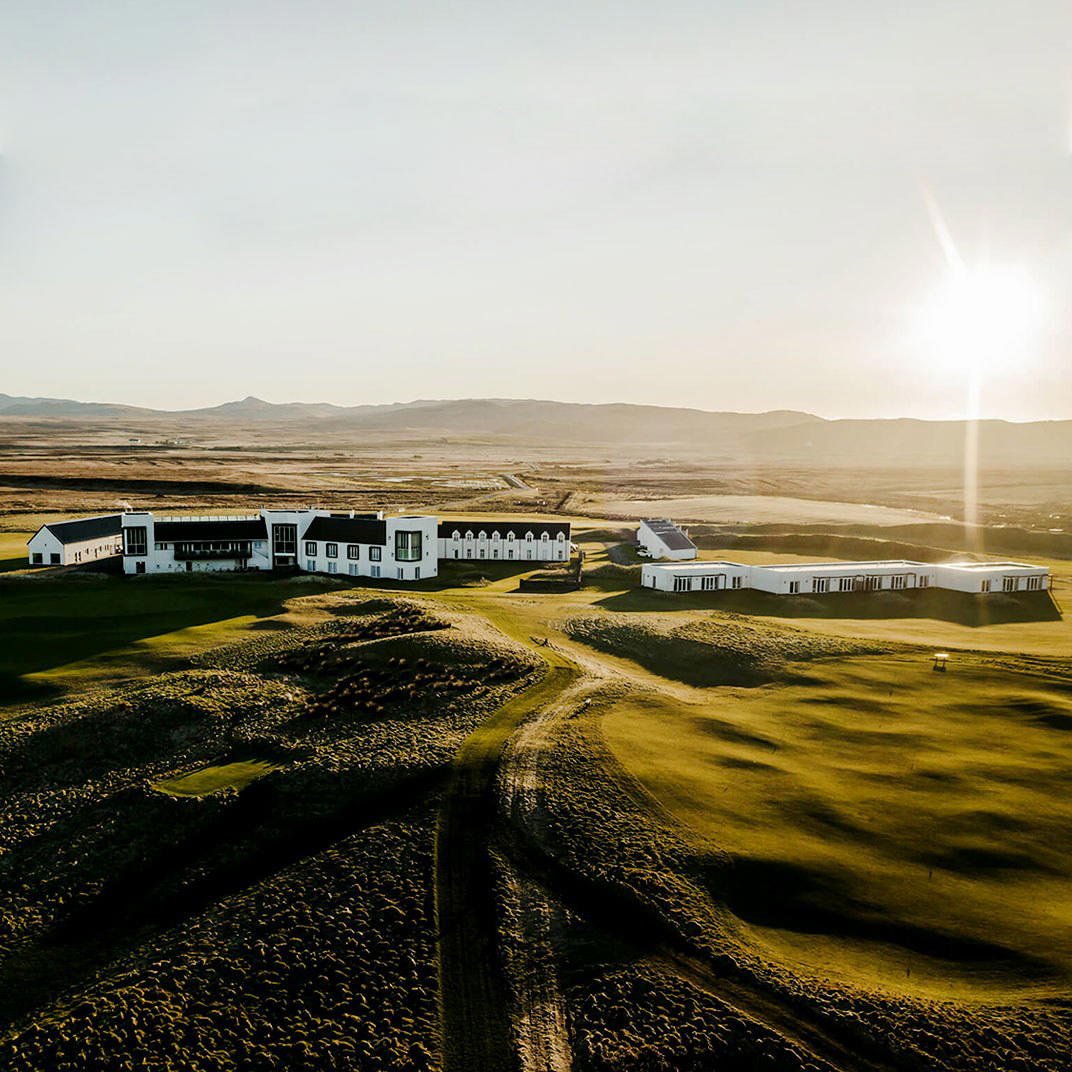
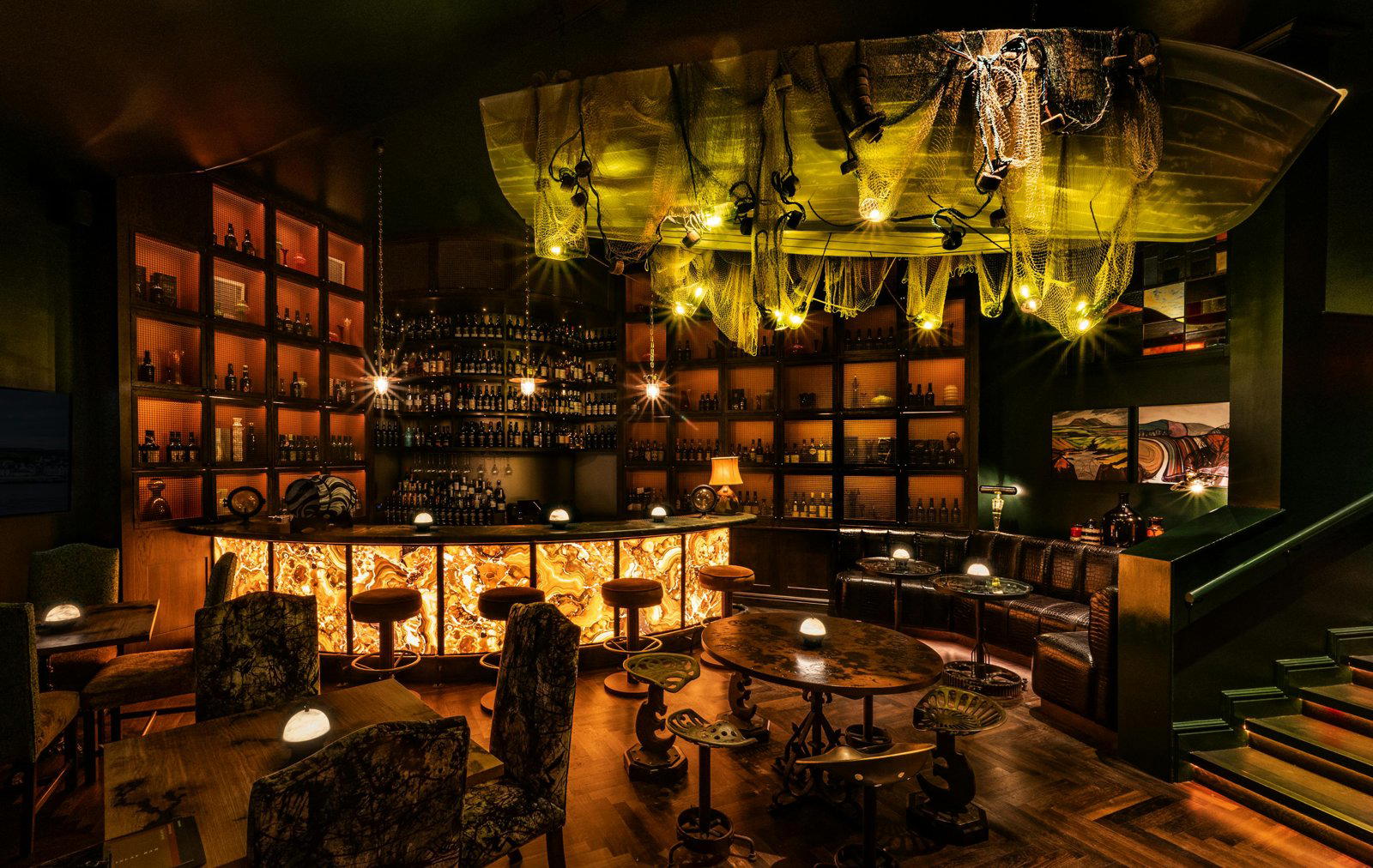
Set within Ardbeg House on the southern tip of Islay, The Signature Restaurant builds its menu around the island's own larder — coastal produce, seasonal ingredients, and the distillery's whisky as a pairing thread. This is destination dining shaped entirely by geography, where what grows or swims nearby dictates what arrives on the plate. For anyone travelling to Port Ellen, it represents one direct expression of Islay's food and drink culture in a single sitting.
Pearl is the En Primeur Club membership app — saves, bookings, and concierge access live there. Same editors, same standards.
- Address
- Port Ellen, United Kingdom
- Website
- ardbeghouse.com
- Directions
- Get directions
 Saves & bookings on Pearl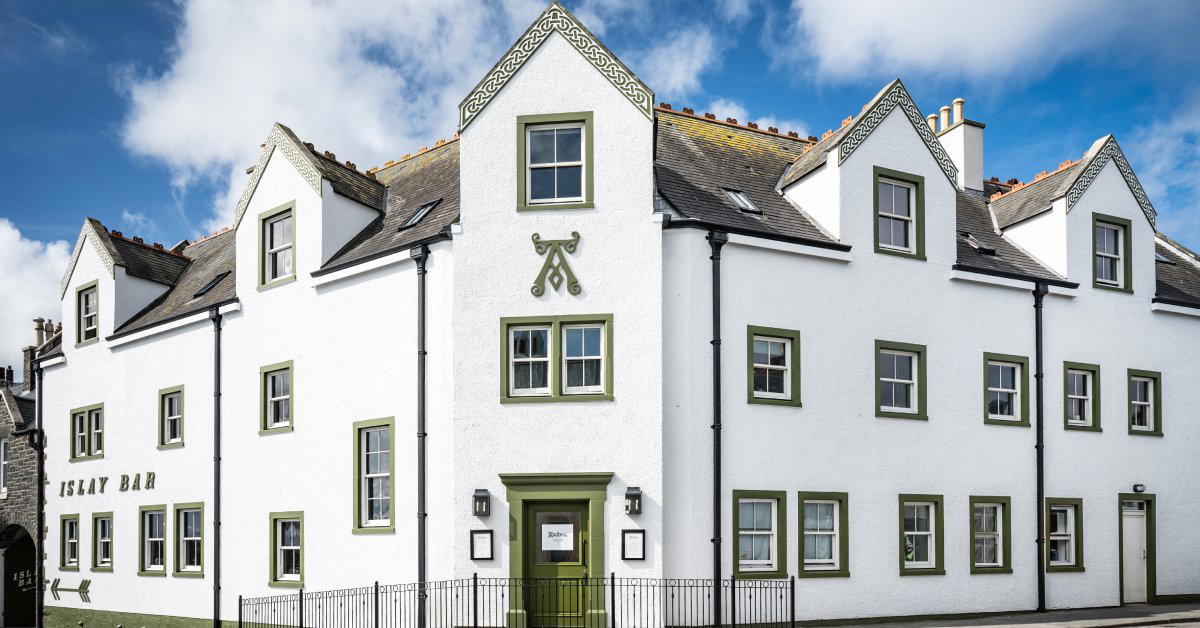
Where the Island Becomes the Menu
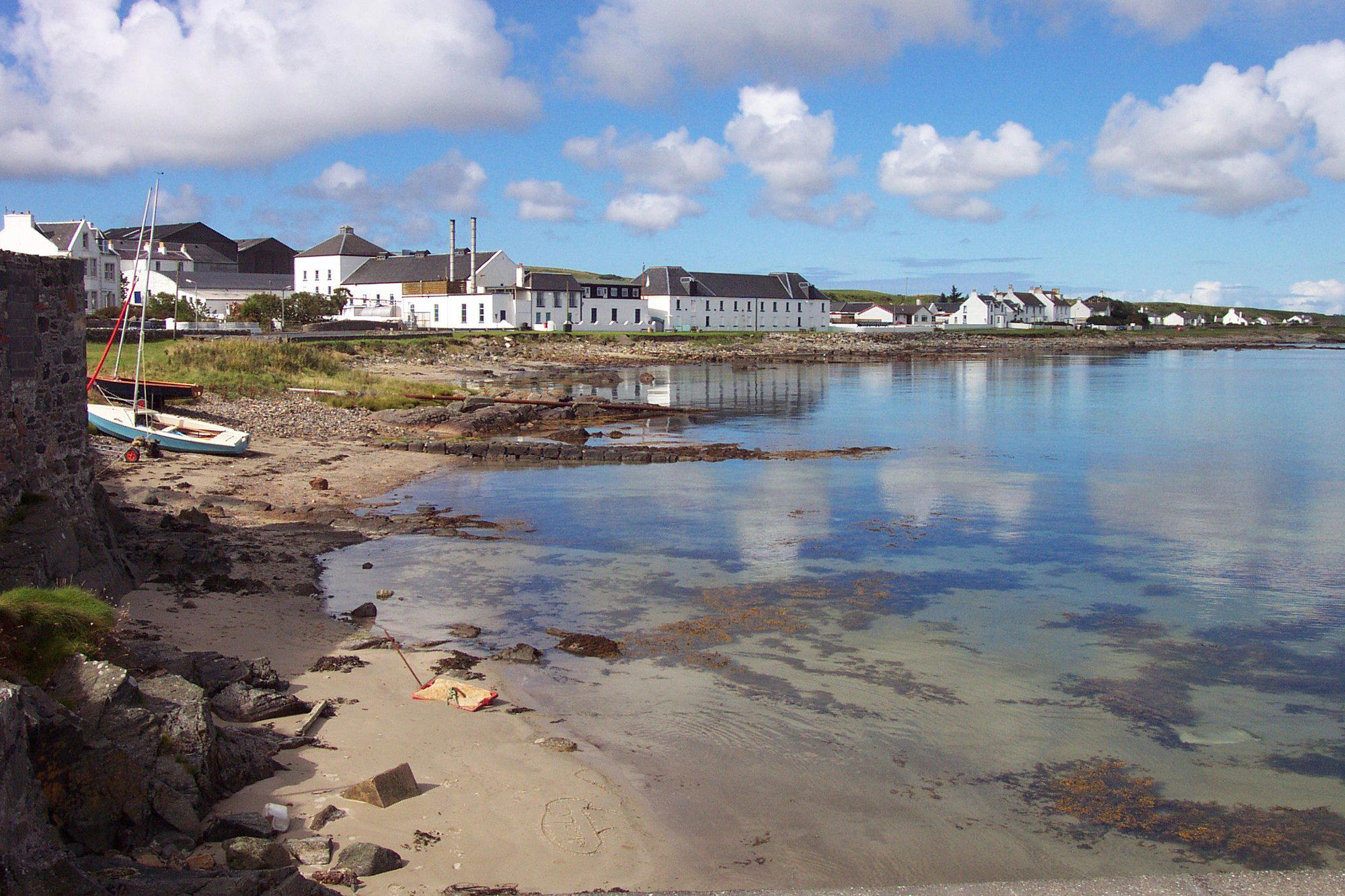
Islay's southern coast has a particular quality to it: the Atlantic presses close, peat bogs and barley fields run down to the shoreline, and the air carries a salinity that you taste before you sit down to eat. The Signature Restaurant at Ardbeg House sits within that environment, and unlike restaurants that merely gesture toward local sourcing as a marketing note, the menu here is structurally dependent on what the island produces. Islay-focused, seasonal produce with whisky pairings is the stated approach, and in a place this remote and this ingredient-rich, that formula carries genuine weight.
For context on how rare this convergence is in the British Isles: most destination restaurants of this type, from L'Enclume in Cartmel to Moor Hall in Aughton, draw their ingredient identity from a wider rural region. Ardbeg House operates on a smaller, more compressed geography — the island of Islay measures roughly 25 miles by 20 miles, which means the sourcing radius is not a concept but a physical constraint. That constraint is the editorial point: it forces a specificity that broader-reach restaurants rarely achieve by choice.
Islay as Larder: What the Land and Sea Provide
The ingredient story on Islay is more layered than its whisky reputation suggests. The island's west and south coasts produce shellfish in volume: native oysters, langoustines, crab, and scallops pulled from the cold waters of the Sound of Islay and beyond. Inland, the agricultural character shifts toward livestock farming, with lamb grazed on herb-rich machair grassland that imparts a particular flavour profile distinct from mainland-reared alternatives. Game, wild herbs, sea vegetables, and foraged coastal plants fill in the margins of the seasonal calendar.
This is the sourcing architecture that underpins serious island-focused cooking, and it places Ardbeg's restaurant in a different competitive category from urban tasting menu formats. Where something like CORE by Clare Smyth in London builds a Modern British identity through supplier relationships across multiple regions, or where Le Manoir aux Quat'Saisons in Oxford draws on an estate kitchen garden, the Ardbeg approach is defined not by curation across geography but by commitment to a single place. The island supplies what it supplies, the season dictates the menu's structure, and the kitchen works within that frame.
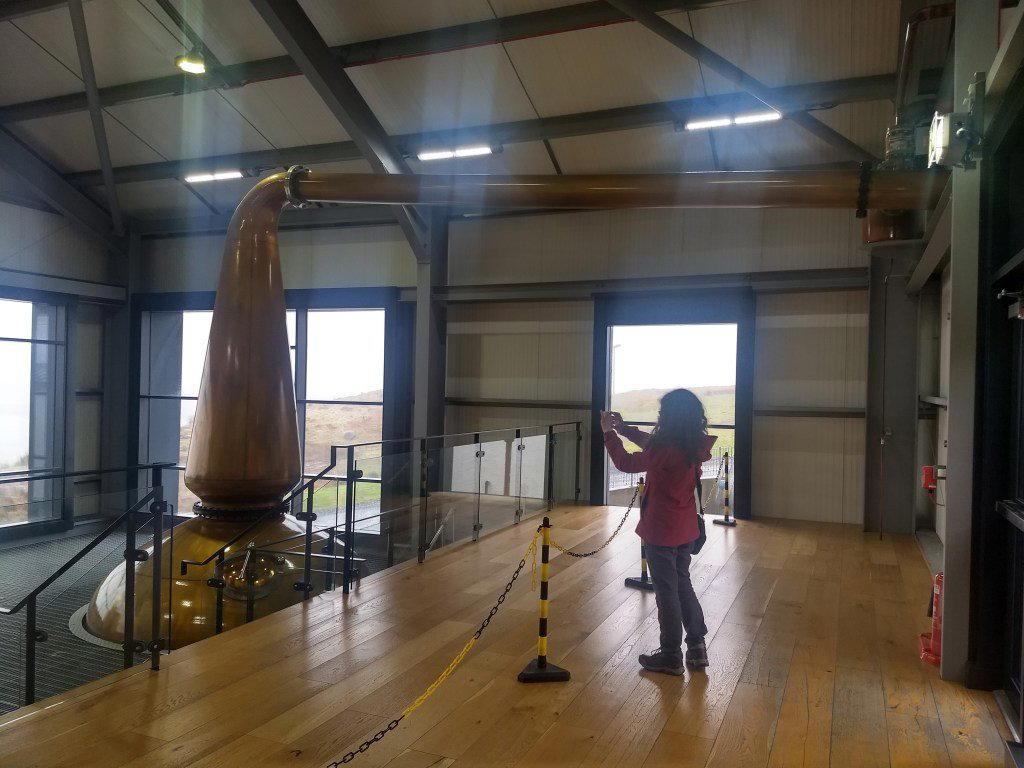
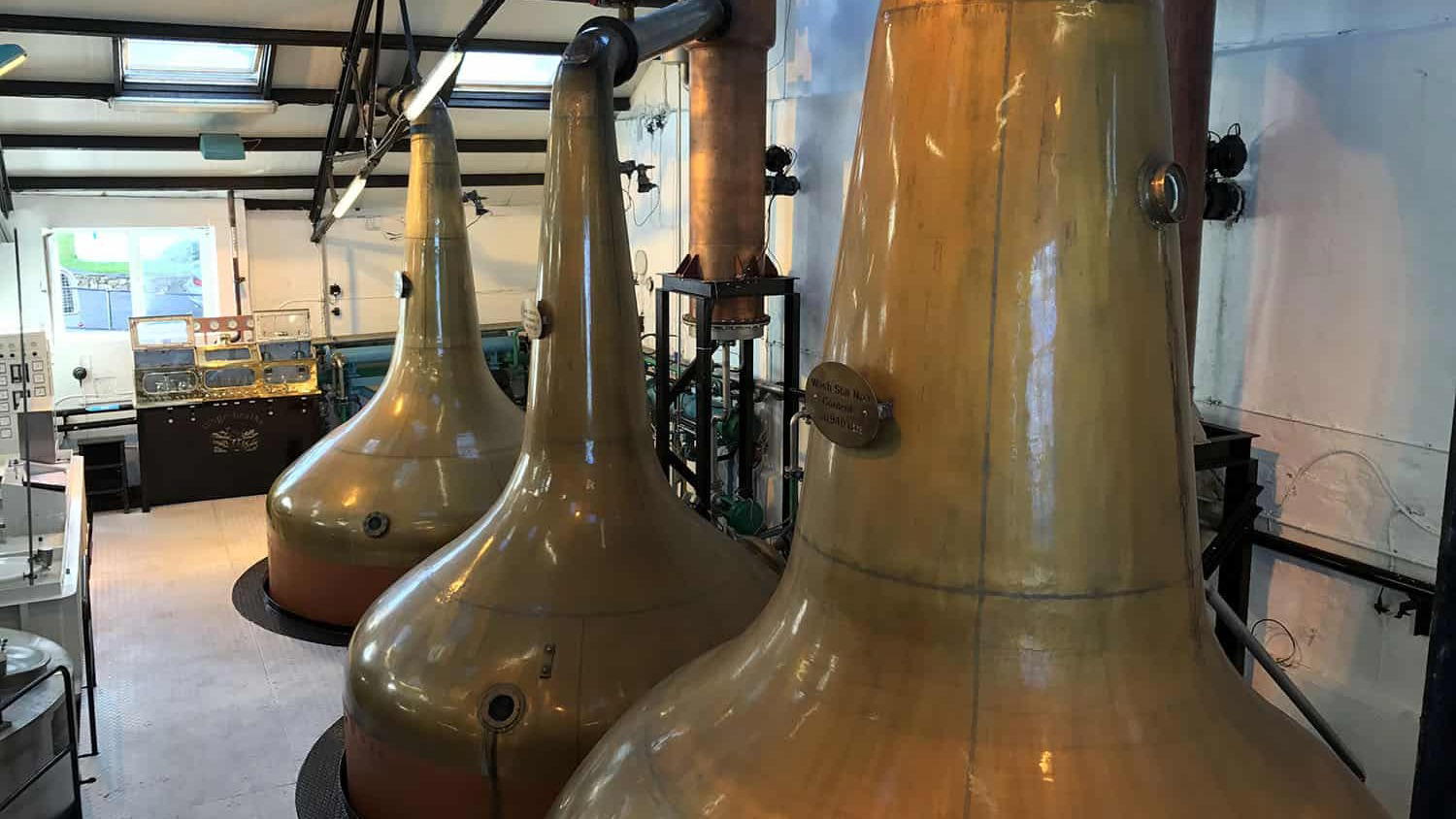
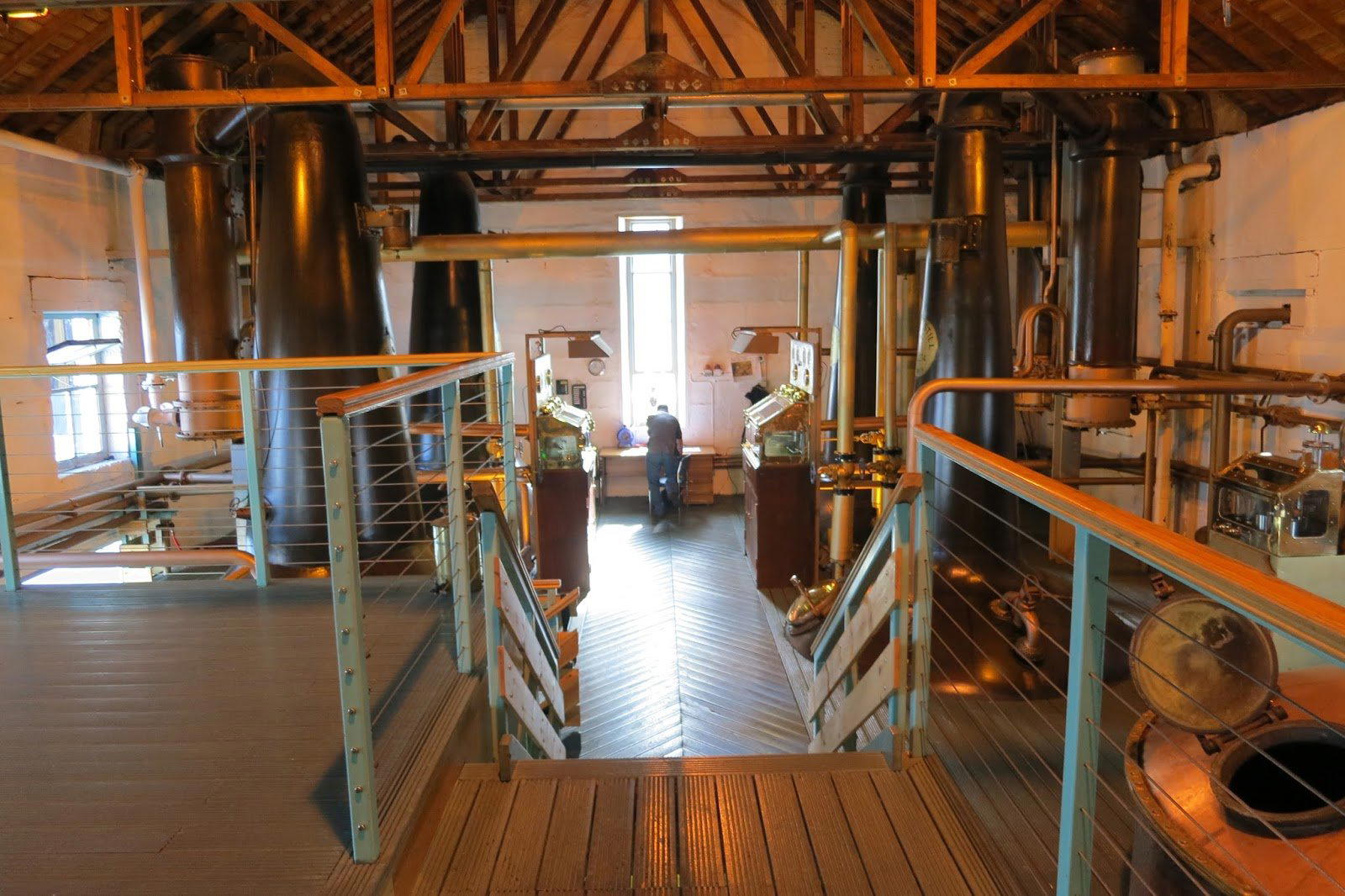
Whisky as a pairing medium is particularly coherent in this context. Ardbeg's distillery operates a few hundred metres from the house, meaning the peated Islay malts used in any pairing framework are themselves made from the same water source, the same peat, the same atmospheric conditions that shape the food on the plate. This is not a whisky dinner in the novelty sense — it is an argument about terroir that happens to run across two different food and drink categories simultaneously. The parallel is closer to a wine-estate restaurant like those in Burgundy than to a standard whisky pairing event.
The Case for Eating Here Before Drinking There
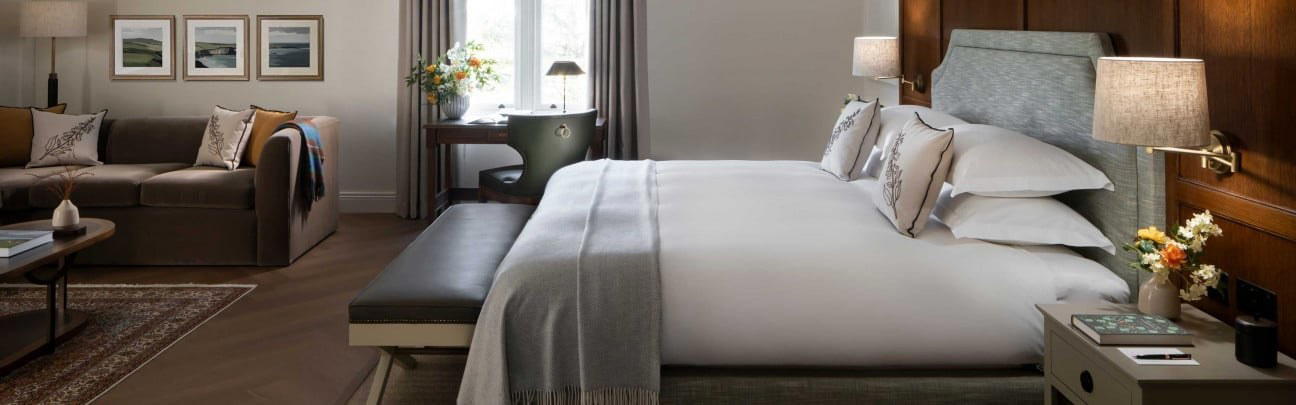
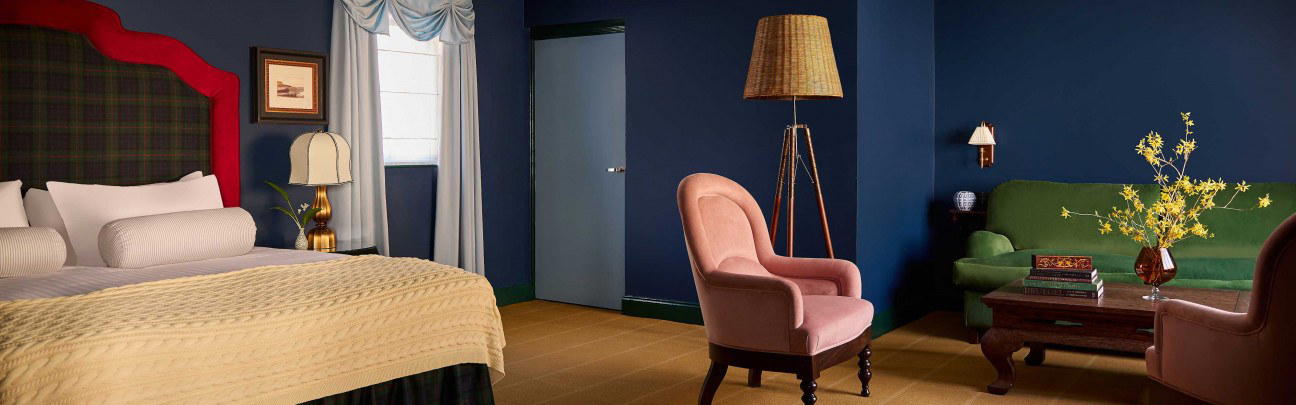
Remote Scottish distillery restaurants have become a recognisable format, but most function as visitor centre adjuncts, refined café service attached to a brand experience. The Signature Restaurant occupies a more considered tier. Ardbeg House itself is a historic property with a physical character that separates it from purpose-built hospitality infrastructure, and the cooking model leans into seasonal specificity rather than the kind of crowd-pleasing menu that visitor volume tends to demand.
The comparison that sharpens the picture is The Glenturret Lalique in Crieff, which holds Michelin recognition and represents the high end of the Scottish distillery restaurant format. That benchmark matters because it shows the category can sustain serious kitchen ambitions, not just branded hospitality. Ardbeg House operates with similar conceptual DNA, whisky, provenance, a singular Scottish setting, though in a more remote and more island-specific context.
For a broader frame, the pattern of high-end rural British dining that foregrounds hyper-local sourcing as the primary editorial identity also includes properties like Gidleigh Park in Chagford and Ynyshir Hall in Machynlleth, both of which demonstrate that geographic isolation, rather than undermining a serious kitchen, tends to sharpen its identity. The further from a metropolitan supply chain, the more the kitchen has to commit to what is genuinely nearby.
Getting to Port Ellen
Reaching Islay requires planning that most British restaurant trips do not demand. Port Ellen sits on the island's south coast, accessible by ferry from Kennacraig on the Kintyre peninsula, a crossing of roughly two hours, or by small aircraft into Islay Airport, which receives services from Glasgow. The journey is not incidental, it is part of the context in which the meal sits. Visitors who arrive by ferry see the distilleries appear along the coastline before they disembark, which functions as an involuntary amuse-bouche for what follows on land. Booking in advance is essential given the limited visitor capacity on the island and the seasonally driven nature of the restaurant's offer. Islay's hospitality infrastructure is concentrated and finite, so this is not a venue to approach speculatively.
Those building a longer itinerary around Scottish destination dining can reasonably pair a trip here with Restaurant Andrew Fairlie in Auchterarder, which anchors the central Scotland fine dining circuit in a different mode, formal French technique within a luxury hotel, and positions the Ardbeg experience usefully against it. For anyone cross-referencing the wider UK scene before committing, our full Port Ellen restaurants guide provides broader local context, alongside profiles of places like Hand and Flowers in Marlow, Midsummer House in Cambridge, Restaurant Sat Bains in Nottingham, Opheem in Birmingham, hide and fox in Saltwood, and 33 The Homend in Ledbury for comparison across format and price tier.
Side-by-Side Snapshot
| Venue | Cuisine | Price | Awards |
|---|---|---|---|
| The Signature Restaurant (at Ardbeg House)This venue — the venue you are viewing | Islay-focused, seasonal produce with whisky pairings | This venue | Not listed |
| CORE by Clare Smyth | Modern British | ££££ | Michelin 3 Star |
| Restaurant Gordon Ramsay | Contemporary European, French | ££££ | Michelin 3 Star |
| Sketch, The Lecture Room and Library | Modern French | ££££ | Michelin 3 Star |
| The Ledbury | Modern European, Modern Cuisine | ££££ | Michelin 3 Star |
| Dinner by Heston Blumenthal | Modern British, Traditional British | ££££ | Michelin 2 Star |
Continue exploring
More in Port Ellen
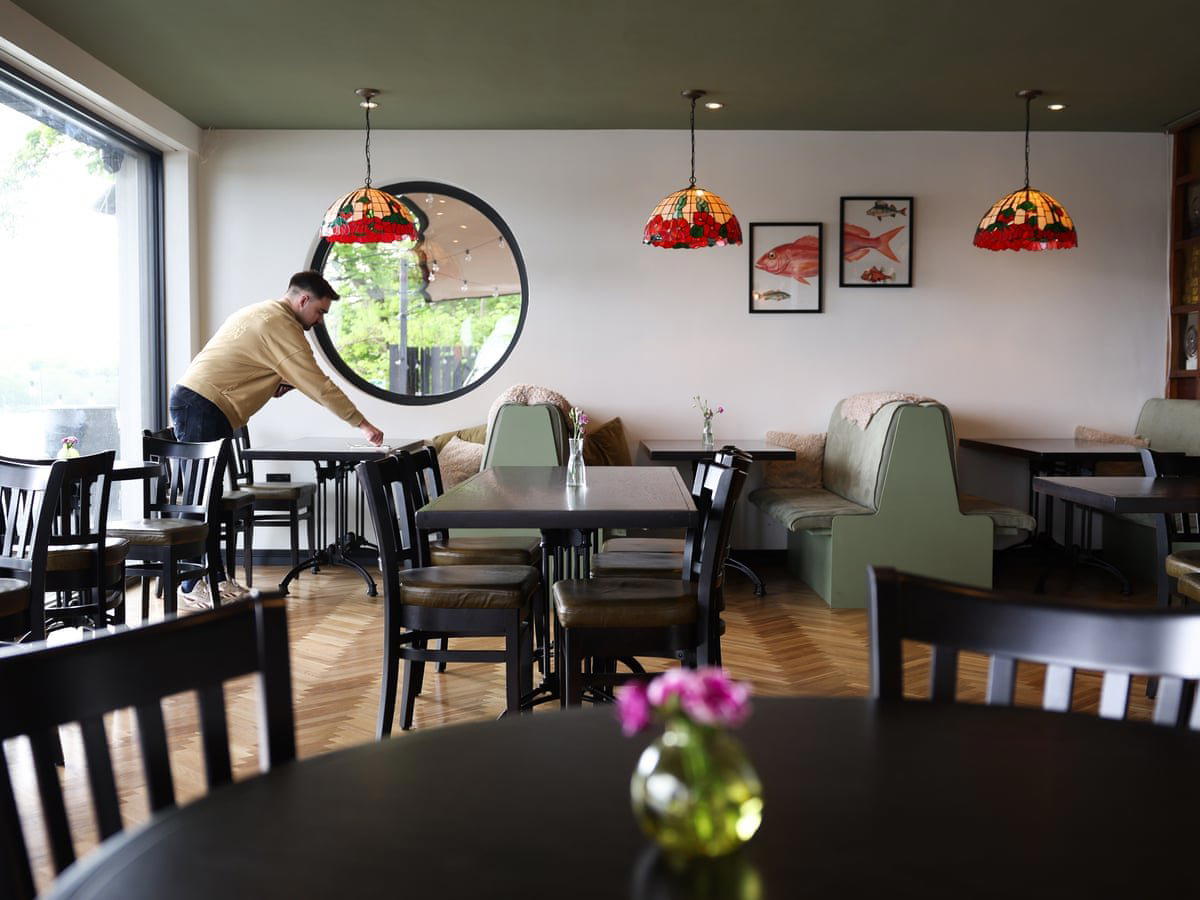
Restaurants in Port Ellen
Browse all →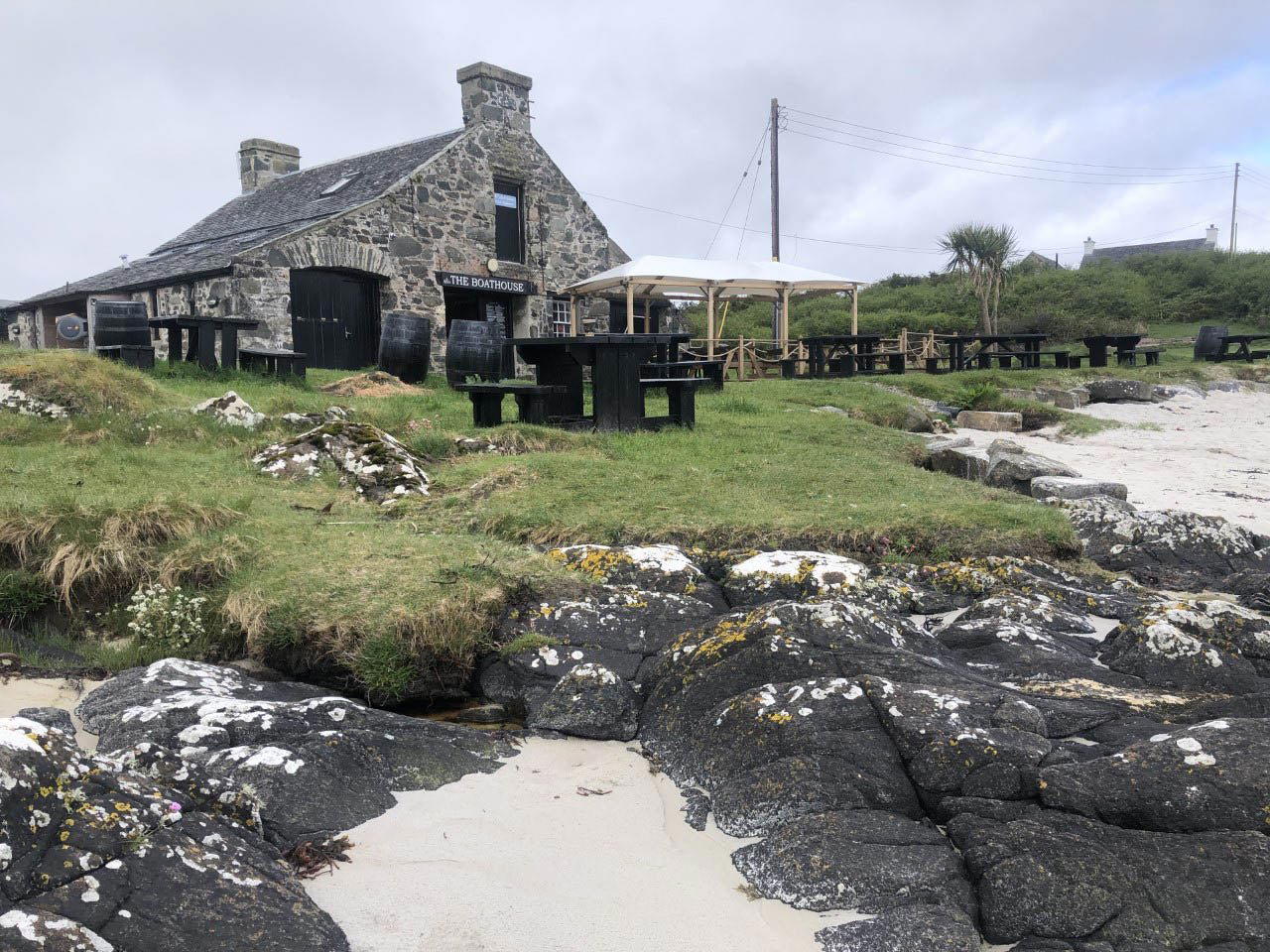
Hotels in Port Ellen
Browse all →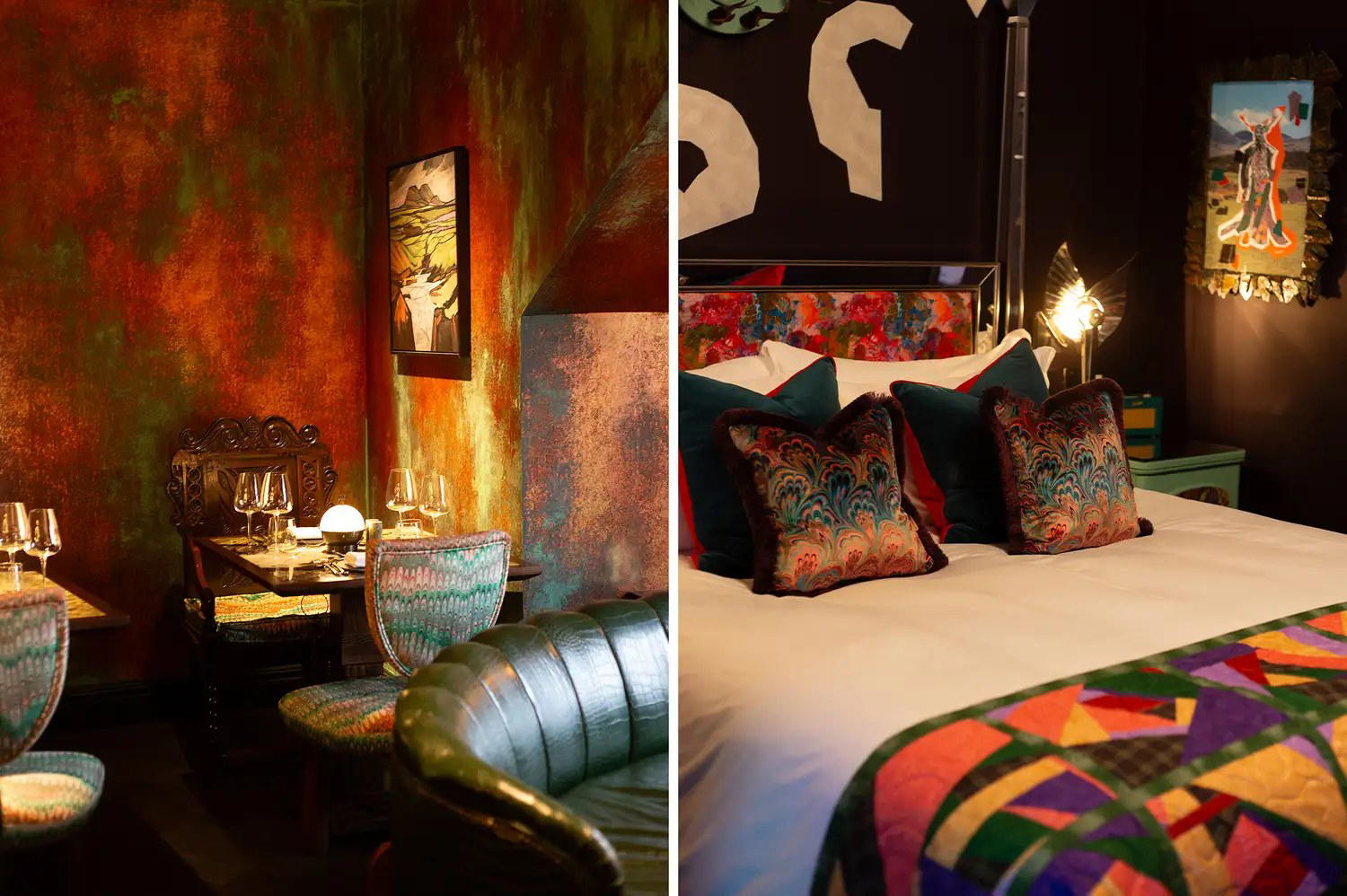
At a Glance
- Elegant
- Sophisticated
- Scenic
- Intimate
- Date Night
- Celebration
- Special Occasion
- Group Dining
- Hotel Restaurant
- Standalone
- Craft Cocktails
- Local Sourcing
Welcoming, elegant, and destination-dining oriented, with an intimate island-hospitality feel.