Kaltenbach Weine

Kaltenbach Weine is a small Baden farm-winery in Gundelfingen, shaped by Wildtal slopes, weathered gneiss soils, and an agrarian Hofladen culture. The draw is not formal luxury tasting theatre but a regional cellar-door model built around Spätburgunder, Baden whites, Sekt, Secco, orchard products, and seasonal farm goods.
Pearl is the En Primeur Club membership app — saves, bookings, and concierge access live there. Same editors, same standards.
- Address
- Gundelfingen, Baden, Baden-Wuerttemberg, Deutschland
- Directions
- Get directions
 Saves & bookings on Pearl
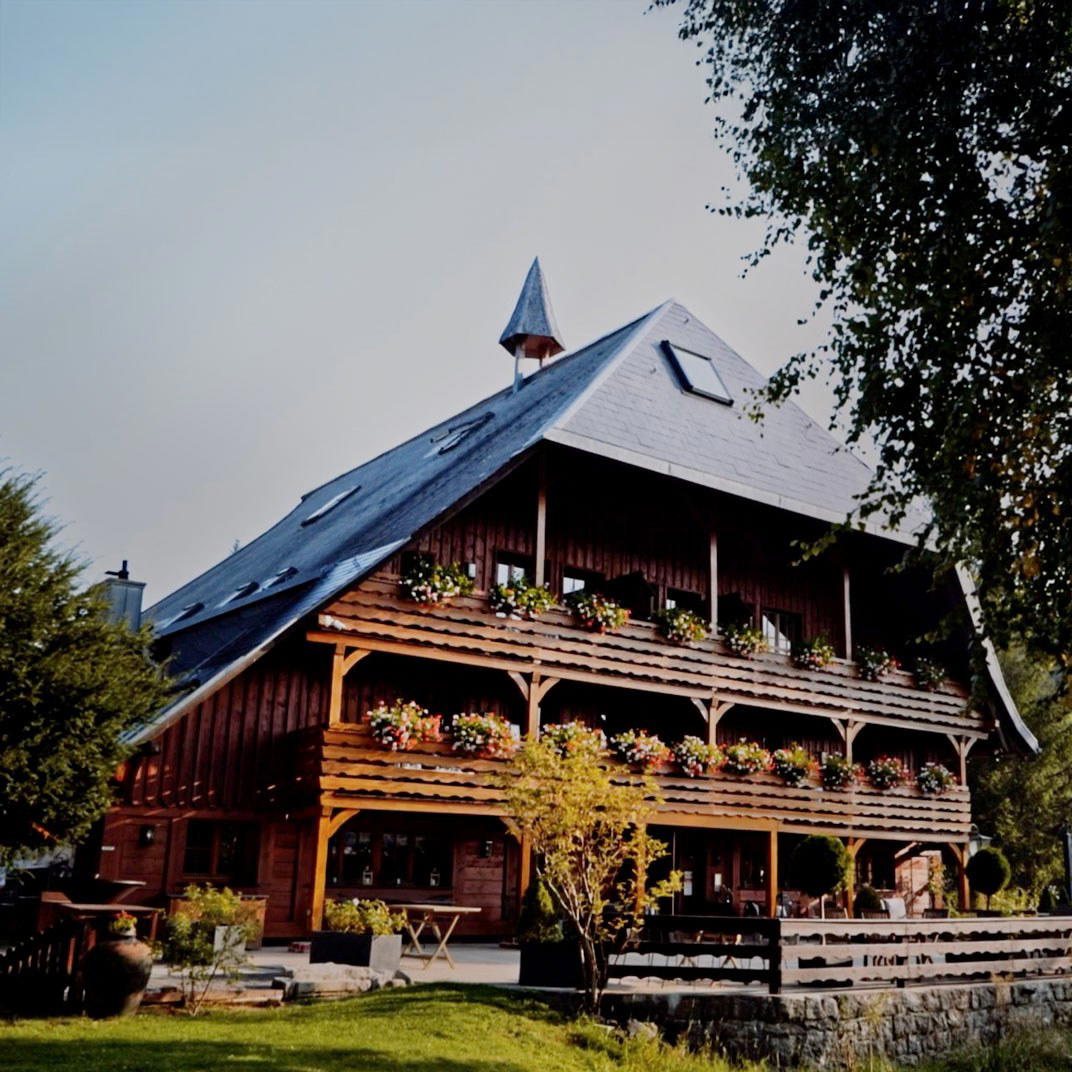
Approach this kind of Baden winery expecting a working farm rhythm rather than a polished tasting salon. The setting is Wildtal, on the Merzhof in Gundelfingen, where vineyards rise above the farm on south-facing ground under the edge of the Black Forest. That geography matters: in Breisgau, wine identity is often built less on grand architecture than on slope, shelter, soil, and the daily overlap between viticulture and agriculture.
Kaltenbach Weine belongs to that direct-from-farm category. Vines have been planted here since 1999, which makes the estate young by German wine standards but established enough to have a defined local voice. The atmosphere is rustic and quiet, with a Hofladen model that pulls wine, orchard produce, fruit brandies, nuts, and Christmas trees into the same rural economy. For a broader city view, see Our full Gundelfingen wineries guide, alongside Our full Gundelfingen restaurants guide, Our full Gundelfingen hotels guide, Our full Gundelfingen bars guide, and Our full Gundelfingen experiences guide.
Wildtal slope, Black Forest shelter, and Baden varieties
The clearest reason to pay attention here is terroir expression at a modest, local scale. The vineyard sits on the southern slope of the Wildtäler Sommerberg, in a small valley between Freiburg and Glottertal. The estate identifies the soil as weathered gneiss, and that detail gives the wines a more specific anchor than generic Baden branding. Sun exposure, valley position, and shelter from the Black Forest foothills form the basis of the house identity.
The varietal set is classic for this part of Germany: Spätburgunder, Grauburgunder, Weißburgunder, Gutedel, and Müller-Thurgau. That lineup places the winery firmly inside Baden’s everyday drinking culture, where Pinot-family wines and regional whites often carry the conversation. The portfolio includes still reds, still whites, sparkling wines, Secco, and an alcohol-free Triebel-Sekko, so the offer reads as regional and practical rather than collector-driven.
Spätburgunder gives the red and rosé side its centre of gravity, while Grauburgunder, Weißburgunder, Gutedel, and Müller-Thurgau keep the white-wine range familiar to local drinkers. The absence of a trophy-tier narrative is part of the point. This is wine as farm product, shaped for direct retail and local tables, not wine presented through medals, reserve hierarchies, or allocation scarcity.
A Hofladen model where wine is part of the farm, not separate from it
The stronger editorial story is the integration of land uses. Sheep graze the vineyard and Christmas-tree ground cover, while cows contribute to compost production. Those practices point to a circular farm logic, even without formal certification language. In wine tourism, that matters: visitors increasingly encounter either high-design estates built for appointment-led tastings or smaller agricultural producers where the cellar door is only one part of the farm’s public face. Kaltenbach Weine sits in the second camp.
The Hofladen reinforces that identity. Wine shares space with naturally cloudy orchard apple juice, fruit brandies made from apples, mirabelles, and plums, plus seasonal produce and Christmas trees from the farm’s own cultivation. During the holiday period, the tree business gives the property a different seasonal tempo, with local purchasing habits becoming part of the hospitality pattern. The result is less a linear tasting visit than a snapshot of rural Baden retail culture.
That format suits visitors who want context rather than ceremony. The setting is casual, family-oriented, and small in scale, with a walk-in friendly visit type and no wine-club gatekeeping. It is also child-friendly and group-friendly, which fits the farm-shop model better than a hushed cellar format. Dress remains casual; the character is quiet, regional, and agrarian.
How to place it in a Germany wine itinerary
Germany’s wine map can pull travelers toward grand Riesling corridors, famous co-operatives, and architecture-led estates. A stop like this makes a different argument: Baden’s local wine culture is often understood through mixed farming, direct sales, and familiar varieties poured close to where they are grown. For travelers building a wider route, contrast the Gundelfingen lens with listings such as & Handwein in Mannheim, 2 Naturkinder in Kitzingen, 3 Winner in Bechtheim, 49Point9 in Geisenheim, and 532 Riesling in Rüdesheim am Rhein.
The editorial case is strongest for first-time visitors to the area who want an accessible read on Breisgau farming culture, and for repeat Germany wine travelers who have already done formal tasting appointments elsewhere. The price level is low, the format is informal, and the point is specificity: vines planted above the farm since 1999, Baden grapes on weathered gneiss, and a Hofladen that keeps wine tied to seasonal produce. For additional route-building, compare the broader German and Central European spread through 70469! in Stuttgart Feuerbach, 746 - Route du Brut in Ettlingen, Achkarrer Winzer am Schlossberg eG in Vogtsburg Achkarren, »der Steiner« Hans Steiner in Podersdorf am See, and ®walzer in Gneixendorf Bei Krems.
Recognition history
Dated appearances from independent guides and award organizations, with the underlying list record or original source where available.
Falstaff Winery - Listed
Falstaff
Continue exploring
More in Gundelfingen
Wineries in Gundelfingen
Browse all →
Bars in Gundelfingen
Browse all →


Restaurants in Gundelfingen
Browse all →
At a Glance
- Rustic
- Cozy
- Family
- Wine Education
- Solo Exploration
- Group Outing
- Sustainable
- Mountain
- Vineyard
- Baden
- Spätburgunder
- Grauburgunder
- Weißburgunder
- Gutedel
- Müller Thurgau
- Still Red
- Still White
- Sparkling
Family-run, rustic farm-winery atmosphere rooted in nature, with a seasonal Hofladen and a strong local/regional identity.