
Iuppa is a certified organic Etna estate in Milo, where Carricante, volcanic terraces, and the eastern slope’s maritime climate define the conversation. The experience is small-scale and technical rather than casual, with tastings in a restored 19th-century palmento and a portfolio centered on Etna Bianco Superiore, Nerello Mascalese, rosé, and sparkling expressions.
Pearl is the En Primeur Club membership app — saves, bookings, and concierge access live there. Same editors, same standards.
- Address
- Milo, Sicily, Italien
- Directions
- Get directions
 Saves & bookings on Pearl
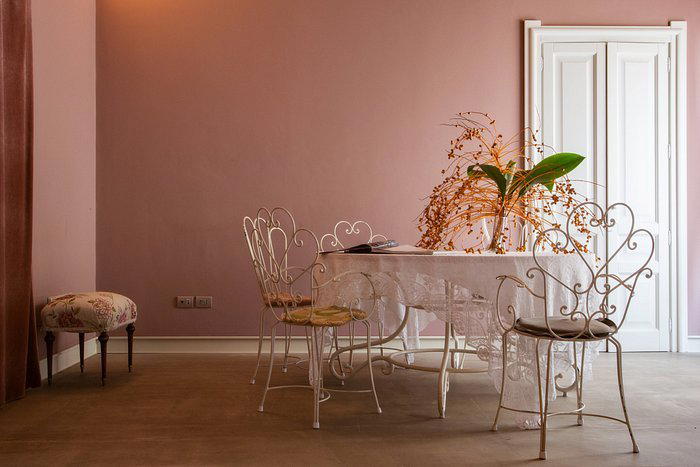
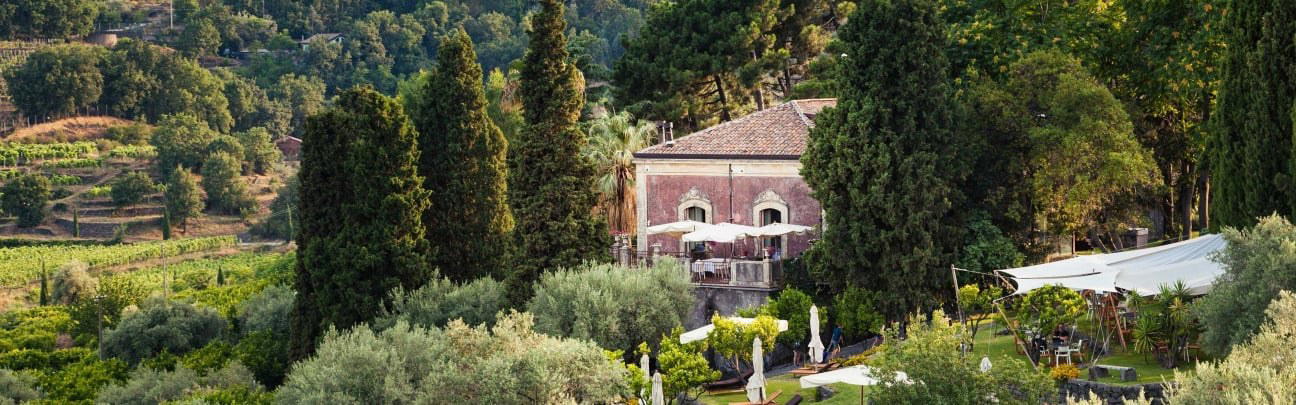
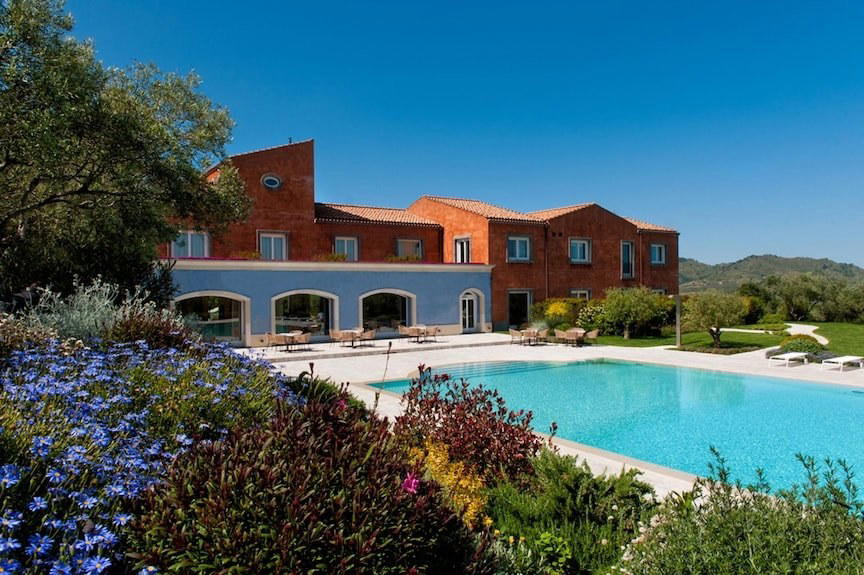
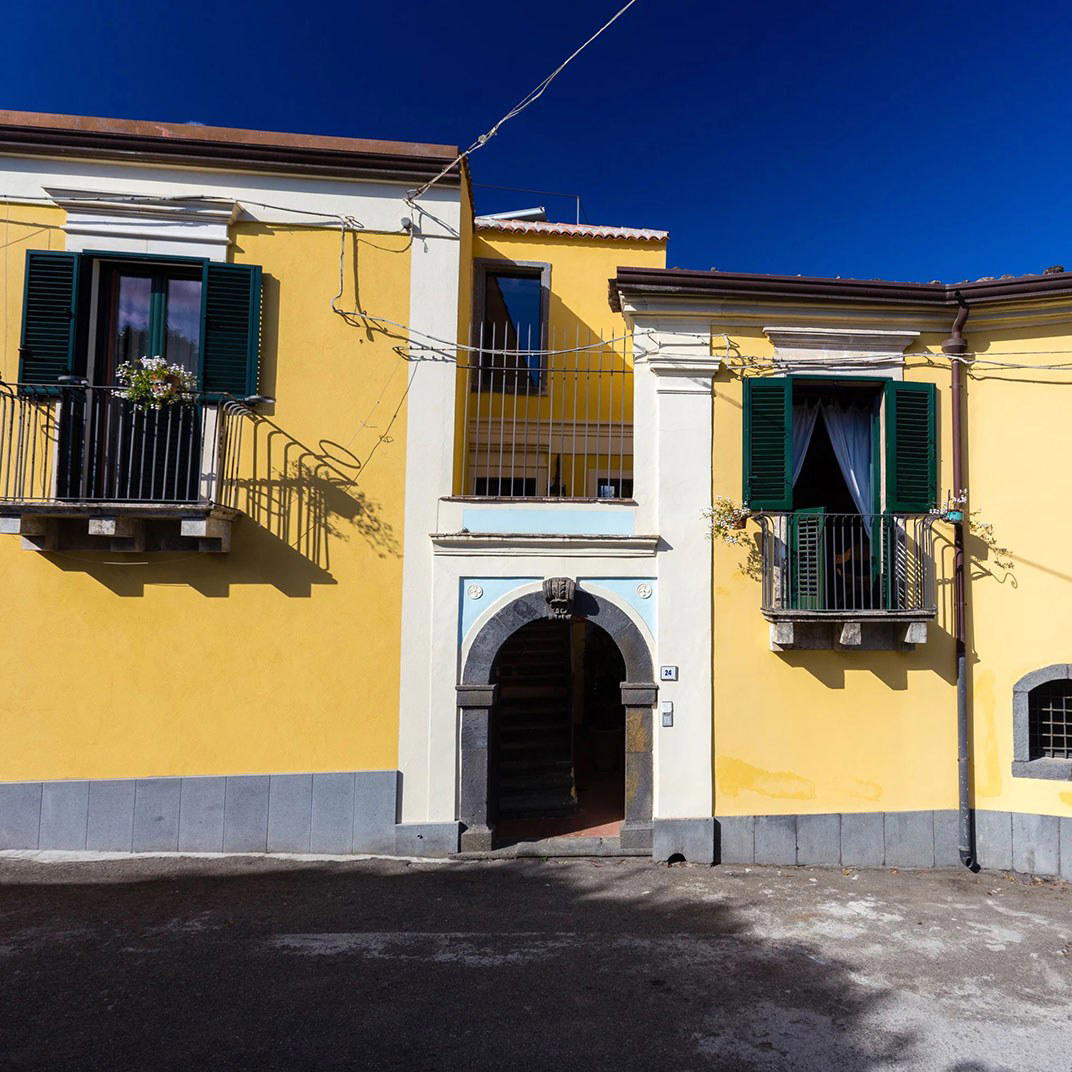
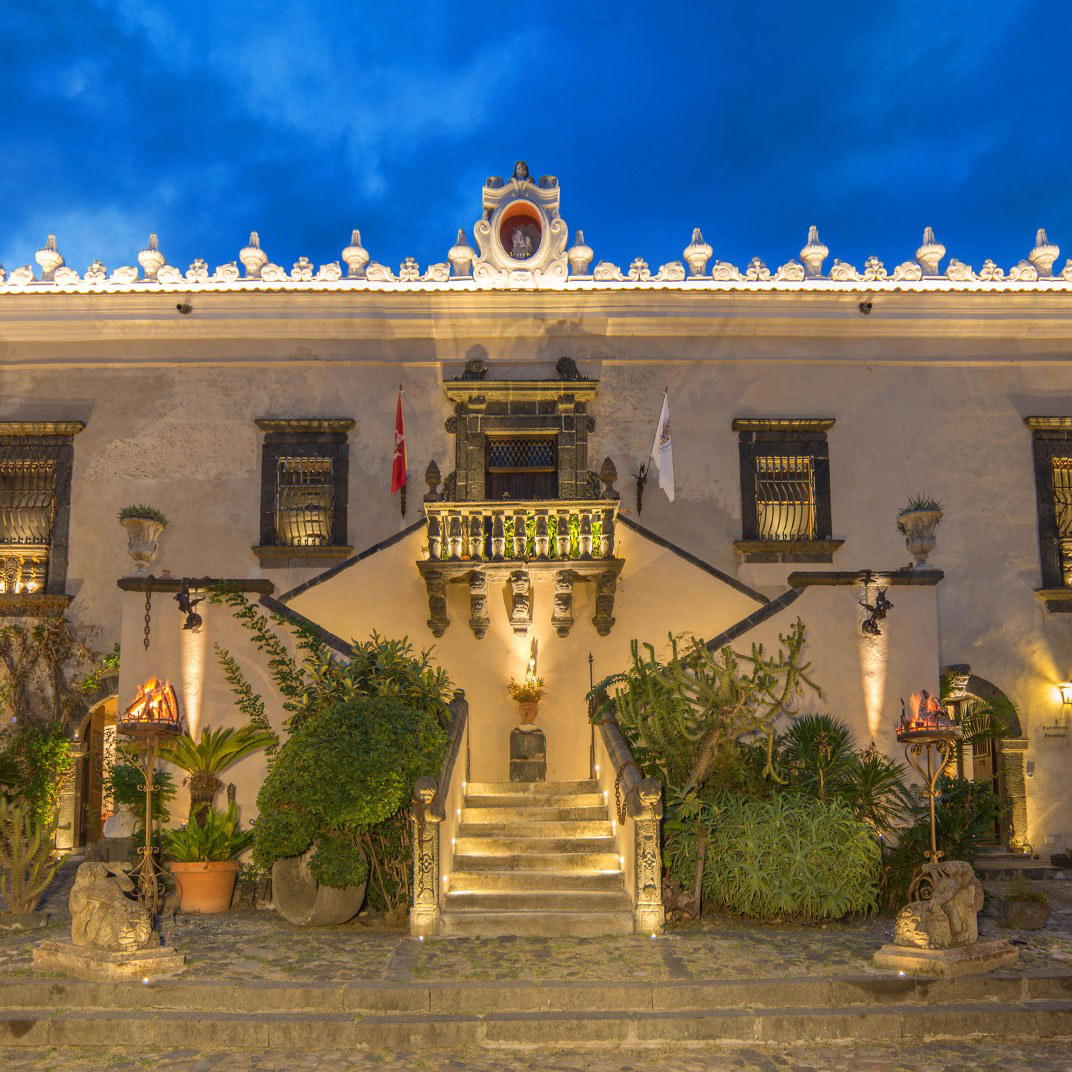
Iuppa in Milo is presented here with only the details available: a scenic, elegant setting in a restored 19th-century Sicilian palmento on the eastern slopes of Etna. The appeal is the atmosphere as much as the tasting itself: historic lava-stone architecture, a quiet mountain mood, and a close relationship to the volcanic landscape. In that sense, the venue reads less like a generic tasting address and more like a place where the room, the stone, and the surrounding slopes help frame the experience.
The safest way to understand Iuppa is as a Milo venue for technical tastings in a historic Etna setting, rather than as a place defined by claims about a particular program or hospitality format. The available description is strong on setting and tone, but intentionally modest on specifics. That makes it worth approaching with the right expectations: the confirmed draw is the atmosphere of the restored palmento and its connection to Etna’s eastern side, not an elaborate list of amenities or promises that are not stated here.
Milo's volcanic setting and the palmento atmosphere
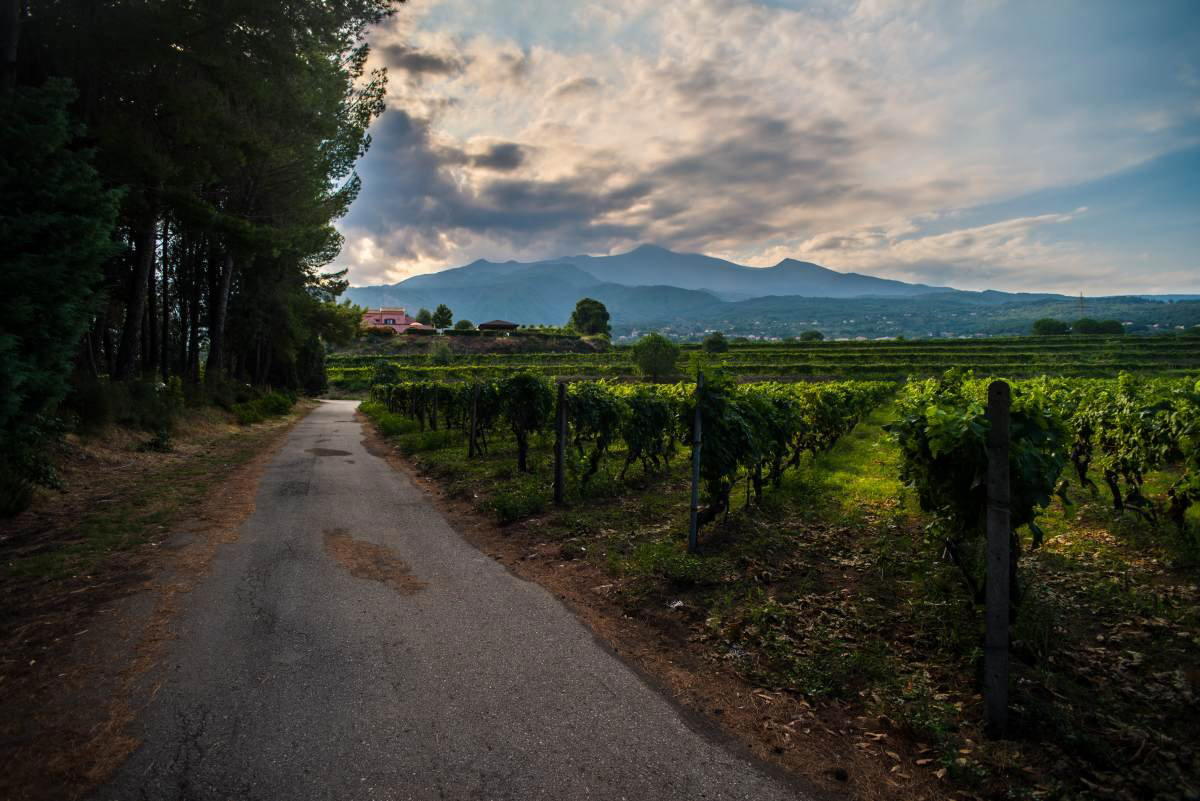
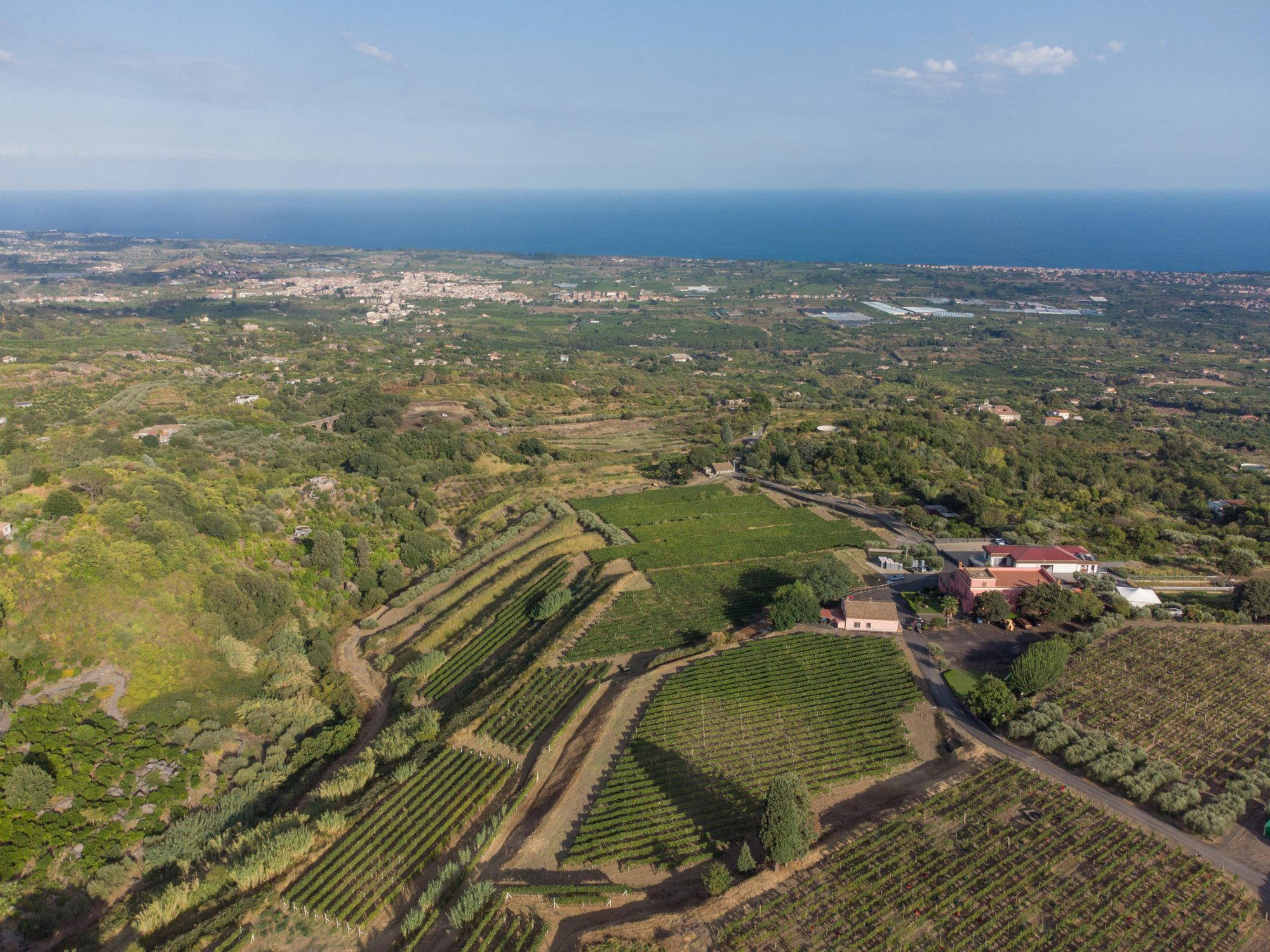
The clearest distinction at Iuppa is its setting: a restored 19th-century Sicilian palmento in Milo, on Etna’s eastern slopes. That gives the venue a strong sense of place without needing to overstate details that are not confirmed. The mood is quiet, contemplative, scenic, and elegant, with the mountain landscape and historic stone architecture doing much of the work. The mention of lava-stone architecture is important because it anchors the visit visually and materially in the volcanic character of the area, allowing the setting itself to carry a large part of the experience.
For visitors, that means Iuppa is best approached as a tasting stop where context matters. The description points toward technical tastings and an atmosphere shaped by the volcanic landscape, rather than spectacle or a broad set of unconfirmed amenities. The emphasis is on being in Milo, on Etna’s eastern slopes, and inside a restored agricultural building whose historic character gives the tasting a quieter, more grounded frame. Travelers looking for a sense of place may find that this kind of restraint is part of the appeal.
The listed price is $71 per person. As with the rest of the information here, that figure should be understood as a practical reference point rather than an invitation to assume additional inclusions beyond what is explicitly stated. The value of the experience, as described, sits in the combination of setting, technical focus, and atmosphere.
The palmento tasting format favors context over spectacle
Iuppa’s restored palmento is central to the experience. It connects the tasting environment to older Sicilian agricultural architecture and gives the visit a historic frame. The facts support a picture of a calm, technical tasting environment rather than a loud or theatrical one. That distinction matters because the venue’s identity, as presented, comes from the interaction between place and tasting: a restored 19th-century structure, the eastern slopes of Etna, and a mood that feels measured rather than performative.
Those details may matter to travelers, but they should be confirmed through current official channels rather than assumed. The available information does not support expanding into specific service formats, added hospitality elements, or detailed program claims. A careful reading keeps the focus where it belongs: on the palmento, the volcanic setting, and the technical tasting orientation. Anyone arranging a visit should verify the practical details directly so that expectations match the current offer.
Within the information, the reason to consider Iuppa is direct: it offers a scenic and elegant Milo setting in a restored 19th-century palmento, with tastings oriented toward the volcanic landscape and a more contemplative mountain atmosphere. It is the kind of venue where the surroundings are not just background decoration, but part of the way the tasting is understood. The quietness suggested by the description is not a lack of character; it is the character.
How to place Iuppa within a Milo itinerary
For a Milo itinerary, Iuppa can be treated as a quiet, place-focused tasting stop. It suits travelers who want the setting itself to matter: lava-stone architecture, Etna’s eastern slopes, and a slower atmosphere built around technical tasting rather than spectacle. In practical itinerary terms, that means it is best imagined as a visit to be given enough attention, rather than squeezed in only for the sake of adding another stop. The value is in absorbing the setting and letting the historic palmento shape the pace.
Other dining or tasting options in Milo can be considered generically alongside Iuppa, but no specific peer venue is here for comparison. The practical approach is to confirm current availability, tasting details, and any inclusions directly before arranging a visit. That caution is especially important because the confirmed description is intentionally limited. It gives enough to identify the venue’s appeal, but not enough to make assumptions about broader hospitality, food, timing, or format beyond the information already provided.
The editorial case for Iuppa is therefore simple and grounded: in Milo, it combines a restored 19th-century Sicilian palmento, a scenic Etna setting, and a quiet, contemplative atmosphere focused on technical tastings and the volcanic landscape. For travelers drawn to Etna not only as a wine region but as a physical and architectural presence, those are meaningful qualities. Iuppa’s appeal, as described here, is not in excess detail; it is in the clarity of its setting and the way that setting gives the tasting its sense of place.
Recognition history
Dated appearances from independent guides and award organizations, with the underlying list record or original source where available.
Falstaff Winery - Listed
Falstaff
Continue exploring
More in Milo
Wineries in Milo
Browse all →
Bars in Milo
Browse all →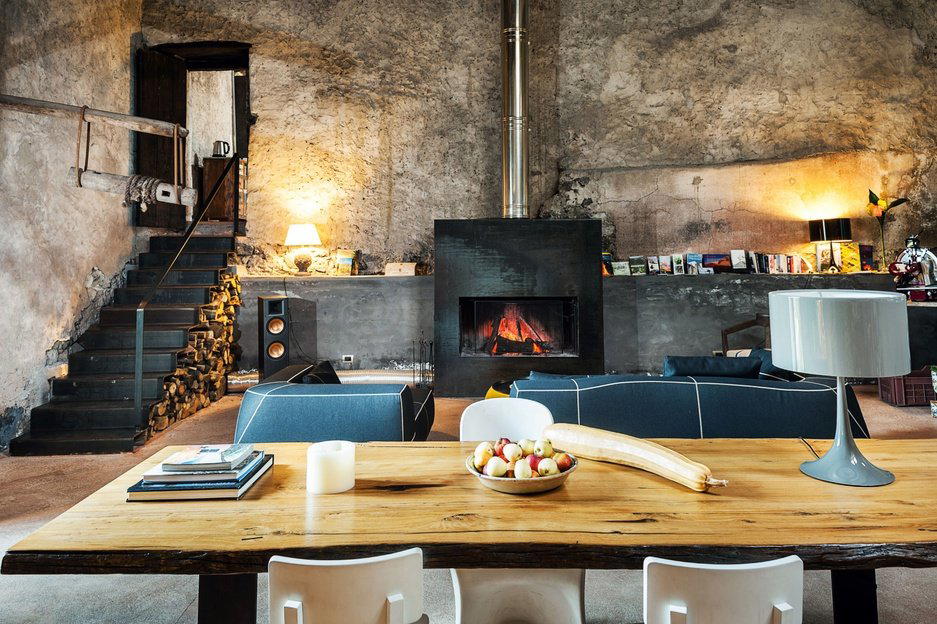
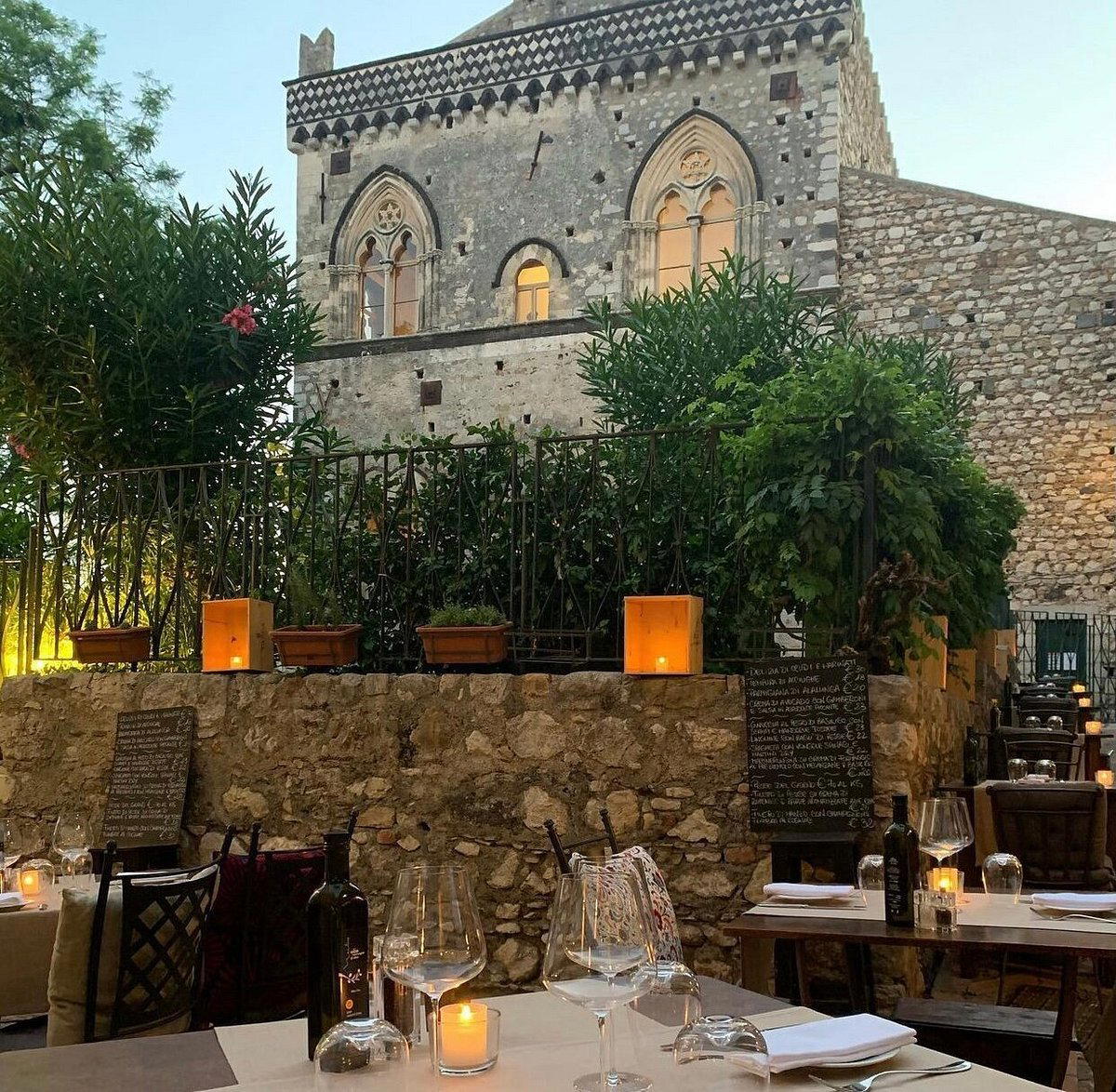
Restaurants in Milo
Browse all →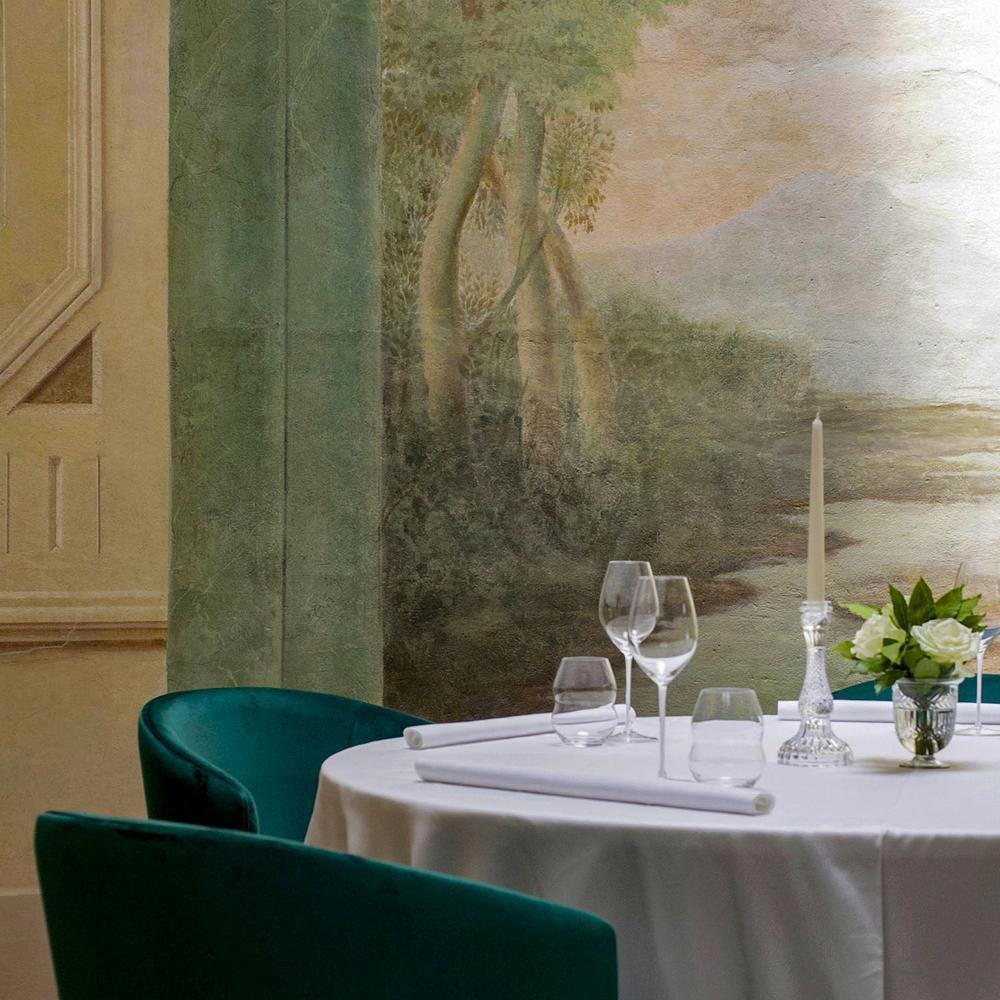
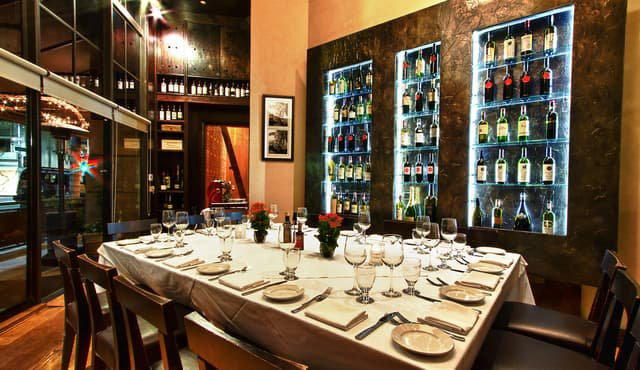
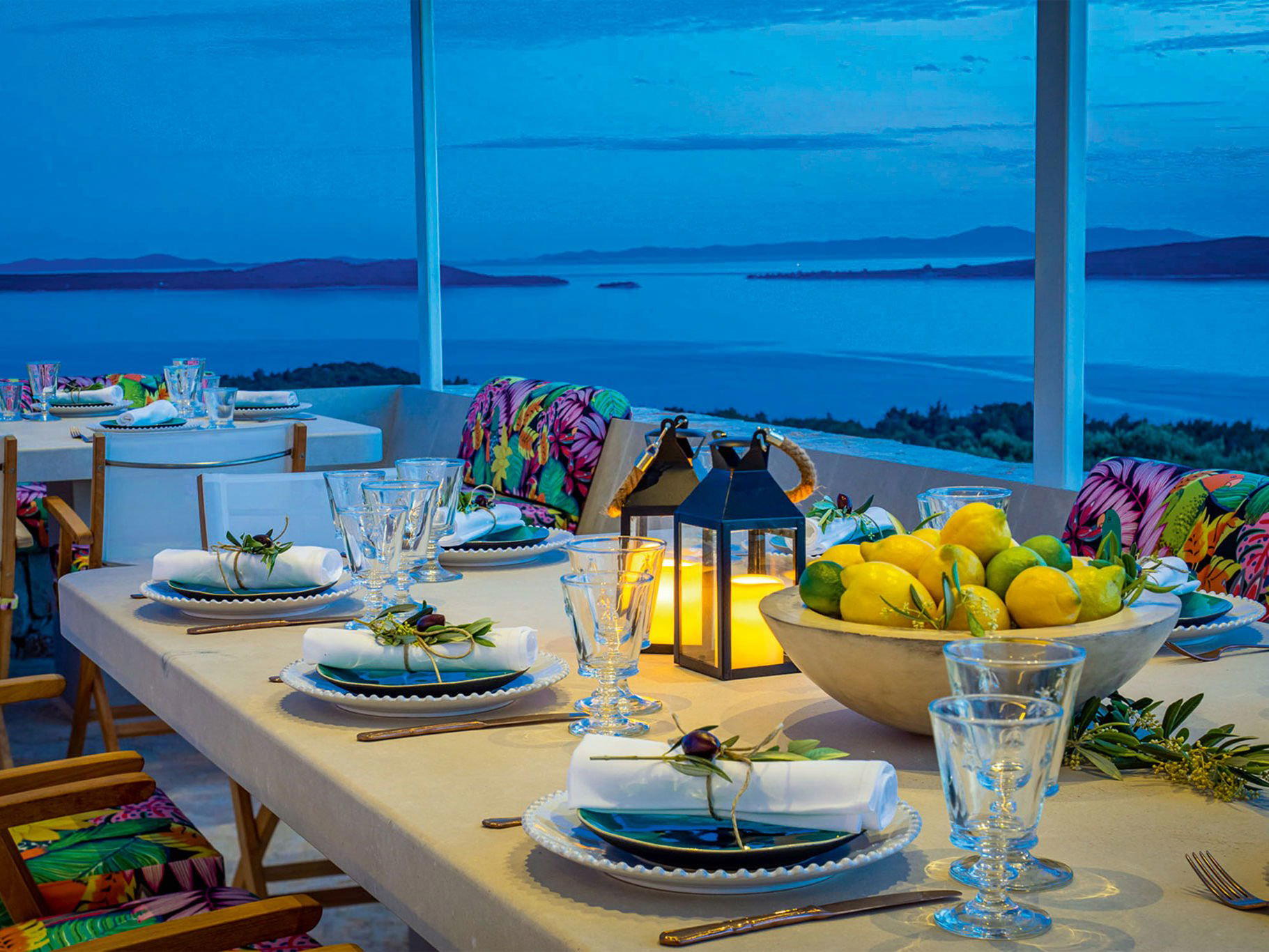
At a Glance
- Scenic
- Elegant
- Rustic
- Quiet
- Intimate
- Wine Education
- Romantic Getaway
- Group Outing
- Special Occasion
- Solo Exploration
- Vineyard Tour
- Estate Grounds
- Historic Building
- Panoramic View
- Private Tasting
- Organic
- Mountain
- Vineyard
- Etna DOC
- Carricante
- Catarratto
- Nerello Mascalese
- Nerello Cappuccio
- Still White
- Still Red
- Still Rosé
- Sparkling
- Guided Tasting
- Wine Tasting With Lunch
- Vertical/technical Tasting
A restored 19th-century Sicilian palmento on the eastern slopes of Etna, combining historic lava-stone architecture with a quiet, contemplative mountain atmosphere focused on technical tastings and the volcanic landscape.
Know Before You Go
- Reservations
- Appointment only
- Getting there
- Milo, Sicily, Italien