Alta Mora - Cusumano

Falstaff Winery - Listed
Alta Mora - Cusumano gives Etna wine a precise, contemporary frame: Nerello Mascalese, Carricante, volcanic soils and high-altitude vineyard work rather than rustic theatre. In San Cataldo, the Cusumano family’s 2013 Etna project reads as a focused study of lava, altitude and indigenous Sicilian varieties, with appointment-led tastings suited to visitors who want the vineyard context behind the glass.

Pearl is the En Primeur Club membership app — saves, bookings, and concierge access live there. Same editors, same standards.
- Address
- San Cataldo, Sicily, Italien
- Directions
- Get directions
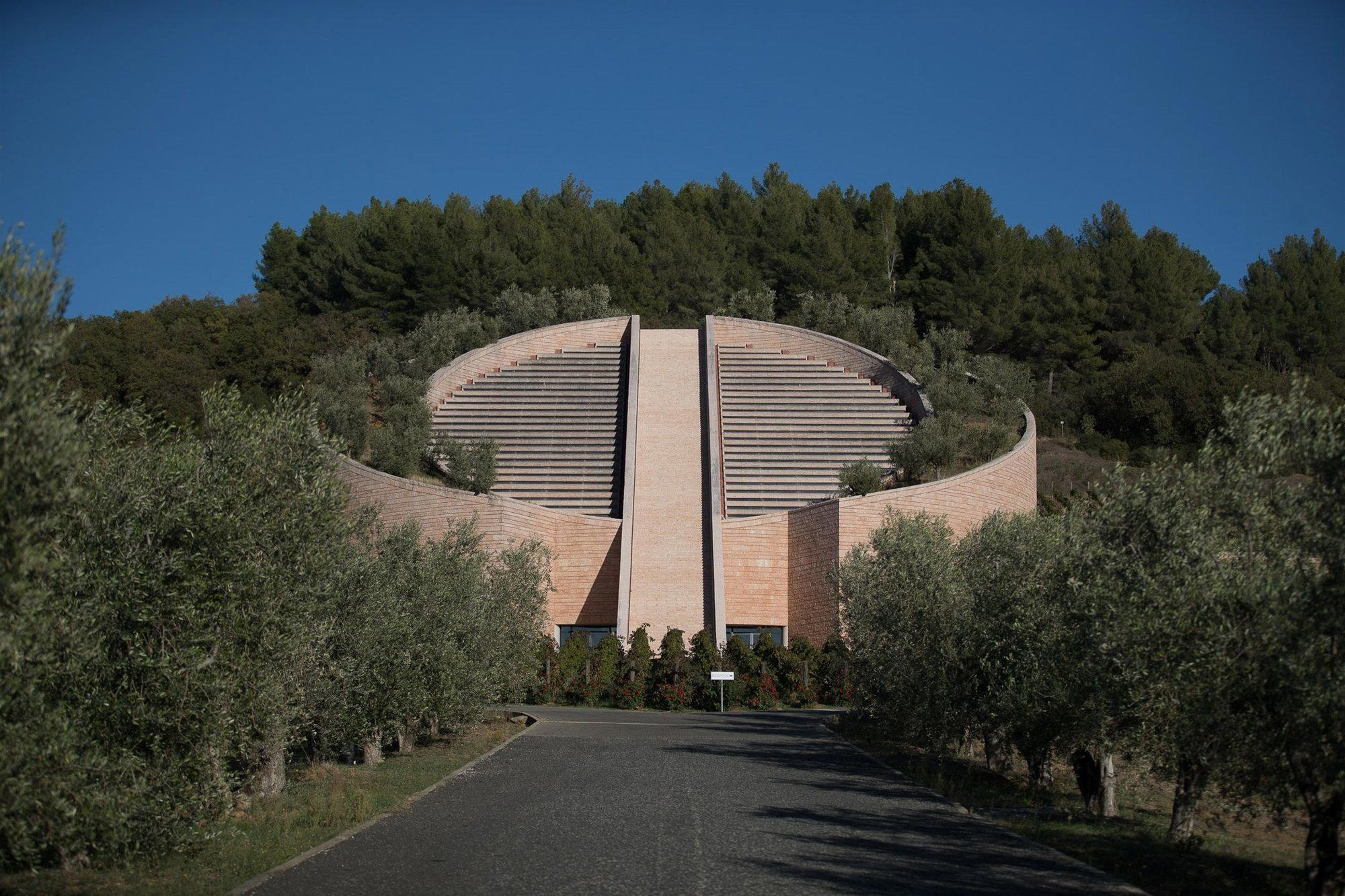
Alta Mora - Cusumano is a San Cataldo venue best understood as a contemporary, Etna-focused winery brand. The positioning is clear but narrow: it expresses volcanic terroir through precise, site-driven wines made from indigenous varieties, with an emphasis on purity of fruit and minerality rather than a rustic farm aesthetic. That narrowness is useful, because it gives the venue a defined editorial shape instead of turning it into a generic countryside stop.
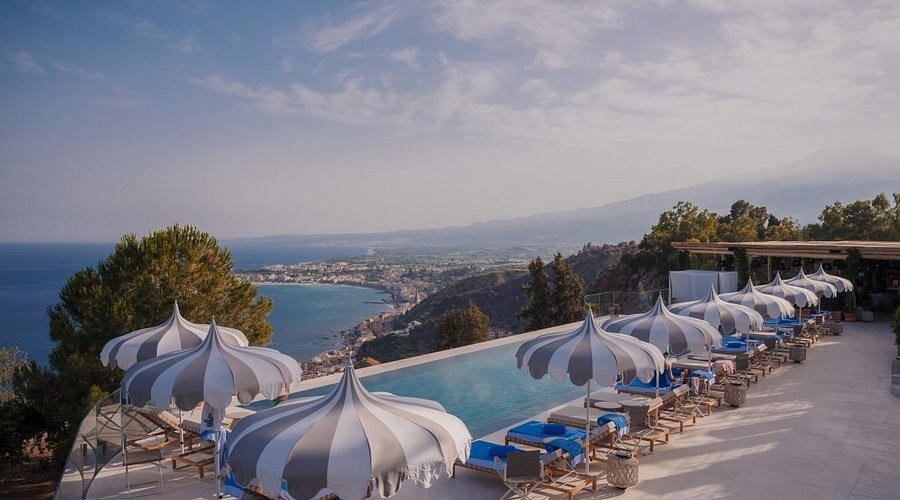
What can be stated is that Alta Mora - Cusumano belongs in the premium winery category, with a $$$ price marker and a scenic, rustic setting shaped around the language of Etna wine. The setting can support the experience, but the core appeal remains the wine identity: contemporary, volcanic, and focused on clarity rather than decorative nostalgia.
Etna wine without the rustic costume
The useful distinction for Alta Mora - Cusumano is stylistic. The venue is presented not as a nostalgic farmhouse stop, but as a contemporary Etna-focused project. Its identity rests on volcanic character, indigenous varieties and a clean, precise expression of fruit and mineral line. In practical terms, that makes the winery easier to understand through the glass than through a checklist of rural imagery.
That matters for travellers comparing winery experiences. Some venues lean on atmosphere first; Alta Mora - Cusumano’s profile points instead to site-driven wine. The emphasis is on the relationship between volcanic terroir and the finished bottle, rather than on broad claims about hospitality, service format or estate history that are not confirmed here. The distinction is not anti-scenic; it simply puts scenery in a supporting role and keeps the primary focus on the way Etna character is translated into wine.
The price category is $$$, placing it in a premium bracket. That marker suggests visitors should approach it as a considered wine stop rather than a casual add-on, while still avoiding assumptions about what is included. Beyond that, specific claims about bottles, vintages, ratings, awards, tasting menus, shipping, payment methods or reservation rules are not part of the available information and should be checked directly before planning a visit.
What the tasting format tells you about the wine
Rather than assume appointment policies, tour types, languages, seat counts or pairing options, the safest reading is to focus on the winery’s stated identity: contemporary Etna expression, volcanic terroir, indigenous varieties, purity of fruit and minerality. Those words are not empty decoration here; they describe the lens through which the venue should be judged.
For a visitor, that means Alta Mora - Cusumano is most compelling if the purpose is to understand Etna through wine style rather than through amenities. The scenic, rustic setting is part of the appeal, but the brand description points away from rusticity as a winemaking posture. The contrast is important: the place may feel scenic and grounded, while the wines are framed as precise and site-led. That combination can be especially appealing to travellers who want a sense of place without having the experience reduced to rural theatre.
Treat those as practical questions to settle before arrival, not as details that can be safely inferred from the winery’s premium positioning or scenic context.
How to place Alta Mora in a San Cataldo itinerary
Within a San Cataldo itinerary, Alta Mora - Cusumano is best treated as a wine-focused stop for travellers interested in Etna identity: volcanic terroir, indigenous varieties and a mineral, fruit-pure style. It is not useful to describe the venue through invented specifics; the case is already focused enough. The strongest reason to include it is the clarity of that focus, especially for visitors building a route around wine character rather than simply collecting attractive stops.
Alta Mora - Cusumano should be evaluated on its confirmed positioning as a premium, contemporary Etna-focused winery brand rather than on claims about tours, awards, individual vineyards or hospitality programs. That separation helps prevent the venue from being overpromised and keeps expectations aligned with the information that is actually available.
The editorial case is therefore concise: Alta Mora - Cusumano offers a premium San Cataldo reference point for Etna wine understood through volcanic terroir, indigenous grapes, purity of fruit and minerality. The rest should be confirmed directly before making plans.
Recognition history
Dated appearances from independent guides and award organizations, with the underlying list record or original source where available.
Falstaff Winery - Listed
Falstaff
Continue exploring
More in San Cataldo
Wineries in San Cataldo
Browse all →

Bars in San Cataldo
Browse all →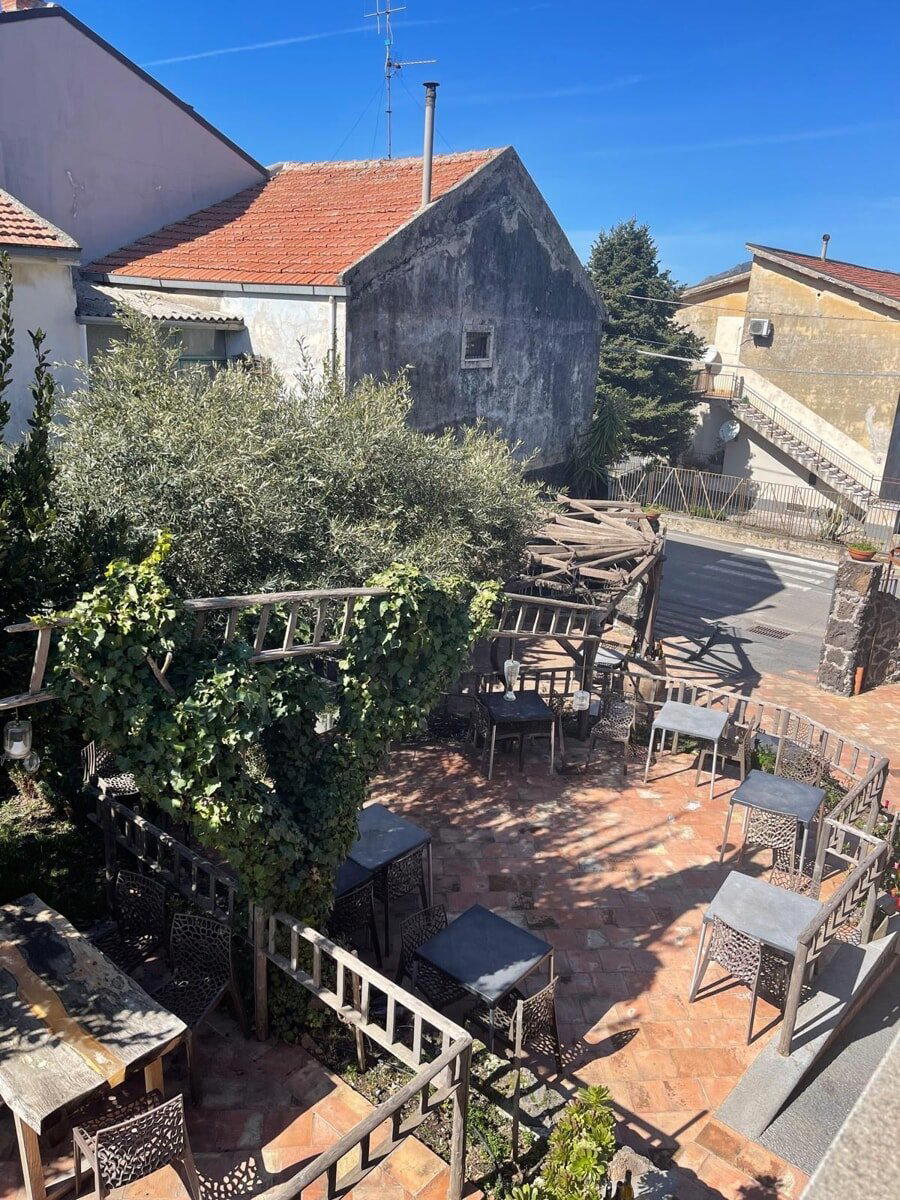
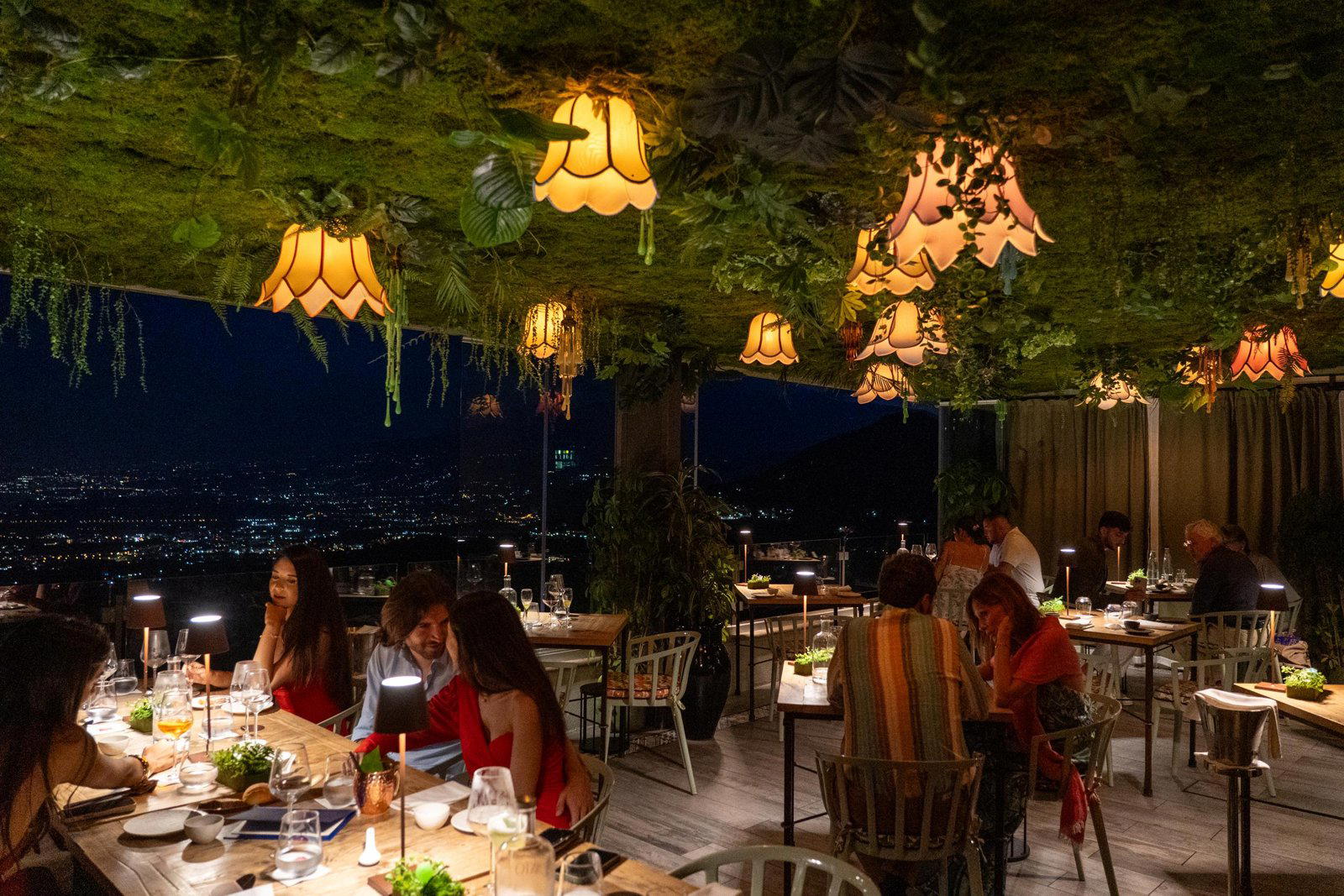
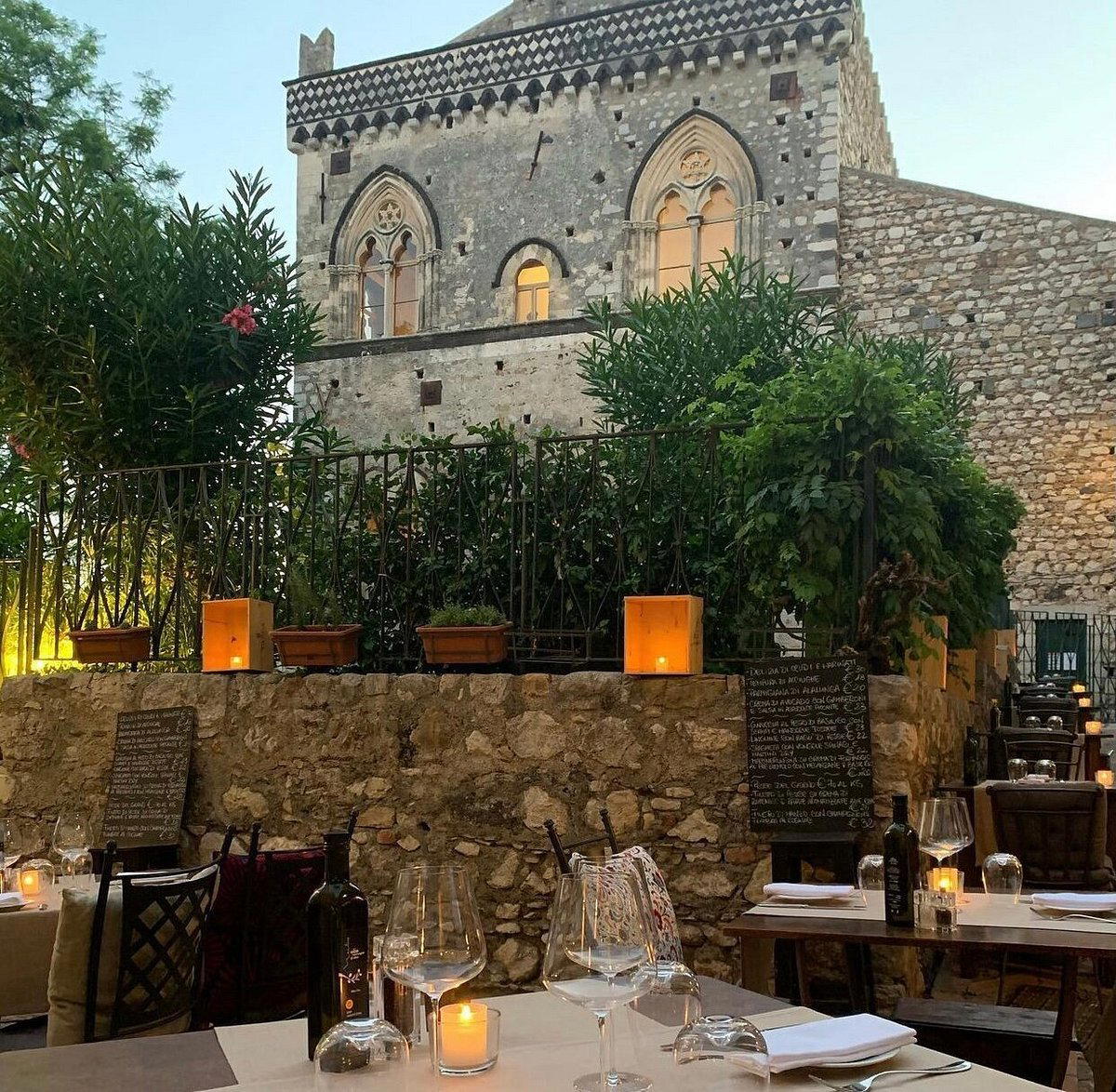
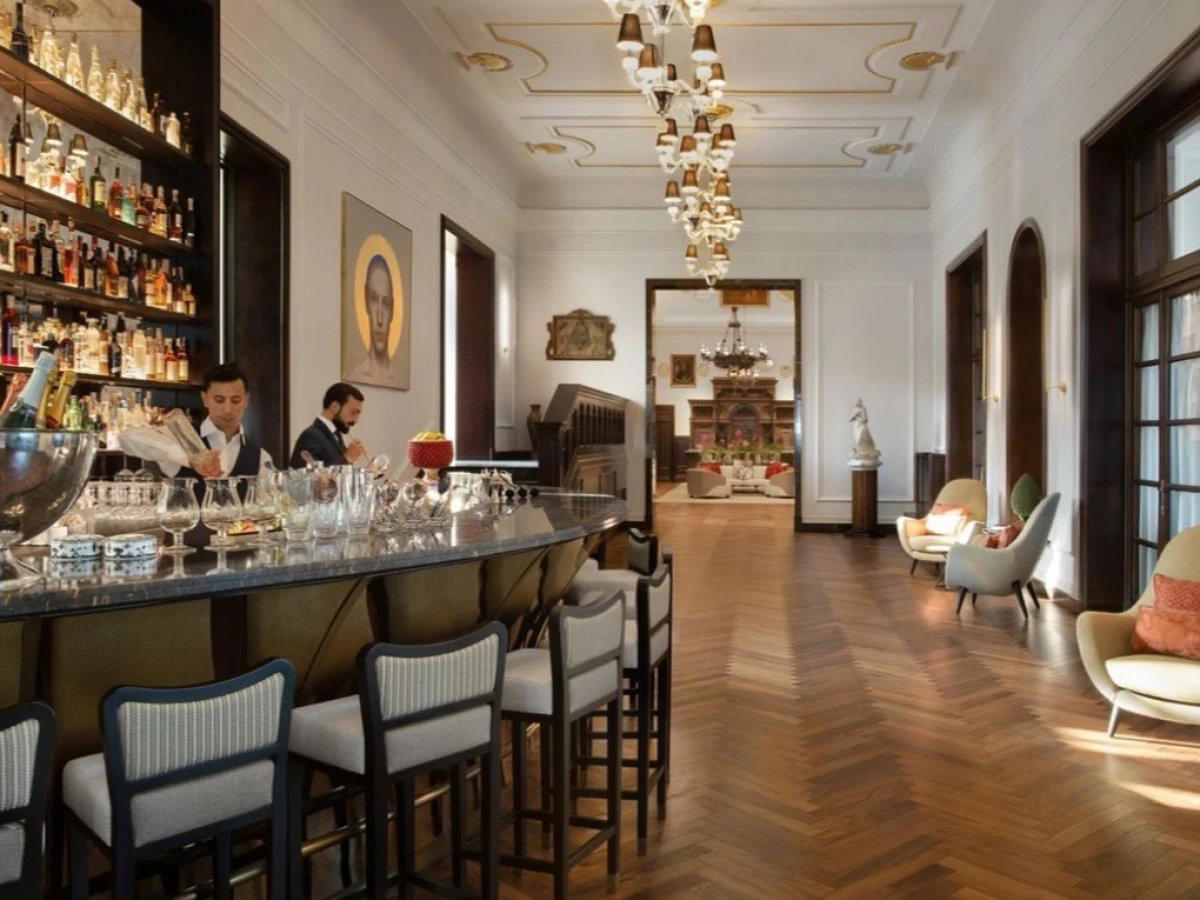
Restaurants in San Cataldo
Browse all →


Details
- Scenic
- Rustic
- Classic
- Intimate
- Sophisticated
- Romantic Getaway
- Group Outing
- Wine Education
- Special Occasion
- Solo Exploration
- Estate Grounds
- Vineyard Tour
- Panoramic View
- Private Tasting
- Mountain
- Vineyard
- Nerello Mascalese
- Carricante
- Still Red
- Still White
- Still Rosé
- Standard Tasting
- Vineyard Tasting
- Guided Tasting
- Private Tasting
- Italian
- English
Contemporary Etna-focused winery brand expressing the volcanic terroir through precise, site-driven wines made from indigenous varieties, with an emphasis on purity of fruit and minerality rather than rustic farm aesthetics.