Where the Ionian Comes Into Focus The road that runs along Sicily's northeastern coast between Messina and Catania carries a particular quality of light in the late afternoon. As it passes through the lower reaches of Taormina, the sea sits close enough to the road that a bar terrace on Via Nazionale doesn't need to do much to command attention. Almarè Bar, at number 147 on that stretch, faces the bay directly. The clifftop town above, with its ancient theatre and tourist infrastructure, feels like a different country from down here. What you get instead is the waterline, the sound of traffic thinning as evening sets in, and a coastal bar operating at a pace that the hilltop cannot offer. That physical separation from Taormina's more trafficked centre matters. The refined old town concentrates visitors around the Teatro Greco and the Corso Umberto corridor; the lower coastal road attracts a different rhythm, one that suits the kind of drinking that takes time. For context on how Taormina's wider food and drink scene is structured, the EP Club Taormina restaurants guide maps both tiers of the town across multiple categories. The Cocktail Programme: Sicily as Source Material Italian bar culture has spent the past decade pulling in two directions. One strand, represented by venues like Moebius Milano in Milan, moves toward technical formalism: clarified stocks, vacuum-sealed infusions, and the kind of prep-kitchen rigour borrowed from haute cuisine. The other strand stays closer to place and product, using local spirits, regional citrus, and the vernacular drinking habits of a particular city or coast as the programme's structural logic. Southern Italian bars tend toward the latter approach, and Almarè Bar, positioned on a stretch of coast where Sicilian lemons and blood oranges grow within a short radius, operates within that tradition. Sicily's contribution to Italian cocktail culture runs through its agricultural output more than its distillation history. The island produces some of the most intensely flavoured citrus in Europe; the volcanic soil of the Etna foothills, visible from the coastline near Taormina, affects fruit character in ways that distinguish it from Campanian or Ligurian equivalents. Bars on this part of the coast that source locally have access to raw material that simply doesn't exist in the same form at a bar in Rome or Florence. The question any programme in this position has to answer is whether it uses that access deliberately or treats it as ambient background. The better southern Italian bar programmes, including venues like L'Antiquario in Naples, treat provenance as something to be made legible in the glass rather than mentioned only in the menu copy. Almarè Bar's address, facing the bay, also places it within a coastal bar tradition that extends across the central Mediterranean. That tradition prizes accessibility over ceremony: drinks that read clearly, that pair with the setting rather than competing with it, and that don't require a briefing to order. That is not a lesser ambition than technical complexity. Executing a citrus-forward Spritz variation or a properly balanced Negroni with local vermouth at volume, consistently, in a setting where the view is the first thing guests respond to, requires its own discipline. The Southern Italian Context Italy's drinking culture outside the major northern cities has historically been underserved by serious bar criticism. The concentration of award recognition around Rome, Milan, and Florence means that bars in Sicily, Campania, and Puglia operate in a different visibility tier regardless of their actual quality. Farmacia dei Sani in Ruffano represents one end of that southern spectrum, a destination bar in a small Apulian town that rewards the detour specifically. Almarè Bar occupies a different position: accessible by its coastal road location, not a destination requiring advance planning, but part of a pattern across southern Italy where the most honest drinking happens at venues that are not angling for international coverage. For comparison, bars that have entered the northern European and American conversation about Italian cocktail culture, venues like Gucci Giardino in Florence or Salotto 42 in Rome, carry a different kind of institutional weight. The Sicilian coast operates outside that circuit. That separation has kept some bars here grounded in local practice rather than calibrated for a travelling audience, which is either a limitation or an advantage depending on what you're after. For a reader arriving from the north of Europe or from a city like Miami, where venues such as Café La Trova have built cocktail programmes around specific cultural identities, the appeal of a bar that reads as genuinely local rather than export-ready is not trivial. The Broader Mediterranean Cocktail Conversation The eastern Mediterranean has developed a distinct cocktail identity in recent years, with cities like Nicosia producing venues such as Lost and Found that operate at a level comparable to northern European programmes while remaining grounded in regional ingredients. Sicily sits at the western edge of that same tradition, sharing climate, citrus, and a similar relationship between wine culture and spirits production. The Marsala-producing west of the island and the volcanic wine country around Etna have given Sicilian bartenders a raw material base that other Italian regions can only approximate. Bars across Italy's smaller cities and towns have demonstrated that serious drinking culture doesn't require a metropolitan address. Cugini di Torino in Nizza Monferrato and Bistro del Borgo in Verona both make that case from provincial settings. The coastal bar on a Sicilian national road, facing a bay that has been a reference point for travellers since antiquity, makes a version of the same argument through geography rather than programme alone. Planning a Visit Almarè Bar sits on Via Nazionale 147 on the lower coastal road below Taormina's hilltop town. Reaching it from the centro storico means descending from the clifftop, either by the funicular that runs from the main town or by road. That separation from the tourist concentration above is part of what shapes the experience: the clientele skews toward people who made a deliberate choice to come down to the coast rather than staying in the pedestrianised upper town. The bay-facing position makes timing sensitive to light; early evening, when the Ionian catches the last of the western sun, is the period that makes the address make sense. Visitors combining this stop with a broader Sicilian coastal itinerary will find that the stretch between Messina and Catania contains several bars and restaurants worth spacing across a longer stay rather than rushing. For visitors cross-referencing the northern Italian bar scene before or after a Sicilian trip, Caffé Al Bicerin in Turin represents a useful counterpoint: a bar operating at the opposite end of Italy's climate and ingredient palette, rooted in an entirely different drinking tradition, and equally resistant to easy categorisation. Frequently Asked Questions What is the atmosphere like at Almarè Bar? Almarè Bar operates on the lower coastal road below Taormina's hilltop town, which means it draws a more local, less tourist-dense crowd than venues in the centro storico above. The bay-facing position on Via Nazionale gives the terrace direct views across the Ionian, and the atmosphere tracks with that setting: relaxed and coastal rather than performative. There are no awards or formal recognition signals in the available record, so the draw is primarily the location and the bar's positioning within the quieter lower town rather than any particular critical credential. What is the must-try cocktail at Almarè Bar? What can be said with confidence is that the bar sits in a part of Sicily where local citrus, including blood orange and lemon varieties grown in the Etna foothills and coastal plains nearby, is the most logical and distinctive ingredient base for any serious cocktail programme. Drinks built around those ingredients, whether in a Spritz format, a sour variation, or a local-spirit-led long drink, would represent the strongest use of what this address makes available that a comparable bar in Rome or Milan simply cannot replicate. Is Almarè Bar a good stop if I'm travelling the coastal road between Messina and Catania? Via Nazionale, the route that runs along Sicily's northeastern coast, passes directly through the lower reaches of Taormina, making Almarè Bar at number 147 a natural stop on that itinerary rather than a detour. The bar's coastal position means it functions well as a break point on the drive rather than requiring a dedicated trip up into the hilltop town. For travellers spending time in both the Taormina area and the wider region, the EP Club Taormina guide covers additional venues across both the lower and upper town to help structure the stop more fully.
Pearl is the En Primeur Club membership app — saves, bookings, and concierge access live there. Same editors, same standards.
- Address
- Via Nazionale, 147, 98030 Taormina ME (overlooking the bay)
- Directions
- Get directions
 Saves & bookings on Pearl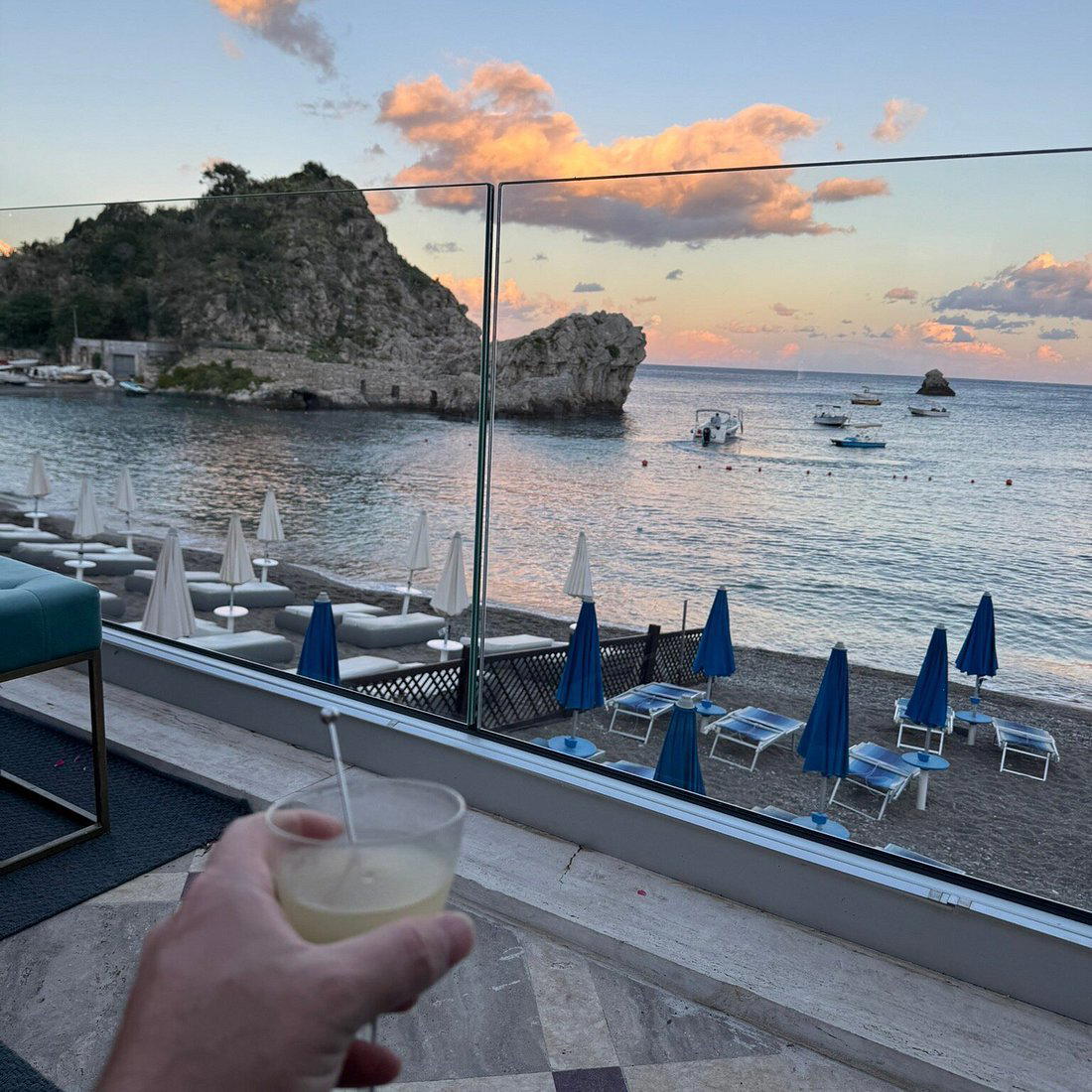
Where the Ionian Comes Into Focus
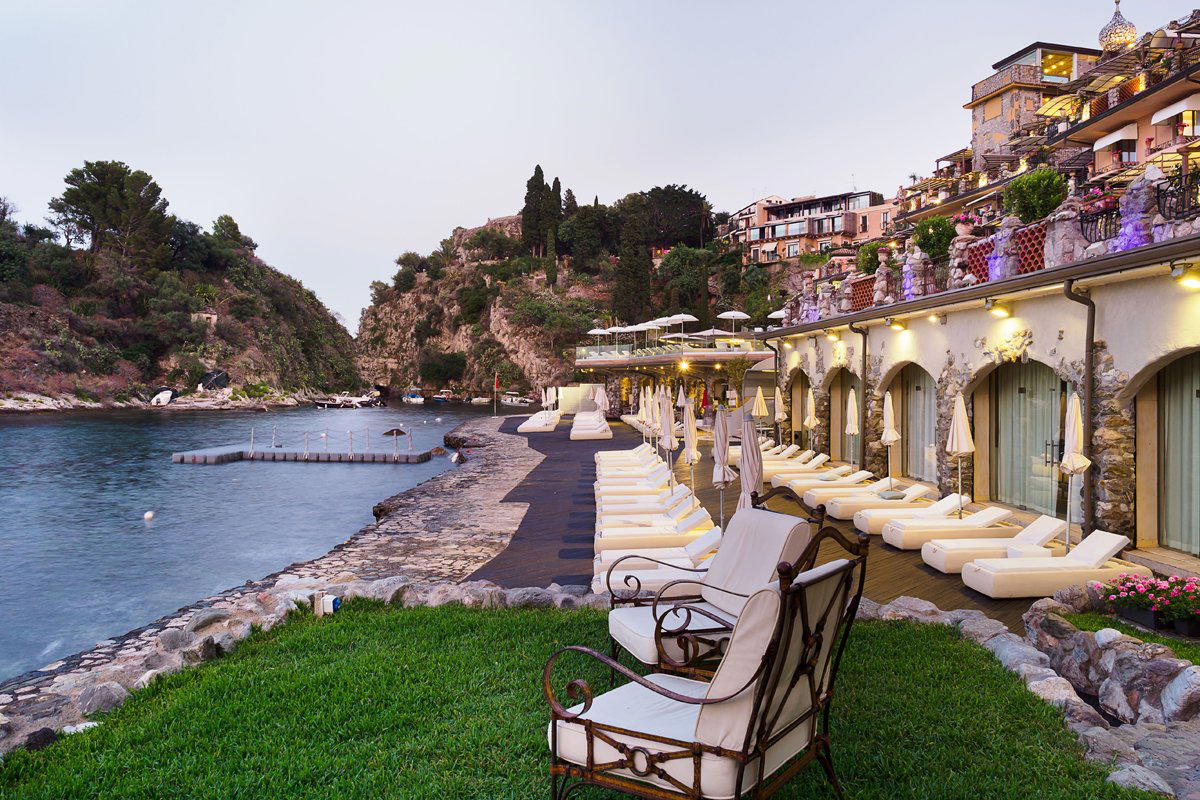
The road that runs along Sicily's northeastern coast between Messina and Catania carries a particular quality of light in the late afternoon. As it passes through the lower reaches of Taormina, the sea sits close enough to the road that a bar terrace on Via Nazionale doesn't need to do much to command attention. Almarè Bar, at number 147 on that stretch, faces the bay directly. The clifftop town above, with its ancient theatre and tourist infrastructure, feels like a different country from down here. What you get instead is the waterline, the sound of traffic thinning as evening sets in, and a coastal bar operating at a pace that the hilltop cannot offer.
That physical separation from Taormina's more trafficked centre matters. The refined old town concentrates visitors around the Teatro Greco and the Corso Umberto corridor; the lower coastal road attracts a different rhythm, one that suits the kind of drinking that takes time. For context on how Taormina's wider food and drink scene is structured, the EP Club Taormina restaurants guide maps both tiers of the town across multiple categories.
The Cocktail Programme: Sicily as Source Material
Italian bar culture has spent the past decade pulling in two directions. One strand, represented by venues like Moebius Milano in Milan, moves toward technical formalism: clarified stocks, vacuum-sealed infusions, and the kind of prep-kitchen rigour borrowed from haute cuisine. The other strand stays closer to place and product, using local spirits, regional citrus, and the vernacular drinking habits of a particular city or coast as the programme's structural logic. Southern Italian bars tend toward the latter approach, and Almarè Bar, positioned on a stretch of coast where Sicilian lemons and blood oranges grow within a short radius, operates within that tradition.
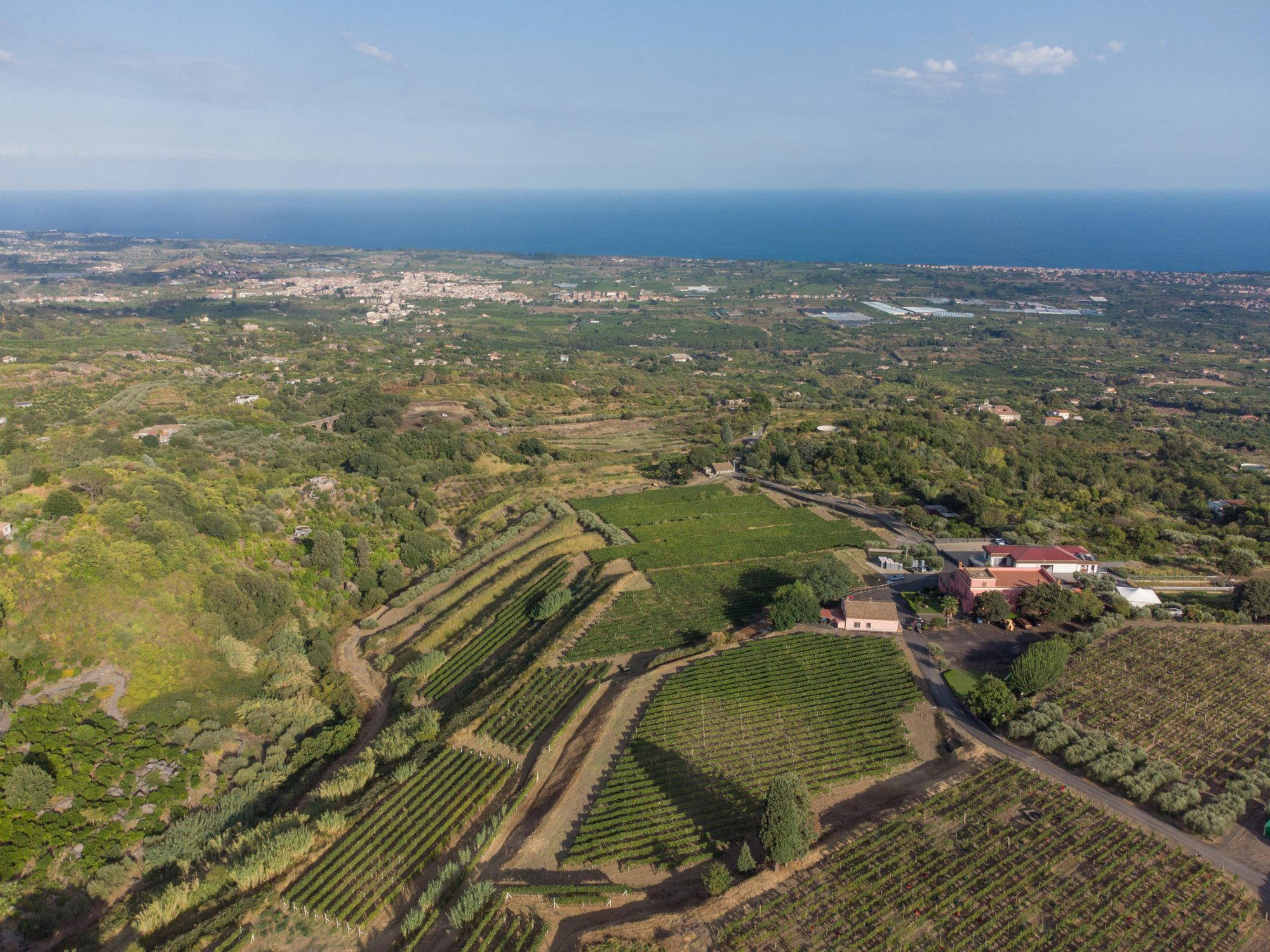
Sicily's contribution to Italian cocktail culture runs through its agricultural output more than its distillation history. The island produces some of the most intensely flavoured citrus in Europe; the volcanic soil of the Etna foothills, visible from the coastline near Taormina, affects fruit character in ways that distinguish it from Campanian or Ligurian equivalents. Bars on this part of the coast that source locally have access to raw material that simply doesn't exist in the same form at a bar in Rome or Florence. The question any programme in this position has to answer is whether it uses that access deliberately or treats it as ambient background. The better southern Italian bar programmes, including venues like L'Antiquario in Naples, treat provenance as something to be made legible in the glass rather than mentioned only in the menu copy.
Almarè Bar's address, facing the bay, also places it within a coastal bar tradition that extends across the central Mediterranean. That tradition prizes accessibility over ceremony: drinks that read clearly, that pair with the setting rather than competing with it, and that don't require a briefing to order. That is not a lesser ambition than technical complexity. Executing a citrus-forward Spritz variation or a properly balanced Negroni with local vermouth at volume, consistently, in a setting where the view is the first thing guests respond to, requires its own discipline.
The Southern Italian Context
Italy's drinking culture outside the major northern cities has historically been underserved by serious bar criticism. The concentration of award recognition around Rome, Milan, and Florence means that bars in Sicily, Campania, and Puglia operate in a different visibility tier regardless of their actual quality. Farmacia dei Sani in Ruffano represents one end of that southern spectrum, a destination bar in a small Apulian town that rewards the detour specifically. Almarè Bar occupies a different position: accessible by its coastal road location, not a destination requiring advance planning, but part of a pattern across southern Italy where the most honest drinking happens at venues that are not angling for international coverage.
For comparison, bars that have entered the northern European and American conversation about Italian cocktail culture, venues like Gucci Giardino in Florence or Salotto 42 in Rome, carry a different kind of institutional weight. The Sicilian coast operates outside that circuit. That separation has kept some bars here grounded in local practice rather than calibrated for a travelling audience, which is either a limitation or an advantage depending on what you're after. For a reader arriving from the north of Europe or from a city like Miami, where venues such as Café La Trova have built cocktail programmes around specific cultural identities, the appeal of a bar that reads as genuinely local rather than export-ready is not trivial.
The Broader Mediterranean Cocktail Conversation
The eastern Mediterranean has developed a distinct cocktail identity in recent years, with cities like Nicosia producing venues such as Lost and Found that operate at a level comparable to northern European programmes while remaining grounded in regional ingredients. Sicily sits at the western edge of that same tradition, sharing climate, citrus, and a similar relationship between wine culture and spirits production. The Marsala-producing west of the island and the volcanic wine country around Etna have given Sicilian bartenders a raw material base that other Italian regions can only approximate.
Bars across Italy's smaller cities and towns have demonstrated that serious drinking culture doesn't require a metropolitan address. Cugini di Torino in Nizza Monferrato and Bistro del Borgo in Verona both make that case from provincial settings. The coastal bar on a Sicilian national road, facing a bay that has been a reference point for travellers since antiquity, makes a version of the same argument through geography rather than programme alone.
Planning a Visit
Almarè Bar sits on Via Nazionale 147 on the lower coastal road below Taormina's hilltop town. Reaching it from the centro storico means descending from the clifftop, either by the funicular that runs from the main town or by road. That separation from the tourist concentration above is part of what shapes the experience: the clientele skews toward people who made a deliberate choice to come down to the coast rather than staying in the pedestrianised upper town. The bay-facing position makes timing sensitive to light; early evening, when the Ionian catches the last of the western sun, is the period that makes the address make sense. Visitors combining this stop with a broader Sicilian coastal itinerary will find that the stretch between Messina and Catania contains several bars and restaurants worth spacing across a longer stay rather than rushing.
For visitors cross-referencing the northern Italian bar scene before or after a Sicilian trip, Caffé Al Bicerin in Turin represents a useful counterpoint: a bar operating at the opposite end of Italy's climate and ingredient palette, rooted in an entirely different drinking tradition, and equally resistant to easy categorisation.
Continue exploring
More in Taormina
Bars in Taormina
Browse all →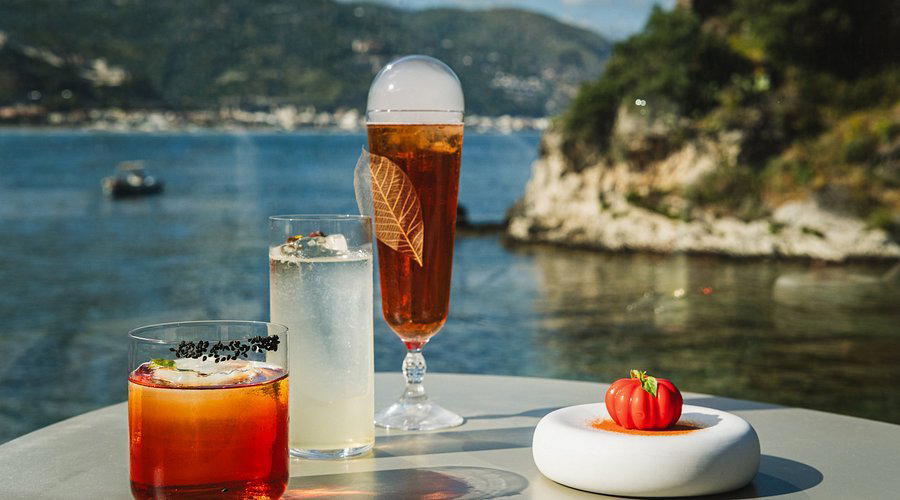
Restaurants in Taormina
Browse all →
Hotels in Taormina
Browse all →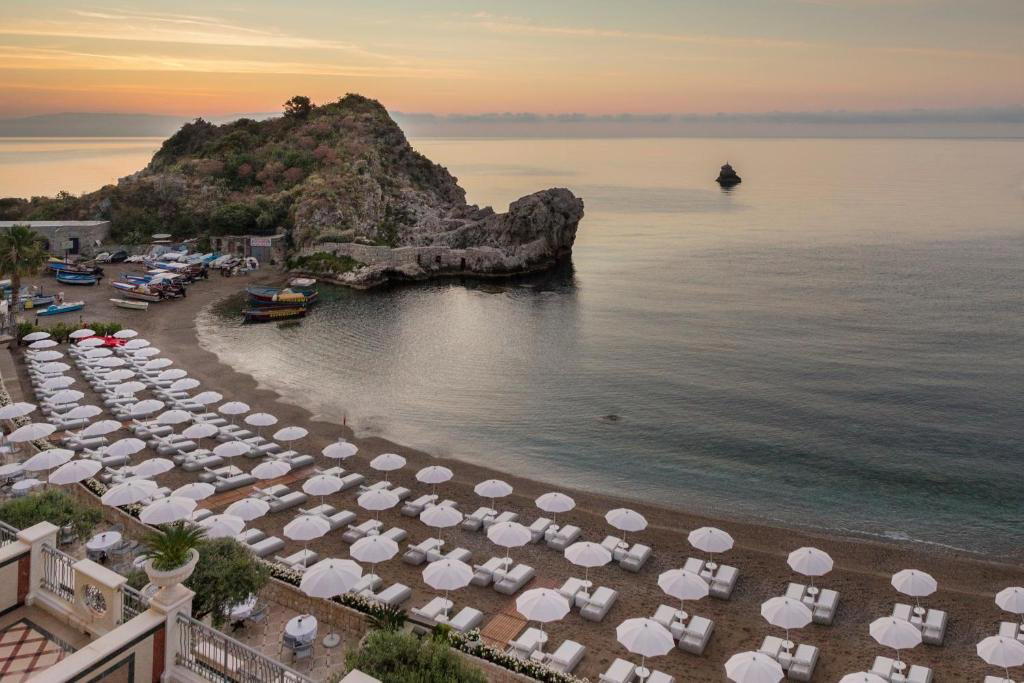

At a Glance
- Scenic
- Elegant
- Sophisticated
- Romantic
- Date Night
- Celebration
- Special Occasion
- Casual Hangout
- Terrace
- Panoramic View
- Standalone
- Seated Bar
- Outdoor Terrace
- Craft Cocktails
- Classic Cocktails
- Conventional Wine
- Low Abv
- Waterfront
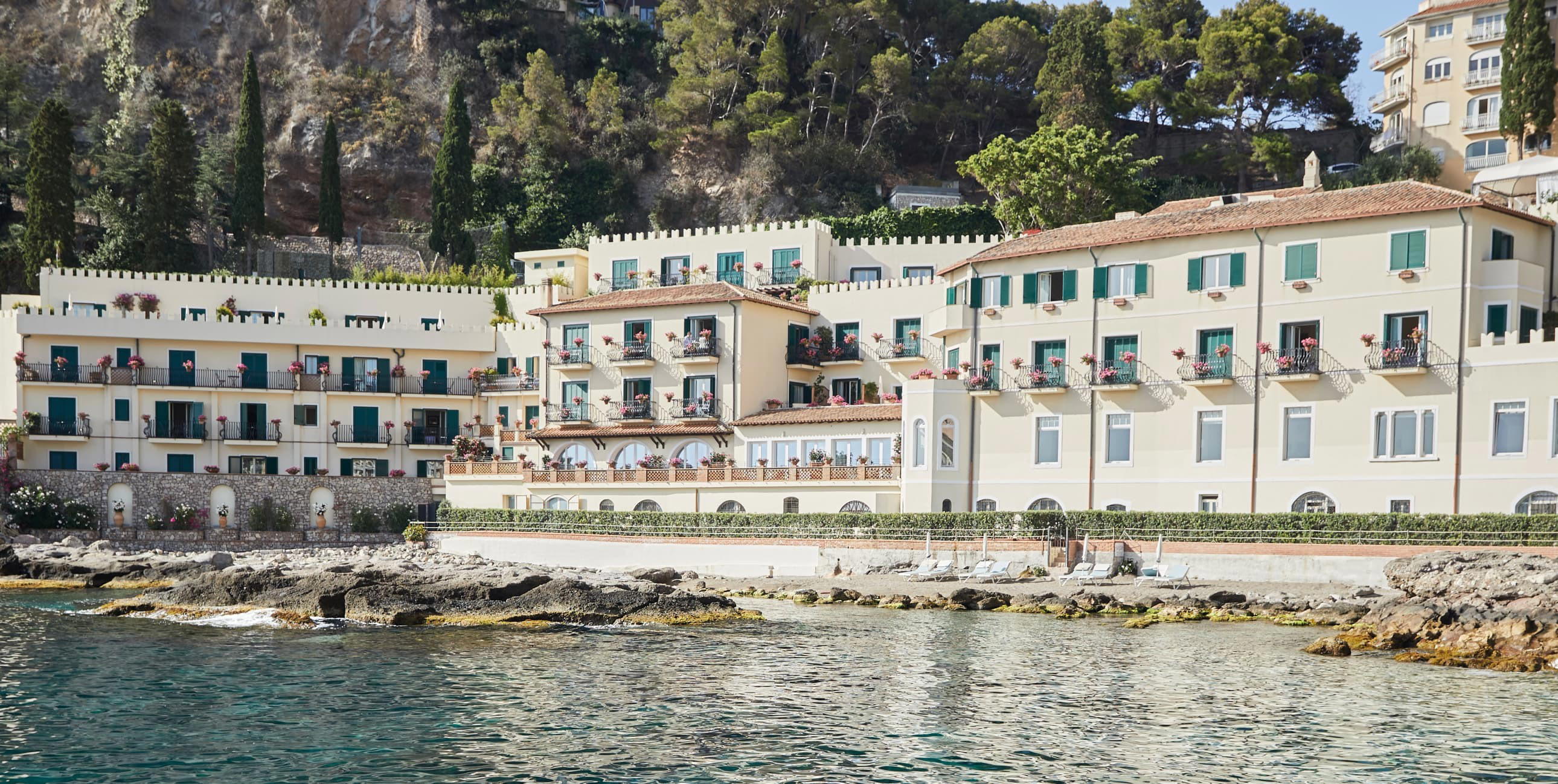
Sunset-facing, elegant, and scenic, with a relaxed aperitivo feel and views over the bay.
Know Before You Go
- Getting there
- Via Nazionale, 147, 98030 Taormina ME (overlooking the bay)