
Falstaff Winery - Listed
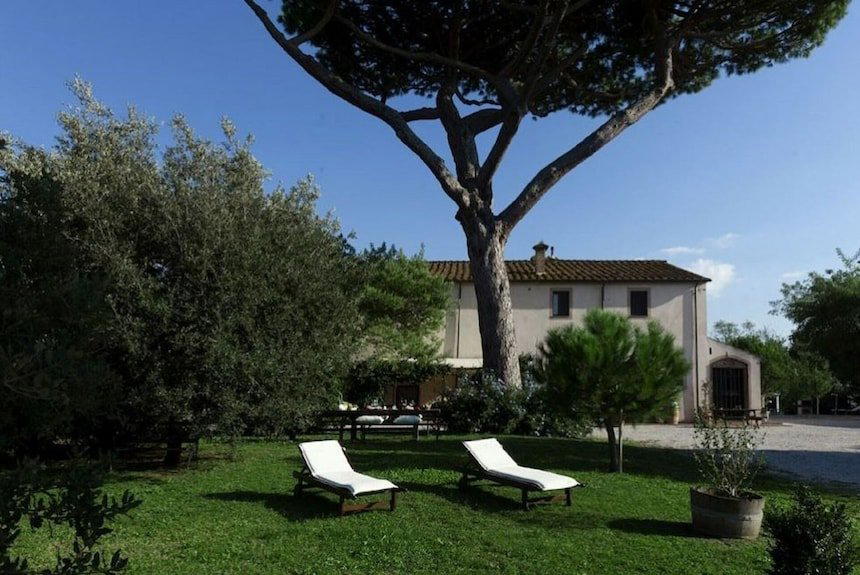
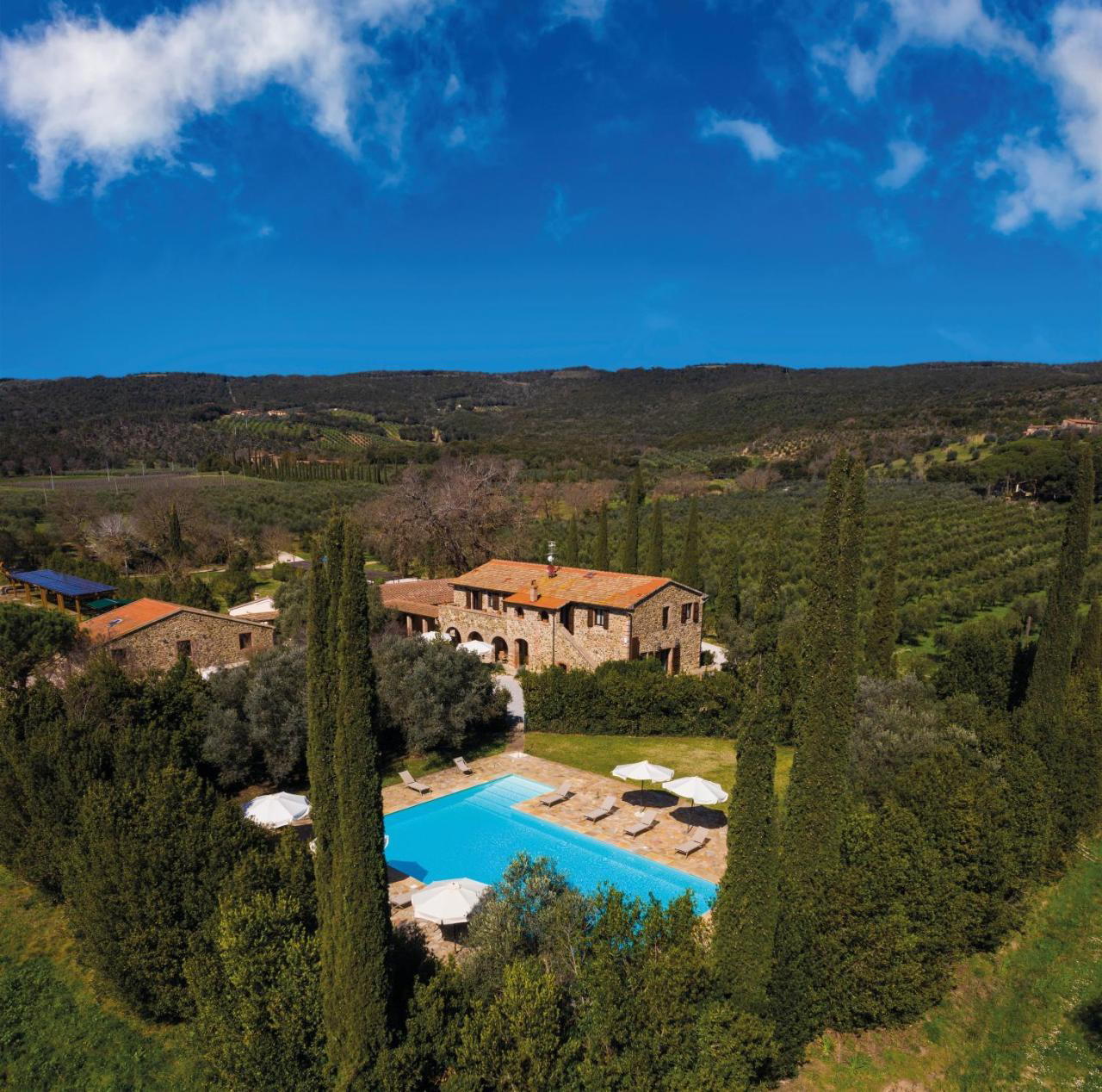
Il Falcone reads as a Suvereto agriturismo before it reads as a conventional tasting room: a hillside farm estate where vineyards, olive trees, apartments and product tastings belong to the same rural system. The draw is the land-led format, with 10 hectares under vine, around 4,000 century-old olive trees and tastings that fold wine, grappa and olive oil into a broader Maremma farm experience.

Pearl is the En Primeur Club membership app — saves, bookings, and concierge access live there. Same editors, same standards.
- Address
- Suvereto, Tuscany, Italien
- Directions
- Get directions
Approaching a Tuscan farm estate changes the expectations around wine. The point is not only what lands in the glass, but how the vineyard sits among olive trees, farm buildings and long views toward the coast. In Suvereto, that mixed agricultural setting matters: the Maremma is not a postcard version of Tuscany built only around cypress silhouettes and cellar doors. It is a working coastal-influenced zone where wine, oil and rural hospitality often share the same address.
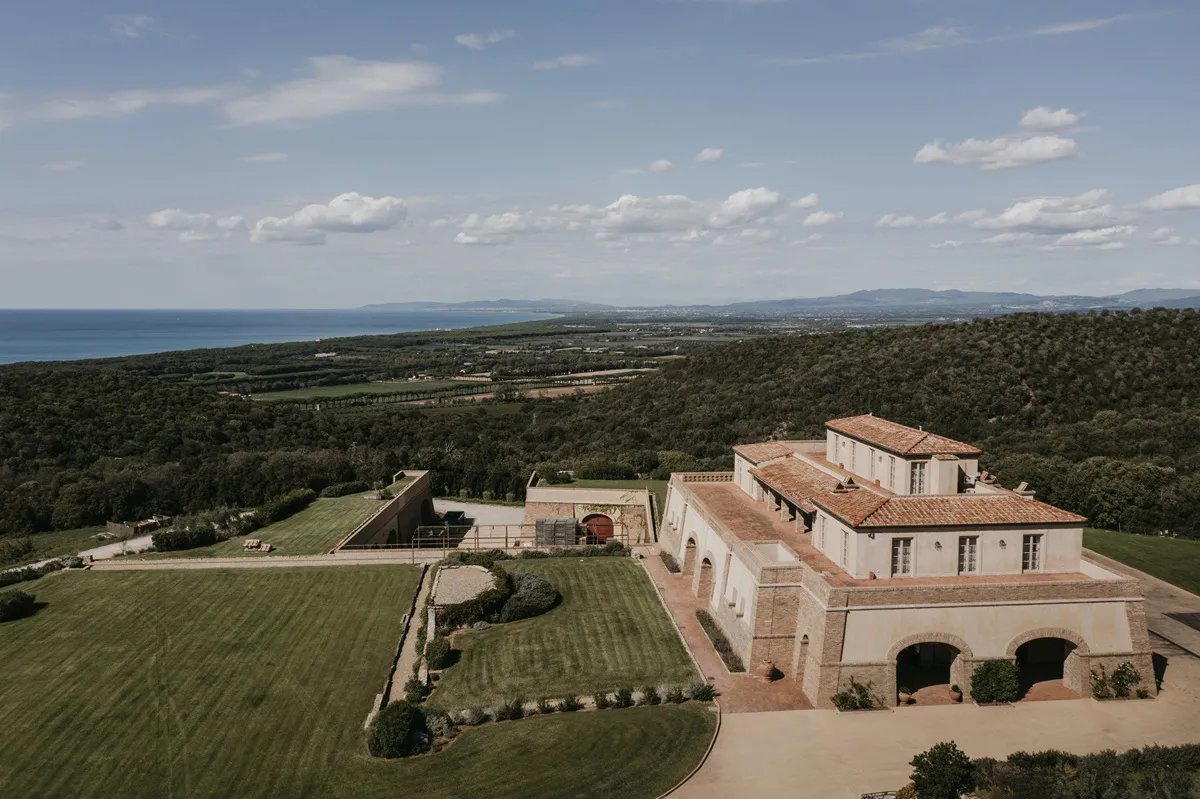
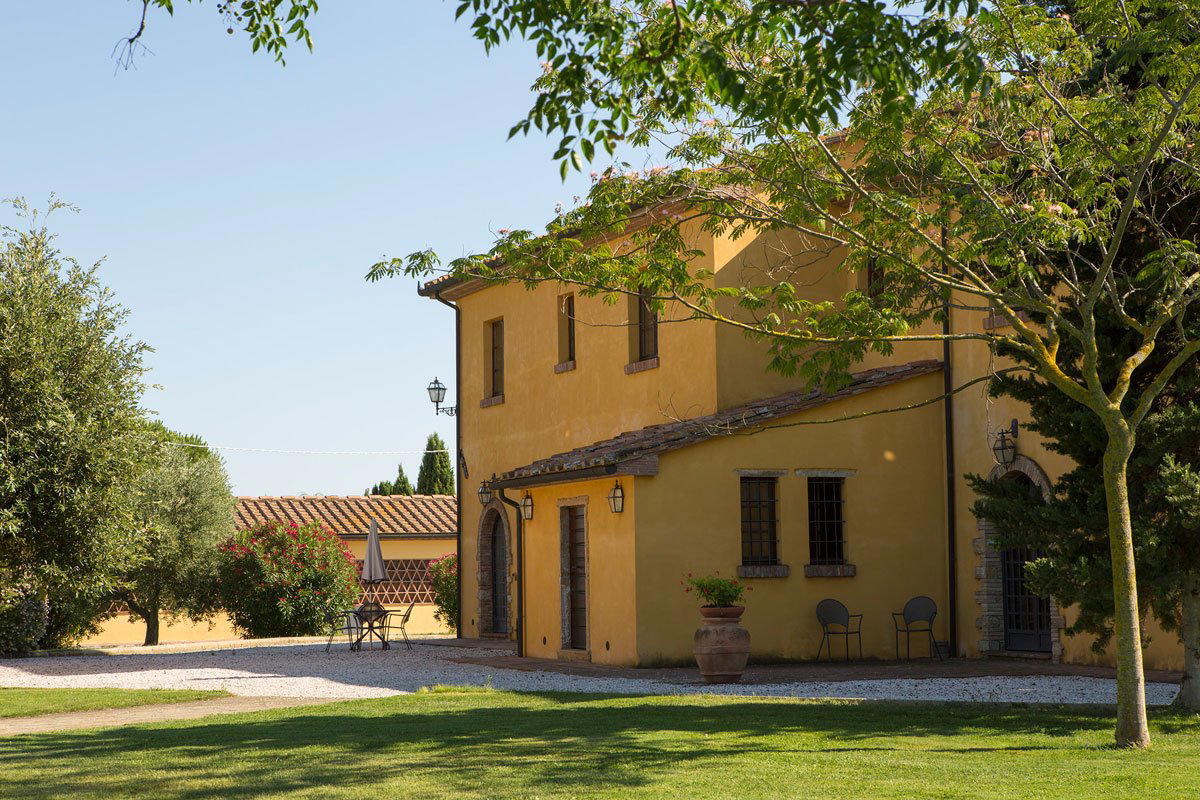
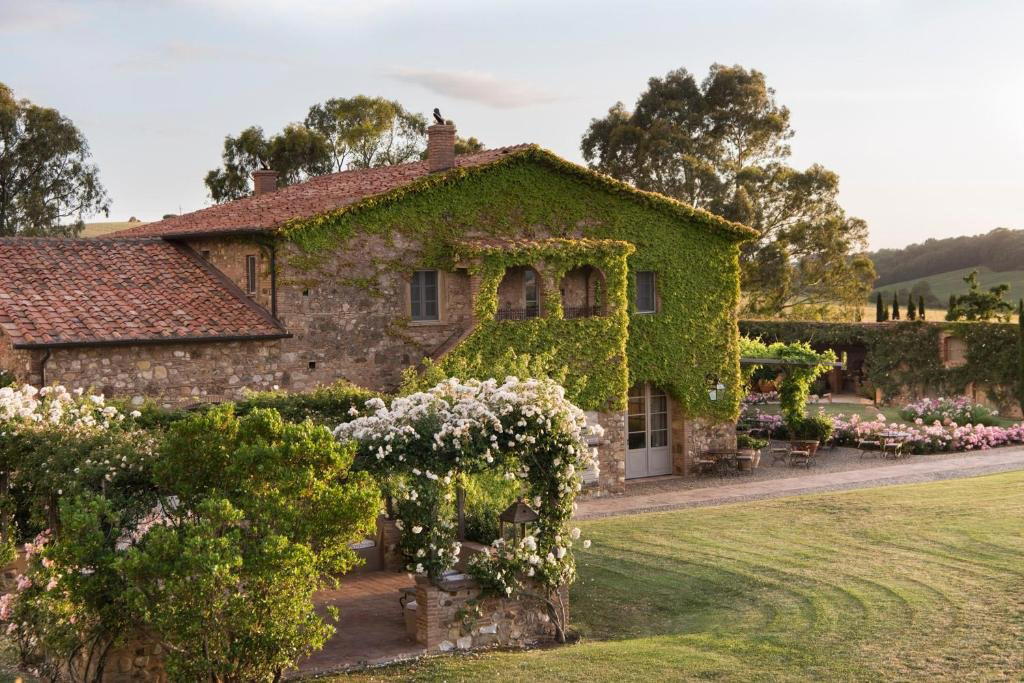
Il Falcone belongs to that tradition. The estate is set on a hill outside medieval Suvereto, with vineyards, olive groves and a farmhouse atmosphere that makes the tasting format feel closer to agriturismo than to a polished wine bar. Its scale gives the story weight: about 100 hectares in total, 10 hectares of vineyards and roughly 4,000 century-old olive trees. Those numbers explain the experience better than any adjective could. This is a diversified farm first, with wine as part of a wider agricultural identity.
Suvereto terroir seen through vines, olives and coastal air
The more persuasive way to read this property is through land use. A 10-hectare vineyard would be modest if judged against large production estates, but here it sits inside a broader 100-hectare farm where olive trees carry equal narrative force. That mix is typical of an older Tuscan rural economy, where wine rarely existed in isolation from oil, grain, livestock or seasonal farm work. The tasting therefore functions as a lesson in place: wine, grappa and olive oil are presented as related outputs from the same landscape rather than separate luxury categories.
Suvereto’s position in the Maremma gives the estate a useful double identity. It has the hill-town gravity of inland Tuscany and the softer pull of the Etruscan Coast. The property’s own place language points to surrounding hills that protect vines and olive trees from wind, creating a microclimate suited to both crops. Without soil maps or parcel data, the intelligent reading is not to overstate the viticulture. The stronger point is agricultural coherence: hillside exposure, wind shelter, vineyards and mature olive groves all contribute to a tasting experience rooted in the physical setting.
The estate sits within Suvereto DOC, a small appellation context where visitors often come looking for less industrialized expressions of Tuscan wine country. Il Falcone’s wine focus includes still red and still white styles, but the available detail is category-level rather than label-led. That makes it a better fit for travelers interested in farm context than for collectors chasing named bottlings, critic scores or cellar-release precision.
A tasting hall that frames wine as agricultural memory
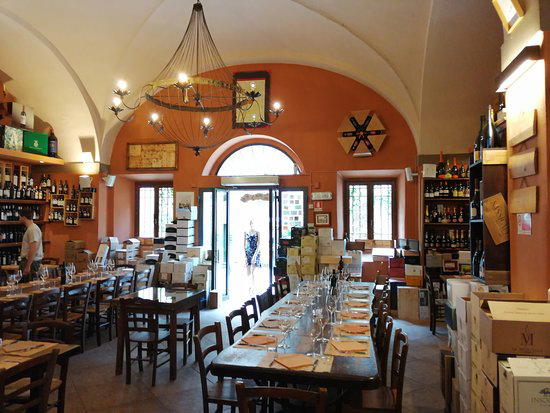
Many Tuscan tasting rooms use rural materials as decoration; here, the historical framing is more direct. The tasting hall includes vintage farm tools and family photographs from the 1950s and 1960s, placing the glass inside a farm-history narrative rather than a branding exercise. That detail matters because it changes the visitor’s attention. The room asks guests to connect wine and oil to labor, continuity and family agriculture, not simply to a flight sheet.
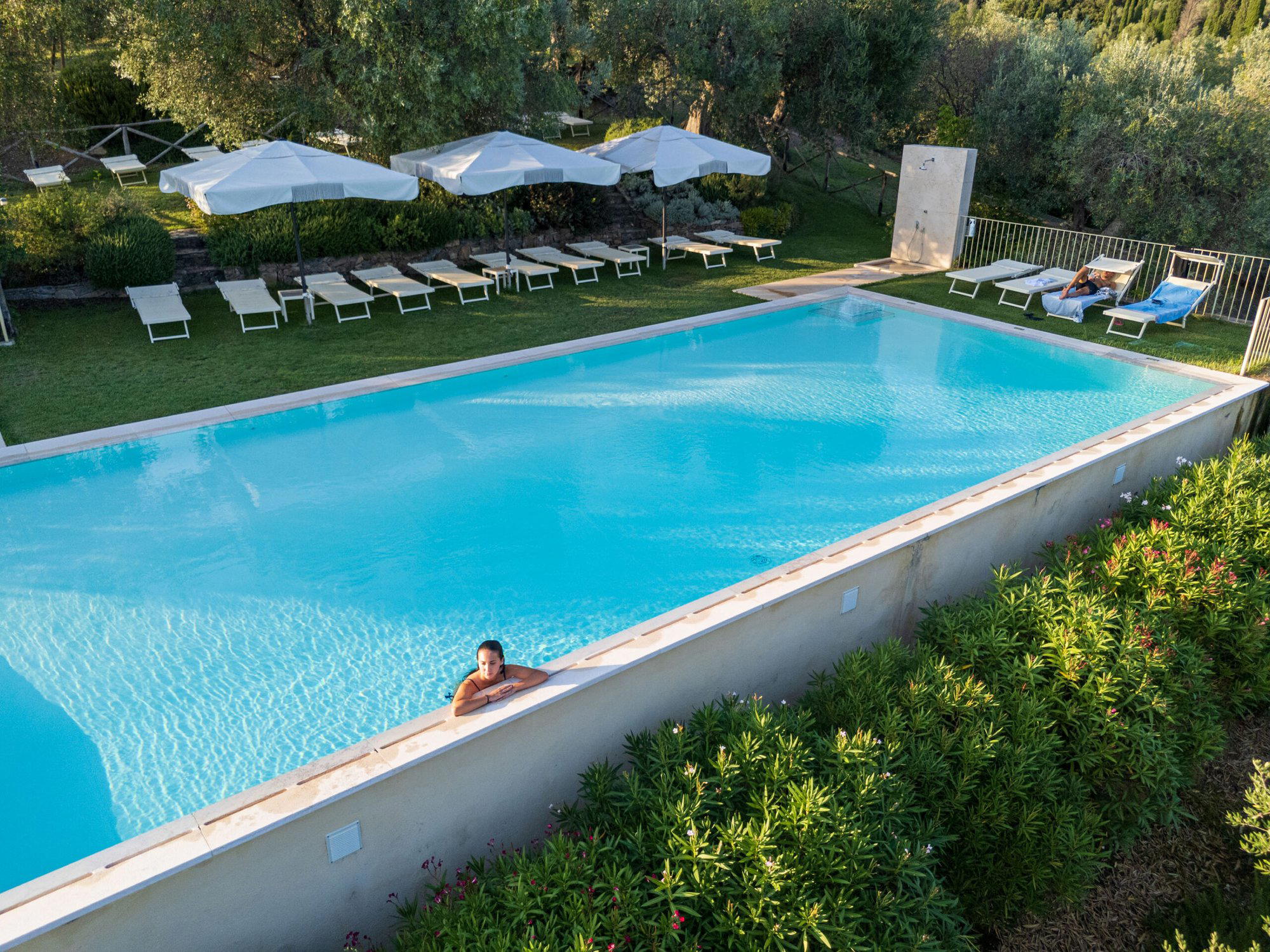
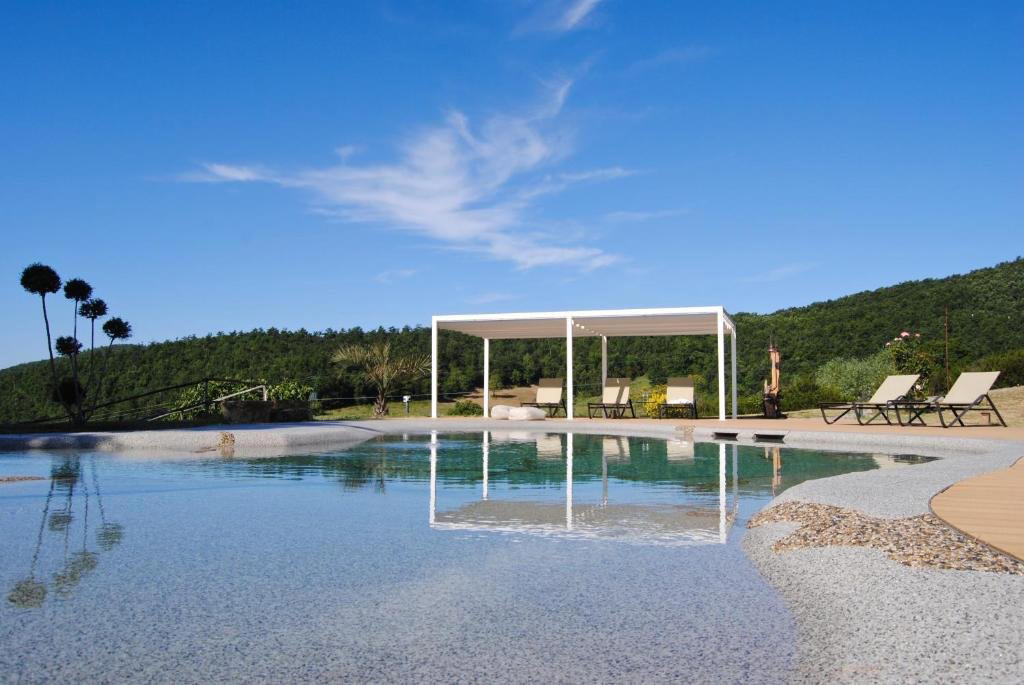
The tasting program covers estate tastings, group tastings and farm-products tastings, with wine, grappa and olive oil in the mix. Capacity also shapes the character: the estate can receive groups of up to 50 for sampling and tasting events, which places it in a medium-capacity tier rather than the tiny cellar-door category. That makes sense for a farmstay estate with outdoor space, apartments and leisure amenities, including a heated pool. The format is quiet and casual rather than ceremonial, better suited to a relaxed rural afternoon than a technical masterclass built around verticals and cellar minutiae.
Hospitality is part of the production story here. Tuscan-style apartments, beamed ceilings, terracotta floors, terraces and ground-floor accessibility features extend the same rustic vocabulary beyond the tasting room. For travelers using Suvereto as a base, the estate format allows wine to sit alongside sleep, landscape and local movement. For non-guests, the tasting hall keeps the visit product-focused without stripping away the farm context.
The estate’s production philosophy is listed as conventional, and there are no public certification claims to lean on for organic or biodynamic positioning. The stewardship argument instead comes from the land itself: mature olive trees, diversified agriculture and a stated effort to combine older farming traditions with modern techniques. That is a different kind of credibility from medals or sustainability badges. It is slower, less headline-friendly and more dependent on whether the visitor values continuity over acclaim.
How to place it within a Suvereto wine itinerary
Il Falcone is most compelling when treated as an agriturismo tasting stop rather than a trophy-cellar appointment. Reservation is recommended, the visit type is by reservation, and the estate is set up for quiet countryside pacing, outdoor seating and on-site parking. Dress is casual. Children are accommodated, dogs are not, and the tasting languages include Italian, English and German. Those details make the estate particularly practical for families, small groups and travelers who want wine education without the stiffness of a formal cellar program.
For a wider Suvereto wine day, map the estate against other local producers rather than expecting one address to explain the whole zone. EP Club’s Suvereto winery coverage includes Azienda Agricola Incontri, Azienda Agricola Russo, Bulichella, Gualdo del Re and La Fralluca. The broader city rails are useful for building the rest of the trip: Our full Suvereto wineries guide, Our full Suvereto restaurants guide, Our full Suvereto hotels guide, Our full Suvereto bars guide and Our full Suvereto experiences guide.
Travelers comparing Italian and broader European estate formats can also look beyond Tuscany to 3GP SRL in Treviso, 47 Anno Domini in Trebaseleghe, A Mano Wine in Noci, »der Steiner« Hans Steiner in Podersdorf am See and & Handwein in Mannheim. Against that wider field, the Suvereto address is not about scale or awards. Its appeal is the integrated farm model: wine, oil, grappa, lodging and landscape held together by the rhythms of a Maremma estate.
Recognition history
Dated appearances from independent guides and award organizations, with the underlying list record or original source where available.
Falstaff Winery - Listed
Falstaff
Continue exploring
More in Suvereto
Wineries in Suvereto
Browse all →
Bars in Suvereto
Browse all →
Restaurants in Suvereto
Browse all →
Details
- Rustic
- Scenic
- Classic
- Cozy
- Romantic
- Romantic Getaway
- Group Outing
- Family
- Wine Education
- Special Occasion
- Estate Grounds
- Panoramic View
- Historic Building
- Private Tasting
- Vineyard
- Mountain
- Still Red
- Still White
- Estate Tasting
- Group Tasting
- Farm Products Tasting
- Italian
- English
- German
Historic Tuscan farmhouse setting with rustic beamed ceilings, terracotta floors and a warm, relaxed farmstay atmosphere overlooking vineyards, olive groves and the medieval village of Suvereto.