Habitat Weine eG

Falstaff Winery - 1 Stars
Habitat Weine eG is a small Pfalz producer in Rümmelsheim built around guided tastings, seminar formats, and direct vineyard-and-cellar interpretation. The draw is not a polished tasting-room spectacle but a compact, educational look at dry German wines, with Wolfgang Bender named across winemaking and management roles and a 9-hectare vineyard footprint in the Mittelhaardt/Deutsche Weinstraße appellation.

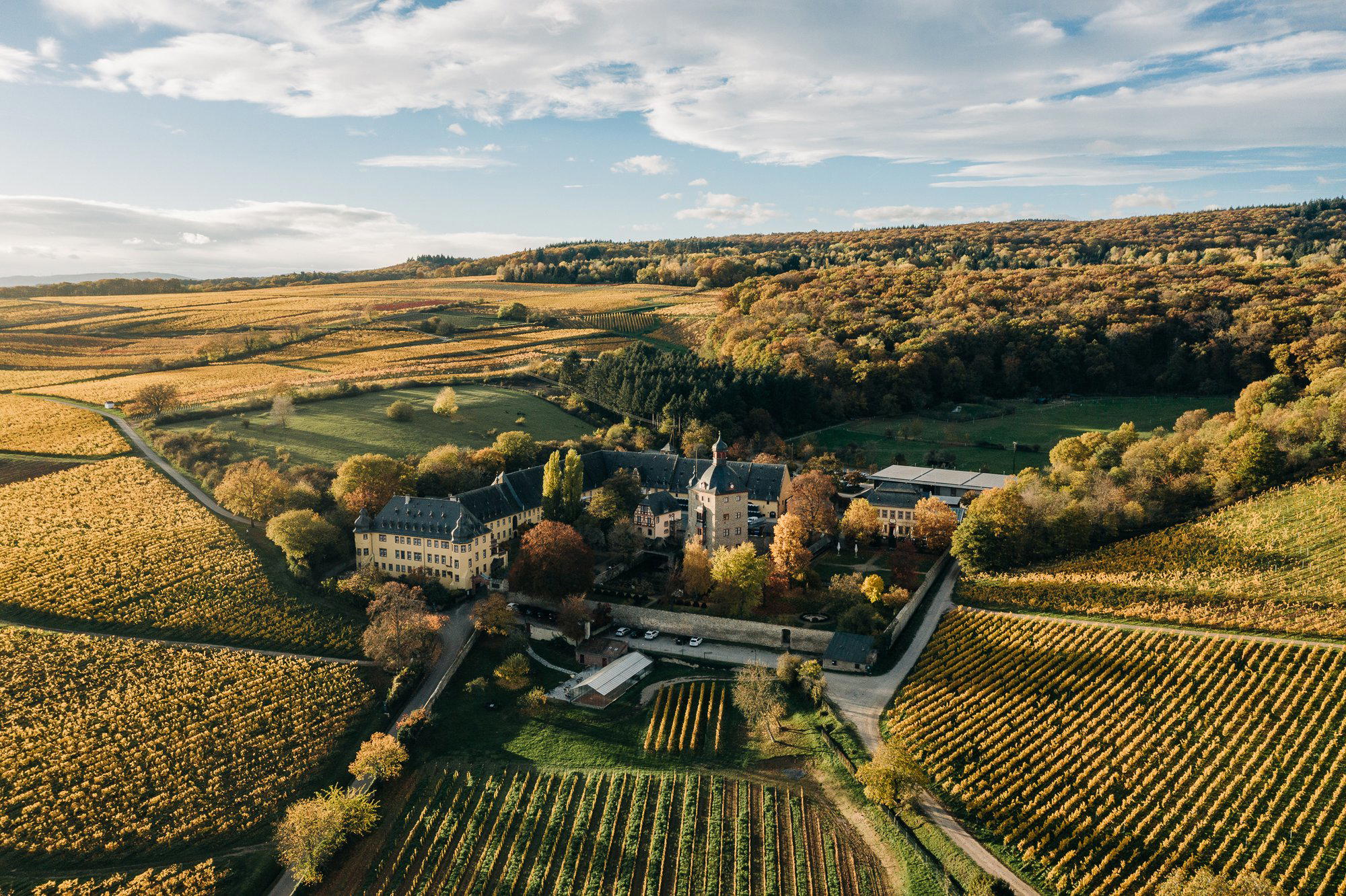
Rümmelsheim wine country is not built for grand gestures. The more persuasive visits here tend to be quieter: vineyard rows, cellar explanations, and producers who make the winemaking process legible rather than theatrical. Habitat Weine eG fits that mode. Its setting in the Pfalz, within Mittelhaardt/Deutsche Weinstraße, gives the visit a useful regional frame before the first glass is poured: this is a German wine corridor where place, education, and dry varietal expression carry more weight than decorative hospitality.
The useful way to read Habitat Weine eG is through scale. A 9-hectare vineyard footprint puts the producer in a compact category, where the visitor experience can stay close to the practical decisions of vineyard and cellar. The property dates to 1918, and Wolfgang Bender is listed as manager, managing director, winemaker, and oenologist, a concentration of roles that signals integrated oversight rather than a divided corporate model. In a small Pfalz context, that matters: cellar choices, commercial identity, and hospitality can speak in the same register.
Small-scale Pfalz wine, explained through vineyard and cellar work
The strongest reason to come here is the format. Habitat Weine eG offers guided tastings and wine seminars, including sessions for groups of 6–18 people that explain the individual production steps of quality winemaking directly in the vineyard and cellar. That turns the visit away from a simple flight at a counter and toward a more instructional model. For travelers trying to understand how German dry whites, blanc de noir, and light sparkling styles are made, the structure is more useful than another quick pour-and-purchase stop.
Portfolio visible from public tasting notes points toward German varietal clarity rather than heavy cellar imprint. Documented wines include 2022 Landwein “Lavinia,” 2022 trocken “Secco Blanc,” 2020 Landwein trocken “Tilt,” 2022 Grauburgunder-Weißburgunder Landwein trocken, 2022 Weißburgunder Landwein trocken, and Landwein trocken Blanc de Noir “Samira.” The range covers still white, still red or red-leaning styles, and sparkling wine, with Weißburgunder and Grauburgunder playing a central role. Those varieties make sense in this regional setting: they reward precision, texture, and restraint rather than power for its own sake.
Recognition is measured rather than trophy-led. Wein.plus scores for named bottlings sit between 83 and 86 WP, with several wines rated “good” or “good.” “Lavinia,” “Tilt,” and the Grauburgunder-Weißburgunder each received 86 WP, while “Secco Blanc,” Weißburgunder, and “Samira” sit in the 83–84 WP range. That pattern suggests consistency across the visible sample, not a single headline bottle carrying the reputation. For a visitor, that is often the more relevant signal: the tasting can show a working producer’s range rather than a narrow showcase of prestige labels.
A producer visit for people who want process, not performance
The hospitality style is practical, quiet, and educational. The atmosphere is better understood as a working winery visit than a designed leisure room: seminars, guided tastings, vineyard access, and cellar explanation form the core. That makes it better suited to small groups, wine clubs, corporate outings with a serious tasting brief, or travelers who prefer being shown how decisions are made before assessing what is in the glass.
Sustainability appears in the producer’s positioning through Ecovin and Generation Riesling membership, though the more useful point for visitors is how that intersects with the educational format. A winery that walks guests through vineyard and cellar work is asking them to connect the finished wine to farming, handling, and production choices. In Pfalz, where wine tourism can range from casual roadside tastings to more technical producer visits, Habitat Weine eG occupies the latter lane.
Rümmelsheim also rewards a clustered approach. Visitors building a local wine itinerary can use Our full Rümmelsheim wineries guide for the wider map, then look at nearby producer pages such as Piri Wein, Schlossgut Diel, Weingut Forster, Weingut Schlossmühle Dr. Höfer, and Weingut St. Barbarahof. For non-wine planning around town, keep Our full Rümmelsheim restaurants guide, Our full Rümmelsheim hotels guide, Our full Rümmelsheim bars guide, and Our full Rümmelsheim experiences guide close at hand.
For readers comparing the broader German-speaking natural, small-producer, and education-led wine circuit, useful reference points include & Handwein in Mannheim, 2 Naturkinder in Kitzingen, 3 Winner in Bechtheim, »der Steiner« Hans Steiner in Podersdorf am See, and ®walzer in Gneixendorf Bei Krems. Habitat Weine eG is not framed by spectacle or luxury cues; its value is in seeing a Pfalz producer make the link between vineyard, cellar, and glass concrete.
Frequently asked questions
What's the general vibe of Habitat Weine eG?
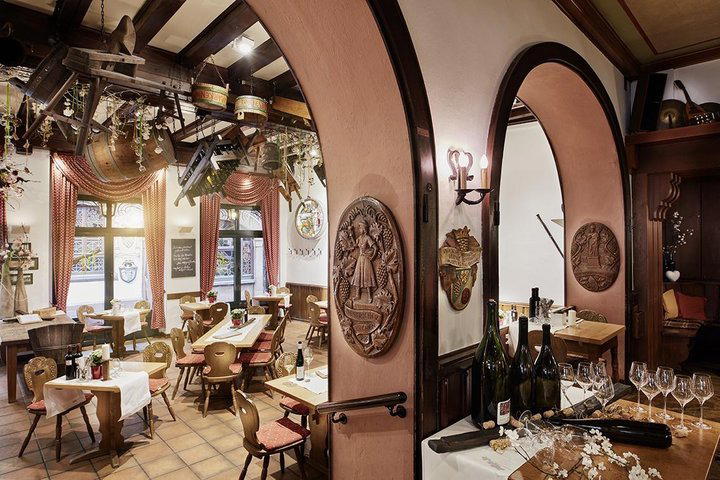
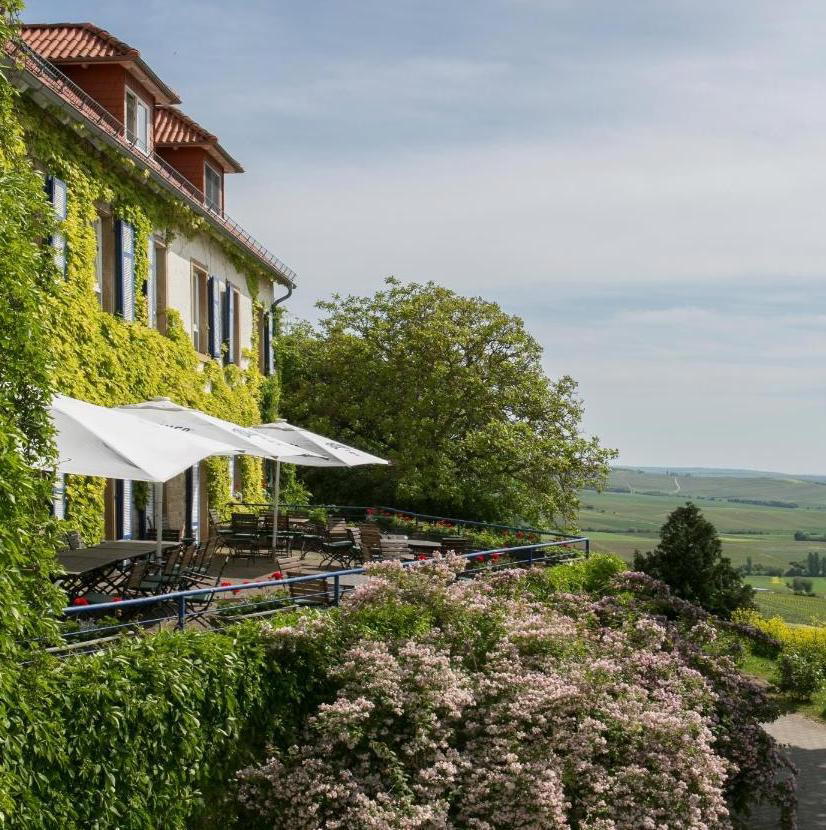
It is a small, producer-focused winery in Rümmelsheim with a quiet, cozy, rustic feel. The setting is practical rather than decorative, shaped around guided tastings and seminars at the vineyard and cellar.
Where can I find Habitat Weine eG?
Habitat Weine eG is located at Rümmelsheim, Pfalz (Palatinate), Rhineland-Palatinate, Deutschland, Rümmelsheim.
Is Habitat Weine eG expensive?
Pricing at Habitat Weine eG is listed as $.
What makes Habitat Weine eG worth visiting?
The main draw is the on-site seminar format for groups of 6–18 people, which explains the production steps of quality winemaking directly in the vineyard and wine cellar. Habitat Weine eG also operates in the Pfalz, in the Mittelhaardt/Deutsche Weinstraße appellation, with a focus on sustainable production.
How hard is it to get in to Habitat Weine eG?
Visits are appointment only, and the reservation policy is recommended. That setup points to a small-scale operation in Rümmelsheim rather than an open-door tasting room.
Is Habitat Weine eG better for first-timers or repeat visitors?
First-timers get the most from the guided tastings and 60–90 minute seminar format, which explains the basics clearly. Repeat visitors will find more value in the vineyard tour and private tasting structure, especially if they want a deeper look at a 1918 producer in Burg Layen.
Recognition history
Dated appearances from independent guides and award organizations, with the underlying list record or original source where available.
Falstaff Winery - 1 Stars
Falstaff
Request a visit to Habitat Weine eG
Tell us when you would like to go and how many people, and we put the request to the estate and reply to you by email.
Continue exploring
More in Rümmelsheim
Wineries in Rümmelsheim
All wineries in Rümmelsheim →
Bars in Rümmelsheim
Browse all →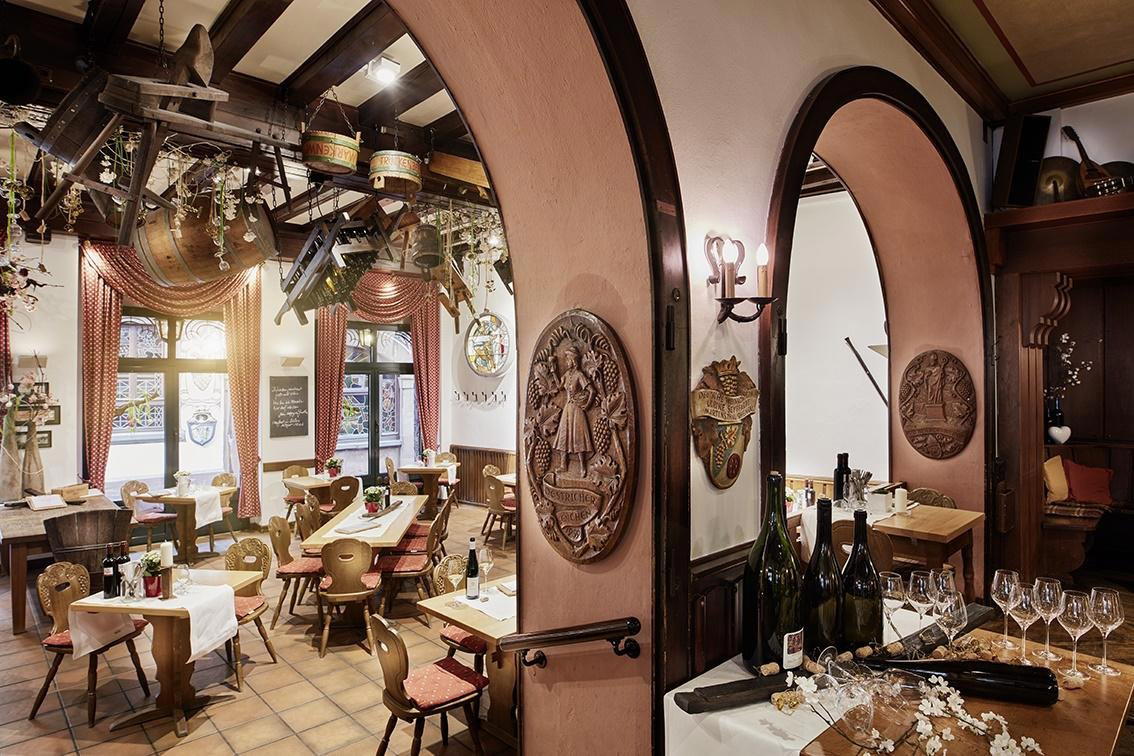
Details
- Quiet
- Cozy
- Rustic
- Group Outing
- Wine Education
- Corporate Event
- Vineyard Tour
- Private Tasting
- Sustainable
- Vineyard
- White Grapes
- Red Grapes
- Still White
- Still Red
- Sparkling
- Seminar Tasting
- Guided Tasting
A small, producer-focused winery with a practical, educational atmosphere centered on tastings and seminars rather than a decorative hospitality setting.