Gentilini Winery

Gentilini Winery sits in the Minies area of Cephalonia, where the island's limestone-driven soils and Ionian sea winds shape some of Greece's most distinctive white wines.
- Address
- Minies 281 00, Kefalonia, Greece
- Phone
- +302671041618
- Website
- gentilini.gr
- Directions
- Get directions
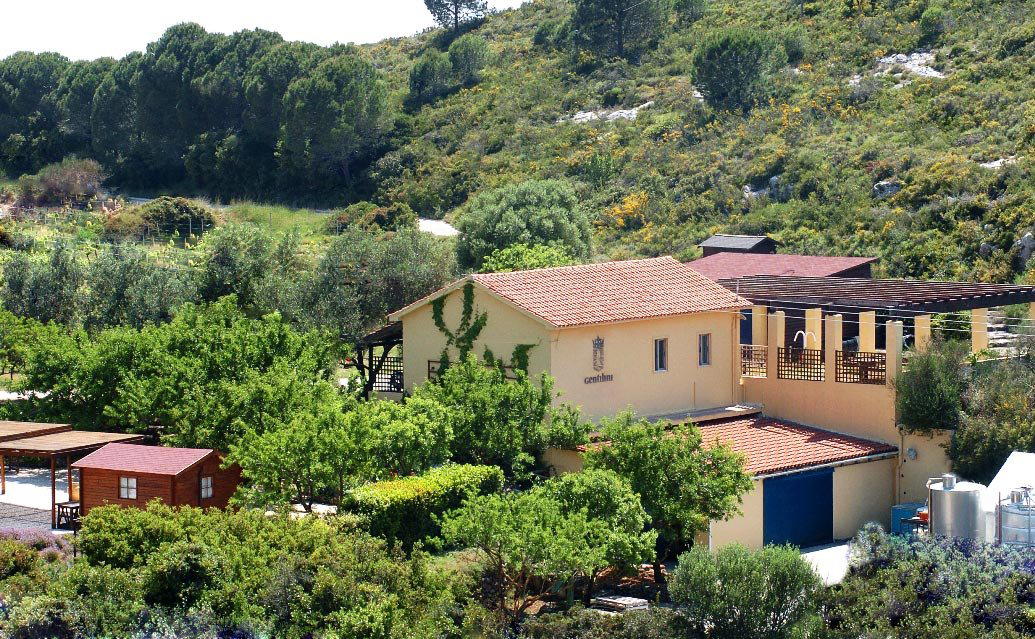
Limestone, Wind, and the Ionian Identity
Cephalonia produces wine in conditions that most European appellations would consider extreme. The island sits at the western edge of the Ionian Sea, where maritime winds off the Adriatic collide with a terrain built almost entirely on limestone and clay. Rainfall concentrates in winter and spring, summers run dry and bright, and the altitude range across the island's vineyards means that the same harvest window can look entirely different depending on whether you're picking at sea level or at elevation on Mount Ainos. These are not marginal conditions for viticulture, they are conditions that force grape varieties to express themselves with unusual clarity.
To understand Gentilini's position in Cephalonian wine, it helps to understand what makes the island's wine culture distinct within Greece. Where much of the Greek mainland produces red-dominant wine from varieties like Xinomavro, as seen at producers such as Aidarinis Winery in Goumenissa or Alpha Estate in Amyntaio, Cephalonia's signature is white. Robola, the island's flagship indigenous variety, is a high-acid, mineral-driven white grape that thrives in the limestone-heavy soils of the interior and the hillside plots that catch consistent sea-breeze cooling. The variety produces wines with a structural tension, citrus and stone fruit on the surface, a chalky mineral grip underneath, that owes almost everything to the geology beneath the vines rather than to winemaking intervention.
Where Gentilini Sits in the Regional Picture
Cephalonia's wine scene is compact relative to the mainland. The island has a small number of producers working at a quality-focused level, and they tend to fall into two broad categories: cooperative-scale operations and smaller, estate-driven houses. The Orealios Gaea (Robola Coop) represents the cooperative tradition, drawing on a wide network of growers and producing Robola at volume. Gentilini occupies a different position: smaller in scale, more focused in output, and aligned with the estate-winery model that places emphasis on a defined vineyard source and a deliberate approach to the grape.
For a winery on a Greek island that remains largely off the radar for wine tourists who default to Santorini or Nemea, the latter represented well by producers like Acra Winery in Nemea, that recognition is a meaningful external signal.
Historically, Ionian wine has been underrepresented in the international press relative to its quality potential. The islands lack the marketing infrastructure of, say, the Peloponnese or northern Greek appellations, and Robola has never broken into the export consciousness the way Assyrtiko has. That gap between quality and profile is exactly the condition in which serious wine travelers tend to find value, and Gentilini's positioning as a prestige-tier producer within that context is worth noting.
The Minies Terroir and What It Produces
The village of Minies sits on Cephalonia's western coast, between the capital Argostoli and the peninsula that extends toward the island's southern tip. The microclimate here benefits from consistent sea exposure, which moderates summer heat and maintains acidity in grapes that might otherwise soften in higher-temperature conditions. The soils in this part of the island skew toward the white limestone and marl combinations that viticulturalists associate with tension and minerality in white wines, the same soil profile that produces structured whites in Chablis or the white wine zones of the Loire.
This isn't an accidental alignment. The Ionian islands share geological ancestry with parts of the Adriatic coast and the broader Tethys Sea basin, meaning the limestone-heavy profiles that define premium white wine terroirs in Western Europe have direct parallels here. When Robola is grown on deep, well-drained limestone, the vine stresses appropriately, root systems go deep in search of water, and the resulting fruit carries a mineral concentration that soil with more water-retention wouldn't produce. The wines that come from this kind of site tend to be leaner and more saline than those grown on richer soils, structured enough to age, crisp enough to drink young.
Gentilini's location in Minies places it within this geological corridor, and the 2025 prestige recognition suggests the winery is translating site advantage into bottle with consistency.
Visiting: What to Expect and How to Plan
Cephalonia is accessible via Argostoli Airport, which handles domestic connections from Athens year-round and European charter traffic from late spring through early October. The island's winery visits are generally leading organized between May and October, when cellar doors are staffed and roads in the inland vineyard areas are fully passable. The Minies area itself is close to Argostoli, making Gentilini a logical first or last stop on a wider winery circuit of the island, a circuit that, for context, might also include the cooperative at Orealios Gaea or a drive north toward the island's higher-altitude growing zones.
For travelers combining wine with broader island exploration, Cephalonia's accommodation and dining options are varied enough to support a multi-day itinerary. EP Club's full Cephalonia hotels guide covers the range from boutique inland properties to coastal options, while the Cephalonia restaurants guide maps the island's dining character, which leans toward fish-forward tavernas, seasonal produce, and a direct approach to local ingredients that pairs well with the island's mineral-driven whites. The Cephalonia bars guide and experiences guide round out the picture for visitors building a longer stay.
Visitors planning to visit the winery directly should verify opening hours and tasting appointment availability before traveling, as smaller estate wineries in Greece often operate on seasonal schedules or by prior arrangement.
For travelers with an appetite for comparing Greek terroir across regions, the context broadens considerably when you look at mainland producers. The Peloponnese and northern Greece each produce distinctive wine characters, Abraam's Vineyards in Komninades and Aiolos Winery in Palaio Faliro represent different expressions of that mainland range. Longer trips into Achaia and its historic wine culture find a strong anchor at Achaia Clauss in Patras. For travelers whose wine itineraries extend beyond Greece entirely, Akrathos Newlands Winery in Panagia, Abadía Retuerta in Sardón de Duero, and Aberlour in Aberlour each offer points of comparison within their own regional frameworks.
Comparable Venues
Comparable venues nearby, for context on price, style, and recognition.
| Venue | Cuisine |
|---|---|
| Gentilini WineryThis venue — the venue you are viewing | Minies, Robola of Kefalonia, Mavrodaphne |
| Orealios Gaea (Robola Coop) | Robola Zone, Robola, Vostilidi |
| Magna Distillery | Winery |
| Campari Ouzo Distillery | Winery |
| Ouzo Mitsa Distillery | Winery |
| Spyropoulos Distillery | Winery |
Recognition history
Dated appearances from independent guides and award organizations, with the underlying list record or original source where available.
Falstaff Winery - Listed
Falstaff
Continue exploring
More in Cephalonia
Wineries in Cephalonia
Browse all →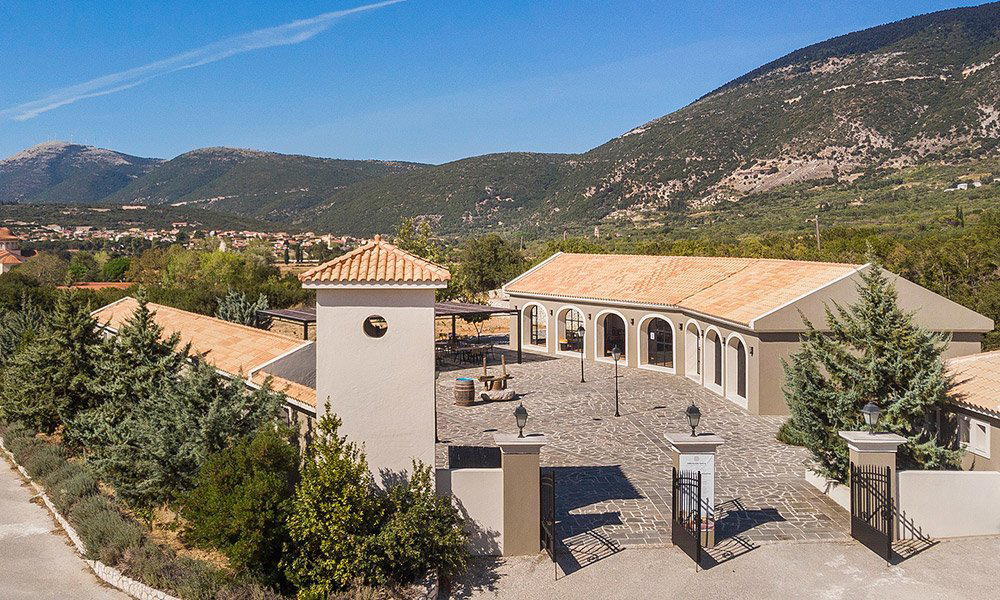
Bars in Cephalonia
Browse all →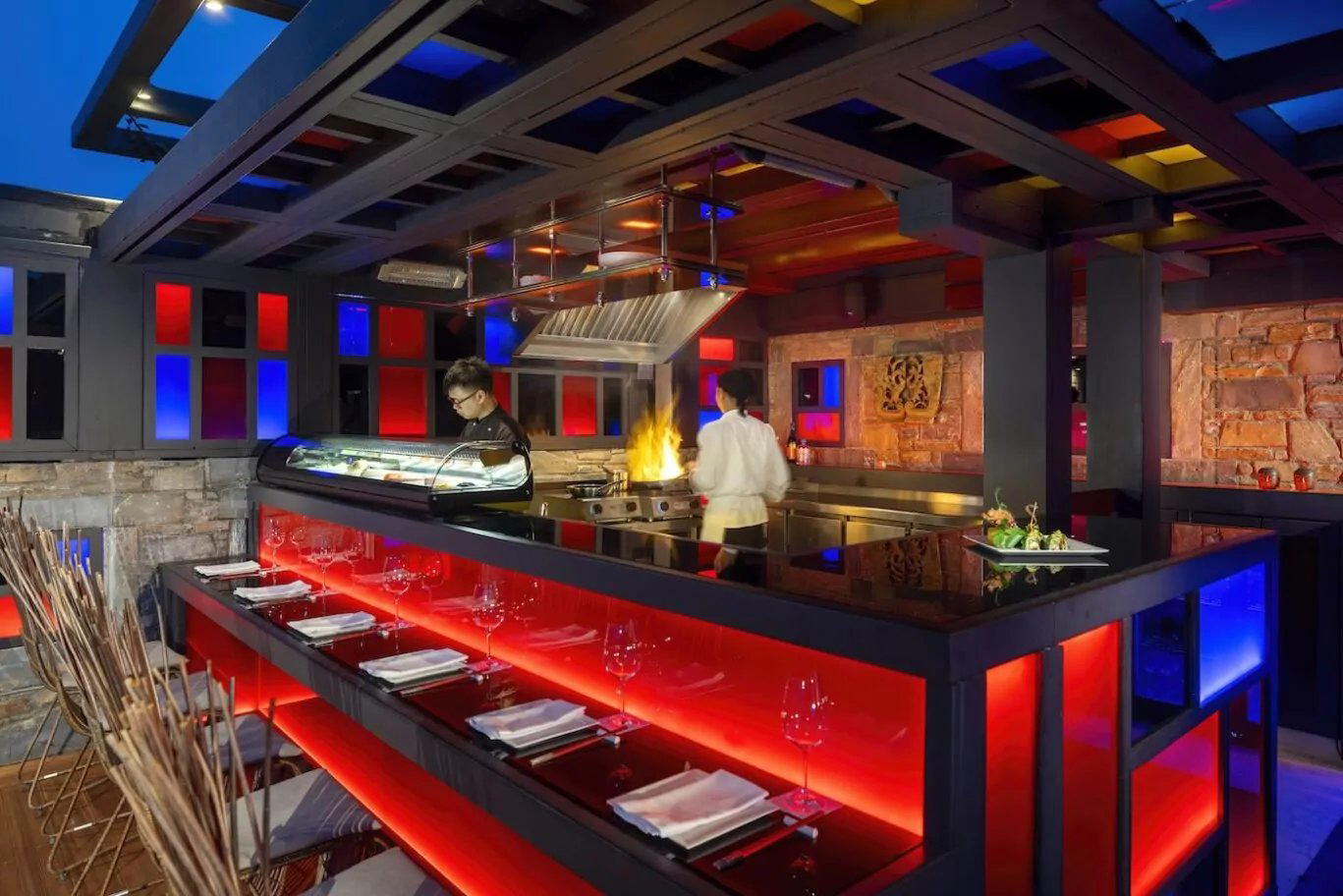
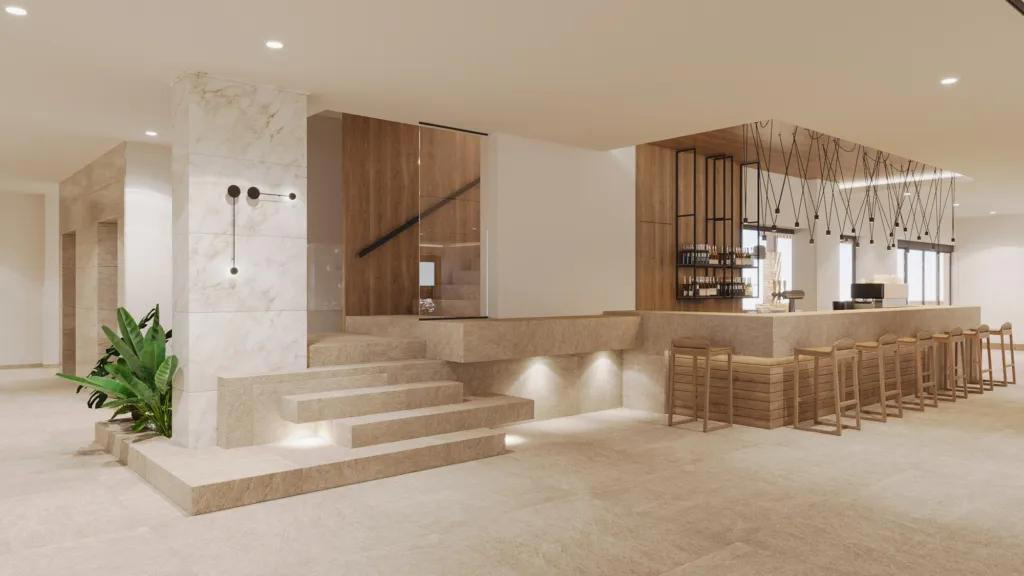
Restaurants in Cephalonia
Browse all →
At a Glance
- Rustic
- Scenic
- Elegant
- Intimate
- Wine Education
- Romantic Getaway
- Group Outing
- Special Occasion
- Vineyard Tour
- Estate Grounds
- Barrel Room
- Private Tasting
- Panoramic View
- Organic
- Sustainable
- Vineyard
- Mountain
- Robola Of Kefalonia PDO
- Robola Of Kefalonia
- Mavrodaphne
- Assyrtiko
- Moschofilero
- Agiorgitiko
- Syrah
- Sauvignon Blanc
- Tsaoussi
- Still White
- Still Red
- Still Rosé
- Guided Tasting
- Vineyard Tour
- Barrel Room Experience
Current opening hours
- Monday
- 11 AM–8 PM
- Tuesday
- 11 AM–8 PM
- Wednesday
- 11 AM–8 PM
- Thursday
- 11 AM–8 PM
- Friday
- 11 AM–8 PM
- Saturday
- 11 AM–8 PM
- Sunday
- 11 AM–8 PM
Hours can change for holidays and private events. Last verified .
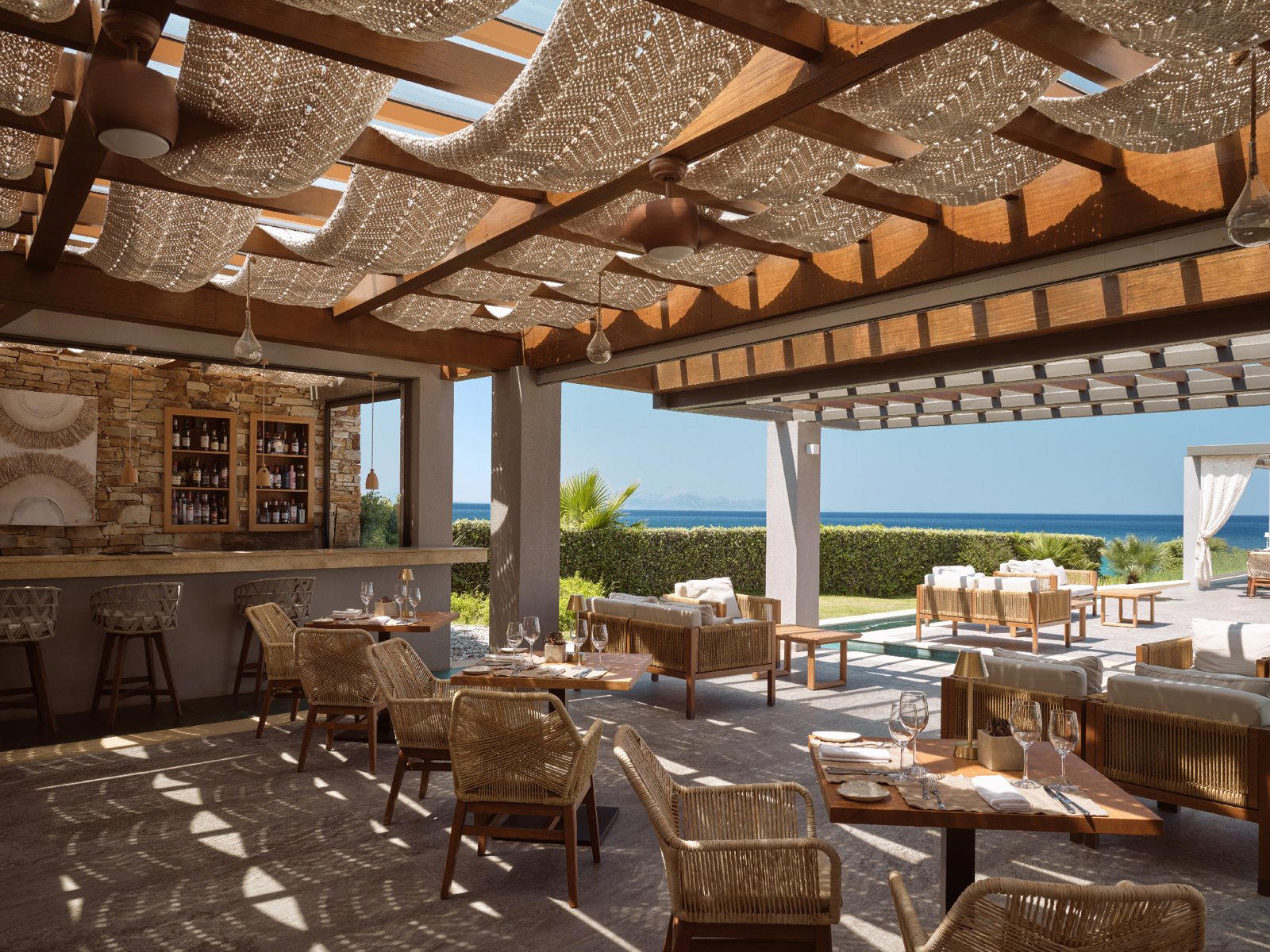
Warm, welcoming family-run atmosphere with professional hospitality, set among limestone vineyards with views of Mount Ainos and the Omala Valley.