Folding Hill Wine Company

Falstaff Winery - Listed
Folding Hill Wine Company sits in the quieter end of the Central Otago wine conversation: small-scale, vineyard-facing and built around still red and white wines rather than cellar-door spectacle. For Dunedin-based travellers, its appeal is the shift from city itinerary to Otago wine country, where appointment-led hospitality and a small artisan production model shape the experience.

Pearl is the En Primeur Club membership app — saves, bookings, and concierge access live there. Same editors, same standards.
- Address
- Dunedin, Neuseeland
- Directions
- Get directions

Folding Hill Wine Company is best approached as a small, low-key Central Otago producer associated with Dunedin rather than as a large tourist cellar door. The picture is intentionally modest: artisan wines, appointment-only access and a quiet, personal atmosphere. Its appeal is not built on spectacle, restaurant-style service or a high-volume tasting circuit, but on a more restrained sense of place. That restraint is important to the way the venue should be understood: the draw is the chance to encounter a smaller producer on its own terms, without expecting the architecture, programming or service rhythm of a major wine-tourism destination.
The useful way to read this address is as part of New Zealand’s more intimate wine culture. Central Otago has a strong identity for wine travellers, but Folding Hill Wine Company should not be framed as a major hospitality complex. The grounded facts point instead to a quiet, rustic, hidden-gem producer where the visit is best planned in advance. In practical terms, it belongs on an itinerary for visitors who are comfortable with a more deliberate kind of wine travel, where arranging access is part of the experience rather than an inconvenience.
Central Otago in a smaller, quieter register
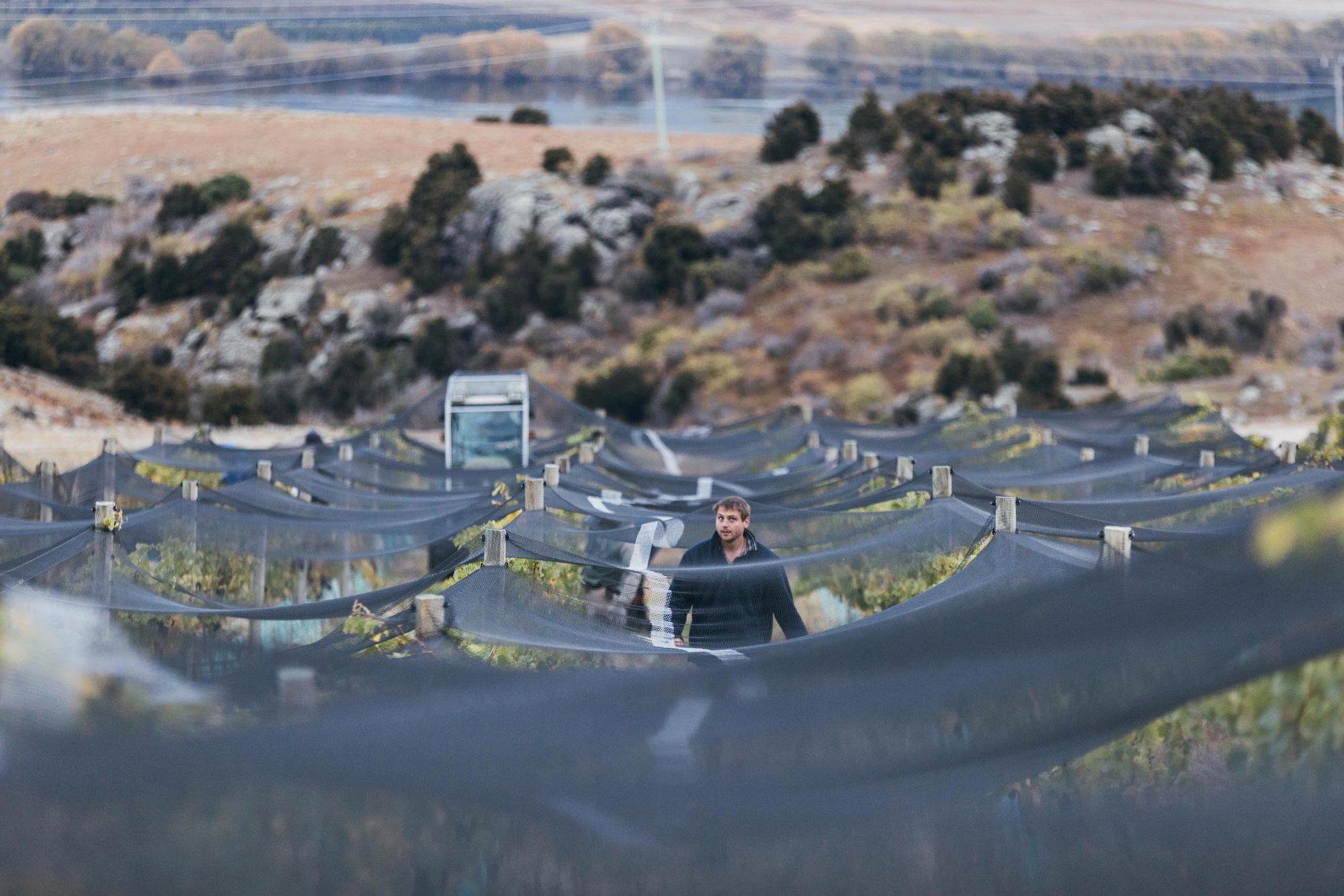
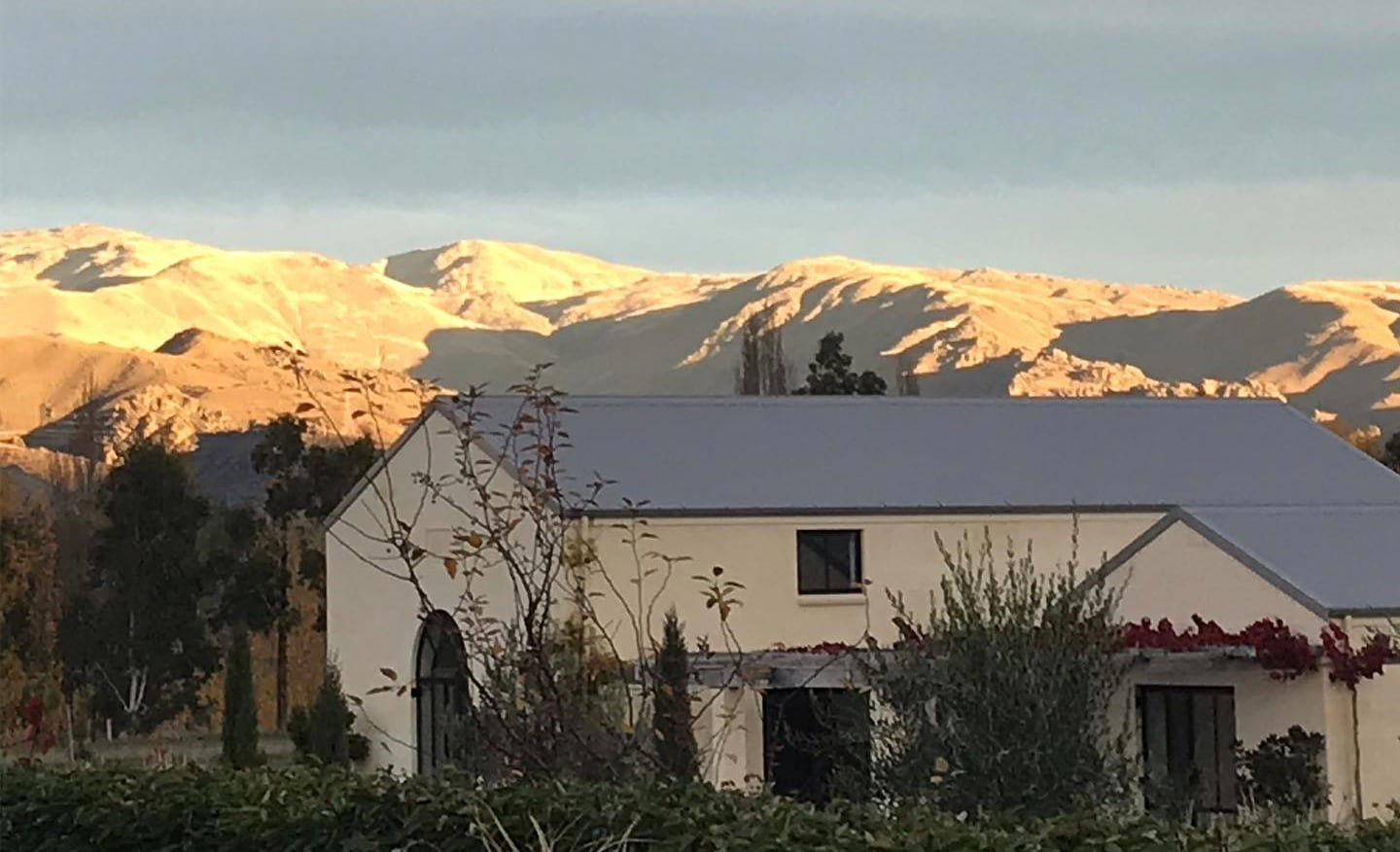
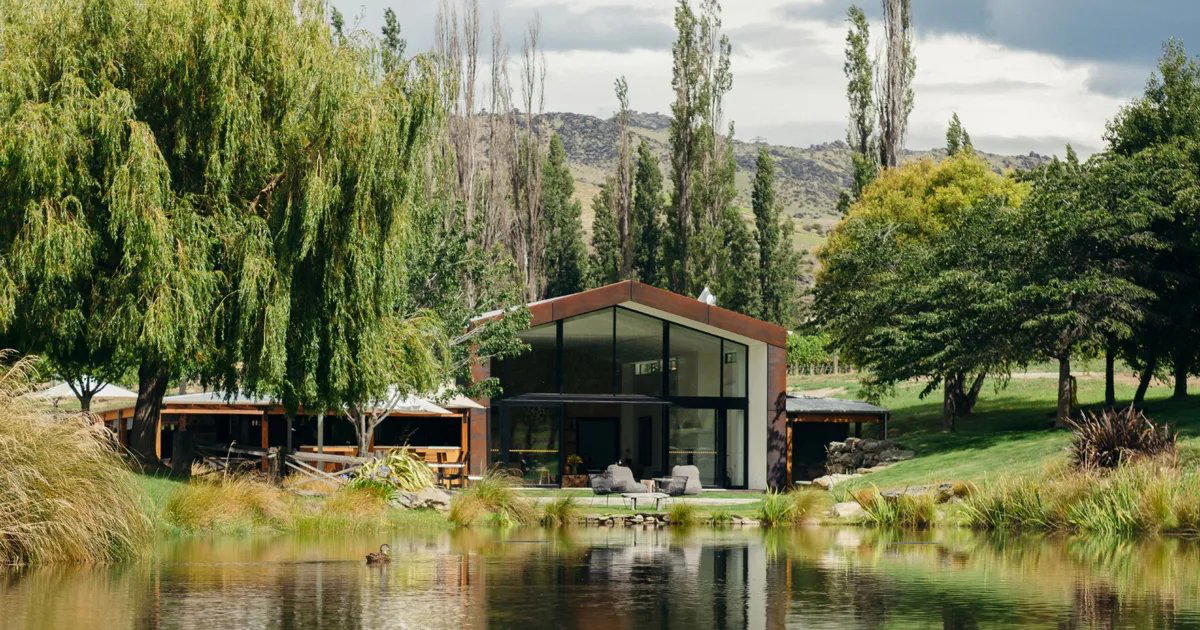
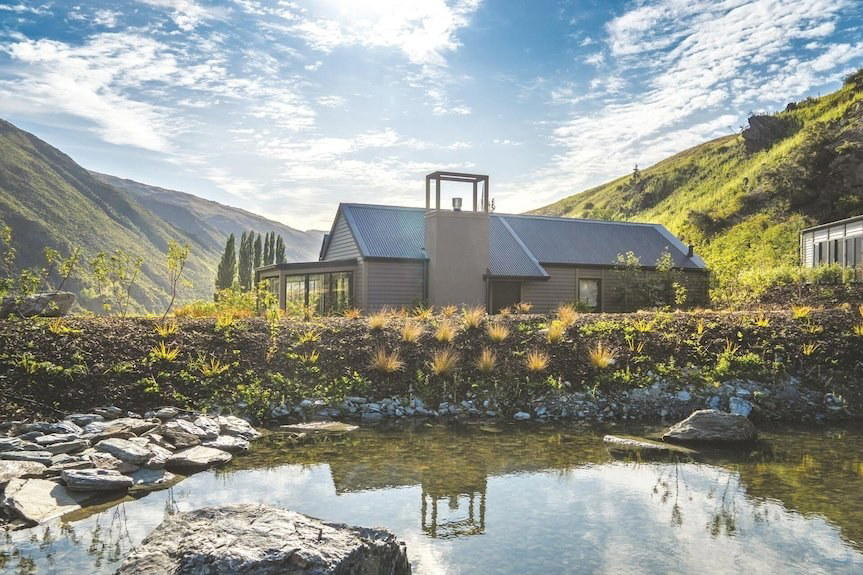
Folding Hill Wine Company’s profile is simple: it is a small Central Otago wine producer operating on an appointment-only basis. That matters because expectations should be set differently from a large-scale, walk-in cellar door. The atmosphere is described as quiet, low-key and personal, with a rustic character rather than a polished tourist format. The emphasis is less on a packaged visitor product and more on the feeling of a compact producer whose public-facing presence remains deliberately understated.
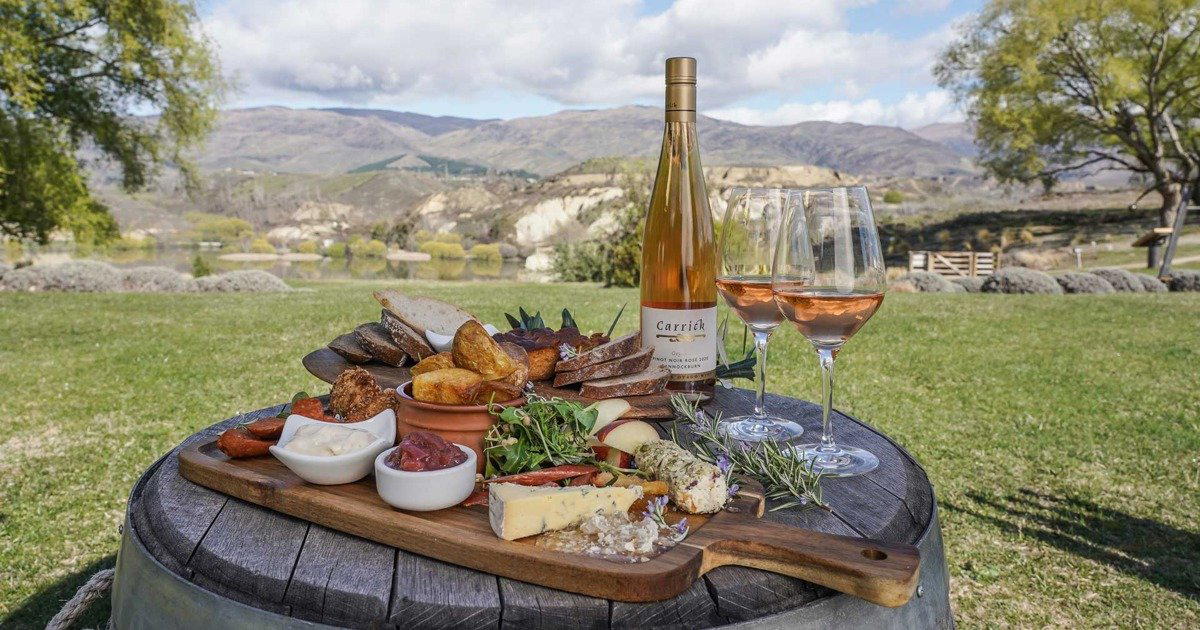
The production identity is also best kept broad. The information supports an artisan wine focus, but not a detailed public menu, grape list, bottle range or tasting structure. For visitors, that means the safest expectation is a compact producer experience rather than a full-service hospitality venue with extensive published amenities. It is a place to approach with curiosity and flexibility, not with a checklist of facilities, formal sequences or guaranteed extras beyond the appointment-based wine context already established.
Because the confirmed details are limited, it is better not to overbuild the story around awards, founding dates, named staff, exact capacity or a specific tasting sequence. Those elements are enough to define its editorial position without stretching the facts into a larger narrative than the available information supports.
A visit shaped by restraint, not spectacle
The appeal here is format discipline. It is better understood as a personal-format wine stop where advance planning matters and the atmosphere is deliberately low-key. That discipline helps distinguish it from venues designed around constant walk-in flow, broad amenities or a heavily orchestrated hospitality experience.
That makes it a sharper fit for travellers who prefer quieter wine-country experiences over heavily staged hospitality. The distinction is not about luxury signalling; it is about scale. A small Central Otago producer communicates differently from a flagship estate with multiple hospitality layers. Here, the grounded expectation is restraint, artisan wine and a personal appointment-only visit. For the right visitor, that narrower format can be the point: fewer distractions, a clearer sense of the producer’s character and a wine-country stop that feels more private than performative.
For a wider Dunedin itinerary, this kind of stop also explains why wine travel around the city may need more planning than a simple dining crawl. The appointment-only nature means it is best treated as a planned anchor or side trip rather than an interchangeable drop-in between other bookings.
How to place it within a New Zealand wine route
Folding Hill Wine Company is most useful as a small-scale Central Otago counterpoint within broader New Zealand wine travel. The answer here is narrow and specific: a Dunedin-associated Central Otago producer, artisan wines, appointment-only access and a quiet, rustic, hidden-gem atmosphere. It is not being recommended on the basis of extensive public infrastructure, but because it represents a quieter mode of wine-country discovery.
Travellers comparing New Zealand wine regions can use Folding Hill Wine Company as an example of the quieter end of the producer spectrum. Rather than anchoring the decision in awards, exact portfolio claims or restaurant-style amenities, the better comparison is between large public-facing cellar doors and smaller producers that require direct planning. That comparison is useful because it clarifies the kind of traveller likely to enjoy the stop: someone who values intimacy, modesty and a slower rhythm over breadth of facilities.
The editorial verdict is simple: Folding Hill Wine Company is for travellers who prefer small-format wine country over staged hospitality. Its strongest signals are Central Otago identity, artisan production, appointment-only access and a quiet, personal atmosphere. Those cues will matter more than elaborate amenities for the right visitor. If those qualities are the reason for seeking out a wine stop in the first place, Folding Hill Wine Company sits neatly within a more thoughtful, less crowded version of a New Zealand wine route.
Recognition history
Dated appearances from independent guides and award organizations, with the underlying list record or original source where available.
Falstaff Winery - Listed
Falstaff
Details
- Quiet
- Rustic
- Solo Exploration
- Wine Education
- Romantic Getaway
- Vineyard
- Still Red
- Still White
Small, low-key Central Otago producer focused on artisan wines, operating on an appointment-only basis with a quiet, personal atmosphere rather than a large-scale tourist cellar door.