
Finca Monastasia is a Cerro Blanco estate winery in Ontur working inside the D.O.P. Jumilla frame, where Monastrell carries the main argument. The appeal is site-led rather than spectacle-led: calcareous soils, estate vineyards, stainless steel and cement, then French and American oak for Mediterranean reds shaped around concentration, power, freshness, and elegance.
Pearl is the En Primeur Club membership app — saves, bookings, and concierge access live there. Same editors, same standards.
- Address
- Ontur, Castilla-La Mancha, Spanien
- Directions
- Get directions
 Saves & bookings on Pearl
Approaching a winery in Ontur means entering a drier, more elemental part of Spanish wine country, where vineyard, heat, stone, and wind carry more weight than polished cellar theatre. Finca Monastasia belongs to that register. Its setting in the Cerro Blanco area places the conversation close to the land: calcareous soils, estate vineyards near the cellar, and a Jumilla identity built around Mediterranean red-wine structure rather than easy aromatic charm.
The estate’s strongest editorial interest is not hospitality gloss, but the way southeastern Spain’s conditions are translated into wine. Jumilla has long been Monastrell country, and that matters. In warm, dry zones, Monastrell can move toward density and alcohol unless the cellar holds onto freshness. Here the stated stylistic target is concentration, power, freshness, and elegance, a useful four-part test for a region where ripeness is rarely the challenge and balance is the real work.
Cerro Blanco gives the wines their argument
Spanish wine is often discussed through appellation first, but this estate leans into a narrower place language. The single-vineyard framing and the Cerro Blanco setting point toward a parcel-led reading of Jumilla, with site identity placed ahead of broad regional branding. That is an important distinction in a denomination where Monastrell can produce anything from direct, fruit-driven reds to more structured bottles built for the table.
The grape set gives the estate a clear Mediterranean vocabulary: Monastrell, Syrah, Merlot, and Cabernet Sauvignon. Monastrell remains the anchor because it speaks most directly to Jumilla’s dry-climate character. Syrah adds a familiar warm-region counterpoint, while the Bordeaux varieties broaden the cellar’s blending possibilities. The result is not a radical proposition, and it does not need to be. The interest lies in whether the estate can make power feel composed rather than heavy.
Production choices reinforce that aim. Stainless steel and cement tanks keep the early stages comparatively controlled and neutral, while French and American oak add structure after fermentation. That combination is common in ambitious warm-climate red-wine regions because it allows fruit definition and texture to coexist. In practical terms, it suggests wines made to show ripeness without losing shape, a more useful promise than vague claims of luxury.
Monastrell-led reds, measured oak, and a concise portfolio signal
The named wines give a sharper view of the house style. Paraje Casa La Peña 2023 is listed as a dry red made from 70% Monastrell and 30% Syrah/Shiraz, with 14.5% alcohol and oak influence. That composition tells a reader plenty: Monastrell supplies the regional spine, Syrah contributes darker fruit and seasoning, and the alcohol level places the wine firmly in the structured Mediterranean camp rather than the light-red conversation.
Finca Monastasia Monastrell 2021 is presented as 100% Monastrell with four months in wood, a format that makes varietal identity easier to read than in the blended cuvée. A Syrah bottling also appears in the range, reinforcing the estate’s interest in red varieties that can handle heat while retaining line. The broader wine focus includes still red, rosé, white, and dessert styles, but the evidence points most clearly to red-wine seriousness.
Recognition is trade-facing rather than trophy-led. Decanter has covered Paraje Casa La Peña 2023, and the estate appears on Peñín’s guide platform, which gives the producer a place inside Spain’s professional wine conversation. There are no medals to overstate here, and that restraint suits the property’s profile. The meaningful signal is that the wines are visible beyond the cellar door, while the identity remains tied to Ontur, Cerro Blanco, and D.O.P. Jumilla.
A quiet estate format for focused tasting, not wine-country theatre
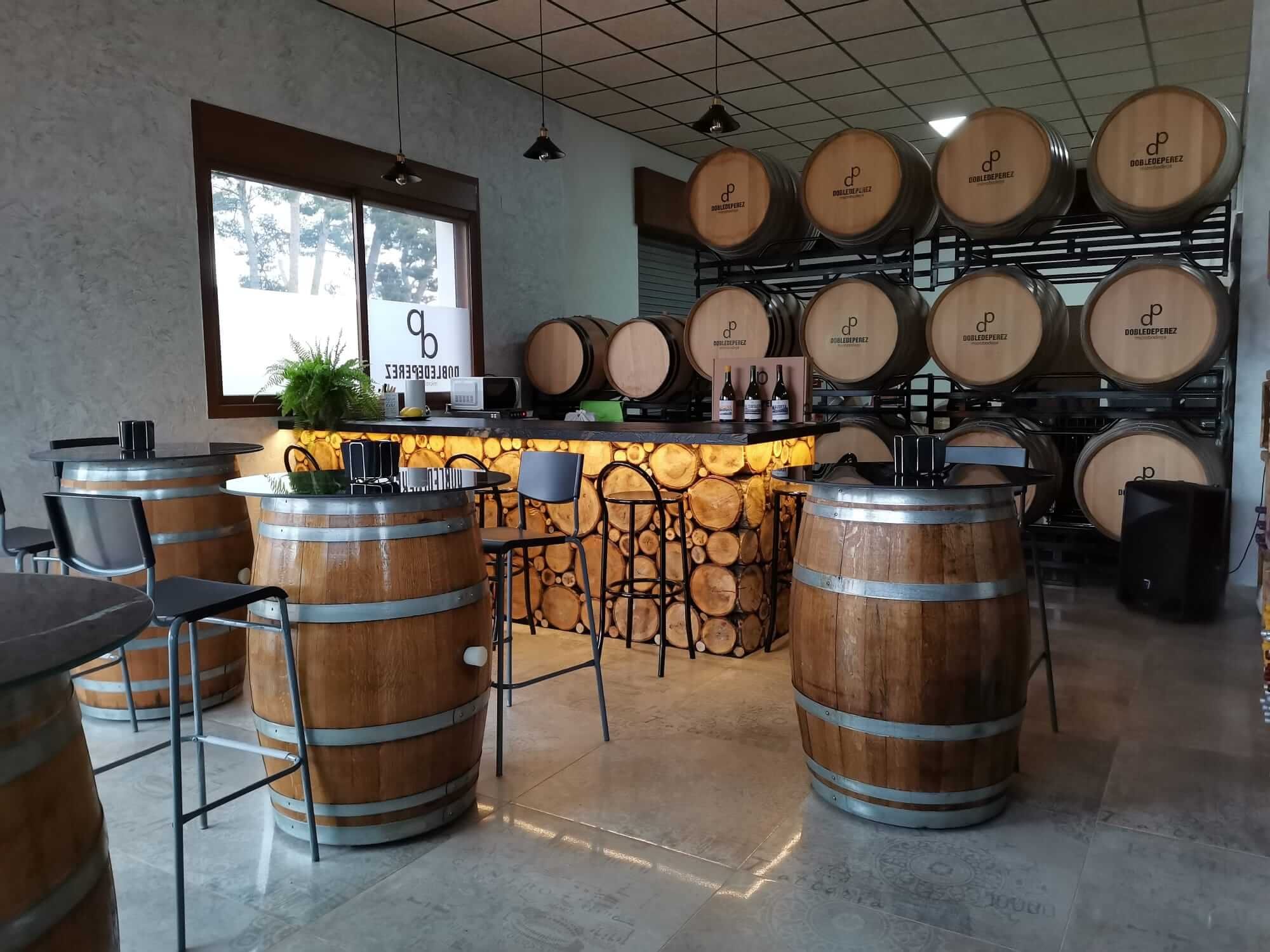
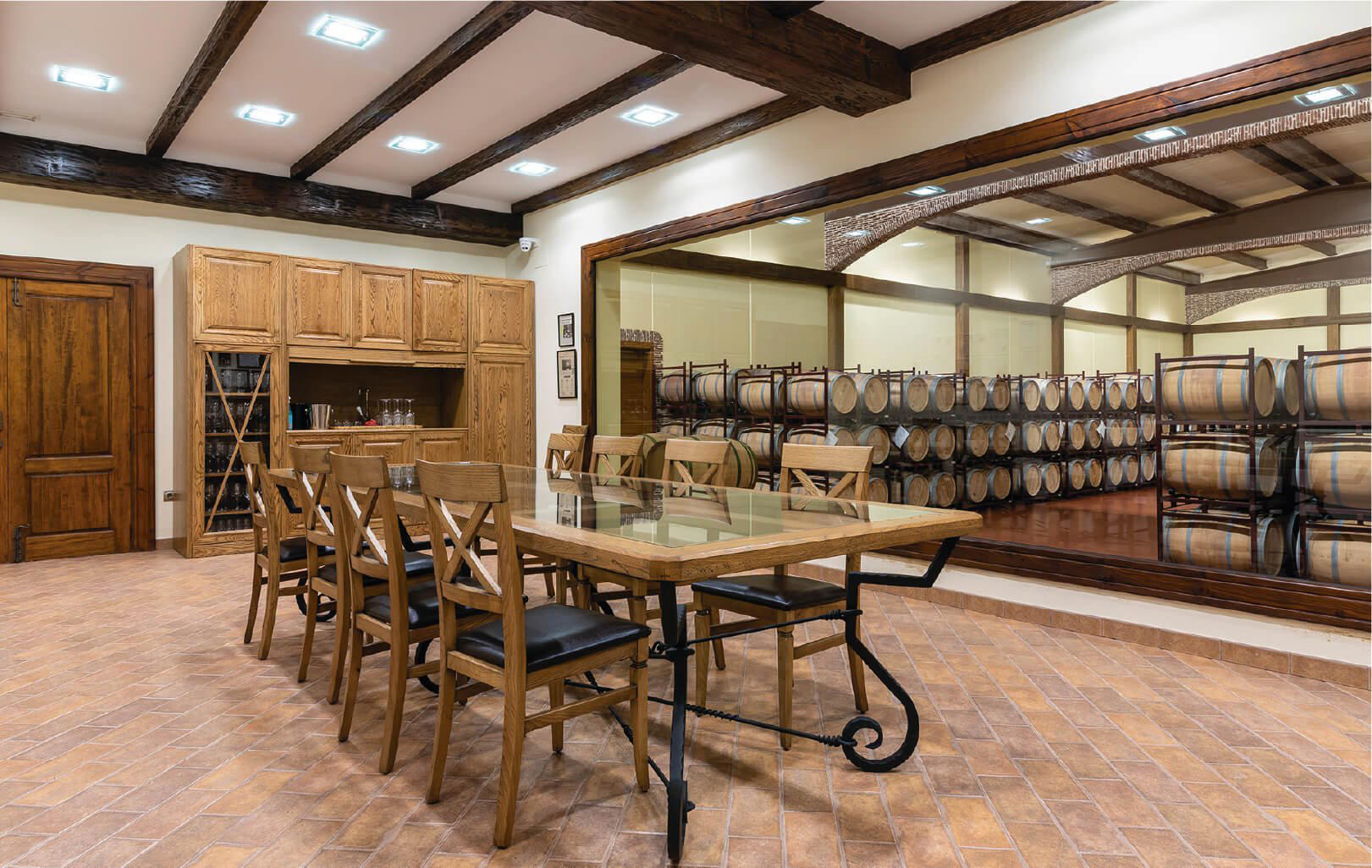
The visit format is built around guided and private tastings, with an estate-ground and vineyard-tour dimension. That places the experience in the small-production, education-led lane: quieter, more structured, and better suited to visitors who want to understand why Monastrell behaves differently in this corner of Spain than it does on a restaurant wine list abroad. The setting is rustic and composed rather than performative, with vineyard views and a low-noise atmosphere doing much of the work.
There is no food-pairing program attached to the experience, so the wines should be read on their own terms rather than as part of a chef-led format. That is not a weakness. For a producer whose appeal depends on soil, grape, and cellar choices, a focused tasting can be more useful than a long hospitality script. The strongest fit is wine education, a special-occasion tasting with substance, or a corporate group that wants regional specificity rather than generic premium wine service.
The practical profile is equally clear from the structured details around the estate: on-site parking, casual dress, card and contactless payment, and a medium-capacity format. The winery opened in 2024, so its public identity is young, but the stylistic foundation is not chasing novelty. It works from established Jumilla materials: Monastrell, heat, calcareous ground, oak, and the challenge of keeping freshness inside naturally powerful wines.
For planning around Ontur, use the city guides as a wider frame rather than treating the winery as a stand-alone stop. Start with Our full Ontur wineries guide, then map meals, drinks, lodging, and cultural time through Our full Ontur restaurants guide, Our full Ontur hotels guide, Our full Ontur bars guide, and Our full Ontur experiences guide. For a broader Spanish-winery reading list, compare styles across 3 Ases Bodegas y Viñedos in Quintanilla De Arriba, 4Kilos Vinícola in Felanitx, Aalto Bodegas y Vinedos in Quintanilla De Onesimo Valladolid, Abadia de Aribayos in Moraleja Del Vino, Abadía Retuerta in Sardón de Duero, Abel Mendoza Monge in San Vicente de la Sonsierra, Acústic Celler in Els Guiamets, and Adega Algueira in Sober. Outside Spain, »der Steiner« Hans Steiner in Podersdorf am See and & Handwein in Mannheim broaden the European context.
Recognition history
Dated appearances from independent guides and award organizations, with the underlying list record or original source where available.
Falstaff Winery - Listed
Falstaff
Continue exploring
More in Ontur
Wineries in Ontur
Browse all →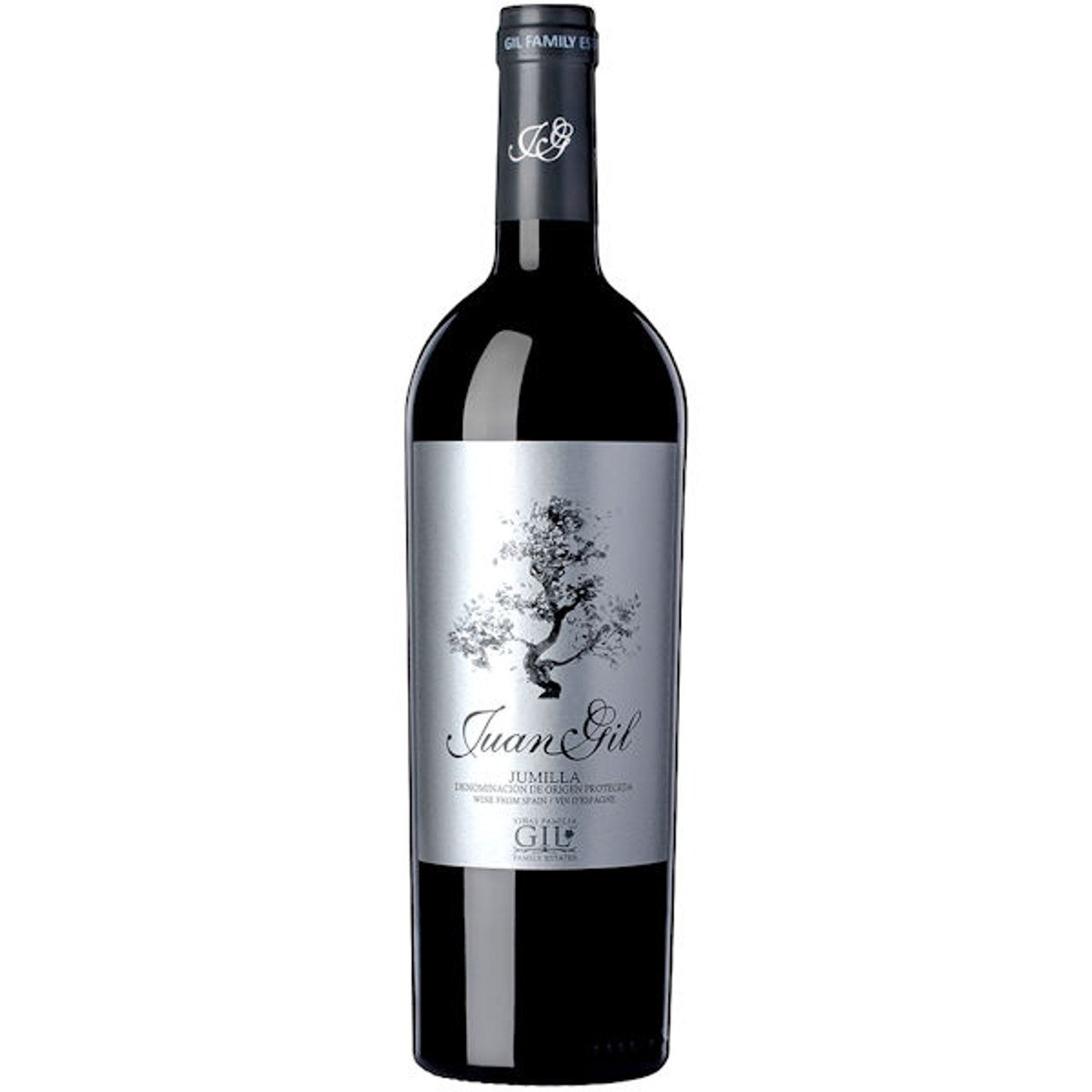
At a Glance
- Quiet
- Rustic
- Sophisticated
- Scenic
- Wine Education
- Special Occasion
- Corporate Event
- Estate Grounds
- Vineyard Tour
- Design Destination
- Private Tasting
- Sustainable
- Vineyard
- D.o.p. Jumilla
- Monastrell
- Syrah
- Merlot
- Cabernet Sauvignon
- Still Red
- Still Rosé
- Still White
- Dessert
- Private Tasting
- Guided Tasting
A winery with a focused, terroir-driven atmosphere centered on concentration, power, freshness, and elegance, producing Mediterranean-character wines from estate vineyards around the cellar.