

World's 50 Best #37 · Falstaff Winery - Listed
Domaine Sigalas sits in the village of Baxes near Oia, producing Assyrtiko and other indigenous varieties from vines shaped by Santorini's volcanic soils and relentless Aegean winds. Visiting here places Santorini's ancient viticulture in sharp focus.

Pearl is the En Primeur Club membership app, where members save venues, book tables and use the concierge.
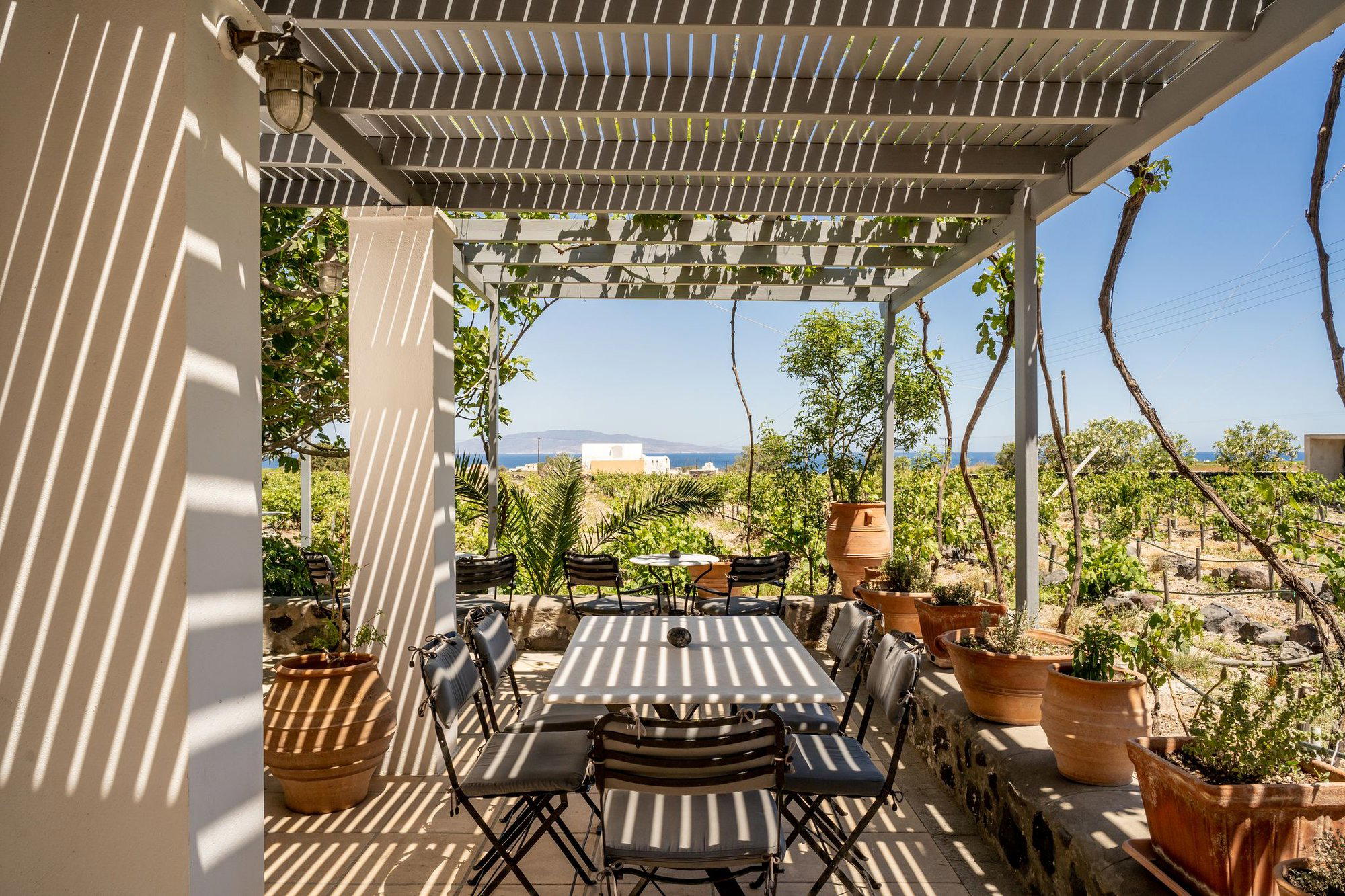
Volcanic Ground, Ancient Vines
Santorini's winemaking identity is built on geology that has no real parallel in Europe. The island sits atop a collapsed caldera, its soils a mixture of volcanic ash, pumice, and lava, porous enough that rainfall drains almost immediately, mineral-rich in ways that leave a legible mark on every bottle produced here. Those soils carry a deeper history still: viticulture on Santorini dates back at least three millennia, a continuity interrupted only by the phylloxera epidemic that swept through the island in the late nineteenth century and destroyed the original vine stock. The replanting that followed preserved the same indigenous varieties, particularly Assyrtiko, but reset the generational clock. What visitors encounter at Domaine Sigalas, located in the village of Baxes near Oia, is a winery operating within that long tradition, and recognised for doing so with particular seriousness.
Santorini's wine scene divides broadly into two camps: producers oriented toward tourist throughput, and a smaller group that treats the island's Protected Designation of Origin status as an argument worth making through the wine itself.
What Volcanic Terroir Actually Does to a Wine
The Assyrtiko grape, Santorini's dominant variety, is unusual in European viticulture for its ability to hold acidity even as sugar levels rise, a characteristic shaped directly by the island's growing conditions. The extreme wind exposure from the Aegean forces vintners to train their vines in a low, basket-like form called kouloura, coiling the cane around itself close to the ground where it is sheltered from the wind and can absorb the warmth radiating back from the volcanic soil at night. This method, largely unchanged for centuries, limits yield substantially and concentrates flavour in ways that would be difficult to replicate by intervention alone.
The result, across Santorini's serious producers, is a white wine with structural intensity rarely found outside the northern Rhône or top-end white Burgundy: high natural acidity, a saline or smoky mineral thread that maps directly to the pumice-heavy soil, and a capacity to age that surprises drinkers expecting delicate Mediterranean fruit. Domaine Sigalas works within this framework, and the 2025 Prestige recognition signals alignment with the upper tier of producers making that case convincingly.
For comparison across Greece's broader wine geography, producers such as Alpha Estate in Amyntaio and Acra Winery in Nemea demonstrate how different Greek appellations, Macedonia and the Peloponnese respectively, approach indigenous variety expression in their own distinct terroir contexts, but the volcanic signature of Santorini Assyrtiko remains in a category apart.
Location and Approach
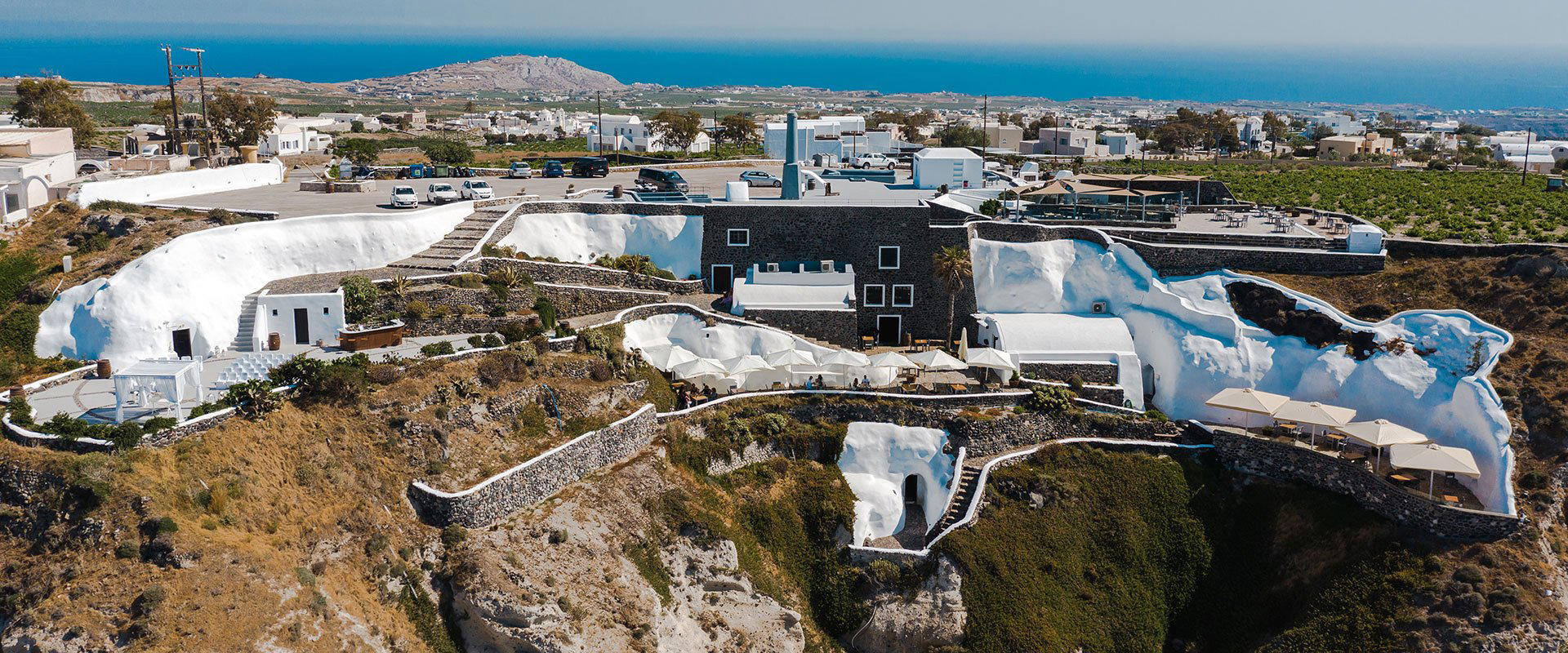
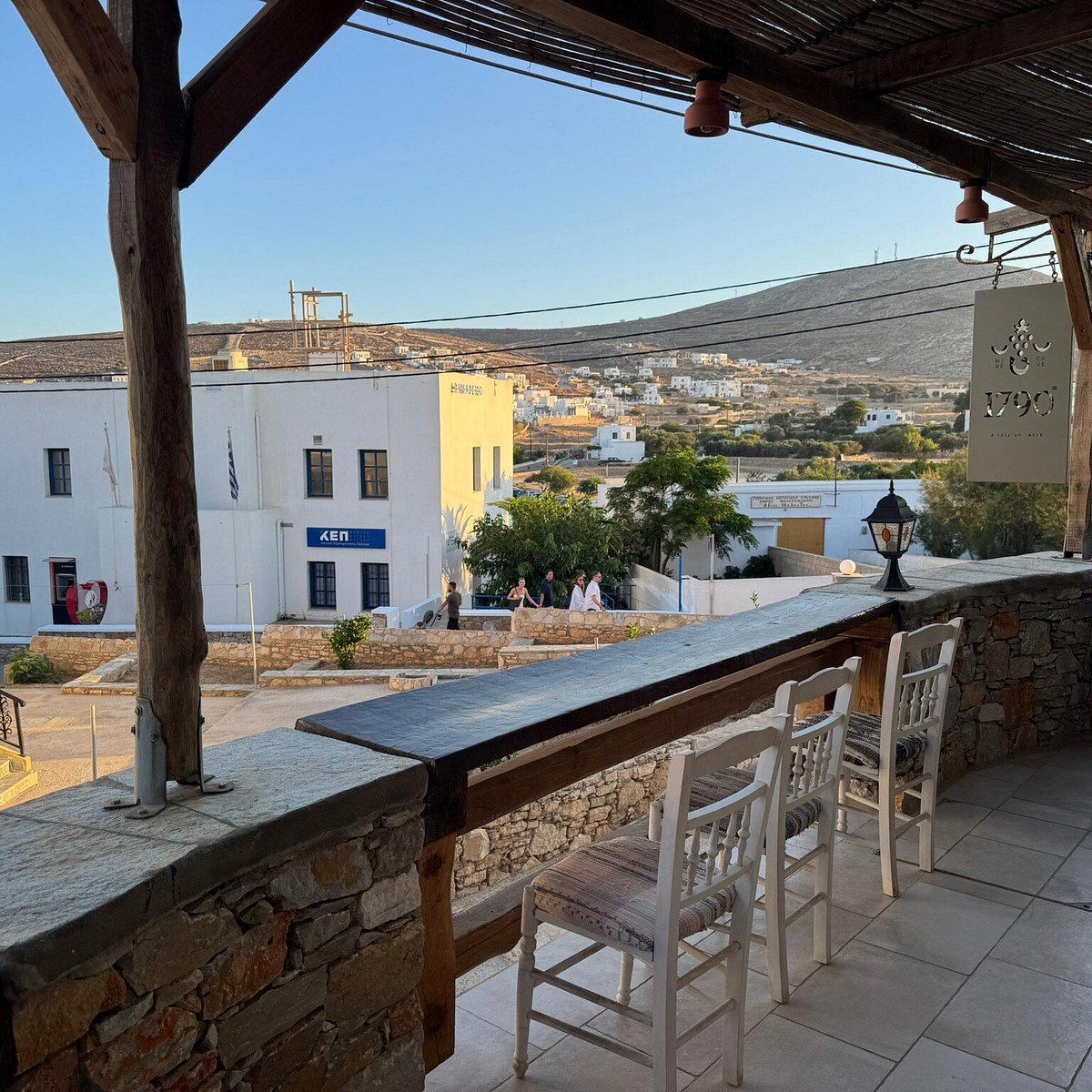
The domaine sits in Baxes, a working agricultural area a short distance from the tourist concentration of Oia proper. This positioning is deliberate in the sense that serious Santorini producers tend to occupy the island's agricultural interior rather than its clifftop promenades, the caldera views are reserved for restaurants and hotels, while the vines run across the relatively flat plateau that stretches across the island's centre and northern reaches. Approaching the domaine, the landscape reads as agricultural in a stripped-back way: low, basket-trained vines in the volcanic black soil, no irrigation infrastructure because none is needed or permitted under appellation rules, and the constant low-level noise of wind moving across an exposed plateau.
For those planning a visit, Oia is most practically reached from Fira, the island's main town, either by hire car or taxi. The northern part of the island, where Domaine Sigalas is based, draws fewer casual visitors than Fira or the beaches of the south, which means tasting room experiences tend toward a more focused, quieter register. Our full Oia restaurants guide covers the wider eating and drinking context for the area.
Santorini in the Context of Greek Wine More Broadly
Greek wine has undergone a measurable reputation shift over the past two decades, moving from a category associated primarily with cheap exports and holiday-market Retsina toward a serious appellation-driven industry. That shift is visible across the country: in northern Greece, producers like Artisans Vignerons de Naoussa in Stenimachos and Akrathos Newlands Winery in Panagia are making arguments for Xinomavro and other northern red varieties that compete for critical attention at an international level. In Attica, Aoton Winery in Peania and Aiolos Winery in Palaio Faliro represent the urban-adjacent tier of Greek production. In the east, Anatolikos Vineyards in Xanthi and Abraam's Vineyards in Komninades point toward Thrace's emerging identity.
Santorini sits at the top of this hierarchy in terms of international recognition, and Assyrtiko has become the variety most frequently cited when Greece appears in serious wine conversation outside its borders. The appellation's geological singularity, a wine region that exists because a volcano collapsed into the sea and left behind mineral soils unlike anything in continental Europe, gives it a story that translates across markets. Domaine Sigalas, operating with a 2025 Prestige recognition, belongs to the cohort making that story credible through the wine rather than through the scenery. For context on how Greek wine production compares to other European and international traditions, the output of Achaia Clauss in Patras, one of Greece's oldest commercial producers, offers a useful historical anchor, while international benchmarks like Accendo Cellars in St. Helena show the scale of premium wine ambition that Santorini's top tier is now measured against.
Planning a Visit
Santorini's wine tourism season runs broadly from April through October, with peak congestion in July and August when visitor numbers across the island rise sharply and tasting room queues at the more prominent producers can stretch considerably. The shoulder months, May, early June, and September, offer a more practical visit for those combining wine tourism with serious tasting attention. The northern part of the island, where Domaine Sigalas is based, operates at a slightly lower tempo than the caldera-view hotspots, which generally allows for a more considered tasting experience. For additional context on the region's spirits and wine culture beyond Santorini, Apostolakis Distillery in Volos and Avantis Estate in Chalkida illustrate how producers across mainland Greece are developing their own appellation identities.
A Quick Peer Check
Comparable venues nearby, for context on price, style, and recognition.
| Venue | Cuisine | Price | Awards | Notes |
|---|---|---|---|---|
| Domaine SigalasThis venue (the venue you are viewing) | Winery | Not listed | World's 50 Best #37 · Falstaff Winery - Listed | Not listed |
| Estate Argyros | Assyrtiko, Aidani | $20–30 | World's 50 Best #40 · Falstaff Winery - Listed | Episkopi Gonia |
| Kir-Yianni Estate | Xinomavro, Merlot | $20–30 | World's 50 Best #48 · Falstaff Winery - Listed | Yiannakohori |
| Ouzo Mitsa Distillery | Winery | Not listed | Not listed | Arta |
| Zefyros Distillery | Winery | Not listed | Not listed | Athens |
| Helion Distillery | Winery | Not listed | Not listed | Athens |
Recognition history
Dated appearances from independent guides and award organizations, with the underlying list record or original source where available.
World's 50 Best Vineyards #37
World's 50 Best
Falstaff Winery - Listed
Falstaff
Full recognition history (3 entries)
World's 50 Best Vineyards #35
World's 50 Best
Continue exploring
More in Oia
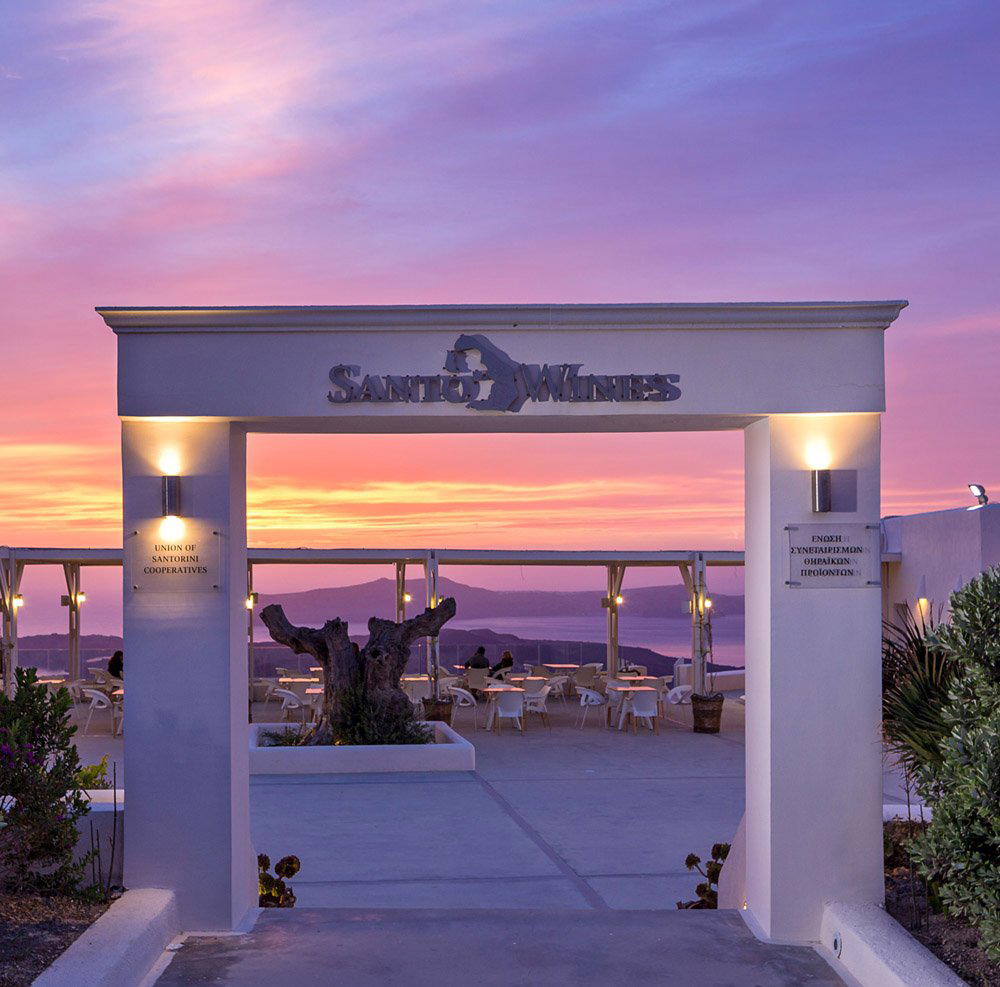
Wineries in Oia
All wineries in Oia →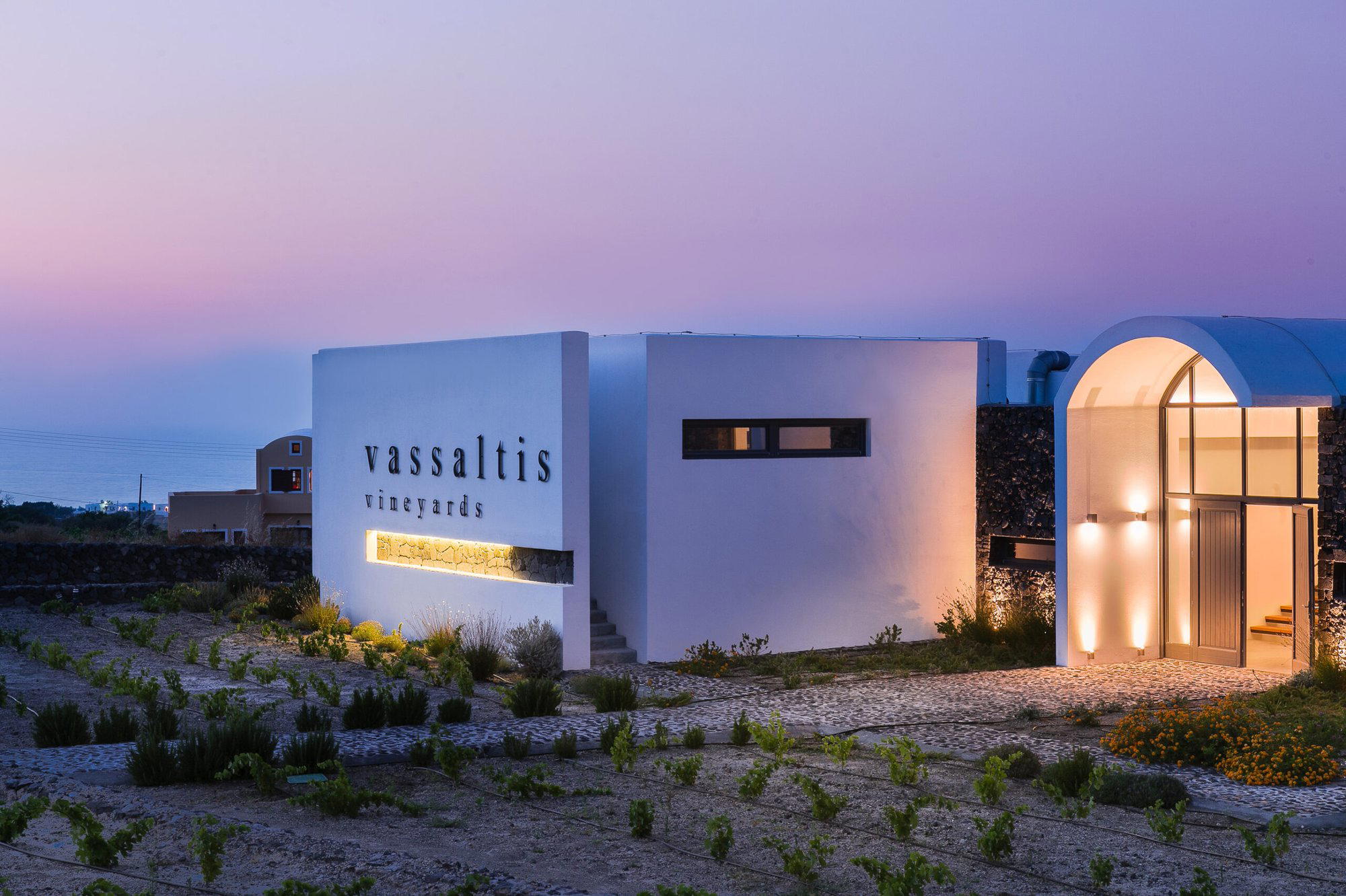
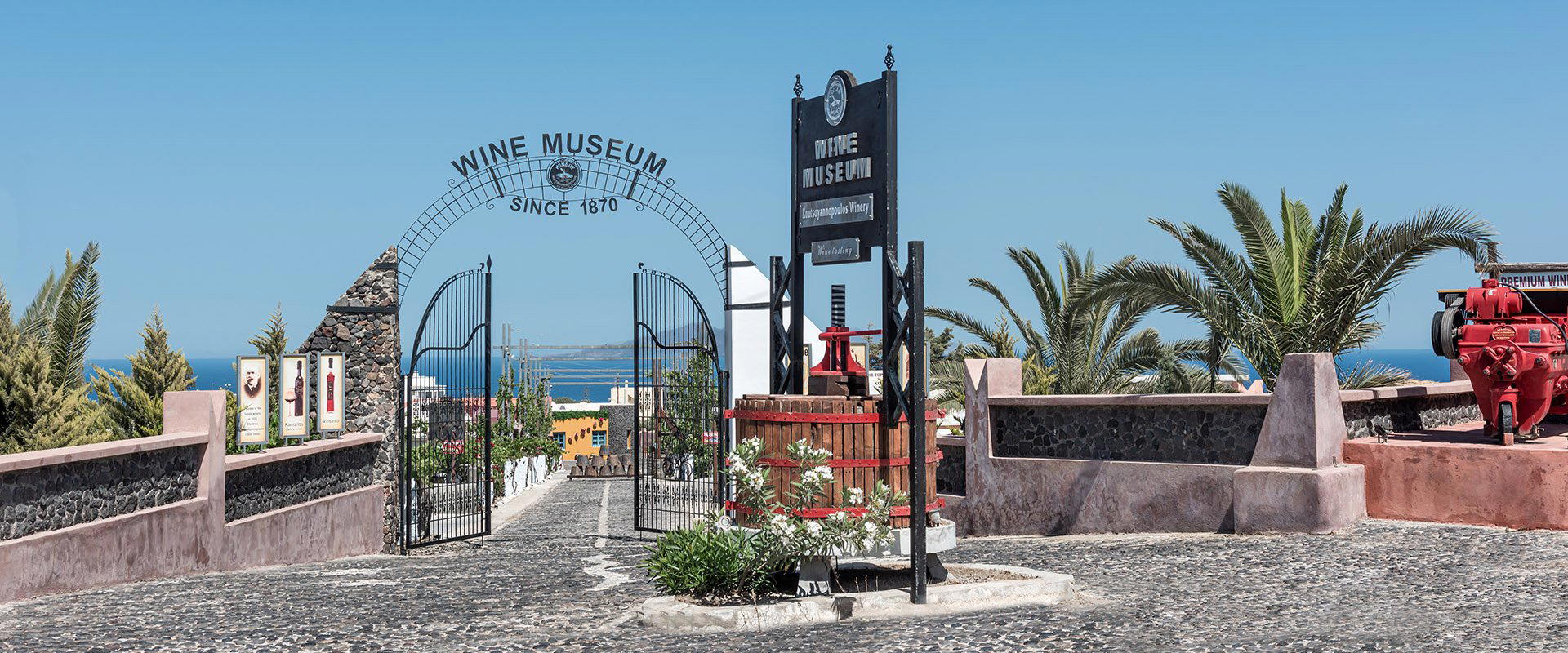
Bars in Oia
All bars in Oia →
Details
- Scenic
- Sophisticated
- Rustic
- Well Known
- Wine Education
- Special Occasion
- Group Outing
- Vineyard Tour
- Estate Grounds
- Terrace
- Historic Building
- Private Tasting
- Organic
- Sustainable
- Vineyard
- Assyrtiko
- Aidani
- Athiri
- Mavrotragano
- Mandilaria
- Still White
- Fortified
- Still Red
- Tutored Tasting
- Food Pairing
- Vineyard Tour
- Degustation Menu
Current opening hours
- Monday
- 11 AM–5 PM
- Tuesday
- 11 AM–5 PM
- Wednesday
- 11 AM–5 PM
- Thursday
- 11 AM–5 PM
- Friday
- 11 AM–5 PM
- Saturday
- 11 AM–5 PM
- Sunday
- 11 AM–5 PM
Hours can change for holidays and private events. Last verified .
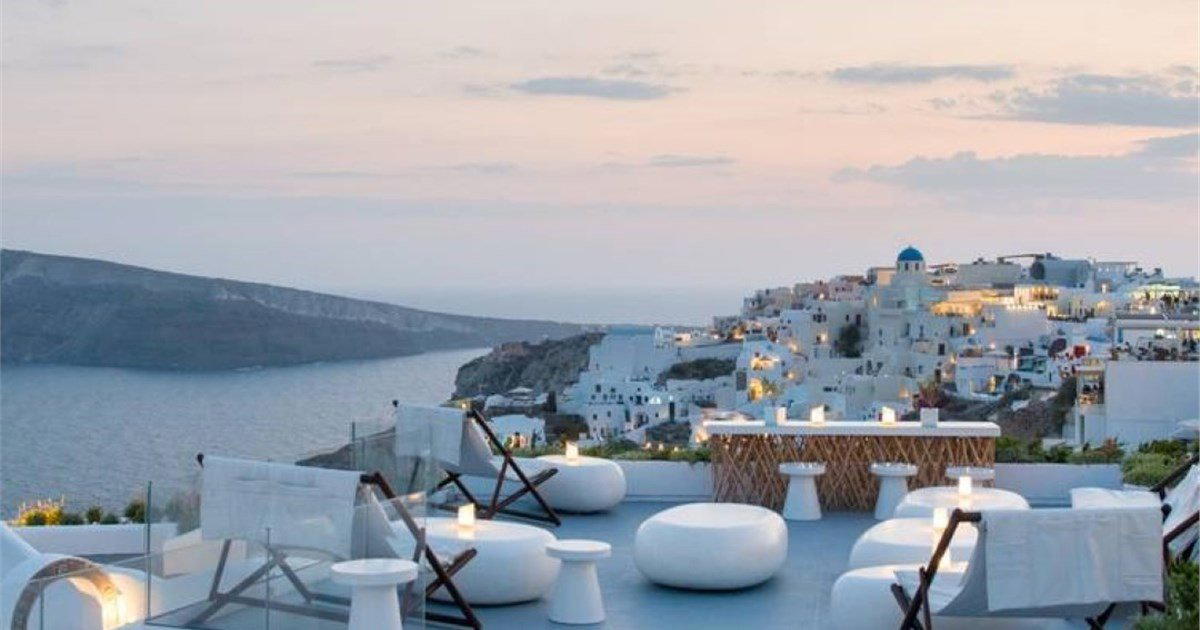
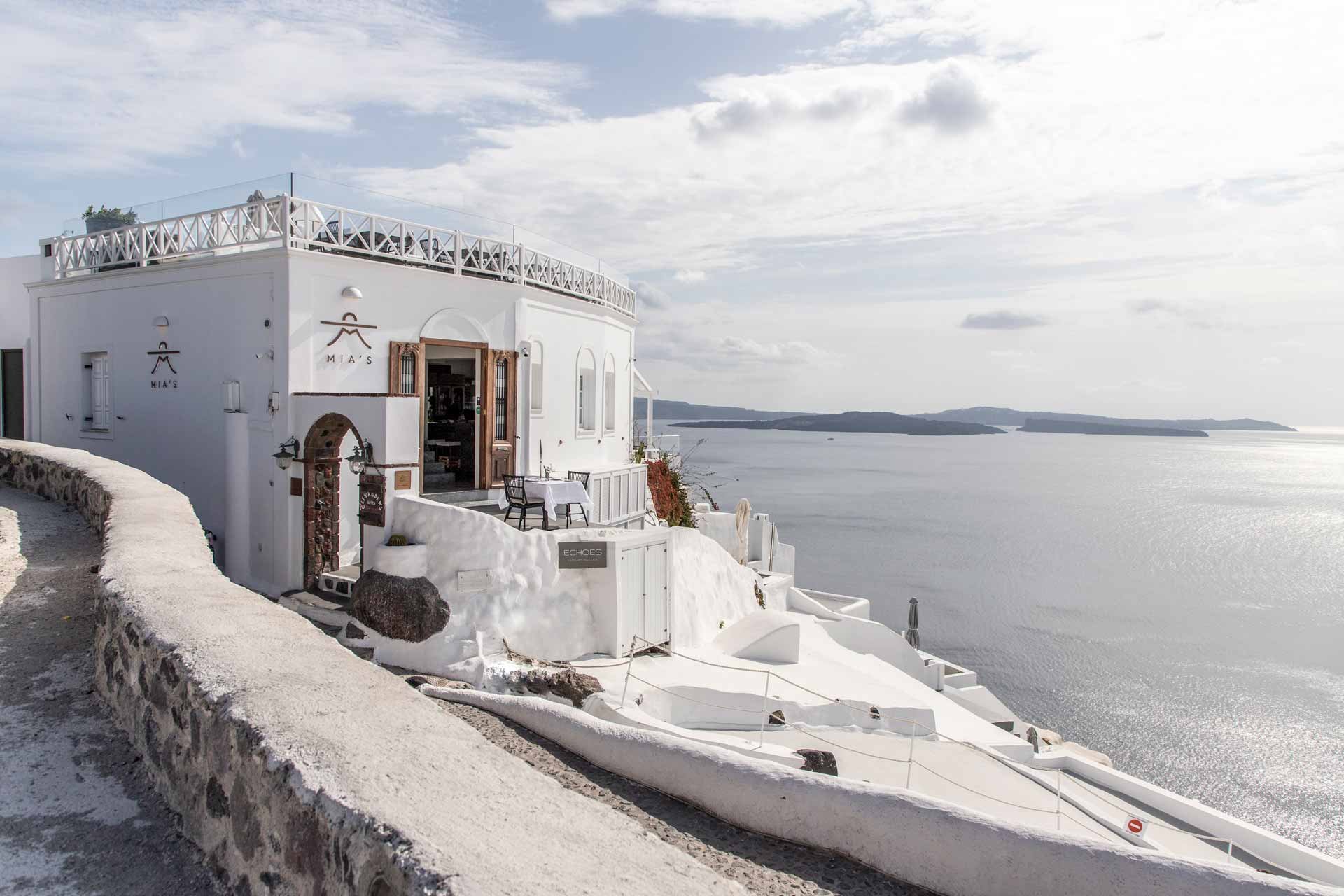
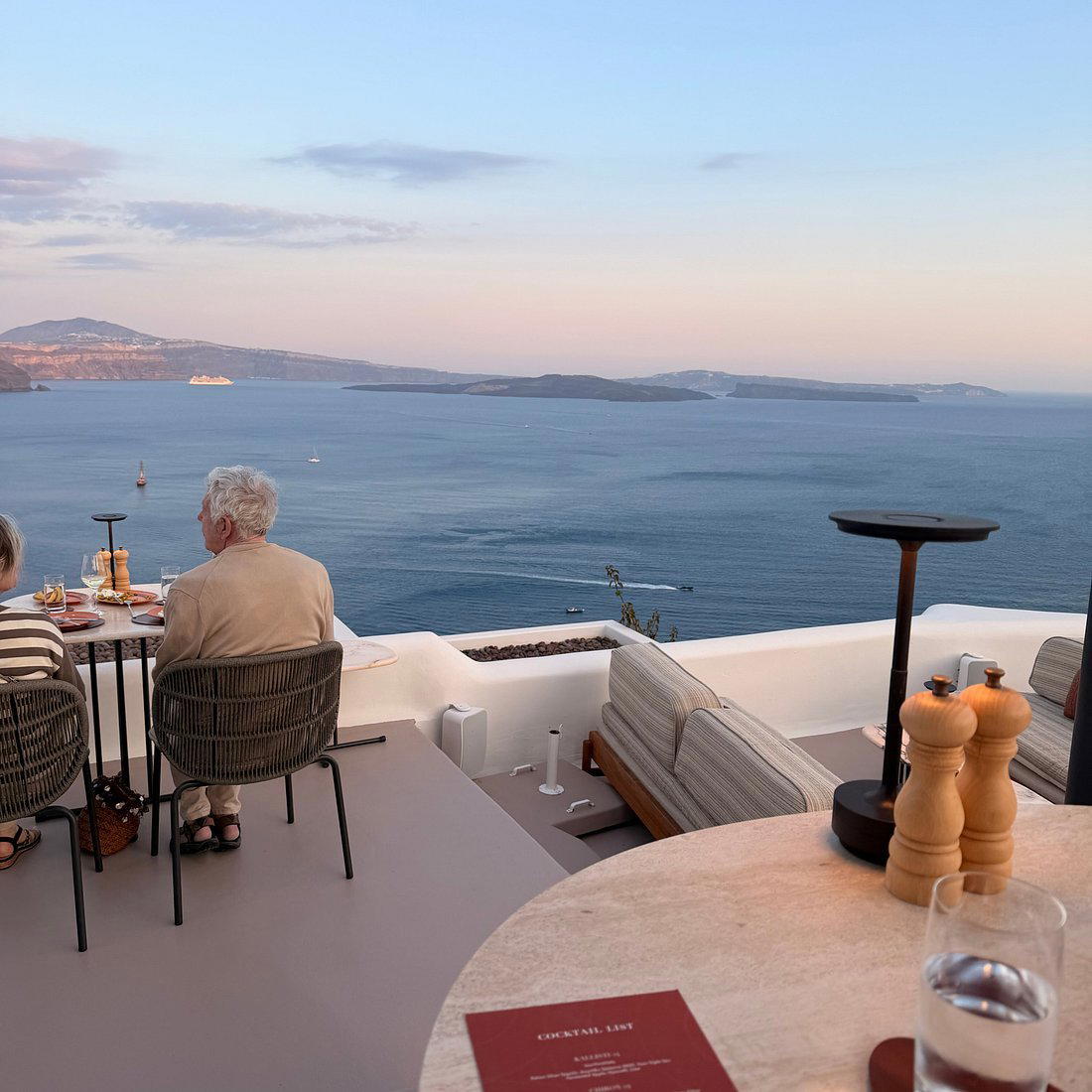
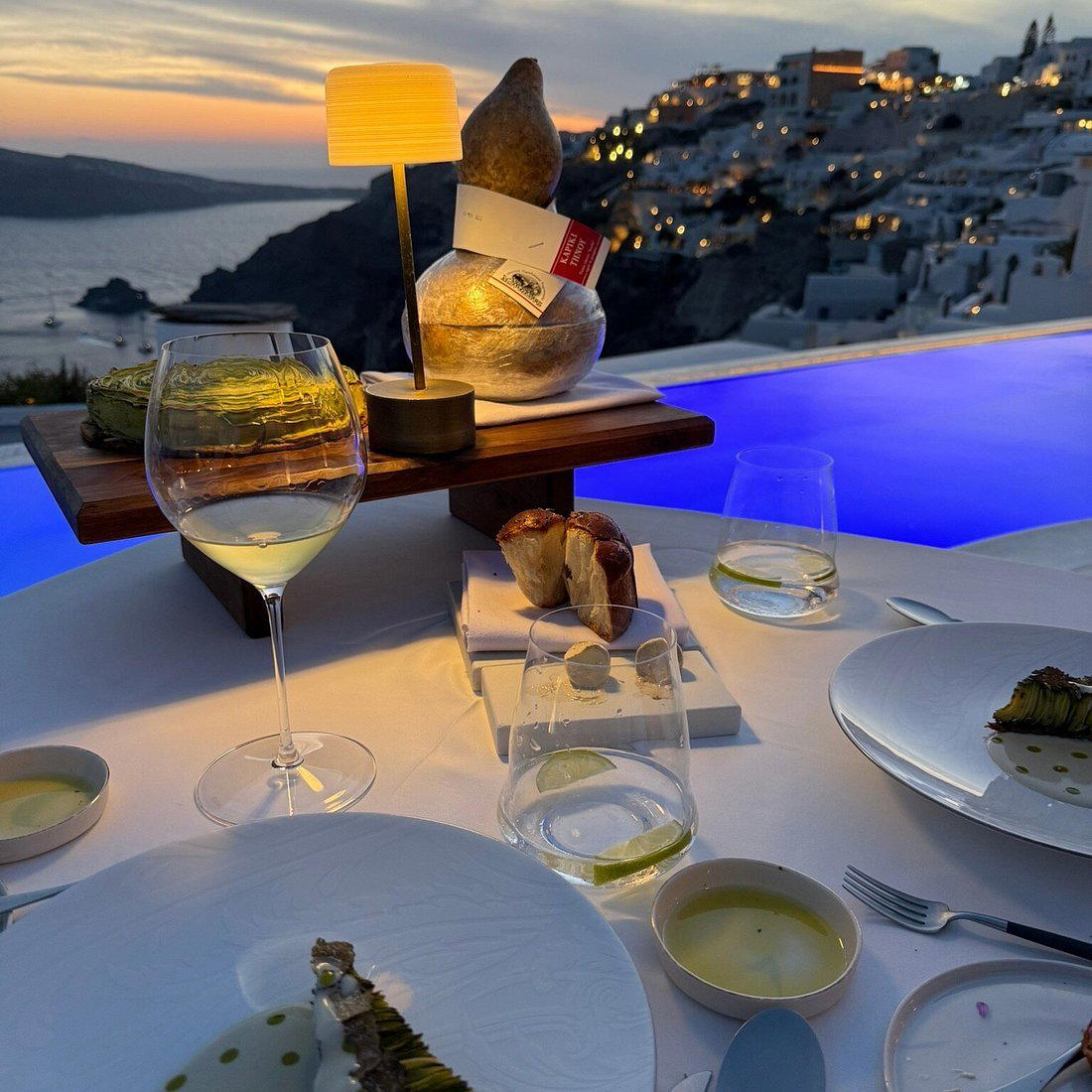
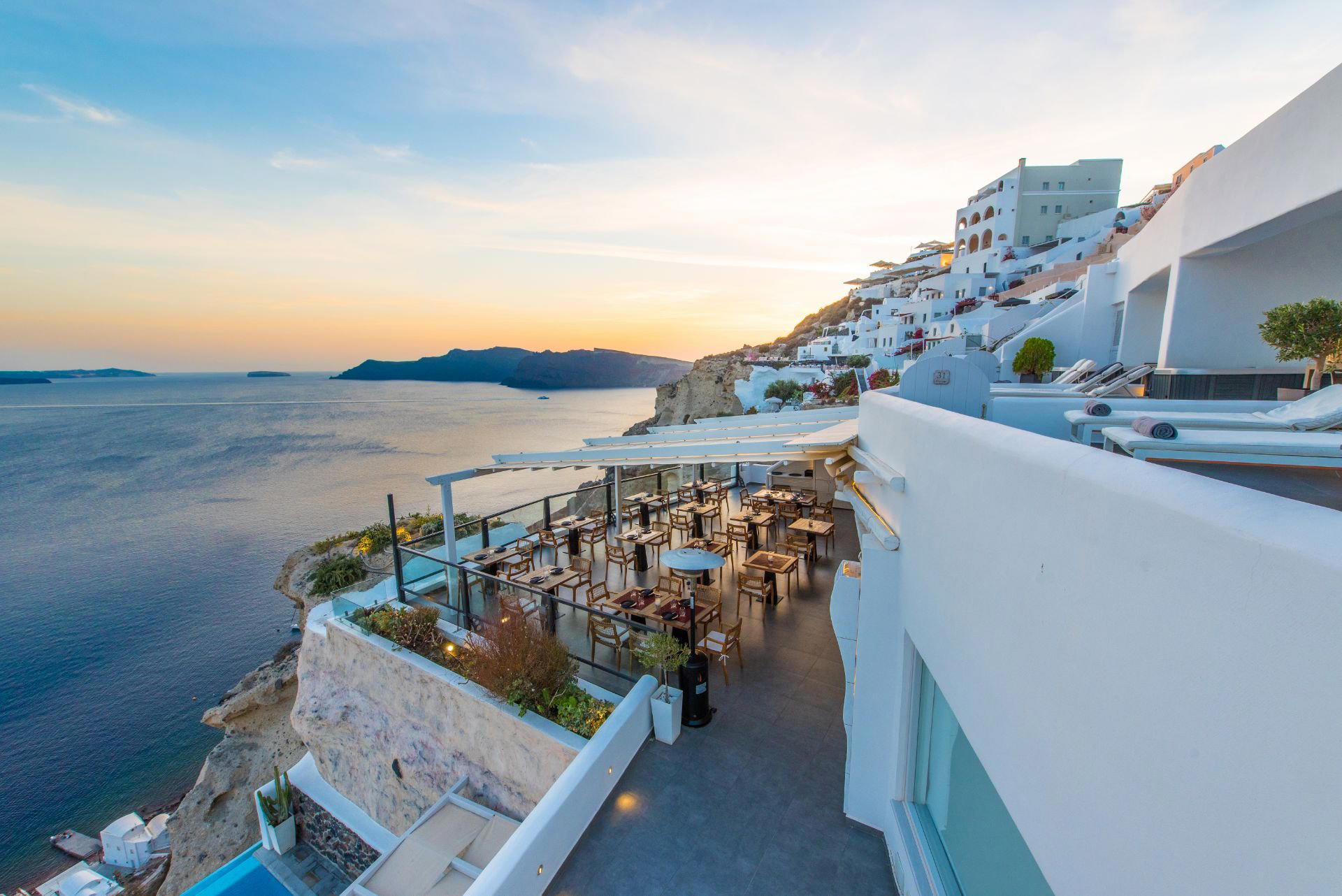
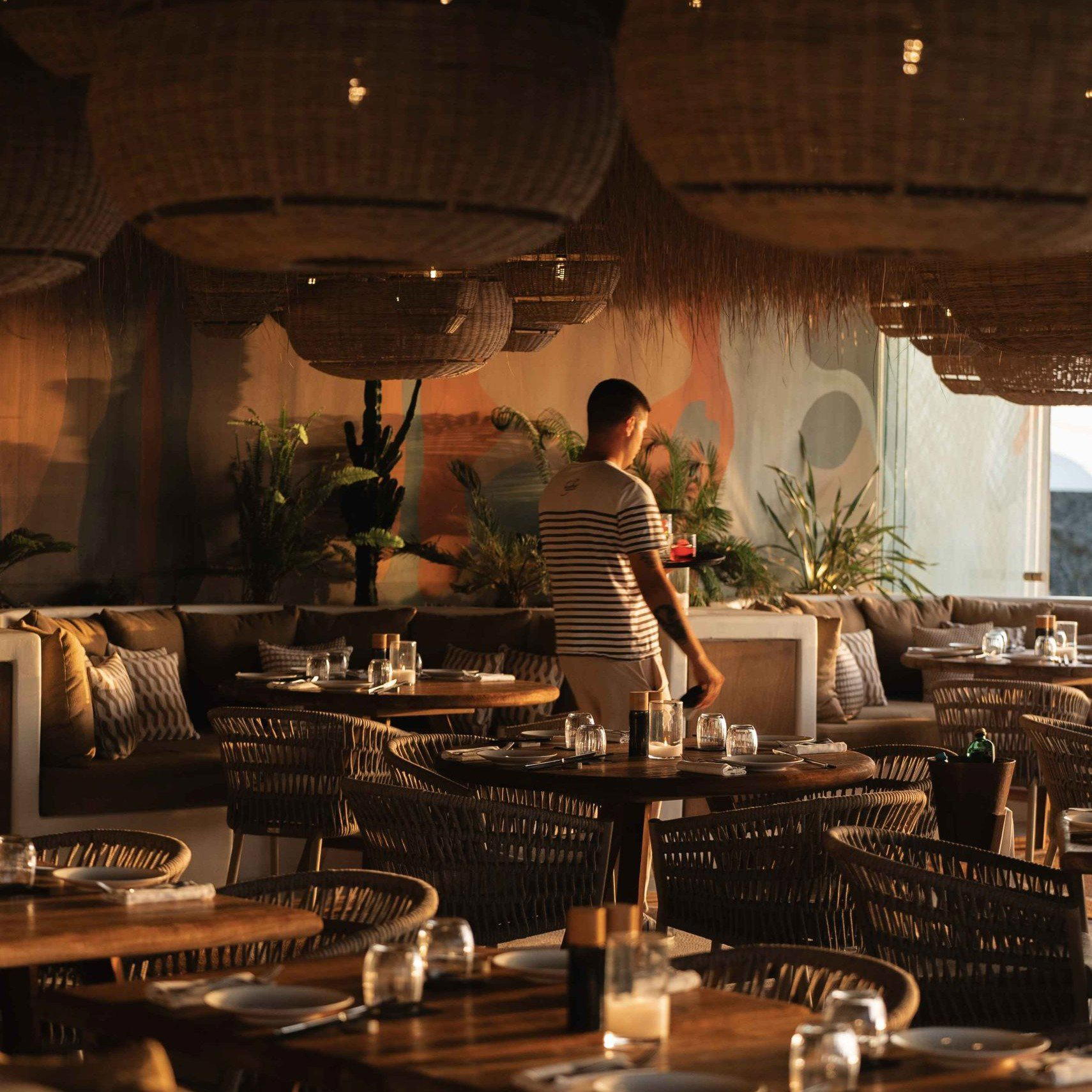
A scenic, vineyard-set winery with a laid-back visitor area and a refined, serious tasting environment focused on terroir and food pairings.