
Domaine Rebourgeon-Mure is a historic Pommard family domaine founded in 1552, working eight hectares of Pinot Noir across Pommard, Volnay and Beaune. Its appeal is not flash but terroir discipline: old vines, sustainable farming, classical maceration and structured Côte de Beaune reds that reward Burgundy drinkers who value restraint over spectacle.
Pearl is the En Primeur Club membership app — saves, bookings, and concierge access live there. Same editors, same standards.
- Address
- 6A Grande Rue, 21630 Pommard, France
- Phone
- +33 3 80 22 75 39
- Website
- rebourgeonmure.com
- Directions
- Get directions
 Saves & bookings on Pearl
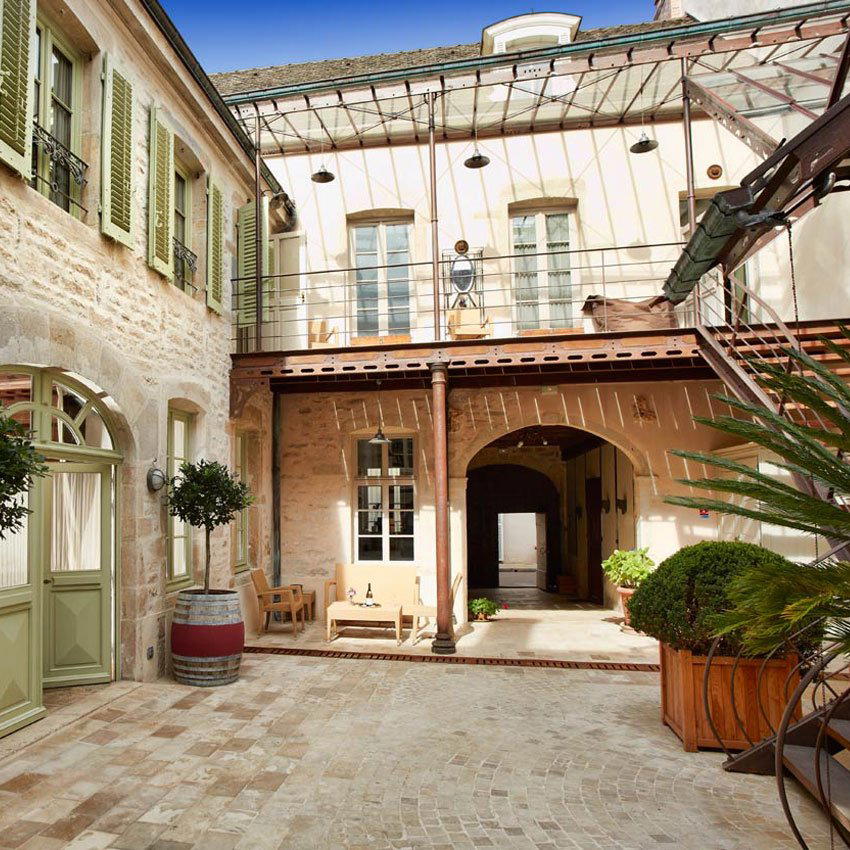
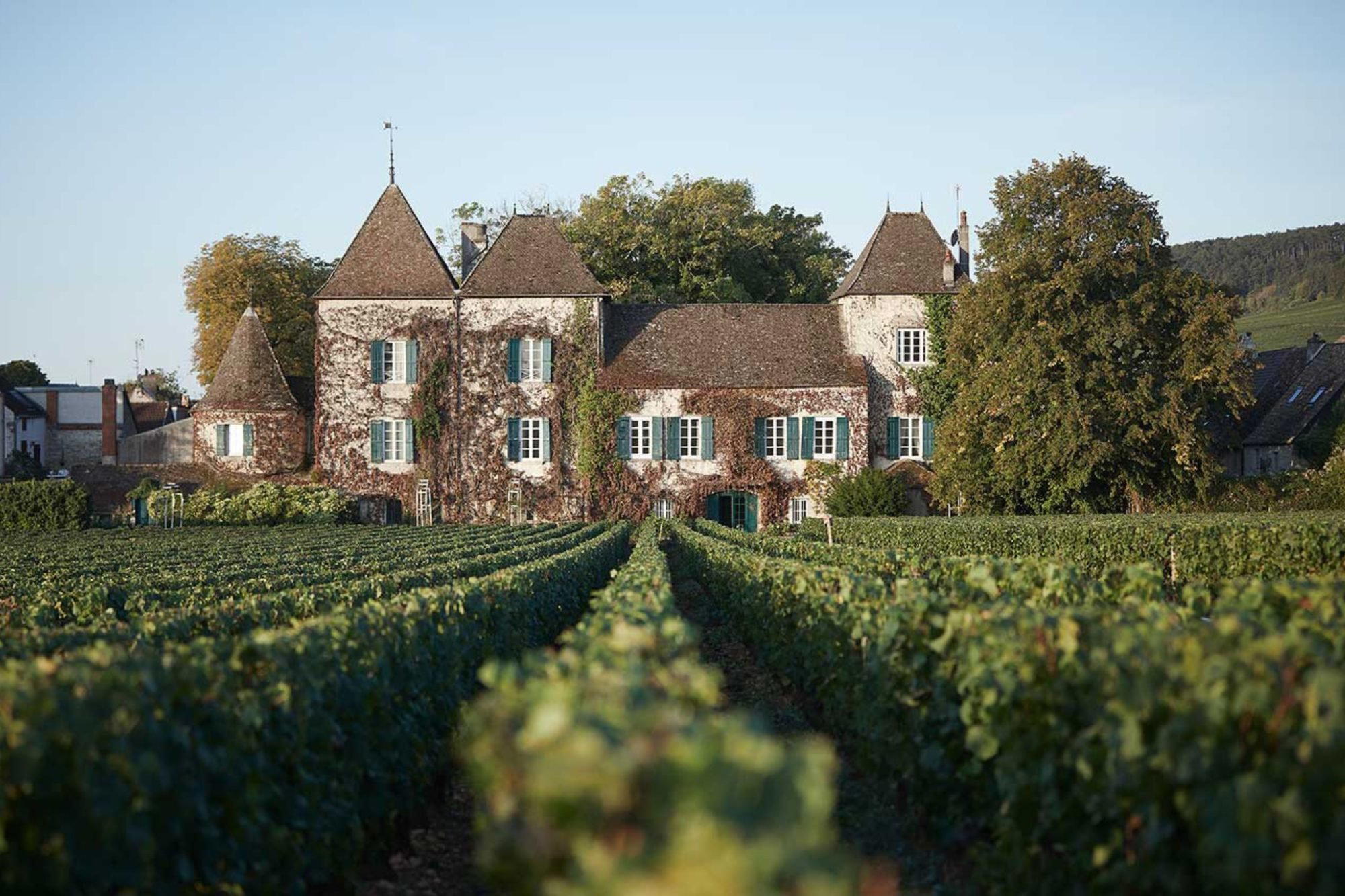
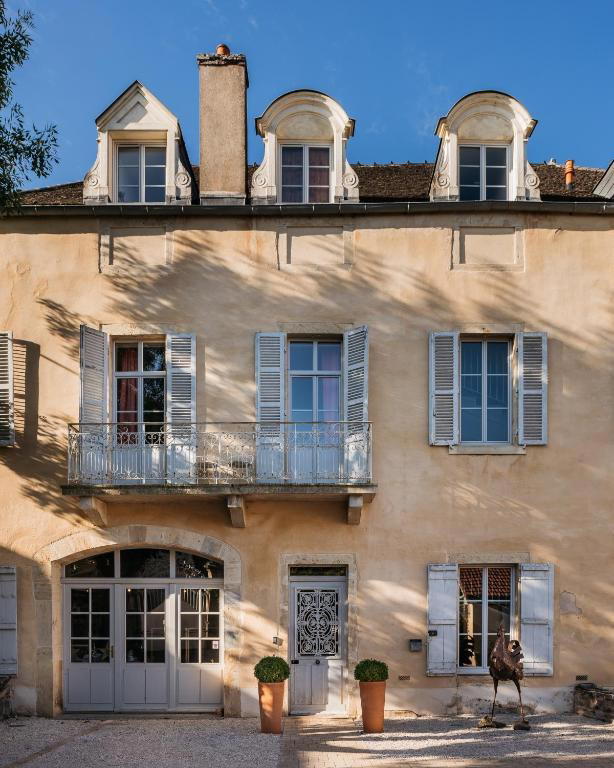
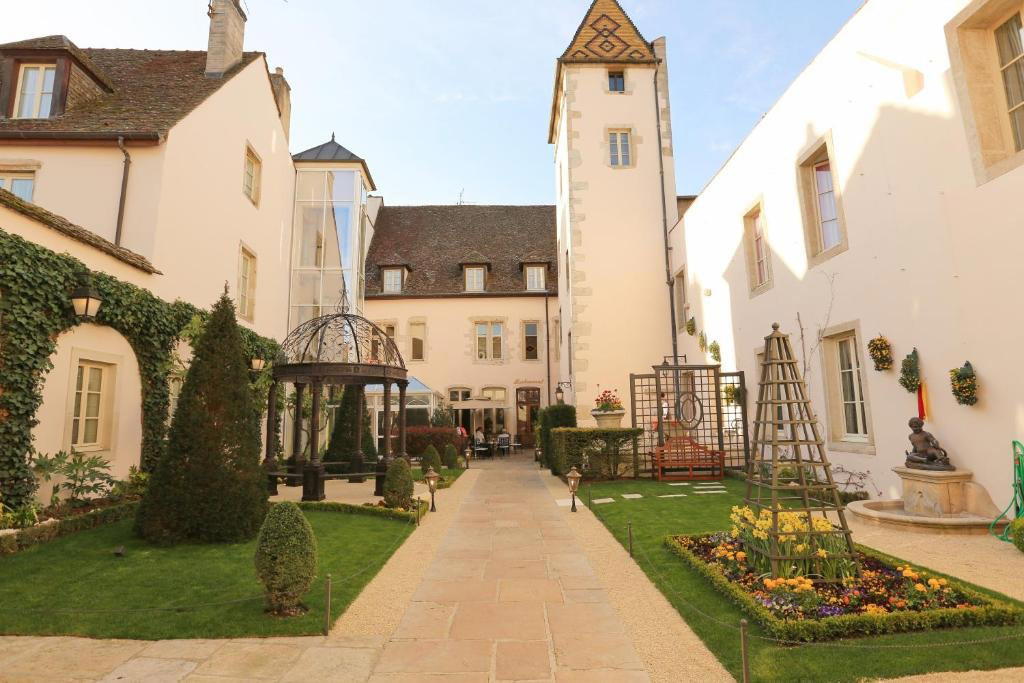
In Pommard, Domaine Rebourgeon-Mure is best understood as a historic Burgundy family domaine with a classic, understated point of view. The emphasis is on elegant, structured Pinot Noir rather than flash, with an overall feel that is traditional, intimate and quietly purist. It is the kind of address that reads through mood and sensibility as much as through any single technical claim: family-estate continuity, a Burgundian sense of restraint, and a preference for wines that suggest composure over performance.
What can be said with confidence is that Domaine Rebourgeon-Mure belongs in the classic Pommard conversation for travelers and Burgundy drinkers interested in a hidden-gem family domaine. It is not best framed as a destination of spectacle, luxury staging or glossy positioning. Its appeal is more inward-looking: a Pommard name for those who value tradition, structure and the quieter pleasures of Burgundy Pinot Noir.
Pommard, read through restraint rather than gloss
Domaine Rebourgeon-Mure is associated here with a traditional Burgundy sensibility: structured Pinot Noir, an elegant rather than showy profile, and a historic family-domaine atmosphere. The appeal is not built around spectacle or luxury staging, but around a quieter, more purist reading of Pommard. In that sense, the domaine fits a view of the village that prizes depth, poise and seriousness over immediate impact or polished display.
That distinction matters because Pommard can easily be reduced to a broad idea of power. A more useful reading leaves room for nuance: structure does not have to mean heaviness, and elegance does not have to mean lightness. The winery is best placed in that more measured zone, where Pinot Noir is understood through shape, balance and a traditional Burgundy frame rather than through decorative language or overt modern branding.
Because public details are limited, it would be misleading to state specific vineyard parcels, vine ages, farming practices, cellar techniques or production volumes. Readers should treat the domaine as a classic Pommard reference point in style and mood, while confirming practical details directly before planning a visit. That caution is especially important for travelers building an itinerary, because a Burgundy domaine can feel different in practice depending on availability, access and the current way visits are handled.
The strongest grounded description is stylistic rather than technical: historic, intimate, understated and Burgundy-focused, with Pinot Noir presented in an elegant, structured register. This is enough to position the domaine clearly without overstating what is known. The right expectation is not an encyclopedic checklist, but a traditional Pommard atmosphere and a restrained, serious sense of Burgundy identity.
A purist Burgundy profile in Pommard
Instead, the winery should be approached as a traditional Pommard domaine whose appeal rests on classic family-estate character and a restrained Pinot Noir identity. That framing keeps the focus where it belongs: on the domaine’s quiet profile, its historic feel, and its place within a Burgundy culture that often rewards patience, context and careful comparison.
For Burgundy drinkers, that means the interest is in balance, structure and a sense of place rather than trend-driven presentation. The domaine’s image is classic and hidden-gem rather than flashy. It is a useful name for drinkers who are already sympathetic to the less theatrical side of Burgundy, where the pleasure lies in proportion, line and continuity rather than in dramatic claims.
This purist profile also makes the domaine easier to understand as part of Pommard’s broader identity. It does not need to be exaggerated into a statement of novelty. Its strength, as described here, is precisely the opposite: a familiar and grounded Burgundy vocabulary, a family-domaine mood, and Pinot Noir that is presented as elegant and structured rather than ostentatious.
Any detailed tasting, vintage or cellar note should be confirmed from a current source before being treated as planning information. The same restraint that suits the domaine’s image should guide how it is described: no unsupported assertions, no invented precision, and no attempt to turn a classic, understated address into something more elaborate than the available information justifies.
How to place it within a Pommard wine trip
The winery fits a Pommard itinerary for travelers who prefer traditional family domaines and quieter Burgundy addresses. It is best framed as an intimate, historic stop in spirit, with practical arrangements confirmed directly rather than assumed from listing details. Travelers drawn to highly produced experiences may find the description too restrained; Burgundy drinkers looking for a more classic and discreet register are more likely to understand its appeal.
Pommard rewards comparison by style and atmosphere, and the winery represents the classic, understated end of that spectrum. One sensible way to include it is as part of a village-focused exploration of tone, tradition and Pinot Noir expression, rather than as a stop selected for showpiece amenities.
The editorial call is simple: the winery is for Burgundy drinkers drawn to classic, elegant and structured Pinot Noir in a historic family-domaine context. Its appeal is quiet and purist rather than theatrical. Approach it with measured expectations, confirm the practical details before relying on them, and read the domaine as a traditional Pommard address whose value lies in understatement, not display.
Recognition history
Dated appearances from independent guides and award organizations, with the underlying list record or original source where available.
Falstaff Winery - Listed
Falstaff
Continue exploring
More in Pommard
Wineries in Pommard
Browse all →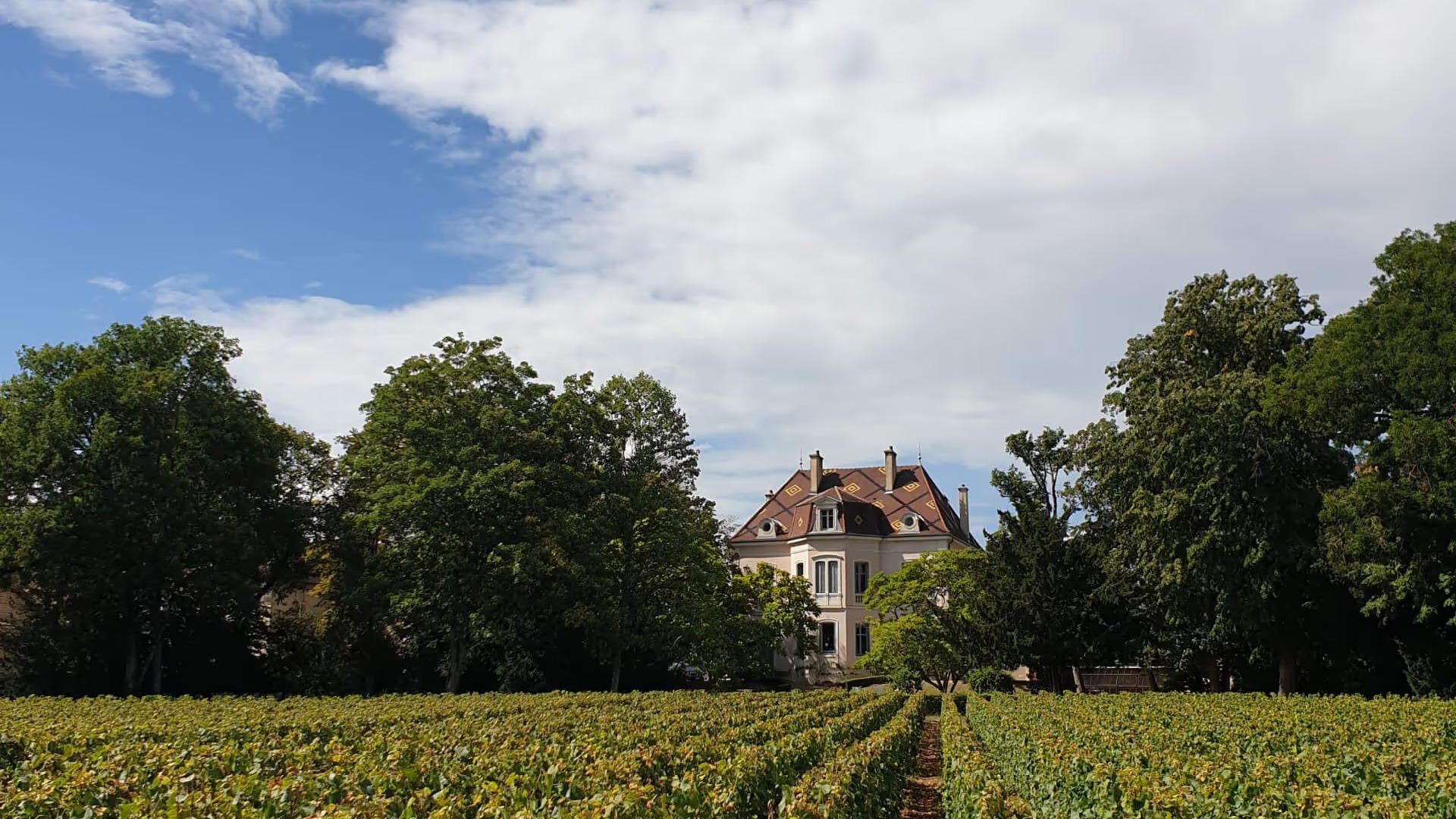

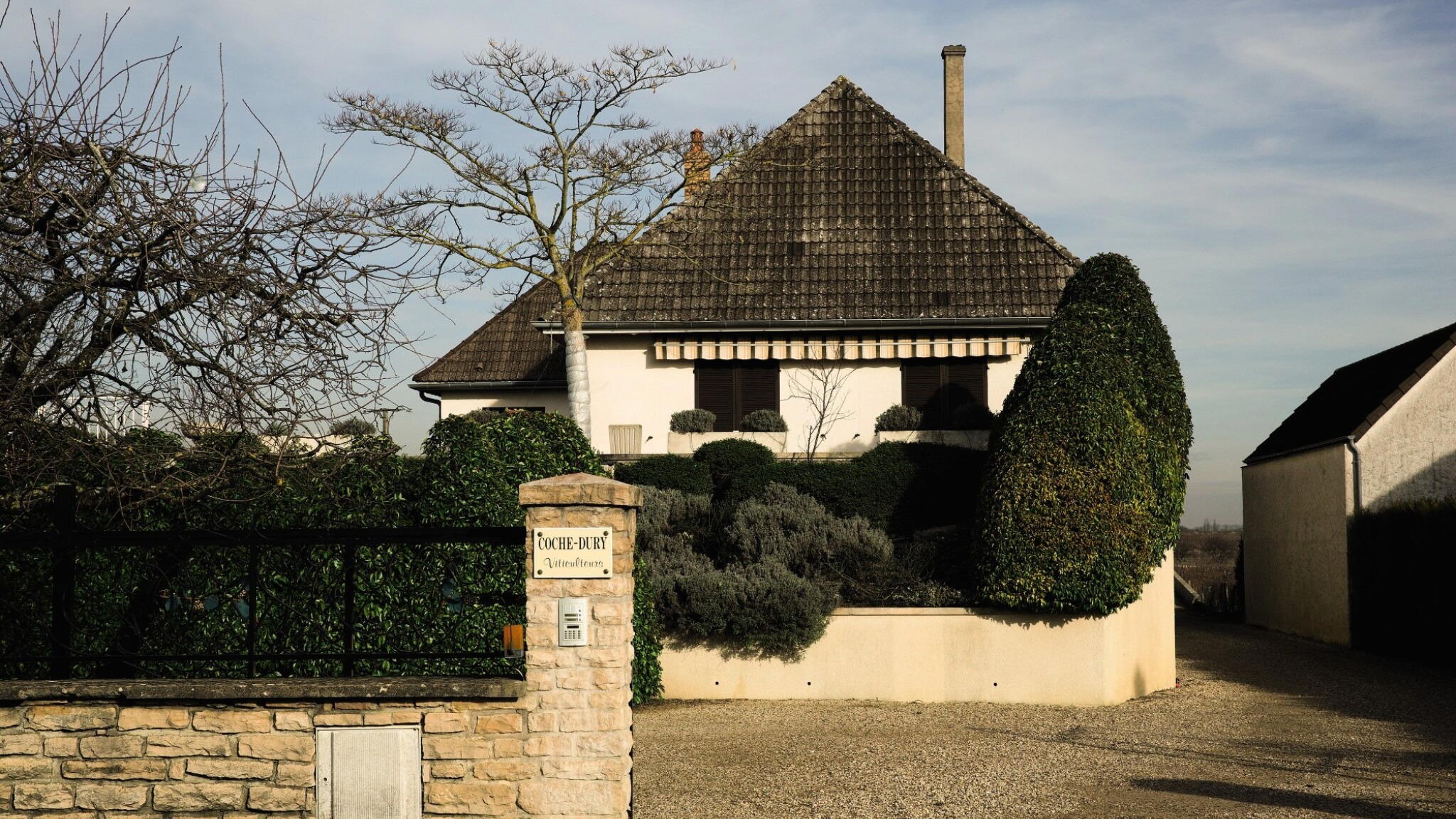
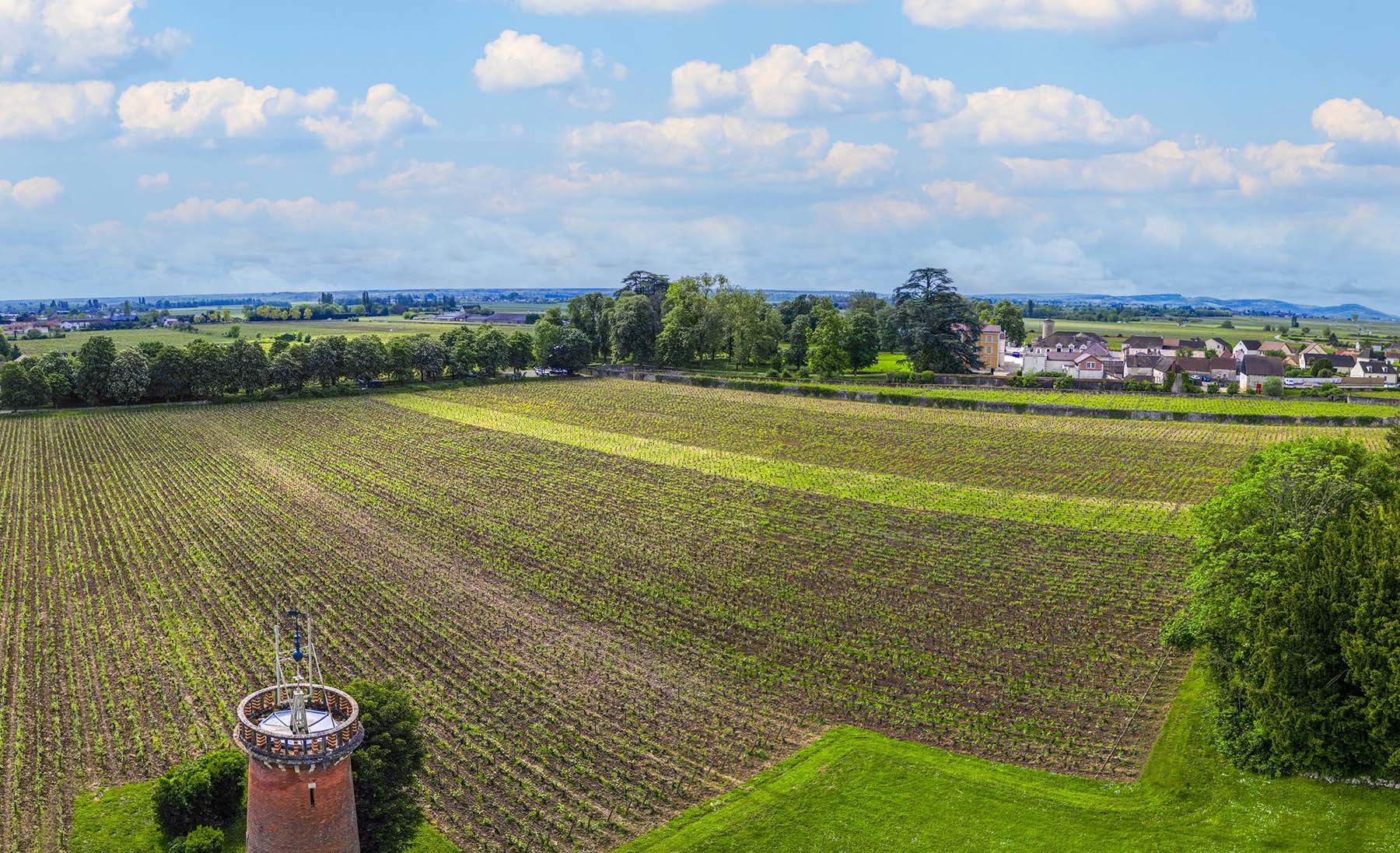
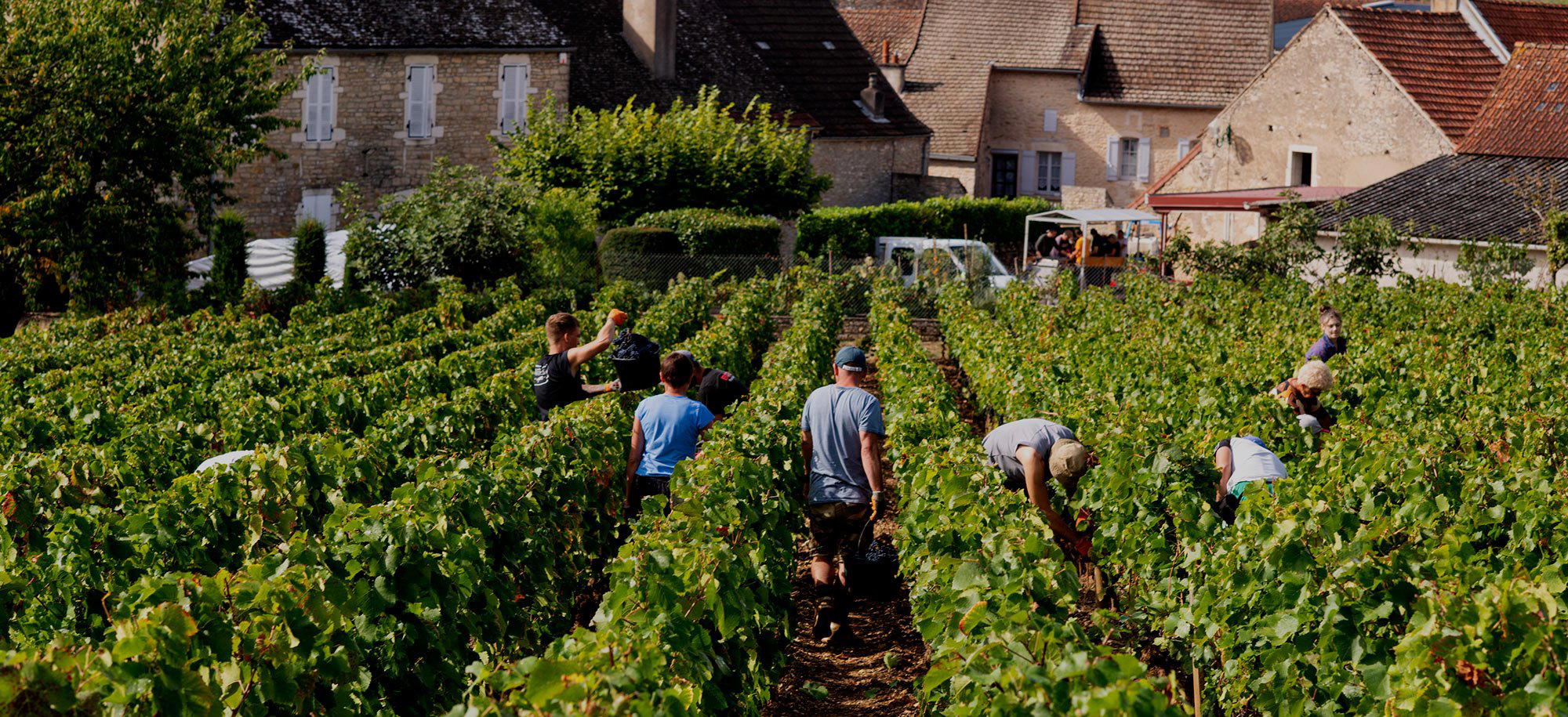
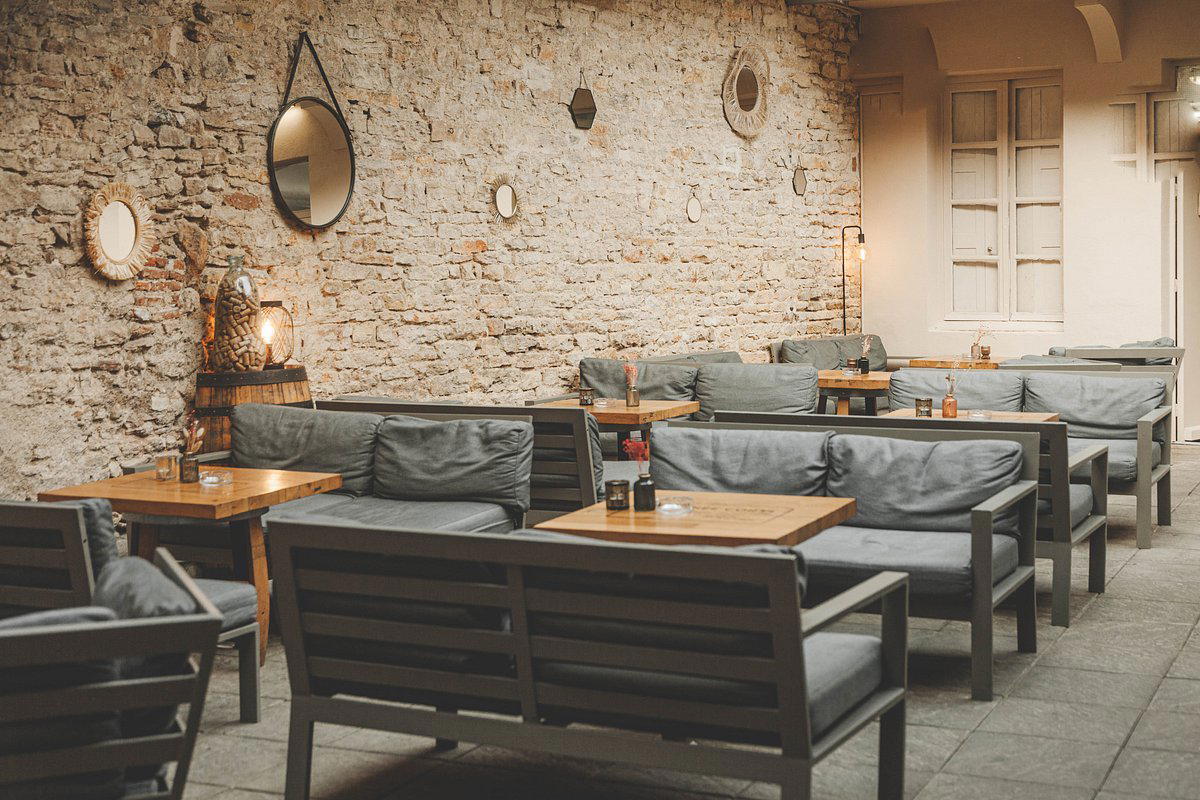
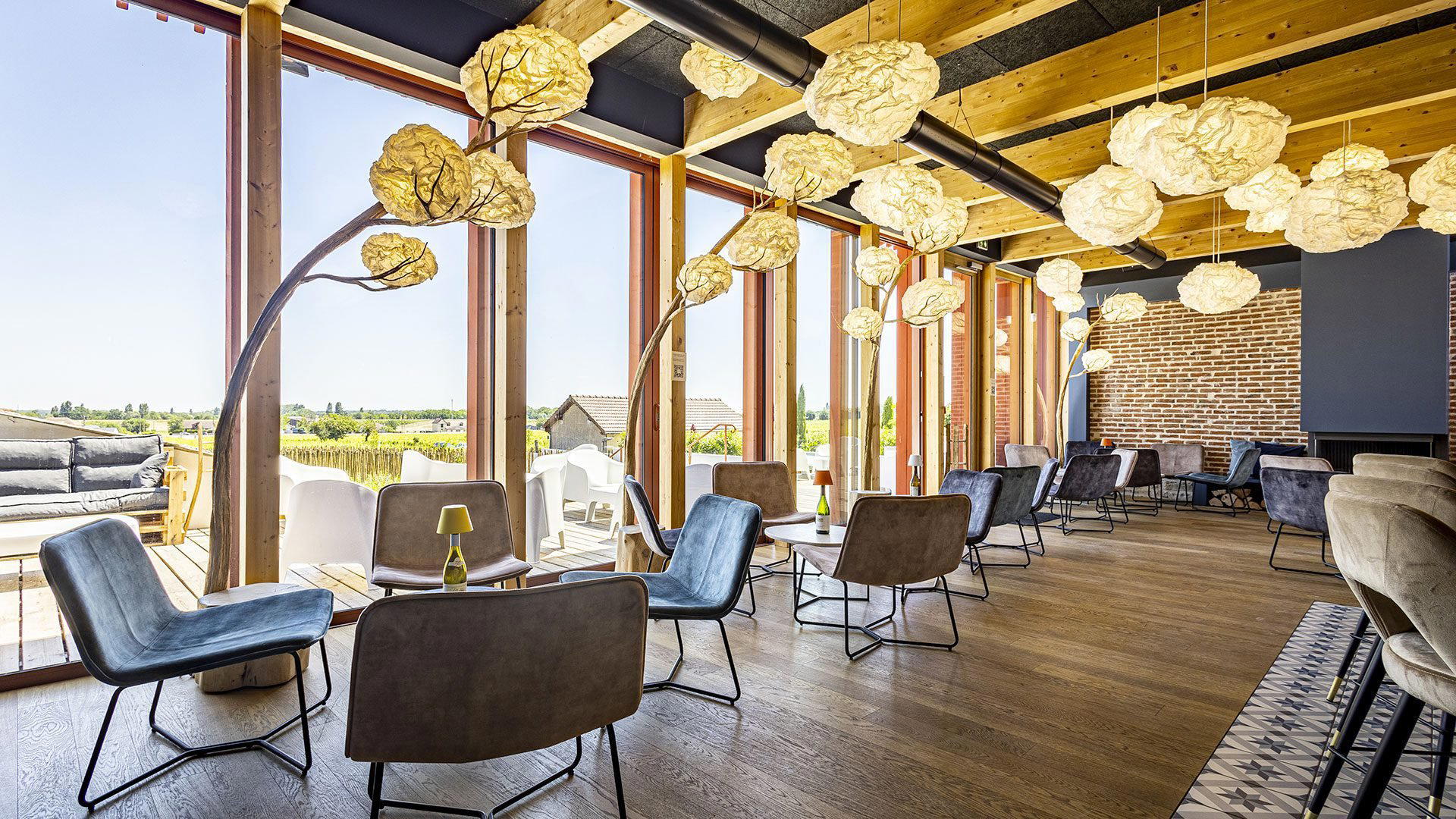
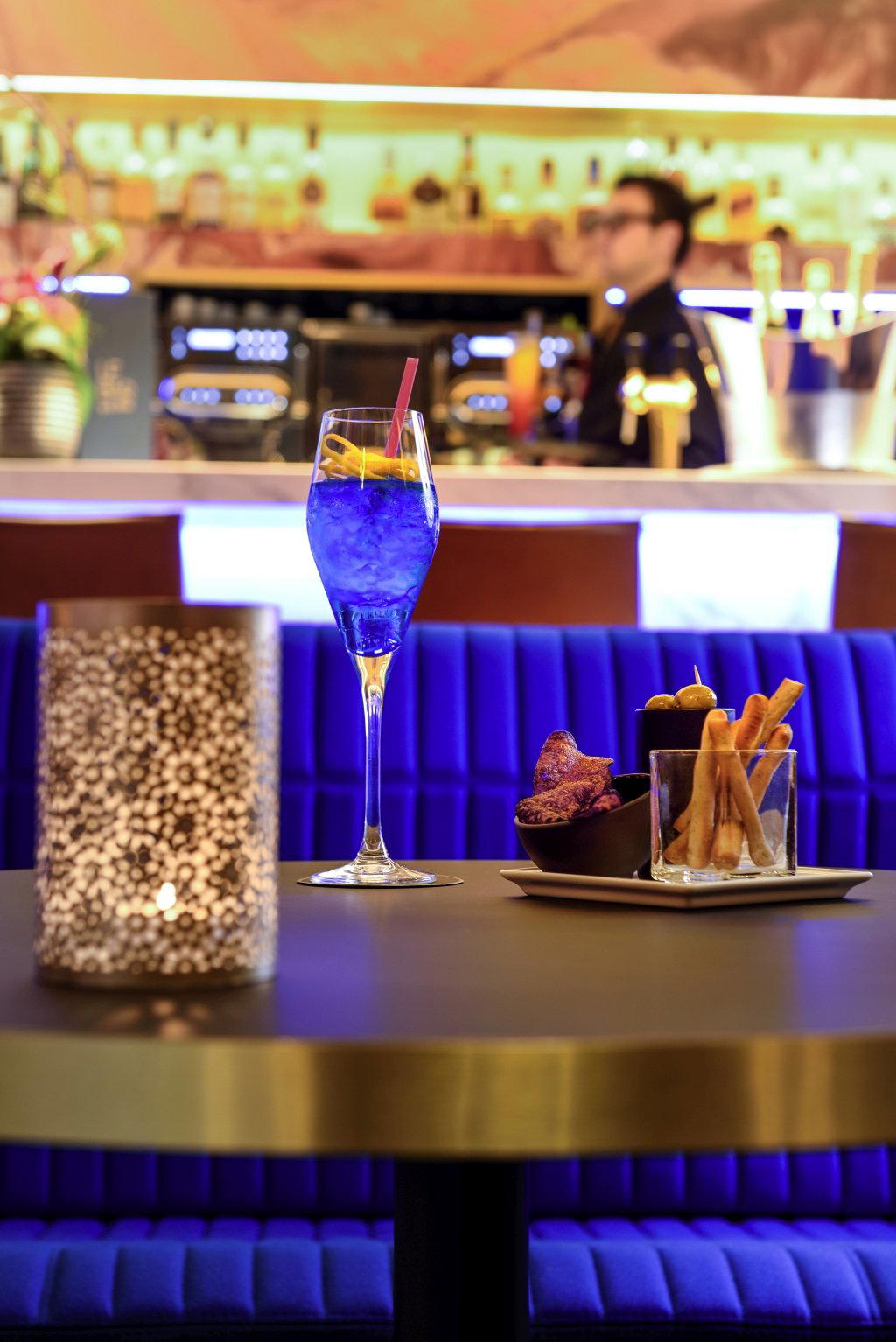
Bars in Pommard
Browse all →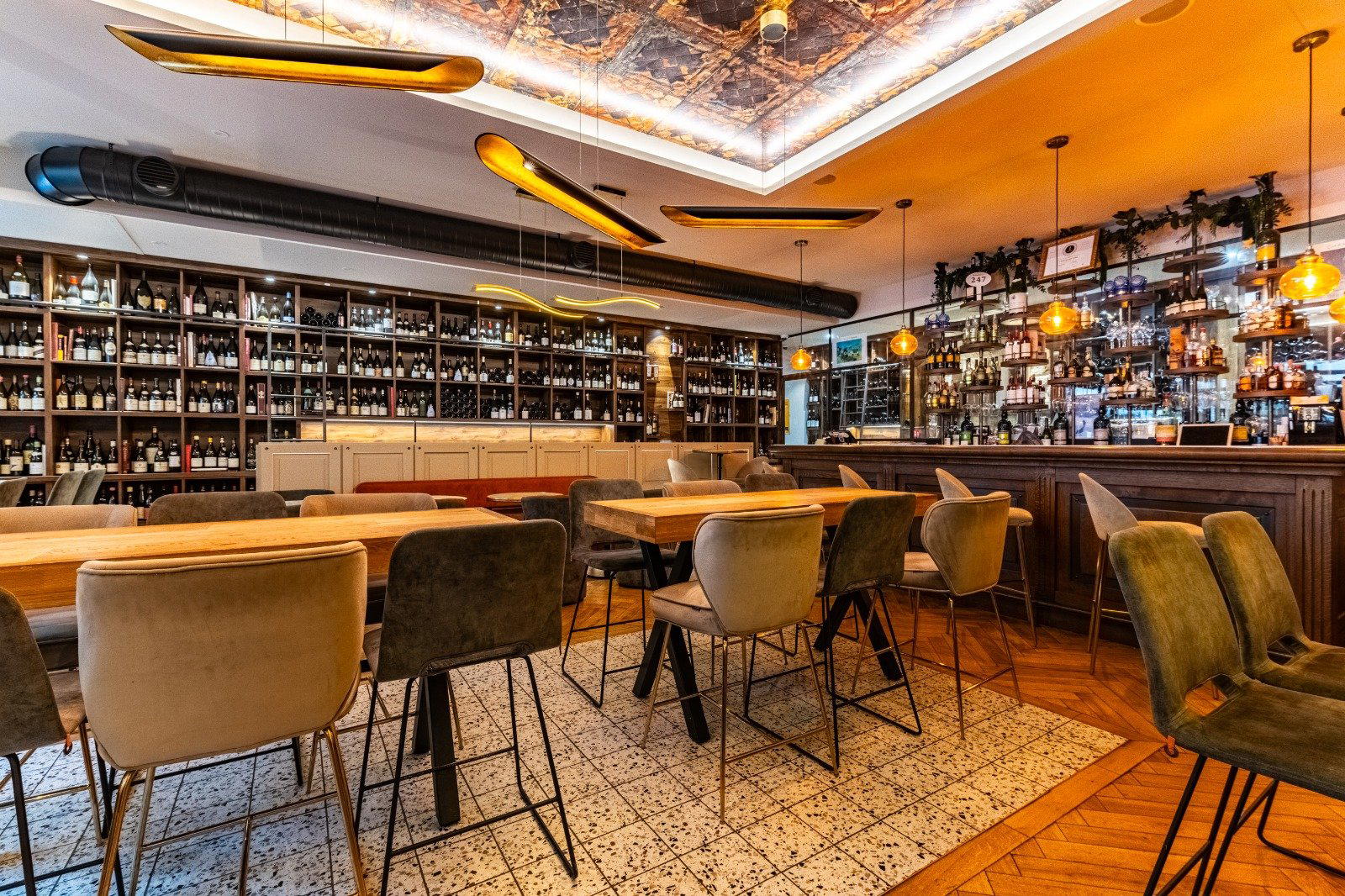

Restaurants in Pommard
Browse all →
At a Glance
- Classic
- Elegant
- Intimate
- Historic
- Wine Education
- Romantic Getaway
- Group Outing
- Special Occasion
- Solo Exploration
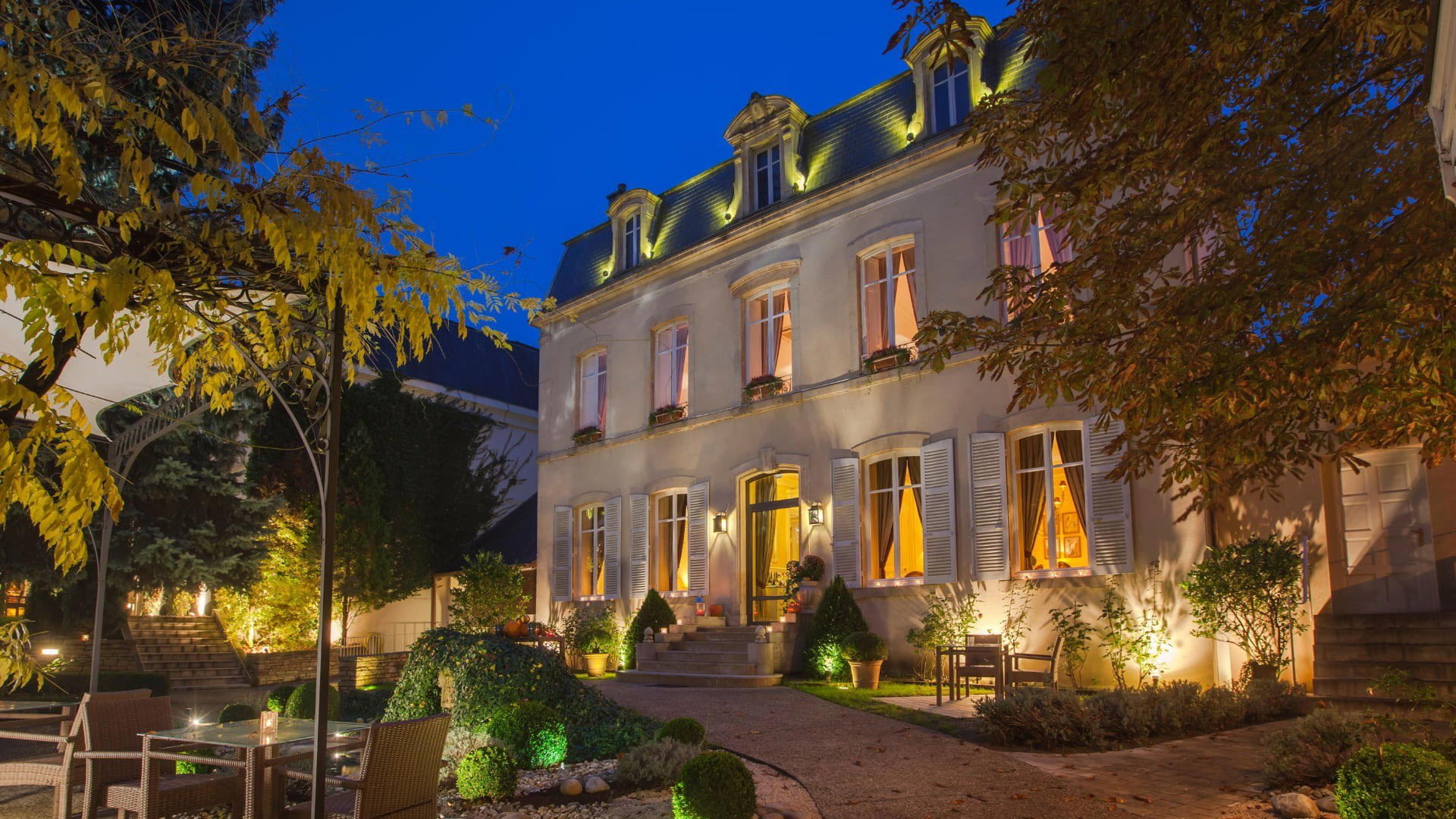
- Estate Grounds
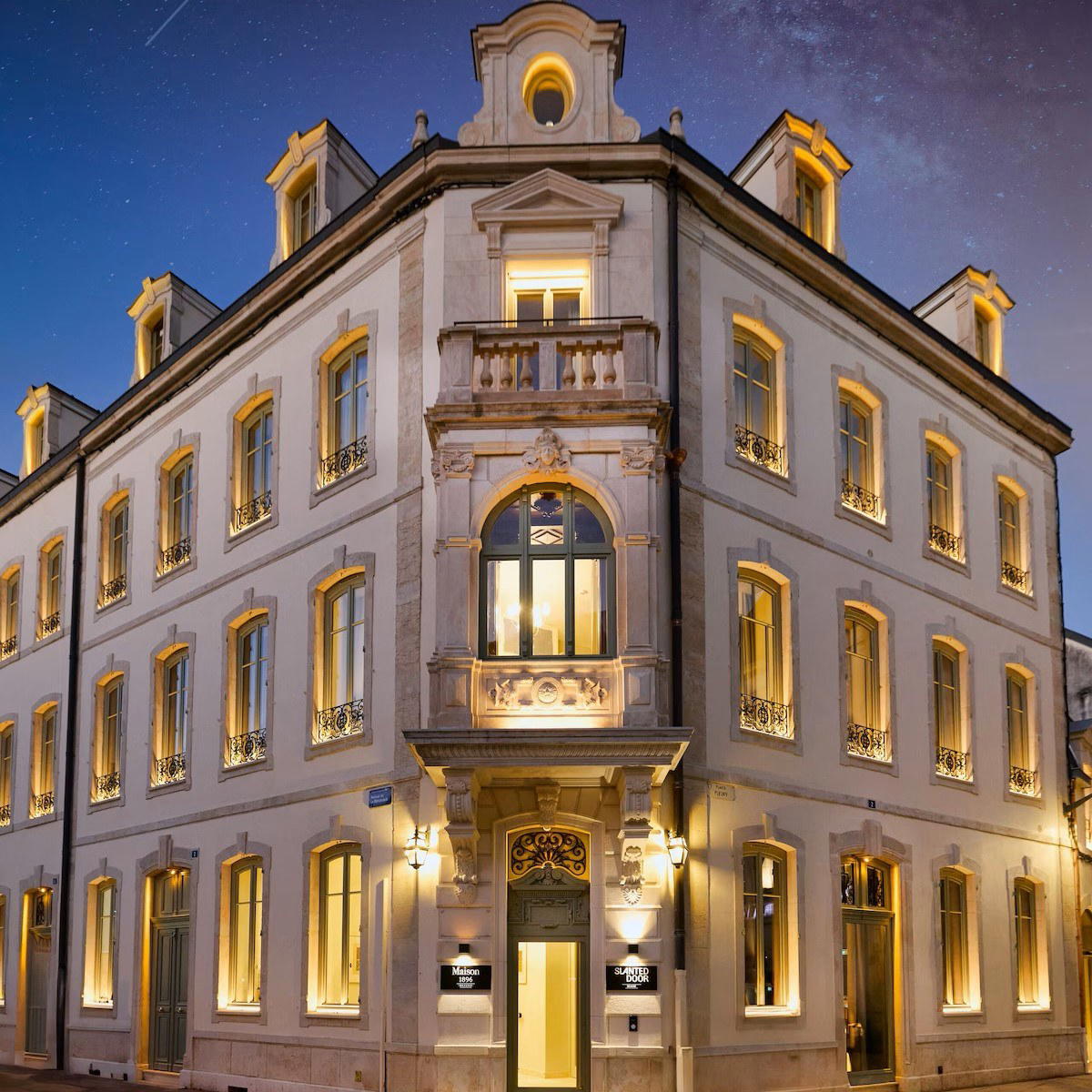
- Historic Building
- Private Tasting
- Sustainable
- Vineyard
- Pommard AOC
- Pinot Noir
- Still Red
- Cellar Tasting
- Private Appointment
Current opening hours
- Monday
- 9 AM–12 PM, 1:30–6:30 PM
- Tuesday
- 9 AM–12 PM, 1:30–6:30 PM
- Wednesday
- 9 AM–12 PM, 1:30–6:30 PM
- Thursday
- 9 AM–12 PM, 1:30–6:30 PM
- Friday
- 9 AM–12 PM, 1:30–6:30 PM
- Saturday
- 9 AM–12 PM, 1:30–6:30 PM
- Sunday
- Closed
Hours can change for holidays and private events. Last verified .
Historic Burgundy family domaine with a traditional, understated winemaking style that produces elegant, structured Pinot Noir; the overall feel is classic and purist rather than flashy.