Domaine Ligas

Falstaff Winery - Listed
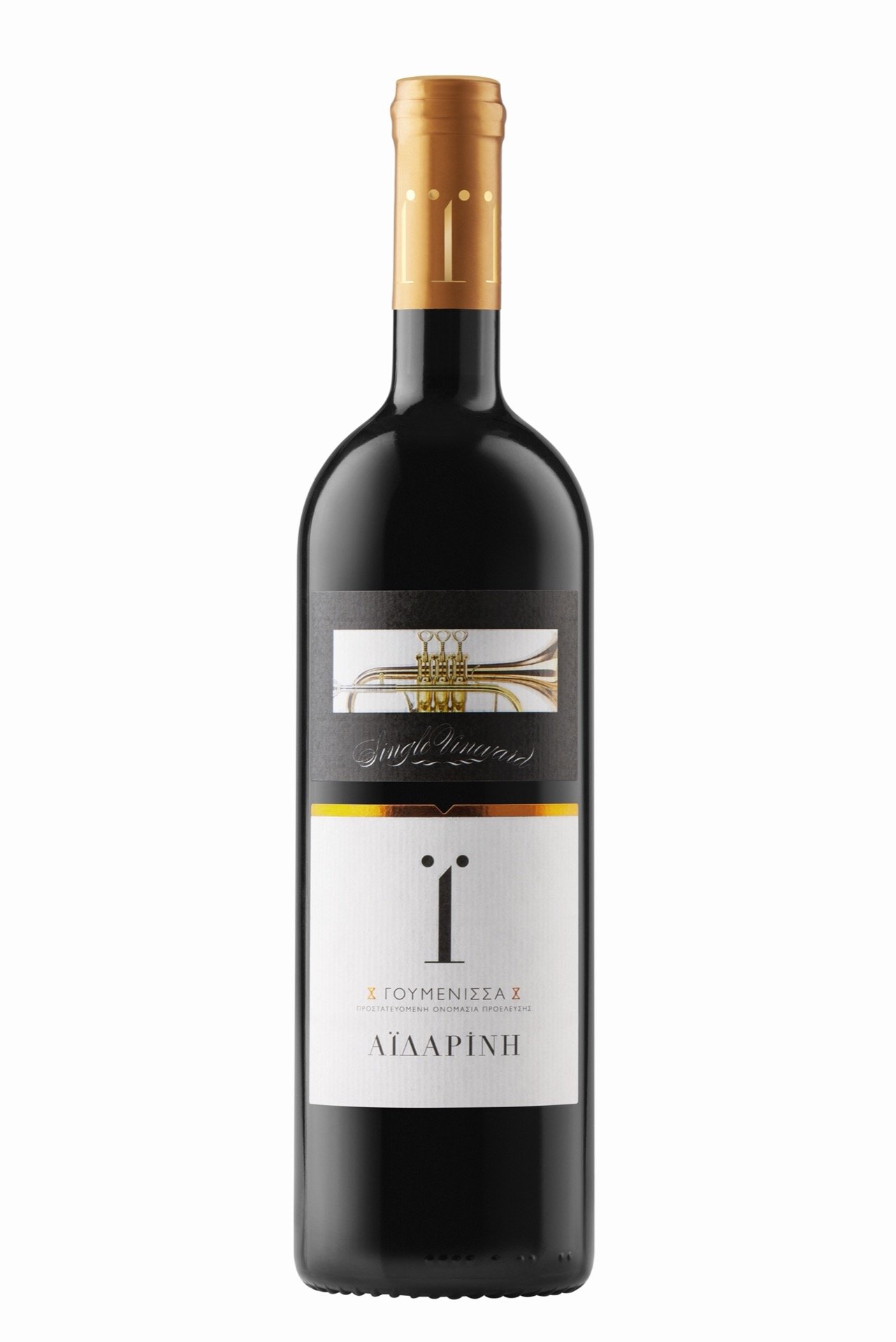
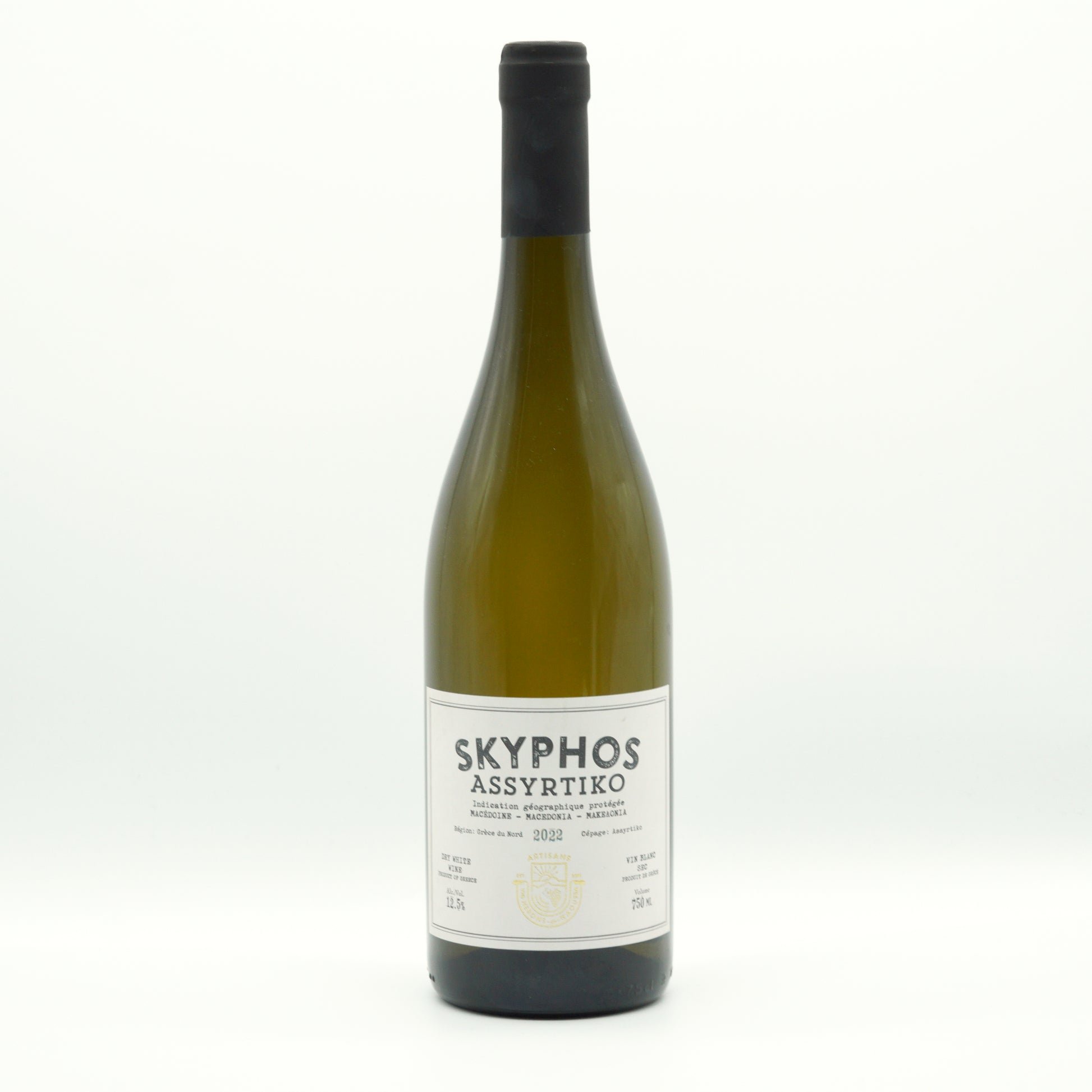
Domaine Ligas gives Pella’s natural-wine story a concrete agricultural frame: small-scale estate farming, native Greek varieties, and low-intervention cellar work rather than polished tasting-room theatre. The family estate works with Xinomavro, Roditis, Assyrtiko, Limniona and Kydonitsa, with permaculture, native yeasts and unfiltered bottlings shaping the experience.

Pearl is the En Primeur Club membership app — saves, bookings, and concierge access live there. Same editors, same standards.
- Address
- Giannitsa-Pella, Griechenland
- Directions
- Get directions

Domaine Ligas is a family-run natural winery in Giannitsa Pella, in the historic region of Pella. The picture is not of a formal restaurant, bar, or broad hospitality complex, but of a working wine estate whose identity is tied closely to agriculture, ecology, and a natural-wine point of view. For EP Club readers, the most useful way to approach the listing is as a concise venue profile: the confirmed strengths are place, atmosphere, and philosophy, rather than a long set of public-facing service details.
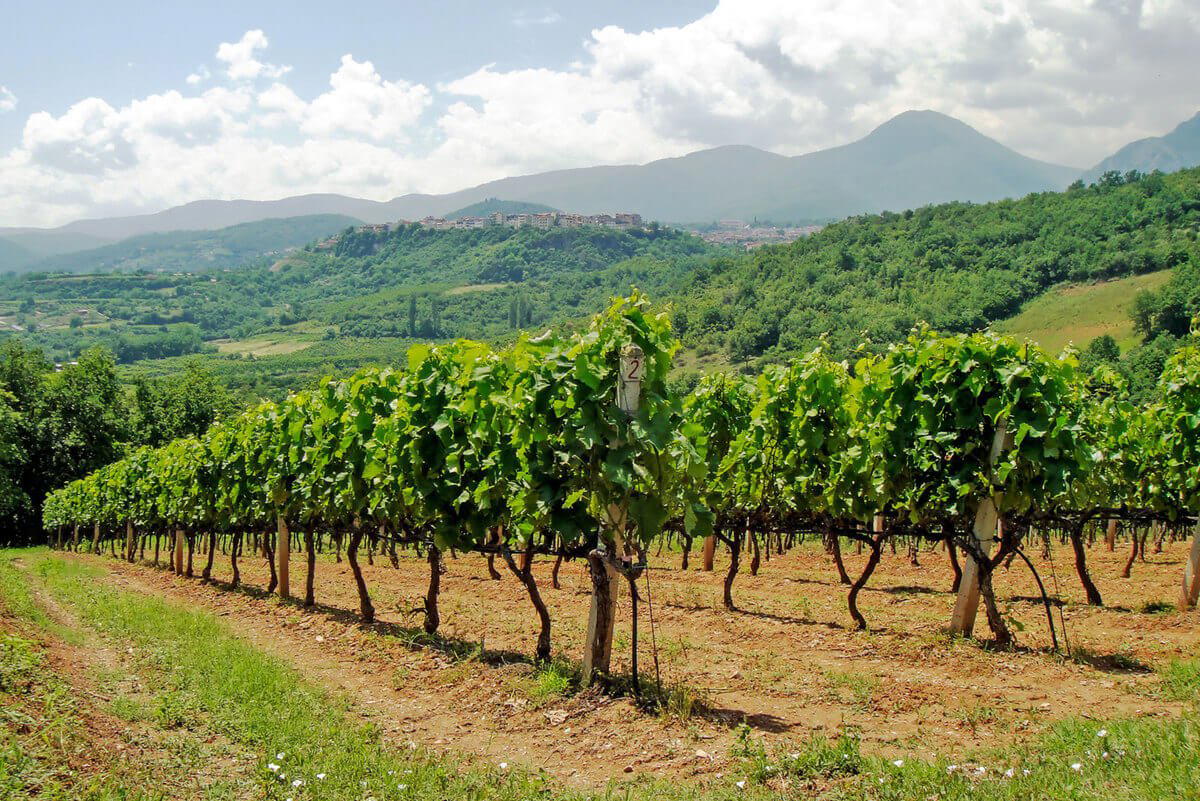
The defining idea is harmony between people and nature. That may sound broad, but at Domaine Ligas it is the central theme. The estate is described through permaculture vineyards, biodiversity, and a rustic, eco-conscious mood. Bees and ladybugs in the vines are part of that image, giving the winery a lived-in agricultural character rather than a staged tasting-room feel. The atmosphere is grounded, natural, and close to the land.
Pella terroir through native grapes and living vineyard work
What can be said with confidence is that the winery sits in Giannitsa Pella, within a historic region of northern Greece, and presents itself through a natural-wine and ecological farming lens.
The vineyard setting is the core of the story. Permaculture is the clearest agricultural reference, and it shapes how the venue should be understood. Instead of describing the estate through unsupported details about cellar equipment, fermentation techniques, or individual cuvées, the more reliable frame is the relationship between vines, insects, soil life, and human work. The presence of bees and ladybugs in the vines is not just a decorative detail; it supports the broader impression of a winery that wants its farming environment to feel alive and balanced.
That ecological character also affects expectations. Domaine Ligas is best read as a natural winery with a strong sense of place, not as a venue whose appeal depends on polished luxury cues. The draw is the estate’s rustic, eco-conscious atmosphere and its connection to Pella’s landscape. Visitors researching the winery should treat any more granular claims about specific labels, tasting formats, bottle prices, or technical winemaking details as requiring direct confirmation from the estate.
A small natural-wine estate, not a polished cellar-door circuit
The description points toward intimacy and land-based character rather than a scripted hospitality circuit. Domaine Ligas is family-run, and that matters because it frames the venue as personal and agricultural. Those details may change or may not be publicly confirmed, so they are better left to direct inquiry.
What is grounded is the mood: rustic, eco-conscious, and shaped by a natural winery setting. The estate’s identity is connected to permaculture vineyards and a belief in harmony between humans and nature. For many readers, that is enough to distinguish Domaine Ligas from more conventional wine stops. It is a venue to consider if the appeal lies in natural wine culture, agricultural texture, and the historic region of Pella rather than in a guaranteed set of amenities.
The price level is listed as $$, which gives a broad expectation without pretending to verify individual bottle costs, tasting fees, or menu-style pricing. Beyond that, EP Club should keep the practical advice conservative: confirm current visiting arrangements, availability, and any tasting or purchase options directly with Domaine Ligas before planning around them.
How to frame a visit in Giannitsa Pella
In a Giannitsa Pella itinerary, Domaine Ligas is best framed as a natural winery with a distinctive ecological personality. The most reliable reasons to include it are the family-run character, the historic Pella setting, and the rustic vineyard atmosphere shaped by permaculture, bees, and ladybugs. Those points are and form a coherent picture without needing unsupported claims about exact services or production details.
For travellers, the sensible approach is to use Domaine Ligas as a focused wine-country reference point and to build the rest of the day around other dining or travel plans in Giannitsa Pella. Since the venue data does not confirm opening hours, reservation requirements, tasting structure, food availability, or transport logistics, those details should be checked directly before arrival.
Readers comparing wine experiences should keep the comparison local and practical: Domaine Ligas is the named point of reference here, while other dining or travel options in Giannitsa Pella can be considered separately. The value of this listing is not an exhaustive amenities sheet, but a clear, fact-checked snapshot of a family-run natural winery in Giannitsa Pella with a strong ecological identity.
Recognition history
Dated appearances from independent guides and award organizations, with the underlying list record or original source where available.
Falstaff Winery - Listed
Falstaff
Continue exploring
More in Giannitsa Pella
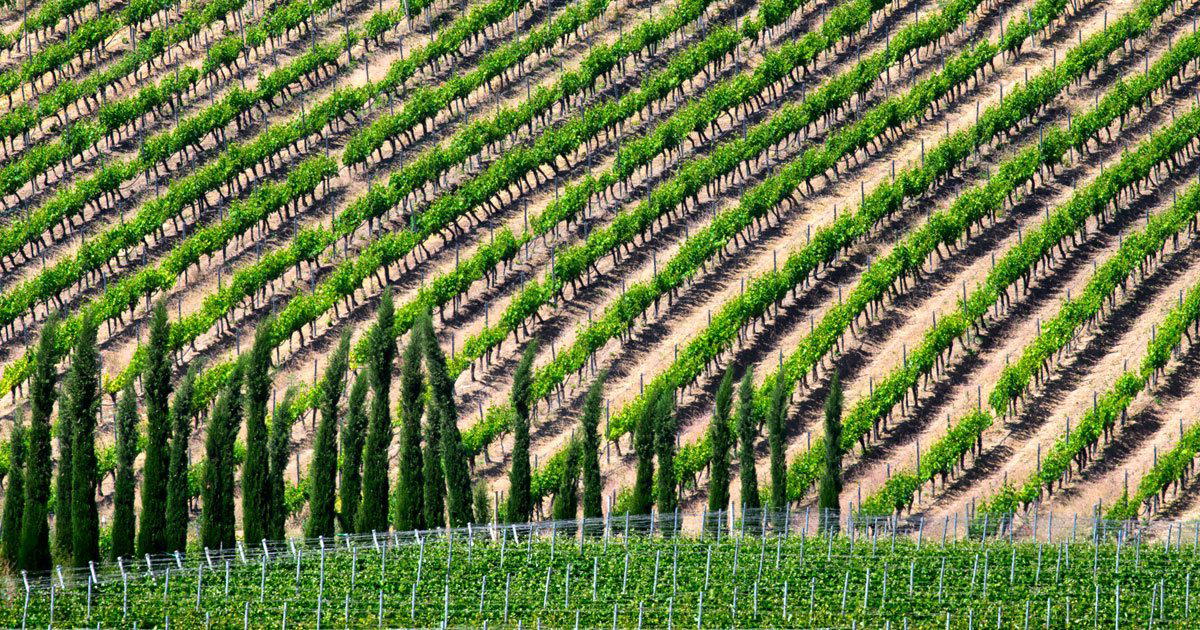
Wineries in Giannitsa Pella
Browse all →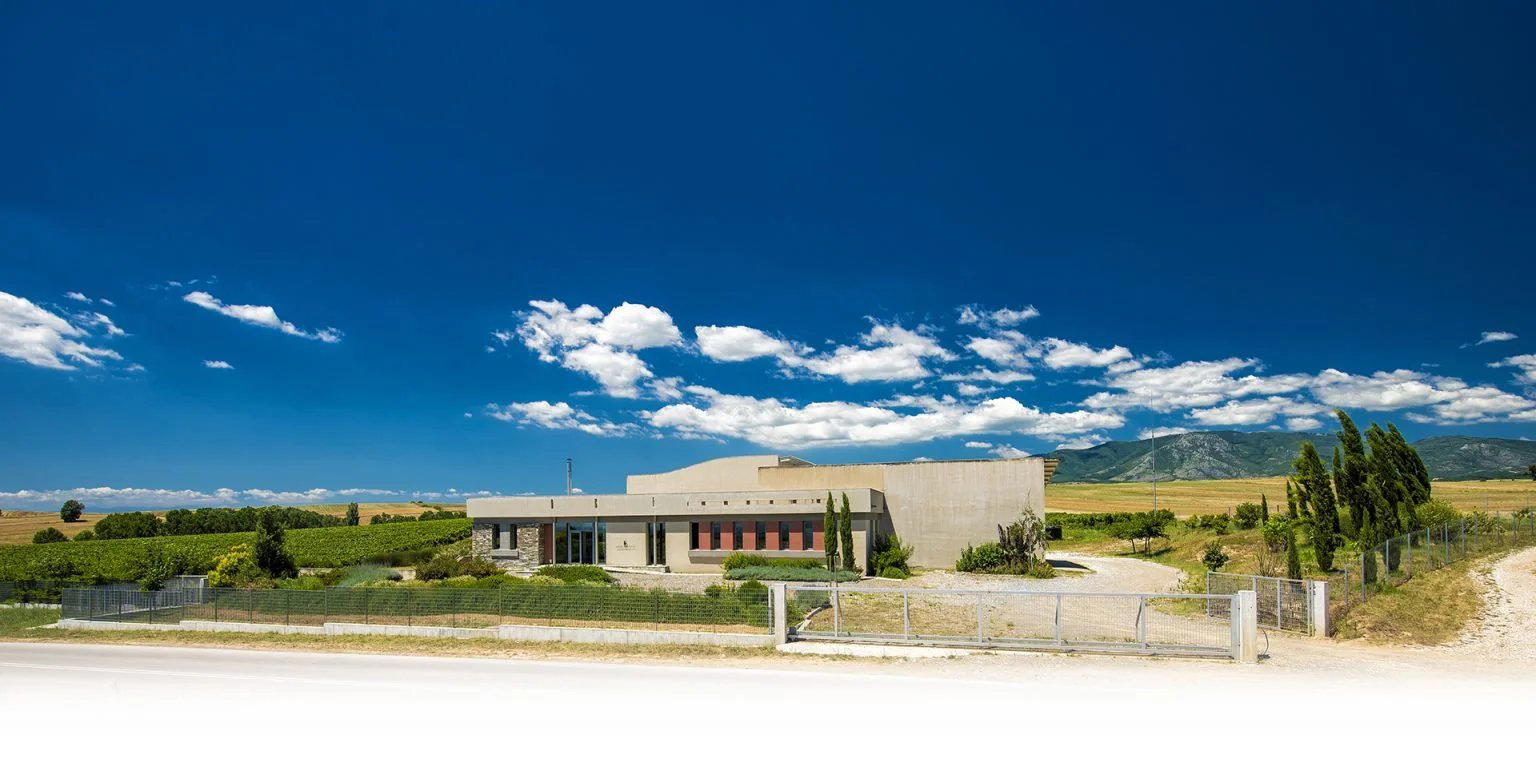
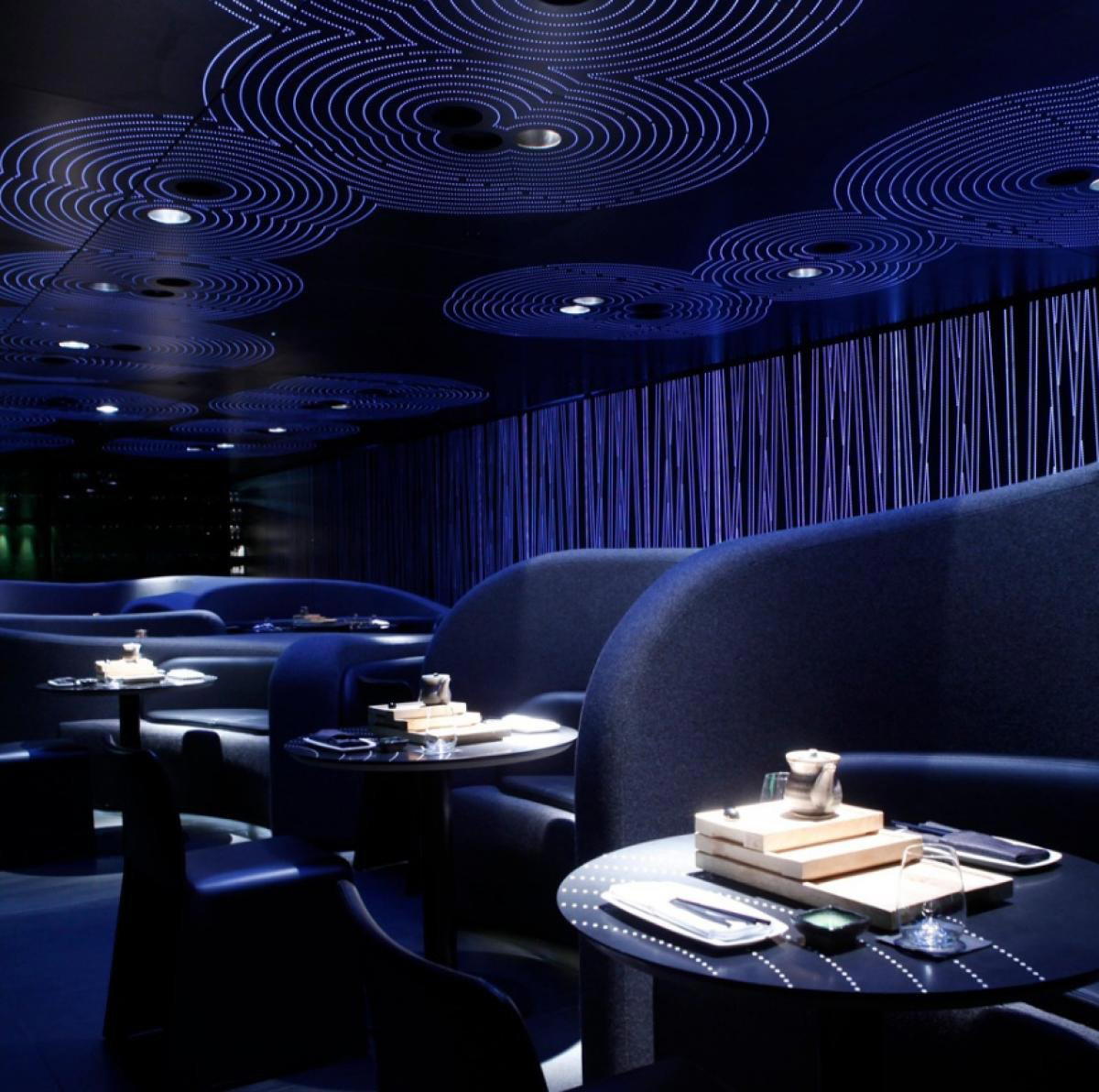
Bars in Giannitsa Pella
Browse all →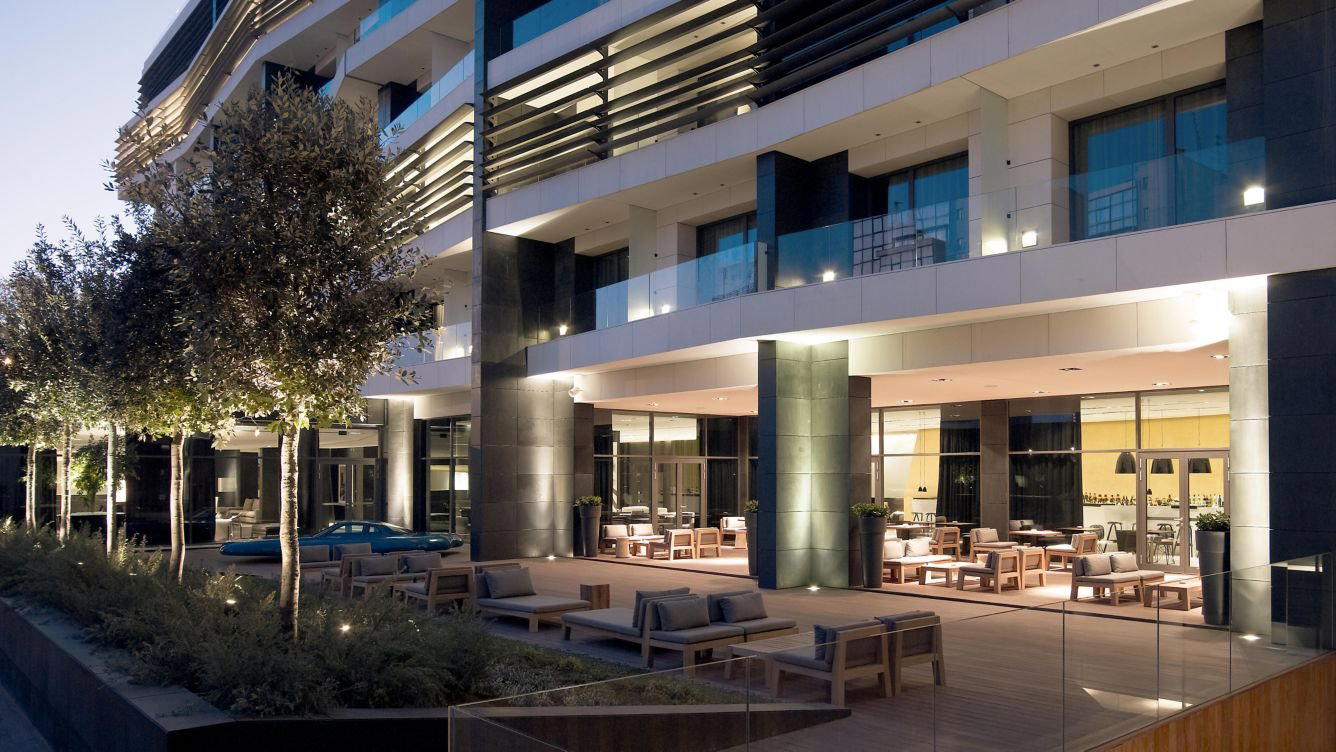
Restaurants in Giannitsa Pella
Browse all →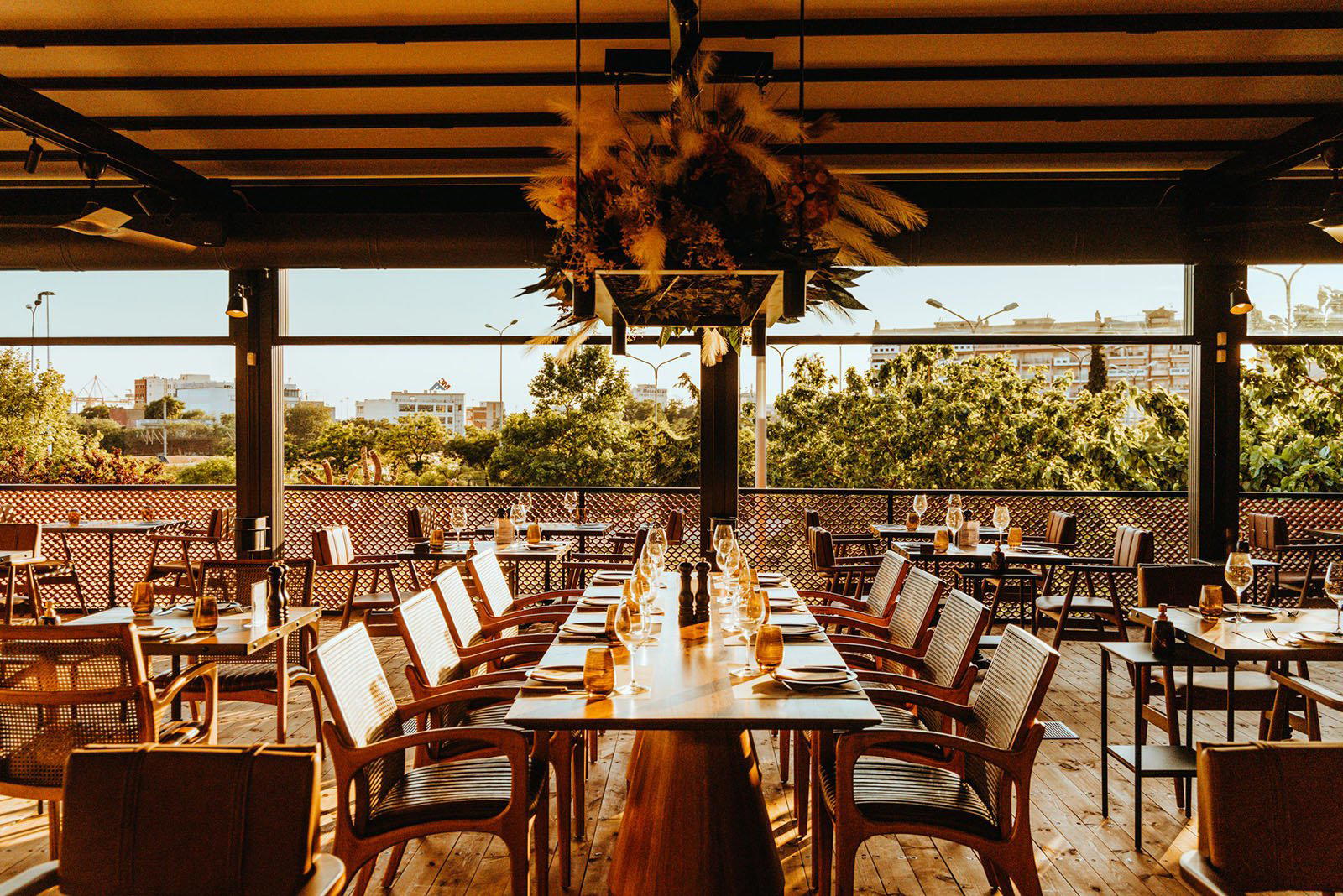
Hotels in Giannitsa Pella
Browse all →
Details
- Rustic
- Scenic
- Intimate
- Romantic Getaway
- Group Outing
- Solo Exploration
- Wine Education
- Special Occasion
- Estate Grounds
- Vineyard Tour
- Historic Building
- Sustainable
- Vineyard
- Mountain
- Garden
- Xinomavro
- Still Rosé
- Still Red
- Still White
- Skin Contact
- Estate Tasting
- Vineyard Visit
- Greek
- French
- English
Family-run natural winery in the historic region of Pella with a strong focus on harmony between humans and nature; the atmosphere is rustic and eco-conscious, shaped by permaculture vineyards, bees and ladybugs in the vines, and a narrative that blends Greek terroir with French winemaking know-how.