Vaeni Naoussa sits at the heart of one of northern Greece's most consequential red-wine appellations. Located in Episkopi on the slopes of Mount Vermio, it represents the cooperative tradition that helped define Xinomavro as a serious international variety. For anyone tracing Naoussa's place in Greek fine wine, it belongs on the itinerary.
Pearl is the En Primeur Club membership app — saves, bookings, and concierge access live there. Same editors, same standards.
- Address
- Episkopi Naoussa, Municipality of Naoussa, Epar. Od. Verias-Skidras, Naousa 592 00
- Phone
- +30 2332 044274
- Website
- vaeni-naoussa.com
- Directions
- Get directions
 Saves & bookings on Pearl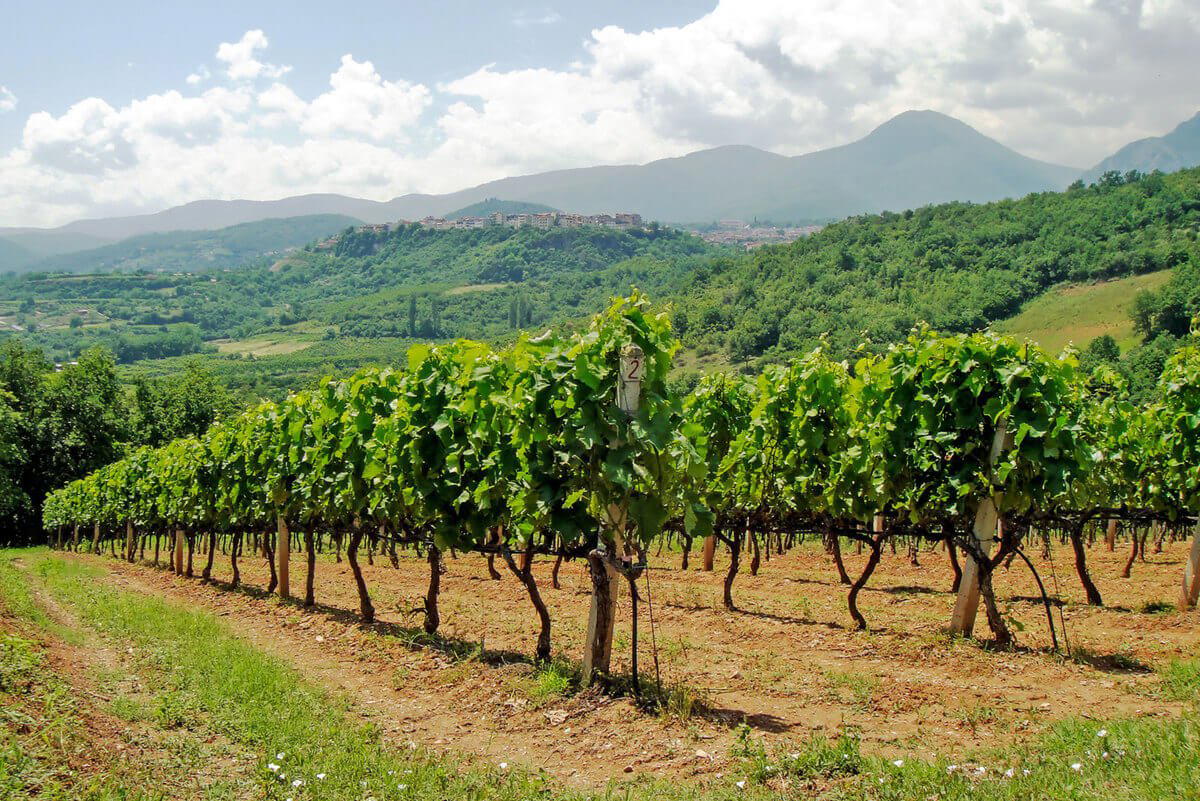
Xinomavro Country: Why Naoussa Matters
The wine town of Naoussa sits at the foot of Mount Vermio in Macedonia, and the grape that defines it, Xinomavro, is among the more demanding in the Greek canon. High acidity, firm tannins, low colour stability, and a pronounced aromatic shift from fruit to olive, tomato, and dried herb as it ages: these are not the qualities that win over casual drinkers in a trade tasting. They are, however, the qualities that place Naoussa in serious conversation with Barolo and Burgundy among wine professionals looking for age-worthy European reds with a distinct regional identity. The PDO (Protected Designation of Origin) framework here is strict, 100% Xinomavro, from vineyards within the appellation, and that rigidity has become a mark of integrity rather than a constraint.
Within that context, Vaeni Naoussa is a winery in Episkopi Naoussa, Municipality of Naoussa, on the Veria-Skidras road. Cooperatives in wine regions often occupy an ambiguous critical position, associated with volume over selectivity, but the better examples in classic European appellations tend to be custodians of older vineyard material and consistent regional style precisely because of their broad membership base.
The Appellation's Competitive Set
Naoussa's wine scene has consolidated around a relatively small number of serious producers whose work has raised the appellation's international profile since the 1990s. Boutari Winery played a foundational role in establishing Naoussa as an exportable name, particularly through its Grande Réserve bottlings. Kir-Yianni Estate brought a more internationally calibrated winemaking approach, and Diamantakos Winery represents the smaller, artisan end of the spectrum.
For visitors constructing a serious Naoussa itinerary, the productive approach is to treat these producers as a portfolio rather than as rivals. The appellation is compact enough that a two-day visit can cover the cooperative tradition, the estate model, and the boutique end, each illuminating something different about how Xinomavro expresses itself across different production philosophies and vineyard parcels.
Xinomavro and the Philosophy of Restraint
The editorial angle on any serious Naoussa producer comes back to the same question: what does the winemaking philosophy say about Xinomavro's potential? The grape rewards patience in both production and consumption. Extended maceration and barrel ageing build the tannic structure needed for the wine to resolve properly over time, but they also demand precision, push too hard and the wine becomes austere; pull back too early and it lacks the backbone for long cellaring.
Cooperative wineries in appellation contexts tend to approach this through consistency across large volumes of fruit from diverse parcels, which produces wines that express the appellation character rather than a single terroir or winemaker's signature. That is not a lesser objective. Particularly reliable expressions of regional typicity in classic European appellations come from cooperatives whose charter requires fidelity to the appellation's standards rather than differentiation for commercial purposes. Vaeni Naoussa's location within the municipality places it among vines that have been cultivated for generations, and that continuity of material is one reason the cooperative model retains relevance even as boutique estates have multiplied.
Elsewhere in Greece, cooperatives and established producers have navigated similar tensions between volume and quality. Achaia Clauss in Patras built its reputation on a different tradition entirely, while producers like Alpha Estate in Amyntaio have redefined what northern Greek appellations can achieve with a more estate-focused, internationally trained approach. The contrast makes visiting Vaeni Naoussa more instructive, not less.
Getting There and Planning the Visit
The winery is located at Episkopi Naoussa on the Veria-Skidras regional road (Epar. Od. Verias-Skidras), within the municipality of Naoussa. The regional road network connects the main producing areas efficiently, and the appellation is compact enough to visit multiple producers in a single day if planned in advance.
The surrounding Naoussa region offers enough complementary producers and restaurant options to warrant an overnight stay rather than a rushed day trip from Thessaloniki.
Naoussa in the Wider Greek Wine Picture
Understanding the winery fully requires placing Naoussa itself in the wider Greek wine picture. Greek wine has undergone a sustained critical reappraisal since the early 2000s, with international attention shifting from Assyrtiko on Santorini to the indigenous reds of Macedonia and Nemea. Xinomavro, Agiorgitiko, and Mavrodaphne represent three distinct idioms of Greek red wine, and Naoussa's Xinomavro is widely considered especially age-worthy among the three.
Producers across northern Greece have contributed to this broader shift. Akrathos Newlands Winery in Panagia and Anatolikos Vineyards in Xanthi represent the diversity of northern Greek viticulture beyond the Naoussa PDO, while further south, Acra Winery in Nemea illustrates how Agiorgitiko producers in the Peloponnese have developed a parallel prestige tier. Even outside Greece, the conversation about serious cooperative and estate winemaking echoes through producers as different as Abraam's Vineyards in Komninades and, at considerable geographic remove, Accendo Cellars in St. Helena or Aberlour in Speyside, producers in different categories who share the discipline of working within tightly defined quality frameworks.
Closer to Athens, producers like Aoton Winery in Peania and Aiolos Winery in Palaio Faliro occupy a different register, urban-adjacent producers whose work reflects Attica's emerging identity as a serious wine region rather than the highland appellation model that defines Naoussa. The contrast is instructive for anyone building a broader picture of Greek wine geography.
Cost Snapshot
Comparable venues nearby, for context on price, style, and recognition.
| Venue | Cuisine | Price | Awards |
|---|---|---|---|
| Vaeni NaoussaThis venue — the venue you are viewing | Naoussa, Xinomavro, Syrah | $$ | Not listed |
| Diamantakos Winery | Mademi, Xinomavro, Preknadi | $$ | Not listed |
| Boutari Winery | Naoussa, Xinomavro, Moschofilero | $$ | Not listed |
| Kir-Yianni Estate | Yiannakohori, Xinomavro, Merlot | $$ | World's 50 Best #48 |
| Stray Dog Wild Gin Distillery | Winery | Not listed | Not listed |
| Varsamis Distillery | Winery | Not listed | Not listed |

At a Glance
- Classic
- Rustic
- Wine Education
- Group Outing
- Barrel Room
- Wine Cellar
- Vineyard
- PDO Naoussa
- Xinomavro
- Syrah
- Merlot
- Malagouzia
- Still Red
- Guided Tasting
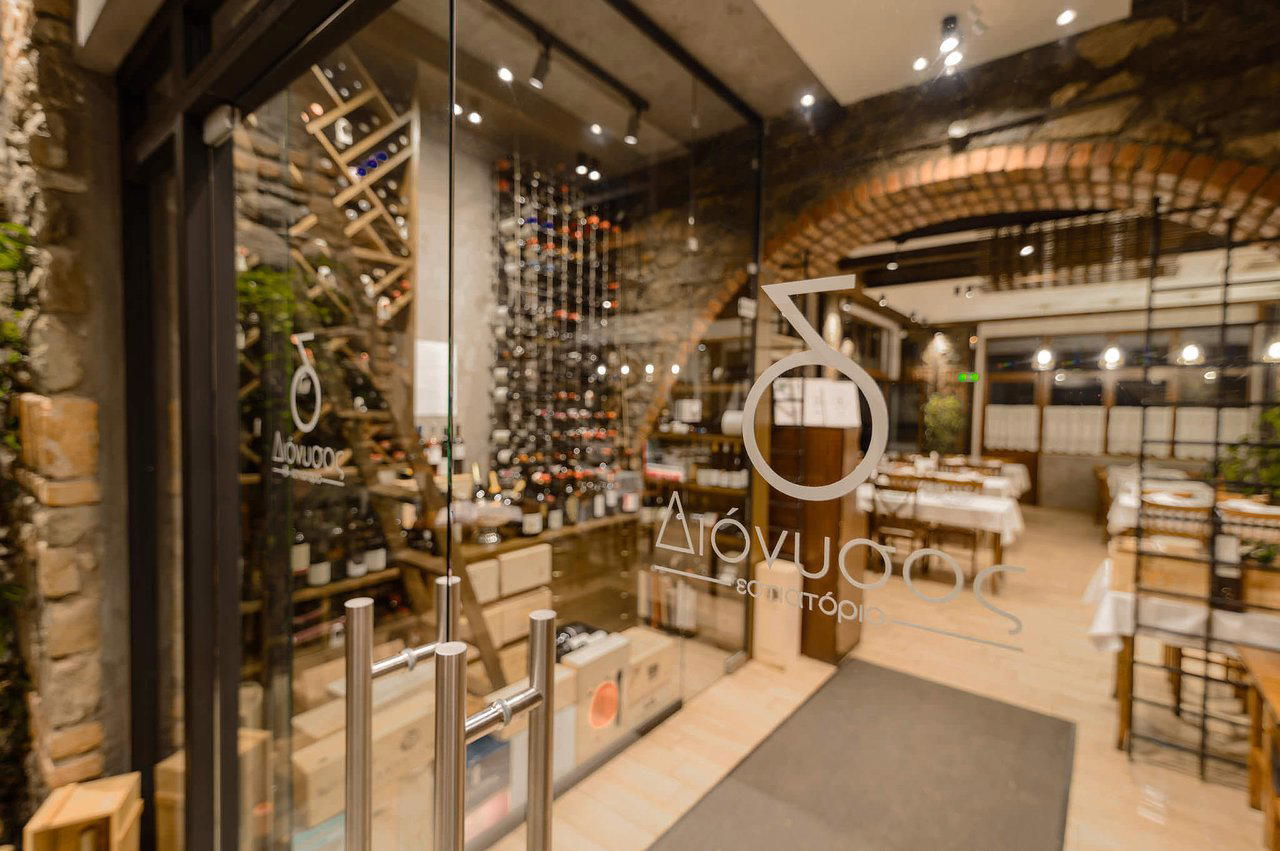
Modern facilities with clean, impressive basement cellars featuring French oak barrels under controlled temperature and humidity, creating a professional and welcoming atmosphere for tours and tastings.