
Domaine Lejeune is a historic Pommard domaine with roots in 1783, an 8.7-hectare organic holding, and a cellar identity tied closely to structured Pinot Noir from the Côte de Beaune. Visits suit travelers who want Burgundy explained through village terroir, premier cru sites, whole-cluster tradition, and the practical scale of a small family estate rather than spectacle.
Pearl is the En Primeur Club membership app — saves, bookings, and concierge access live there. Same editors, same standards.
- Address
- Pommard, Côte-d'Or, Bourgogne-Franche-Comté, Frankreich
- Directions
- Get directions
 Saves & bookings on Pearl
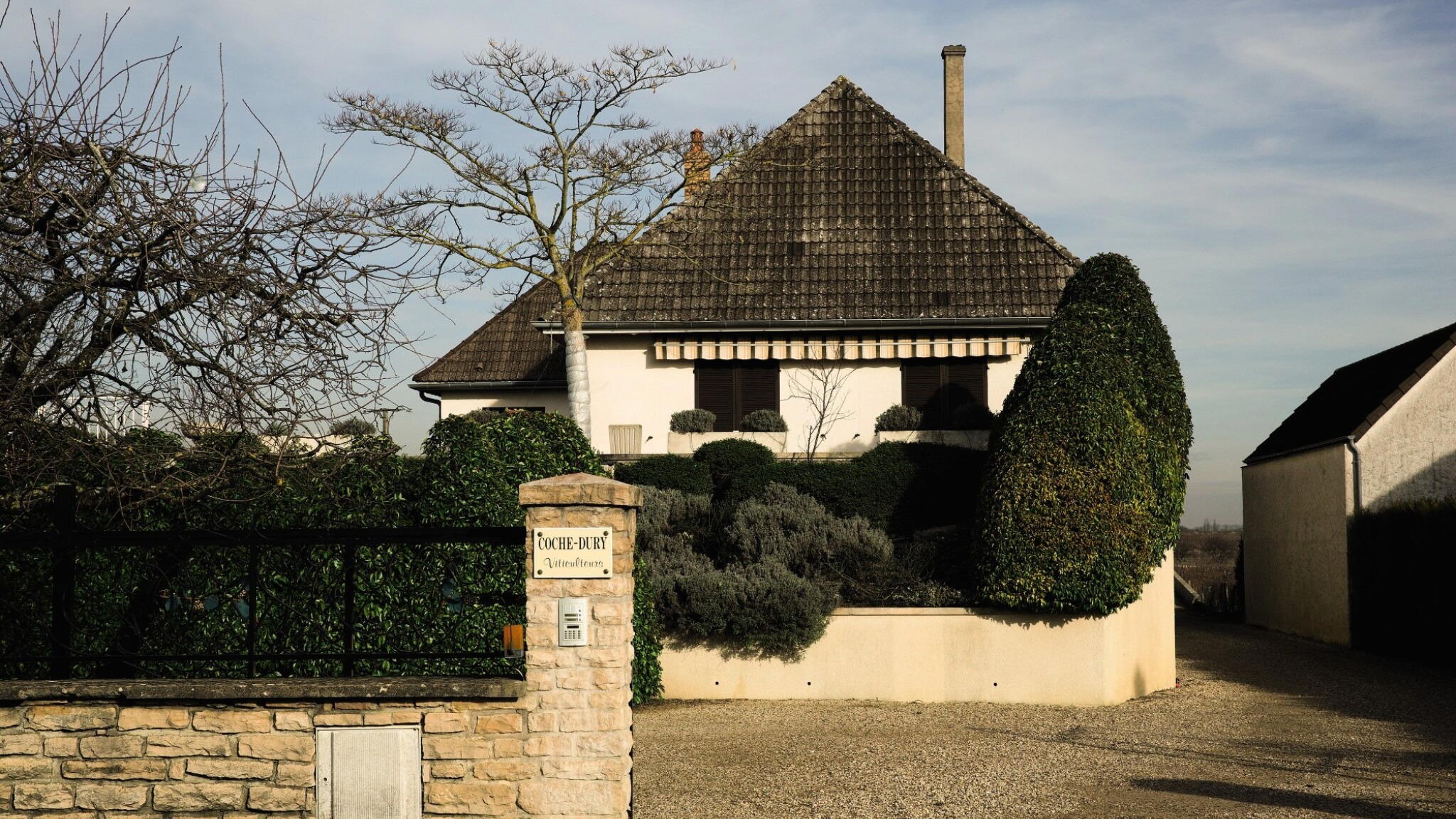
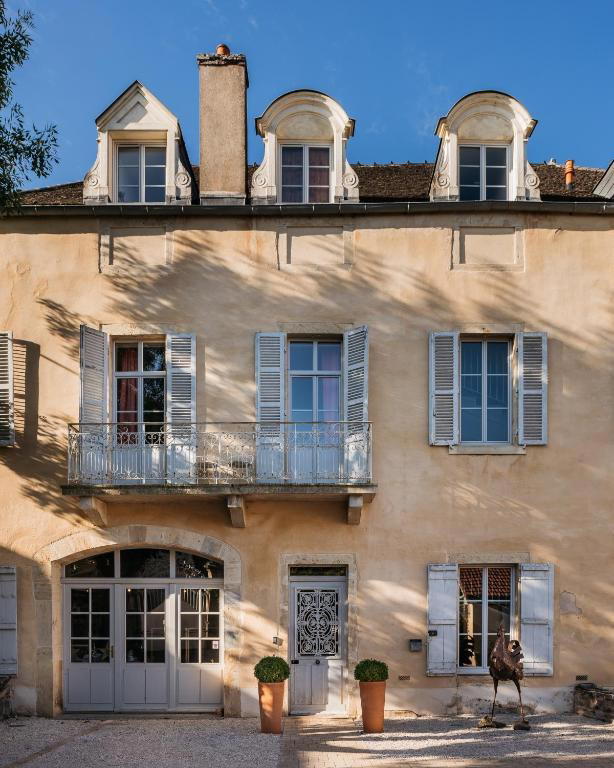
Approaching a Pommard cellar changes the pace of a Burgundy day. The village does not announce itself through grandeur so much as compression: stone, church-square stillness, cellar doors, and the knowledge that the vineyards above the roofs have carried arguments about structure, tannin, and ageability for generations. Domaine Lejeune belongs to that older Pommard register, where the visit is less about polished hospitality theatre than about reading a village through its vats, parcels, and farming choices.
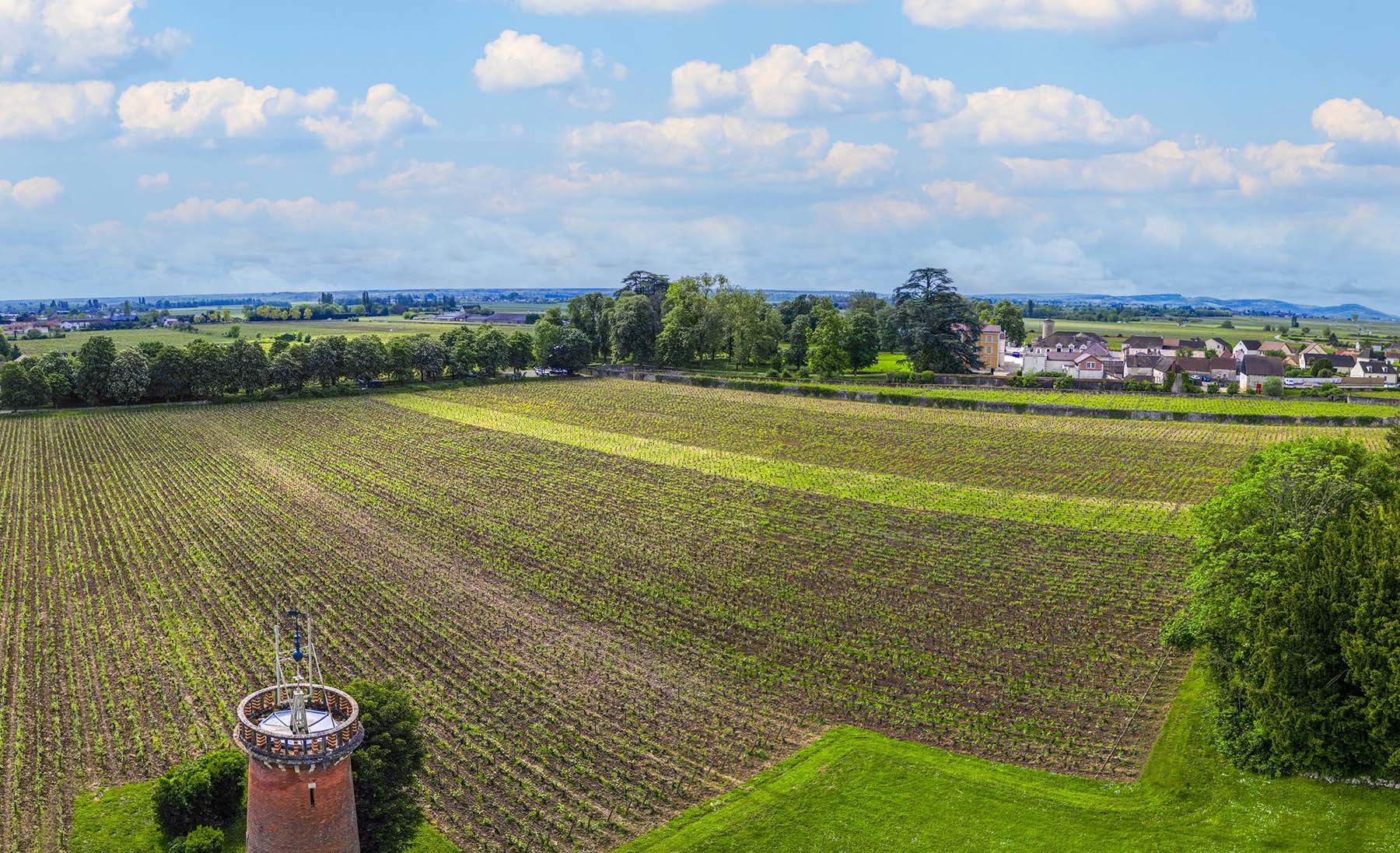
Pommard has a particular reputation inside the Côte de Beaune. Where nearby villages can be framed through perfume, delicacy, or white-wine precision, Pommard is usually discussed through Pinot Noir with shoulder: clay-limestone soils, firm structure, and wines built to develop rather than flatter early. That context matters here because Domaine Lejeune’s public identity is tightly centered on Pommard rather than a broad Côte d’Or portfolio. The estate has been linked to the Jullien de Pommerol family since 1783, and its scale remains small at about 8.7 hectares, with organic certification placing the farming conversation before the tasting-room script.
Pommard terroir, explained through a compact organic domaine
The value of a visit here is educational in the old Burgundian sense: appellation first, producer second, vintage and cellar work as the translation layer. Domaine Lejeune works across Pommard AOC and several named premier cru sites, including Les Poutures, Les Rugiens-Bas, and En Largillière or Les Argillières, alongside regional and nearby appellations such as Bourgogne Aligoté, Bourgogne Côte d’Or, Côte de Beaune, Monthélie, and Bourgogne Rouge. That range is not large, but it gives enough contrast to understand how a village-focused domaine uses hierarchy: regional wines for outline, village Pommard for identity, premier cru for site specificity.
The center of gravity is Pinot Noir. Aligoté and white production appear in the wider range, but Pommard’s red-wine grammar defines the estate’s relevance. Structure and cellaring potential recur in descriptions of the wines, which fits the village’s historic reputation. The more interesting point is not that the wines are powerful, a lazy shorthand often applied to Pommard, but that the domaine’s style sits in the traditional camp: whole-cluster fermentation has long been part of its approach, with current management described as less rigid than previous practice. That detail matters because stems, when used with judgment, can shape architecture, spice, and tannic line without turning Pinot Noir into a fruit-only exercise.
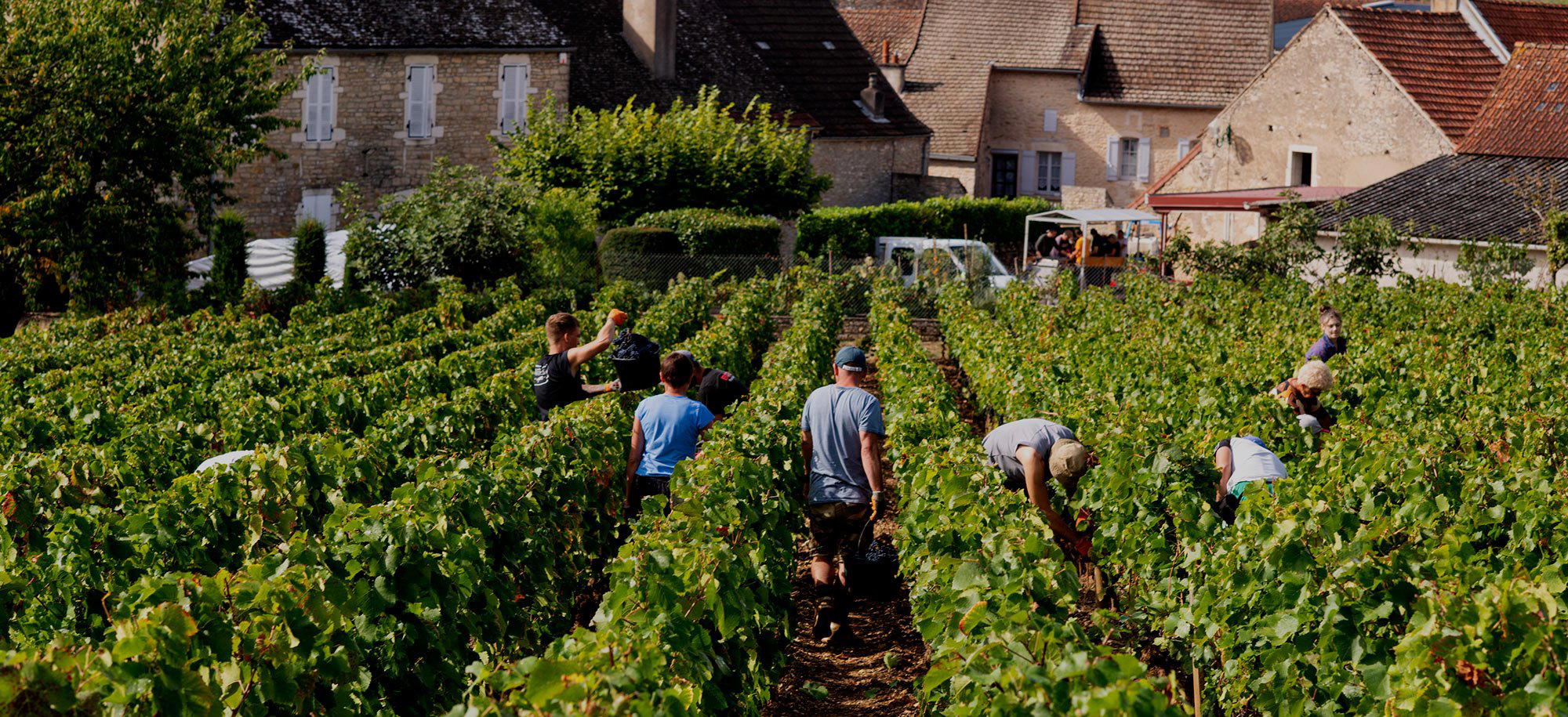
Organic farming also changes the tenor of the visit. In Burgundy, organic certification is not a lifestyle accessory; it affects labor, risk, and how growers talk about parcels in wet years, warm years, and disease pressure. At a domaine of this size, those decisions are not abstract. They connect directly to the small-production reality of Pommard, where a parcel’s slope, soil depth, and exposure can define both the wine and the commercial stakes of a vintage.
A cellar visit built around method rather than spectacle
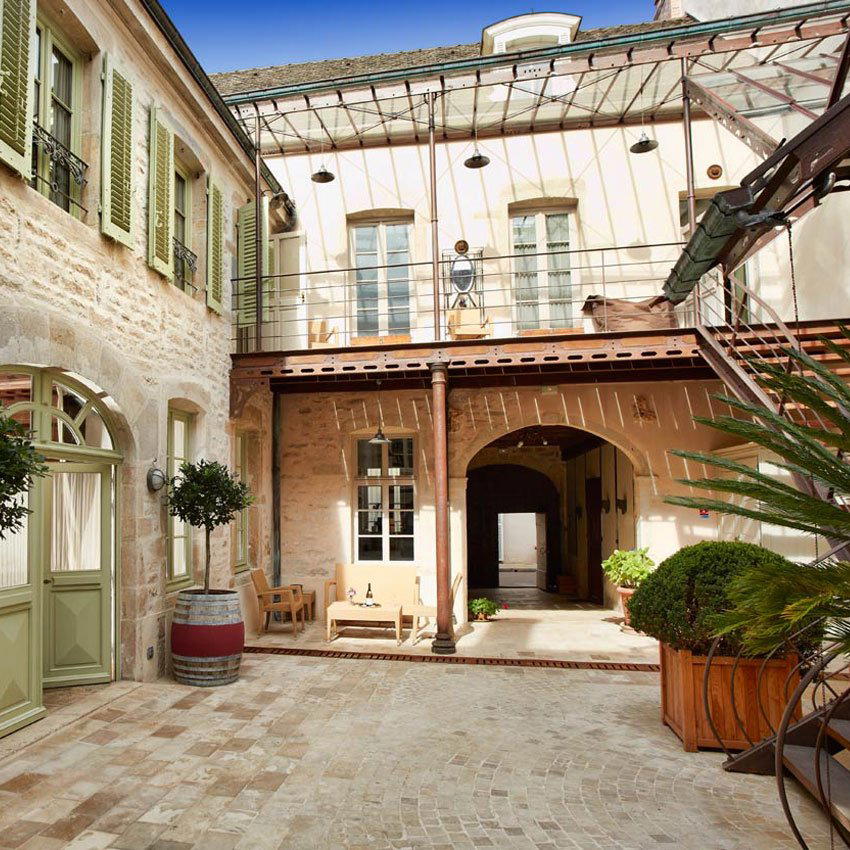
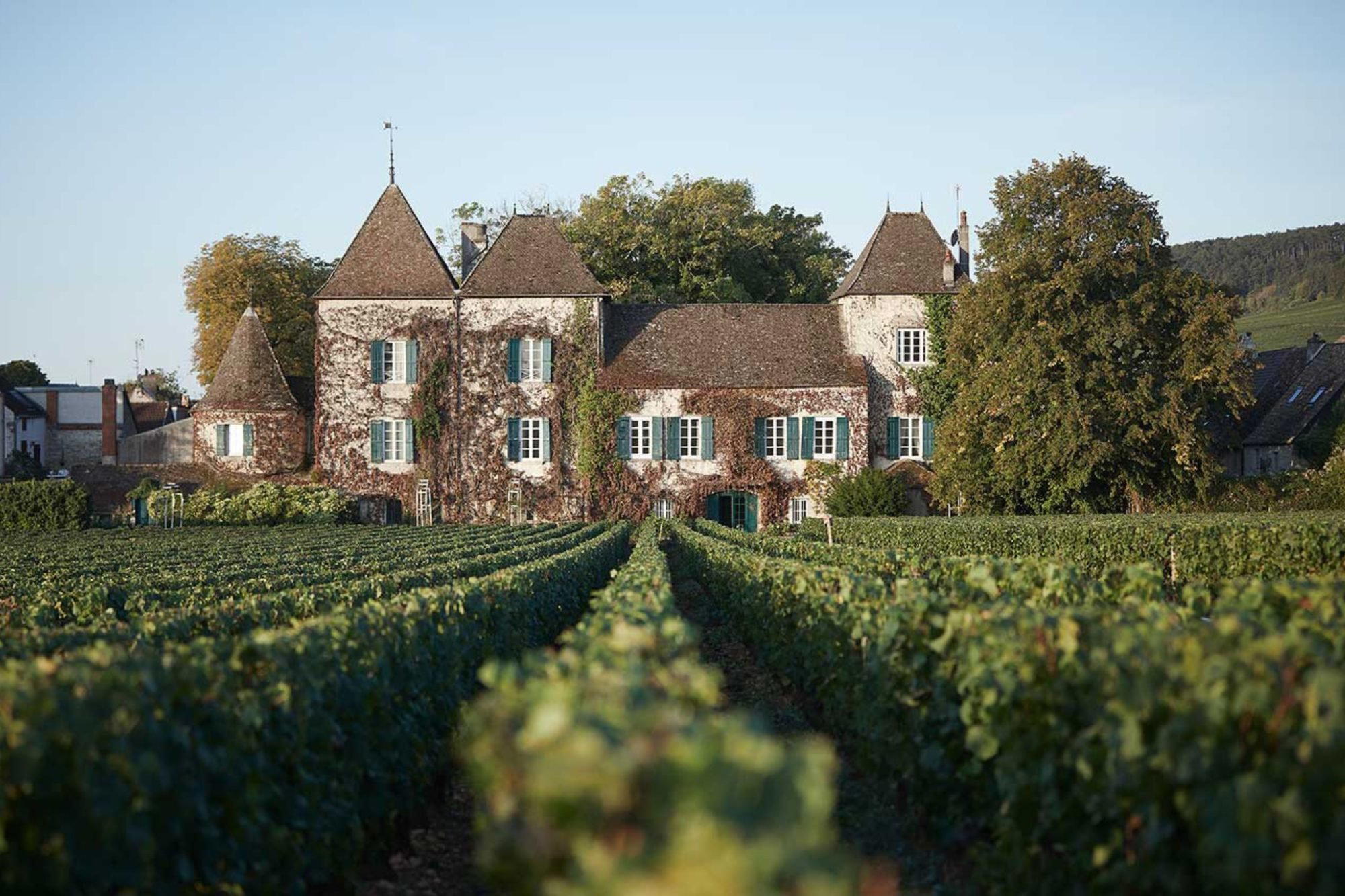
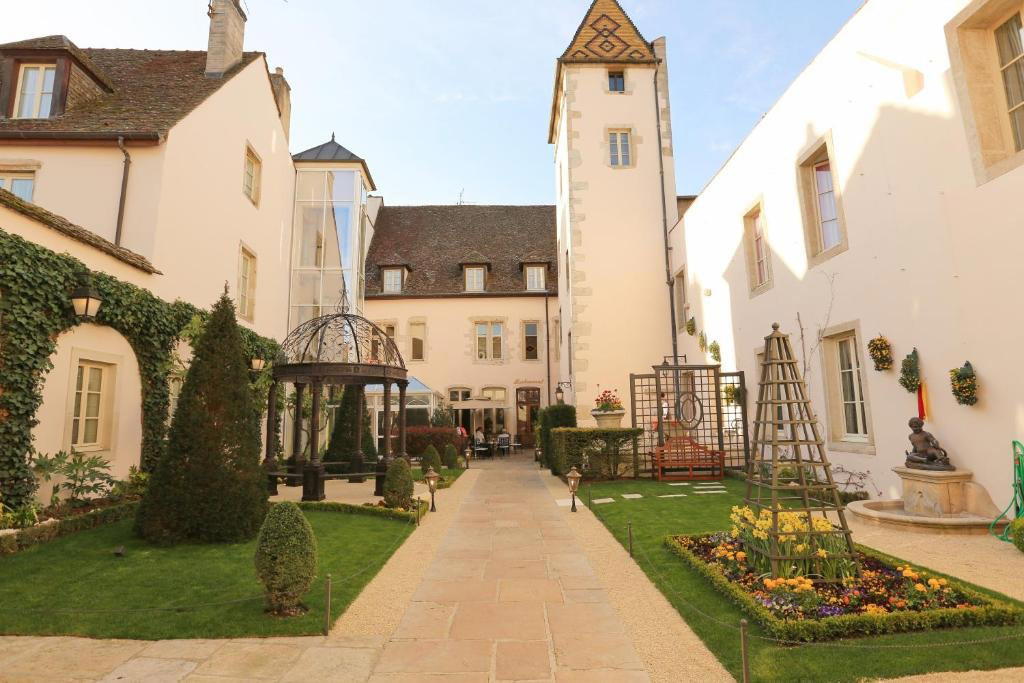
The experience is better understood as a working Burgundy visit than a resort-style wine appointment. The setting is described through historic winery buildings, traditional cellars, fermentation vats, and nearby vineyards, with tours and tastings that can include a standard tasting, estate tour and tasting, or vineyard visit plus tasting. The usual duration runs about 60 to 90 minutes, enough time to connect the village map to what is poured without turning the visit into a lecture hall.
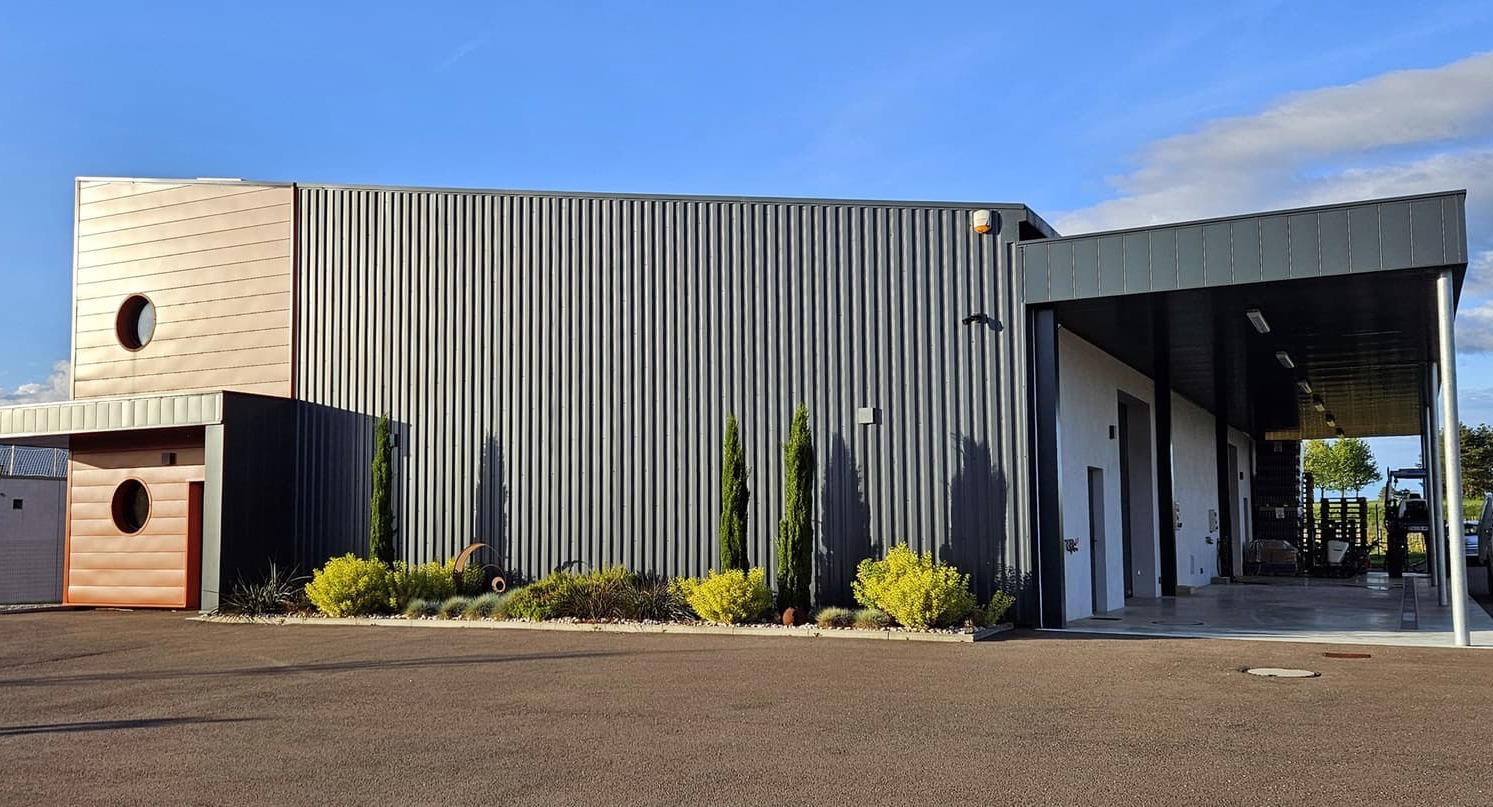
Louis de Belleroche manages the domaine, and his role is relevant chiefly because this is a continuity estate rather than a brand built around a celebrity winemaker. The cellar language remains grounded in traditional methods, with selective use of modern equipment where it serves the wine. Trade descriptions of the production sequence point to hand sorting when needed, whole-bunch vatting, semi-carbonic maceration, extended fermentation and maceration, oak aging, and bottling without fining or filtration when possible. The practical takeaway is clear: this is a producer for visitors who want to understand why Pommard can feel structured, age-oriented, and site-driven, not merely taste a lineup and leave with a postcard impression.
The domaine’s strongest recognition is institutional and specialist rather than trophy-led. It is listed by Burgundy’s official wine bodies as an organic Pommard grower, and Burgundy Report has described it as a domaine situated in and focused on the wines of Pommard. For a serious Burgundy traveler, that kind of signal has value. It places the estate inside the grower conversation, where appellation fidelity, vineyard holdings, and cellar method matter more than a medal wall.
Who should put it on a Pommard itinerary
The winery suits travelers who already know that Burgundy rewards specificity. First-timers can learn a great deal here if they arrive wanting a grounded explanation of Pommard, but the visit is especially useful for repeat Burgundy visitors comparing how domaines interpret village structure, premier cru identity, and whole-cluster tradition. The mood is conversational, the capacity tier is small, and reservations are recommended, so this is not the place to treat as a casual walk-in between larger appointments.
Planning around Pommard also helps. Wine-focused travelers can build a village day through the wider local map, using Our full Pommard wineries guide for context and pairing cellar time with dining, lodging, and evening options from Our full Pommard restaurants guide, Our full Pommard hotels guide, Our full Pommard bars guide, and Our full Pommard experiences guide. Nearby Pommard winery pages such as Château de Pommard, Domaine Anne-Françoise Gros, Domaine Comte Armand, Domaine de Courcel, and Domaine de La Commaraine broaden the planning frame without turning the day into a race through cellars.
Travelers extending the wine route beyond Burgundy can also map different regional formats through A. Margaine in Villers-Marmery, Abbaye de Fontfroide in Narbonne, Abbotts & Delaunay in Marseillette, »der Steiner« Hans Steiner in Podersdorf am See, and & Handwein in Mannheim. Against that broader European context, the winery reads as classic Burgundy: small scale, village gravity, organic farming, and a tasting format that puts terroir before performance.
Recognition history
Dated appearances from independent guides and award organizations, with the underlying list record or original source where available.
Falstaff Winery - Listed
Falstaff
Continue exploring
More in Pommard
Wineries in Pommard
Browse all →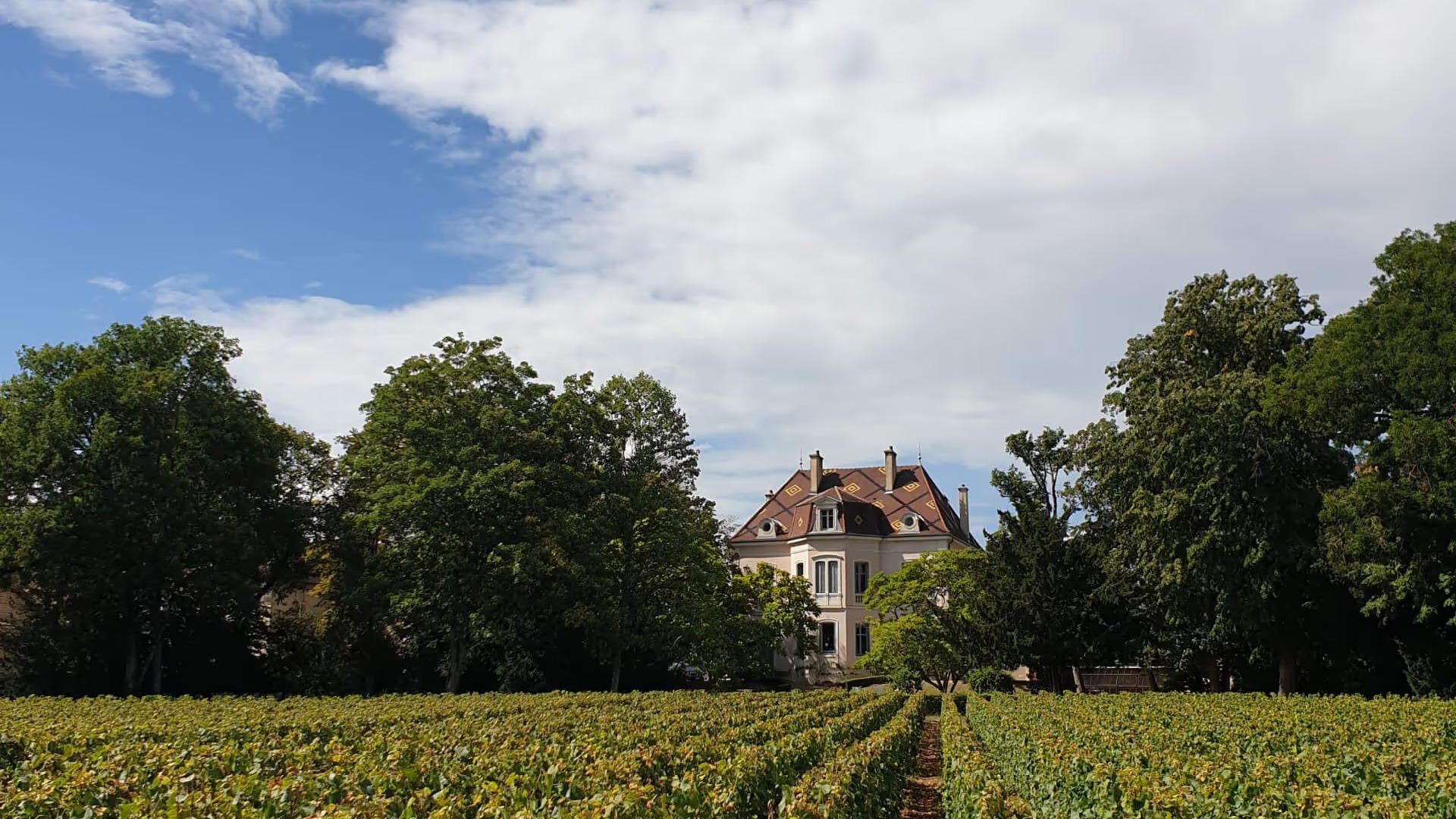
Bars in Pommard
Browse all →
Restaurants in Pommard
Browse all →
At a Glance
- Classic
- Rustic
- Cozy
- Elegant
- Wine Education
- Group Outing
- Romantic Getaway
- Solo Exploration
- Special Occasion
- Vineyard Tour
- Historic Building
- Estate Grounds
- Private Tasting
- Organic
- Sustainable
- Vineyard
- Street Scene
- Pommard Aoc, Côte De Beaune, Bourgogne
- Pinot Noir
- Aligoté
- Still Red
- Still White
- Standard Tasting
- Estate Tour And Tasting
- Vineyard Visit Plus Tasting
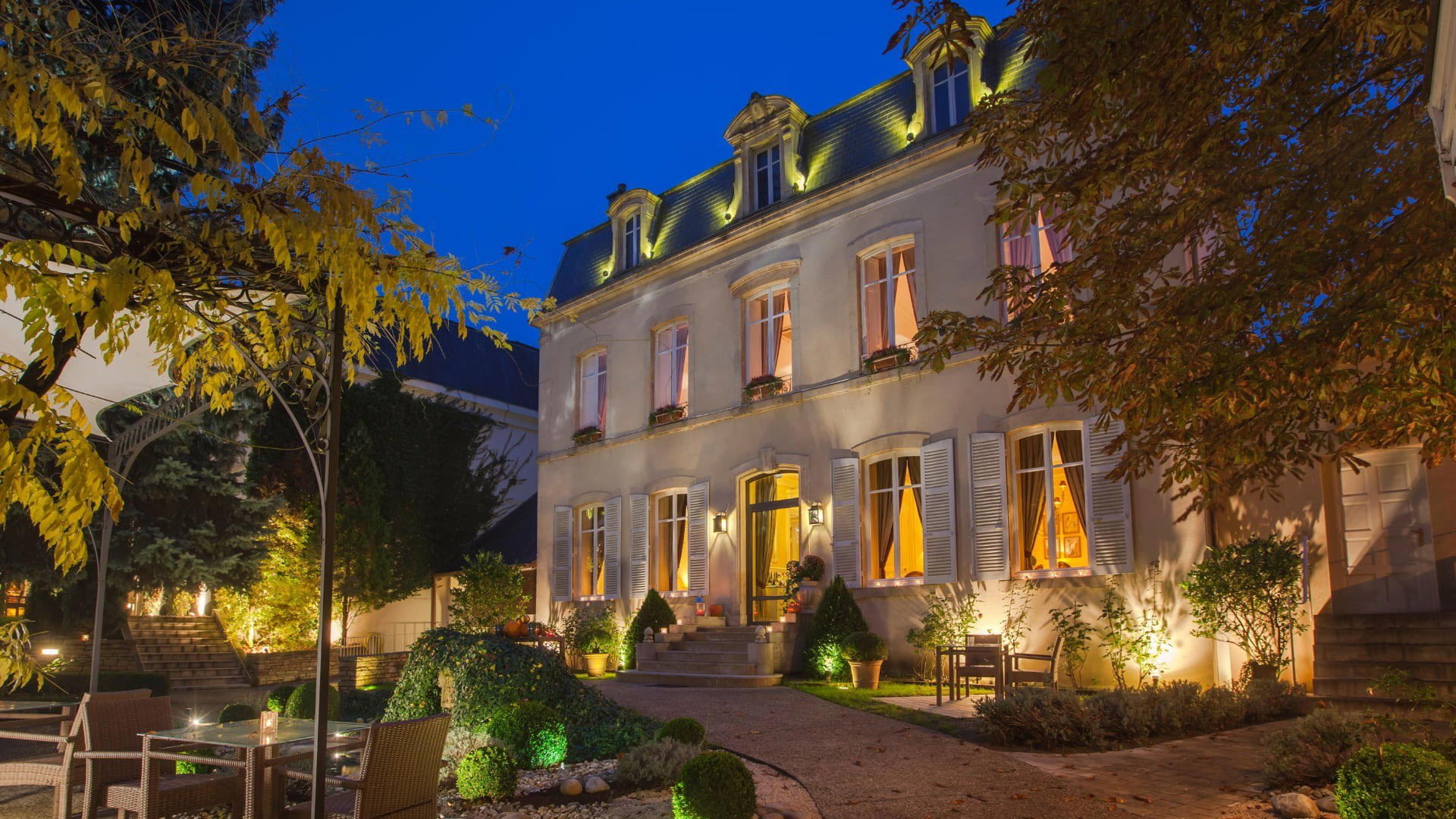
Historic Burgundian village winery housed in old confrérie buildings on Pommard’s church square, offering intimate cellar and vineyard visits with a traditional, hands-on winemaking feel and down‑to‑earth, educational tastings focused on terroir and organic farming.