
Domaine Jobard François et Antoine belongs to the production-led side of Meursault: small scale, white-wine focus, and a reputation built more through cellars and allocations than visitor theatre. Its 6 hectares are given over to Chardonnay, with 95% in Meursault AOC and a small Puligny-Montrachet component, making it a serious reference point for drinkers who care about soil, ageing, and restraint.
Pearl is the En Primeur Club membership app — saves, bookings, and concierge access live there. Same editors, same standards.
- Address
- Meursault, Cote de Beaune, Bourgogne-Franche-Comté, Frankreich
 Saves & bookings on Pearl
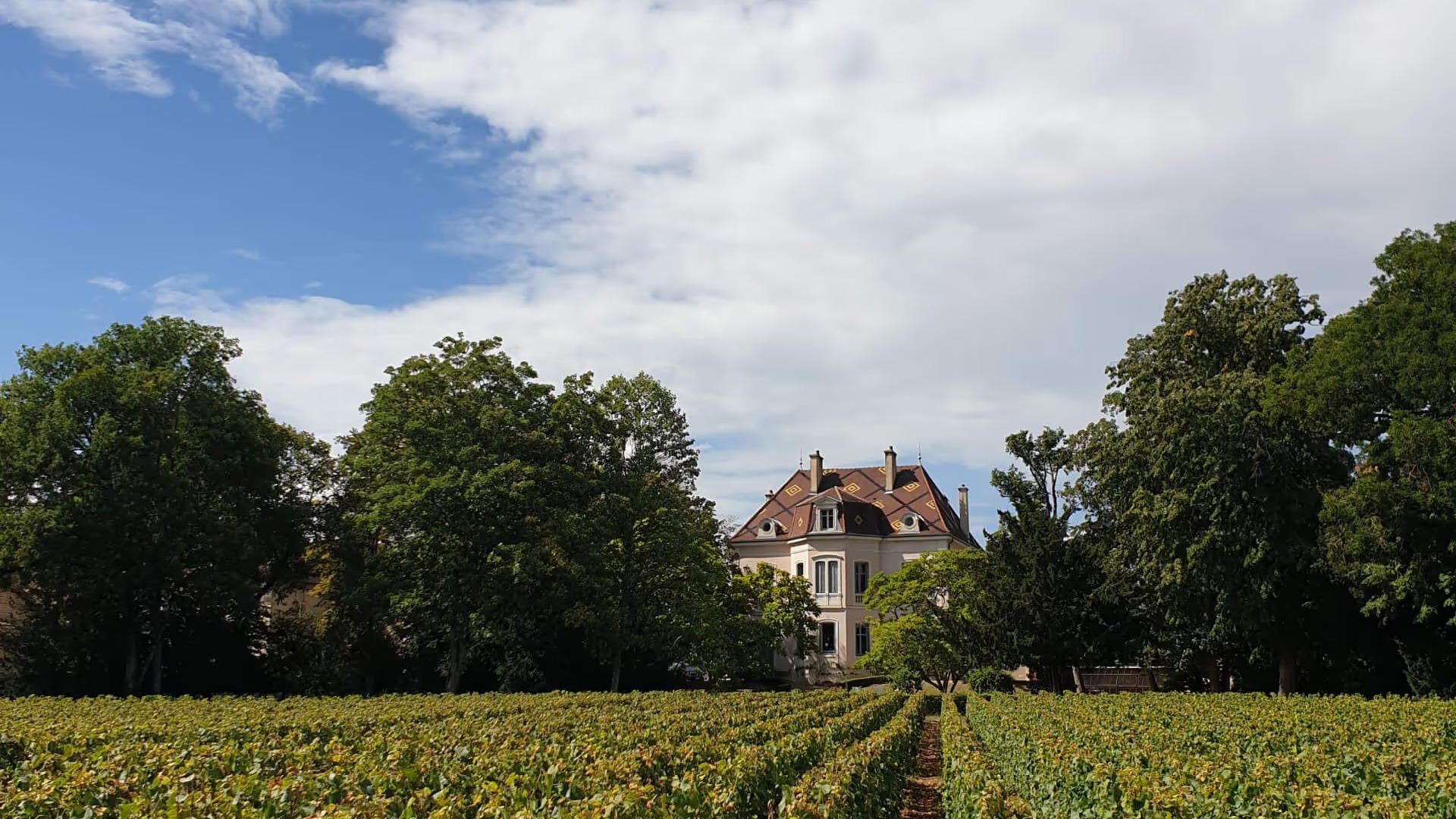
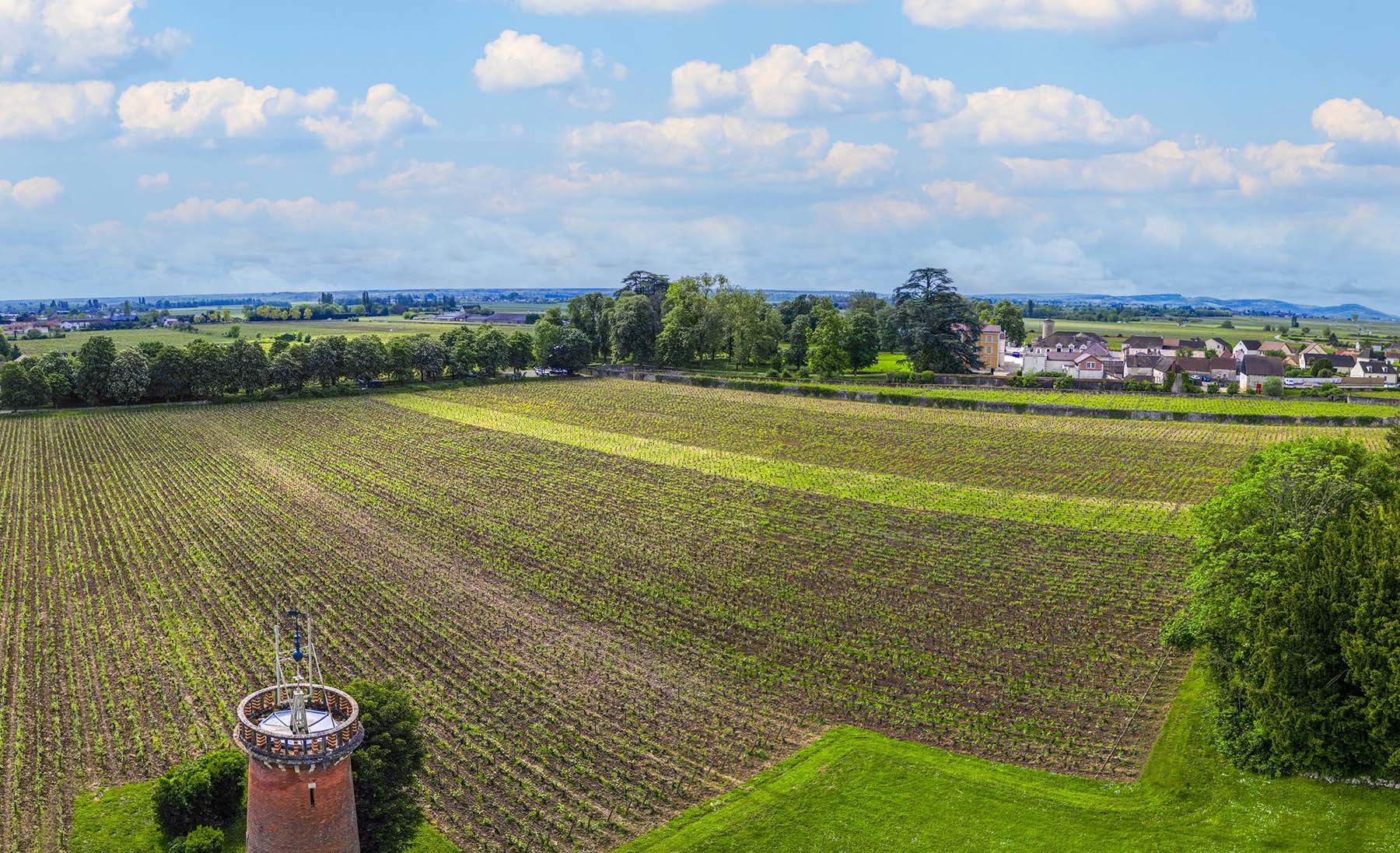
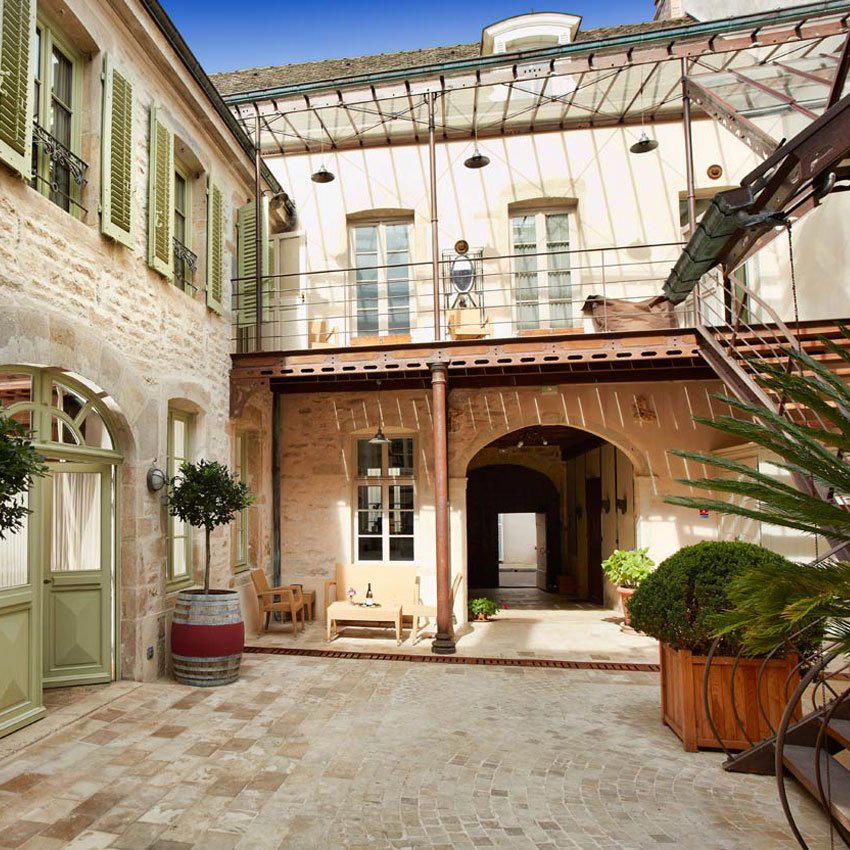
Meursault does not announce itself with grand entrances so much as with stone walls, cellar doors, and the quiet pressure of vineyard names. In that setting, some serious domaines are deliberately low-profile: the work is understood to happen in the cellar rather than through staged hospitality. Domaine Jobard François et Antoine fits that traditional Burgundy-grower model, where the village is not just a backdrop but the essential context. It is the kind of address that reads through restraint rather than spectacle, and that makes the surrounding village atmosphere especially important. The sense is not of a venue trying to explain itself loudly, but of a producer whose identity is carried by place, continuity, and the sober rhythm of cellar work.
A traditional Burgundy grower in Meursault
A reliable way to frame Domaine Jobard François et Antoine is as a quiet, classic domaine Meursault. Information points to a producer focused on cellar work rather than visitor-facing hospitality, with a serious and restrained atmosphere rather than a polished public-facing experience. That distinction is useful because Burgundy can be misunderstood when judged by the standards of regions built around open-door tasting rooms and highly visible tourism.
That low-profile character matters for expectations. This is not a venue to describe through claims about formats, parcel lists, production figures, founding dates, or visitor services. The grounded picture is simpler: a traditional Meursault grower, operating with the understated feel associated with allocation-driven Burgundy domaines. In practical terms, the absence of a showy public narrative should not be read as a lack of significance; in this part of Burgundy, discretion is often part of the language of seriousness.
For EP Club readers, the key is to treat the domaine as part of Meursault’s serious wine landscape rather than as a casual sightseeing stop. The available details support a portrait of discretion, cellar focus, and a quiet, rustic tone. It belongs in the mental map of the village as a reference point for traditional grower culture, where the emphasis remains on the wines and the work behind them, not on creating a broad hospitality performance.
A premium, allocation-minded address
The price signal is listed as $$$, placing Domaine Jobard François et Antoine in a premium tier. Beyond that, specific bottle prices, production volumes, scores, awards, vineyard details, or tasting formats should not be assumed unless confirmed directly through current sources. The safest reading is therefore qualitative rather than numerical: this is a serious address, and any planning around it should avoid relying on unverified assumptions.
The domaine’s appeal is its traditional Burgundy identity: low-profile, serious, and rooted in Meursault. That makes it better suited to readers who understand that some of the region’s most important names may not operate like conventional hospitality venues. The attraction is not convenience or theatrical access, but the sense of a working domaine embedded in a village where reputation often circulates through allocation, familiarity, and long attention rather than broad public visibility.
For wider Meursault context, the village rewards looking across producers and dining options generally rather than treating any single cellar as the whole story. The winery should be understood on its own terms: quiet, classic, and focused on the work of the domaine. That framing helps avoid overloading the address with expectations it does not need to meet, while still acknowledging why a restrained, premium grower can matter within the broader Meursault landscape.
How to place it within a Meursault itinerary
The winery is better understood as a wine reference than a casual sightseeing stop. The atmosphere is quiet, traditional, and production-led, matching a Burgundian pattern in which access can be shaped by relationships, allocation, and timing. That distinction matters for travellers: Meursault offers hospitality, but many serious addresses operate first as working domaines. A thoughtful itinerary should therefore leave room for uncertainty and avoid treating every important wine name as an automatically visitable attraction.
Use the estate as a lens on the village’s traditional grower culture rather than as a guaranteed tasting-room outing. The useful questions are broad and practical: whether visits are possible, how access is arranged, and how the domaine’s current availability should be handled. Those details should be confirmed directly before planning around them. If the purpose of a Meursault stay is to understand the village, this kind of address still has value even when approached with restraint, because it reinforces how much of Burgundy’s identity sits behind unassuming doors.
For planning around the village, start with Our full Meursault wineries guide, then build the rest of the stay through Our full Meursault restaurants guide, Our full Meursault hotels guide, Our full Meursault bars guide, and Our full Meursault experiences guide. Readers extending the wine route beyond Burgundy can also use broader regional guides for additional cellar context. In that wider planning frame, the winery works best as a marker of Meursault’s serious, traditional side: discreet, premium, and most clearly understood through the village culture around it.
Recognition history
Dated appearances from independent guides and award organizations, with the underlying list record or original source where available.
Falstaff Winery - Listed
Falstaff
Continue exploring
More in Meursault
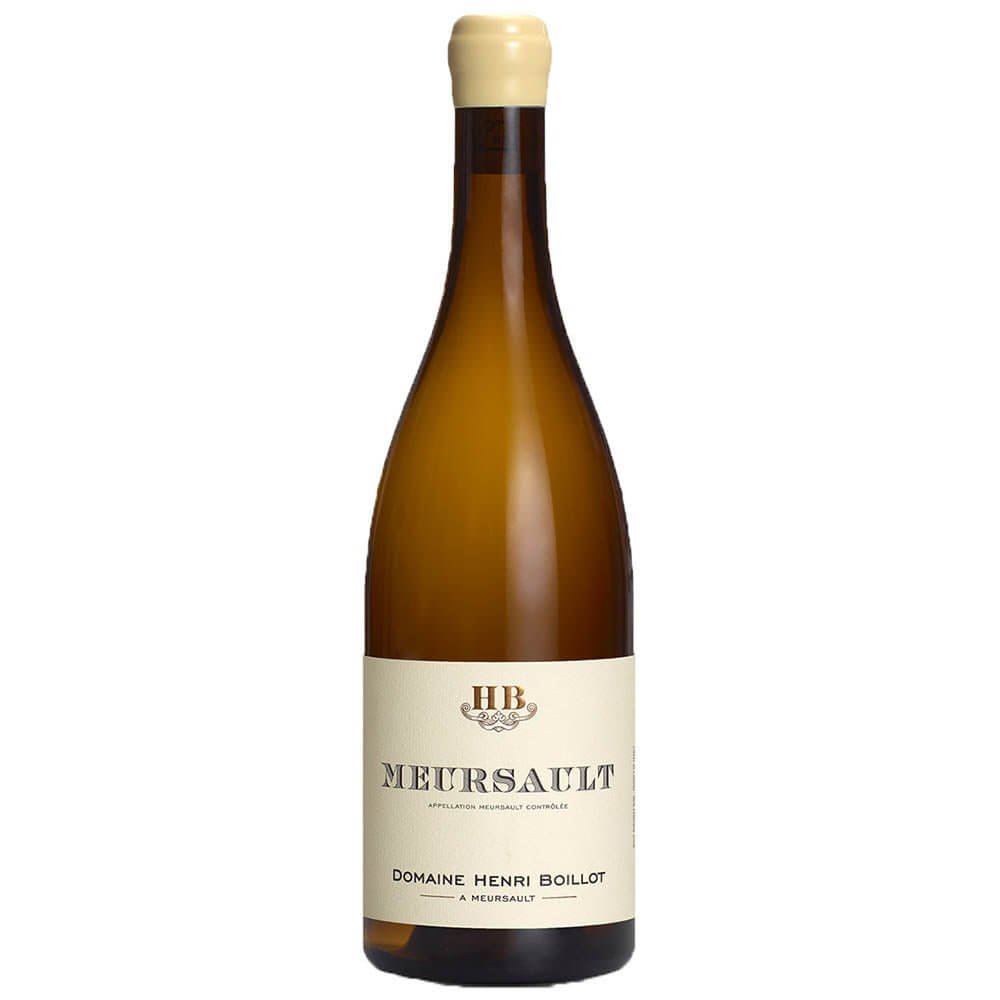
Wineries in Meursault
Browse all →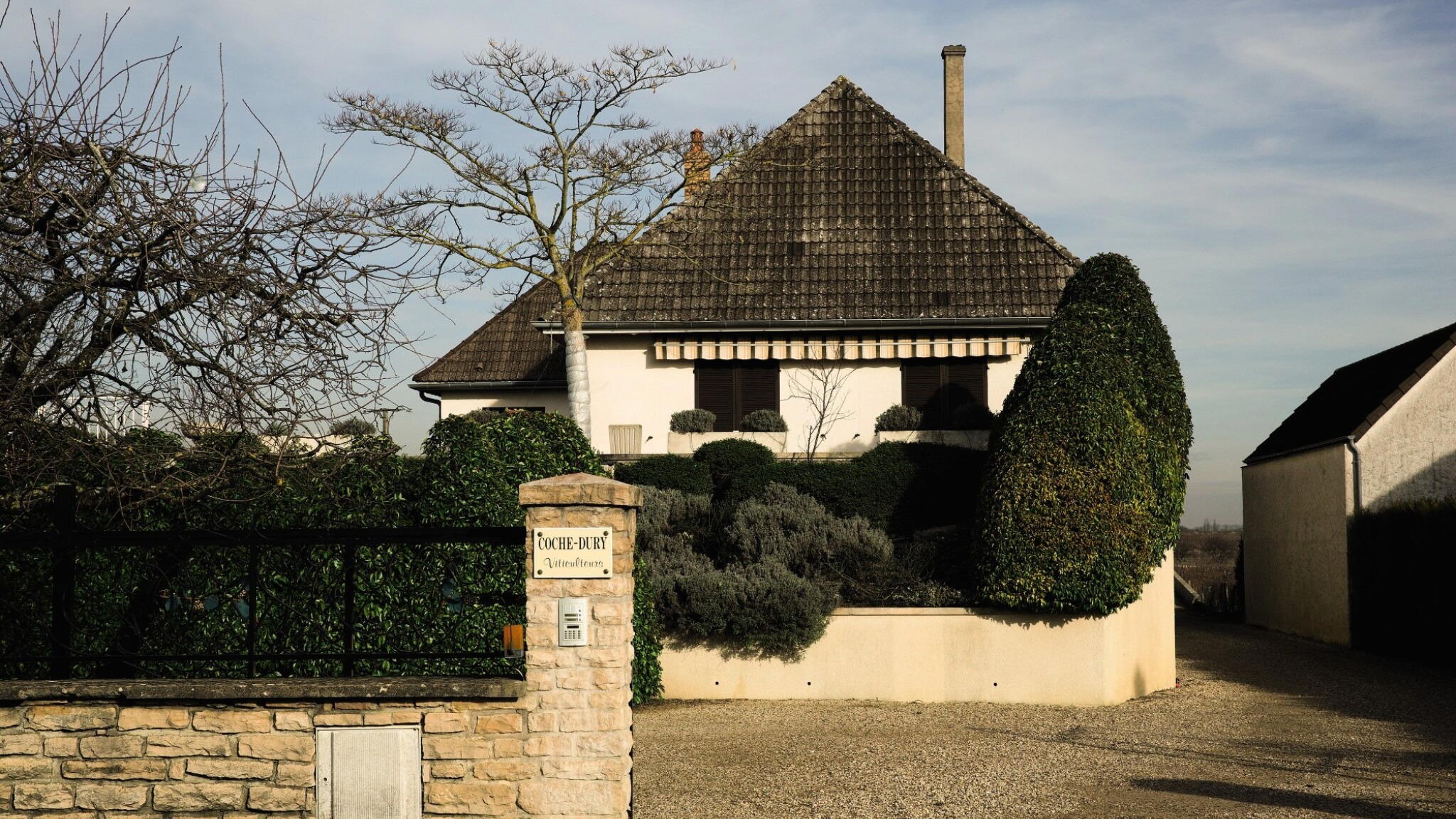
Restaurants in Meursault
Browse all →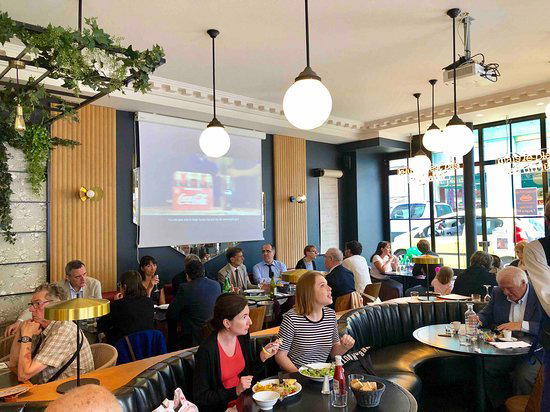
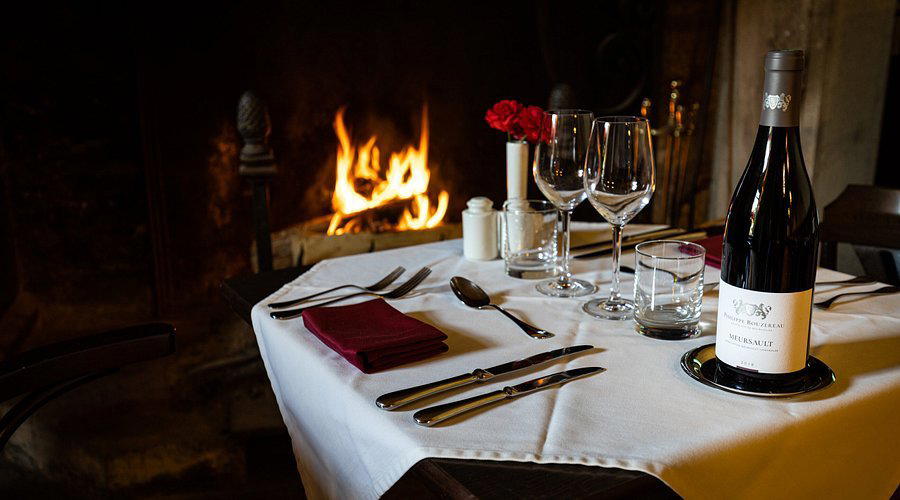
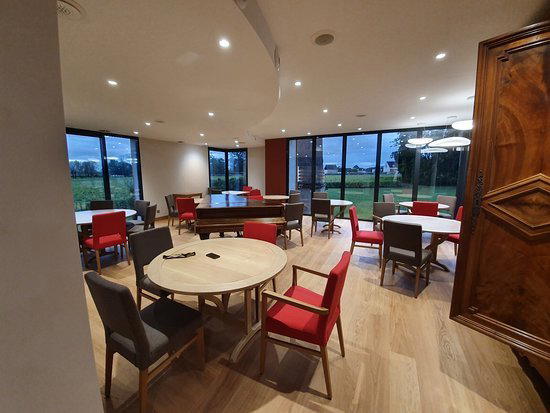

Hotels in Meursault
Browse all →
At a Glance
- Quiet
- Classic
- Rustic
- Scenic
- Intimate
- Wine Education
- Solo Exploration
- Group Outing
- Special Occasion
- Romantic Getaway
- Private Tasting
- Estate Grounds
- Historic Building
- Vineyard
- Meursault AOC
- Chardonnay
- Still White
- Appointment Only Cellar Tasting
- Trade/collector Focused Visits
A traditional, low-profile Burgundy grower in the heart of Meursault, focused on cellar work rather than visitor-facing hospitality, with a quiet, serious atmosphere typical of an allocation-driven domaine.