Domaine Frédéric Magnien

Domaine Frédéric Magnien sits in the Côte de Nuits conversation as a small-scale Morey-Saint-Denis house shaped by biodynamic practice, micro-négoce sourcing, and a clear preference for site expression over cellar gloss. Founded in 1995, it focuses on Pinot Noir and Chardonnay across Premier and Grand Cru territory, with appointment tastings that suit visitors who want Burgundy explained through soil, parcel, and élevage rather than spectacle.
Pearl is the En Primeur Club membership app — saves, bookings, and concierge access live there. Same editors, same standards.
- Address
- Morey Saint Denis, Cote de Nuits, Bourgogne-Franche-Comté, Frankreich
 Saves & bookings on Pearl
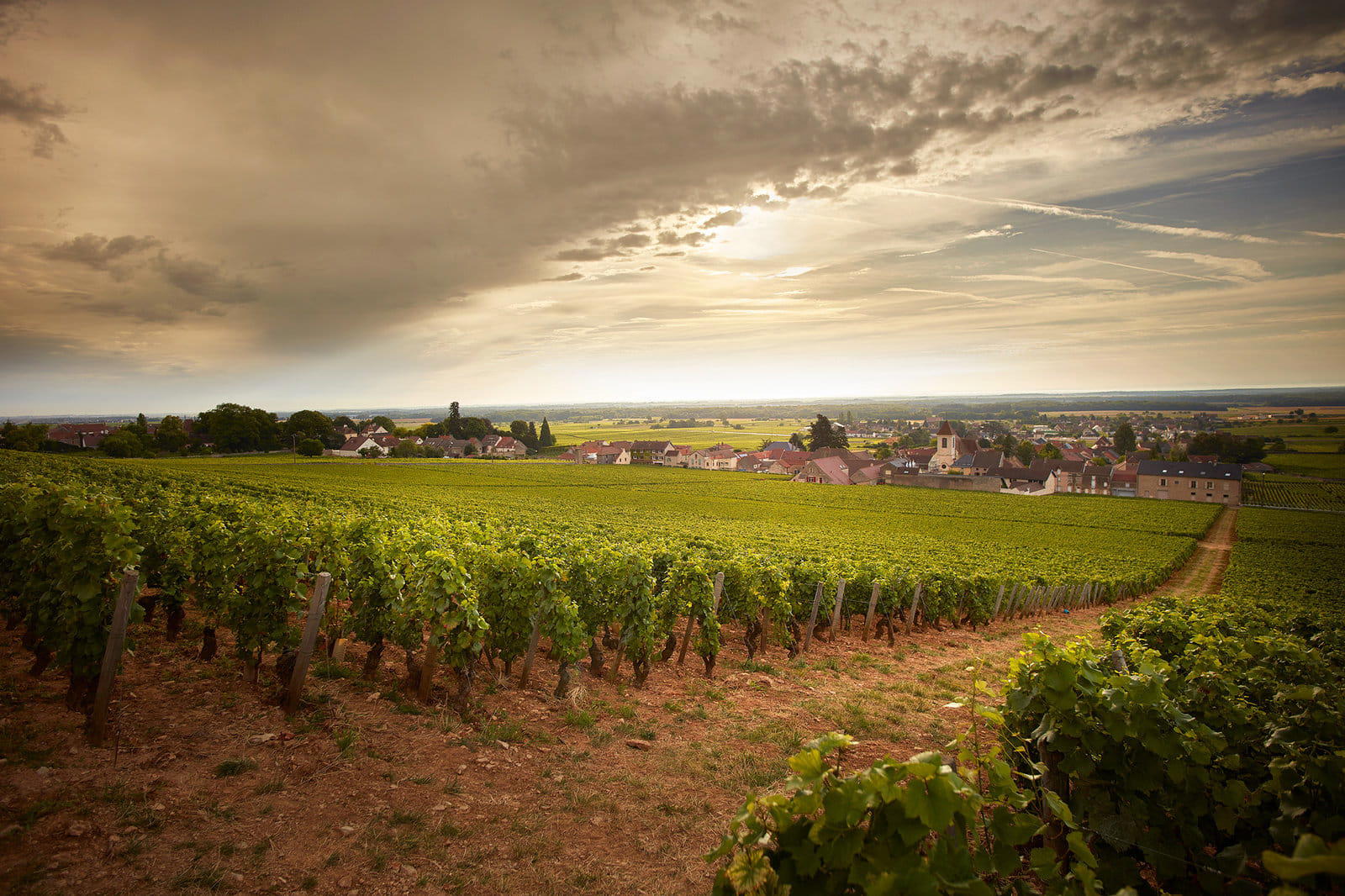
Morey-Saint-Denis does not announce itself with grandeur. The village works at a lower volume: stone walls, cellar doors, compact lanes, and a sense that the serious business happens below ground and just beyond the houses, where climats carry more weight than labels. In that setting, Domaine Frédéric Magnien fits the quieter Côte de Nuits register: small-scale, cellar-led, and focused on how Pinot Noir changes when the slope, marl, wind exposure, and vine age shift by a few rows.
The estate belongs to a Burgundy category that matters more than casual drinkers often realize. It is a micro-négoce founded in 1995, not a conventional domaine built only around owned parcels. That distinction is not a footnote. In Burgundy, where vineyard ownership is fragmented and famous sites are divided into thin strips, the skill of sourcing and farming relationships can be as consequential as the cellar address. Magnien’s model works through partner parcels, organic and biodynamic methods, hand harvest, indigenous yeasts, and élevage designed to keep the site audible rather than bury it in new oak.
Morey-Saint-Denis read through parcel, marl, and restraint
The central argument here is terroir expression, not varietal branding. Pinot Noir is the dominant language, with Chardonnay also present, but the more useful lens is appellation and climat. Morey-Saint-Denis sits between the muscular reputation of Gevrey-Chambertin and the perfume associated with Chambolle-Musigny, yet its own identity is less easily reduced. The wines can carry structure, earth, dark fruit, and fine-boned aromatics without needing to imitate either neighbor.
Magnien’s range leans into that specificity. Village Morey-Saint-Denis is drawn from named climats including Clos Solon, Chenevery, Les Crais, and Les Cognées, an approach that treats village wine as a composite of local geology rather than a generic entry point. At Premier Cru level, Ruchots carries particular weight. The site sits below Clos de Tart and near Bonnes-Mares, with clay-limestone soils, white marls, iron oxides, and fissured rock. A small valley exposure brings cooling northern winds, prolonging ripening and helping preserve freshness. That is the kind of detail that separates Burgundy literacy from label collecting.
The house also makes Morey-Saint-Denis “Les Larrets” Blanc, a white from a village more closely associated with red wine. Its blend of 50% Chardonnay, 25% Pinot Beurrot, and 25% Pinot Blanc gives the bottling a useful place in a tasting: it shows that Morey’s identity is not only a Pinot Noir story, even if Pinot remains the main event.
Biodynamics without theatricality
Burgundy has absorbed biodynamics in different ways: as farming discipline, as cellar calendar, as commercial signal, and sometimes as costume. Magnien’s version is more technical than decorative. Vinification stages have been timed to lunar cycles since 1996, and biodynamic methods were adopted around 2010. The practical frame is clear: organic and biodynamic work in partner vineyards, hand-harvested fruit, indigenous yeast fermentations, and wines bottled unfined and unfiltered.
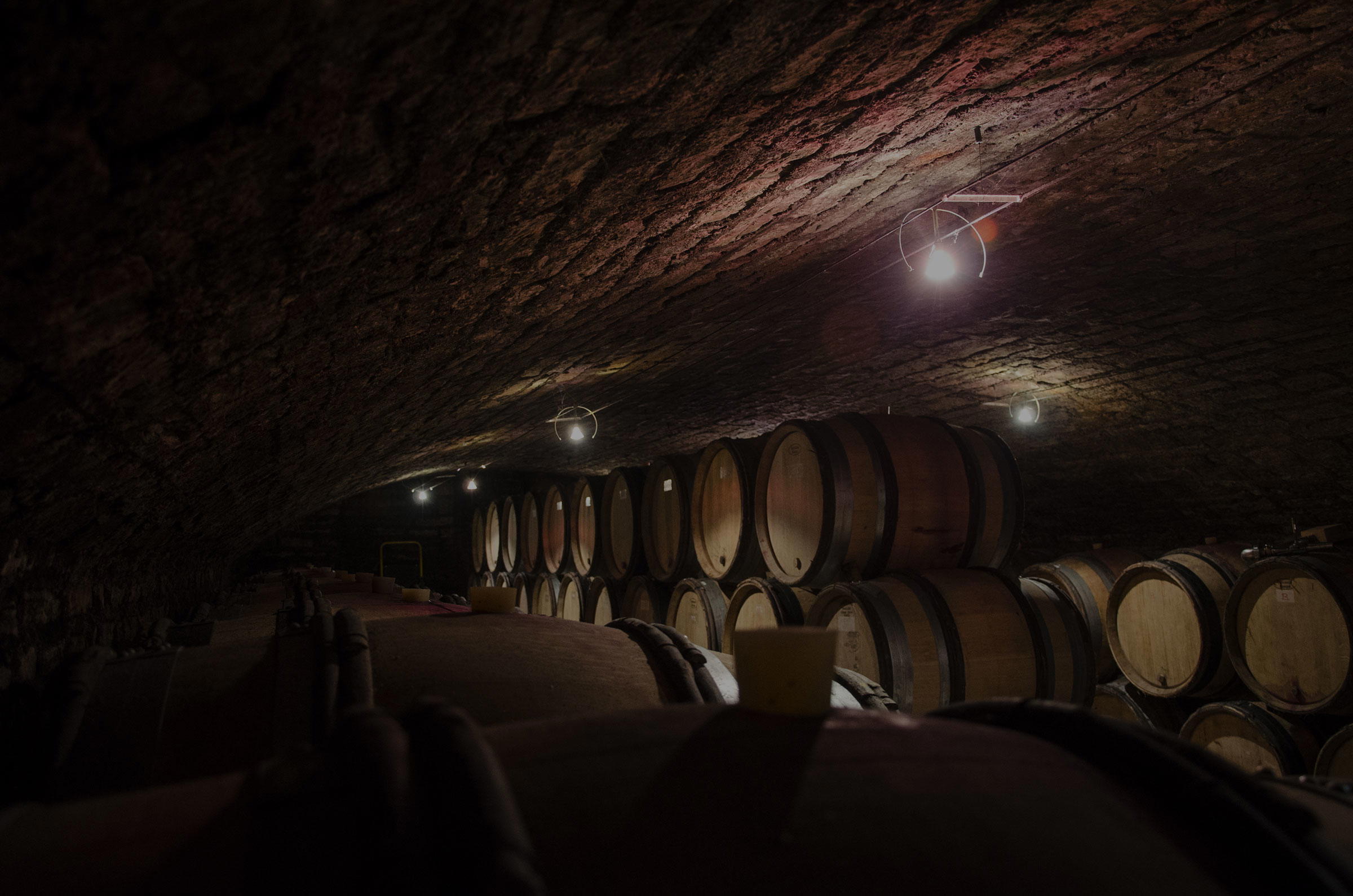
The cellar choices reinforce the same point. Older French oak barrels appear alongside clay amphora and clay eggs, particularly for higher-end cuvées. The lower reliance on new oak places the emphasis on texture, fruit clarity, and soil impression rather than barrel sweetness. In a region where oak can easily become a shortcut to polish, this is a meaningful stylistic decision. The wines are positioned for drinkers who want Burgundy’s hierarchy to show through the glass, not for those seeking a broad, international Pinot Noir profile.
Frédéric Magnien’s family context adds credibility without needing to become the whole story. He is the fifth generation of the Magnien winegrowing family in Morey-Saint-Denis and founded the house under his own name in 1995 after working within the local family tradition. That background matters because Burgundy is an apprenticeship culture: knowledge is transmitted through pruning, picking dates, barrels, and repeated contact with the same slopes. The more interesting editorial point, however, is the way a négociant structure can function with domaine-like control when the farming relationship is close enough.
Recognition has followed the Premier Cru work in particular. Le Figaro – Avis Vin lists the Morey-Saint-Denis 1er Cru Ruchots as a red Pinot Noir Burgundy with an average score of 89/100, and notes the house’s reputation for Morey-Saint-Denis Premier Crus. Scores are never the full story in Burgundy, but they do confirm that this is not a purely local curiosity. The better signal is consistency of intent: parcel detail, modest oak impact, and a repeated focus on Morey as a source of serious, structured Pinot Noir.
How to place it in a Morey-Saint-Denis wine day
A tasting here suits travelers who already understand that Burgundy rewards precision. The format is guided and appointment-based, with English and French listed for visits, and the mood is quiet rather than performative. This is a cellar-and-conversation stop for people who want to ask why Ruchots behaves differently from village-level Morey, why clay vessels matter, and how biodynamic timing enters cellar work.
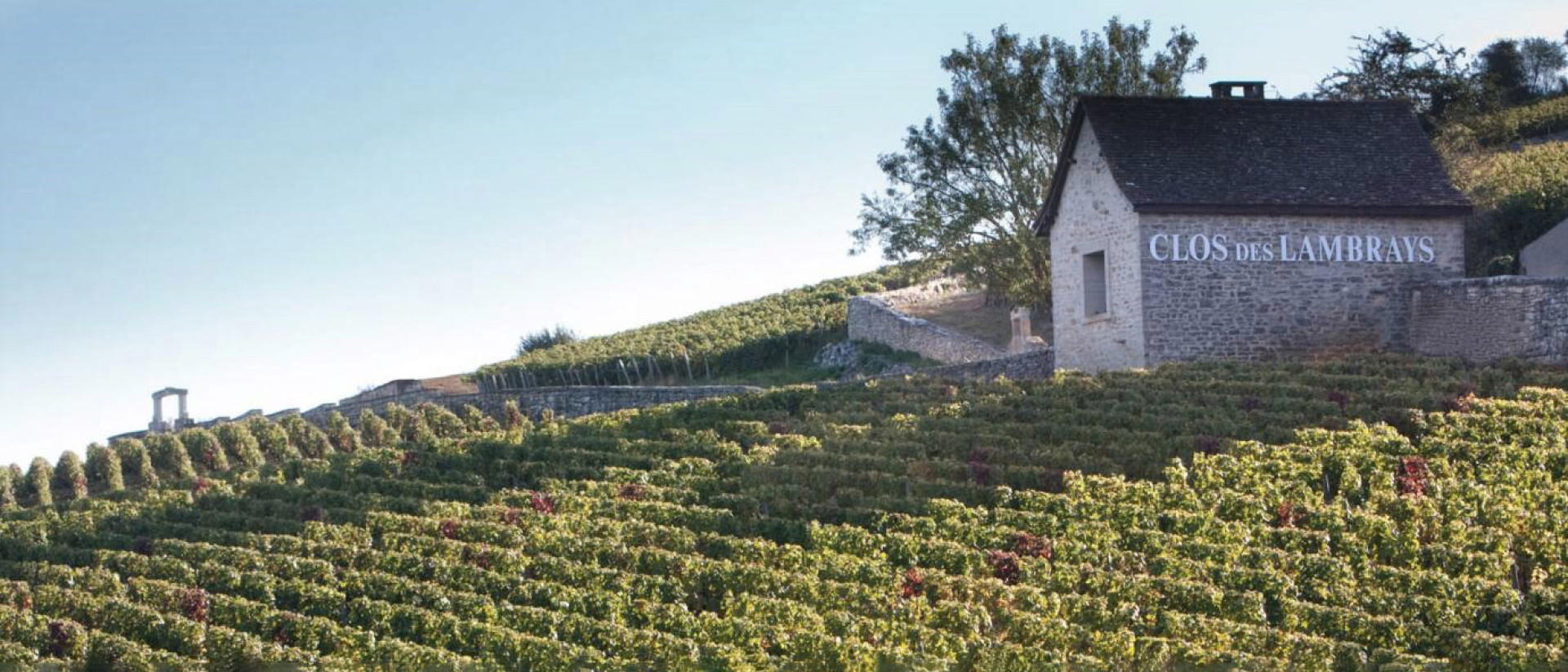
Within Morey-Saint-Denis, it pairs naturally with a broader day spent studying the village through its wineries rather than racing across appellations. For nearby context, readers can map it alongside Clos des Lambrays, Domaine Alain Jeanniard, Domaine Arlaud, Domaine des Lambrays, and Domaine du Clos de Tart. Use the village guides for the rest of the day: Our full Morey-Saint-Denis wineries guide, Our full Morey-Saint-Denis restaurants guide, Our full Morey-Saint-Denis hotels guide, Our full Morey-Saint-Denis bars guide, and Our full Morey-Saint-Denis experiences guide.
For readers building a wider France-and-Europe wine itinerary, contrast this Côte de Nuits precision with Champagne at A. Margaine in Villers-Marmery, southern French history at Abbaye de Fontfroide in Narbonne, Languedoc négociant scale at Abbotts & Delaunay in Marseillette, Austrian lake-country wine at »der Steiner« Hans Steiner in Podersdorf am See, and urban German wine culture at & Handwein in Mannheim. Magnien’s appeal is narrower and more Burgundian: it is for visitors who want the village, the parcel, and the farming choices to do the talking.
Recognition history
Dated appearances from independent guides and award organizations, with the underlying list record or original source where available.
Falstaff Winery - Listed
Falstaff
Continue exploring
More in Morey-Saint-Denis
Wineries in Morey-Saint-Denis
Browse all →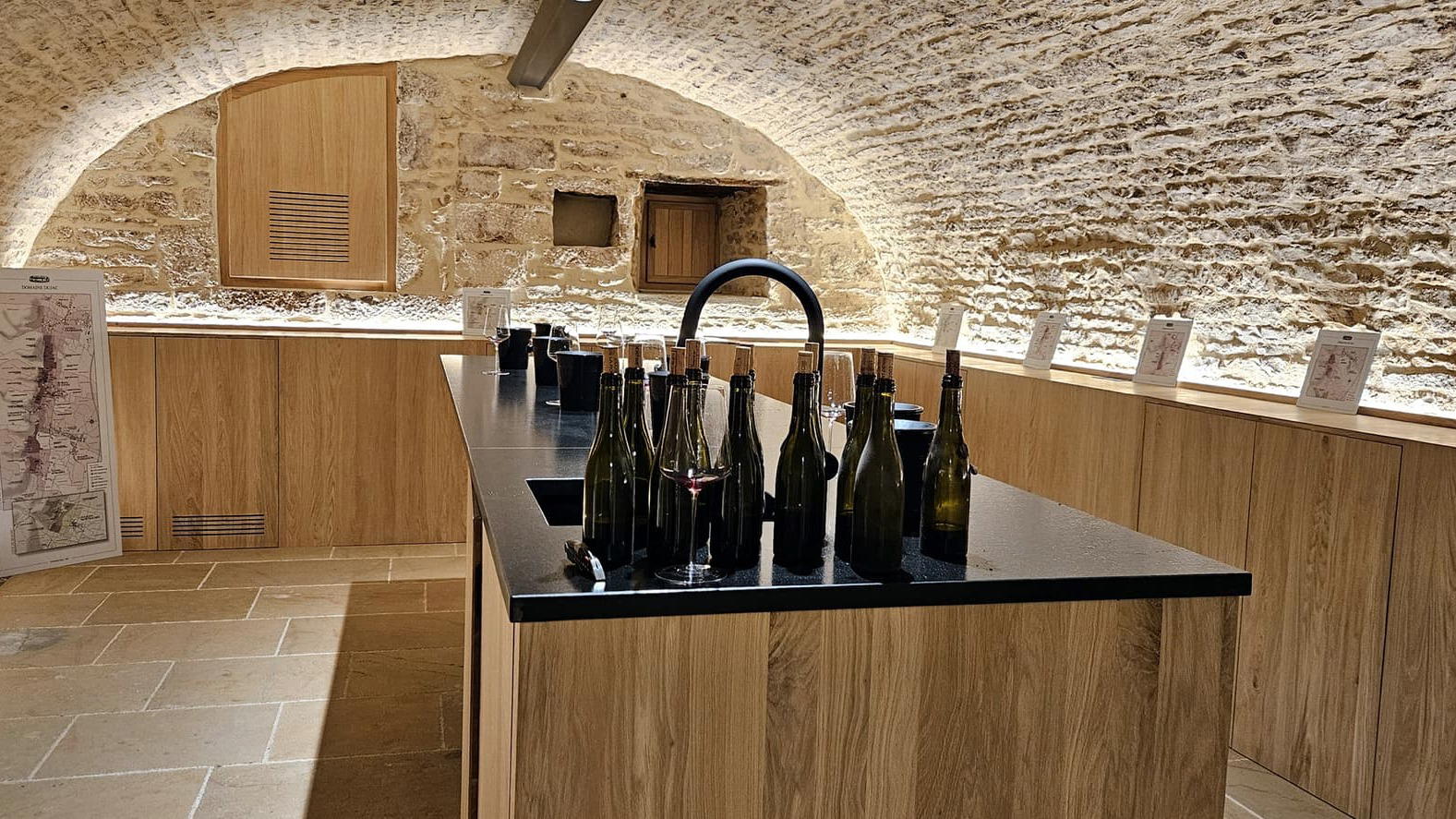
Restaurants in Morey-Saint-Denis
Browse all →
At a Glance
- Quiet
- Classic
- Sophisticated
- Intimate
- Wine Education
- Special Occasion
- Solo Exploration
- Cave Tasting
- Private Tasting
- Historic Building
- Biodynamic
- Morey Saint Denis 1er Cru
- Pinot Noir
- Chardonnay
- Still Red
- Guided Tasting
- Appointment Tasting
A biodynamic Burgundy estate presenting a terroir-driven, polished style with an emphasis on purity and clear expression of Premier and Grand Cru sites.