
Falstaff Winery - Listed
Domaine Alain Geoffroy is a family-run Chablis estate in Beine, shaped by five generations of vineyard work and a cellar culture built around terroir rather than spectacle. Its appeal lies in Kimmeridgian-grown Chardonnay, estate bottling, a rustic tasting cellar, and a corkscrew and vineyard museum with more than 8,000 objects.

Pearl is the En Primeur Club membership app — saves, bookings, and concierge access live there. Same editors, same standards.
- Address
- Beine, chablis, Bourgogne-Franche-Comté, Frankreich
- Directions
- Get directions
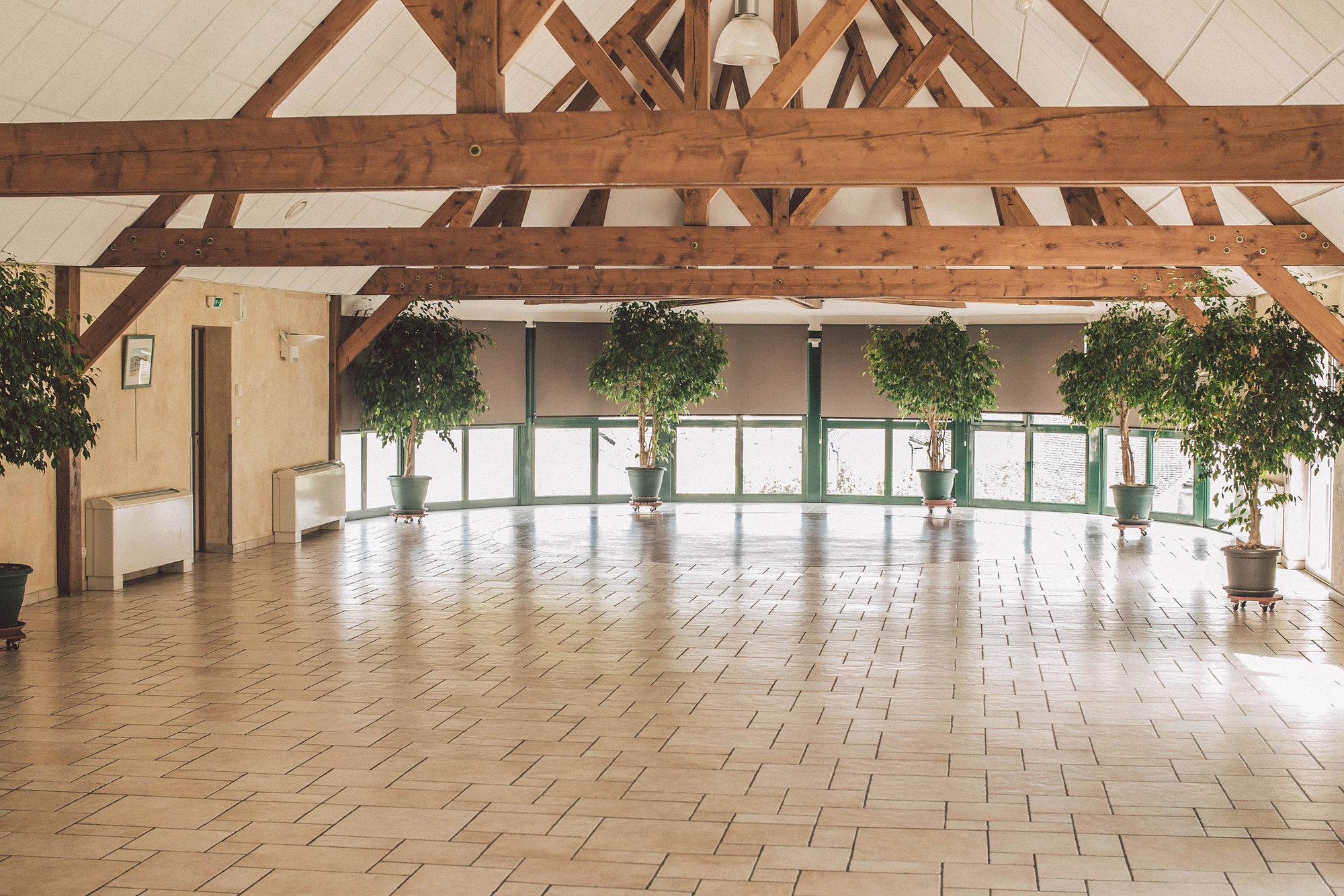
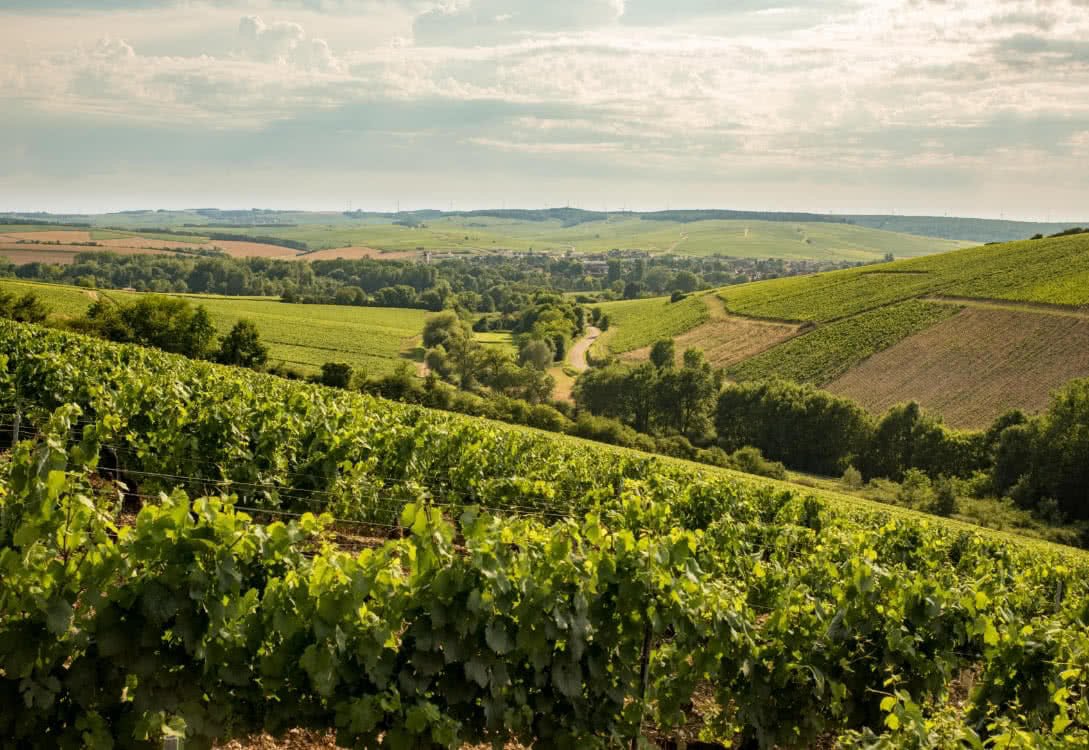
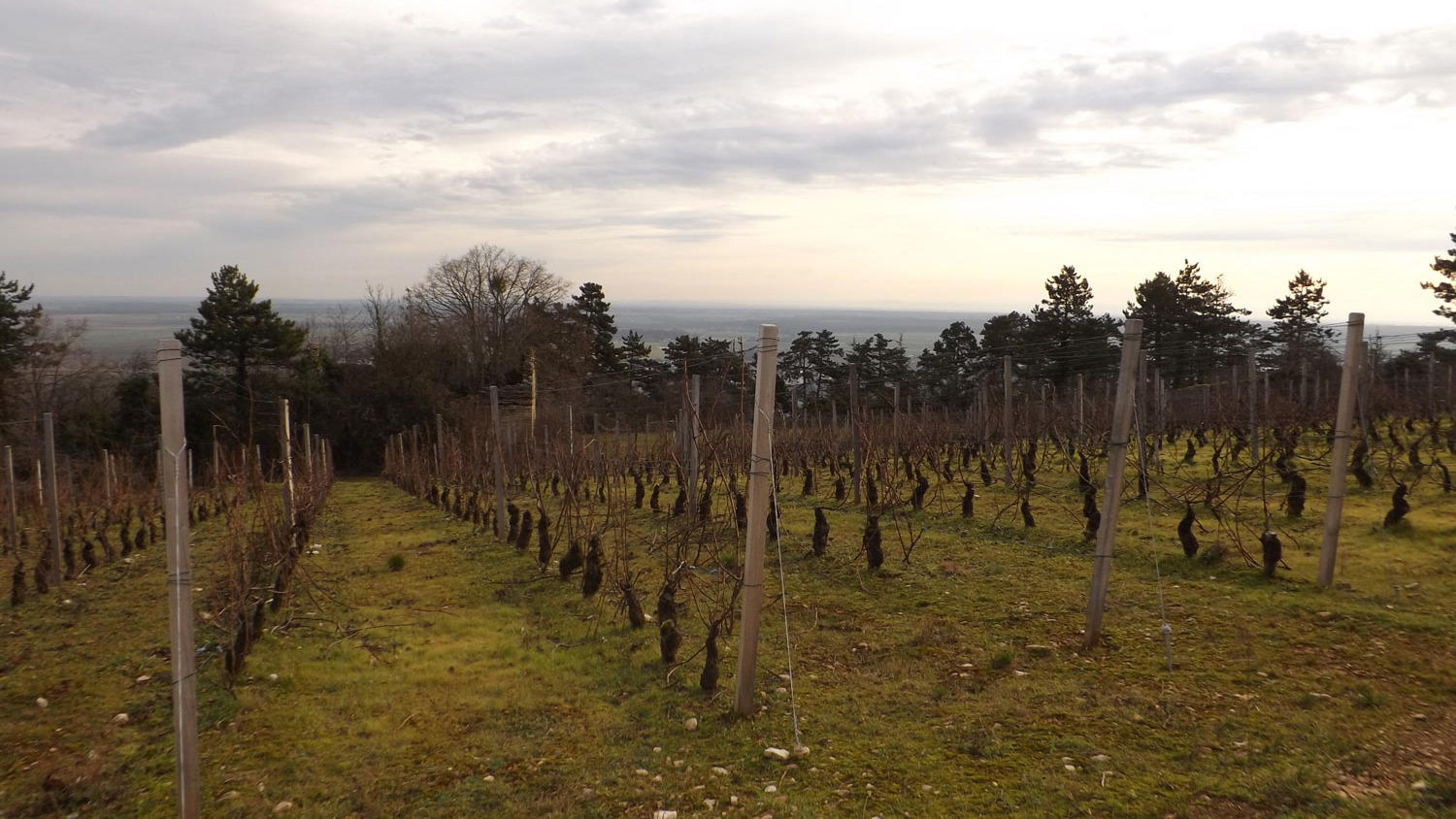
Domaine Alain Geoffroy gives Beine a quieter Chablis frame: a family-run estate atmosphere, a traditional rustic tasting cellar, and an adjoining museum of old vineyard tools and thousands of corkscrews. The appeal is not built around spectacle, but around a classic, quietly educational environment focused on terroir and history. In that sense, the domaine works well for travellers who prefer a wine visit with a clear sense of place, where the cellar, the objects, and the family estate setting all help explain why Chablis is understood through its landscape and its traditions.
For travellers approaching Beine through wine, the domaine is best understood as a place to connect a cellar setting with the material culture of the vineyard. The draw is the setting itself: rustic, traditional, family-run, and shaped by the tools and objects that make wine history visible. Rather than presenting wine as an isolated glass in front of the visitor, the experience places it among the things that surround vineyard work and cellar life. That makes the visit feel grounded, especially for those who want atmosphere and context as much as tasting.
Terroir, history, and the Chablis argument
The strongest grounded way to read Domaine Alain Geoffroy is as a Chablis estate experience centred on place. Rather than relying on claims about particular vineyard holdings, production methods, or bottle ranges, the visit can be framed around the domaine’s educational atmosphere and its focus on terroir. That framing matters because Chablis is often discussed through the relationship between wine and origin, and this estate setting gives that idea a physical, accessible form without needing to overcomplicate it.
The rustic tasting cellar supports that sense of continuity. It presents the estate as a traditional environment rather than a highly staged hospitality venue, which suits visitors looking for a quieter introduction to wine culture in Beine. The cellar’s role is not simply decorative; it helps set the tone for a visit in which the emphasis remains on heritage, regional identity, and the long connection between wine and its surroundings.
That family-run character is part of the atmosphere here. It gives the domaine a personal, local feel, while the adjoining museum broadens the experience beyond tasting alone. The result is a venue that can be appreciated even by visitors who are still developing their understanding of Chablis, because the setting offers several ways into the subject: the cellar, the estate character, and the historical objects all point back to the same regional story.
A cellar visit that treats wine as regional history
The adjoining museum is central to the experience. Its collection of old vineyard tools and thousands of corkscrews places wine inside a broader craft history, where vineyard work and the objects associated with wine culture sit alongside the cellar setting. These objects give texture to the visit because they make visible the practical side of wine: the labour, the implements, and the everyday material culture that usually sit behind the finished bottle.
That makes Domaine Alain Geoffroy especially useful for visitors who want context with a Chablis estate visit. The confirmed strengths are the traditional cellar, the museum, and the calm educational tone, not any promise of a specific tasting format, bottle list, or service style. This distinction is important: the venue’s appeal comes from its atmosphere and its interpretive value, so expectations should be shaped around learning, looking, and understanding the setting rather than around a more elaborate hospitality programme.
In practical terms, this is a venue to approach as a Beine wine stop with a historical lens. The setting encourages attention to terroir and heritage, while keeping the experience classic and restrained. It is the kind of stop where the surrounding details matter: the feel of a rustic cellar, the presence of family estate identity, and the museum’s accumulation of tools and corkscrews all help slow the visit down and place wine within a longer regional continuity.
Where it fits in a Beine wine itinerary
Domaine Alain Geoffroy fits naturally into a Beine itinerary built around wine, terroir, and local history. Other dining, lodging, bar, or experience planning in Beine should be considered separately and checked directly, since no specific companion venues are here. As a result, it is best treated as the wine-and-heritage anchor of a visit rather than as a complete day plan on its own.
For travellers comparing wine regions more broadly, the useful contrast is conceptual rather than venue-specific: Domaine Alain Geoffroy represents a traditional, family-run Chablis estate atmosphere in Beine, with a cellar and museum that make terroir and history the centre of the visit. Its tone is restrained and place-led, which gives it a different character from more performance-driven wine tourism.
The verdict is simple: Domaine Alain Geoffroy is strongest as a grounded Chablis estate stop in Beine. Its value lies in the combination of family-run atmosphere, rustic tasting cellar, and adjoining museum of vineyard tools and corkscrews. For visitors who want a calm, classic way to understand wine through setting, objects, and regional memory, that combination is the core reason to go.
Recognition history
Dated appearances from independent guides and award organizations, with the underlying list record or original source where available.
Falstaff Winery - Listed
Falstaff
Continue exploring
More in Beine
Wineries in Beine
Browse all →
Bars in Beine
Browse all →
Restaurants in Beine
Browse all →
Details
- Classic
- Rustic
- Scenic
- Elegant
- Quiet
- Wine Education
- Group Outing
- Solo Exploration
- Romantic Getaway
- Family
- Estate Grounds
- Vineyard Tour
- Historic Building
- Private Tasting
- Sustainable
- Vineyard
- Chardonnay
- Pinot Noir
- Still White
- Still Red
- Walk In Tasting
- Guided Tour And Tasting
- Museum Visit With Tasting
- French
- English
Family-run Chablis estate atmosphere with a traditional, rustic tasting cellar and an adjoining museum of old vineyard tools and thousands of corkscrews, creating a classic, quietly educational environment focused on terroir and history.